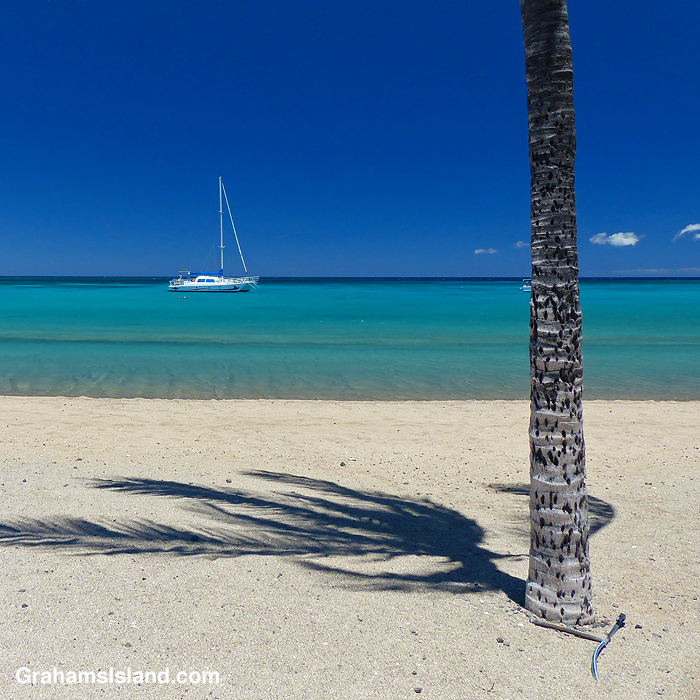
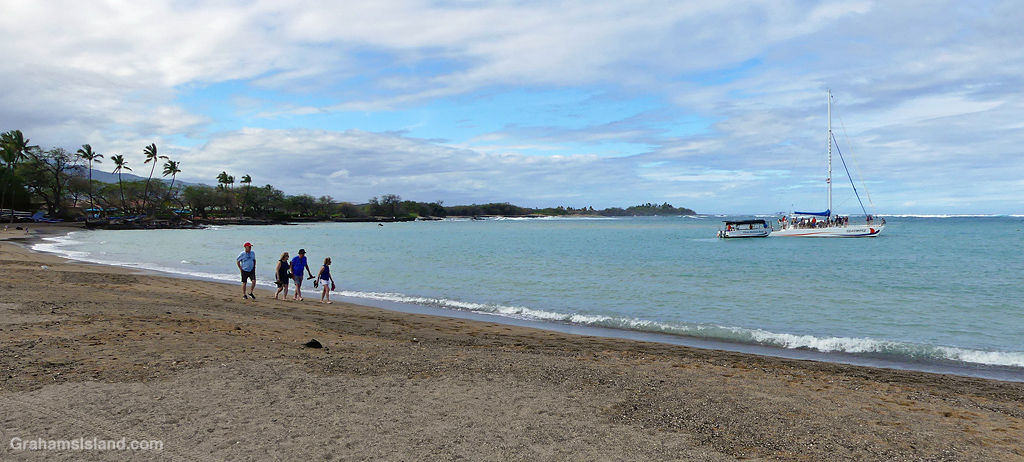
A Covid-year photo of a sailboat anchored off a deserted Anaeho’omalu Bay beach.
The idea of The Numbers Game is to enter a number into the search bar of your computer and then post a selection of the photos that turn up. This week’s number is 161. Captions are on the photos. You can see more responses here.
Also, seven photos posted for Becky’s Squares: Seven. See more responses here.
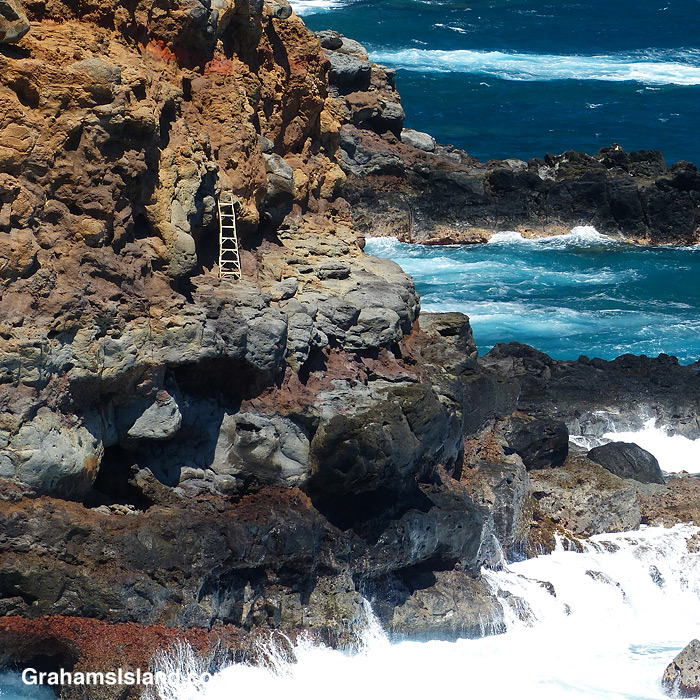
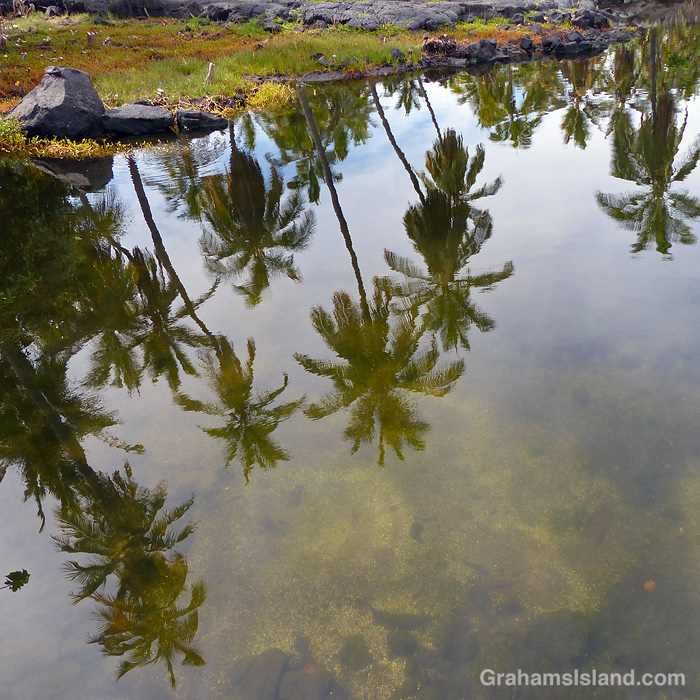
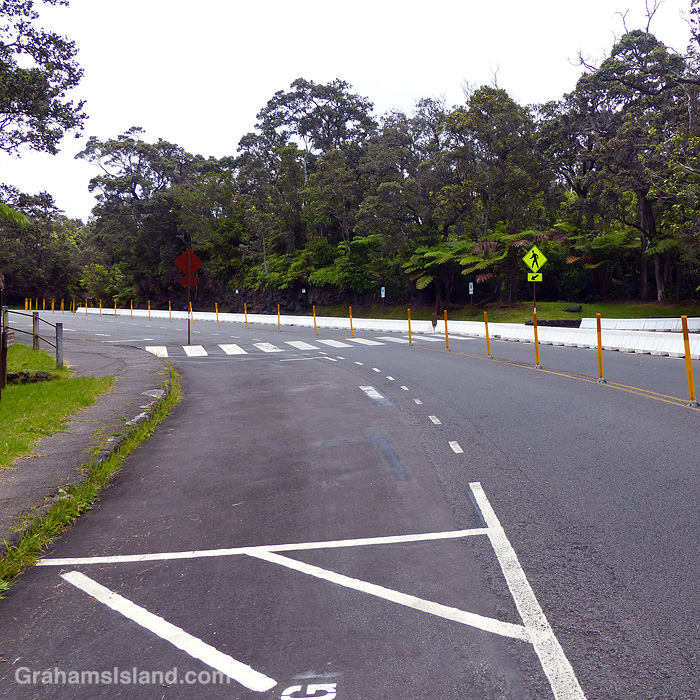
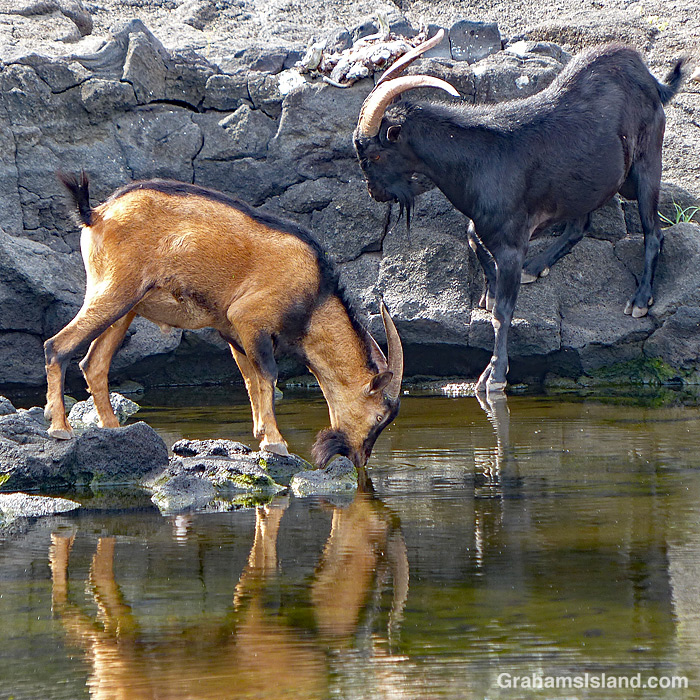
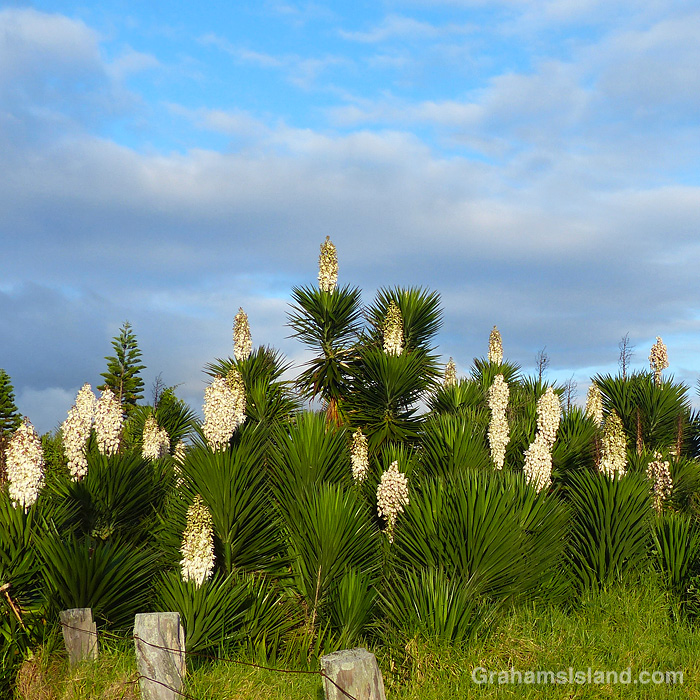
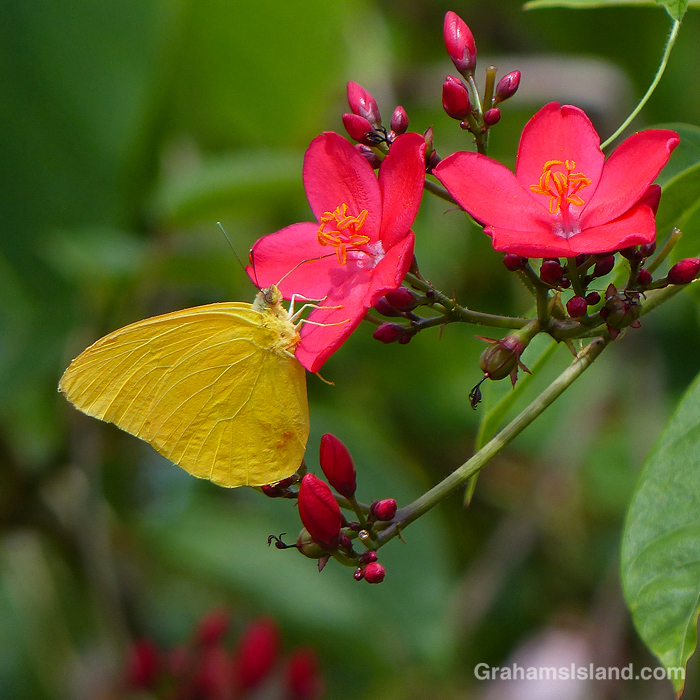
A ladder used by people fishing, to access a rugged shore.Palm trees reflect in one of the ponds at Puʻuhonua o Hōnaunau National Historical Park.Another Covid-year shot, this time of the deserted road and parking area between Kilauea Iki trail and Nāhuku (Thurston Lava Tube), two of the most popular places in the Hawaii Volcanoes National Park. Goats take a drink at a pond in Puʻuhonua o Hōnaunau National Historical Park.Yucca flowers blooming in Waimea.A Large Orange Sulphur Butterfly feeding on Rose Jatropha flowers.
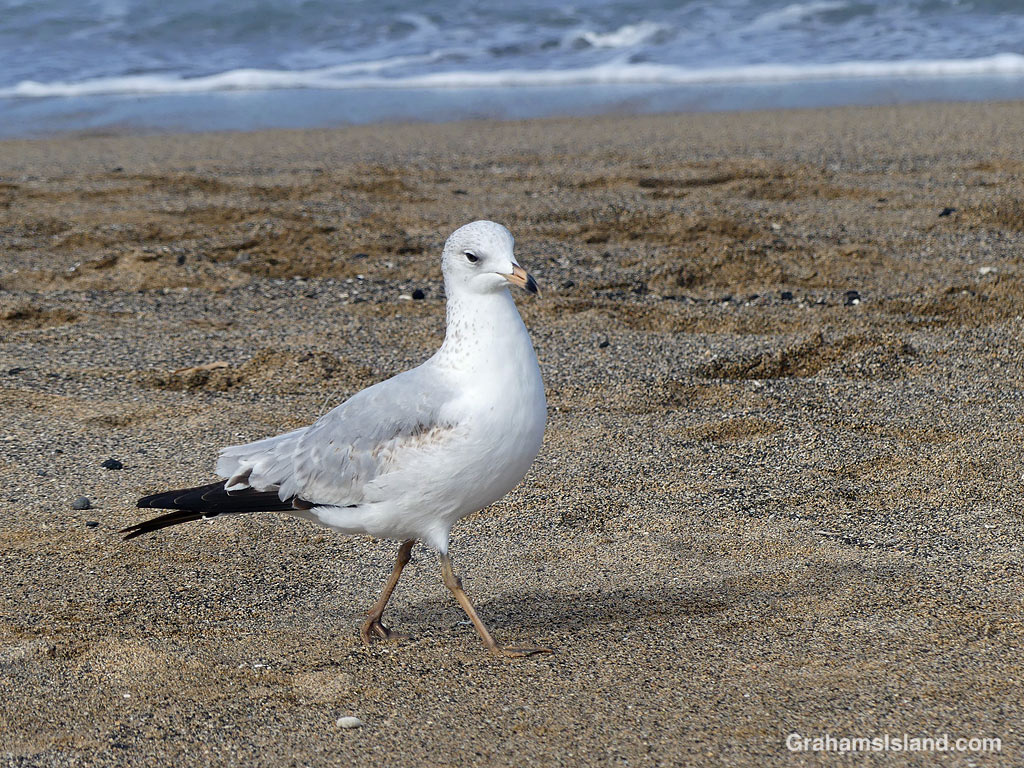
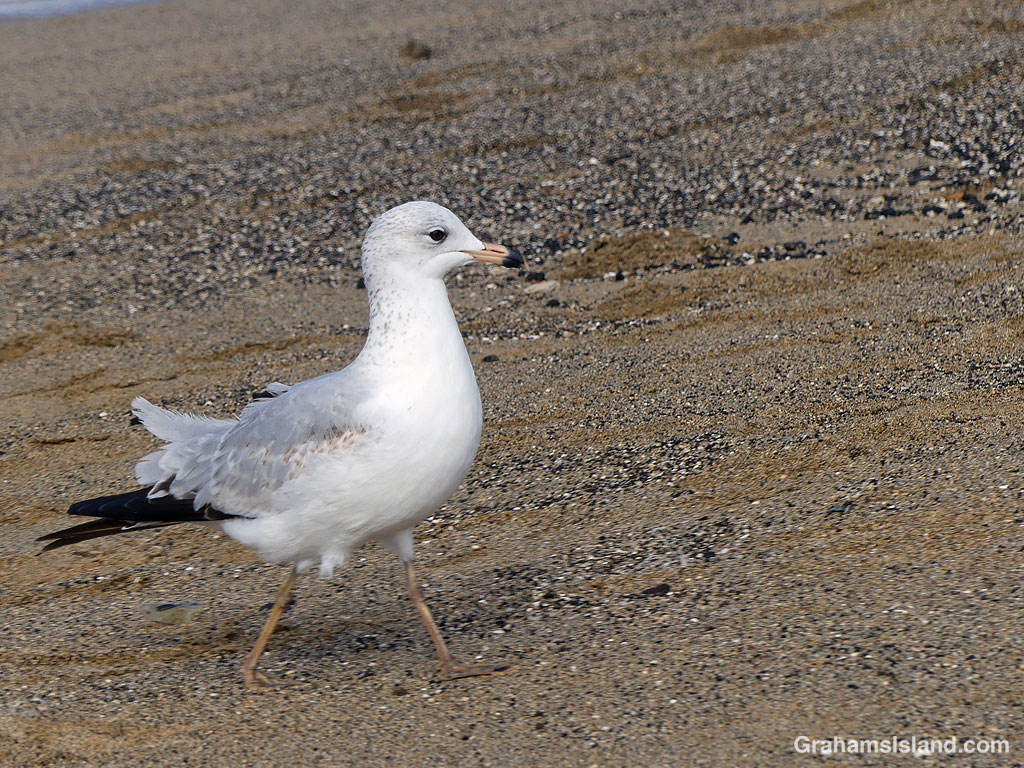
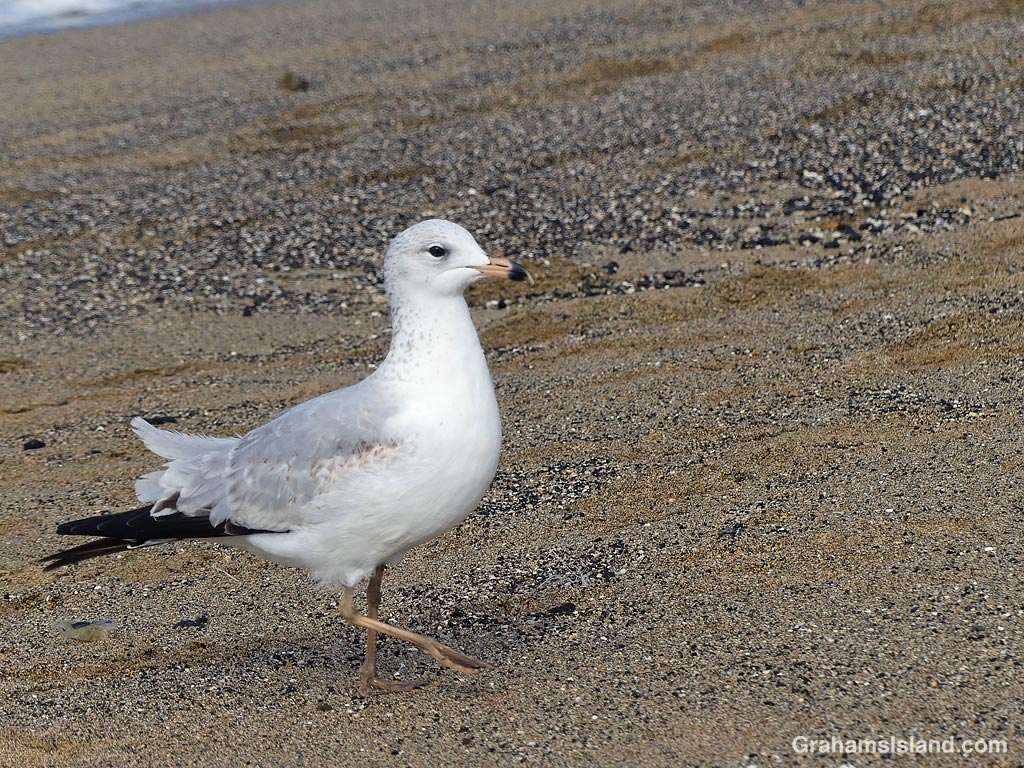
I was walking the beach at ʻAnaehoʻomalu Bay (often known as A Bay, for obvious reasons) when I noticed this bird walking in the same direction as me. I was idly wondering what kind of gull it was, when I suddenly realized, ‘it’s a gull.’
Unlike most places, a gull sighting in Hawaii is a rarity. I know people who’ve never seen one here. Gulls prefer shallow tidal areas and tropical islands don’t have those, so they’re not gull-friendly. But a few get blown in every year and some arrive as stowaways on ships
This one is a Ring-billed Gull, and it’s the second I’ve seen in my time here. The first, I saw catching a fish (here). I rather liked how this one was strutting its stuff on the beach.
Also posted for Bird of the Week LII. See more responses here.
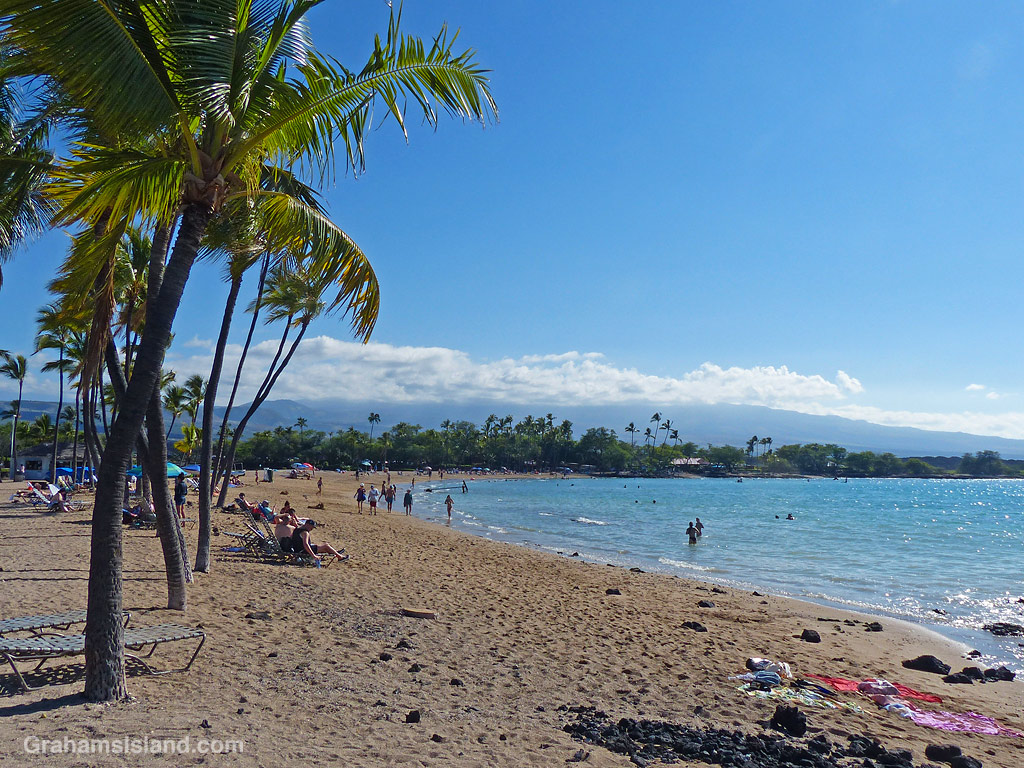
The beach at Anaeho’omalu Bay is very popular. This was taken in the late afternoon when the crowds had thinned out.
This week’s Sunday Stills challenge theme is ‘Lazy, Hazy Days of Summer.’ See more responses here. Beach scenes seemed appropriate for this, even if some of these photos were taken in the winter! Captions on the photos.
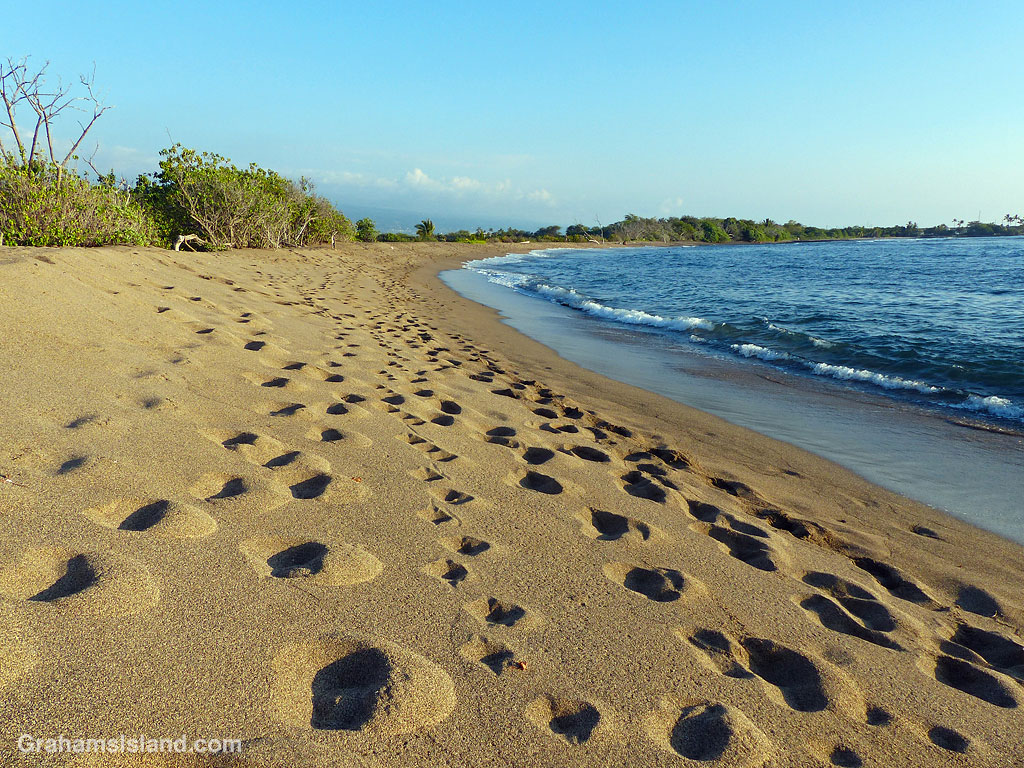
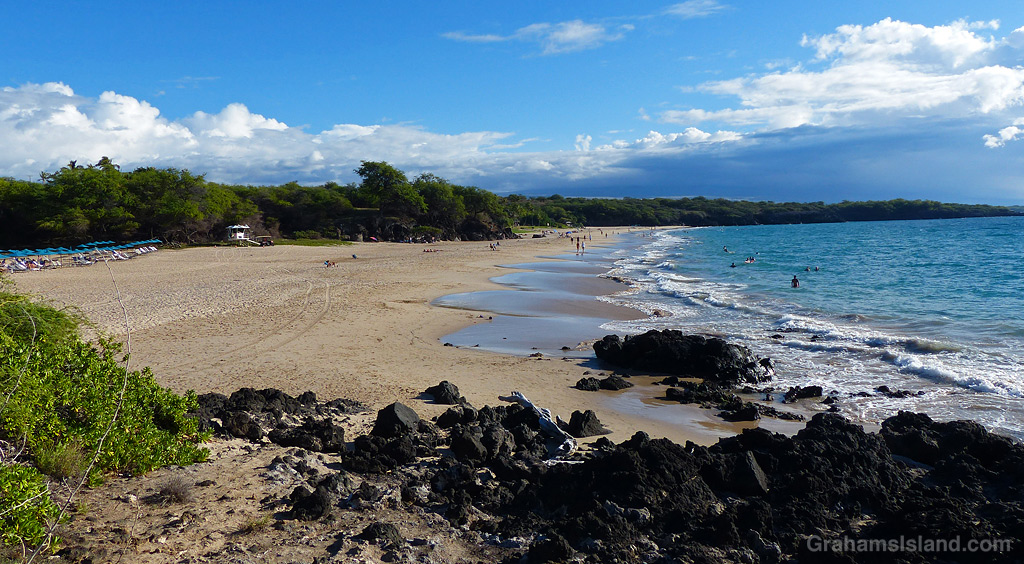
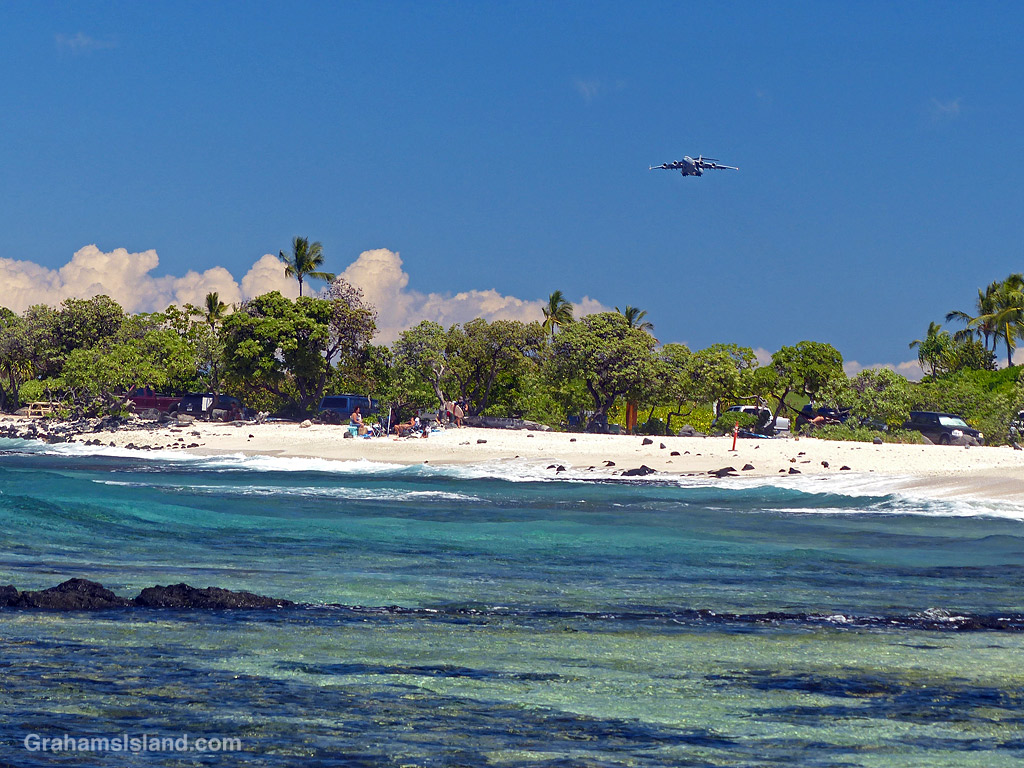
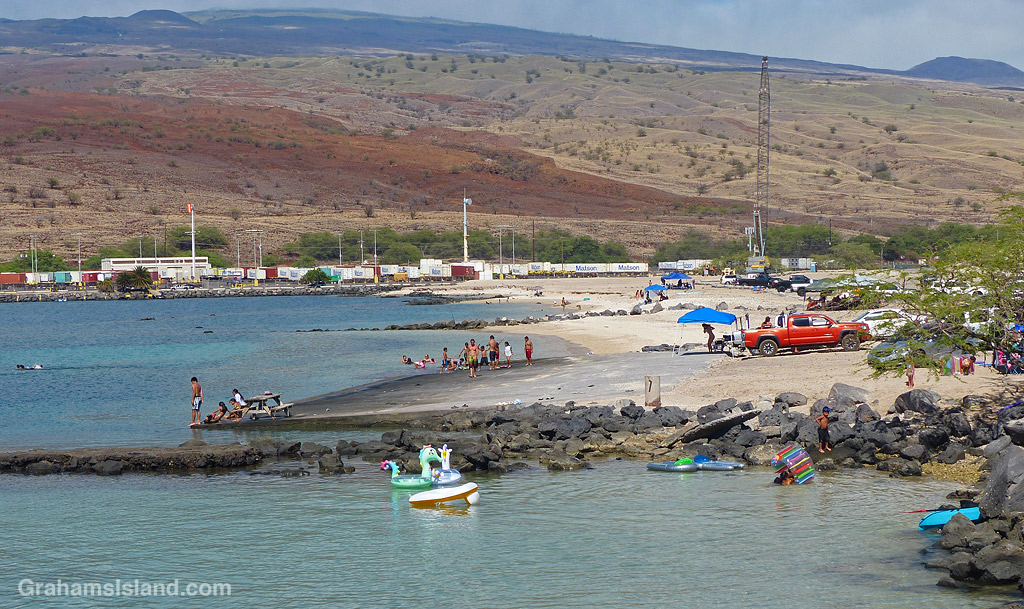
Kaloko-Honokōhau National Historical Park is also popular, but not many walk the length of it, so there are often empty stretches of sand.No wonder Hapuna beach often appears on lists of best beaches.Kohanaiki is popular with surfers, but the beach is good too, even if it is close to the airport.The beach in Kawaihae Harbor is popular with locals, especially on weekends. It’s a great spot for families with the water protected by a long breakwater.Another beach that’s popular with families is at Spencer Beach Park. Smooth sand, calm water, shade trees, and good facilities are the reasons why.
This week’s Sunday Stills challenge theme is ‘Beautiful Beaches.’ See more responses here. Obviously, this was a tricky challenge for me, but I have managed to come up with a few photos!
The top photo shows Green Sand Beach. It’s official name is Papakōlea Beach and the color of the beach is due to an abundance of olivine from the old volcanic cinder cone that borders the beach.
Next we have two black sand beaches. The best known black sand beach on the island is Punaluʻu Beach, which is often referred to simply as Black Sand Beach. However, there are several others. The first of these is Pololu Beach here in North Kohala. The black sand is a result of the breakdown of black lava into smaller pieces. Over time, the grains become as fine as those on white sand beaches.
Pohoiki Beach is the newest such beach on the island, formed by the eruption of 2018. The grains are still a bit coarse, but it’s mind boggling to think that before that eruption, there was basically no beach here at all. Now, as the photo shows, it’s extensive.
Finally, some white sand beaches. Anaeho’omalu Bay Beach, at the south end of Waikoloa Beach Resort, is a curve of sand dotted with palms, a quintessential tropical beach.
Hapuna Beach, farther north, is a regular on lists of best beaches in the U.S.A..
The beach at Spencer Beach Park is a current favorite of mine, a place I like to walk in the early morning before going to work. The sheltered waters, shade trees, and picnic areas make it a favorite with families.
Sunset at ʻAnaehoʻomalu Bay. I have no idea what made this splash in front of the setting sun. I don’t think there was anything out there to cause breaking waves. It could have been the wake of a boat, but I didn’t see one going by. One of life’s little mysteries.
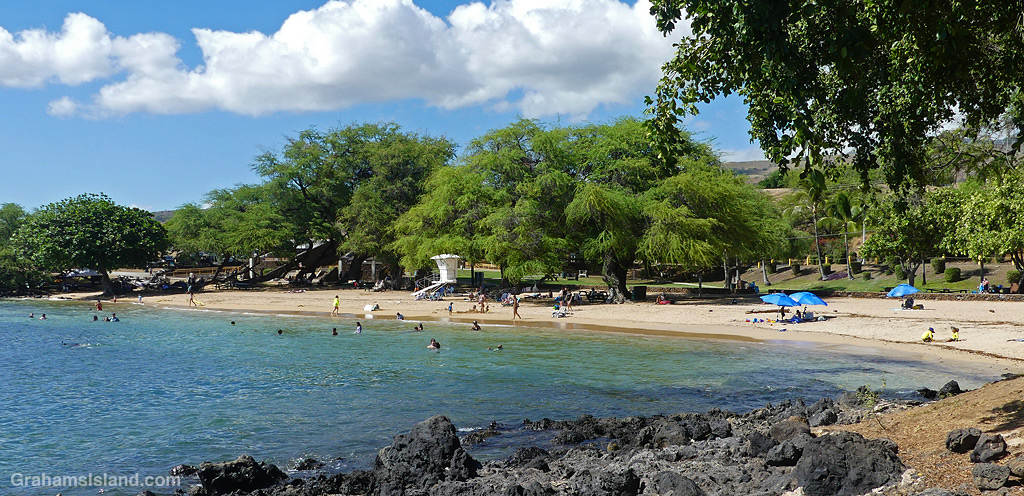
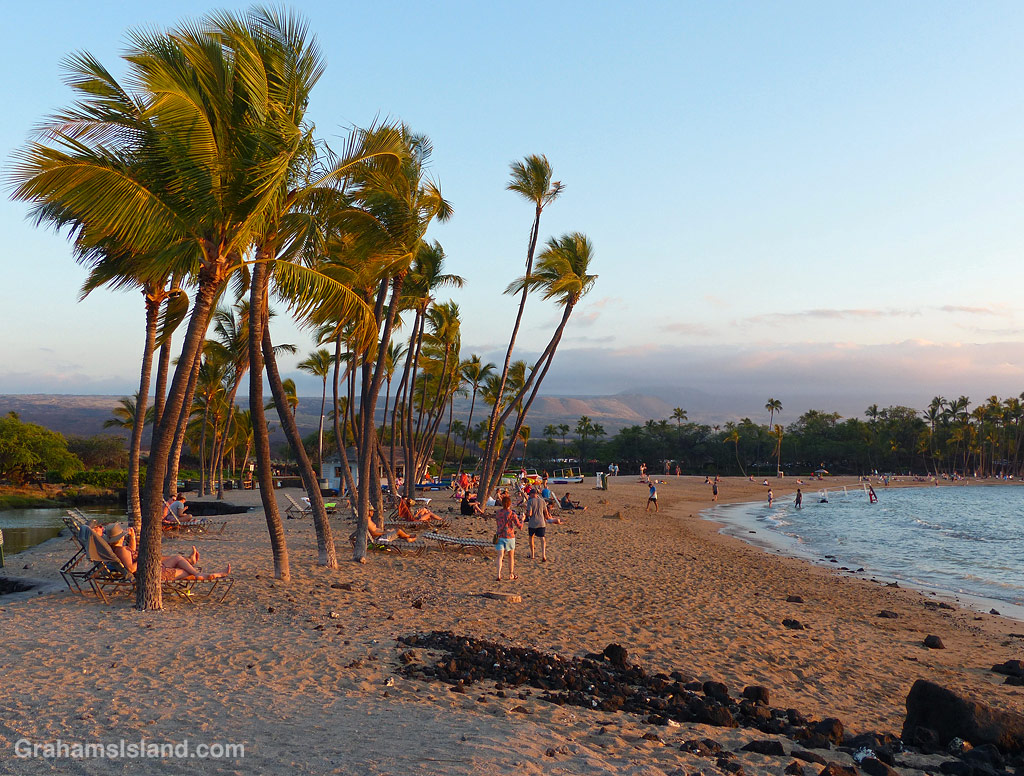
Back in August of 2020 I posted some photos of a walk I did along ʻAnaehoʻomalu Bay beach (here). The top photo in this post was taken at that time. As you might remember, this was during the time the island, and all of Hawaii, was more or less shut down to visitors. Consequently, this popular beach was almost deserted.
Last week, I thought I’d revisit the scene and took a late afternoon walk along that stretch of coast. The bottom photo shows a scene from the same end of the beach as the top photo. It was actually less busy than I expected, but still considerably more than my previous visit.