
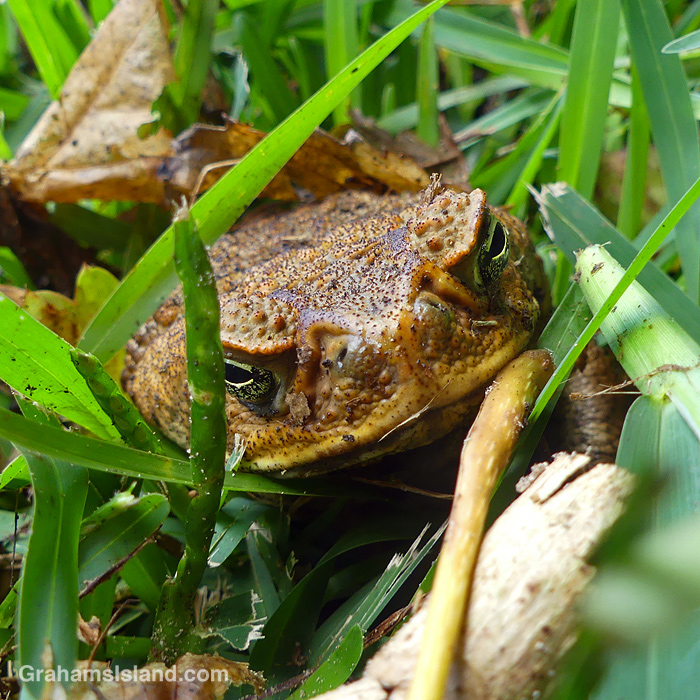
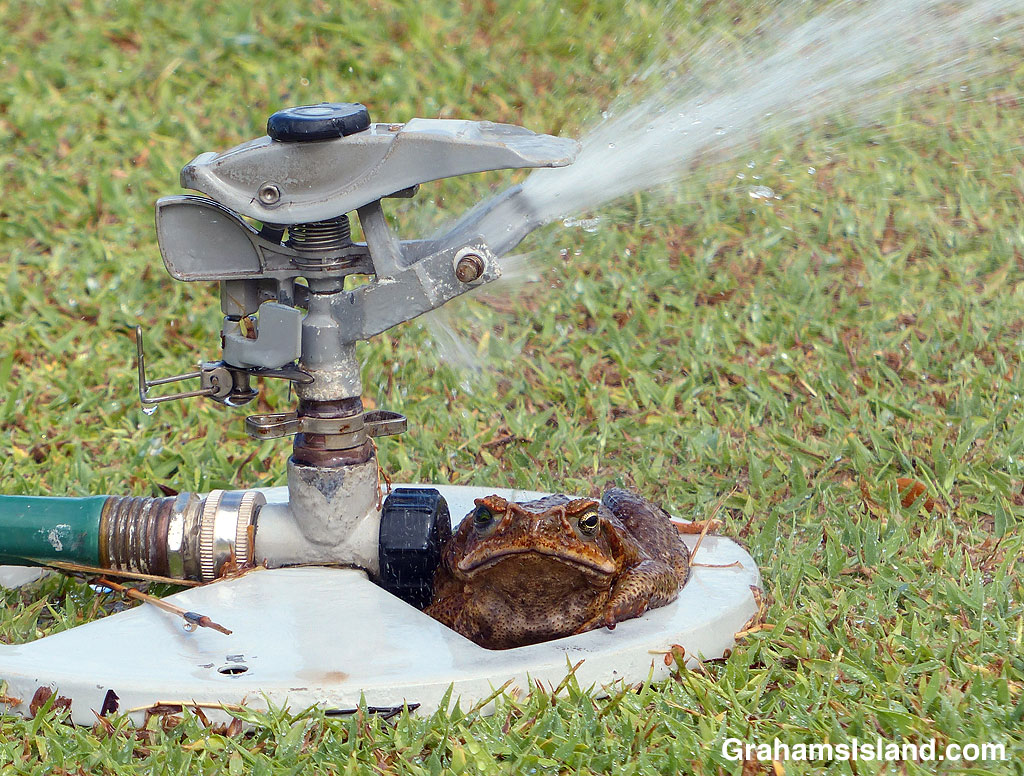
I found this cane toad while doing some weeding. It looked aggrieved, as they always do, but didn’t budge from its spot. After taking photos, I moved away and the toad finally lumped forward to a quieter spot in the hedge.

I found this cane toad while doing some weeding. It looked aggrieved, as they always do, but didn’t budge from its spot. After taking photos, I moved away and the toad finally lumped forward to a quieter spot in the hedge.
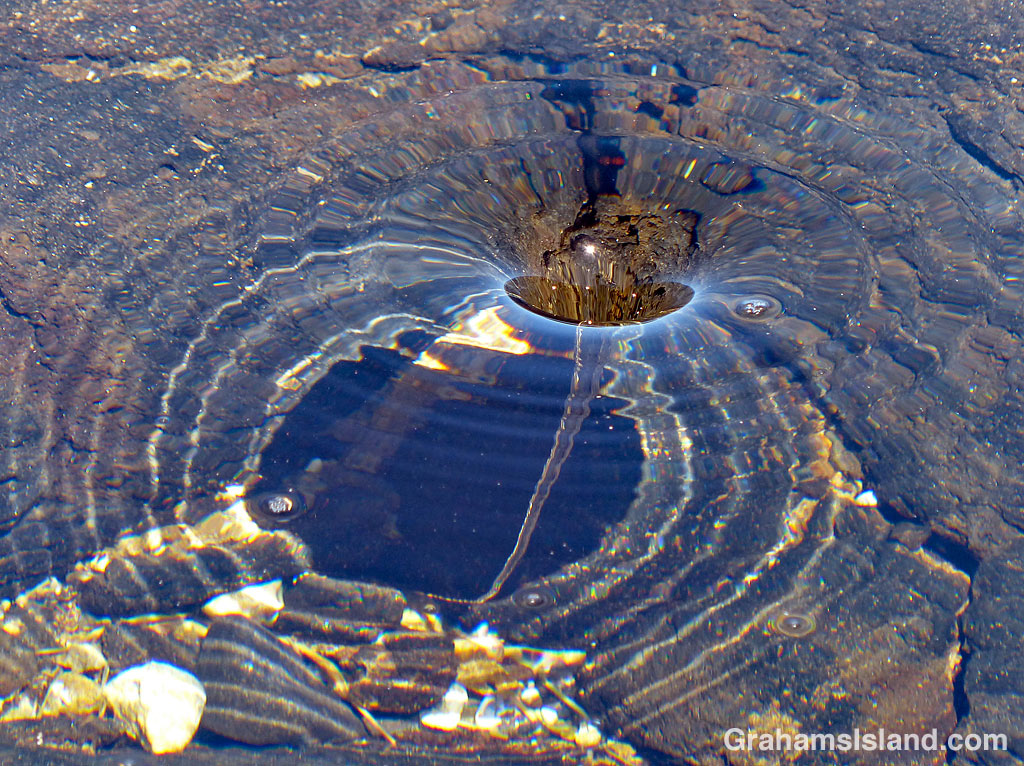
The idea of The Numbers Game is to enter a number into the search bar of your computer and then post a selection of the photos that turn up. This week’s number is 155. Captions are on the photos. You can see more responses here.

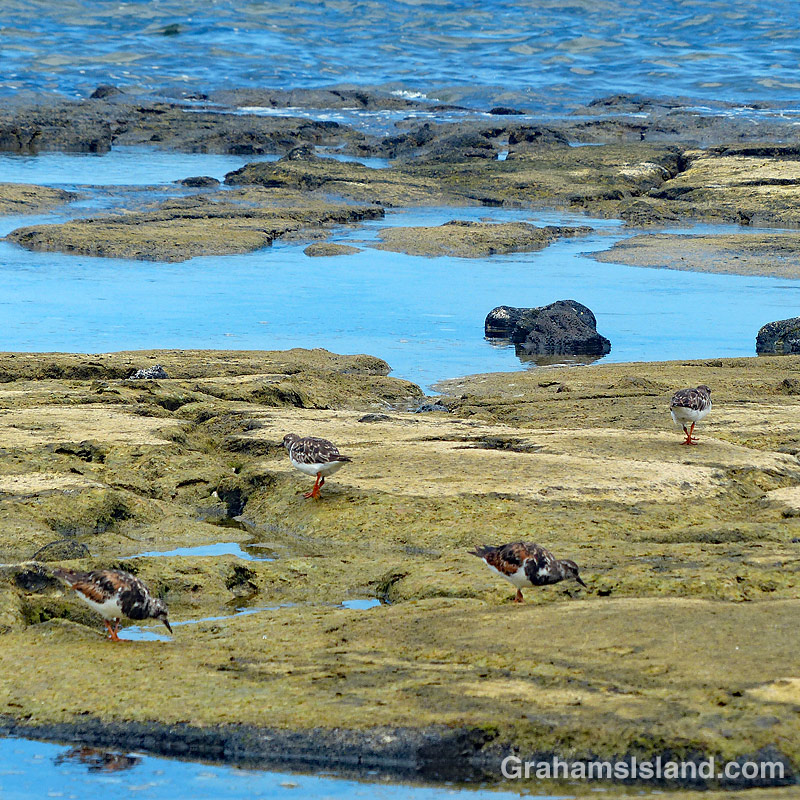
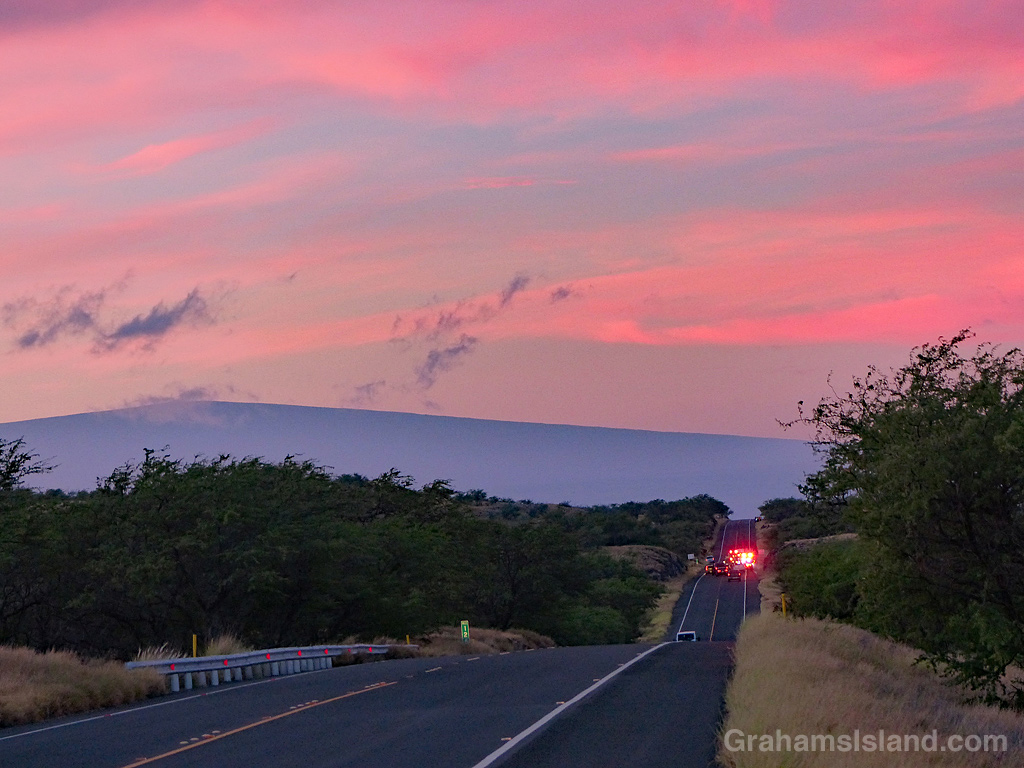

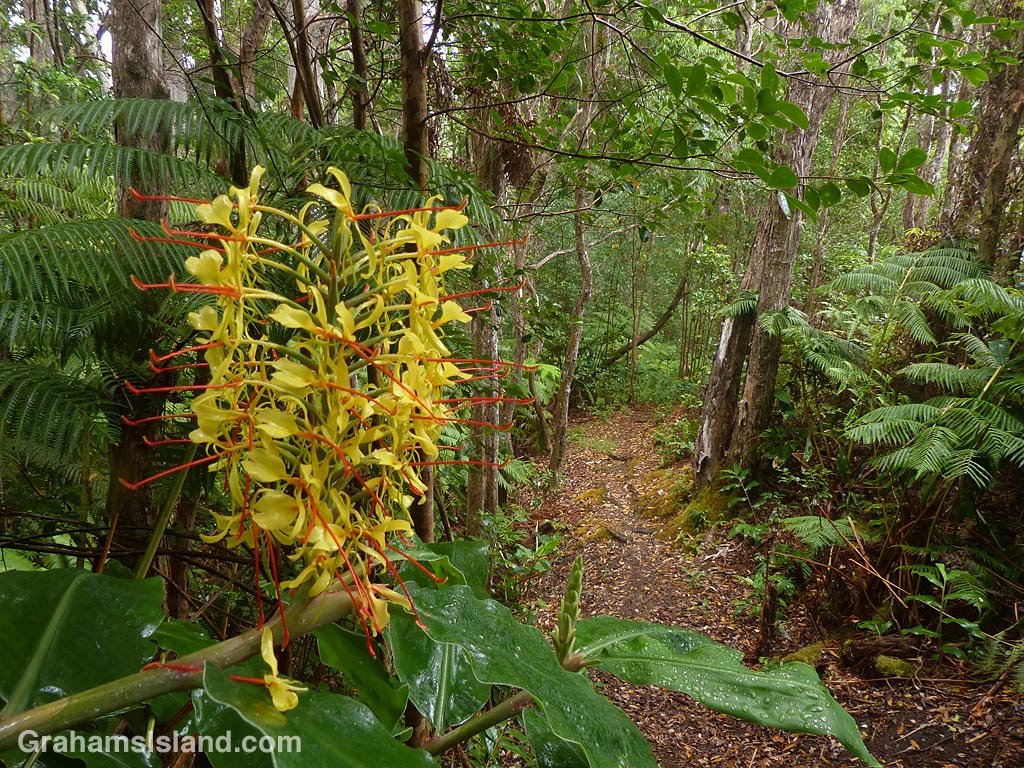

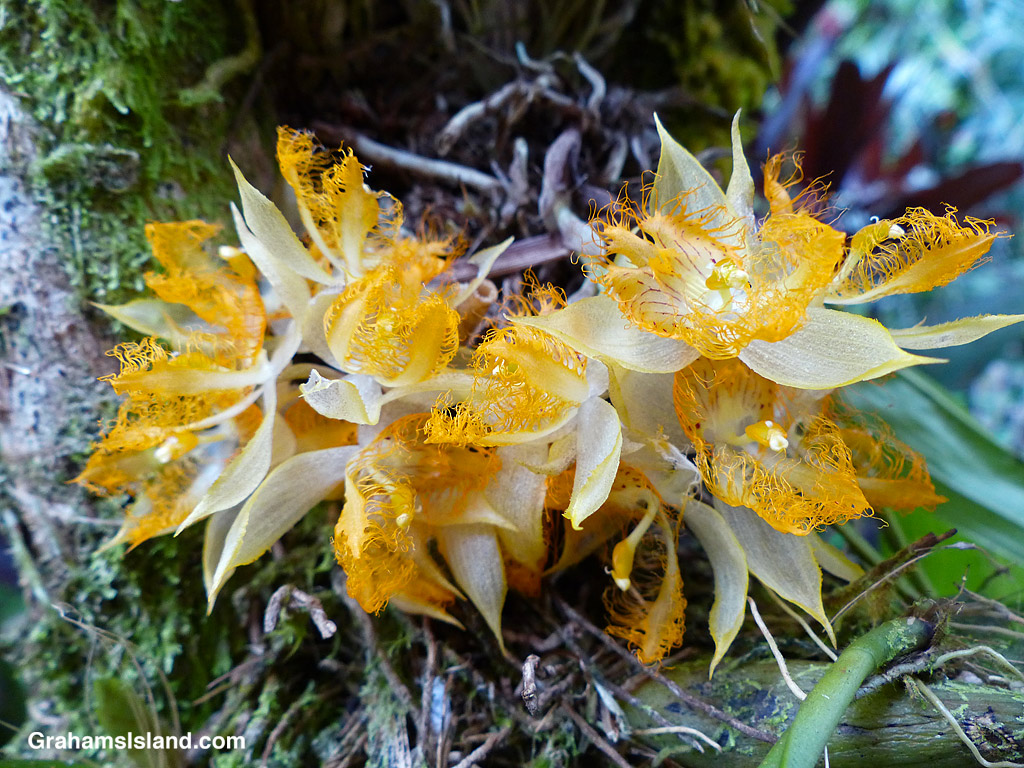
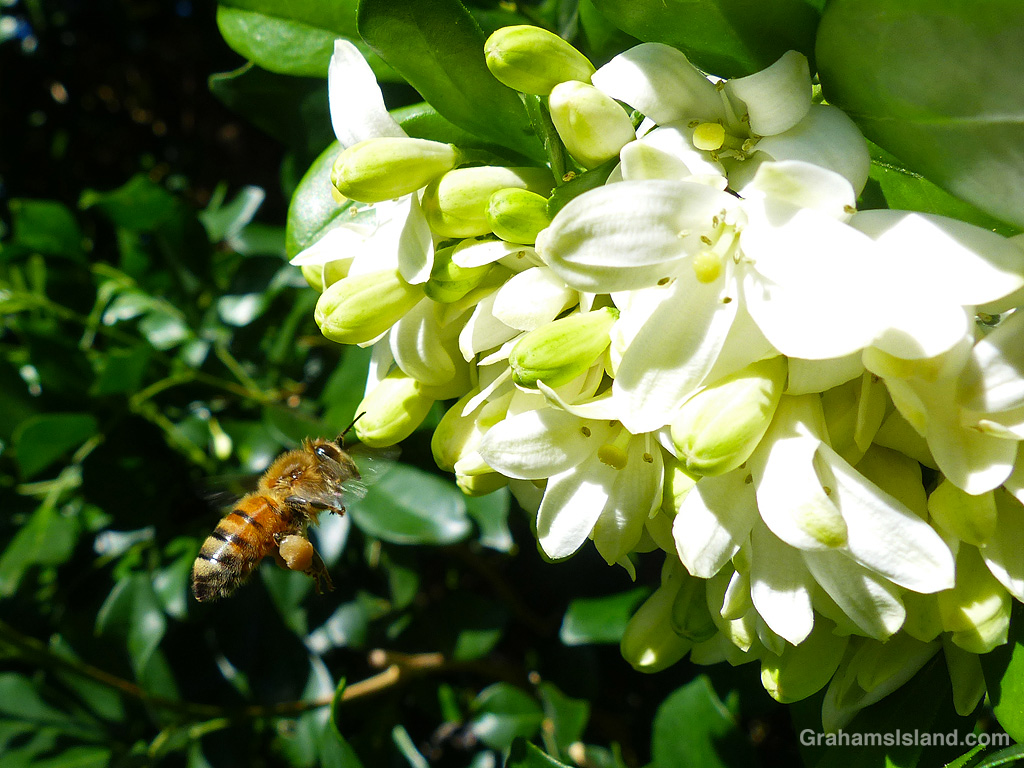
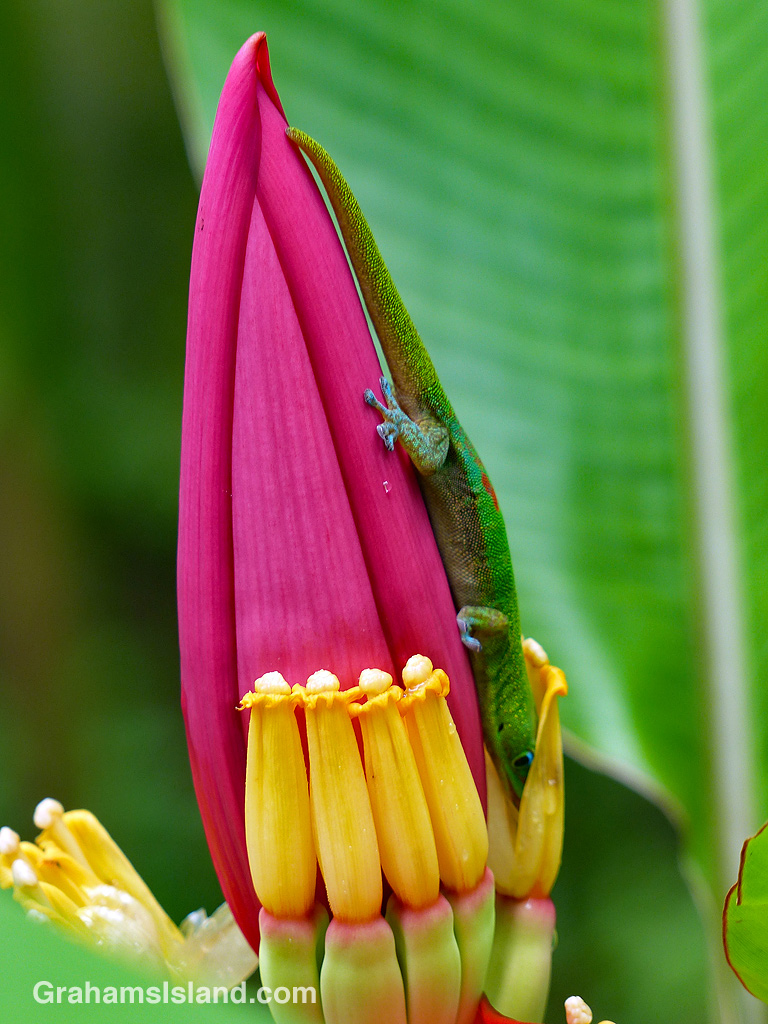
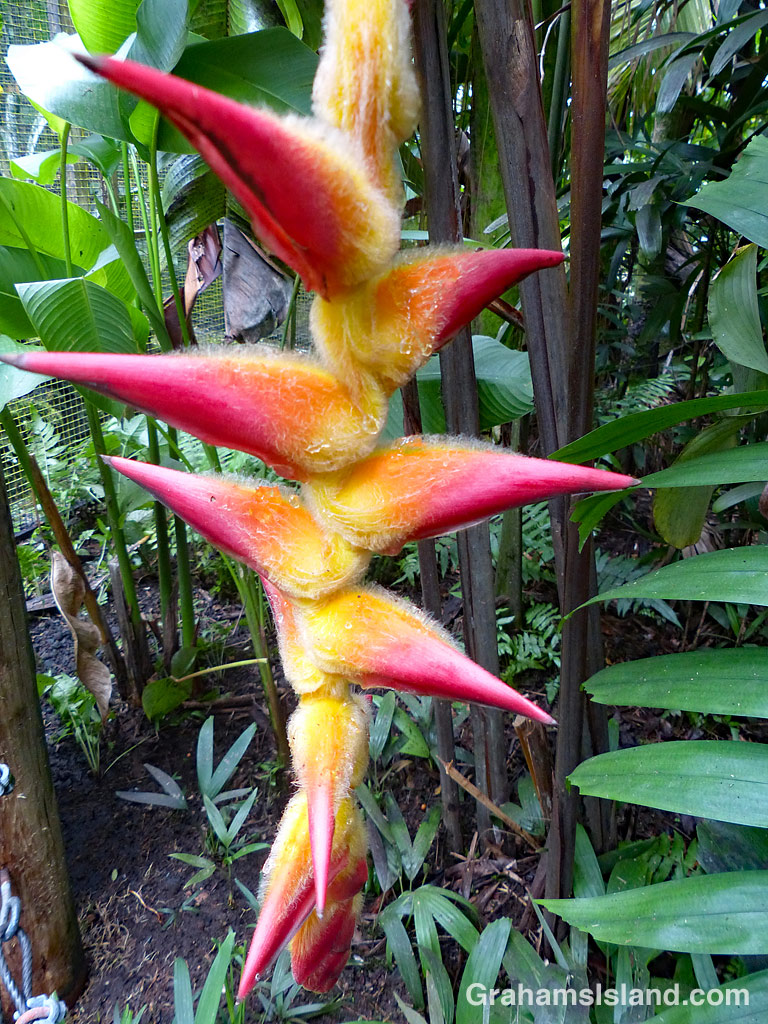
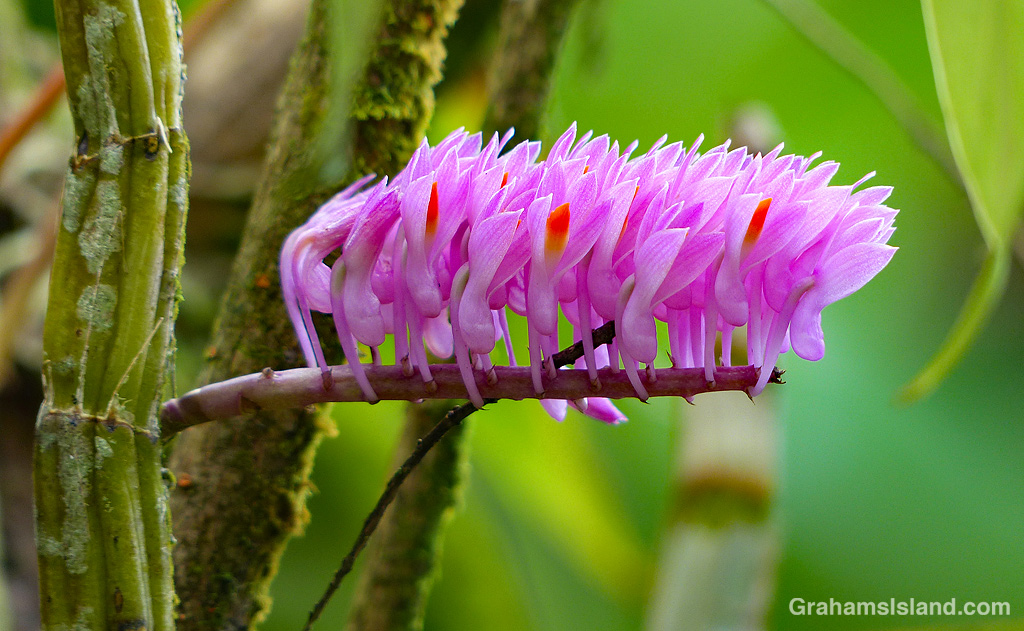
The idea of The Numbers Game is to enter a number into the search bar of your computer and then post a selection of the photos that turn up. This week’s number is 150. Apart from the top photo, it’s all about plants this week. Captions are on the photos. You can see more responses here.

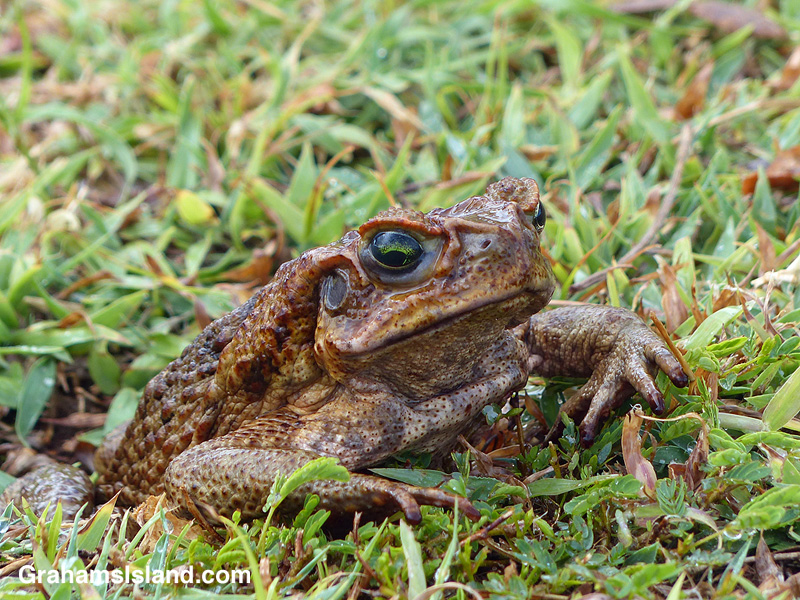
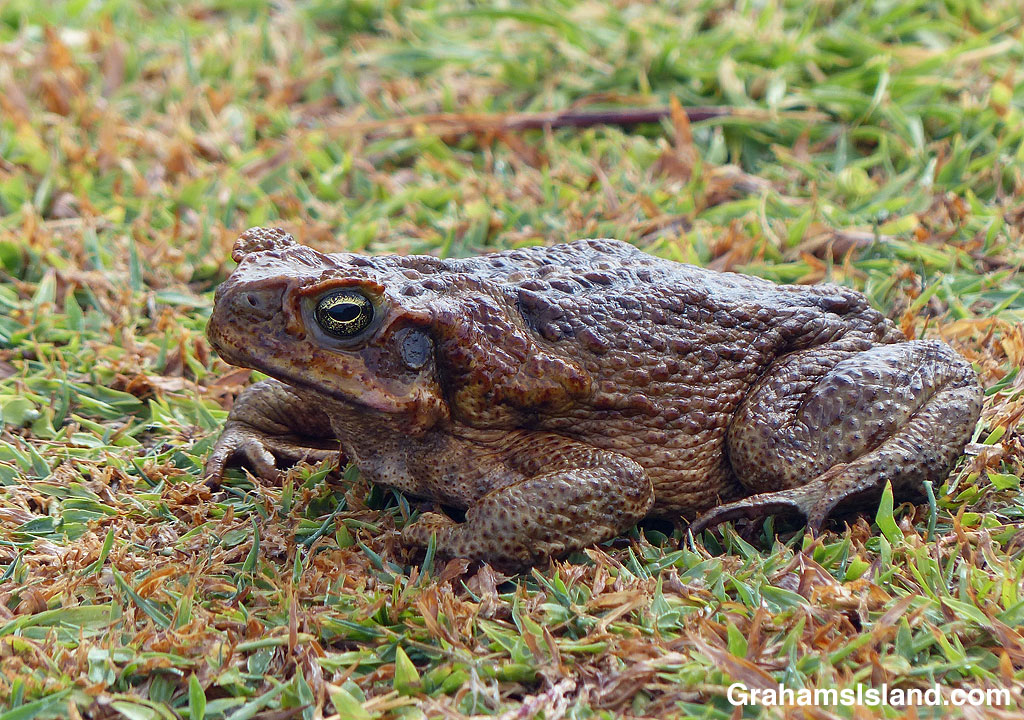
This week’s Sunday Stills challenge theme is ‘Zen.’ (See more offerings here.) This is a cane toad and, despite the exceedingly grumpy look, it found a moment of zen in the sanctuary of this sprinkler.
Cane toads were introduced to Hawaii to control pests, such as the cane beetle, in sugar cane fields. As with many such introductions, the results were mixed. The toads do eat an assortment of undesirable insects, but also breed prolifically so that they can become pests themselves.
They are the world’s largest toad and have poison glands that can release a toxic substance onto their skin, so they should be handled with care or not at all.
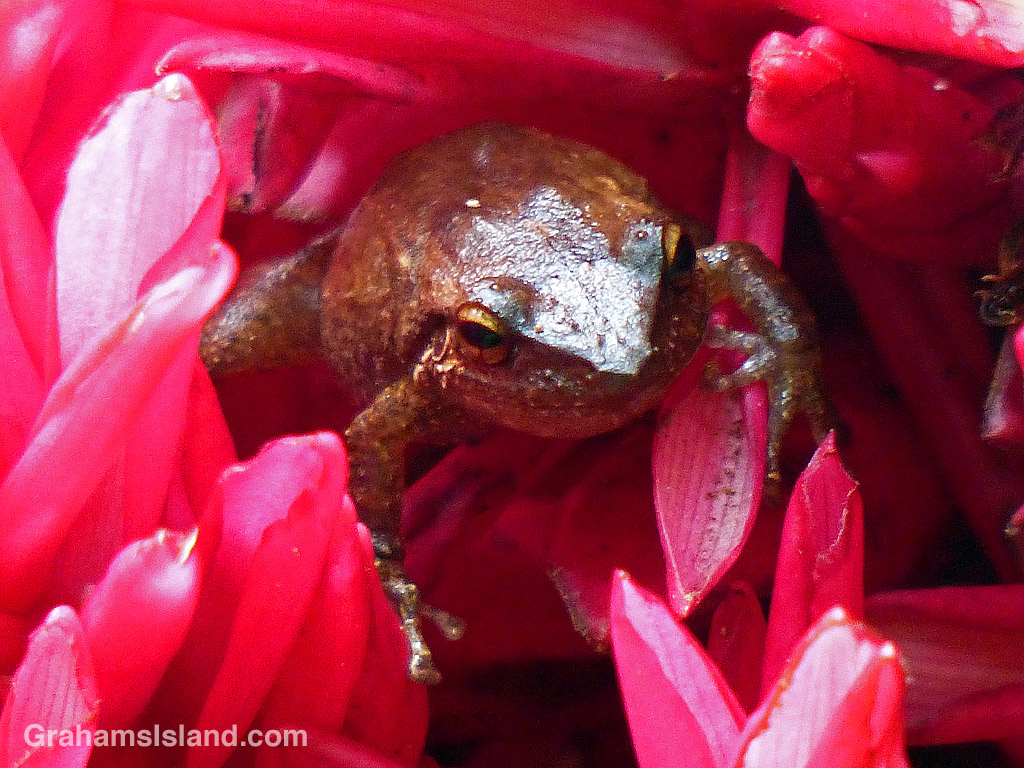
What is there to say about the coqui frog (Eleutherodactylus coqui)? How about KO-KEE, KO-KEE, KO-KEE, KO-KEE, KO-KEE, KO-KEE. And how about calling that out at around 100 decibels ALL NIGHT LONG.
Coquis came to the Big Island in the late 1980s, believed to be an accidental import on some plants. They hail from Puerto Rico where they’re a popular cultural symbol. But in Puerto Rico, the coqui has predators such as snakes and birds. In Hawaii, it has no predators and it’s thriving. Indeed, I recently read that supersized coquis have been found here, not the usual frogs the size of a quarter, but silver dollar sized – about 50% bigger. One theory for this is that the excellent conditions and lack of predators means the coquis live longer and thus eat more and grow bigger. Watch for ‘The Coqui That Stomped Hilo’ coming soon to a theater near you.
Suffice it to say that coquis are considered an unwanted invasive species here. Homeowners try to eradicate them because their noise is believed to lower property values. Even businesses are affected, with tourists considered less likely to want to stay in areas infested with coquis. (Ironically, while Hawaii tries to battle this mostly-loathed frog, in its native Puerto Rico this much-loved frog is threatened by a fungus called Batrachochytrium dendrobatidis and coqui numbers there are in decline.)
The east side of the island, with its greater rainfall and abundant vegetation, is prime coqui habitat. The northern part of the island, where I live, is considered coqui free. What that means is that the frog is not established here and coordinated efforts are made to find and eliminate those that are heard. It’s an uphill battle. I know I hear them at night. A few weeks ago it was just one, but now that one’s call is being answered by others.
And what about that call? Well, as usual, it’s the males making all the ruckus. The call is both a warning to other males (the KO part) and an alluring come hither to females (the KEE part). With the males, one will make the call to establish his territory and then another might respond to challenge this. They keep up this call and response until one gives up, a process that can last many minutes. The loser will move on while the winning male will start over until another challenger chimes in.
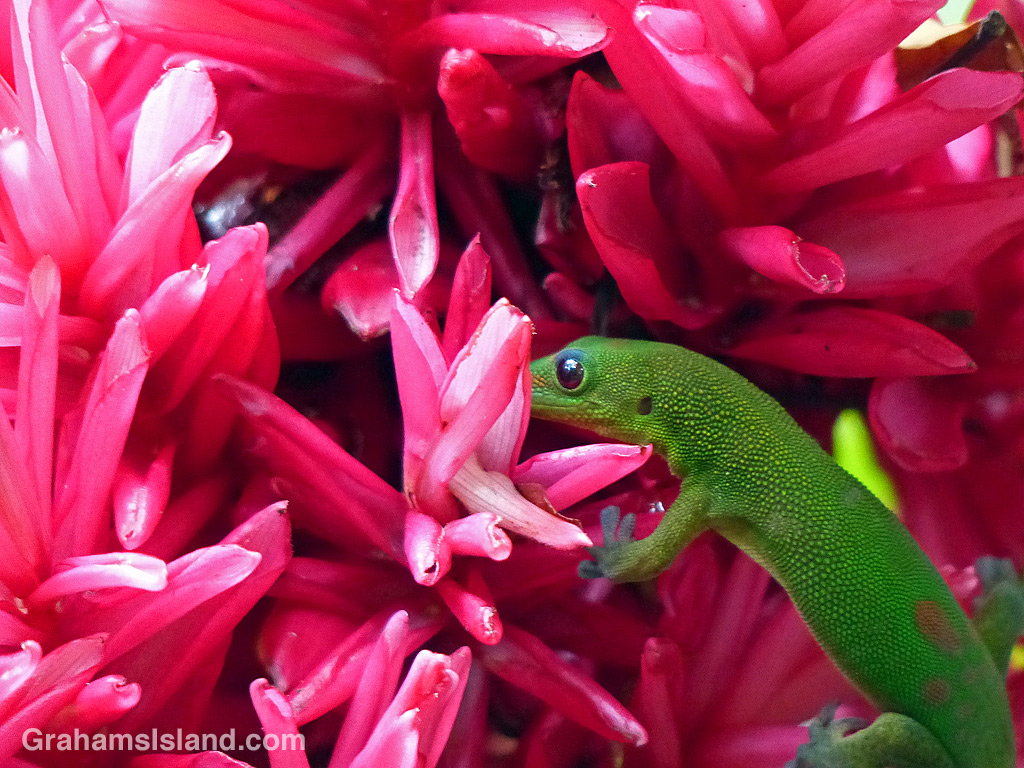
I’ve heard plenty of coquis, but the one above is the first I’ve actually seen. I was visiting Hawaii Tropical Botanical Gardens and taking photos of a gold dust day gecko that I saw on a red ginger (Alpinia purpurata). The gecko was poking its nose into the plant looking for moisture or nectar, when there was a sudden flurry. If you look at the photo below, the reason can be seen toward the top left corner, lurking deep in the bloom. The coqui hadn’t appreciated being disturbed and seemed to nip the gecko causing it to jump back. Then the frog came out a bit farther to check the coast was clear, before returning to its hideaway.
For more information about coqui frogs in Hawaii, go to https://www.ctahr.hawaii.edu/coqui/index.asp.
 Graham's Island