Tag Archives: On The Coast

Abstracts: Birdman

Abstracts-Birdman

I’d rather be out exploring, which is how I found conclusive evidence of the existence of this previously unknown creature – half man, half bird. I bet it spends a good deal of its time going around in circles.

Posted in response to this week’s WordPress Photo Challenge, ‘I’d rather be…

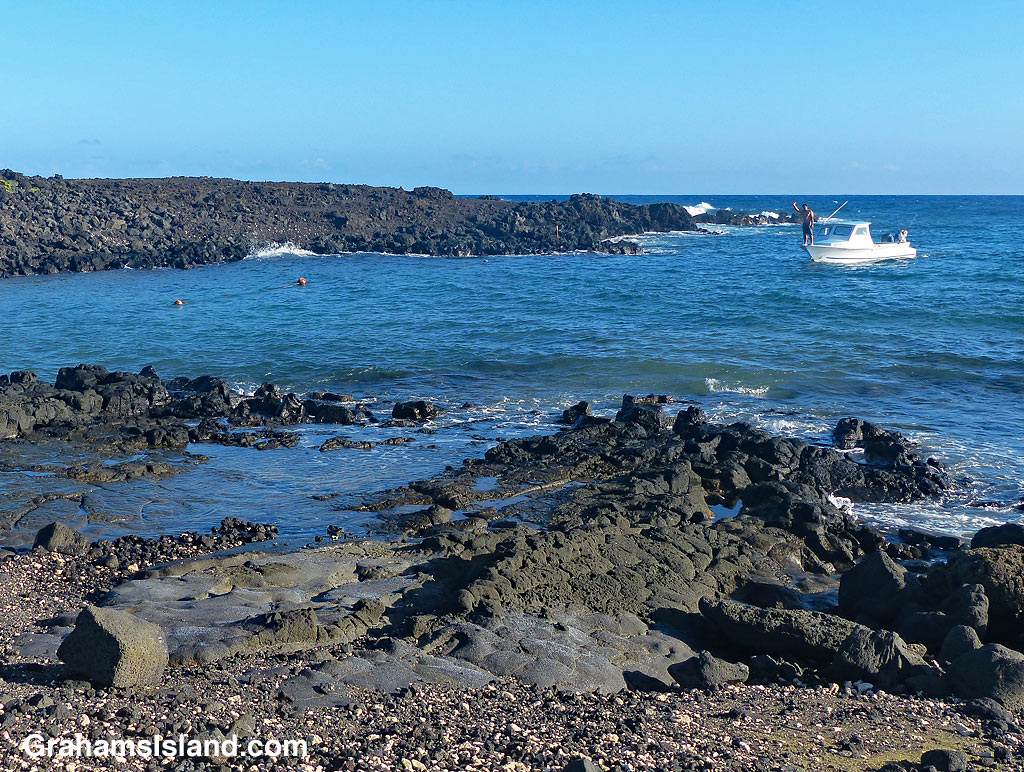
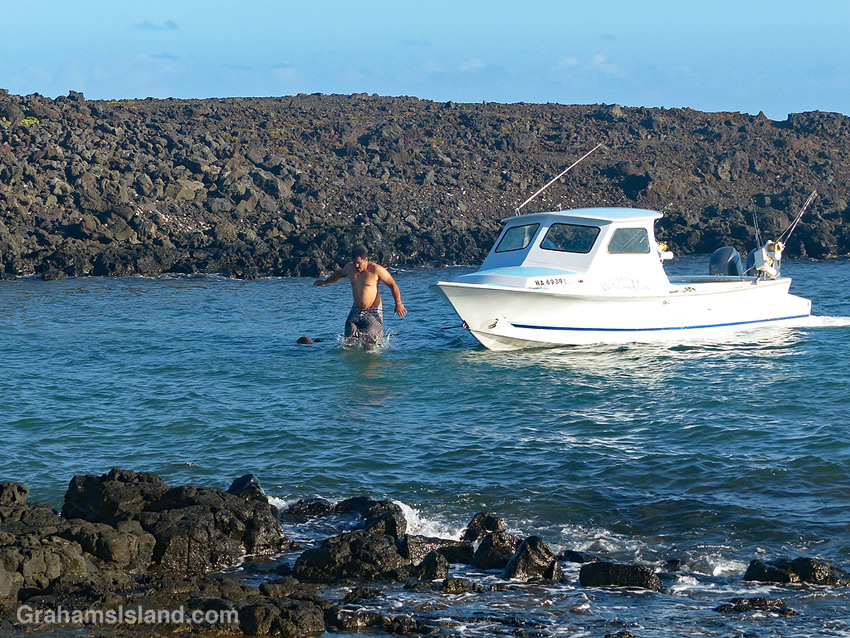
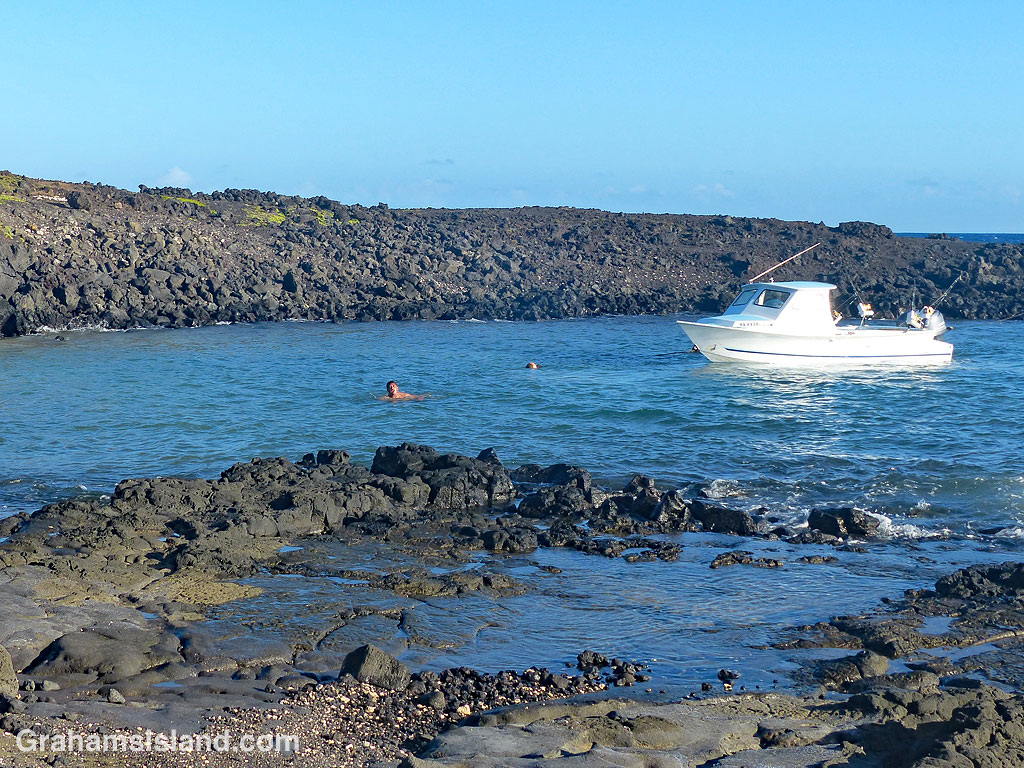
Arriving at Kaulana boat ramp

It’s one thing to launch a boat from a boat ramp, but how to pull it out again when there’s no dock to walk ashore on to retrieve the trailer. These photos at Kaulana boat ramp, near South Point, tell the story.

Posted in response to this week’s WordPress Photo Challenge to be a visual storyteller.

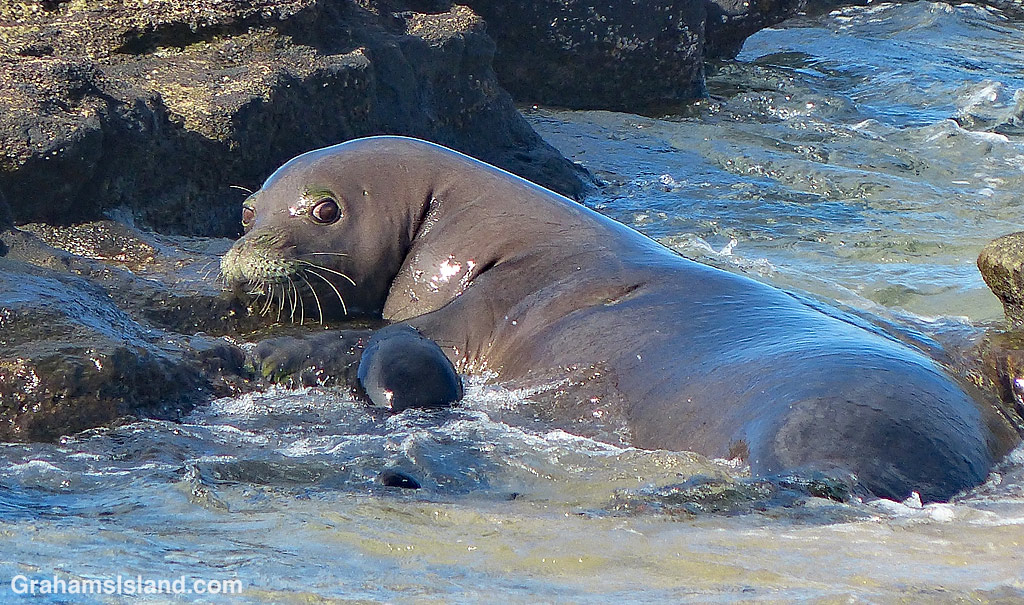
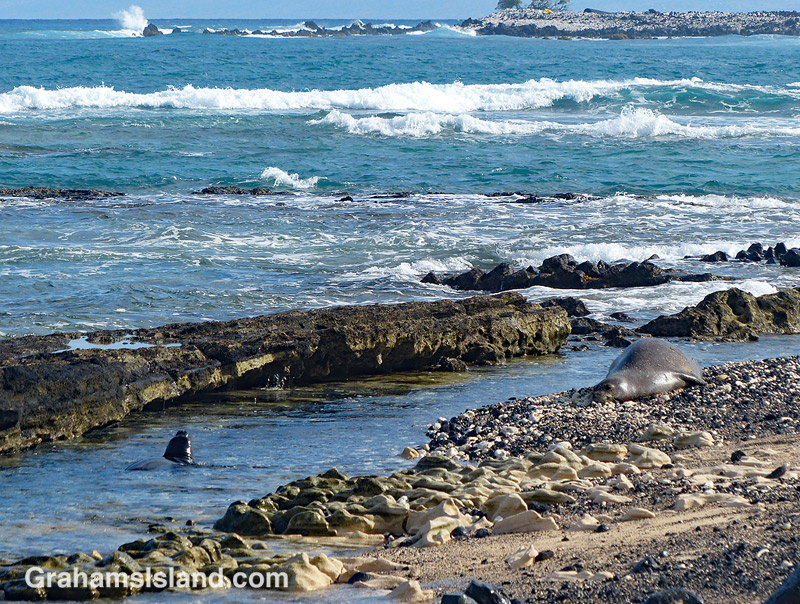
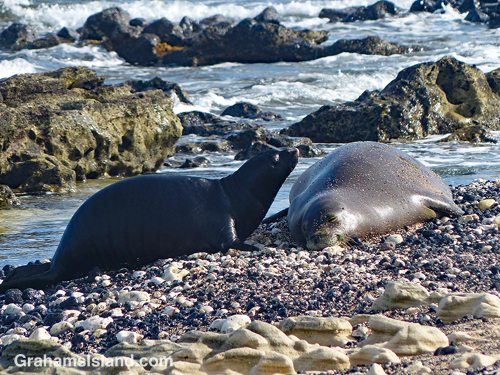
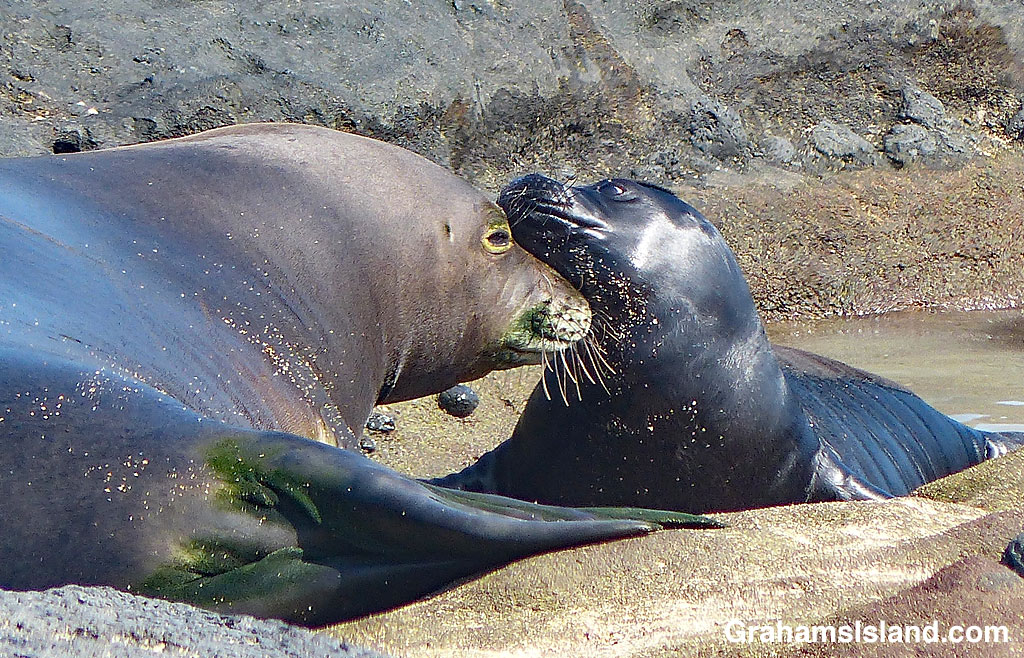
Hawaiian monk seal and her new pup

There’s a new monk seal pup on the Big Island and, happily, both mother and pup are doing well. The pup is just over a month old now and its mother will stay with it for another two weeks or so. At that point, she’ll head out to feed, having not eaten since giving birth, and the pup will be left to fend for itself.

I’ve been to see them three times and the pup’s growth has been dramatic as seen in the third and fifth photos. In the top one, the pup is 11 days old and below, exactly a month old.

For more information about Hawaiian monk seals, go to www.pifsc.noaa.gov/hawaiian_
monk_seal/ or www.marinemammalcenter.
org/hawaii
.

Posted in response to this week’s WordPress Photo Challenge to be a visual storyteller.

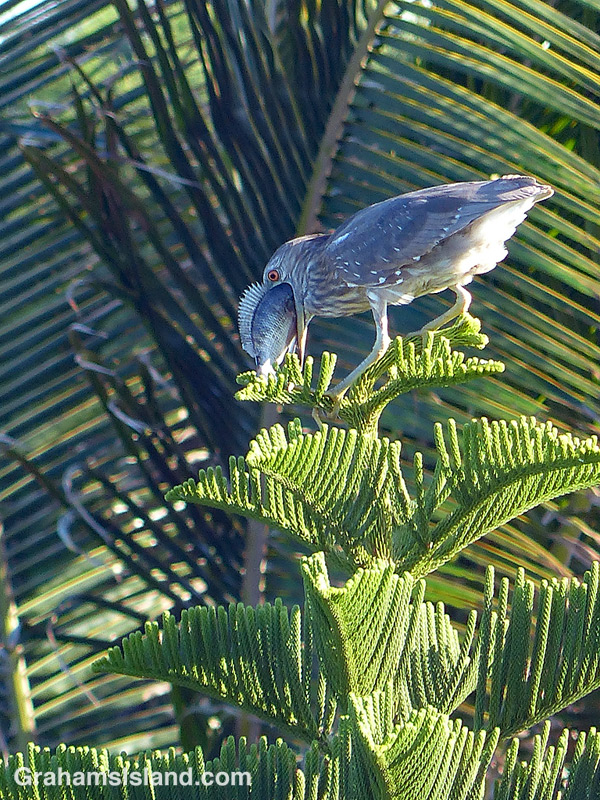
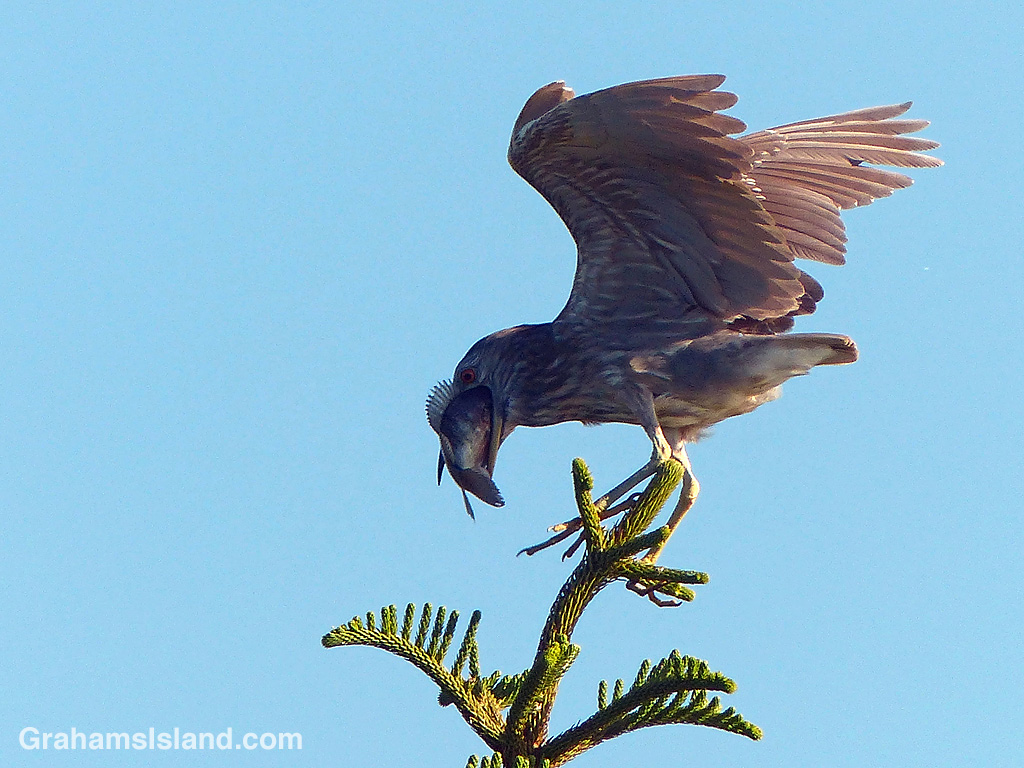
A black-crowned night heron snaffles a tilapia

This juvenile black-crowned night heron swooped down and snatched a large tilapia out of a pond in front of a house by the coast. Trouble is, the fish was a bit big and the heron struggled to swallow it. After working on it by the pond, the bird flew to the top of a tree where a strong wind added to its difficulties. It hopped over to a taller tree, which only made things worse, before setting down on the rocky shore nearby.

I saw the bird a few minutes later without the fish, but don’t know whether it finally managed to swallow it or gave up and ejected it. Either way it wasn’t a good day for the fish.

Posted in response to this week’s WordPress Photo Challenge, ‘Out of This World.’

Pu’uhonua o Hōnaunau National Historical Park

The final post on this week’s theme of the WordPress photo challenge, ‘Tour Guide.’

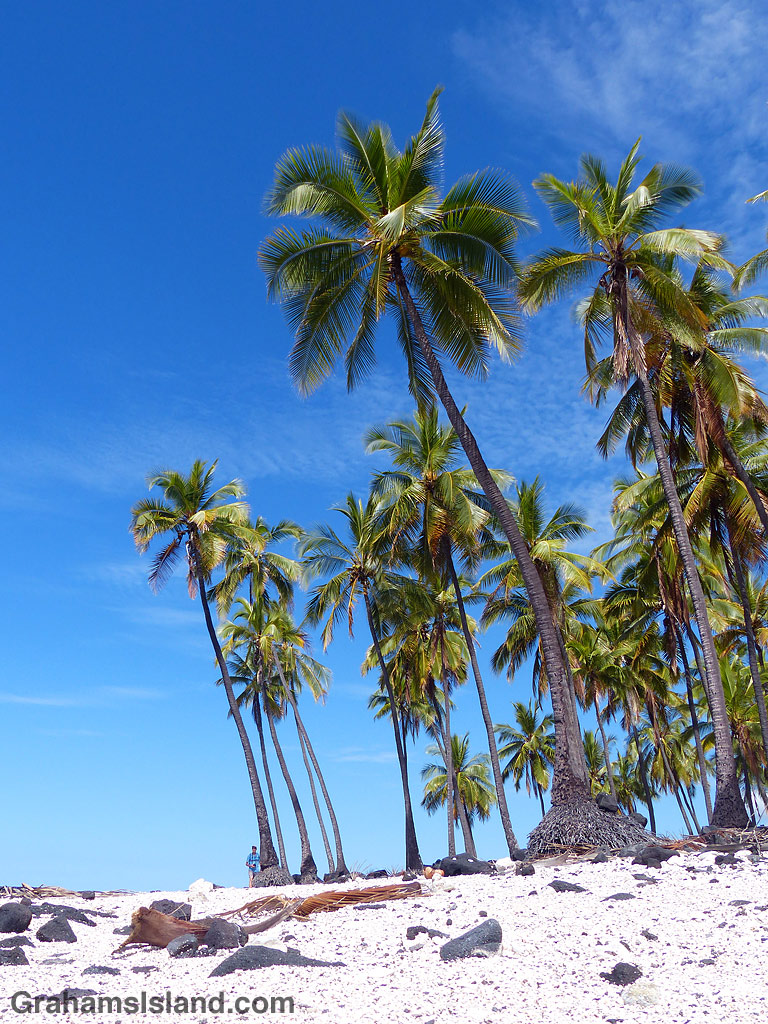
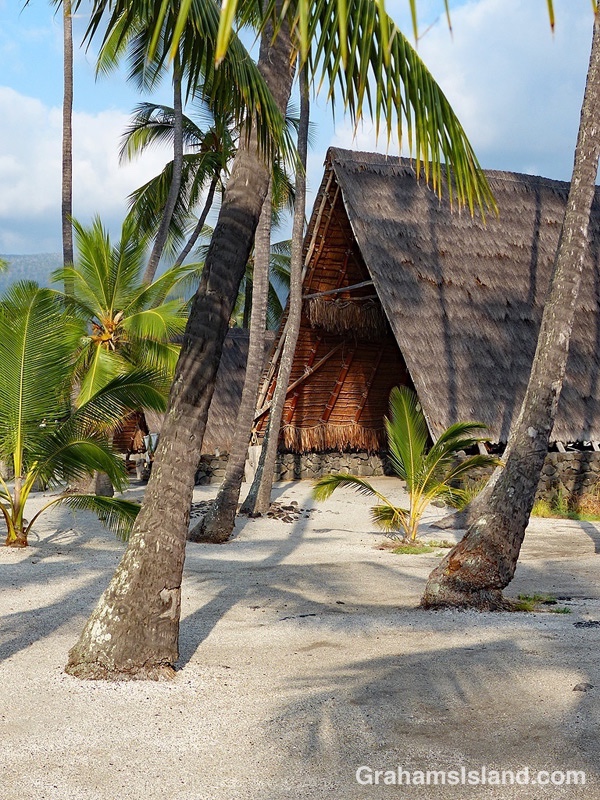
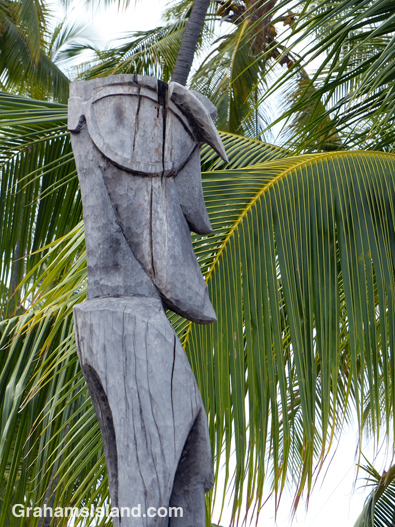
These photos are from Pu’uhonua o Hōnaunau National Historical Park, otherwise known as Place of Refuge. This National Park showcases important Hawaiian history with it’s royal grounds where the Hawaiian royalty lived, Hale o Keawe where the bones of 23 ali’i were housed, and for the Pu’uhonua where anyone who had broken kapu (sacred laws) could seek shelter and ultimately forgiveness.

Here are views from the ocean side (above), of a hālau (right) which houses canoes, and of a ki’i (below) representing an Hawaiian god.

For more information about Pu’uhonua o Hōnaunau National Historical Park, visit https://www.nps.gov/puho/index.htm.

Green Sand Beach

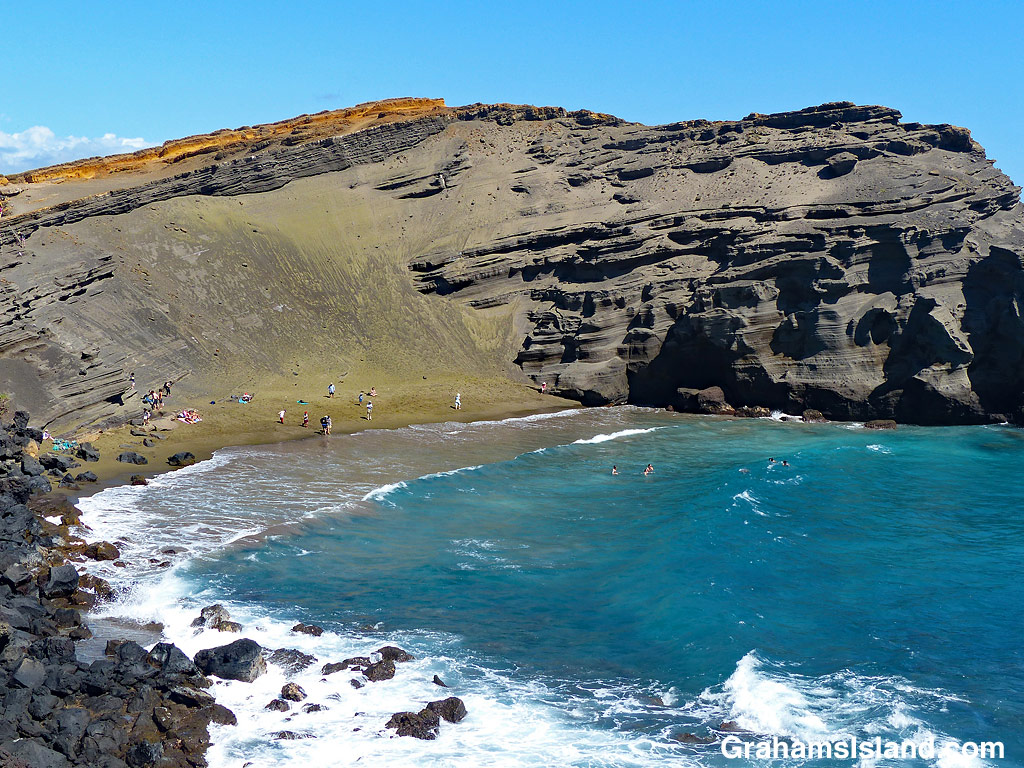
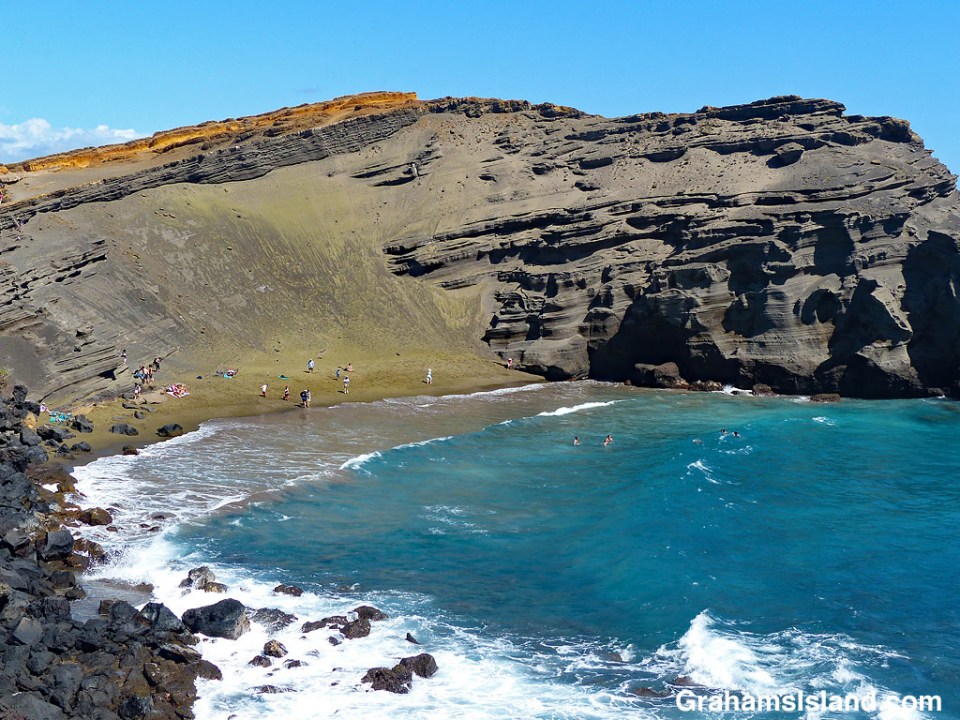
This week’s WordPress photo challenge is ‘Tour Guide’ which I’m happy to use as my theme for this week’s posts. Since this is Hawaii, a good place to start is at the beach. This one is Papakōlea Beach, better known as Green Sand Beach. It’s about 3 miles northwest of South Point, the most southerly point in the United States.

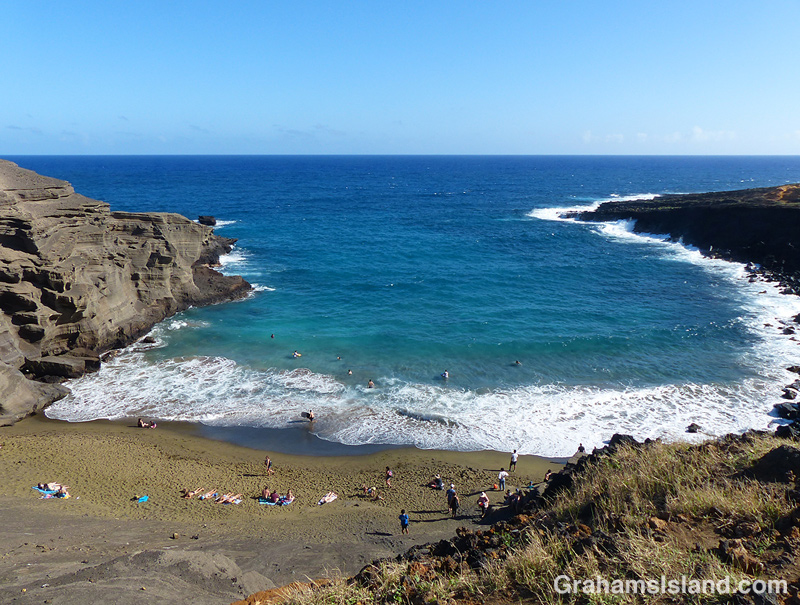
The beach lies in a bay formed when the ocean eroded one side of an old cinder cone, Pu’u Mahana. The green color of the sand is a result of olivine in the lava. Since it’s heavier than other things in the lava, it stays on the beach. Swimming is possible in the shelter of this deep bay, but be careful. This coast is notorious for dangerous surf and strong currents.

It’s 2 1/2 miles to the beach from the parking area. There’s a very rough four-wheel drive road, which you can drive, or locals will ferry you out for a fee. The other alternative is to hike out along the coast, which is what I did.

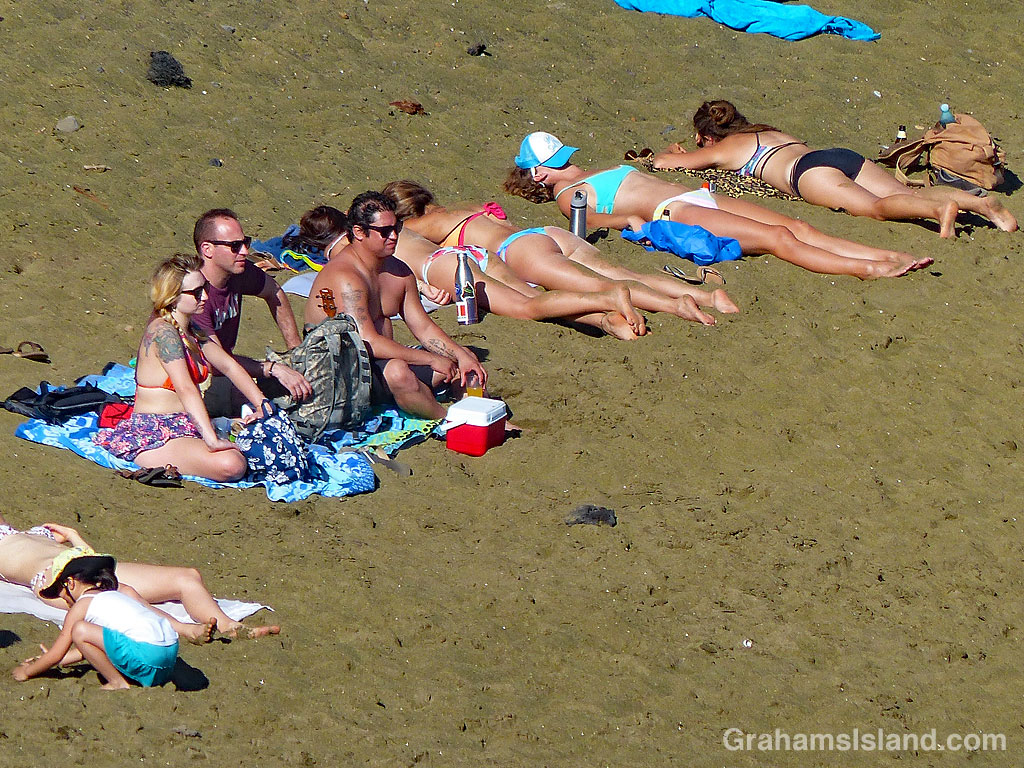
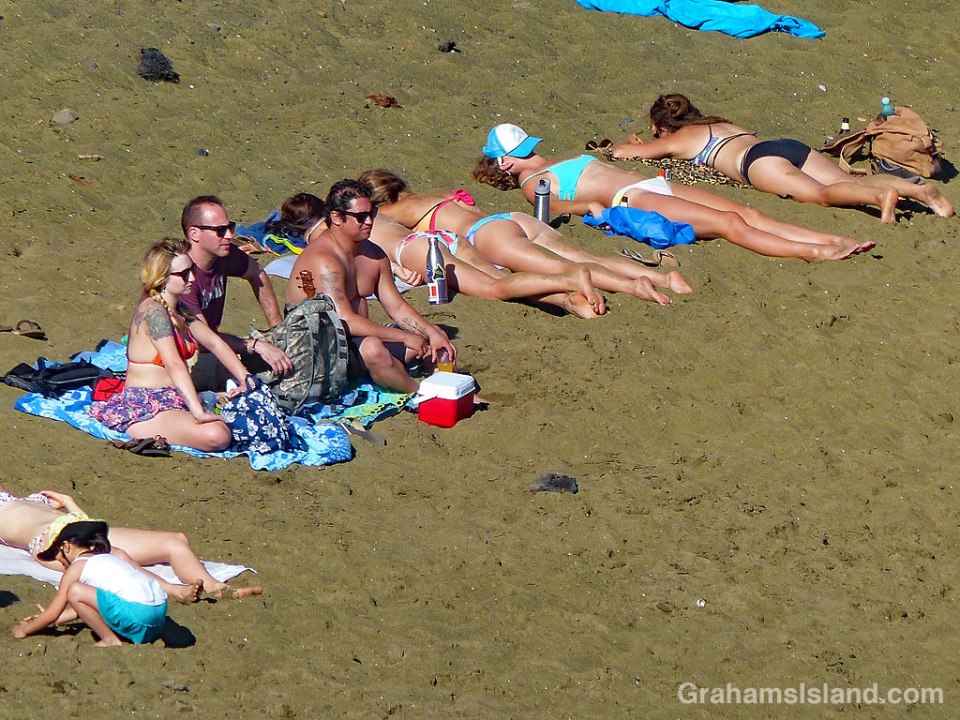
You’re not likely to have the beach to yourself, but you will have a share of a beautiful, remote beach, a view all the way to Tahiti (you might have to stand on a rock), and the opportunity to broil on the distinctive green sand.

Better Days: ’Aimakapa Fishpond sluice

’Aimakapa Fishpond sluice at Kaloko-Honokohau National Historical Park

’Aimakapa Fishpond is one of two fishponds at Kaloko-Honokohau National Historical Park. The other is Kaloko Fishpond, which is separated from the ocean by a huge rock wall, currently being restored. ’Aimakapa Fishpond’s barrier is made up of sand dunes.

A channel was dug to the ocean to allow water to circulate back and forth and, at the ocean end (seen here), a sluice gate (makaha) installed. The sluice gate helped keep predators out. These days it isn’t used and so the channel has silted up with sand.

Fishponds are different to fish traps. Ponds allow for the rearing of fish from small fry. Traps are shallow walled enclosures, which fish can cross at high tide, but cannot escape from when the tide goes out.

For more information about Kaloko-Honokohau National Historical Park, go to www.nps.gov/kaho/index.htm.