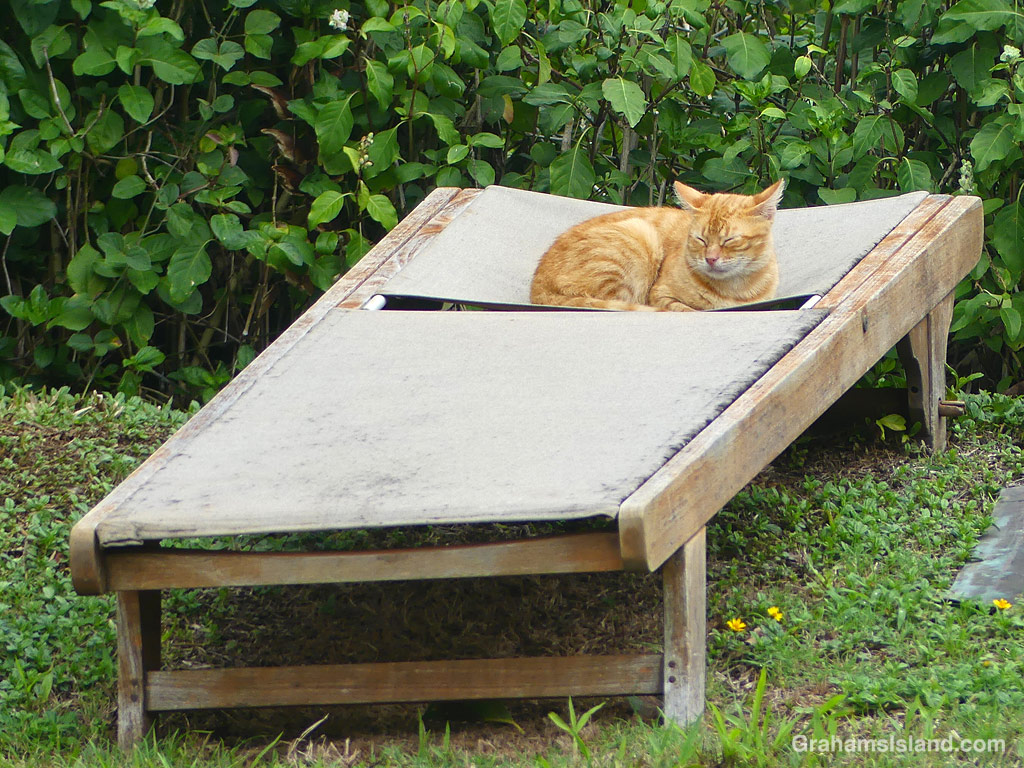
I spotted this cat in Kapaau doing a spot of cleaning before settling down on the conveniently provided recliner.


I spotted this cat in Kapaau doing a spot of cleaning before settling down on the conveniently provided recliner.
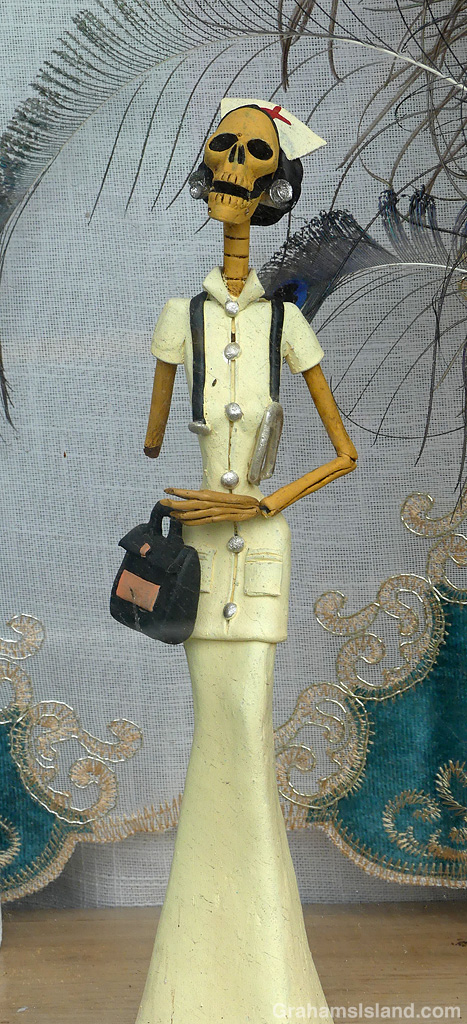
This week’s Sunday Stills challenge theme is ‘Scary.’ See more responses here.
I saw this in a local Halloween window display and imagined her as a real nurse entering my hospital room. Possible conversations soon followed.
“You say you had the same wrist surgery as I’m going to have! How did it go?”
“So you have my test results. How do they look?”
“How much blood do you need to draw?”
“Nice to hear you like giving your patients a hand.”
“Oh, you don’t use a machine to take x-rays.”
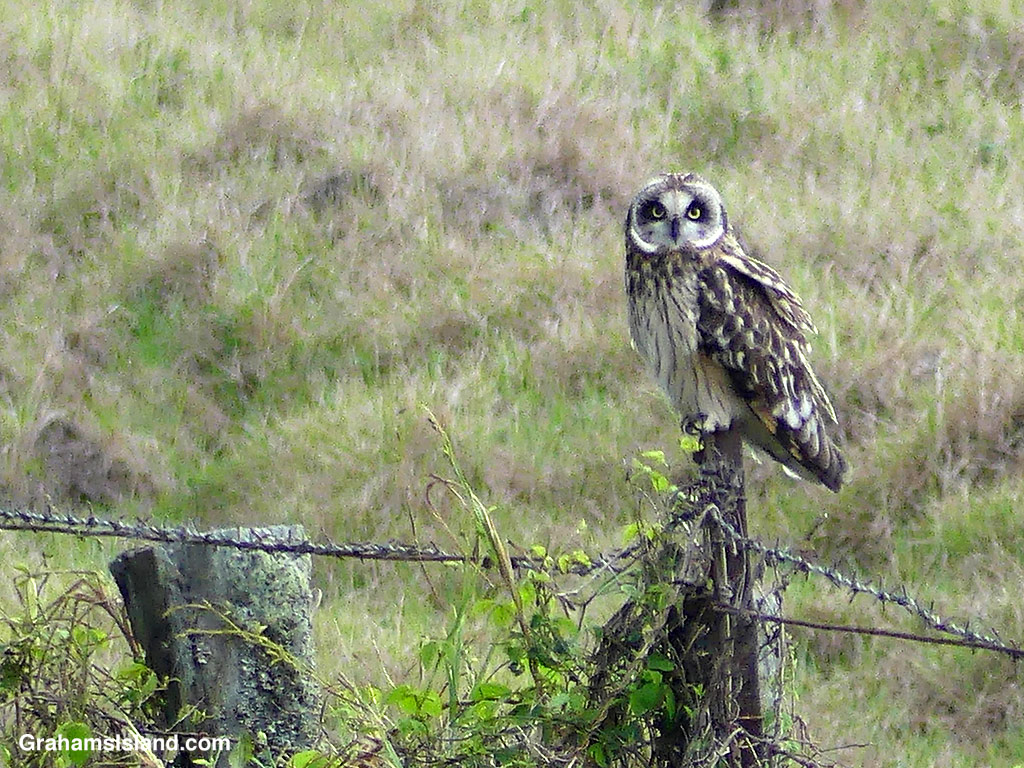
On the way back from Hilo last week I saw this pueo standing on a post. I stopped the car and got out to take photos. I saw immediately that the pueo was watching my progress and, before I got any decent photos, it took off and headed across the road and away from me. Since I didn’t see it above the fields there, I figured it had settled down again.
Sure enough as I got to the curve in the road I saw it on this post. I moved slowly towards it taking a few photos. Eventually, it decided I had come close enough and took off again. I saw it fly a ways up the hill and settle on yet another post. I didn’t follow, otherwise I could have ended up back in Hilo!
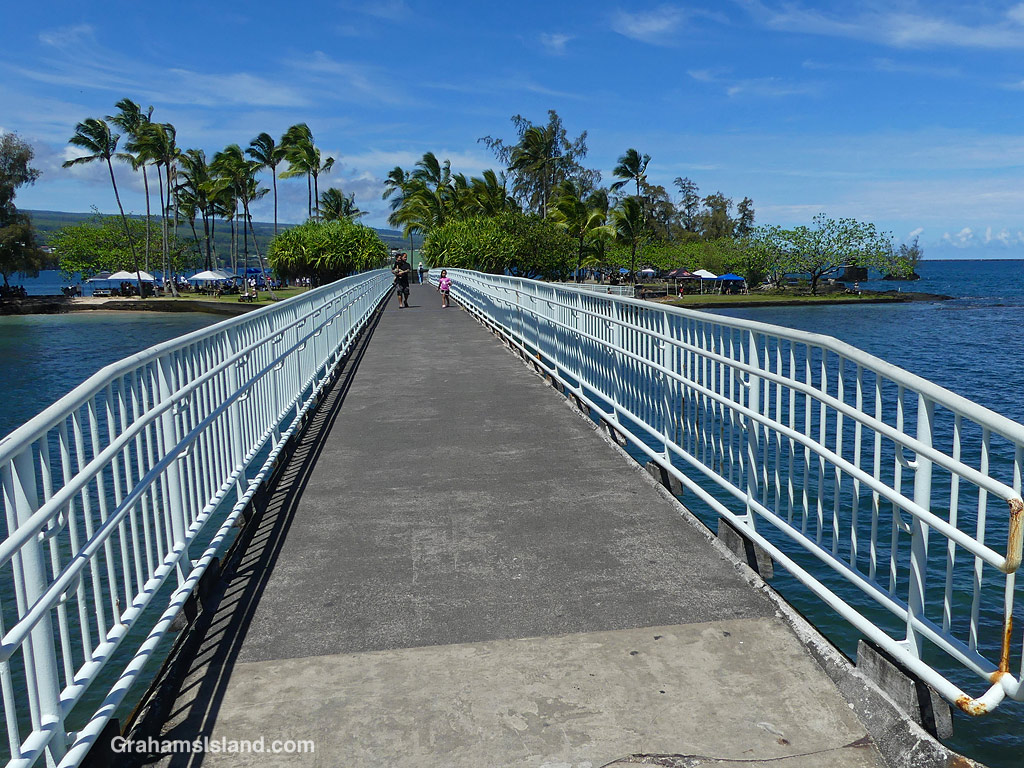
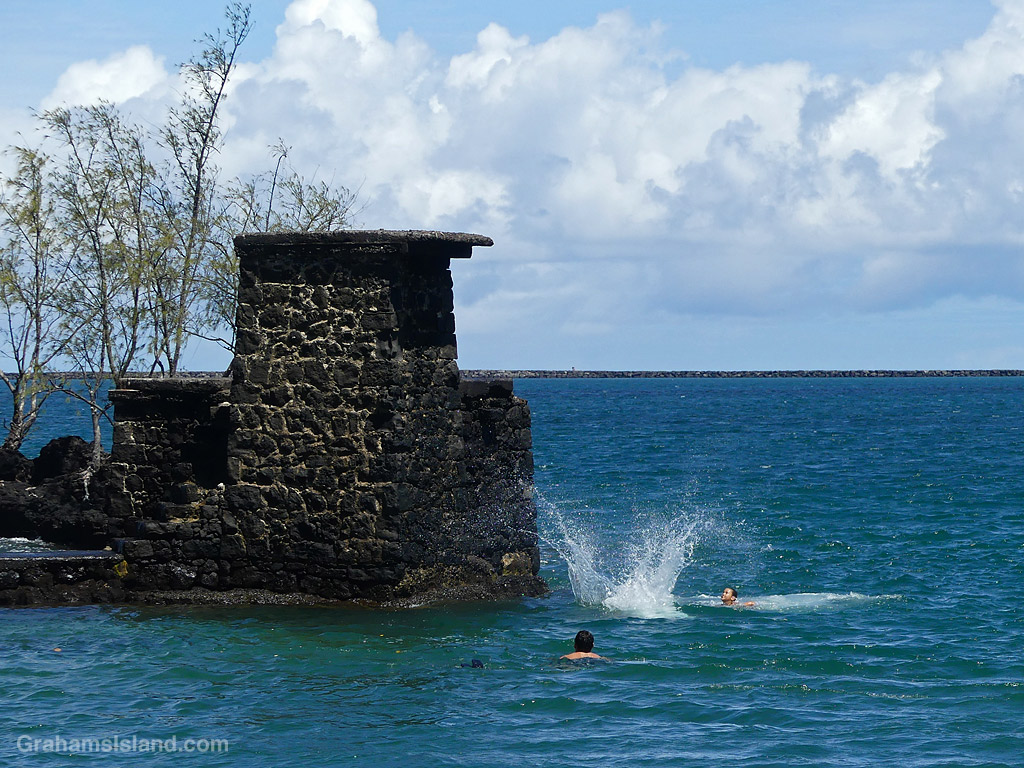
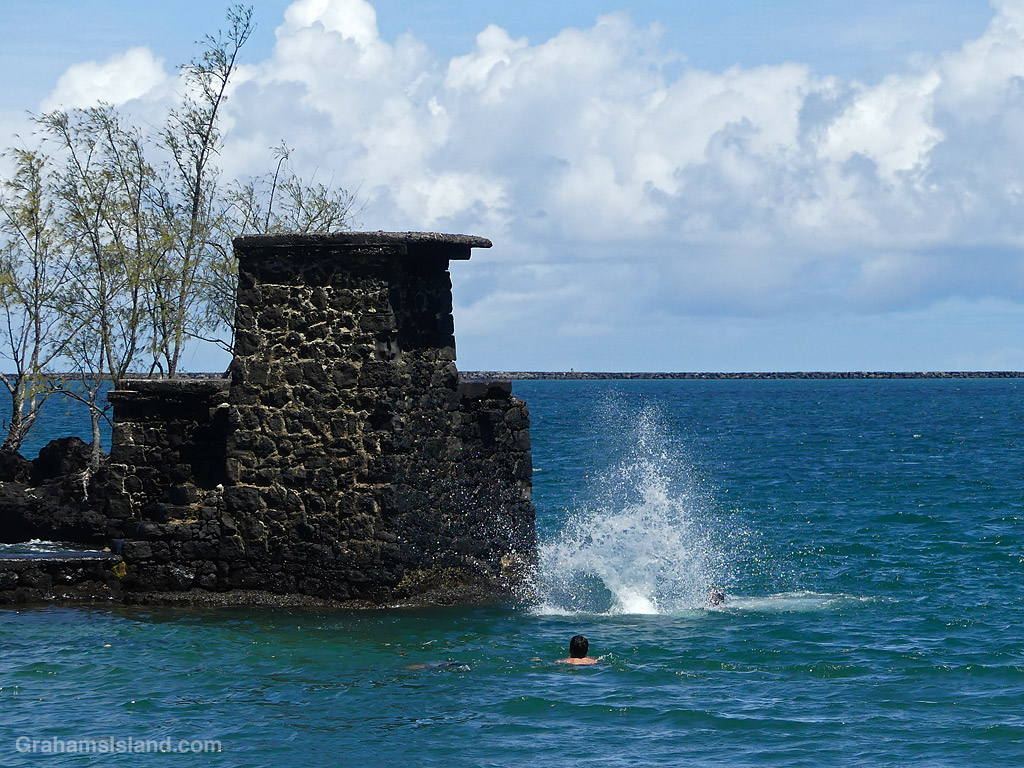
I while back I posted (here) that next time I was in Hilo I should visit Coconut Island. Last week I was able to do just that. There’s a footbridge to reach the island, which is small and popular. There are some nice views, though the view of Hilo itself wasn’t as good as I’d hoped.
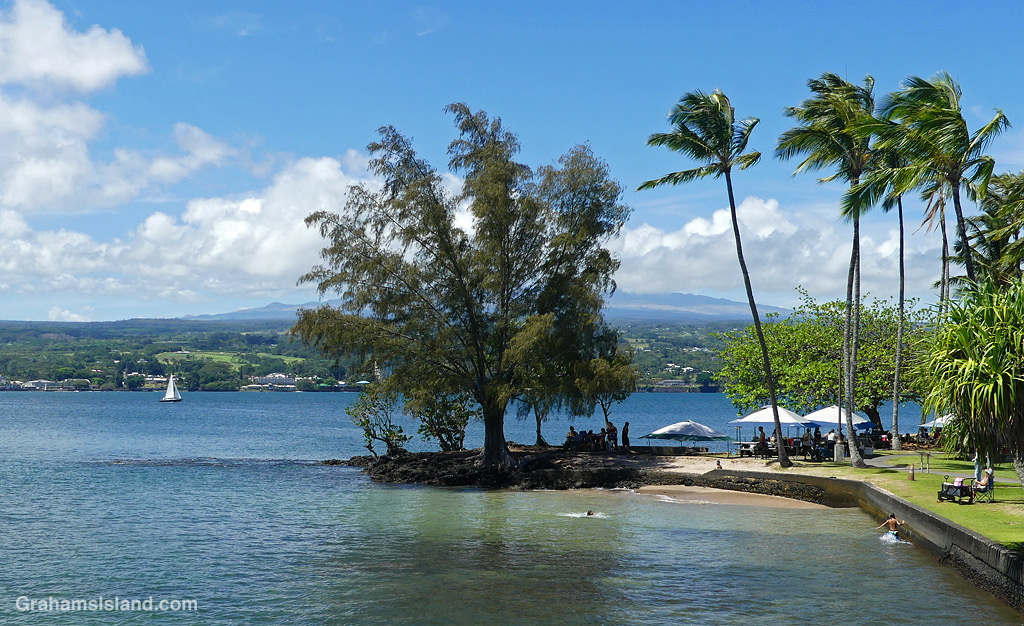
Tomorrow, I’ll run photos of one of the big attractions on the island!
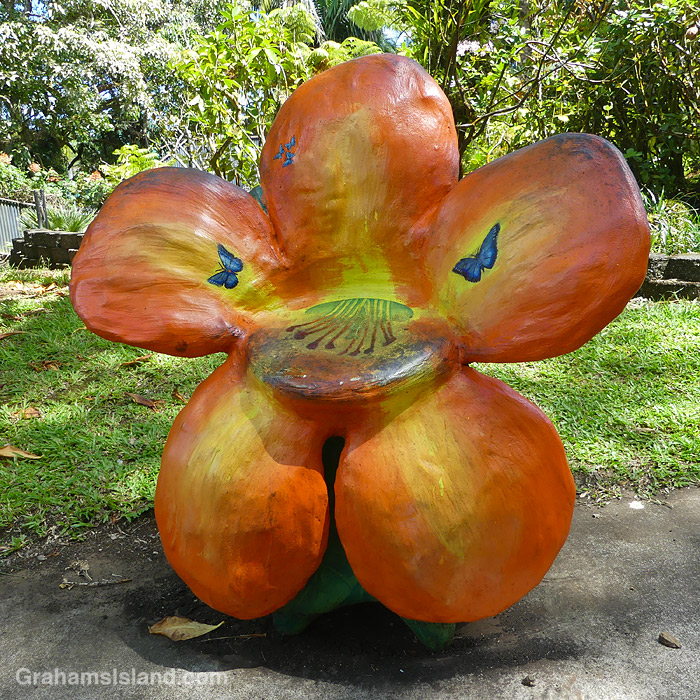
Another bench from Pana’ewa Zoo & Gardens in Hilo, for Jude’s Bench Challenge (here).
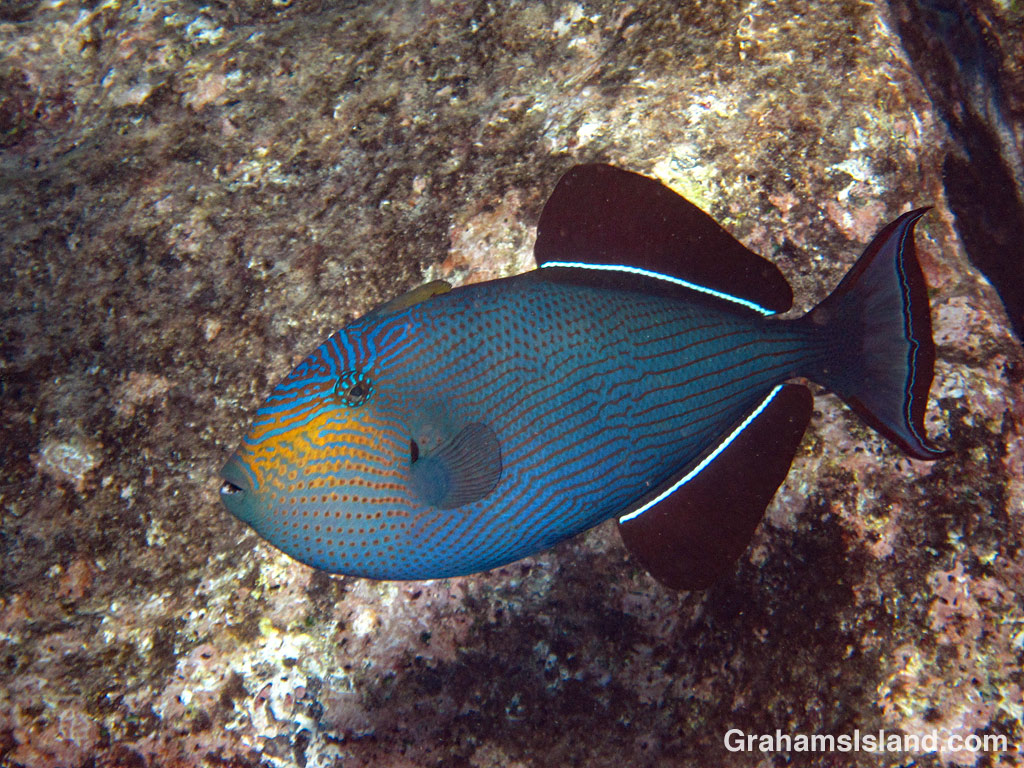
The idea of The Numbers Game is to enter a number into the search bar of your computer and then post a selection of the photos that turn up. This week’s number is 217. Captions are on the photos. You can see more responses here.
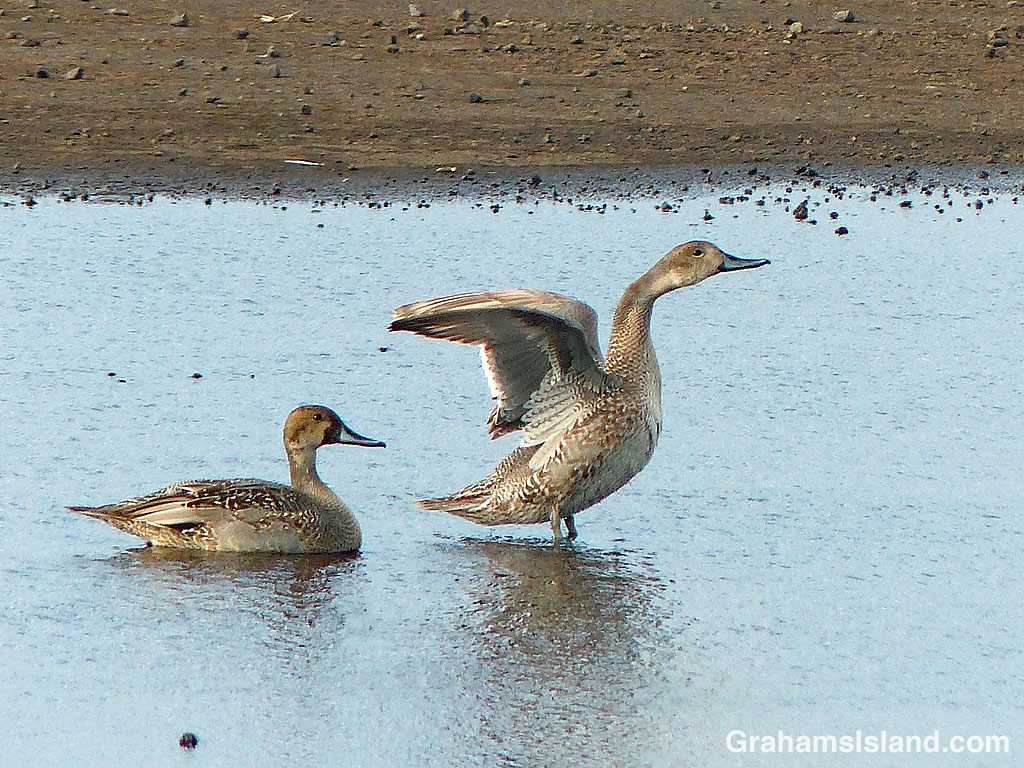
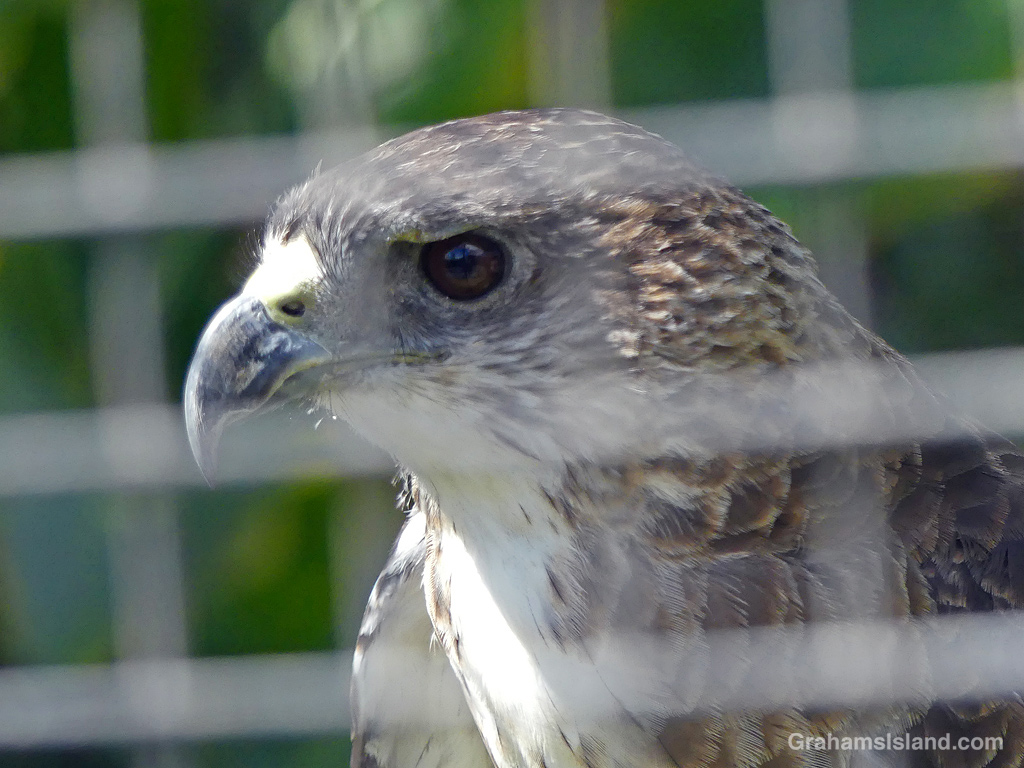
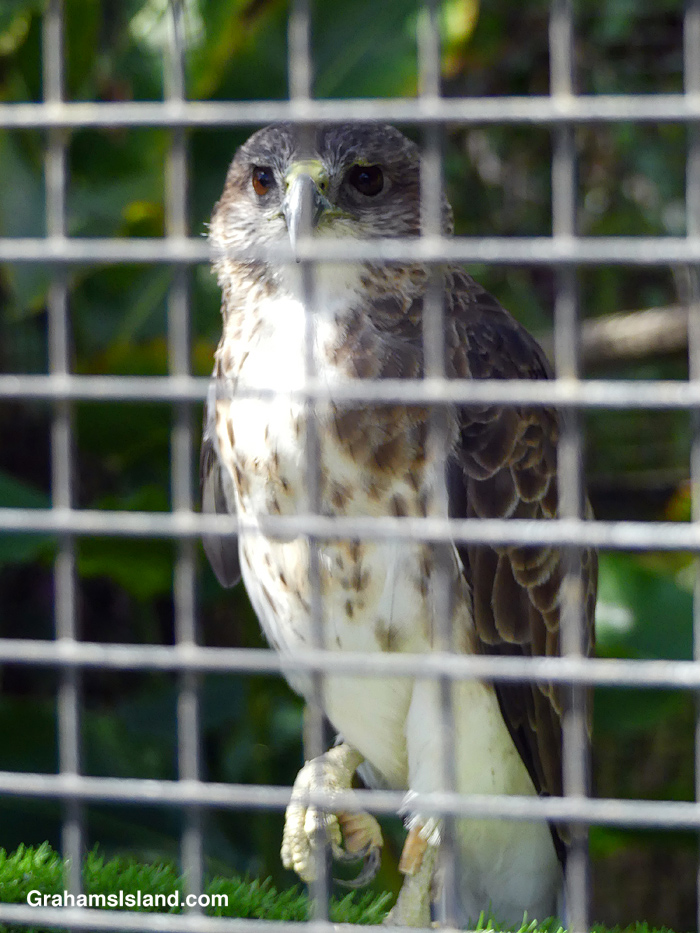
This ’Io (Hawaiian hawk) is a resident at Pana’ewa Zoo & Gardens in Hilo. Seeing birds in a cage like this is a bit depressing to me, but this is a rescue bird and, because of injuries, it would not survive long in the wild. It did at least give me the chance to see it and appreciate what a majestic bird it is.
 Graham's Island