

Beach Vitex (Vitex rotundifolia) is a shrub native to Hawaii along with much of the rest of the Pacific. In Hawaii, it’s known as Pohinahina amongst other names. It’s very tolerant of salt, heat and wind, and thrives in coastal areas.


Beach Vitex (Vitex rotundifolia) is a shrub native to Hawaii along with much of the rest of the Pacific. In Hawaii, it’s known as Pohinahina amongst other names. It’s very tolerant of salt, heat and wind, and thrives in coastal areas.

This view of the beach at Ho’okena Beach Park was taken on a Sunday morning. It would undoubtedly have been much busier later in the day.

An Ashy Grey Lady Beetle climbs the buds of a Plumeria tree.

A fisherman tries his luck from a rock at Ho’okena Beach Park.
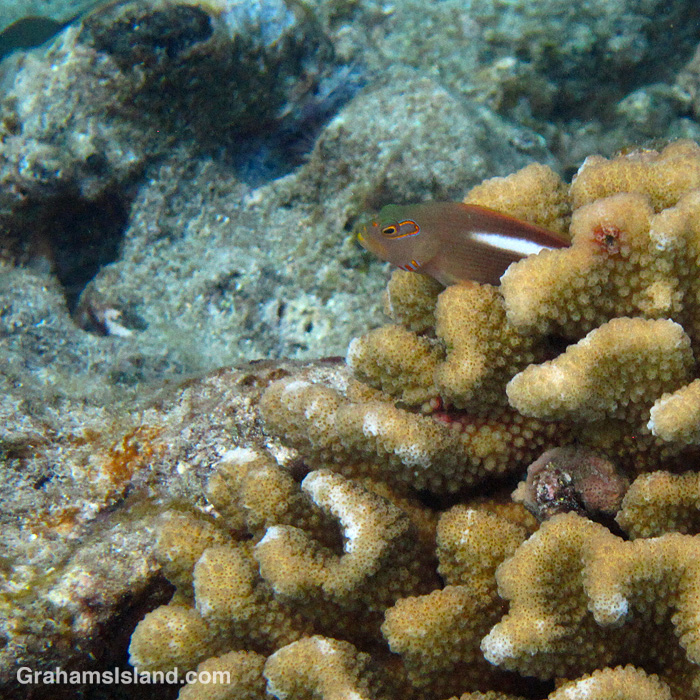

Arc-eye Hawkfishes come in two color variations. The top photo shows one that is reddish tan with a white stripe on the side. The bottom photo shows a fish that is a darker brown with no white stripe.
According to my fish book, John P. Hoover’s The Ultimate Guide to Hawaiian Reef Fishes, Sea Turtles, Dolphins, Whales, and Seals, the white stripe coloring is most common in deeper water where the coral is spaced farther apart. In shallower water, where the coral colonies are closer together, the darker coloring predominates. However, both these photos were taken in shallow water so it’s not an either/or situation.
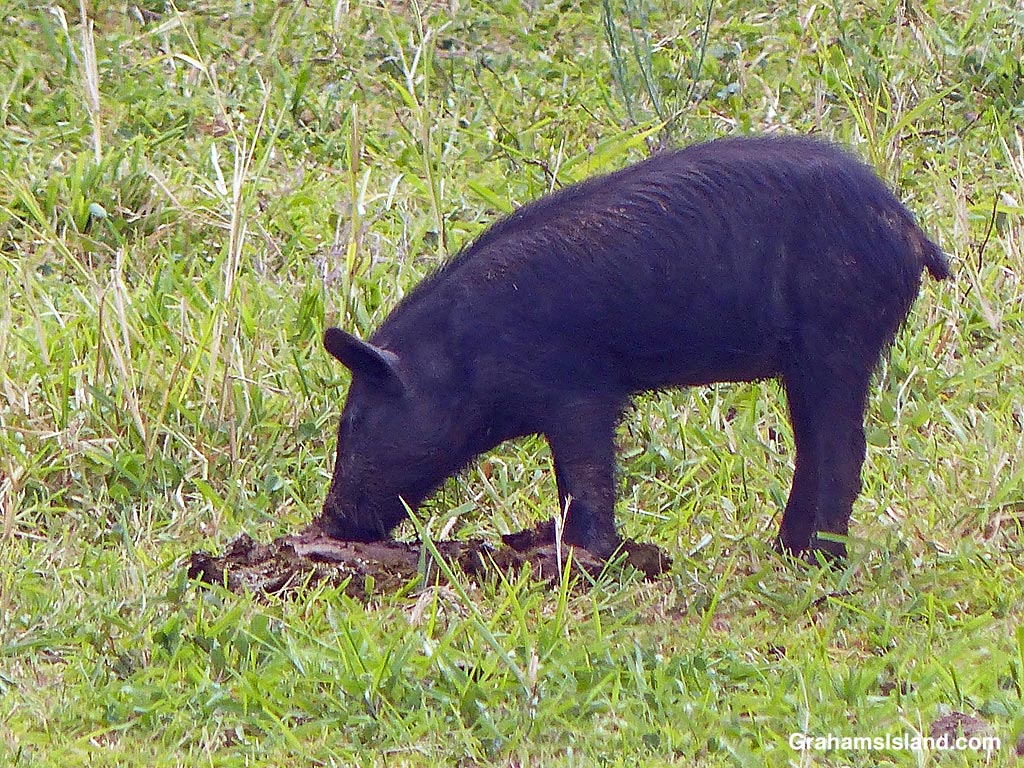
This week’s Sunday Stills challenge theme is ‘What’s That Aroma?’ See more responses here. Well, for this theme I just couldn’t get past this photo I took a while ago.
I spotted this wild pig in a cow pasture, burrowing into exactly what you think that’s likely to be in a cow pasture. But it’s not just the pig’s dinner that’s aromatic, the pigs do too. When they go by the bedroom window at night, I sometimes hear them, but I’m almost always alerted to their presence by the aroma, which is pungent enough to prompt an immediate, ‘What is that smell?’


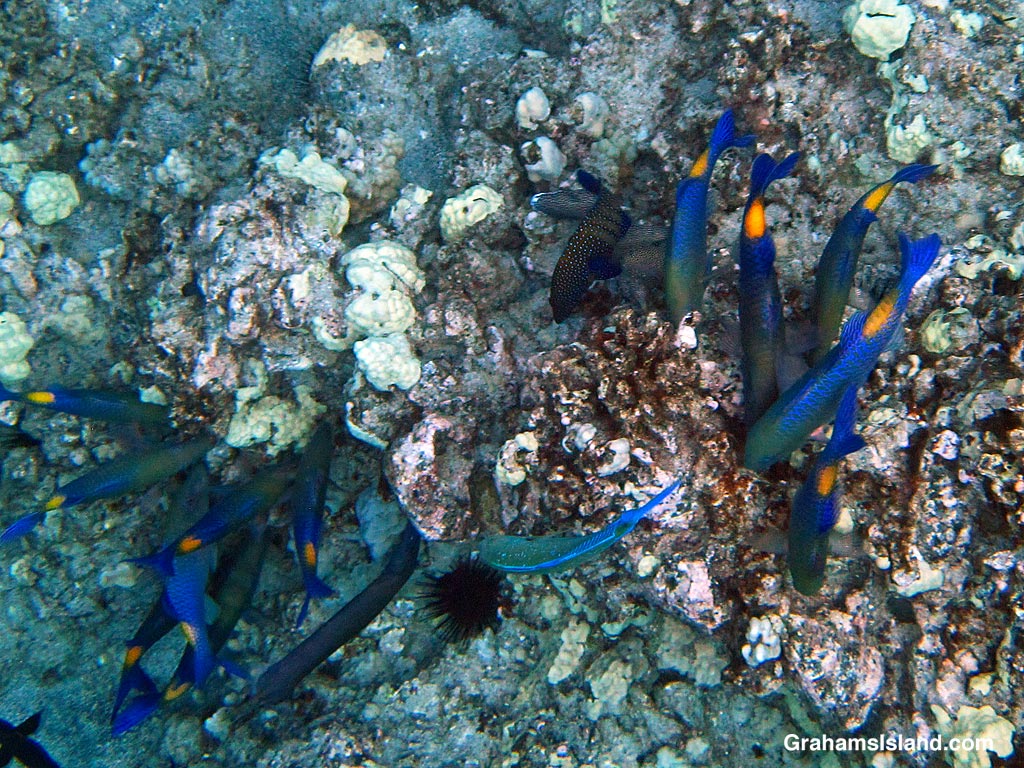
It’s not unusual to see this kind of gang activity while snorkeling, and what they’re doing is hunting. Their prey is small fish that take sanctuary in coral heads and among the rocks.
This bunch of hunters is dominated by Blue Goatfishes, easily identified by their blue bodies and yellow saddle at the base of the tail. There’s also a Bluefin Trevally and Pacific Trumpetfish toward the bottom of the photo and, near the top of the photo, a Peacock Grouper with a Whitemouth Moray Eel curling below it.
Eels are popular members of these hunting parties because they can wriggle into the smallest spaces, flushing out prey. The goatfishes perform similar work using long, white barbels below the chin to probe small spaces in the hopes of disturbing a meal. Other fish tag along hoping to be beneficiaries of this work by being the first to snag any victims that get flushed out.

