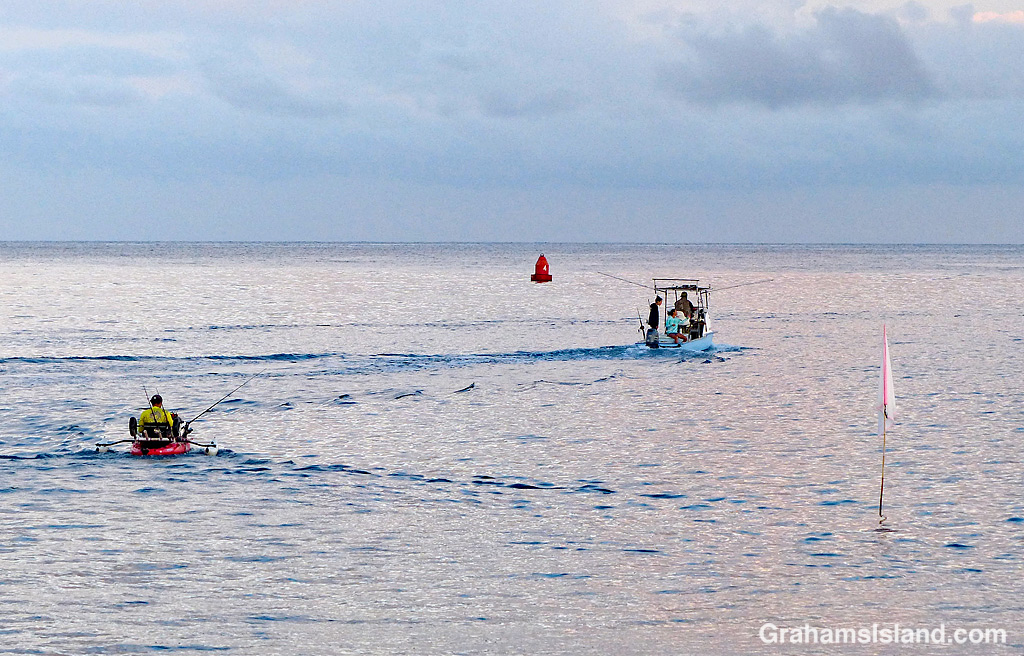
This week’s Sunday Stills challenge theme is ‘Giving.’ See more offerings here.
I saw these fishermen early one morning, heading out from Kawaihae harbor, no doubt hoping that the ocean was in a giving mood.

This week’s Sunday Stills challenge theme is ‘Giving.’ See more offerings here.
I saw these fishermen early one morning, heading out from Kawaihae harbor, no doubt hoping that the ocean was in a giving mood.
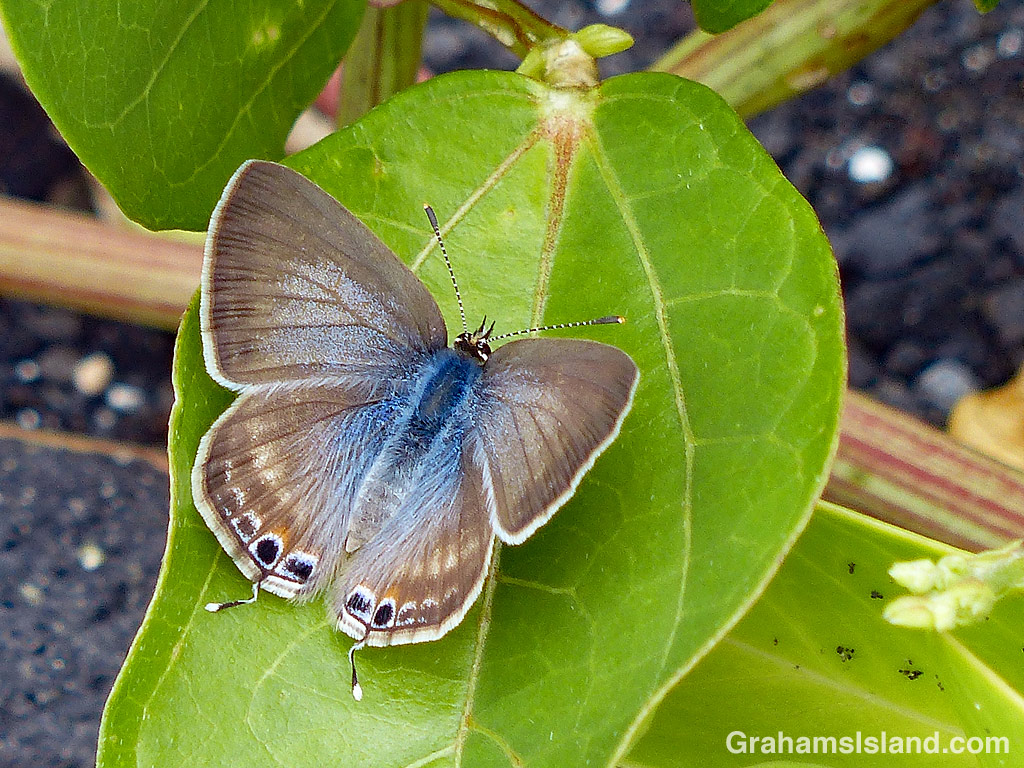
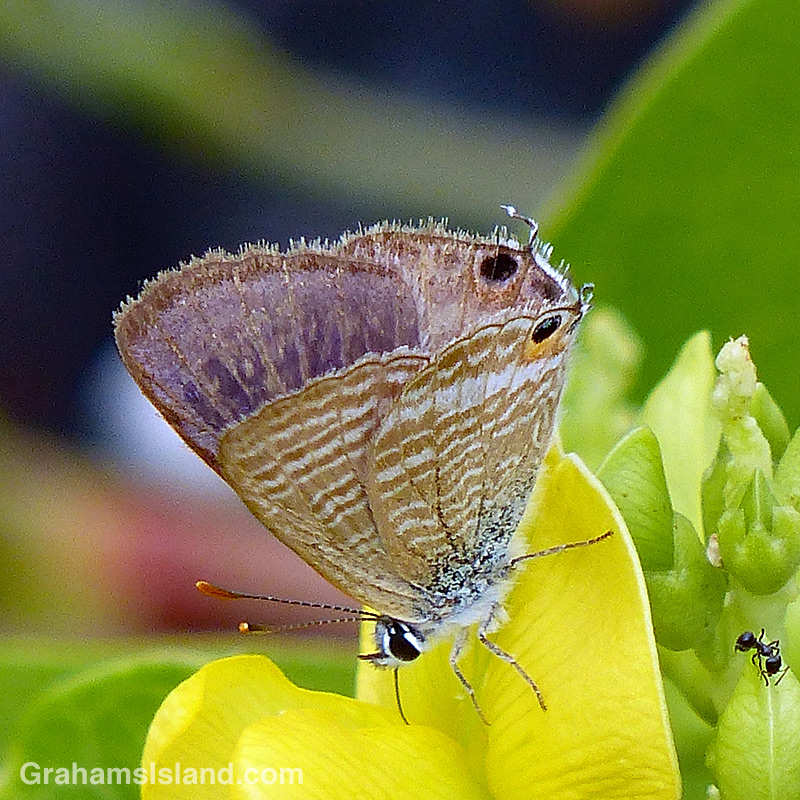
The long-tailed blue butterfly (Lampides boeticus) is believed to have been accidentally introduced to Hawaii in the 1880s. Accidental or not, it wasn’t a good thing. Its common name, bean butterfly, gives a clue as to the problem. It damages a wide variety of bean and pea plants, both domestic and commercial.
These photos were taken on the Puna Coast Trail in Hawaii Volcanoes National Park. The plant is Vigna marina or beach pea, an indigenous plant that grows well in the harsh, exposed coastal area that the trail passes through.

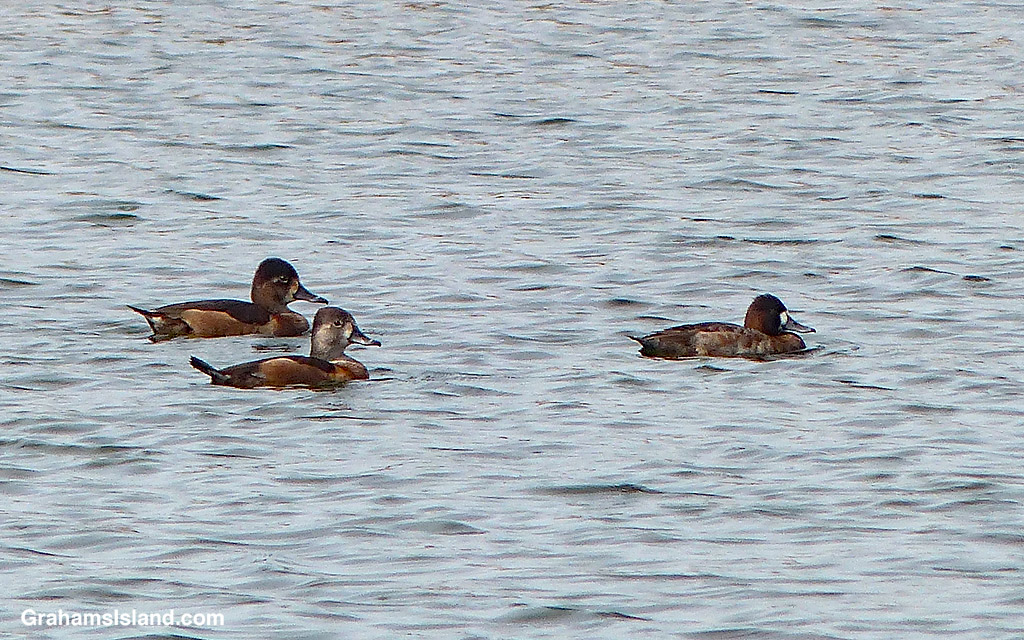
I saw a little group of ducks on a small reservoir near Hapuna. Most are ring-necked ducks, the bird on the right in the top photo being a male, and the two birds on the left below, being females. The odd one out is the bird on the left in the top photo and on the right below. That’s a female lesser scaup.
According to my bird book, a small number of lesser scaups migrate to Hawaii every year, but ring-necked ducks are considered uncommon visitors.
Thanks to birdforum.net for help with the identification of the female lesser scaup.
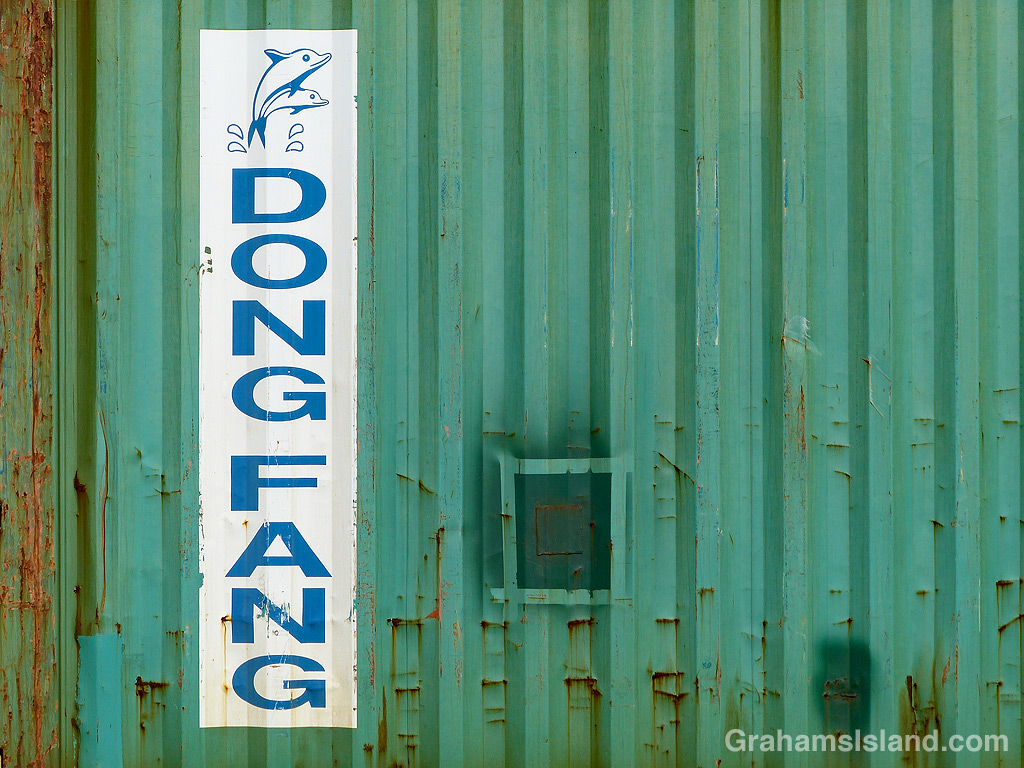
There’s a skydiving business that operates out of Upolu Airport and they have a blue shipping container inside the airport fence where they store gear. One day when I went down there, I saw a second container had been installed next to the first, creating an L-shaped setup.
I liked the logo on the container and took a photo, which was just as well since the next day the container had been repainted to match the other one.
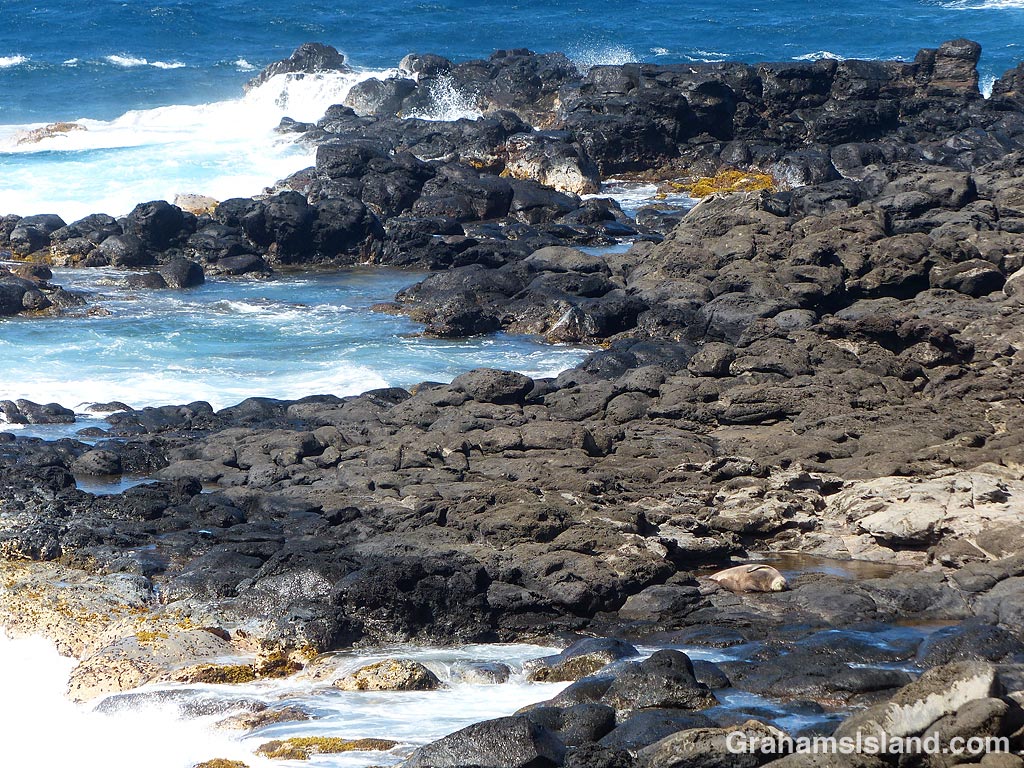

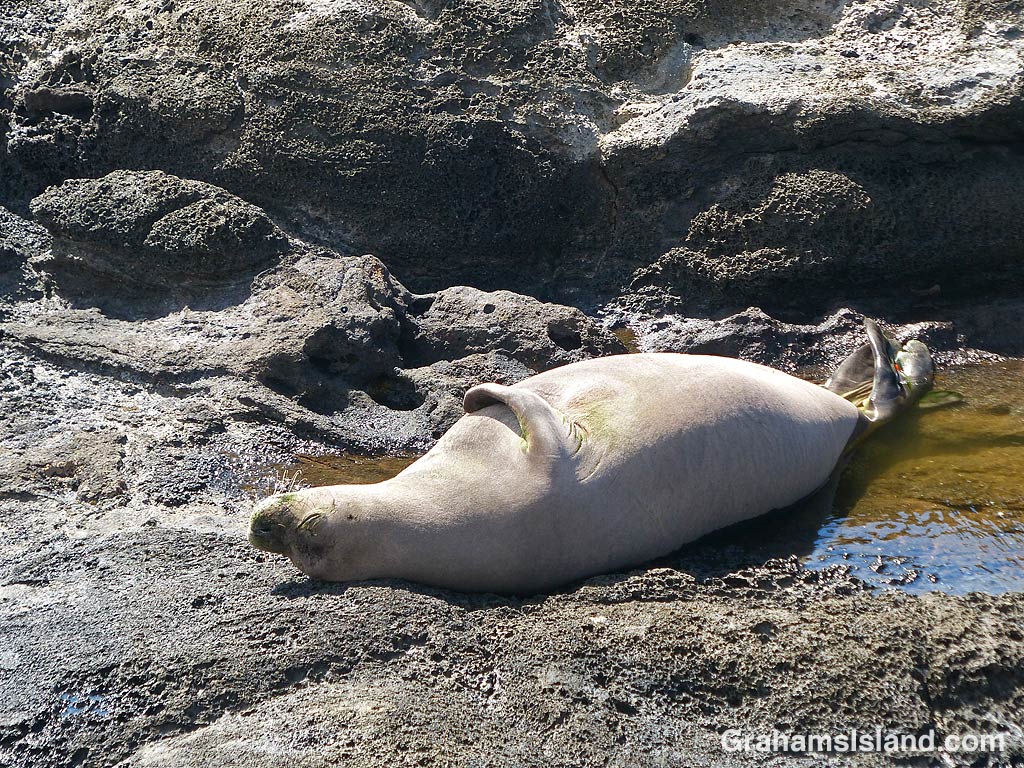
When I first saw this monk seal on the North Kohala coast a couple of days ago, I thought it was IO5. He’s the seal I see most often in this part of the island. But as I got closer, I saw this one was a female. I took photos, including some of the red ID tag. I wasn’t sure if, at that distance, I’d be able to read it, but luckily I could make out ‘A2’ in a couple of photos. There was space after the ‘2’ as if a number had rubbed off, so I wondered if this was RA20, the monk seal who raised pups on a Kona beach in 2018 (here and here) and 2019 (here and here).
I sent the photos to the Big Island Hawaiian monk seal response network, which tracks the movements and welfare of the monk seals. They confirmed this was RA20 and was the first sighting of her since she was released from Ke Kai Ola Hawaiian Monk Seal Hospital after suffering from a bacterial infection. The hospital’s veterinarians think RA20 recently lost a pregnancy and that the infection may have caused, or resulted from, the loss.
The good news is that she certainly appeared healthy and in good shape when I saw her.
For more information about Hawaiian monk seals and Ke Kai Ola Hawaiian Monk Seal Hospital, go to www.marinemammalcenter.org/hawaii.
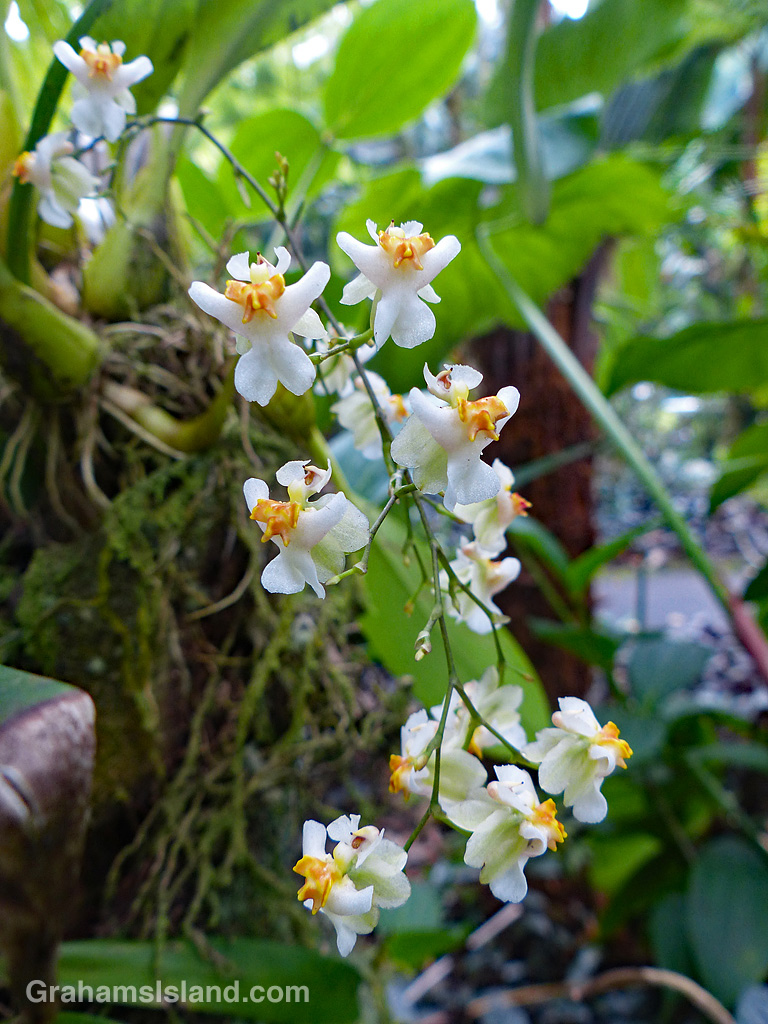
The tag on this orchid read Onc. ‘Tsuiki Margaruite’ #1, but I see it mostly described as ‘Tsiku Marguerite,’ so take your pick. But it’s a delicate looking orchid with cream to apricot flowers that are highly fragrant.
This one was at Hawaii Tropical Botanical Garden. For more information about Hawaii Tropical Botanical Garden, go to htbg.com.


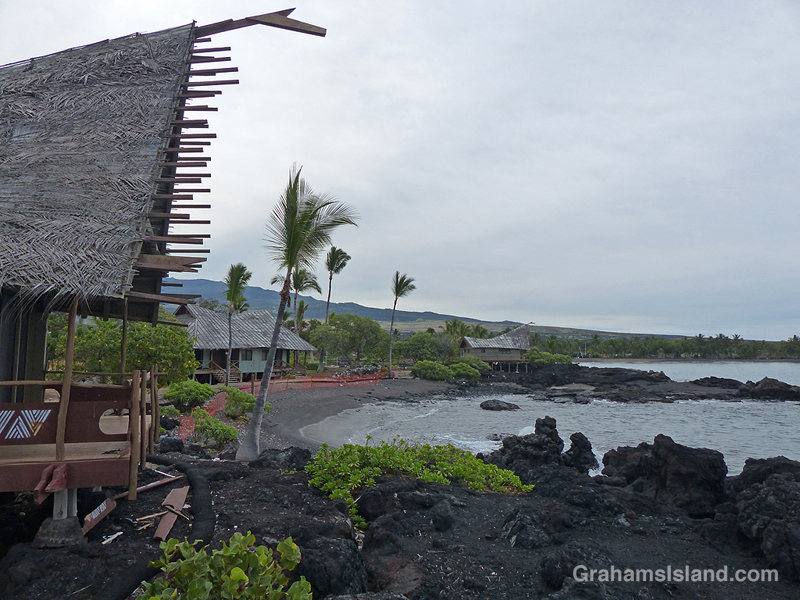
On March 11, 2011, the northeastern part of Japan was jolted by an earthquake registering 9.0 on the Richter scale. While the quake caused extensive damage, the resulting tsunami was even more destructive. Water surged up to six miles inland and flooded more than 200 square miles of land. Perhaps the best known result of this tsunami was the meltdown at the Fukushima Daiichi Nuclear Power Plant, after it was overrun by the surging waters.
Here in Hawaii, a few hours after the earthquake, tsunami waves washed up on shore. The waves were up to 10 feet high, but the damage was not as great as was feared. However, along the west coast of the Big Island, there was flooding and damage to coastal properties.
One of those properties was the Kona Village Resort, situated to the north of Hualalai Resort. Damage to the resort’s properties was sufficient to force its closure. The property then sank into the swamp that is insurance settlements and financial shenanigans. During this time, the buildings deteriorated.
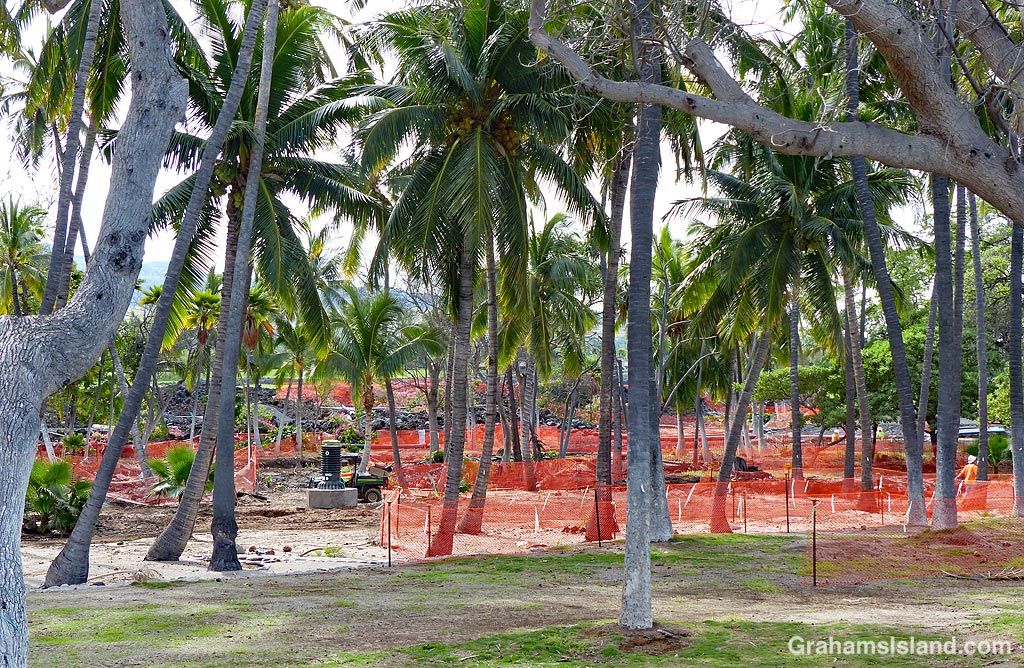
Originally, the resort was supposed to reopen this summer, but that was pushed back a year, then more. Currently, sometime in 2022 is the planned reopening, but this being Hawaii, that date shouldn’t be taken too seriously. When I walked the beach past the site, work was going on, but I saw only a handful of workers and a couple of active machines. It didn’t appear to be a project going full-steam ahead.



This week’s Sunday Stills challenge theme is ‘Awakening.’ See more offerings here.
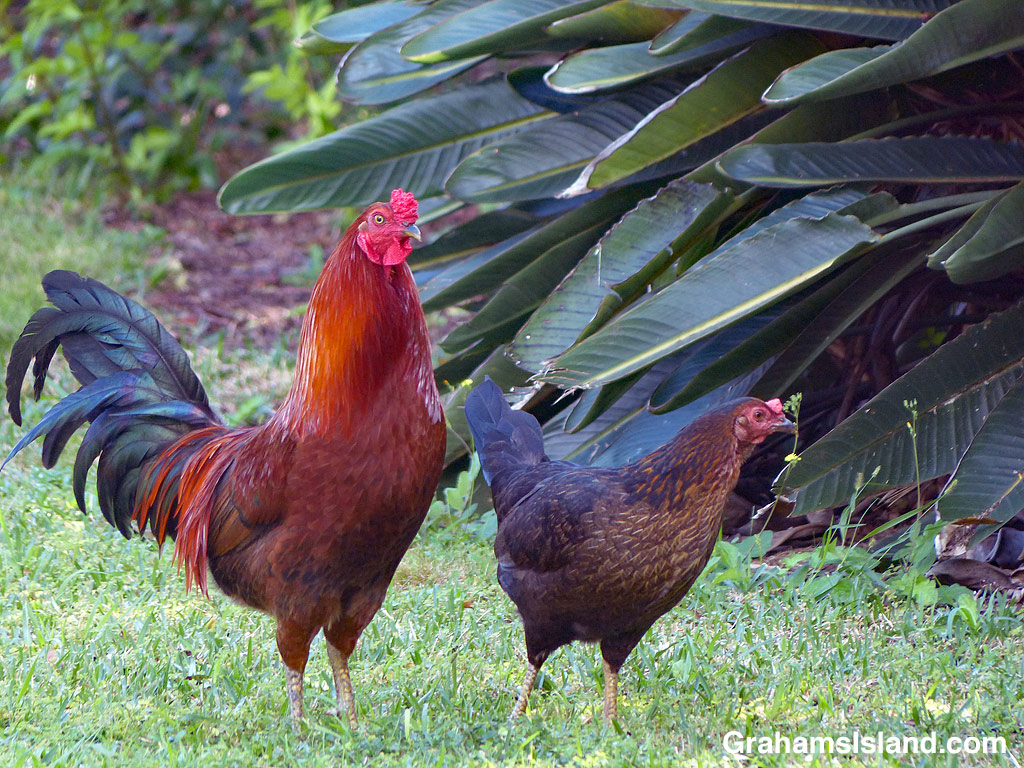
Around here, awakening is usually courtesy of the dawn chorus. That occurs when the birds themselves awaken and announce to the world that they made it through the night. Pretty much every bird species that lives within earshot takes part, but there are some standouts.
Roosters (above) are the traditional greeter of the new day and that’s true here, though it has to be noted that they’re equally likely to sound off at any time of the day or night. This neighborhood used to be rooster-free for several years. Then one wandered in from across the road and now there are several in the vicinity. One in particular keeps trying to make my yard part of its territory. I am resolved to prevent this.
Gray francolins (right) are smaller than roosters but might be even louder. Their call has a little wind up before soaring to full screech. It gets people’s attention at any time of day, but at 5:30 in the morning it’s more effective than mainlining caffeine.
The northern cardinal (below) is a smaller bird still but, from its typically high perch, its variety of powerfully-sung songs tend to ride over everything. But rest assured, the other birds contribute, from the red-billed leiothrix, to Japanese white-eyes, to an assortment of finches, they make sure that I’m up to greet the sunrise, whether I want to or not.


