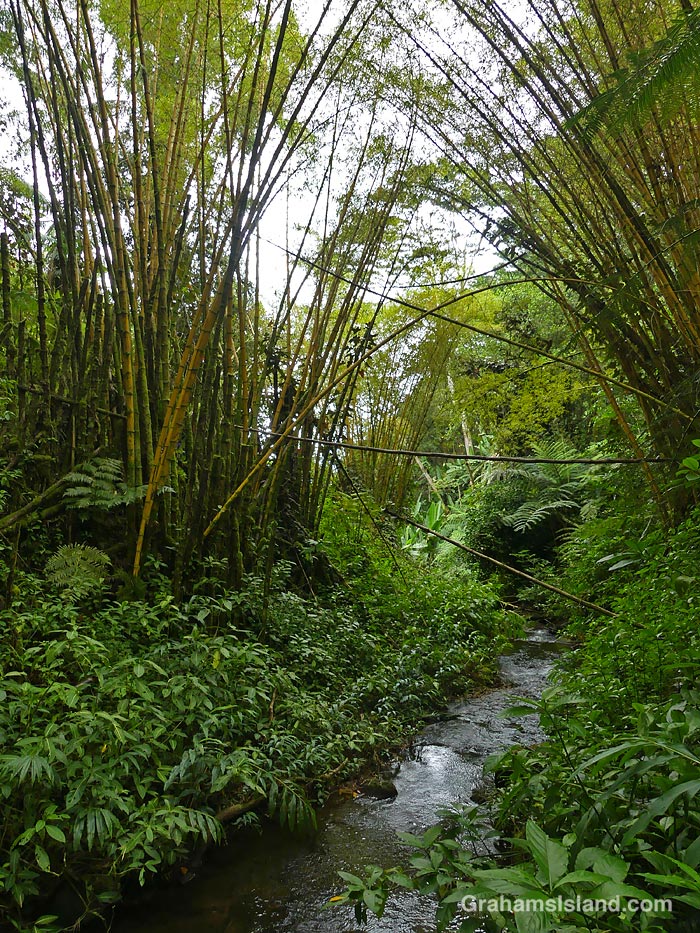
Bamboo arches over a stream in Akaka Falls State Park.


Bamboo arches over a stream in Akaka Falls State Park.
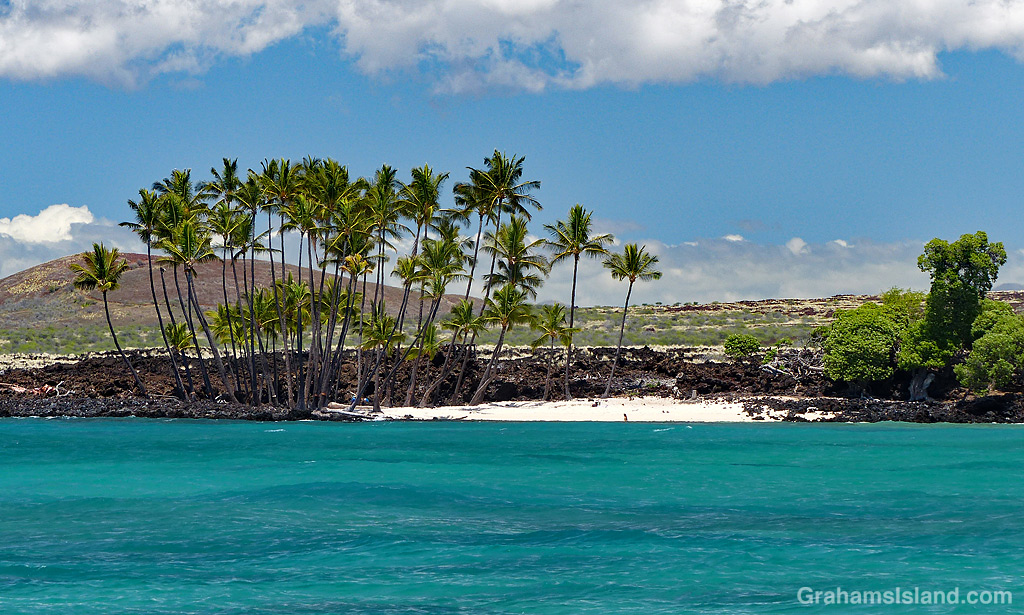
The idea of The Numbers Game is to enter a number into the search bar of your computer and then post a selection of the photos that turn up. This week’s number is 192. Captions are on the photos. You can see more responses here.



I saw this moth (Eligma narcissus) resting on a piece of pipe and knew it was something I hadn’t seen before. A name like that suggests trouble, but I’m not sure how much. I couldn’t find much online, and nothing about its presence in Hawaii.
It’s a native of tropical Asia, and some subtropical spots in that part of the world. Its larvae feed on Ailanthus species as well as Canarium species. And that’s about all I know!

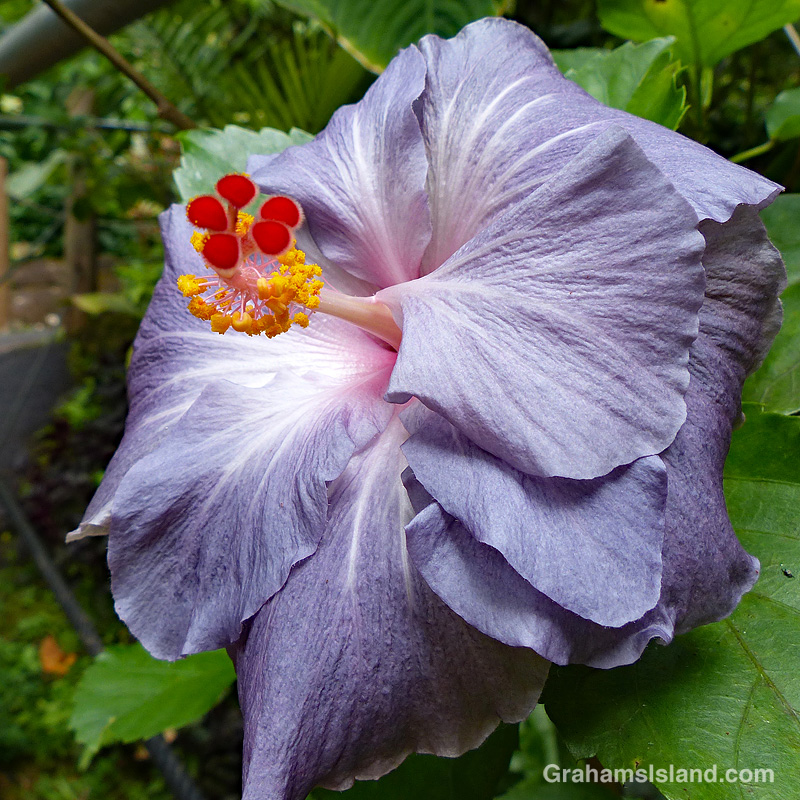
This week’s Sunday Stills color challenge theme is ‘Pastels.’ See more responses here. Captions on the photos.





Turbinaria ornata is an algae, native to Hawaii. It’s also known as crowded sea bells or crowned sea bells, depending on where you live. That name comes from how it bobs back and forth in the coastal surge where it’s found.
It’s something of an invasive species in other parts of the world. It can reproduce sexually or from bits breaking off and floating to other areas. It’s also good at adapting to different conditions.
This large colony was in the waters off Mauna Lani, which is not surprising. Turbinaria ornata has been found to do well near developed areas where the waters are rich in nutrients and have strong water motion.

Taking a photo of this Caribbean Agave, the important thing is not to lean over too far!
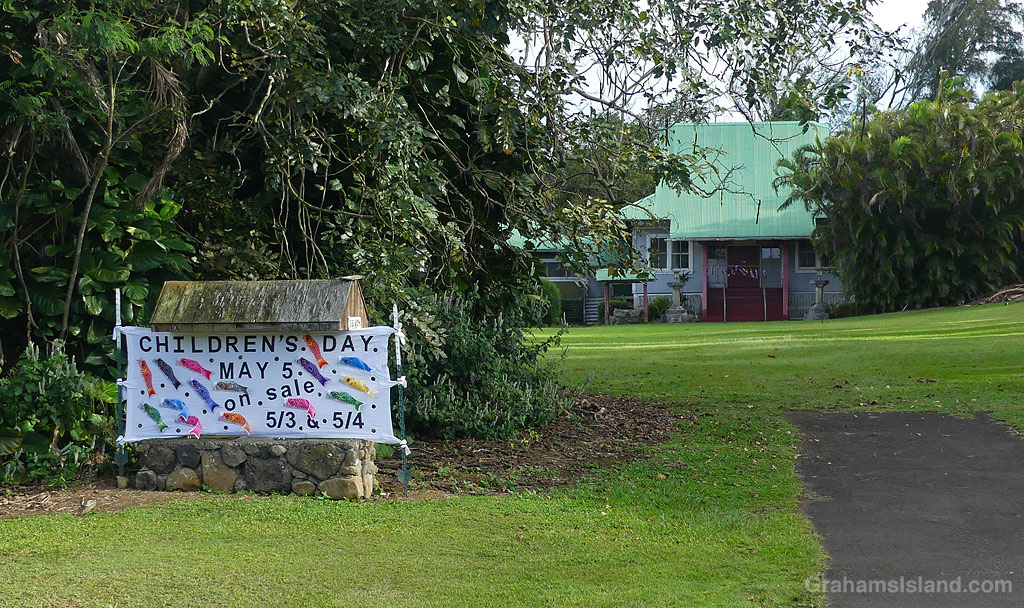
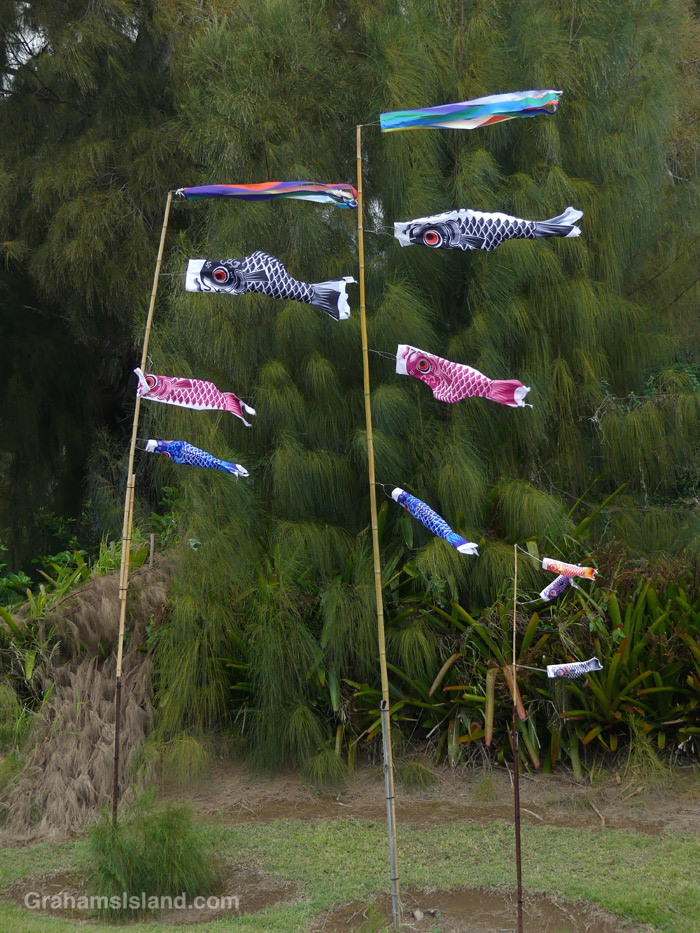
The Jodo Mission in Hawi is getting ready to celebrate Children’s Day. This traditional Japanese holiday was known as Boy’s Days, celebrated on the fifth day of the fifth month, while Girl’s Day was celebrated on March 3, the third day of the third month. These days, there’s a push to celebrate both as Children’s Day on May 5th. One of the features is the flying of carp-shaped windsocks. There will also be gifts and special treats.
The windsock photo is posted for Bushboy’s Last on the Card challenge. See more responses here.
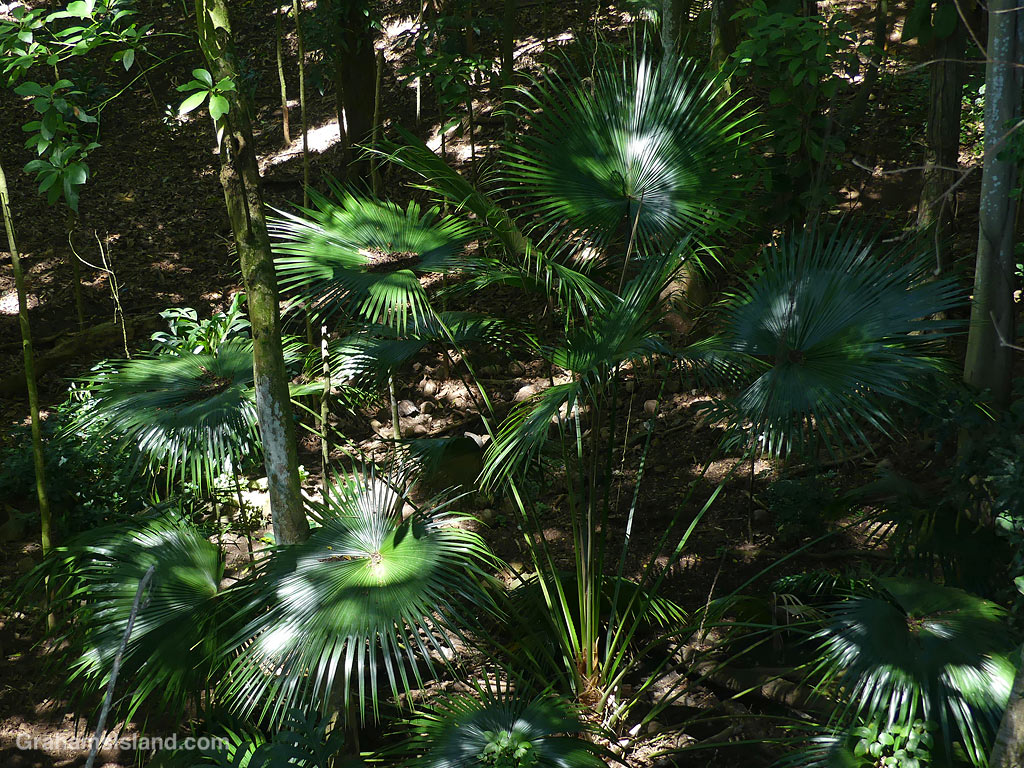
Light filters down onto a palm plant, deep in a gully.

