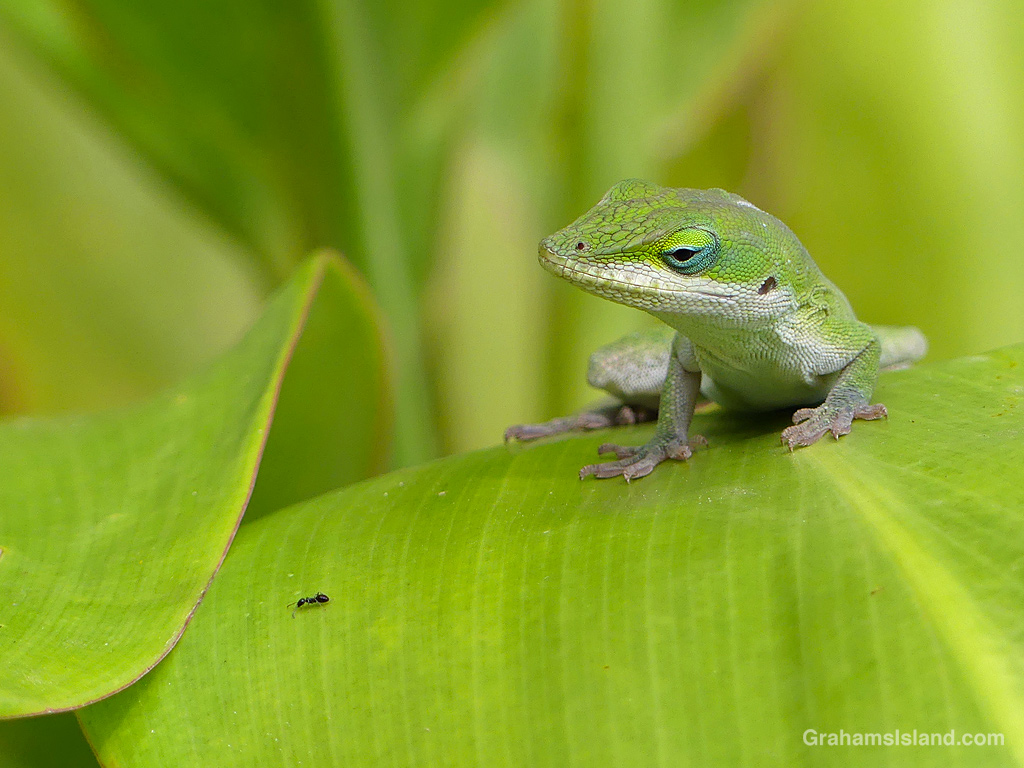
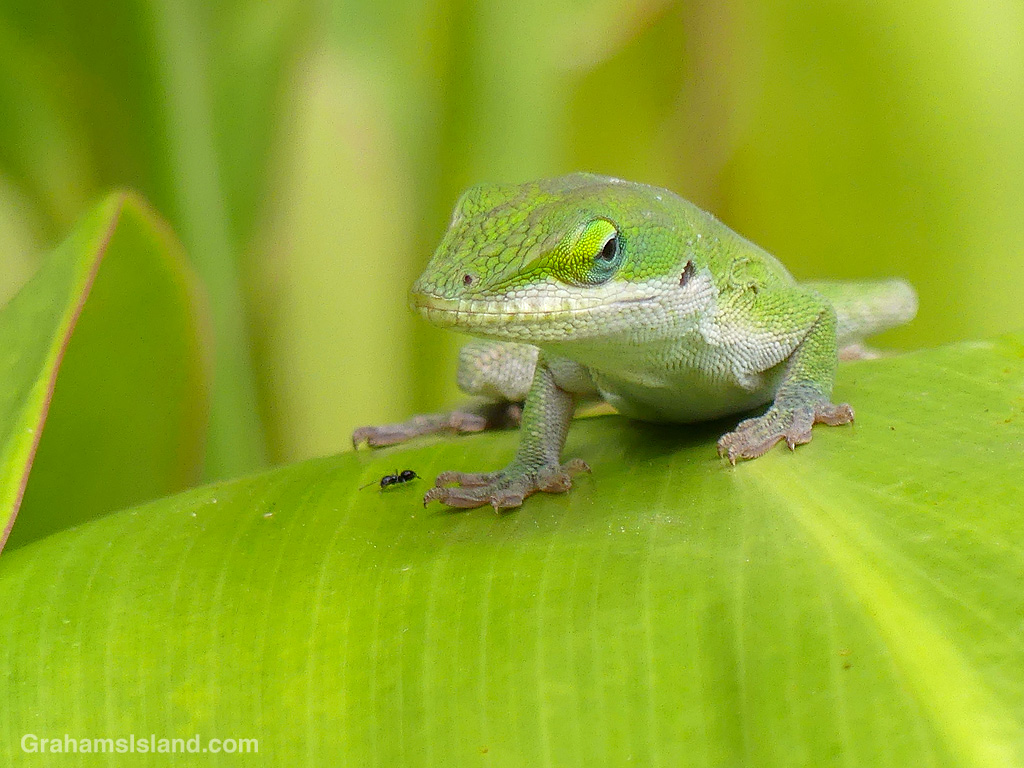
I was photographing this green anole on a ti leaf when an ant appeared on the scene. The anole gave it the ‘Is that a snack?’ look, but decided that maybe that wasn’t a good idea. Some ants are not good eating.
The anole resumed keeping an eye on me, while the ant meandered around getting closer. At one point, the ant bumped into the anole’s foot and the anole flinched and yanked its foot away, as a person might do.
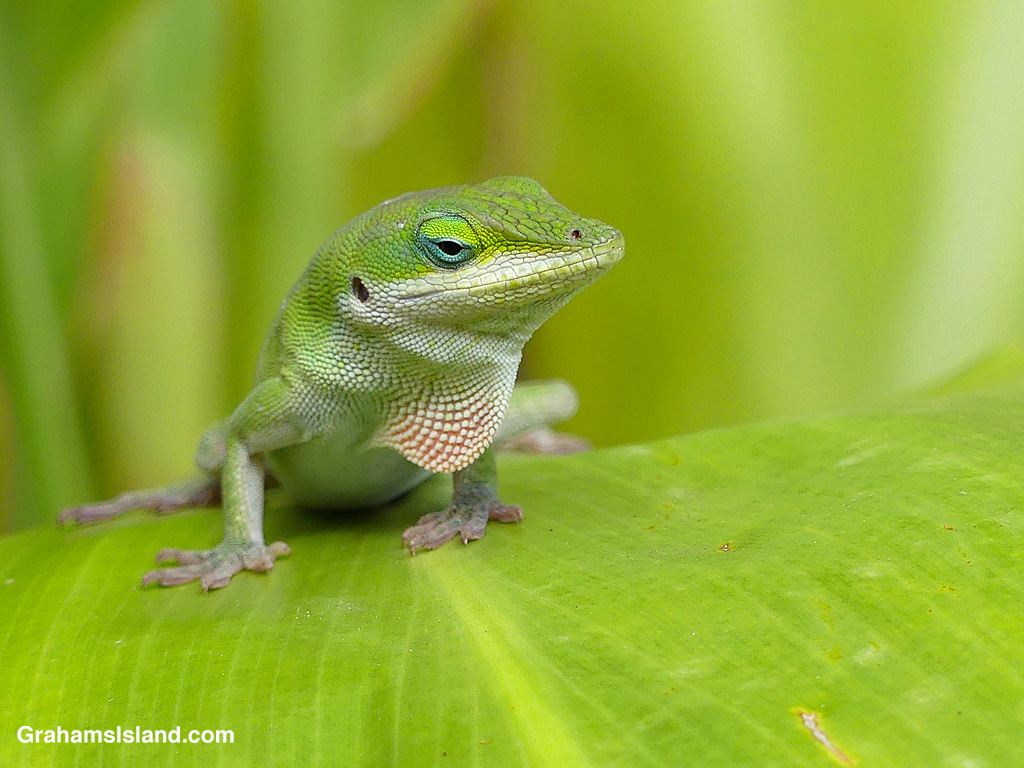
Following that incident, the anole began a half-hearted sequence of displaying its dewlap to show that this was his territory, but it seemed more aimed at wishing I would go away rather than doing anything about it!
You know the expression, ‘You look like a ….’ Well, as a public service, this is what the real thing looks like. I almost bumped into it on my swim yesterday!
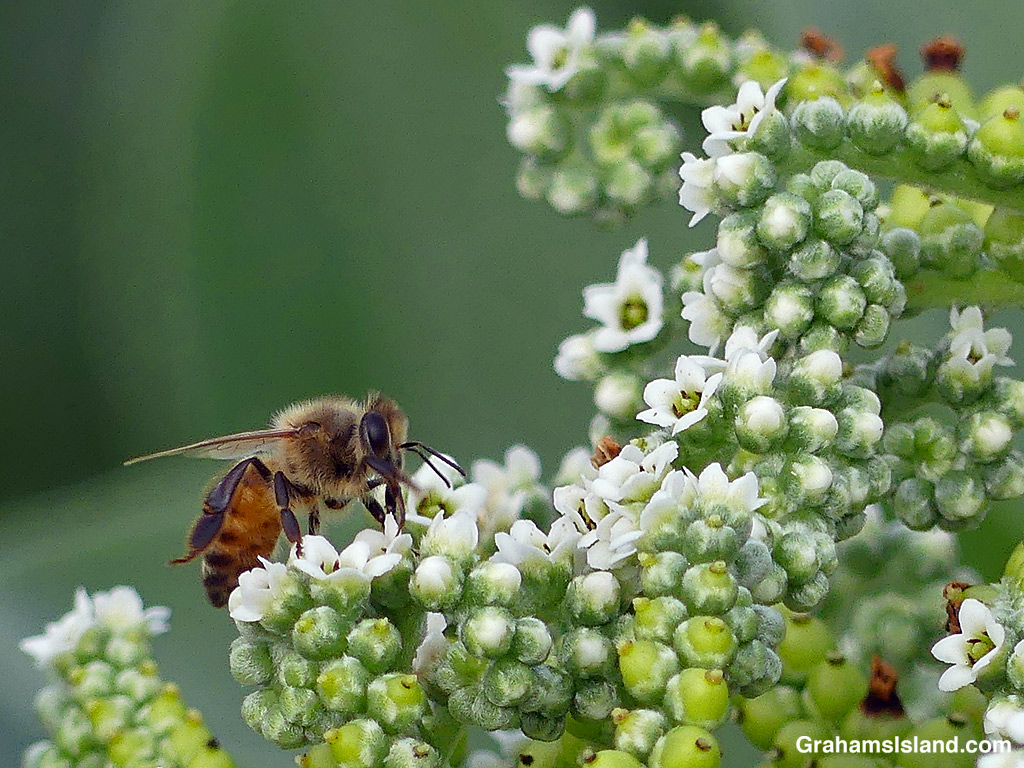
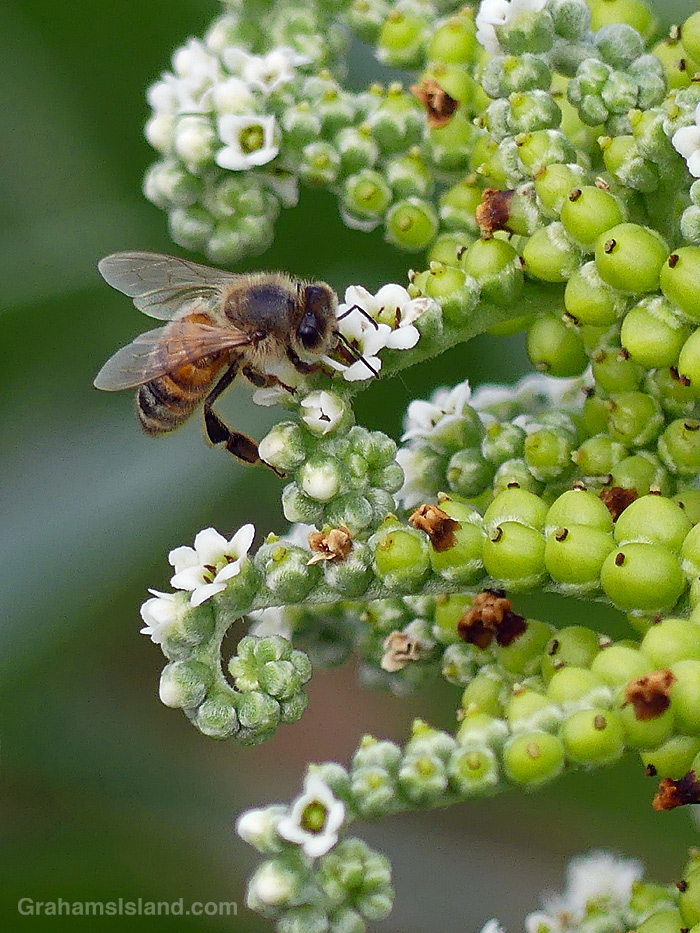
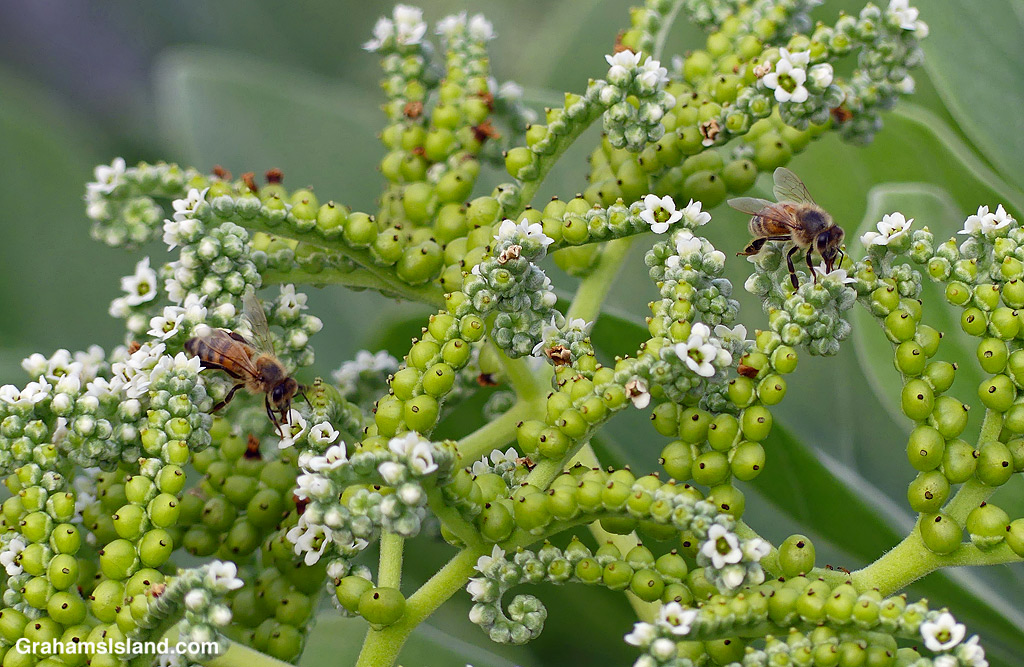
Last week I posted photos of a Feather-legged Fly (here). What I was taking photos of, at that time, were these bees foraging on a Tree Heliotrope. I like Tree Heliotropes because they look like molecular models put together by a scientist trying to explain the meaning of life!
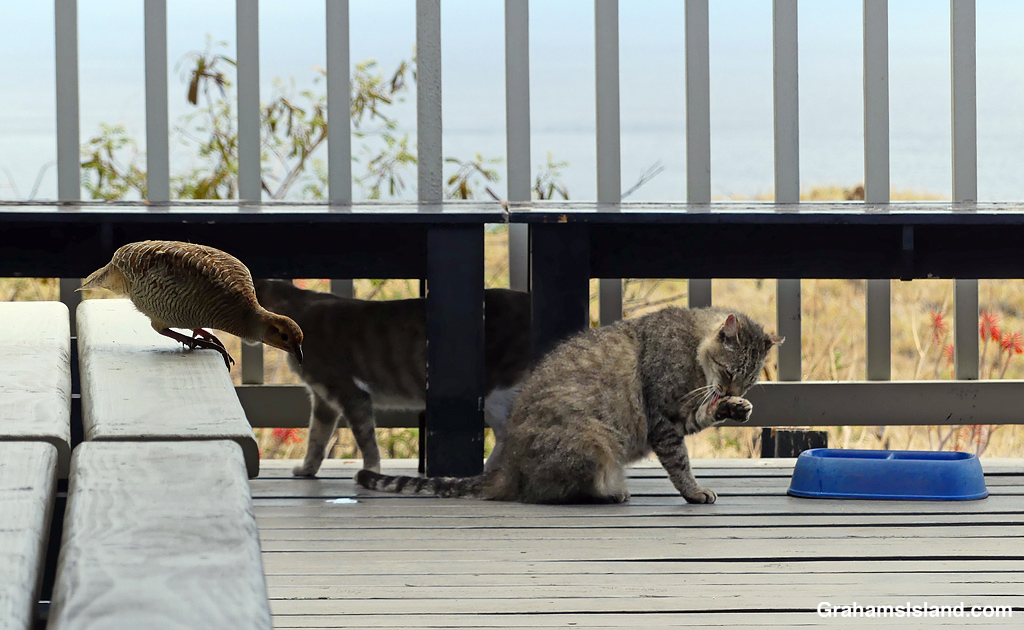
A Gray Francolin ventures into the territory of some cats.
The idea of The Numbers Game is to enter a number into the search bar of your computer and then post a selection of the photos that turn up. This week’s number is 128. You can see more responses here.
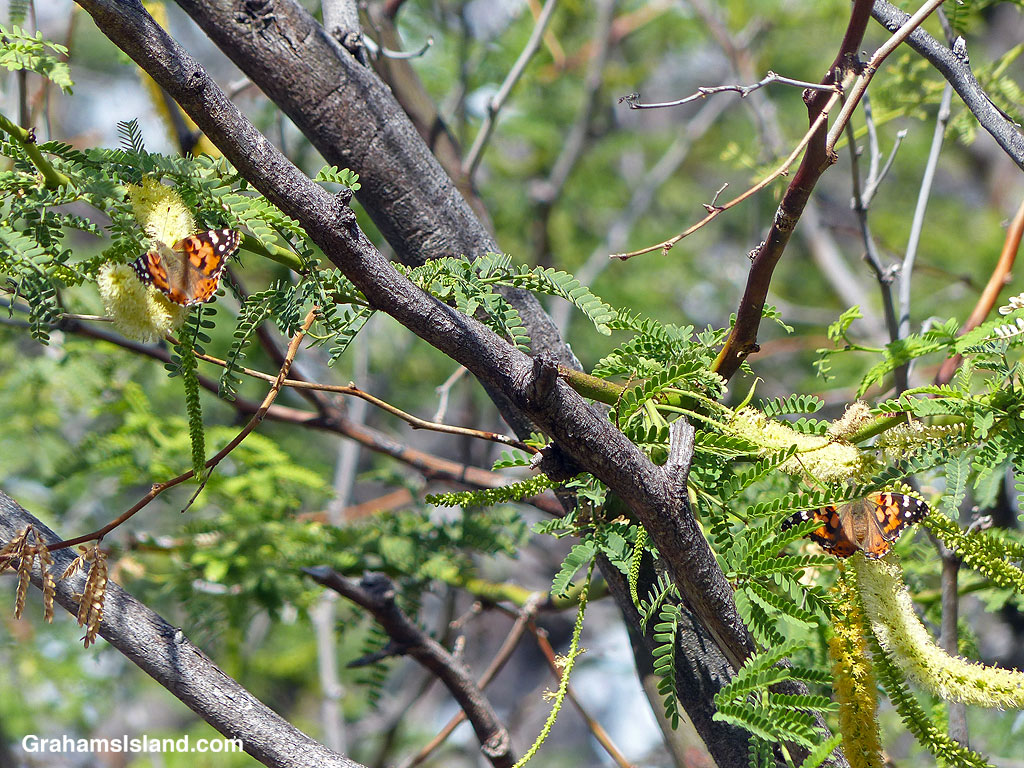
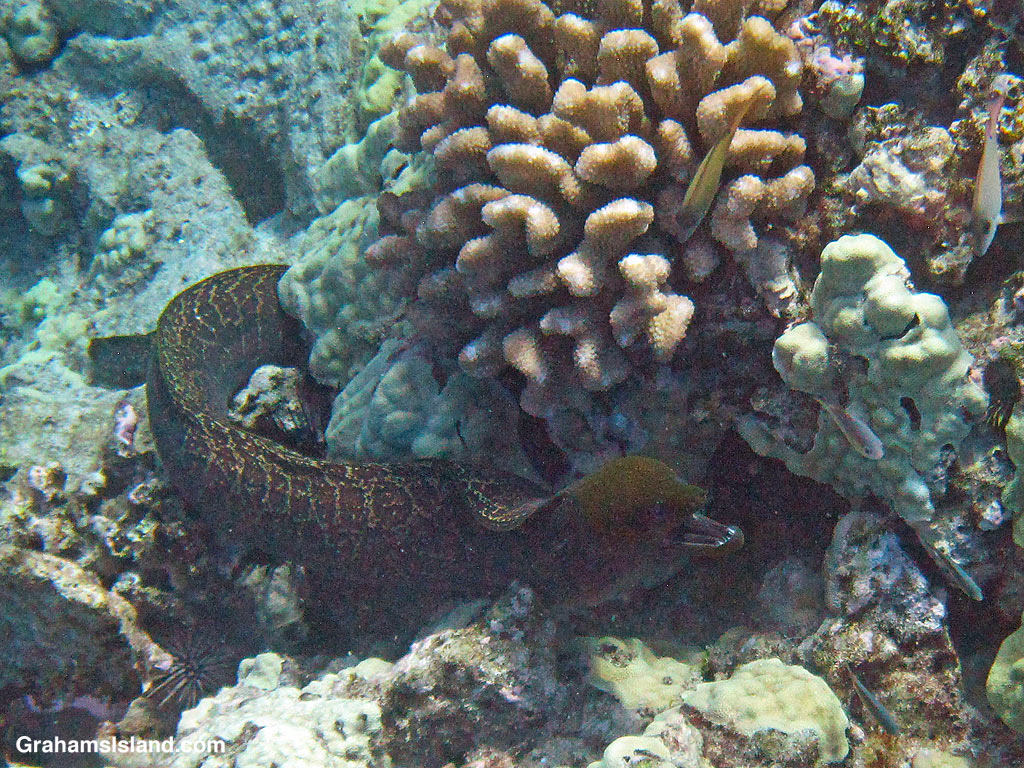
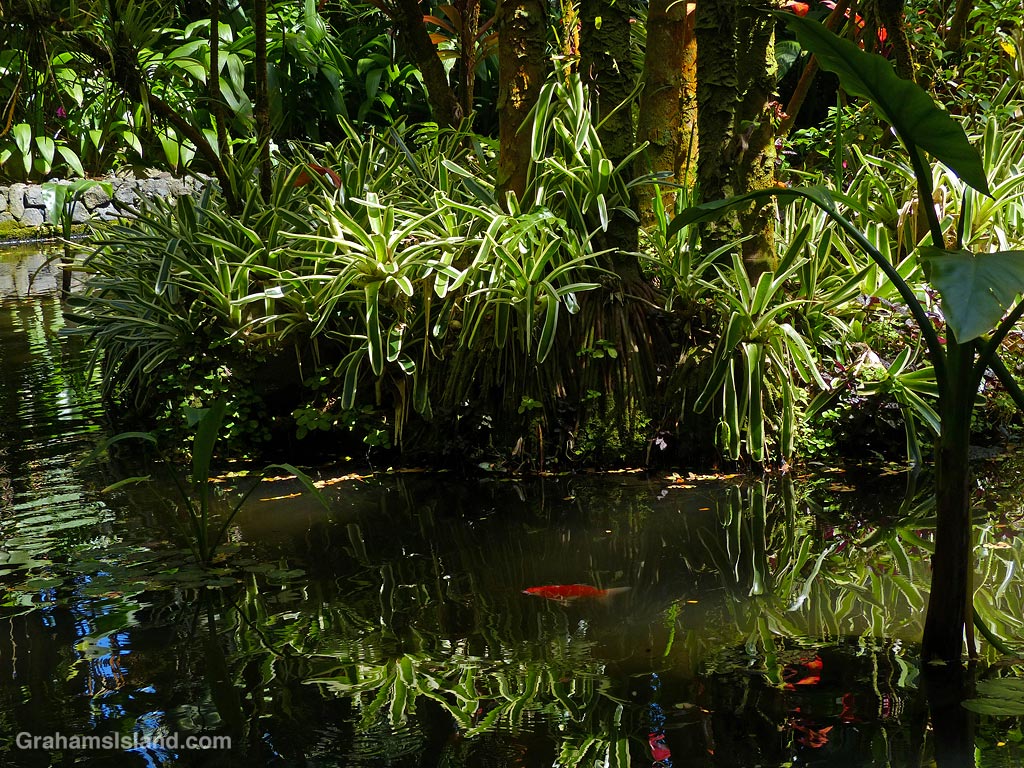
Two Painted Lady Butterflies in a Kiawe tree.An Undulated Moray Eel looking grouchy, as per usual.Koi swim in Lily Lake at Hawaii Tropical Bioreserve and Garden.
A Nutmeg Mannikin stuffing itself with cane grass seeds
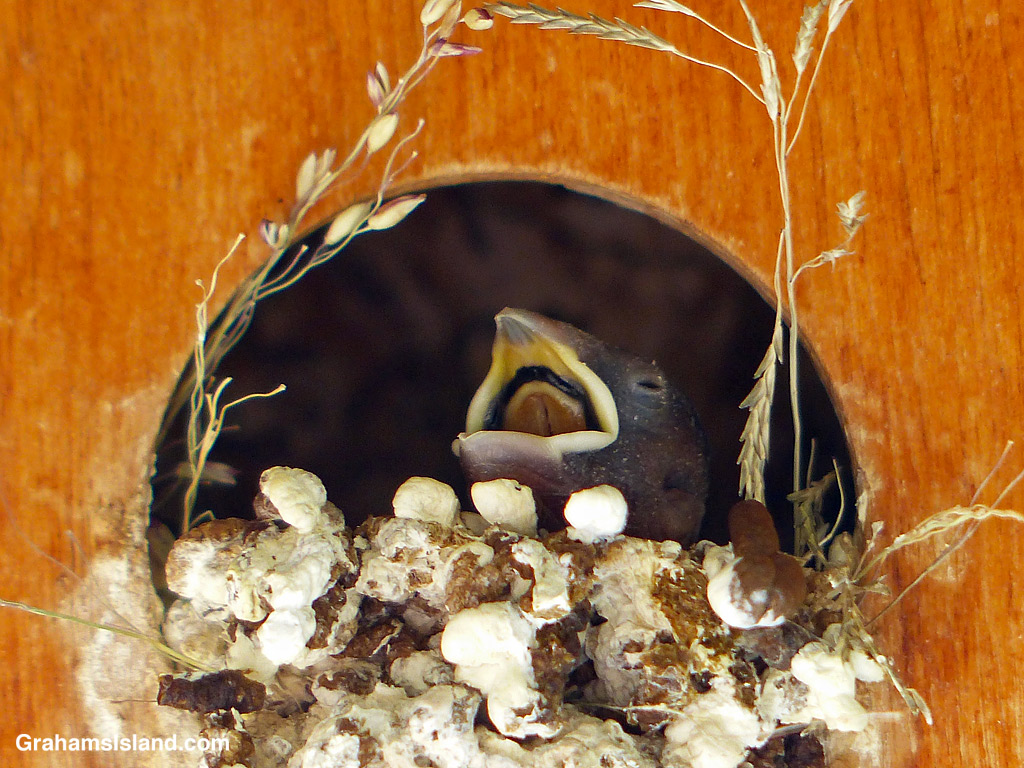
This week’s Sunday Stills challenge theme is ‘Feed the Birds.’ See more responses here.
I don’t feed the birds here, but they seem to have no trouble feeding themselves, with the notable exception of the one in the top photo. Here’s a selection.
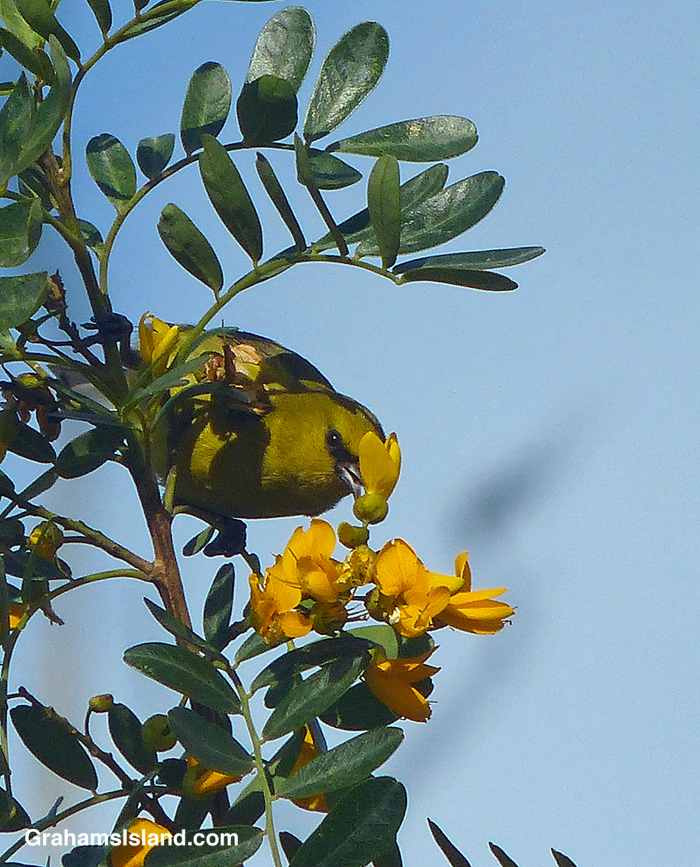
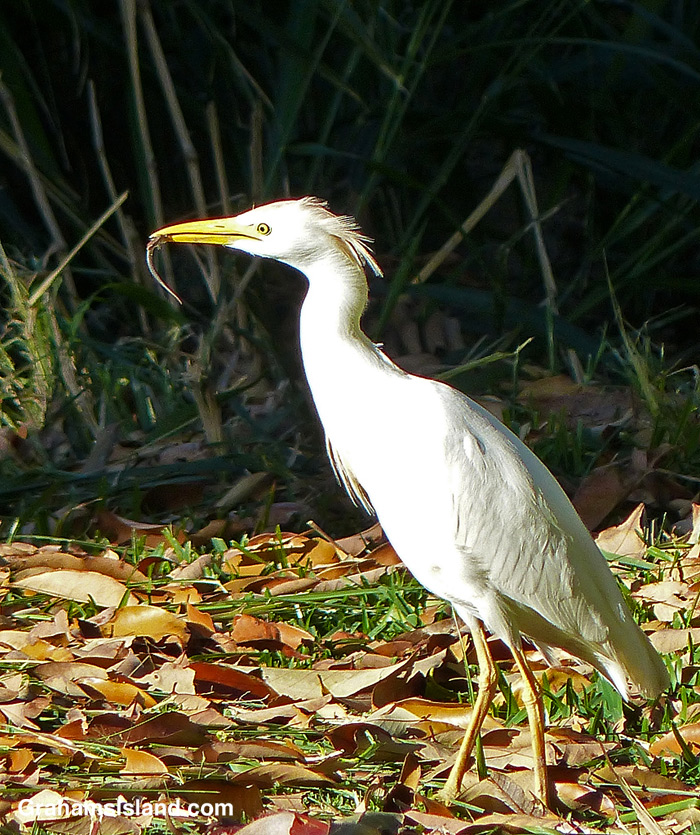
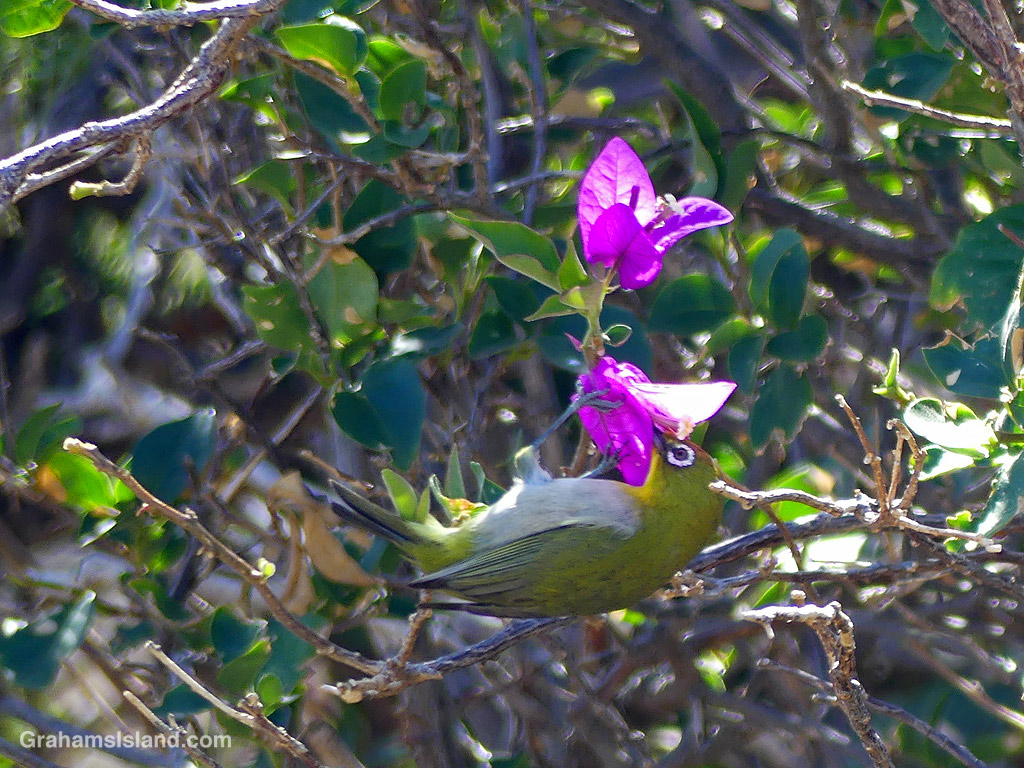
An Hawaiian Stilt prepares to eat a tasty morsel fished form the water.An Hawaiian Amakihi feeds at a Mamane flower.A Cattle Egret snags an anole for lunch.A Japanese White-eye feeds on a bougainvillea flower.
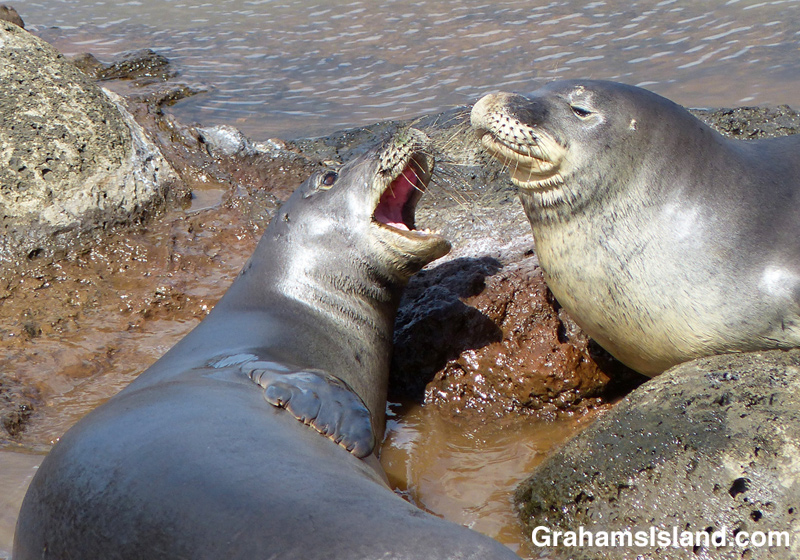
Back on January 25, I posted photos for The Numbers Game that included an old monk seal photo. At the time I thought, I should run this because it’s been ages since I saw a monk seal.
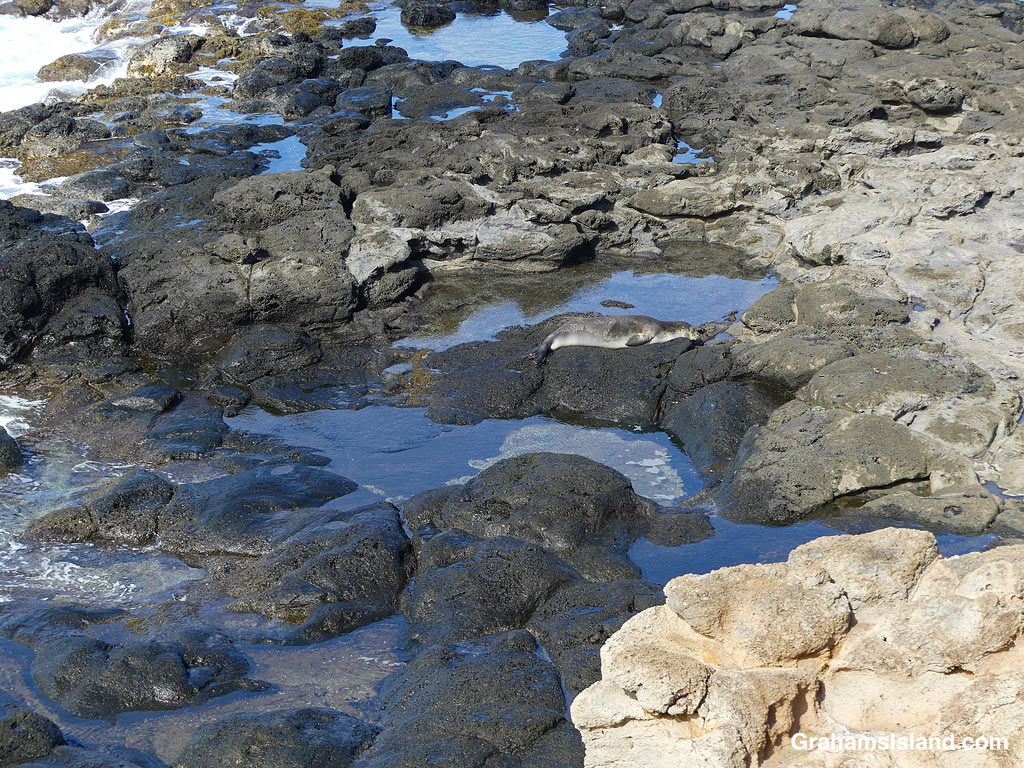
That afternoon, I went for a walk at Upolu and saw this monk seal. I didn’t notice it at first because monk seals tend to blend in well with the rocks they rest on. But when I got closer, I realized what I was looking at. It’s been two and a half years since I last saw one, so maybe I’m out of practice.
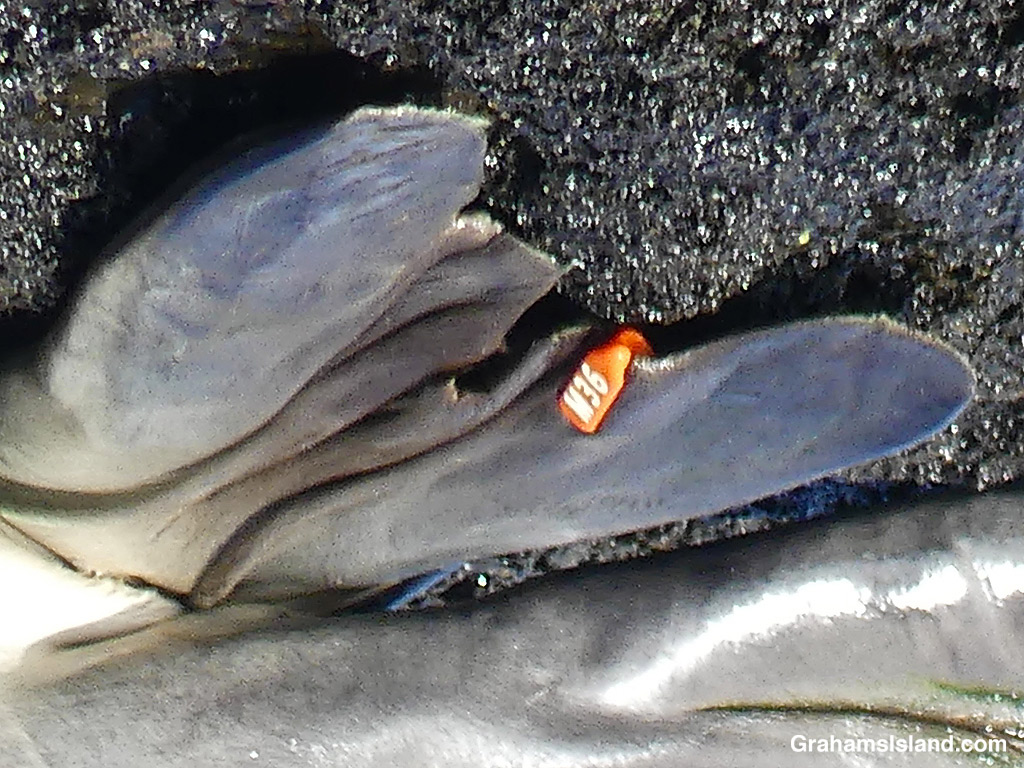
I took photos, with a view to being able to identify the seal. I could see red tags in both tail flippers, but the seal’s position left me unable to see what was on the tags. Luckily, just before I left, the seal moved and I was able to get one shot from which I could read the identification.
The seal’s tag read M36, and I sent this photo along with others to the Marine Mammal Center, which tracks monk seals around the islands. I was happy to get a response telling me this monk seal is a female, born in 2020 on Kauai. What was really nice to hear was that she is the pup of BOO, a monk seal I saw several times back in 2016 in the company of I05 (affectionately known as Igor). It’s been almost five years since I saw I05, which could mean bad news or simply that he moved elsewhere. He was not typically a social seal!
Yesterday, I went walking at Upolu for the first time in a week and saw the same seal in the same place. I doubt she’s been there the whole time, but perhaps she’s going to make this stretch of coast her new home. One can only hope.
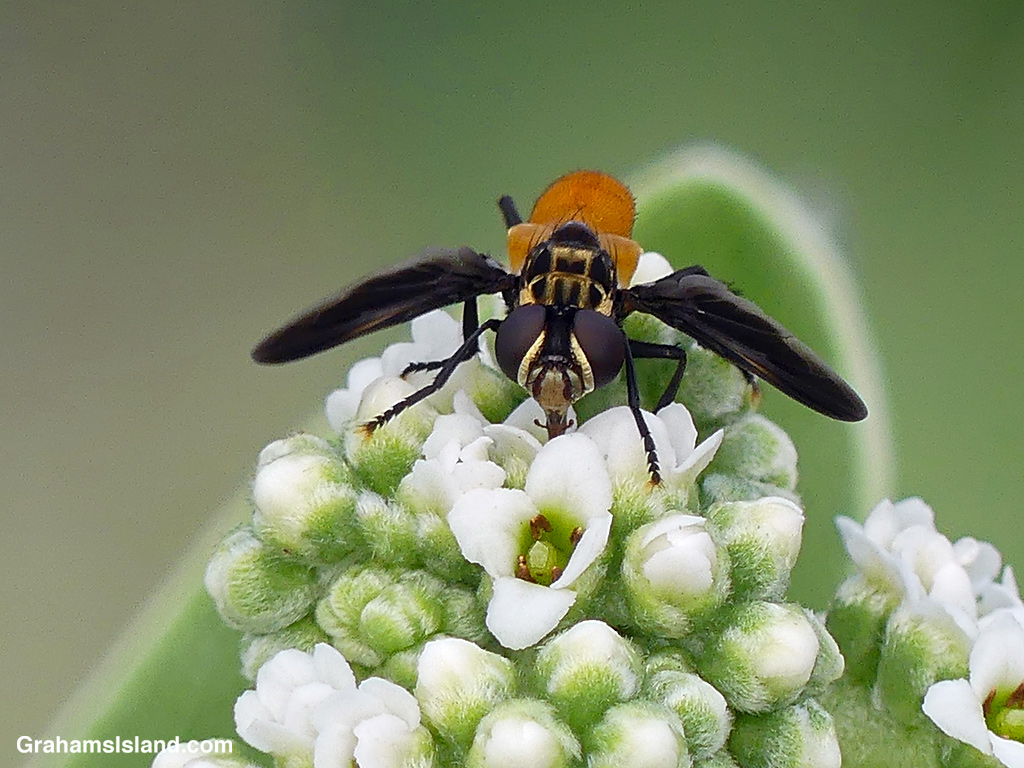
I was photographing bees on a tree heliotrope in Kawaihae when I saw this fly. It’s a new one for me, so I was happy to get decent photos and to be able to identify it afterwards.
This is a Feather-legged Fly (Trichopoda pennipes). It’s one of those flies which lays its eggs on host bugs, such as leaf-footed bugs and stink bugs. On hatching, the larvae make for the bug’s interior and develop safely within. The end product is a new fly and a dead bug. Because some of the bugs it uses as hosts are crop pests, it’s considered a beneficial insect.









 Graham's Island