
A bee forages in one of the splendid flowers of a cannonball tree (Couroupita guianensis).

A bee forages in one of the splendid flowers of a cannonball tree (Couroupita guianensis).

I’d noticed this dragonfly returning to the same twig a few times so I positioned myself to take photos if it continued to do so. Luckily it did and I got a few shots before it took off for good.
The black saddlebags dragonfly (Tramea lacerata) gets its name from the distinctive markings on the wings. It’s found in most places in the U.S. and is one of those good bugs because both naiads and adults help control mosquitos by consuming their larvae.

A cabbage butterfly stops to feed. I’m not sure what the flower is, but I know it’s not a cabbage!
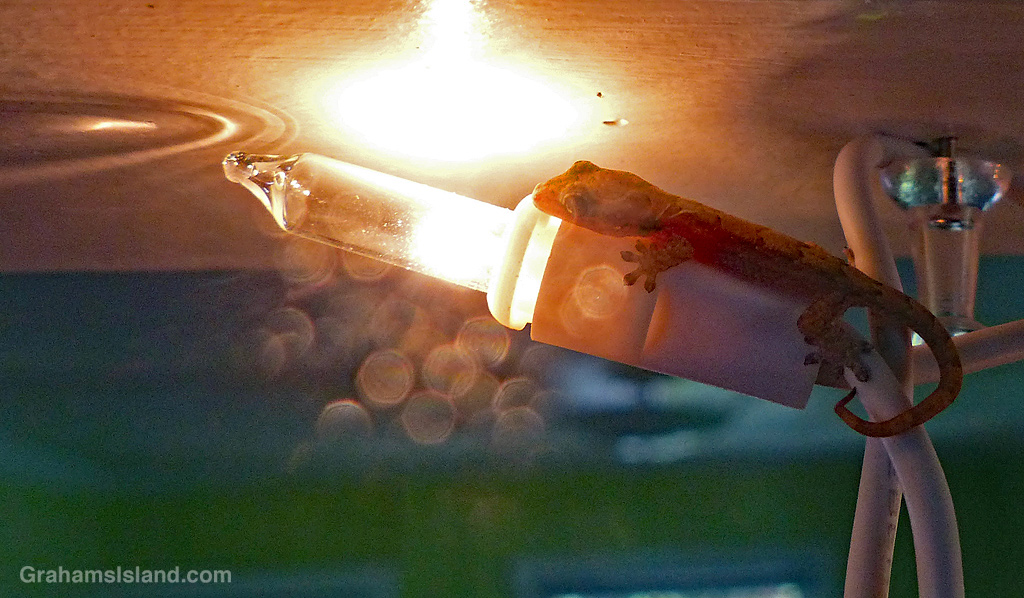
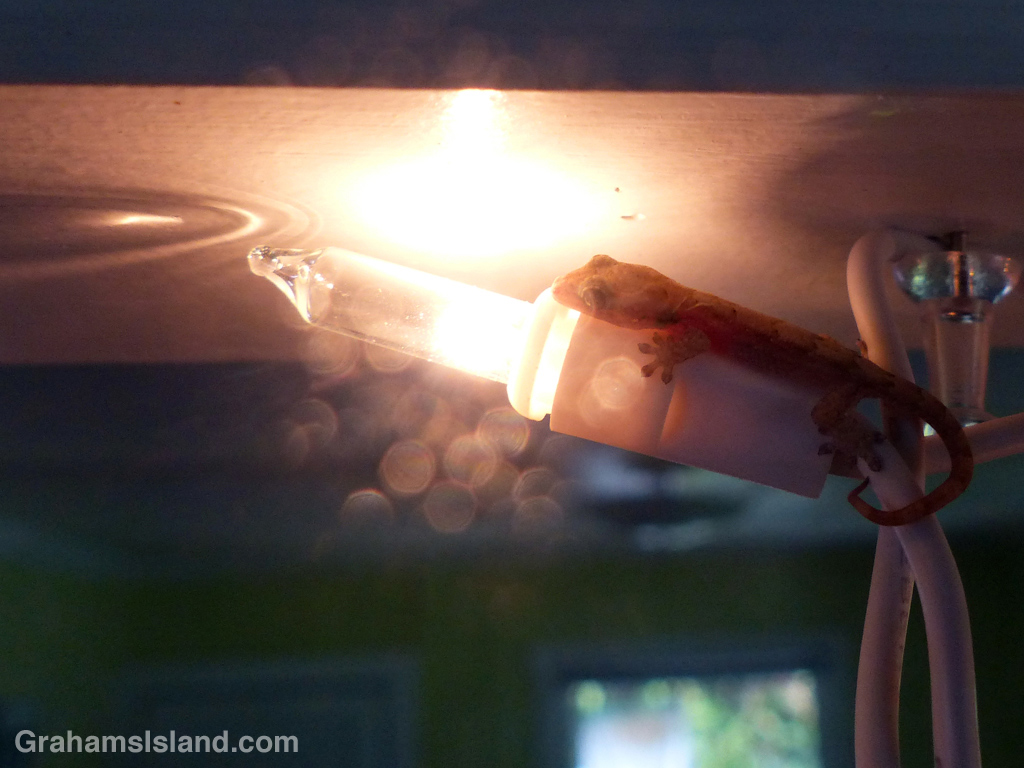
This week’s Friendly Friday challenge theme is ‘Photo Edits.’ See more responses here. The main photo edits I do are cropping and adjusting color and lighting, and these photos show the path to the final version (above).
My aim was to get a photo of a baby mourning gecko that was hanging onto a Christmas light, mostly for the warmth I suspect. The light was indifferent and I didn’t want to spook the gecko.
The original (bottom photo) is fairly blah with washed-out color and too much distraction around the gecko. In my first fix (below) I cropped the photo to get the focus on the gecko and light. I also did some adjustments to light and color. I like it better, but it still wasn’t working for me, so I set the photo aside.
When this challenge came up, I thought of this photo and had another go. I cropped the photo tighter still to fill the frame. Then I worked on the color and lighting. The result is an image with more ‘pop,’ much closer to what I was looking for. That’s a Christmas light and a thumbtack holding the wire in place, so these are little things, including the baby gecko, but they jump out of the photo. Also, the various lighting effects surrounding the Christmas light come to the fore, which I like.
Ironically, the first photo I thought of for this challenge was a fish, which I thought I must have cropped quite a bit to get the final image, but when I checked the original image I found I’d done virtually nothing to it. I’m posting that photo tomorrow in response to the next Sunday Stills challenge.
Also posted in response to this week’s Lens-Artists Photo Challenge #66: Filling the Frame.


This cone-headed katydid is another introduced species, though Hawaii does have a native banza conehead, which I have yet to see. These coneheads are a big contributor to the nighttime insect buzz.

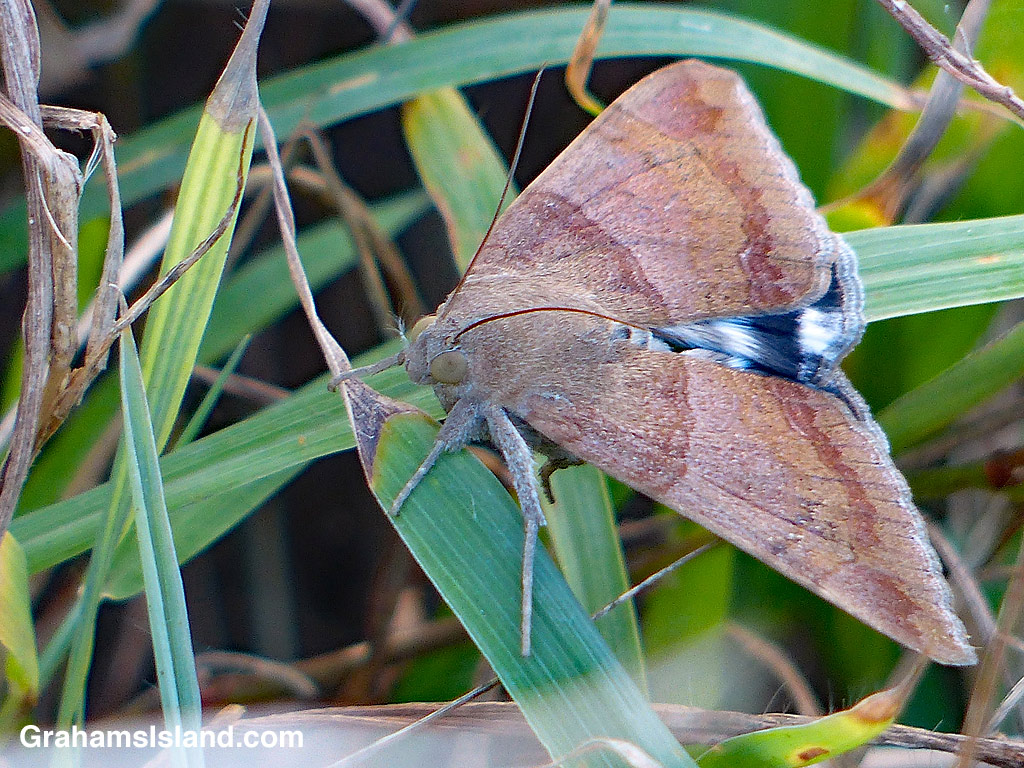

Also known as the castor-oil moth, castor-oil looper, and croton caterpillar, the achaea janata moth is most easily distinguished by the bold black and white markings on its hind wings.
The caterpillars feed on castor-oil plants and on crotons as well as the leaves of bananas, capsicum, and citrus. This moth was in an area with a fair number of castor-oil plants growing wild.


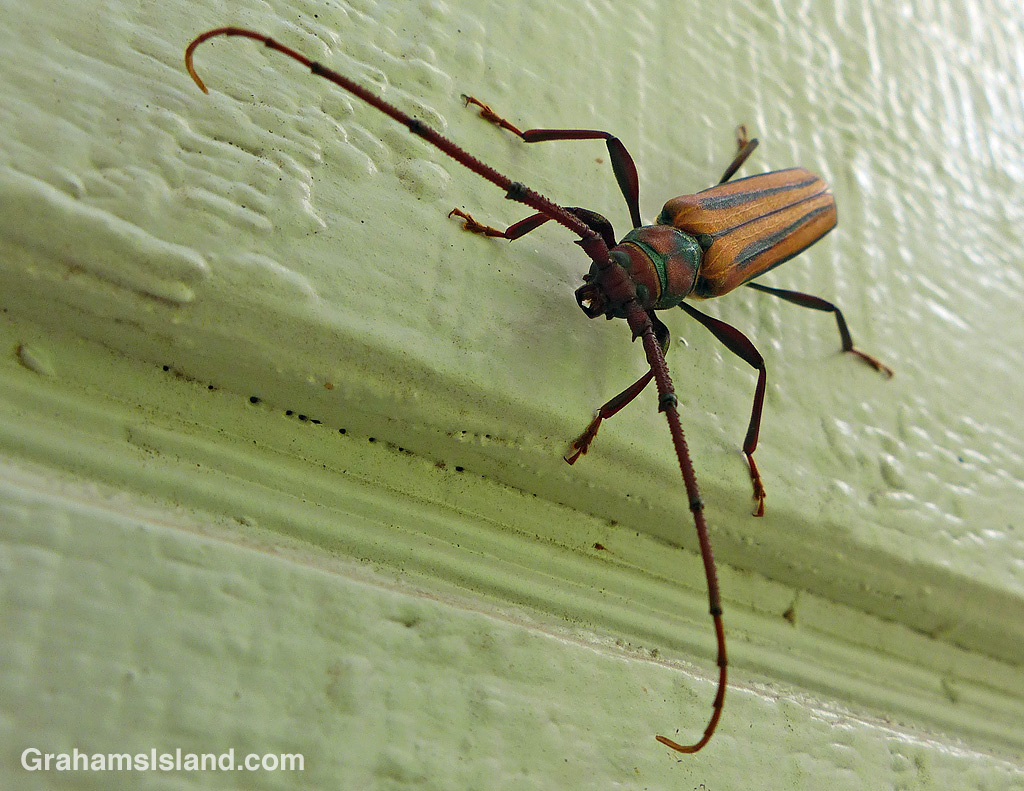
This week’s Sunday Stills challenge theme is ‘A Bug’s Life.’ (See more offerings here.) My last Sunday Stills post could have worked for this one, but instead I’m going with this fine-looking monkeypod borer beetle (Xystrocera globosa), also known as the raintree borer beetle among several alternative names. This longhorn beetle comes from southeast Asia where it is widely distributed.
As is often the case, it’s the larvae of this beetle that cause problems. They don’t tend to harm healthy trees but will bore into the sapwood of monkeypod trees that are distressed by drought or other reasons. While the damage caused is seldom enough to kill an entire tree, it can result in the loss of limbs.
This one hung out on a wall at work for a couple of days before it disappeared, possibly to a nearby monkeypod tree.


This week’s Sunday Stills challenge theme is ‘Signs of Autumn.’ (See more responses here.) So here two photos of a stink bug. I think this is probably a four-humped stink bug or rough stink bug (Brochymena quadripustulata), but it could be a brown marmorated stink bug (Halyomorpha halys).
What does this have to do with ‘Signs of Autumn?’ Well, stink bugs start gathering around and inside homes in the fall. As natives of Southeast Asia, they’re sensitive to the cold and spend winter in a hibernation-like state called torpor. So in the fall, they’re looking for a suitable safe spot and a warm house fits that bill. They also have a tendency to gather in large numbers, so one stink bug could quickly be joined by many others.
Stink bugs don’t bite and they’re not dangerous, but they can release an offensive smelling liquid if threatened, hence their name. Because of this, they’re not exactly welcome house guests.
 Graham's Island