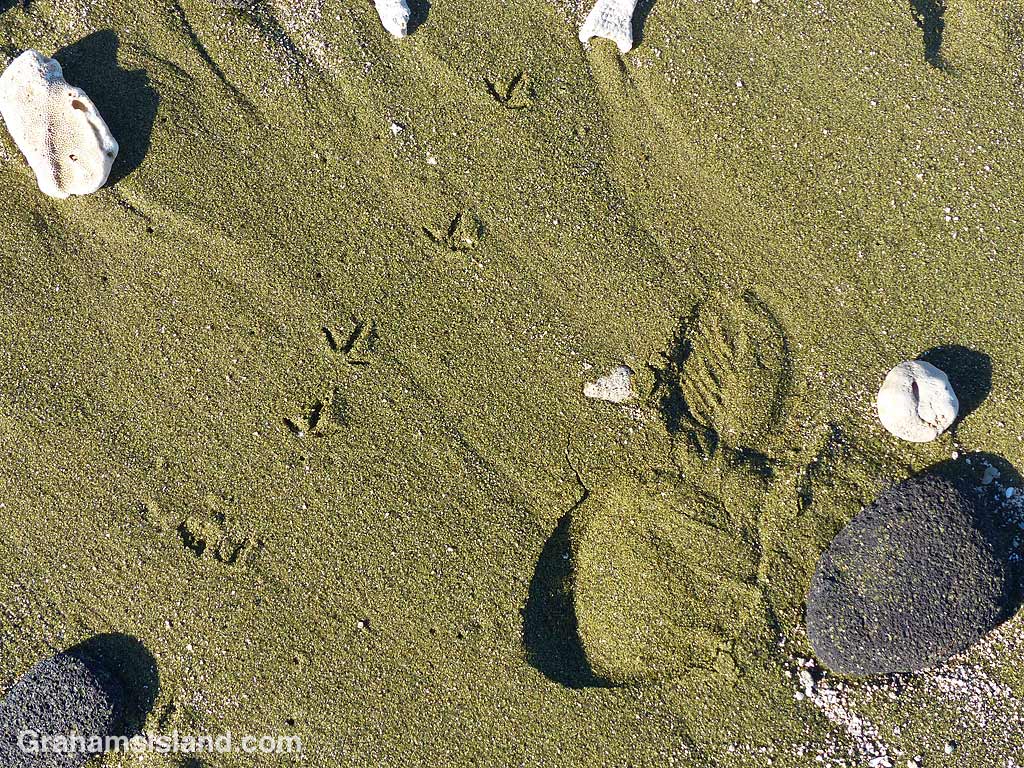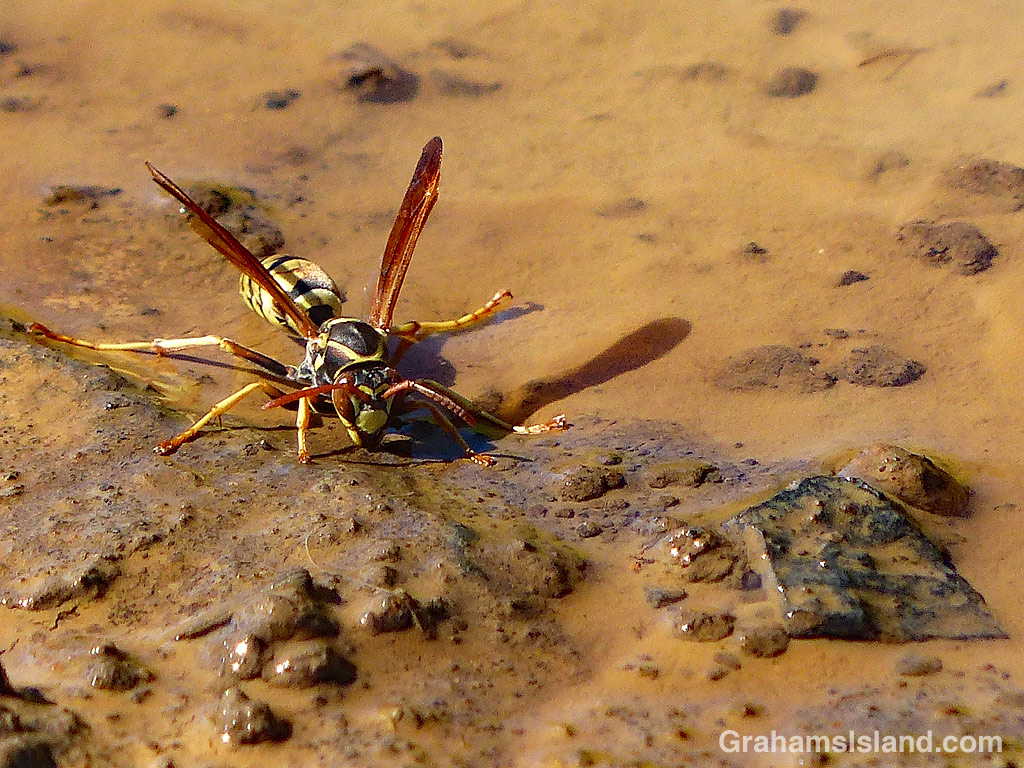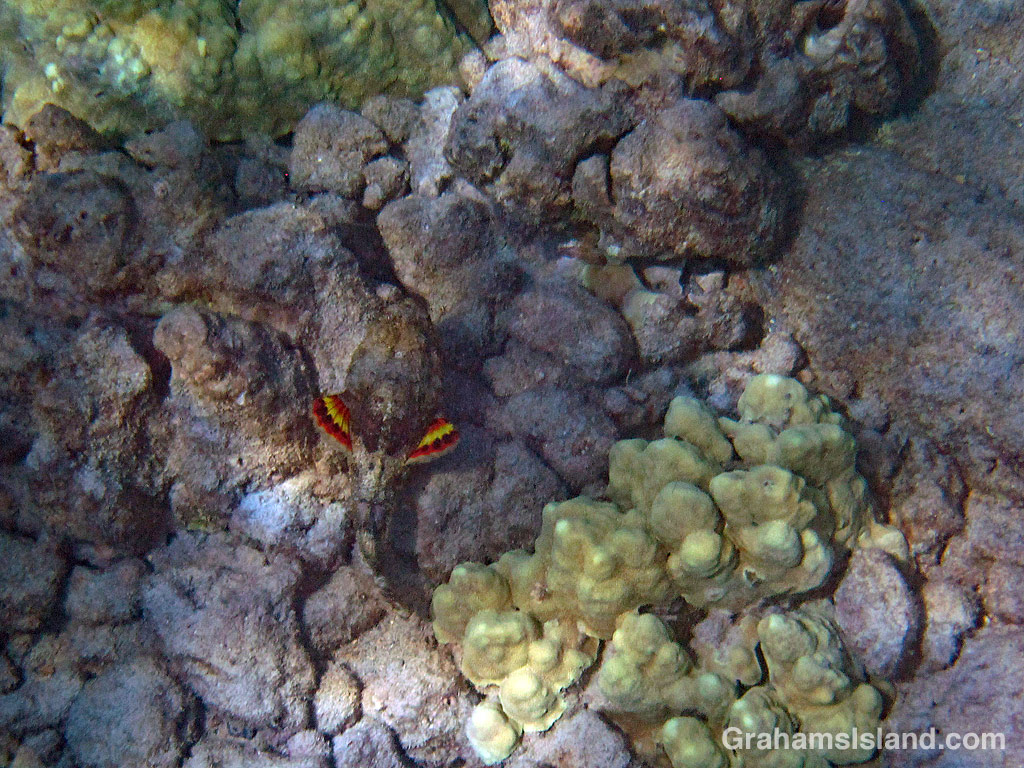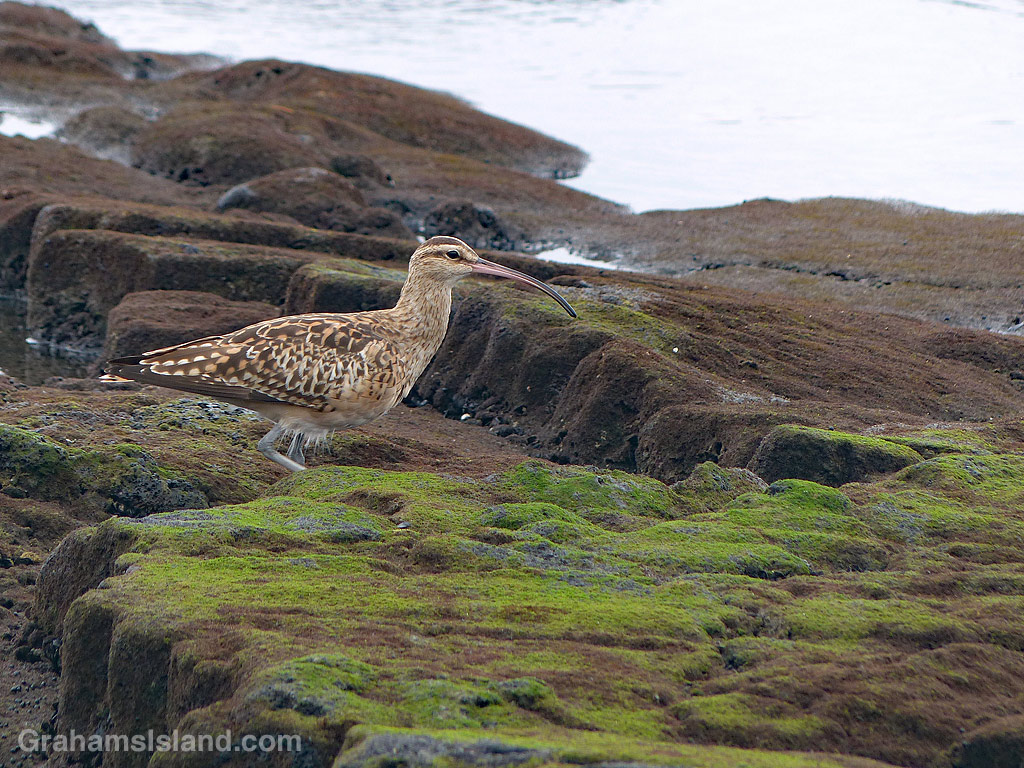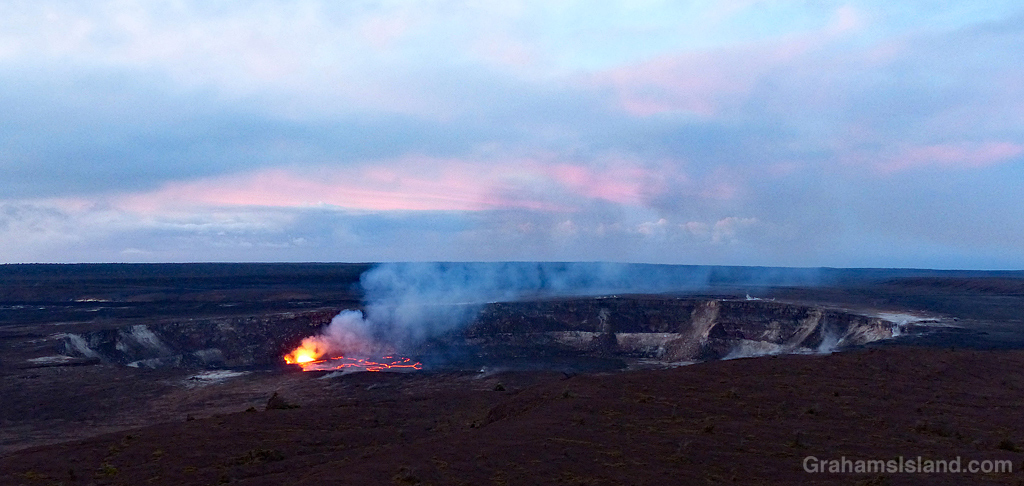
The idea of The Numbers Game is to enter a number into the search bar of your computer and then post a selection of the photos that turn up. This week’s number is 186. Captions are on the photos. You can see more responses here.
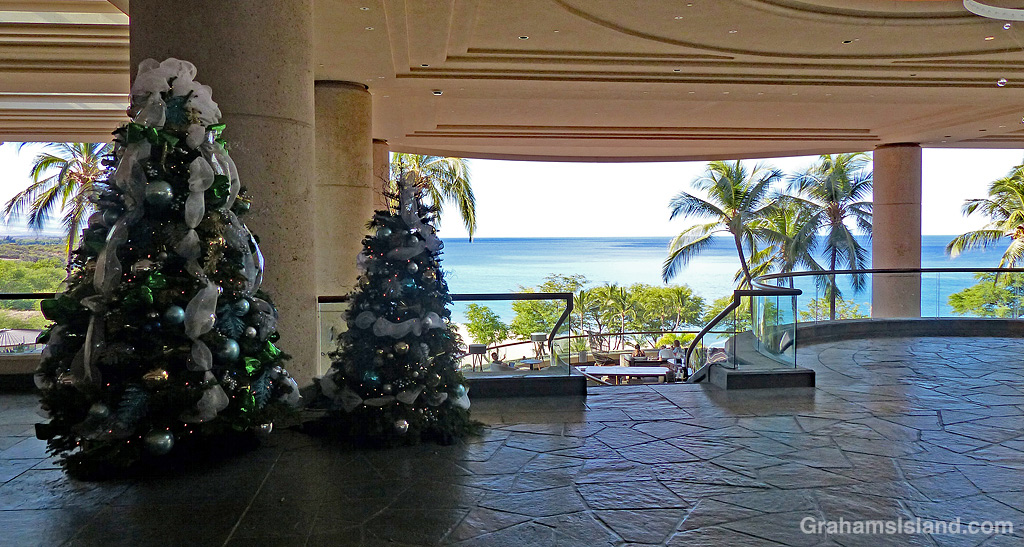
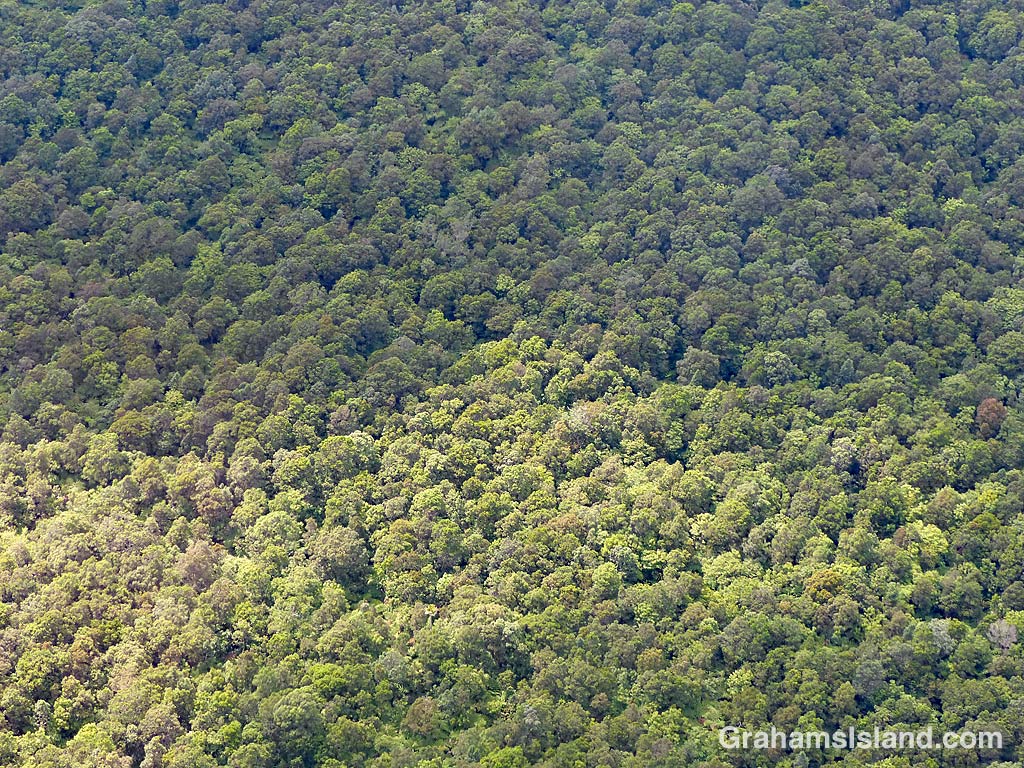
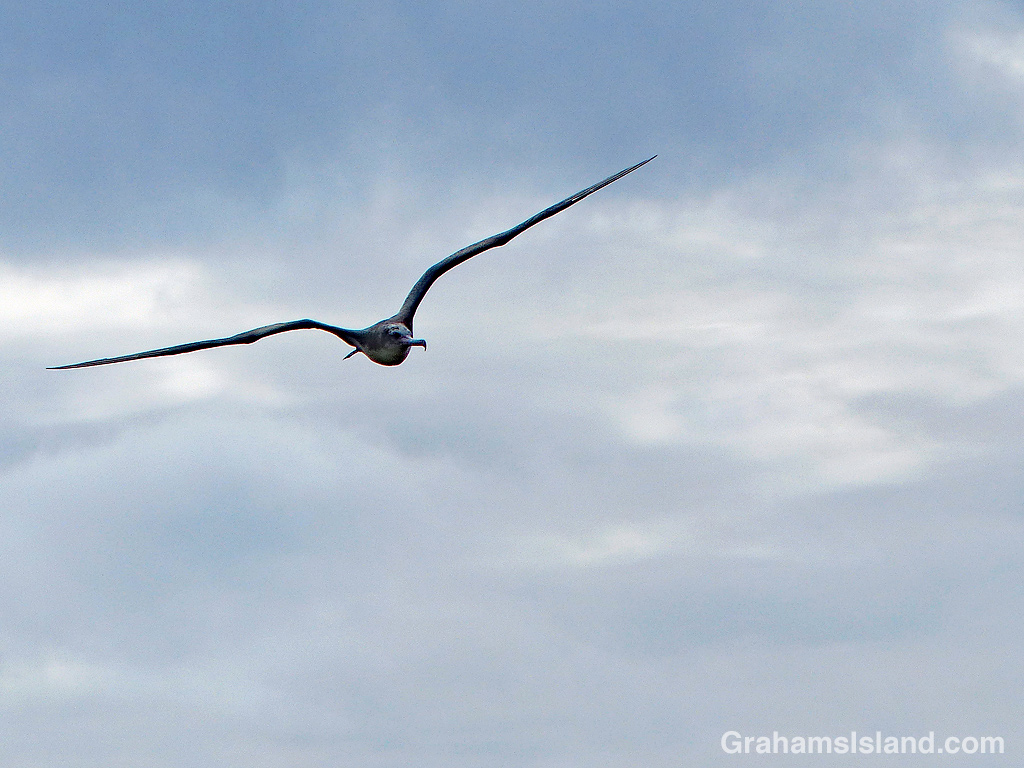
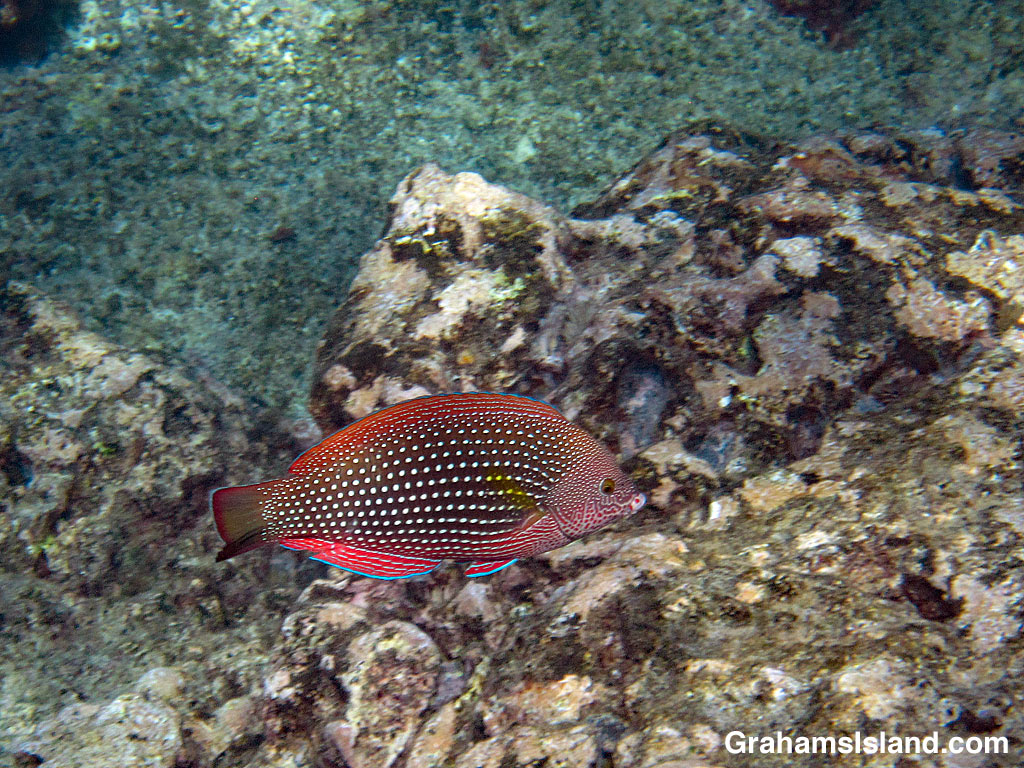
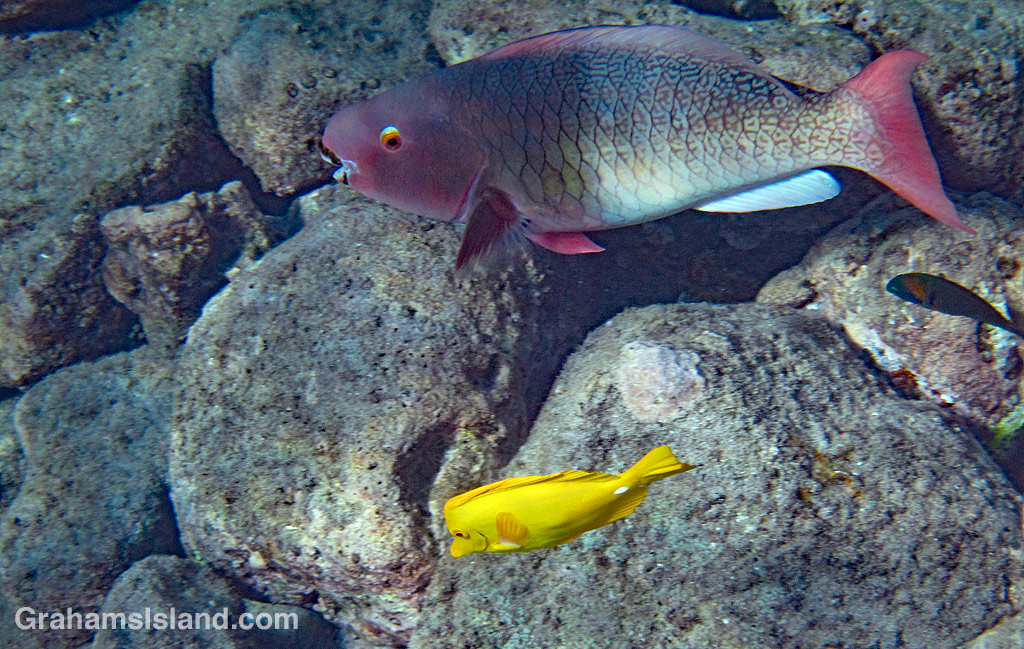


The idea of The Numbers Game is to enter a number into the search bar of your computer and then post a selection of the photos that turn up. This week’s number is 186. Captions are on the photos. You can see more responses here.
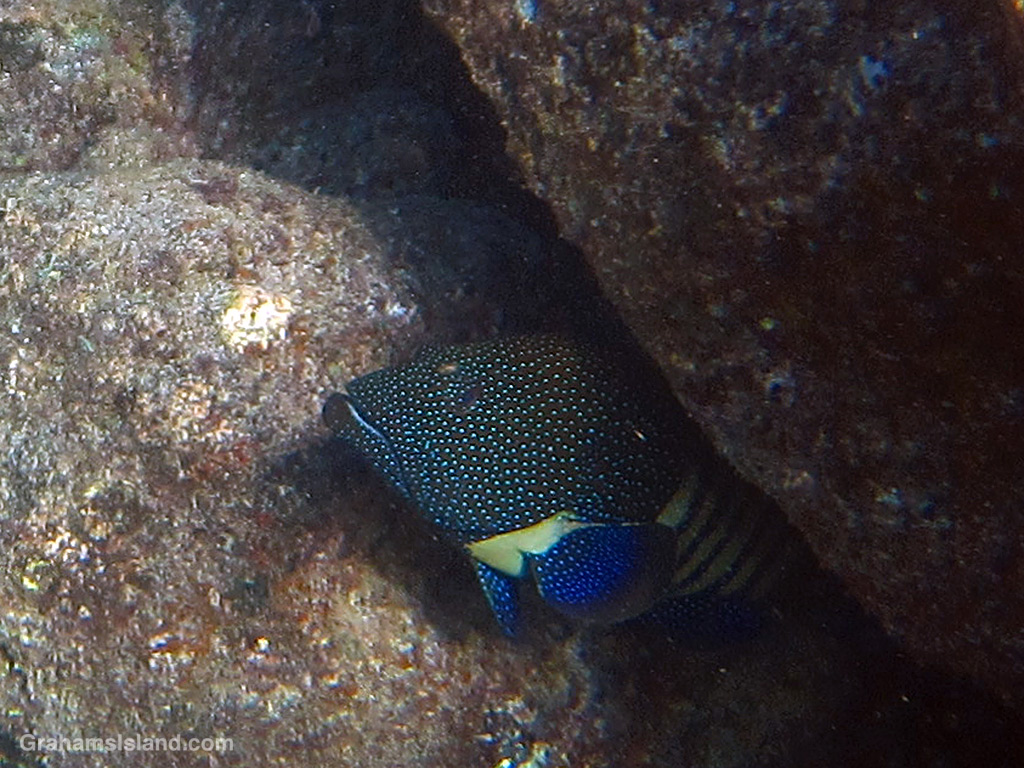
This Peacock Grouper had scooted under a ledge when I swam by, but I waited and it poked its head out briefly, likely wondering if the coast was clear.
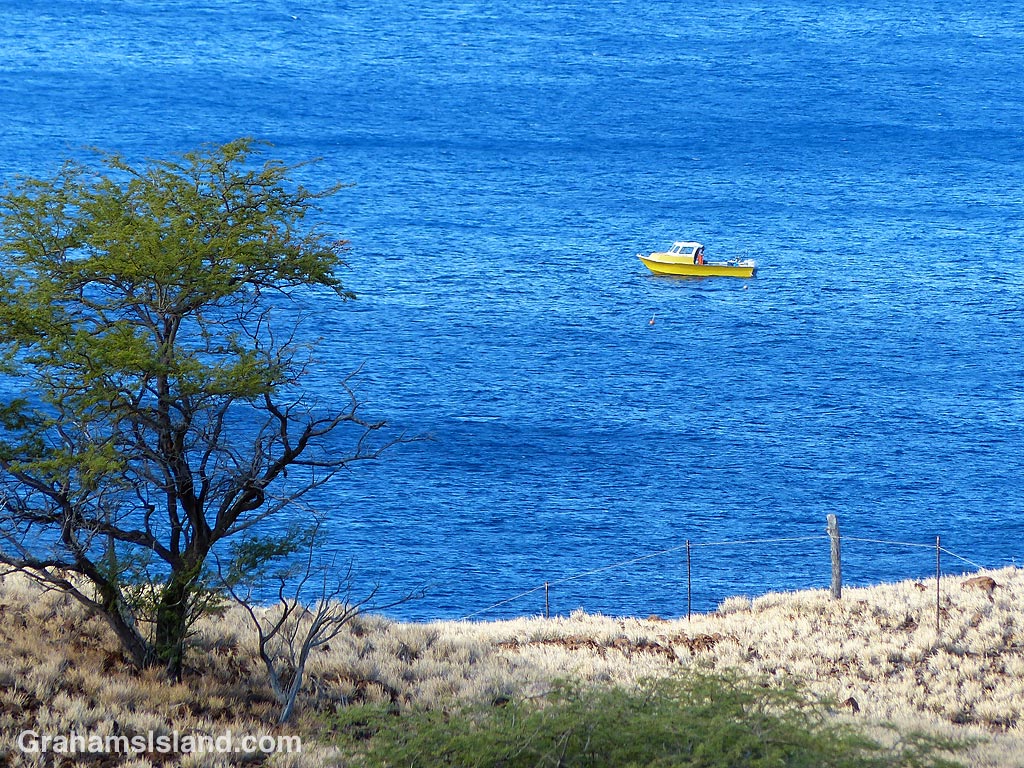
The idea of The Numbers Game is to enter a number into the search bar of your computer and then post a selection of the photos that turn up. This week’s number is 185. Captions are on the photos. You can see more responses here.
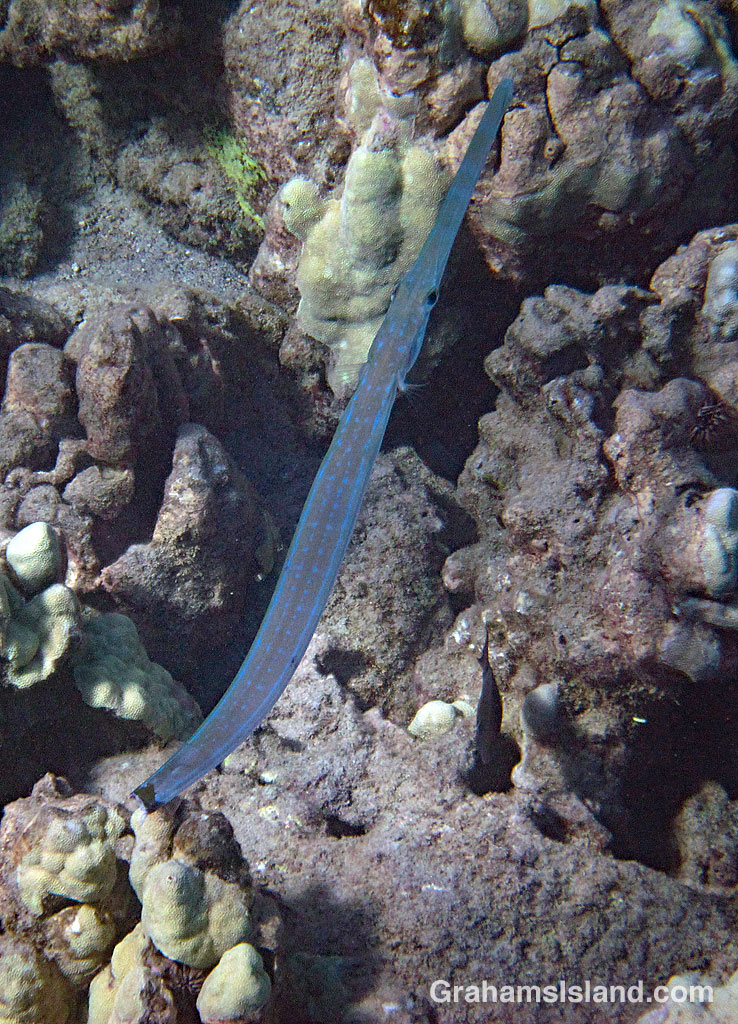
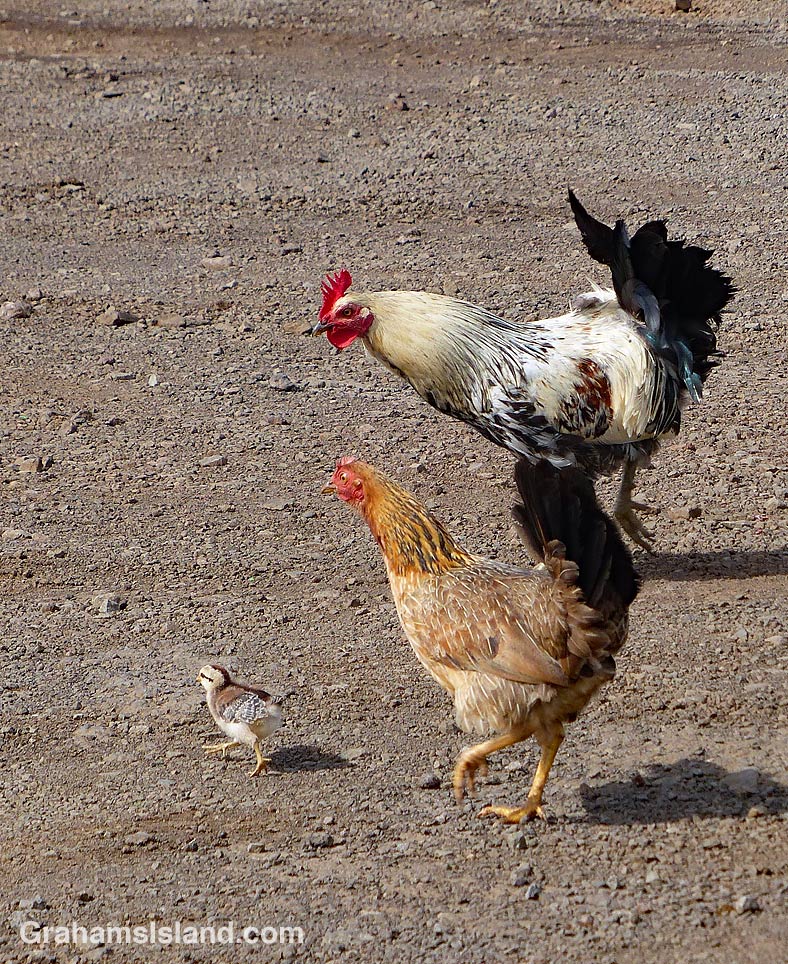
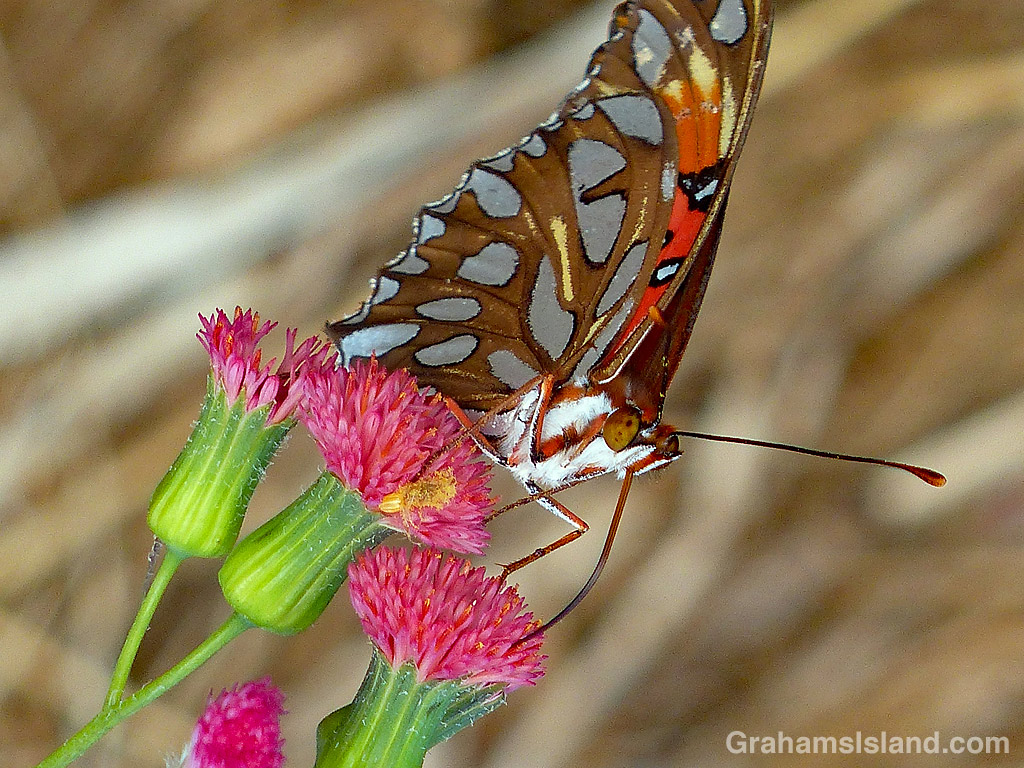
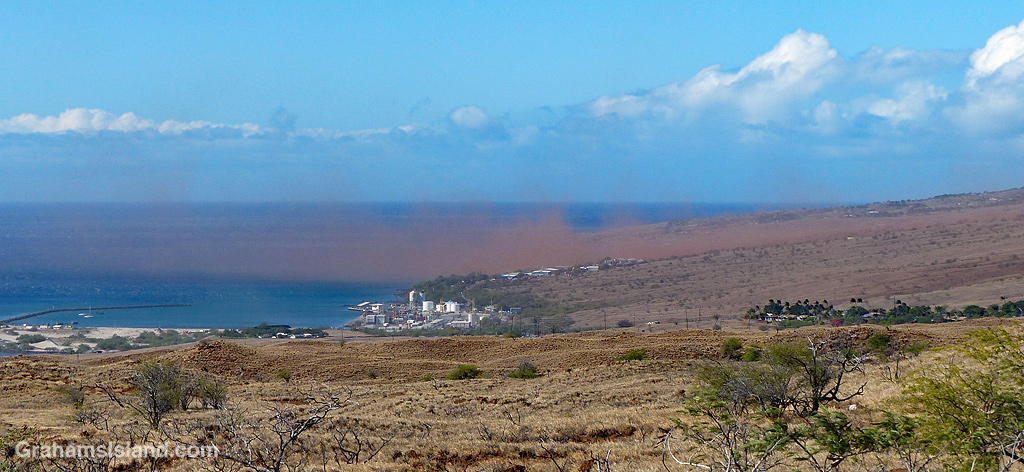
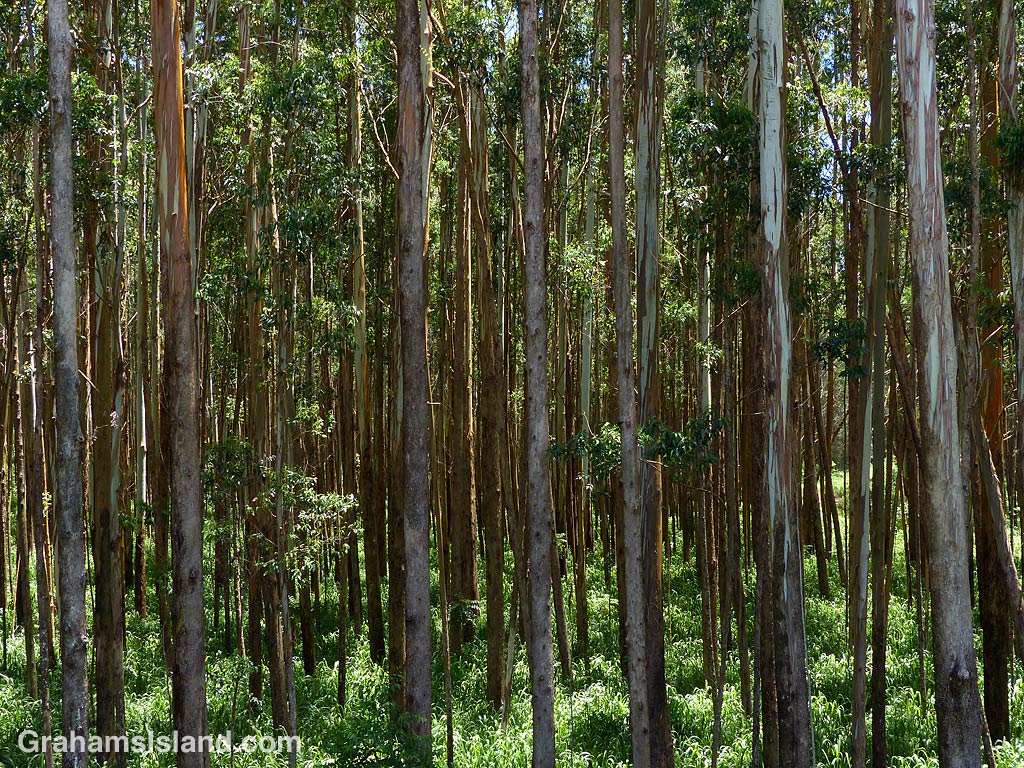
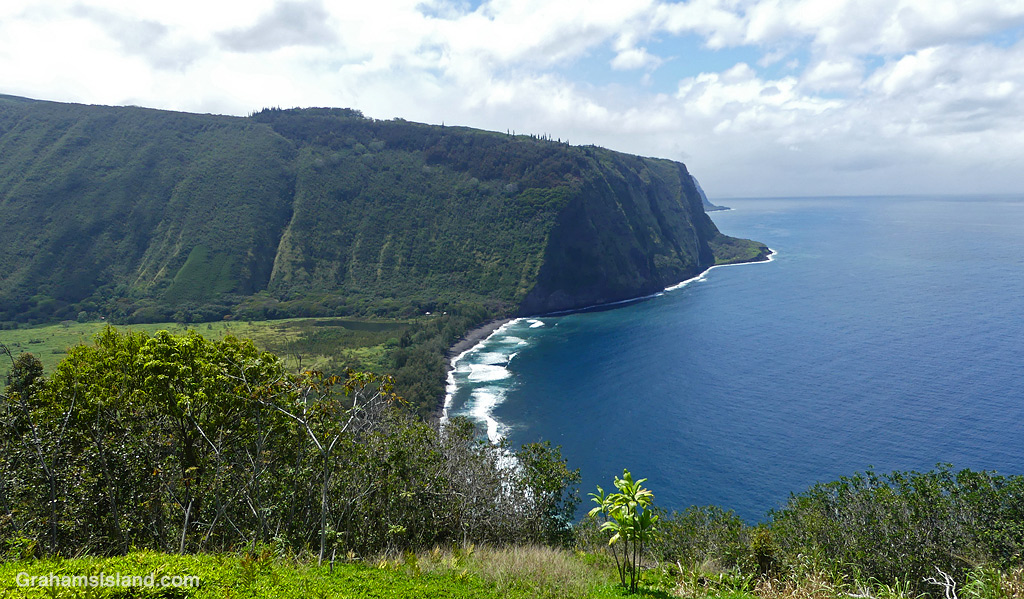
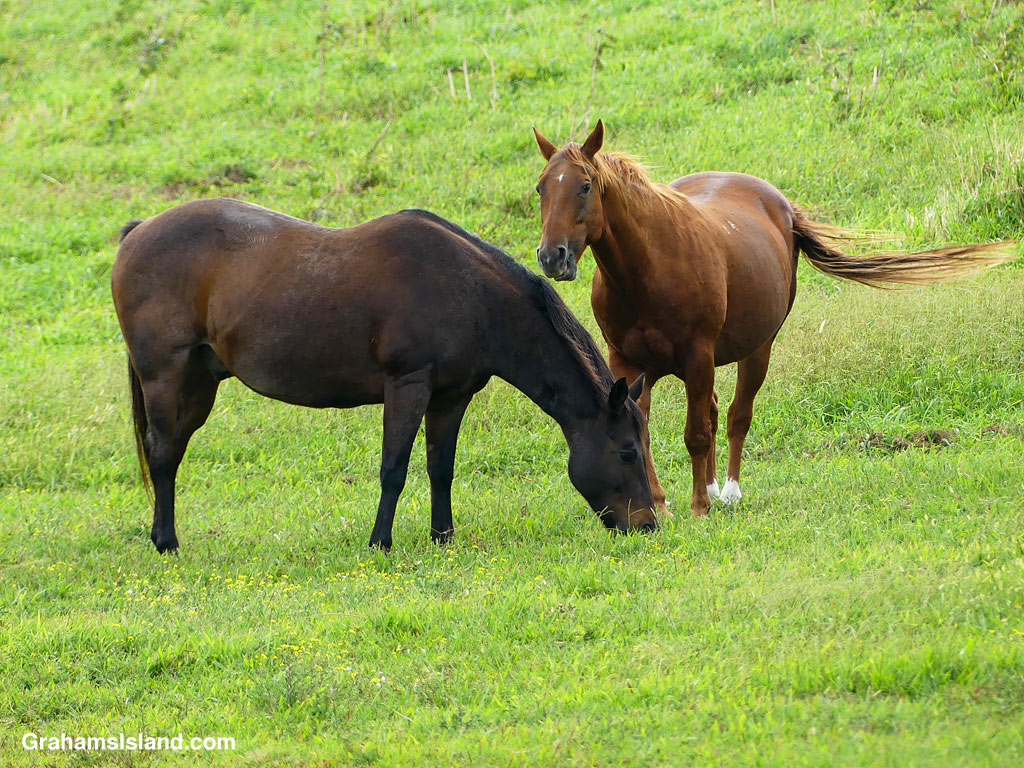
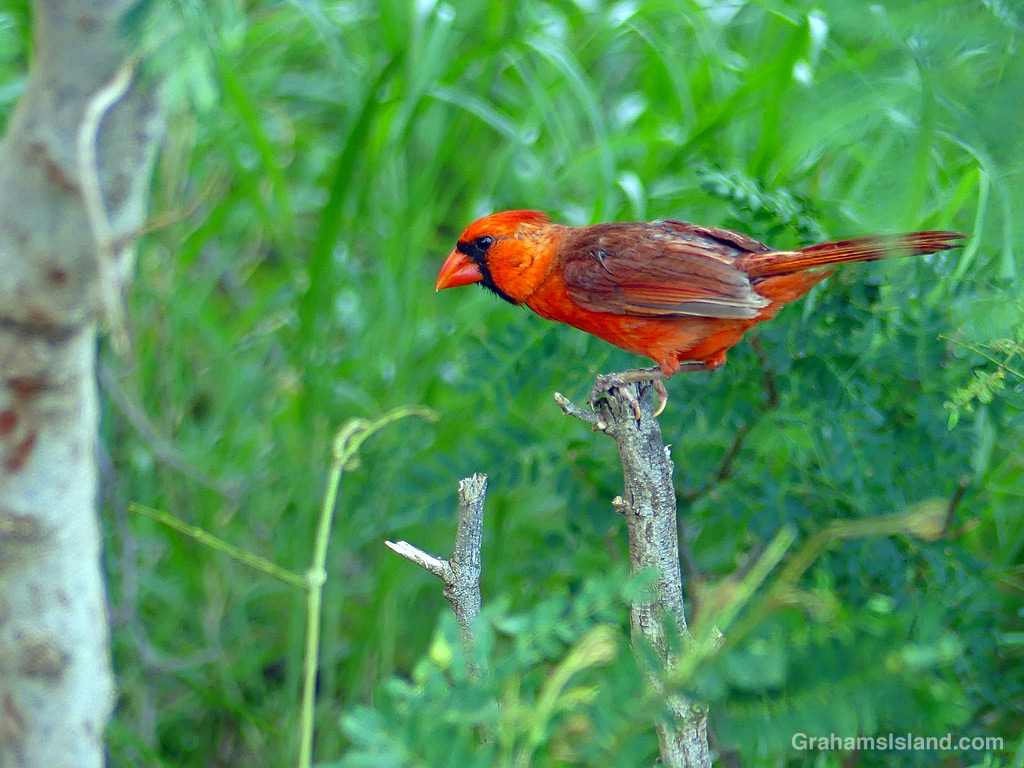
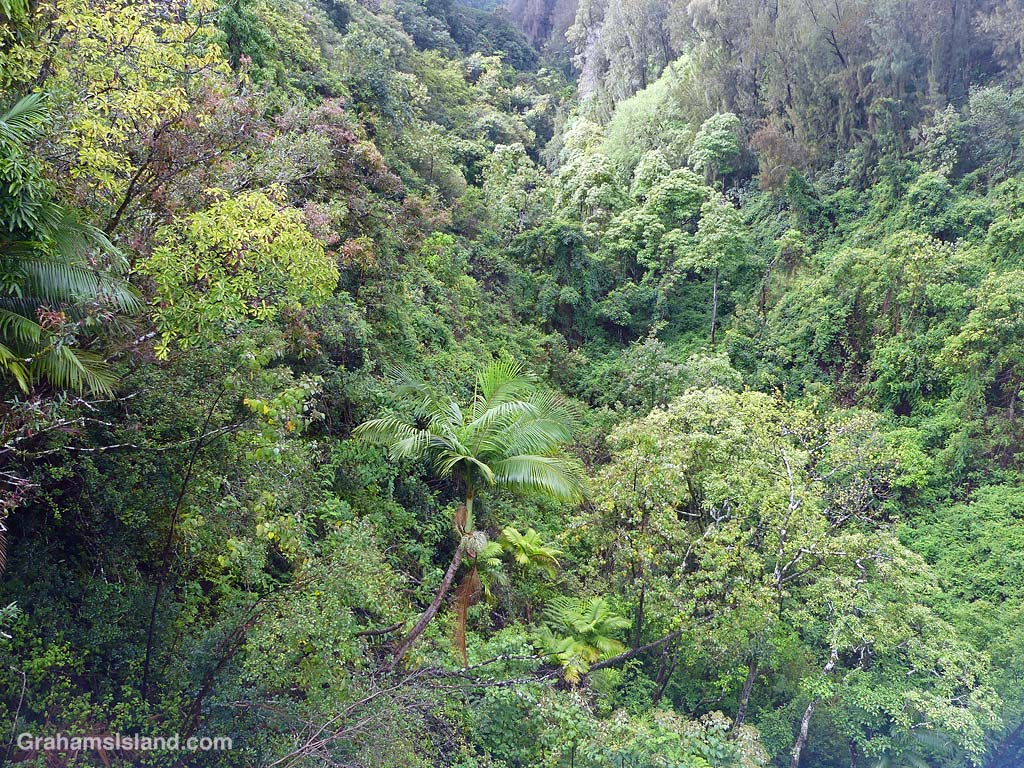
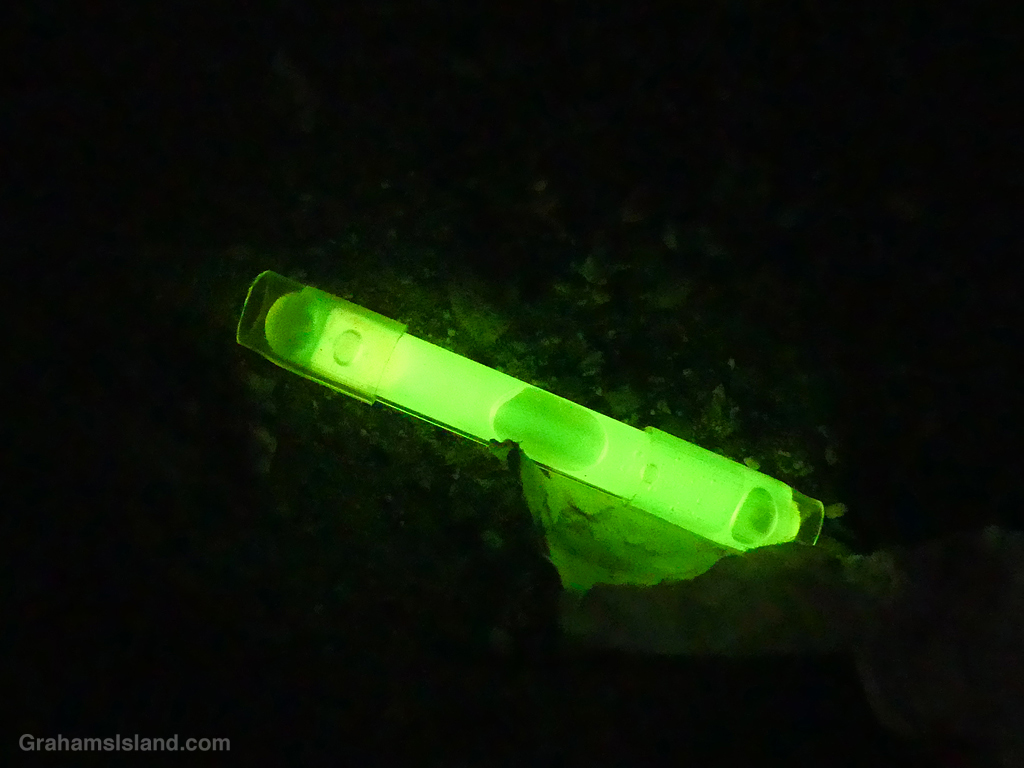
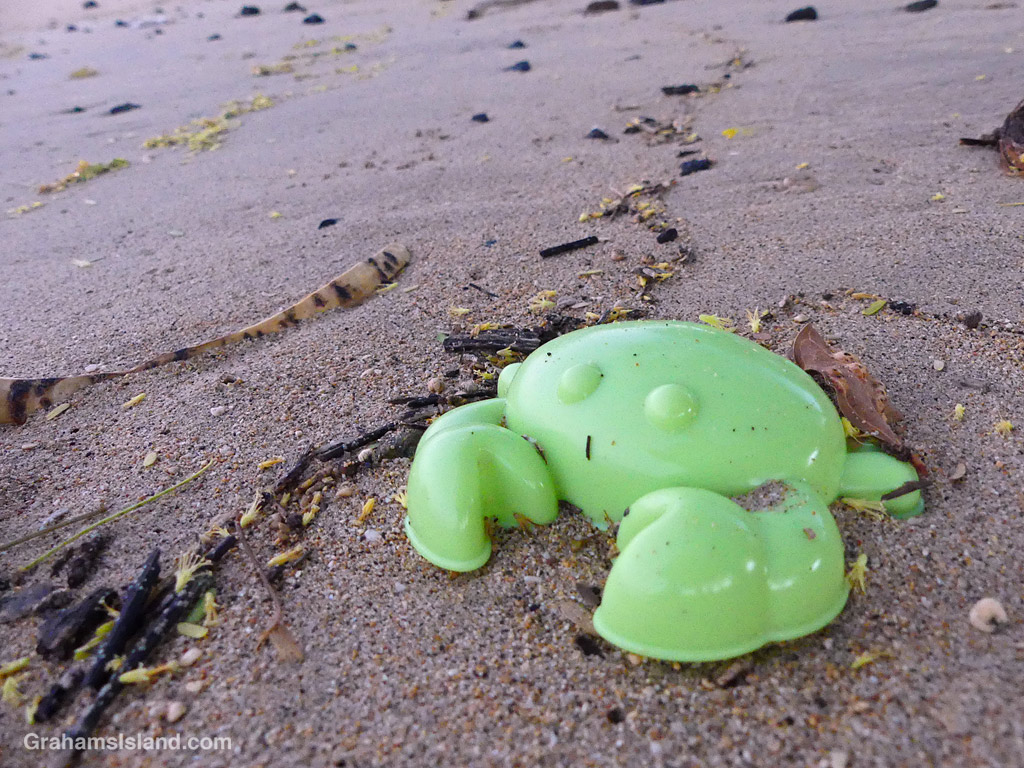
This week’s Sunday Stills color challenge theme is ‘Shades of Green.’ Captions are on the photos. See more responses here.
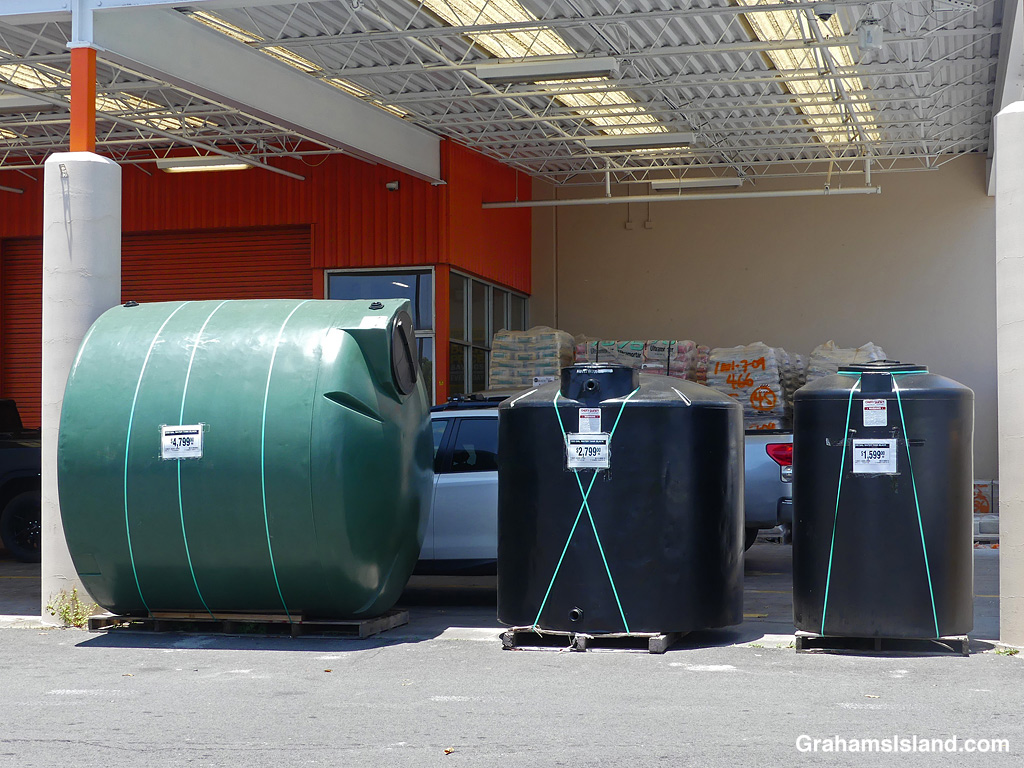
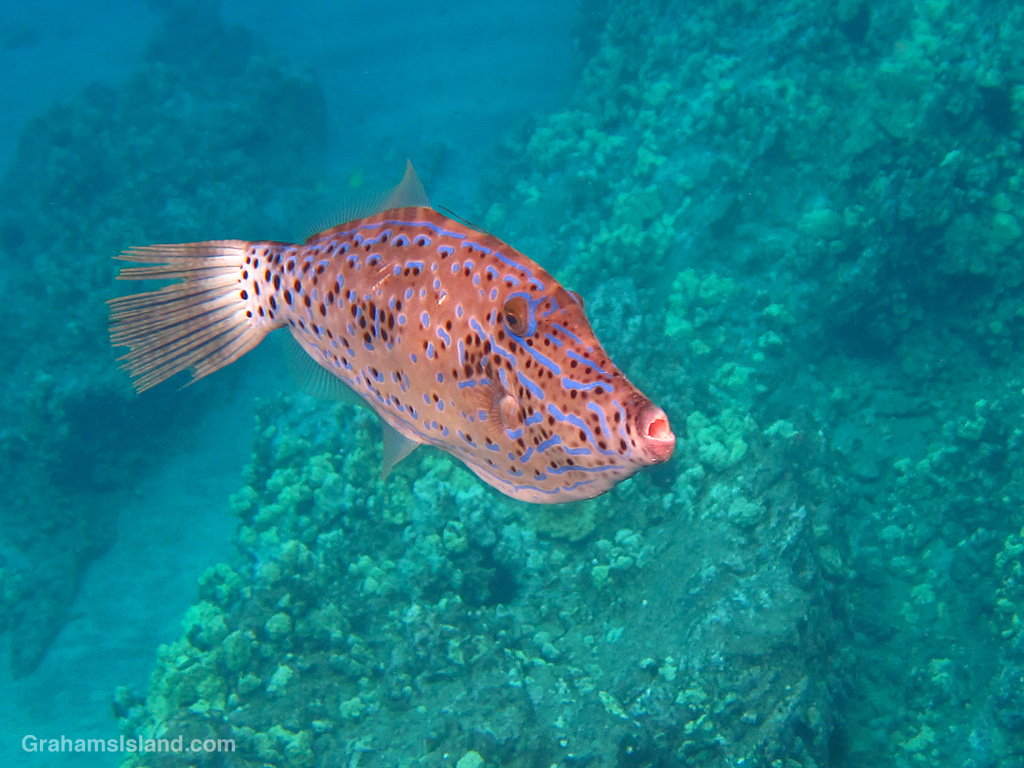
On a recent swim, this Scrawled Filefish came right up to me to check me out. I’m willing to bet that its expression roughly translates into, ‘What a weird-looking creature!’

The idea of The Numbers Game is to enter a number into the search bar of your computer and then post a selection of the photos that turn up. This week’s number is 184. Captions are on the photos. You can see more responses here.
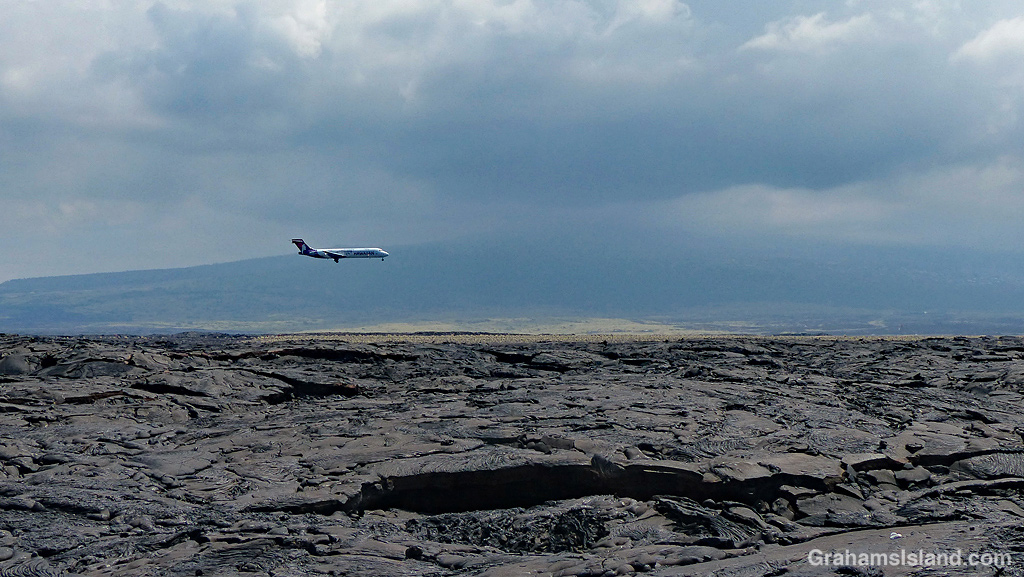
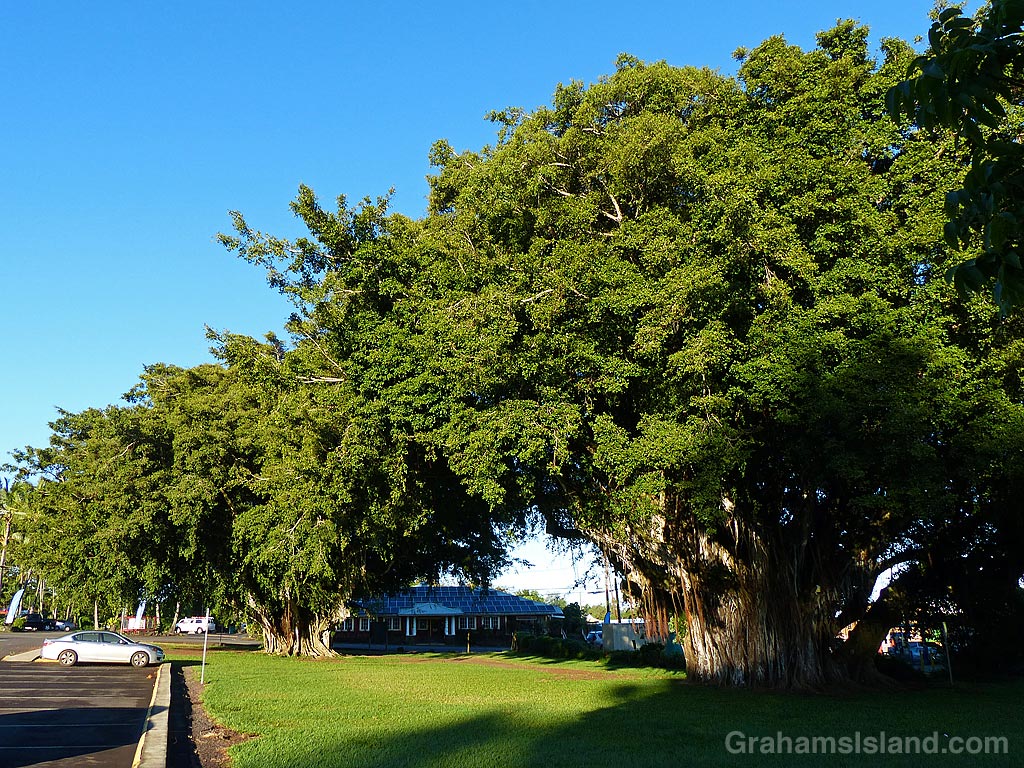
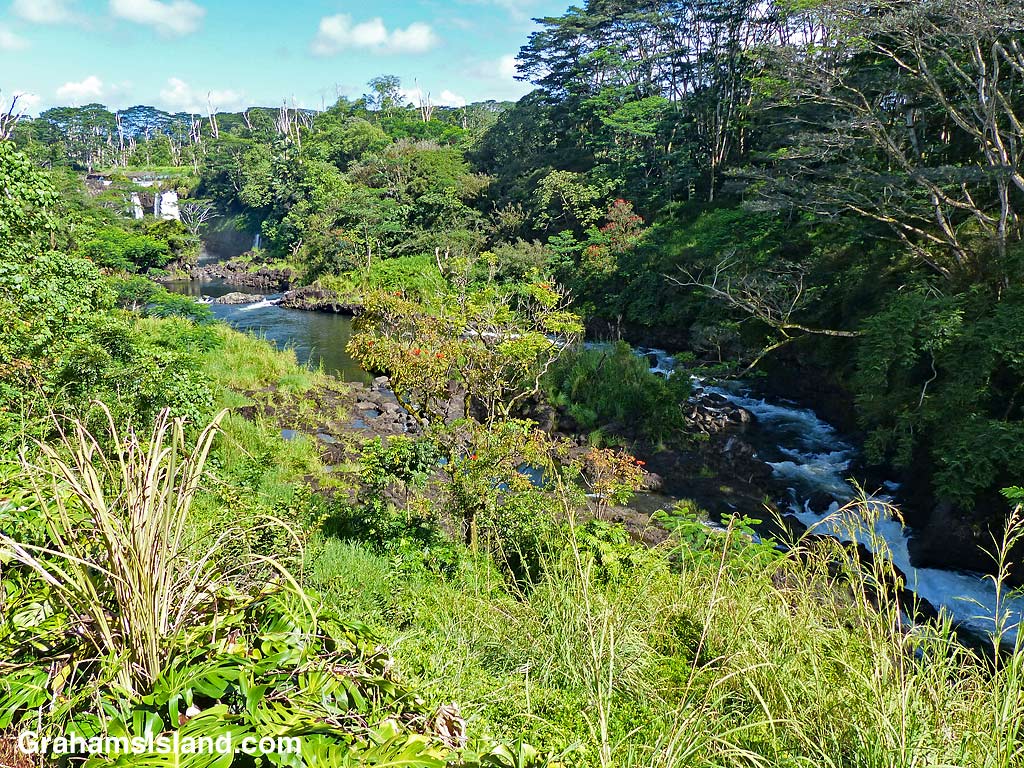
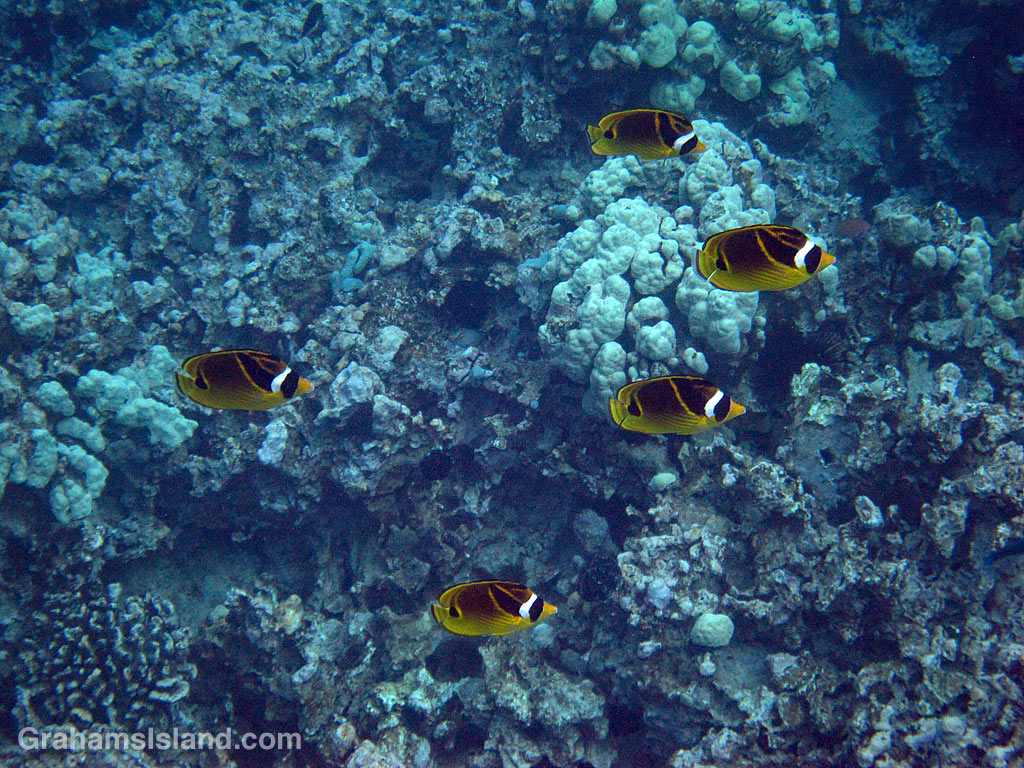

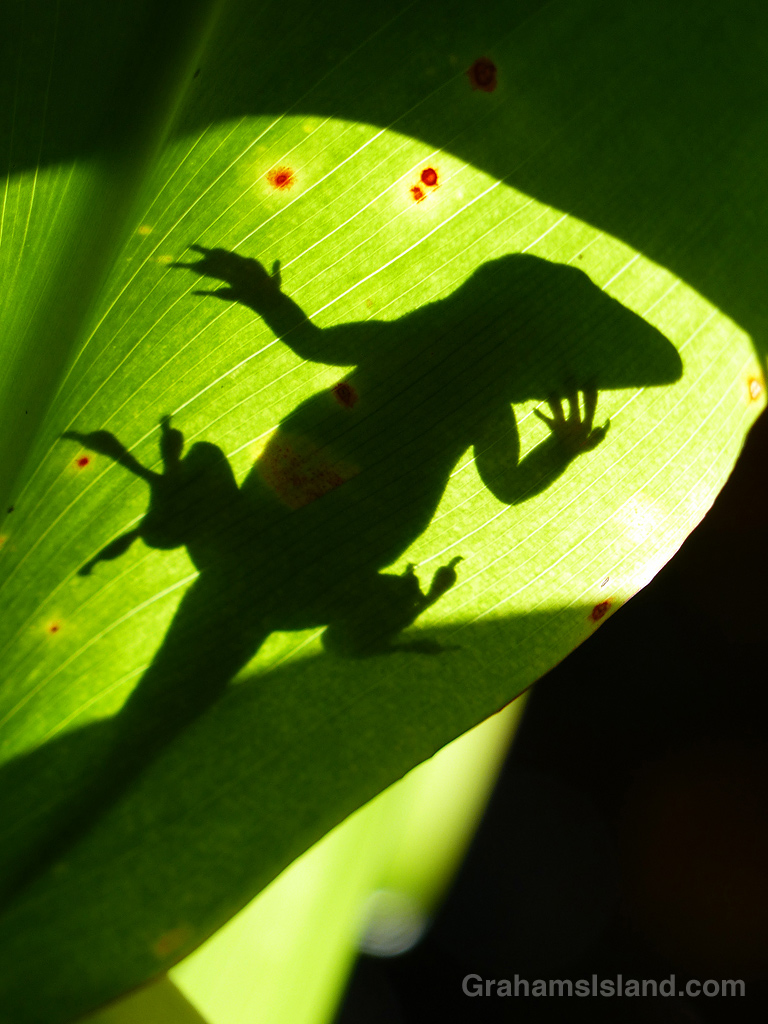
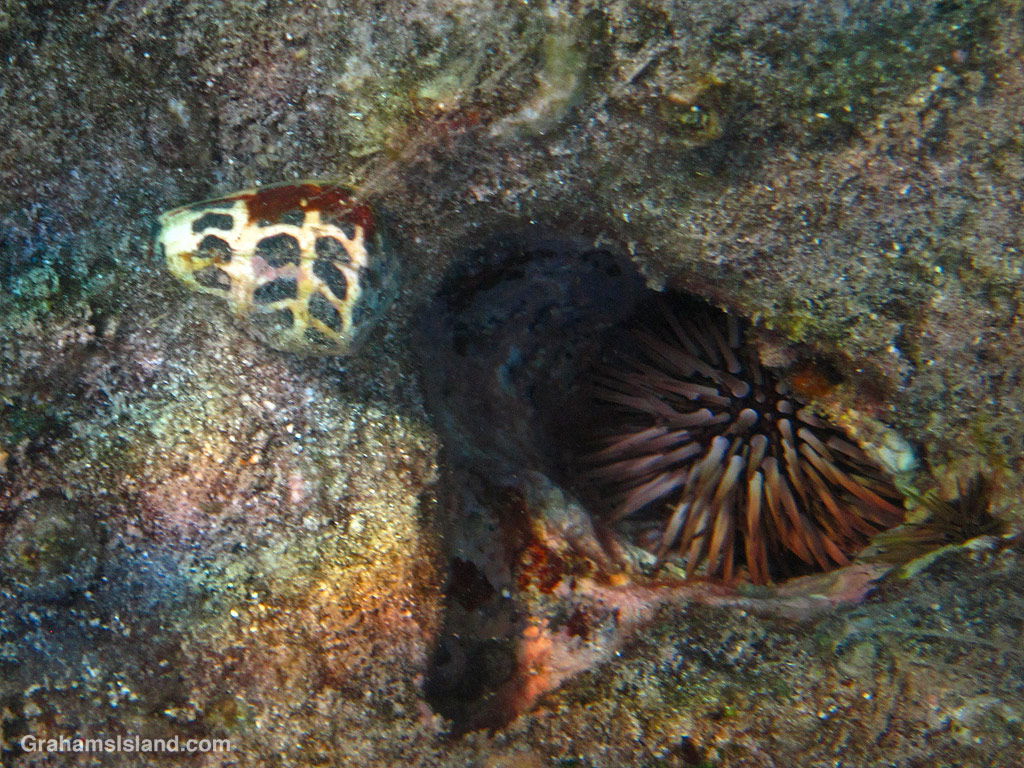
A Hebrew Cone perched on the edge of a hole where a Rock Boring Urchin is doing its thing.
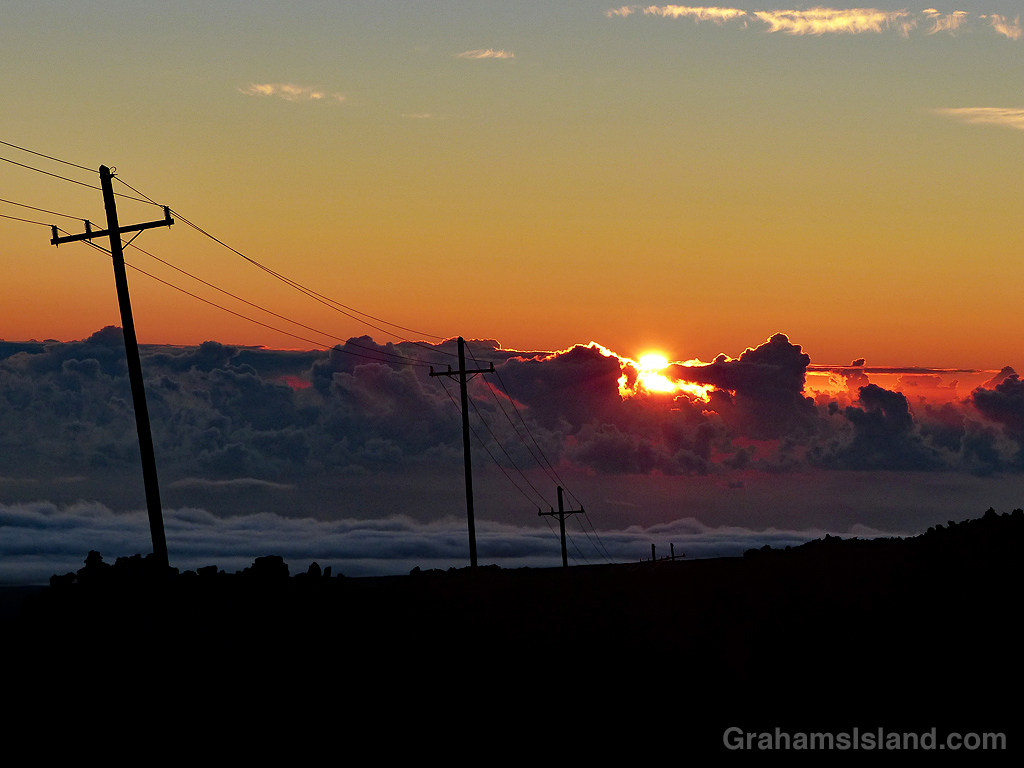
The idea of The Numbers Game is to enter a number into the search bar of your computer and then post a selection of the photos that turn up. This week’s number is 183. Captions are on the photos. You can see more responses here.