Kōlea lau nui (Myrsine lessertiana) is a tree that can grow up to 60 feet high. But it’s the new leaf growth that is its most striking feature. The color of the new growth can vary quite a bit, but it’s these deep pink leaves which really stand out in the otherwise mostly green woods where I’ve see them.
This week’s Sunday Stills challenge theme is ‘Earth Day.’ See more responses here.
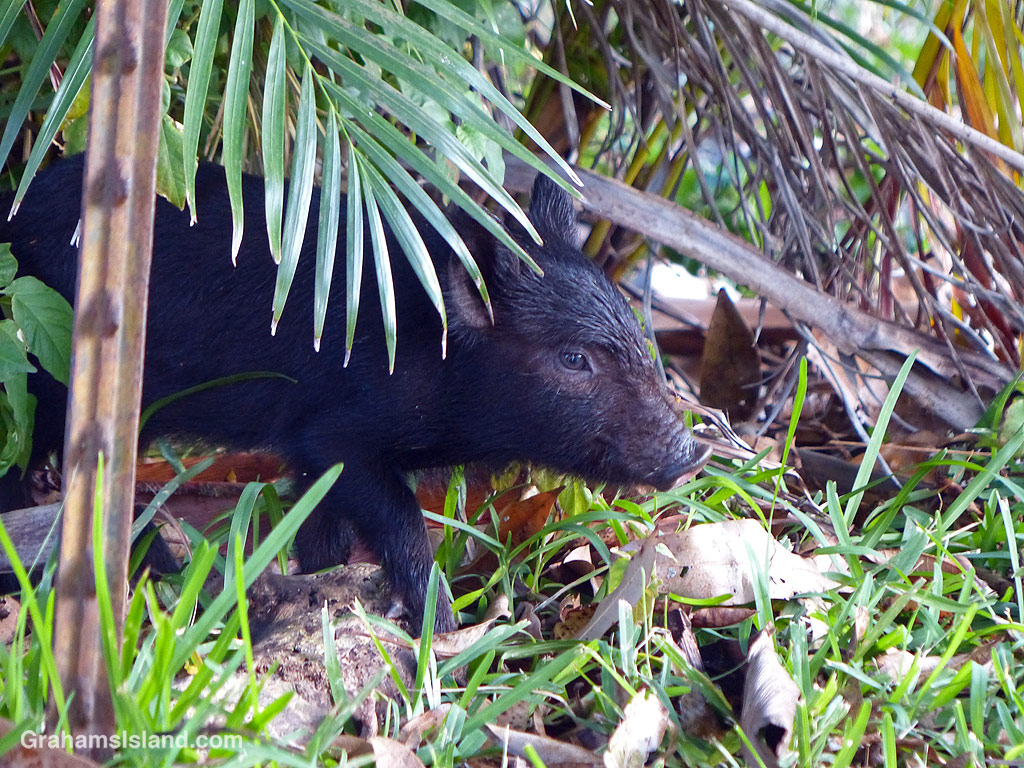
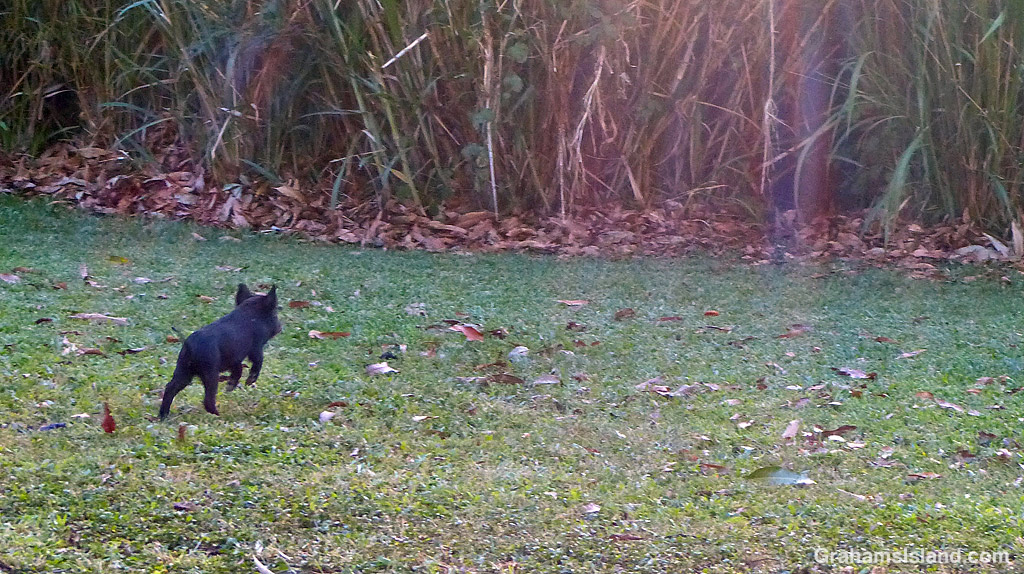
What’s more earthy than pigs. Of course, these piglets aren’t really back. The last litter is now much larger and correspondingly less cute. The ones in this photo are the latest batch. There are seven of them and they’re still in the ‘Everything is new and exciting’ phase. They root around in the dirt with such vigor that their back ends sometimes fly into the air. However, they haven’t yet learned that, while they’re doing this, they need to retain awareness of their surroundings. When something or someone, such as myself, can approach within five feet without them noticing, that might not end well. If mom’s around, she’ll warn them. If not, they’re easy to surprise.
In these photos, the piglets found something in the base of the palm and were clambering over each other to get a piece of it. I could have tapped one on the shoulder and it would probably have ignored me!
This week’s Sunday Stills Monthly Color Challenge is ‘White and Pastels.’ See more responses here.
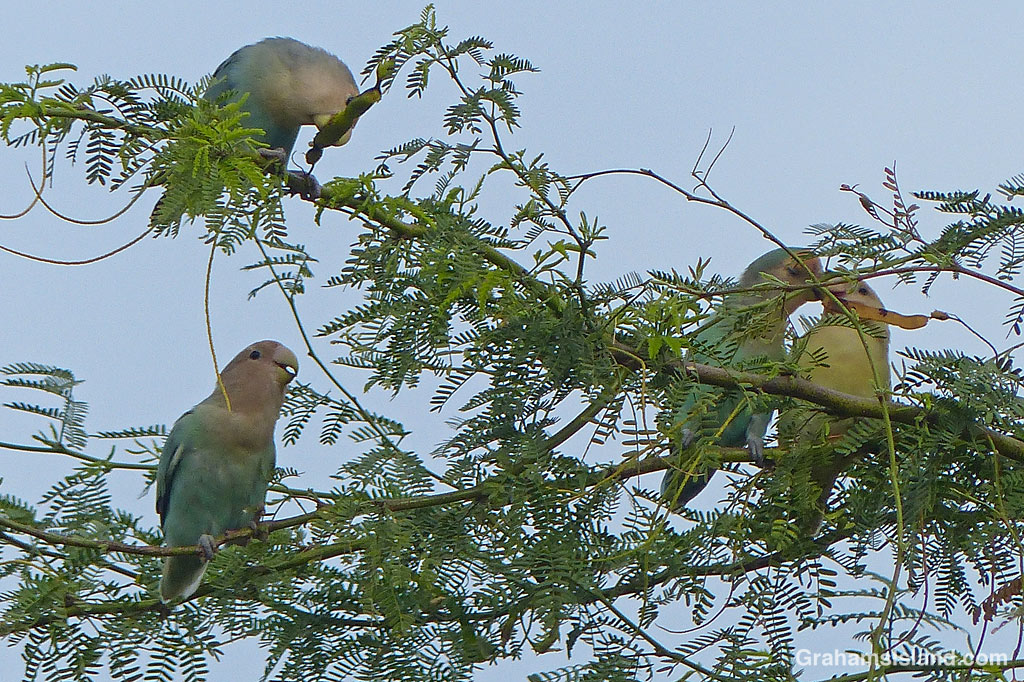
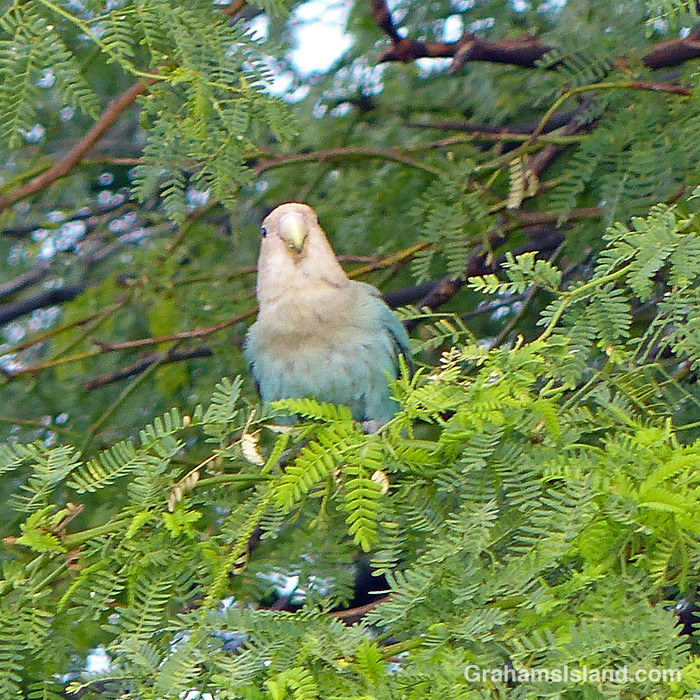
Rosy-faced Lovebirds are also known as Peach-faced Lovebirds and they have a lot of color variations. I have yet to see a rosy face in Hawaii outside of tourists who’ve seen too much sun. Instead, the local birds tend towards pastel shades whether they’re dining or simply hanging out.
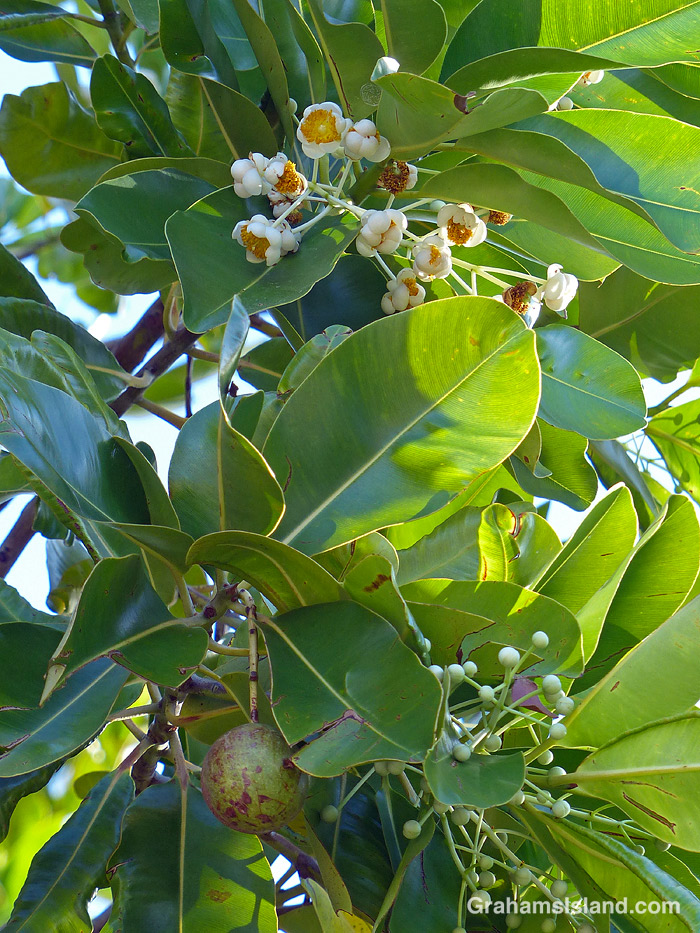
Kamani is a canoe plant, brought to Hawaii by early Polynesian settlers, though it grows naturally across most of the Pacific islands. Its common name is Alexandrian Laurel (Calophyllum inophyllum).
The wood of the tree was used for canoe building, homes, containers, and food bowls, and the fragrant flowers are popular with bees.
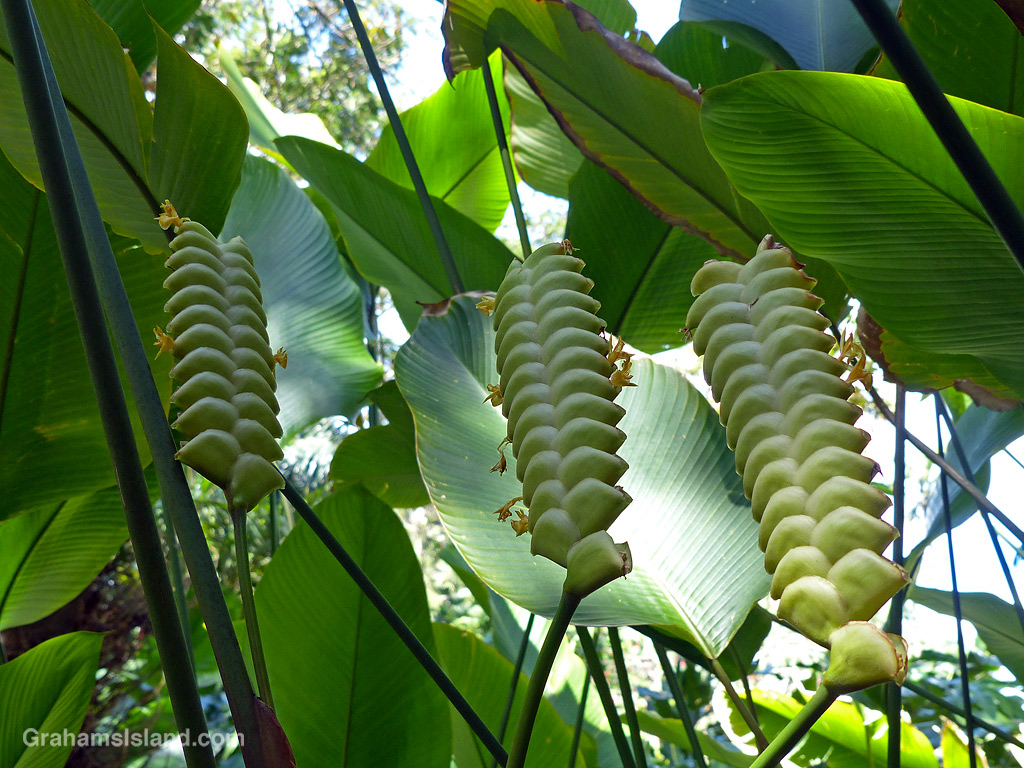
Rattlesnake plant (Calathea Crotalifera) is native to Central and South America. This one was at Hawai’i Tropical Bioreserve & Garden, but it also grows in the wild in some places here.
For more information about Hawai’i Tropical Bioreserve & Garden, go to htbg.com.
The high winds of a few weeks ago caused a fair amount of damage around the island. At Lapakahi State Historical Park, this tree was toppled and took out a bench that had been set up in its shade. The bench will have to be fixed and set up somewhere else because that shade isn’t coming back anytime soon.










 Graham's Island