
A palm tree reflected in the mirror of a motor scooter.
Posted in response to Becky’s July Squares challenge theme of ‘Trees.’ See more responses here.

A palm tree reflected in the mirror of a motor scooter.
Posted in response to Becky’s July Squares challenge theme of ‘Trees.’ See more responses here.

This horse was in a tree-bordered pasture alongside Saddle Road. I appreciated that it was willing to spare a moment of its time to look in my direction, before moving off to rejoin the other horses there.
Posted in response to Becky’s July Squares challenge theme of ‘Trees.’ See more responses here.

A look up at the tangled limbs and canopy of a banyan tree.
Posted in response to Becky’s July Squares challenge theme of ‘Trees.’ See more responses here.
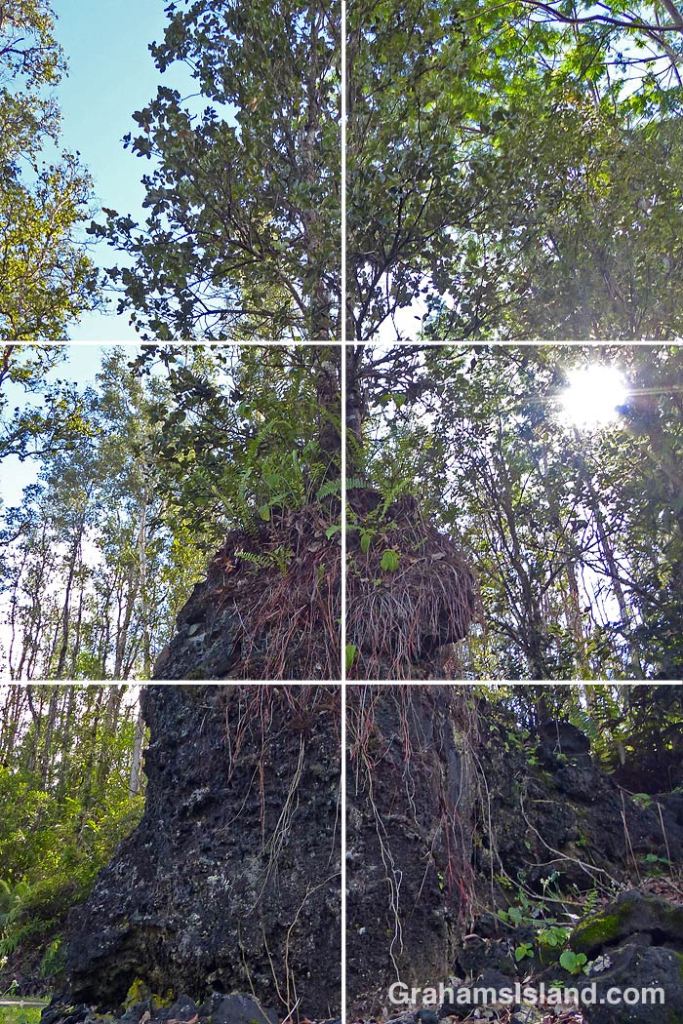
Becky’s Squares challenge theme for July is ‘Trees.’ See more responses here.
Trees tend to be vertical and thus represent a bit of a problem for a squares challenge. However, I am nothing if not devious, and a rectangle can be nothing more than a collection of squares! By way of compensation, these images feature two trees for the price of one.
The lower part of the image is a lava tree. This is the lava formation that can be left when a living tree is surrounded by a lava flow. But that lava tree then can be a platform for plants to grow in the hollow center. In this case, the plant that’s growing is another tree.
I’d add something about this representing the cycle of life, but that’s circular and thus wildly inappropriate for a squares challenge! For a little more about lava trees, see here.
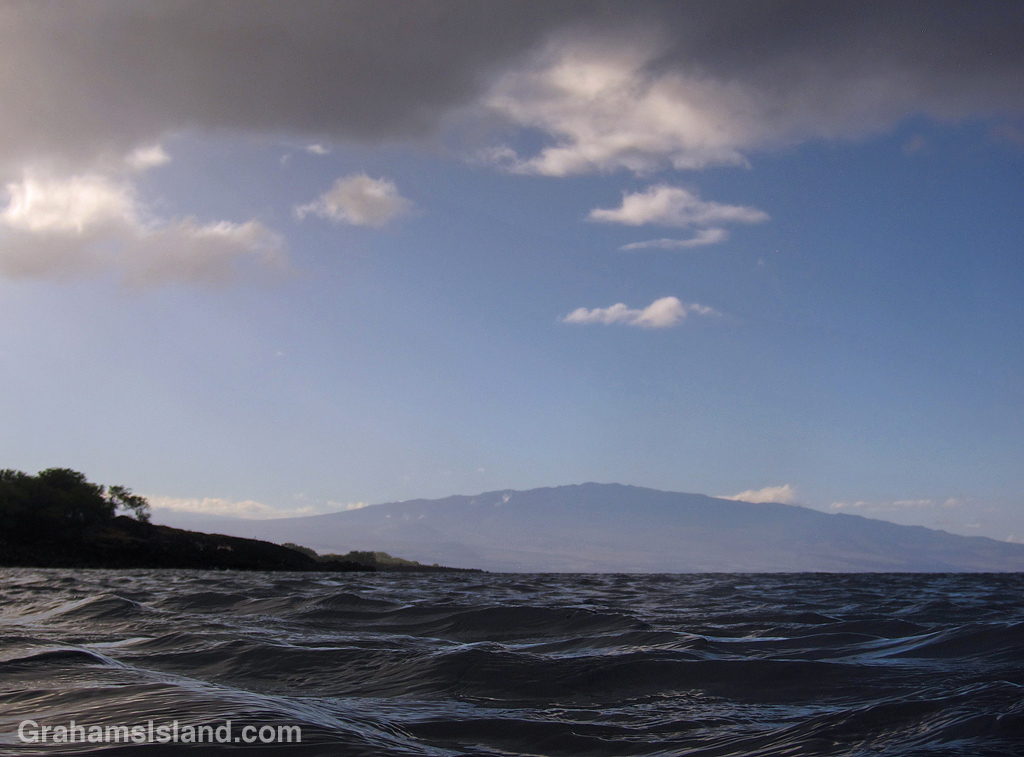
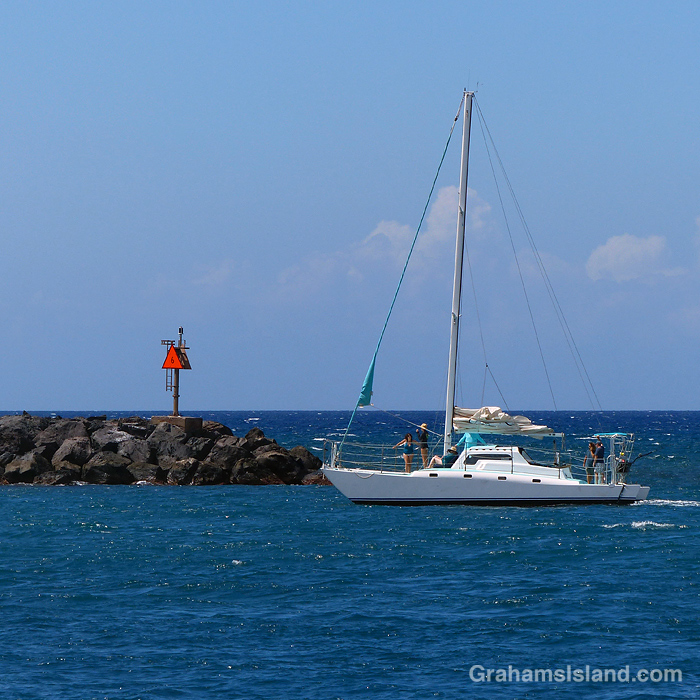
This week’s Sunday Stills challenge theme is ‘Great Outdoors.’ See more responses here.
In Hawaii, people spend a great deal of time outdoors. It’s common for people to have an outdoor kitchen, sometimes their only kitchen, sometimes a second one where a barbecue is the featured cooking apparatus. Carports often feature chairs and tables with cars parked elsewhere. The lanai, or deck, is as well-used as any room in the house.
Outdoor activities are popular here, too. Many involve the ocean and its inviting water: swimming, snorkeling, paddling, and of course surfing. Plenty of people go fishing and hunting, longtime sources of food for the table.
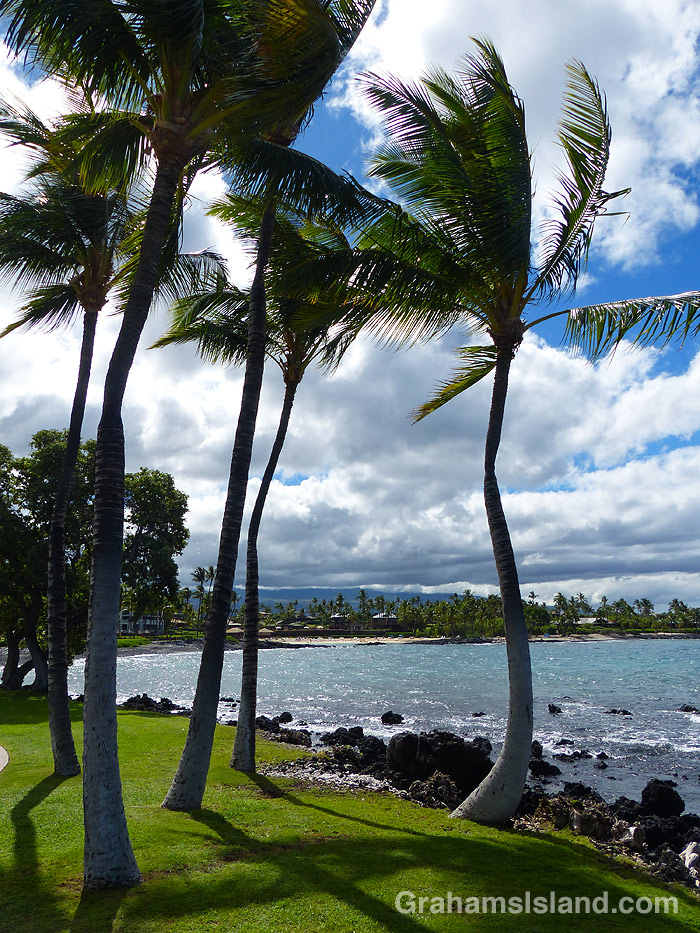
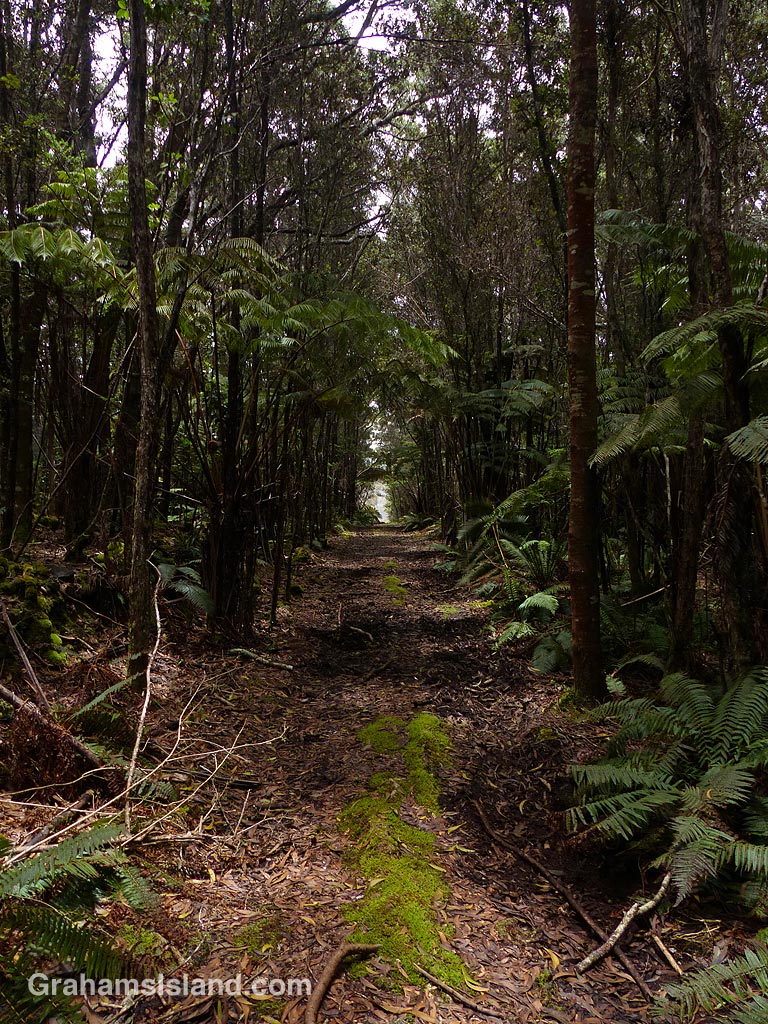
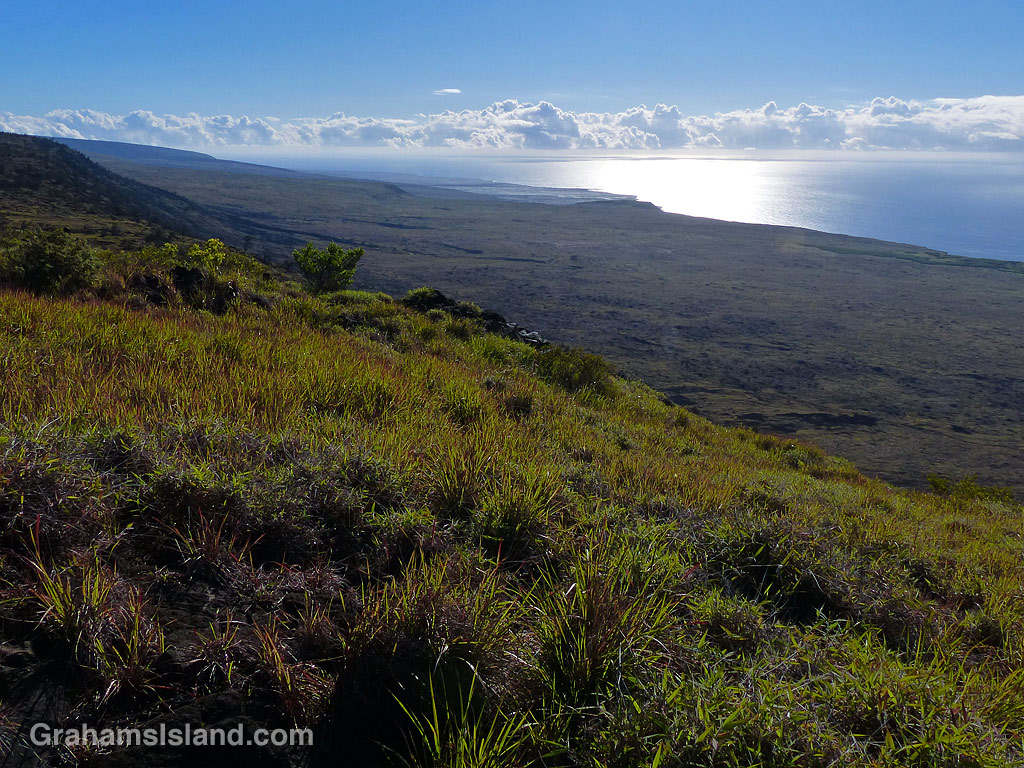
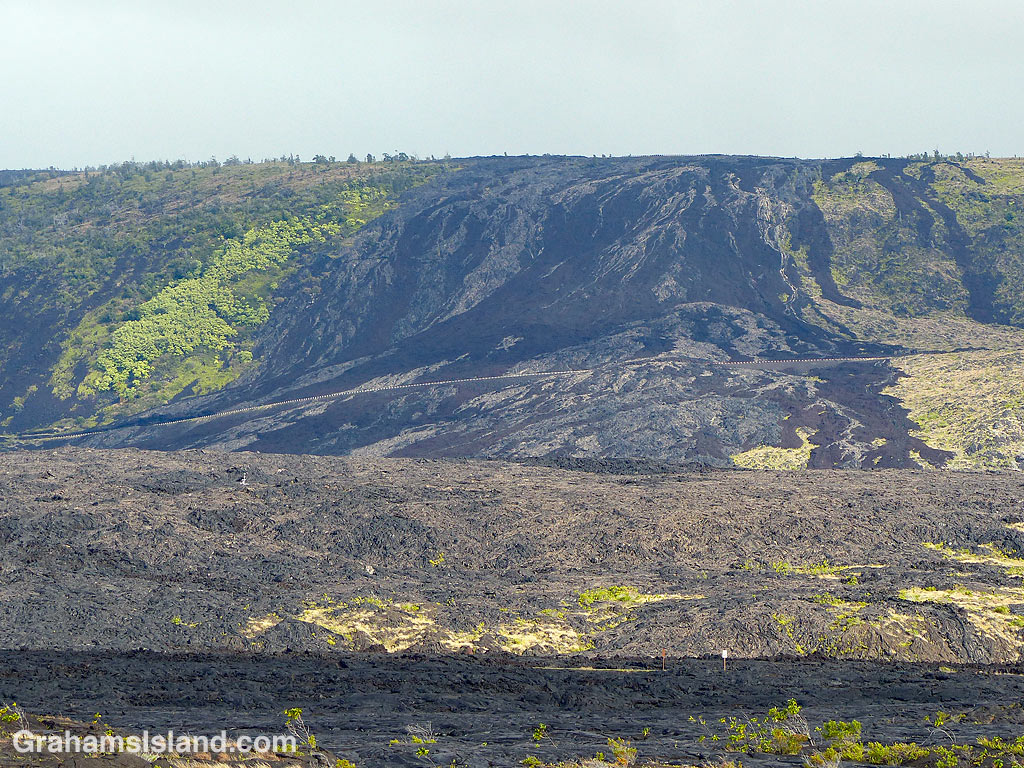
For me, experiencing the great outdoors primarily involves hiking and snorkeling. Hiking isn’t especially popular here, especially along the coast where it can get quite hot. I get strange looks when I hike the length of popular beaches togged out in hiking gear, including shoes, hat, and fanny pack loaded with water. For most, the beach is a place for stretching out and broiling in the sun, not actively working up a sweat.
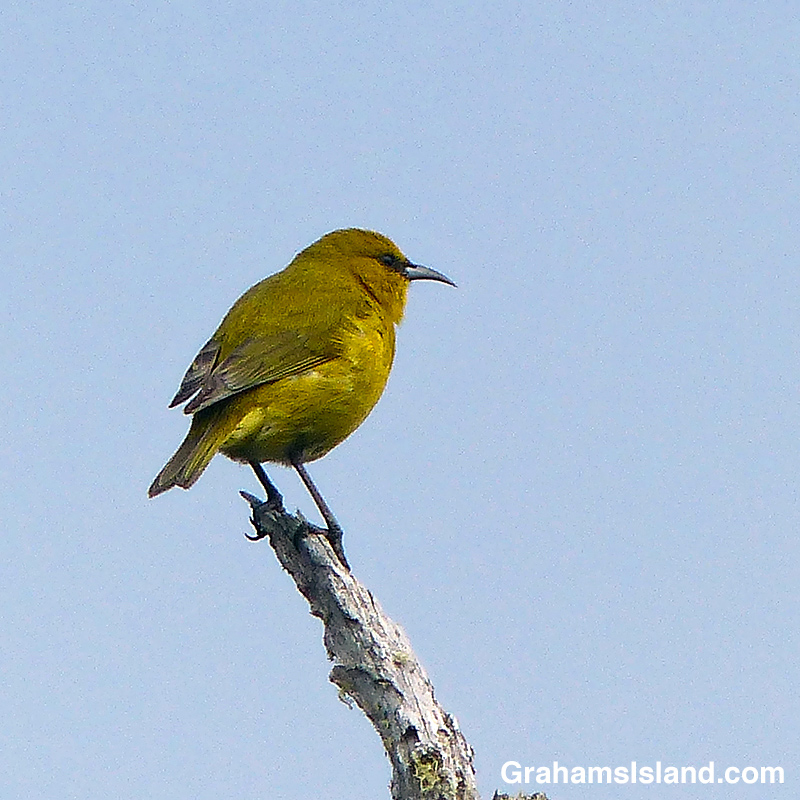
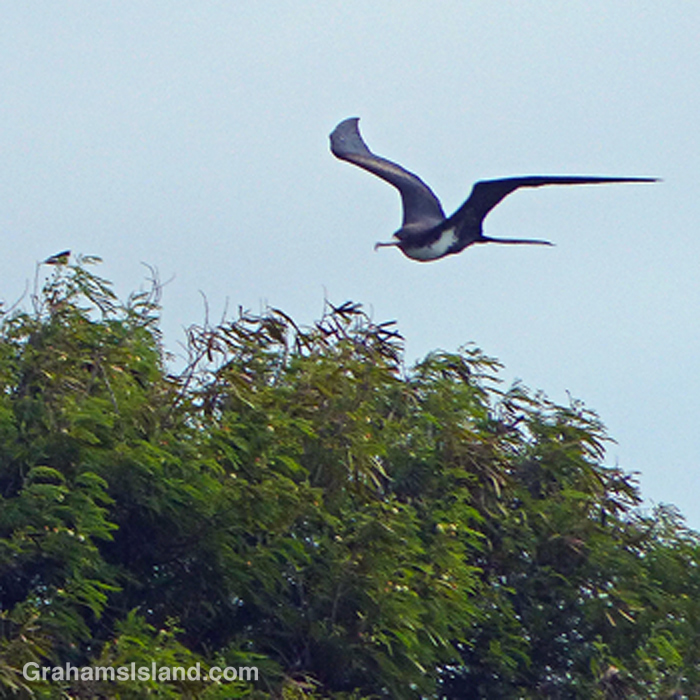
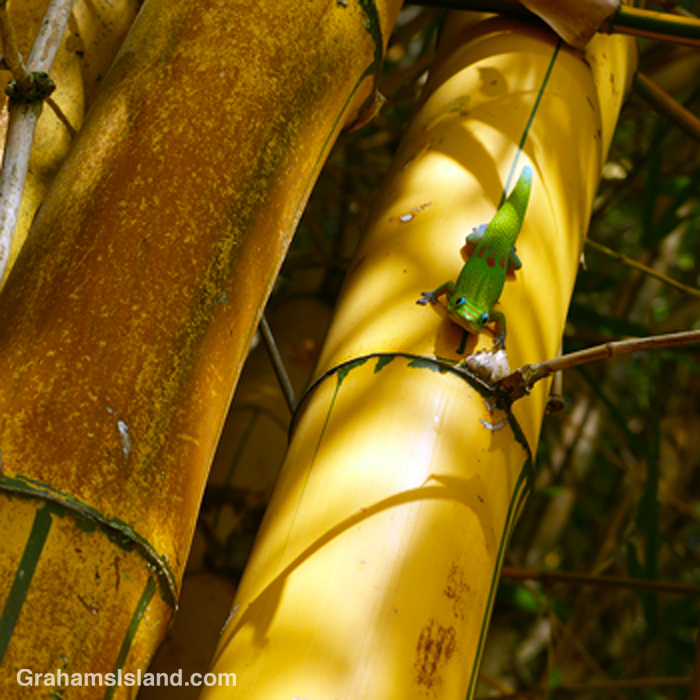
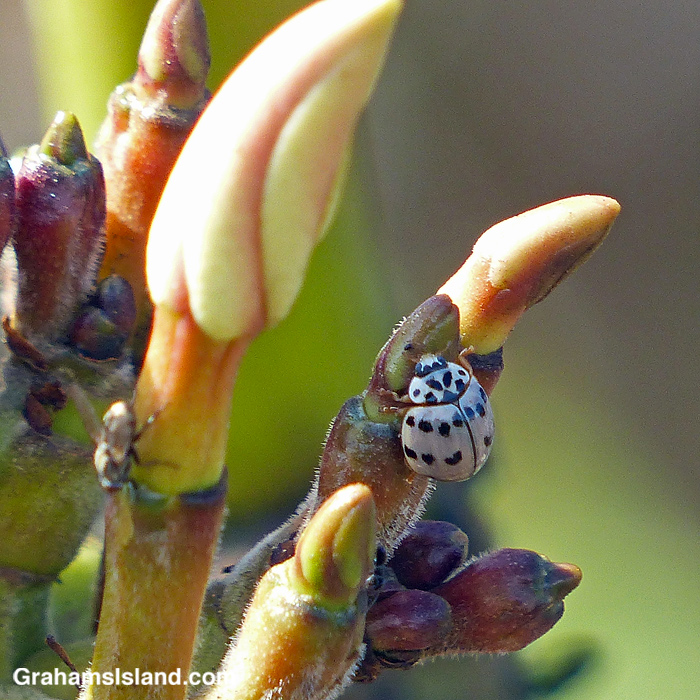
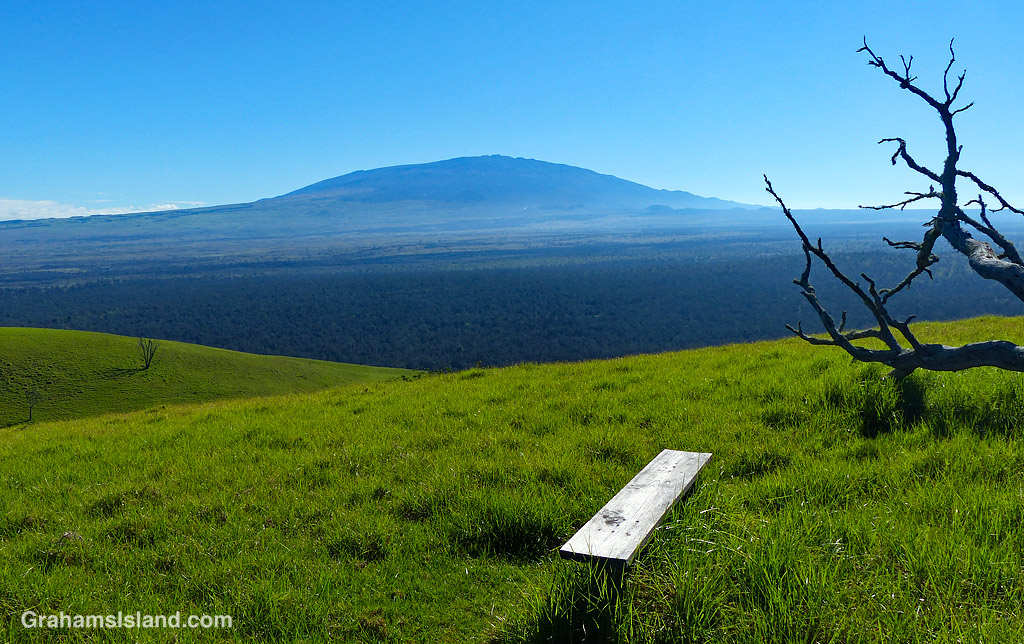
The vast majority of photos on this blog are taken in the great outdoors. These photos are a small selection of things I’ve seen while out and about, from sweeping views to birds and bugs.
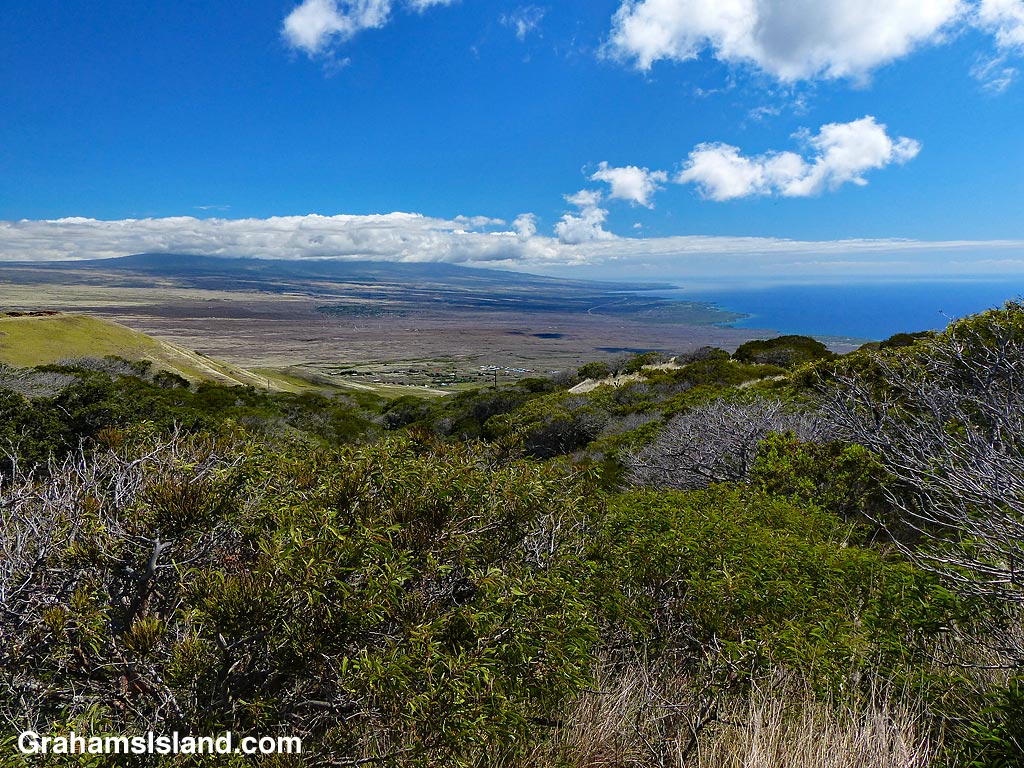
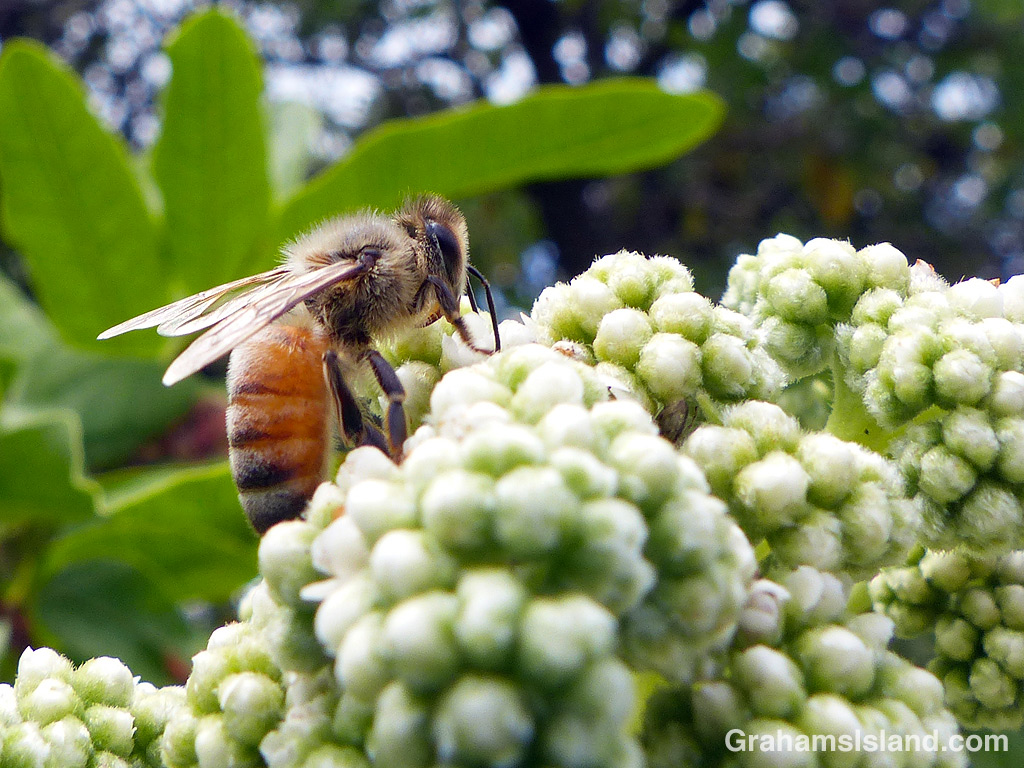
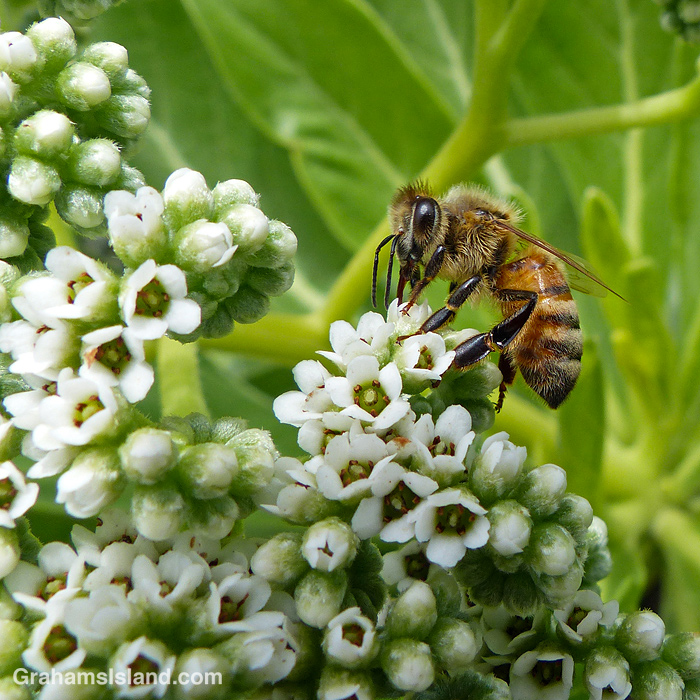
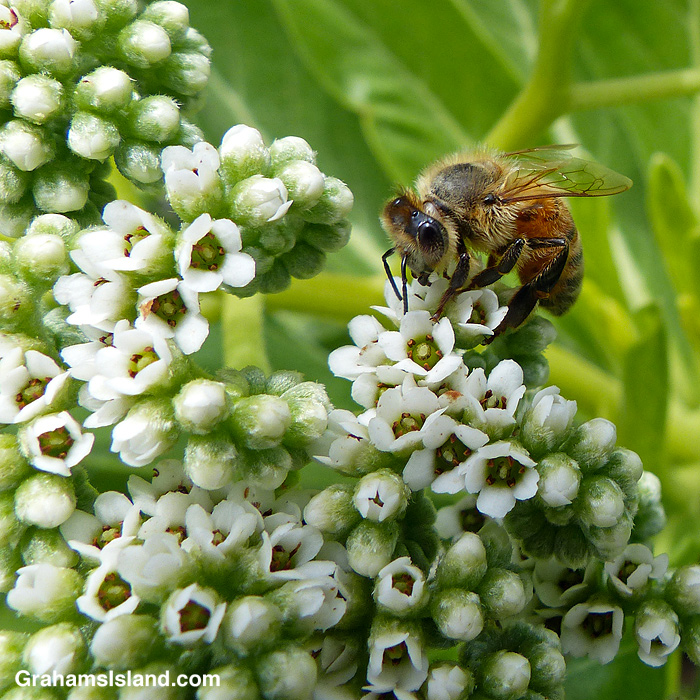
Tree heliotropes produce clusters of little white flowers which are a big draw for bees. When the flowers bloom there are usually plenty of bees in attendance to gather the goodies within.


Naio (Myoporum sandwicense) is an endemic plant that has a variety of forms, from ground cover to tree. The flower color can also vary quite a bit. I’ve seen pinkish purple blooms previously, but these flowers, on a shrubby plant, were all white. Naio used to be common in Hawaii, but now is much less so. It’s known as false sandalwood because the heartwood of the tree form smells similar to true sandalwood.
The butterfly in the top photo is a Western Pygmy Blue butterfly. a native of the Americas, it was first seen in Hawaii in 1978.
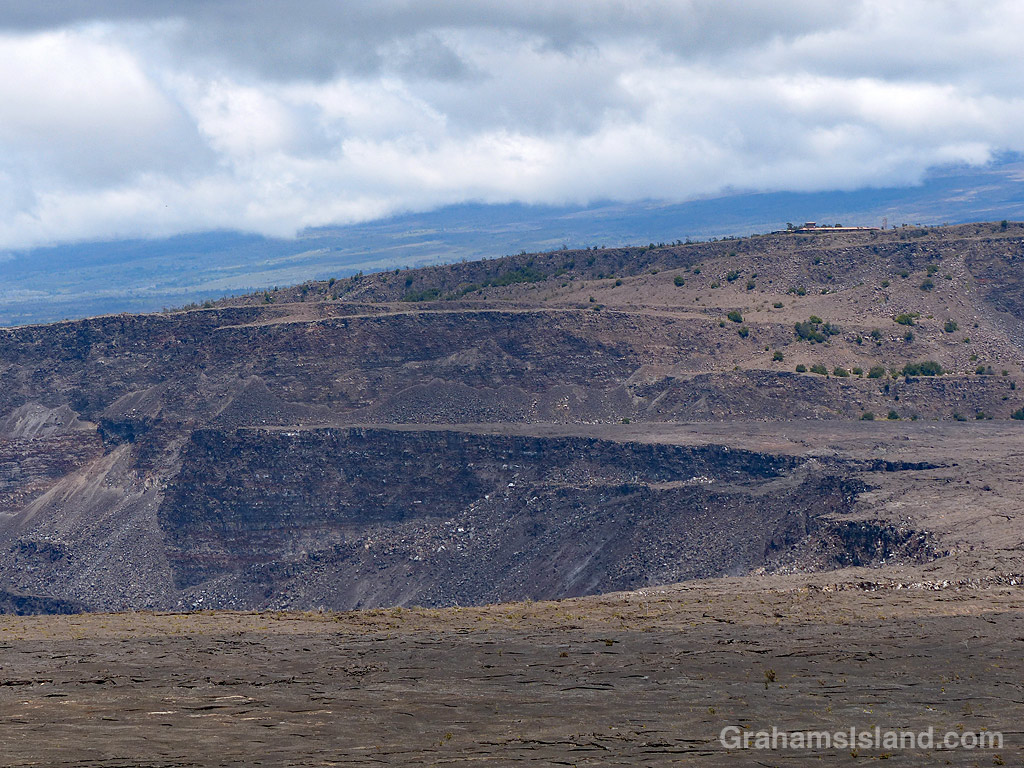
The latest eruption at Kilauea Volcano has recently been declared paused. It was never an especially dramatic eruption, but when I went down a few days after it began (here) the sky was illuminated by the activity. In recent weeks though, the lava lake formed by the eruption crusted over completely and lava from the active vent was also hidden from view.
The photos are two views of Halemaumau Crater, taken before this latest eruption. In the top one, the collapsed floor of the crater is on the left. This is what the new lava lake was filling up. On the ridge, to the right side of the photo, is the low profile of the Jaggar Museum, which was closed after the 2018 eruption and likely won’t reopen.
The bottom photo shows the easternmost edge of Halemaumau Crater, which wasn’t greatly impacted by this eruption or the events of 2018. Consequently, the walls of the crater are quite green and the floor is dotted with plants. These plants are mostly ohia trees, which are among the first plants to grow in lava fields, in part because their roots will tap into lava tubes to find moisture and nutrients.
For more information about Hawaii Volcanoes National Park and Kilauea’s eruptions, go to nps.gov/havo/.

 Graham's Island