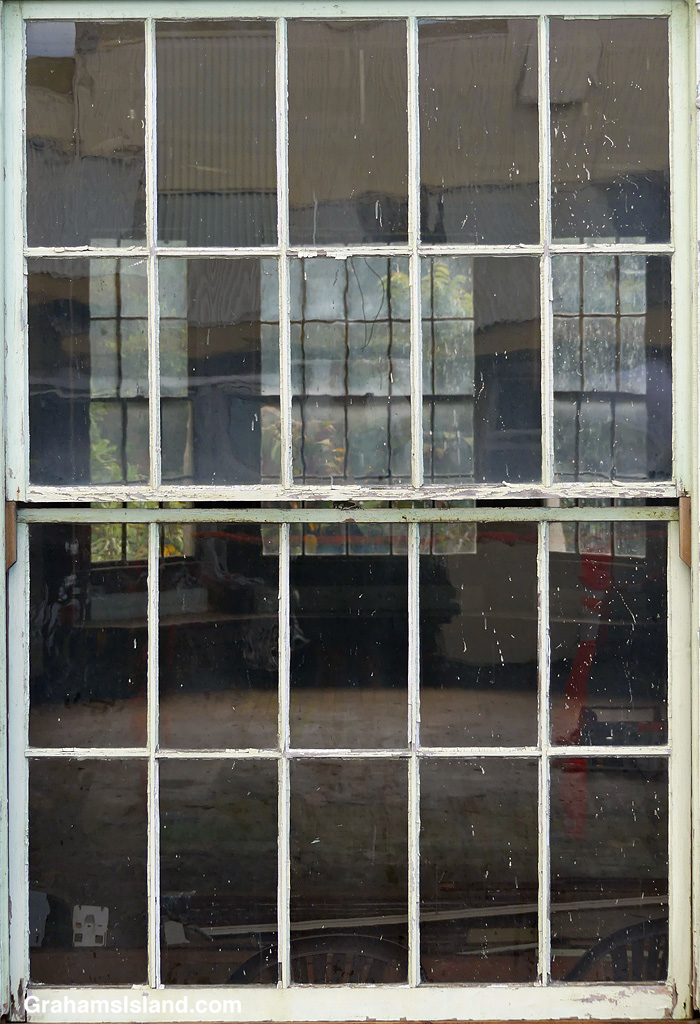
Looking out through a window at Pepeiao Cabin in Hawaii Volcanoes National Park.
This week’s Sunday Stills challenge theme is ‘Through a Window.’ See more responses here.
A variety of photos this week, with captions on the photos.
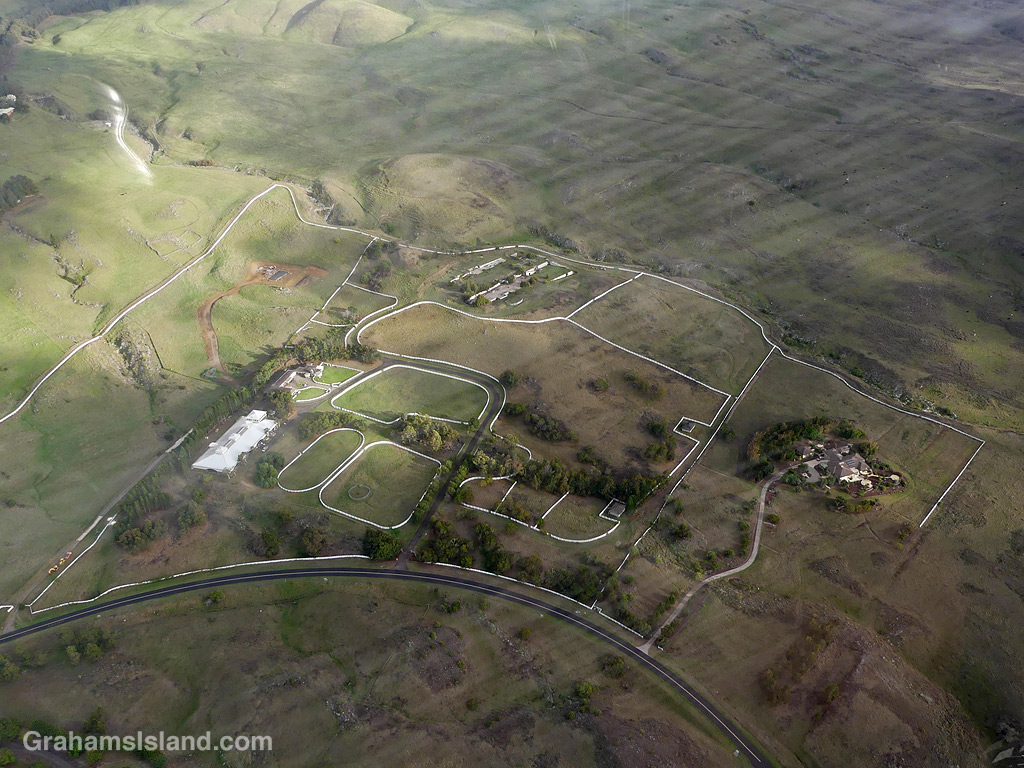
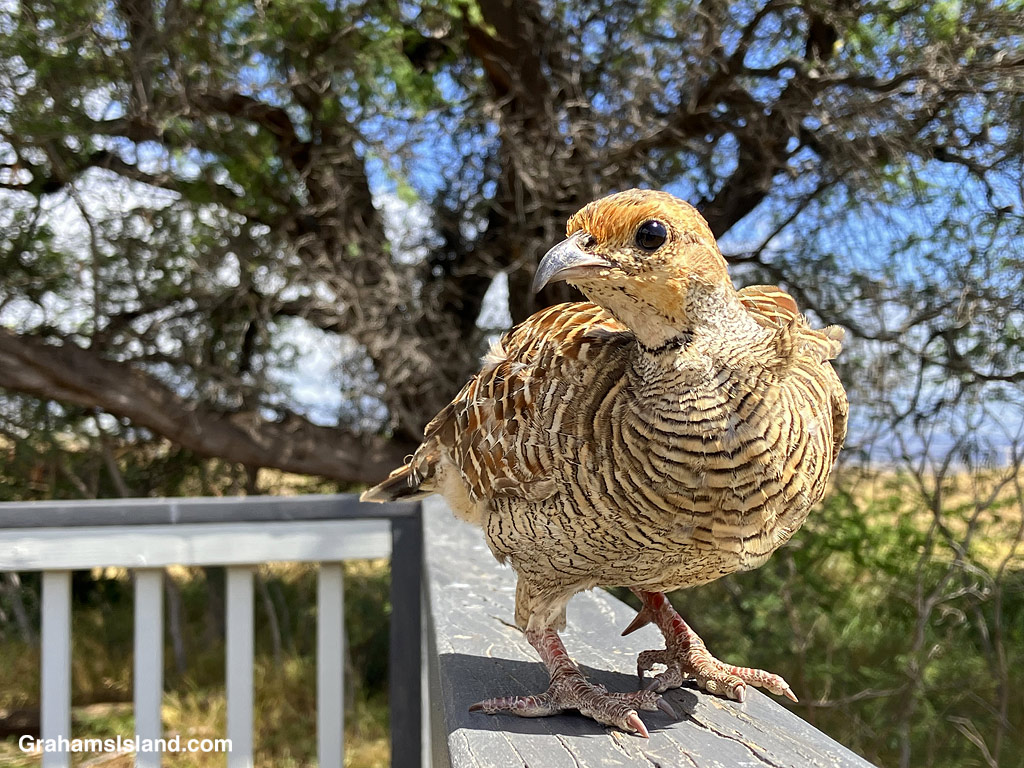
A pair of Common Waxbills seen through the bathroom window. It’s a good vantage point for watching and photographing birds, so long as I remember to clean it once in a while.Looking through a window into the old Bond Library in Kapaau, currently in the process of renovation.Looking out from my old truck on the drive down to Upolu Airport.A view of Kohala Ranch through a helicopter window. I like how the white fencing stands out.
A look through new windows at a construction project at Hapuna. Sadly, one of the new windows already had something go through it.
Sunday Stills challenge theme this week and last week is ‘Your 2023 Year-in-Review.’ See more responses here. As before, I’m going with a favorite photo from each month of 2023, with a caption and link to the post the photo first appeared in. Last week, I posted favorites from January through June. This week, it’s July through December.
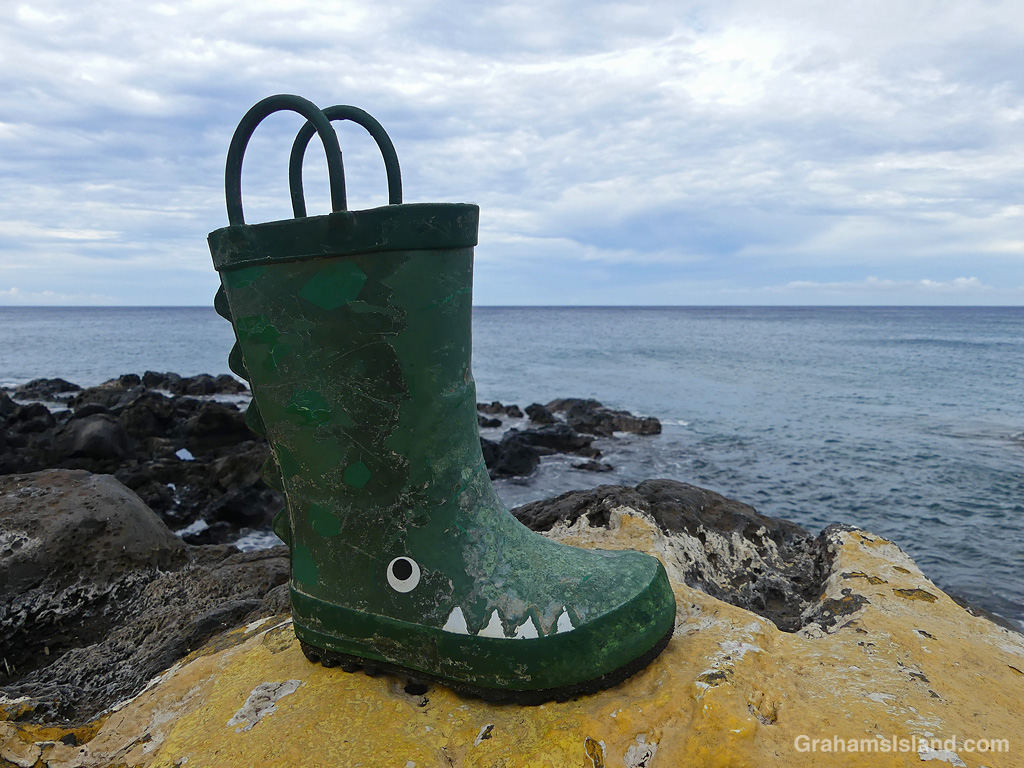
September: Mr. Chompers on the move (link).October: Wood you believe it (link)?November: Mauna Kea around sunrise (link).December: The boot’s not on the other foot (link).
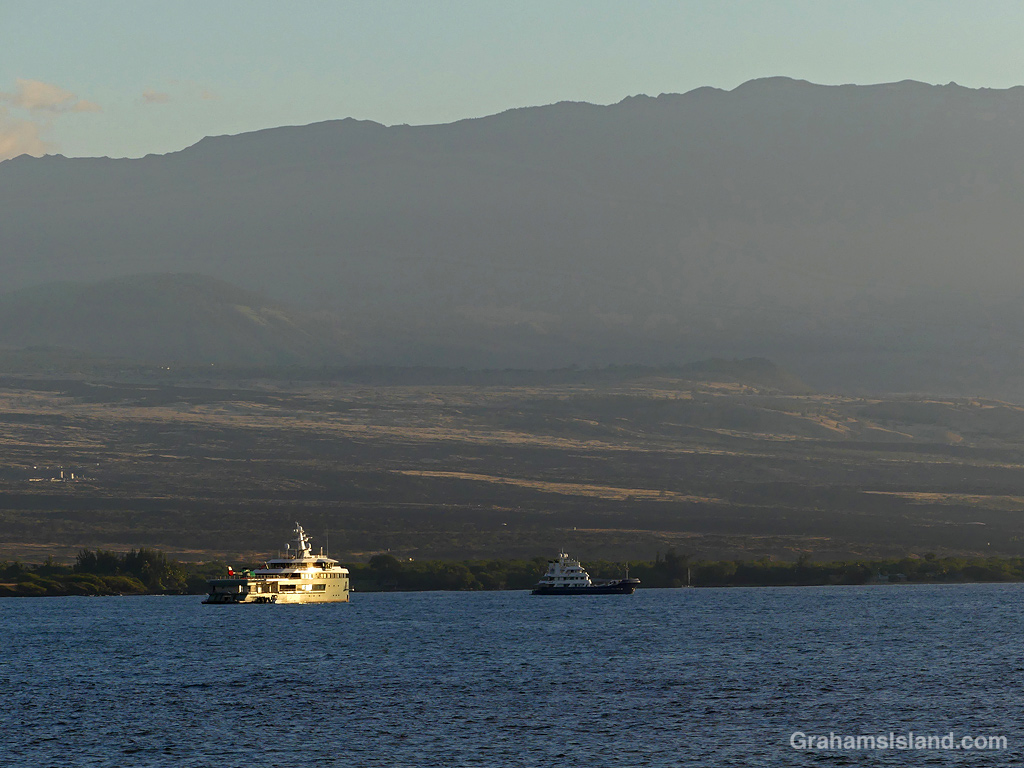
Recently, these two yachts were anchored off Mauna Kea Resort. I couldn’t make out the name of the blue boat but the other one is the Anawa, a Dutch built superyacht owned by a Brazilian billionaire. I confess my first thought on seeing this yacht was that it might be the ugliest boat I’d ever seen. Perhaps it was the angle. Perhaps not.
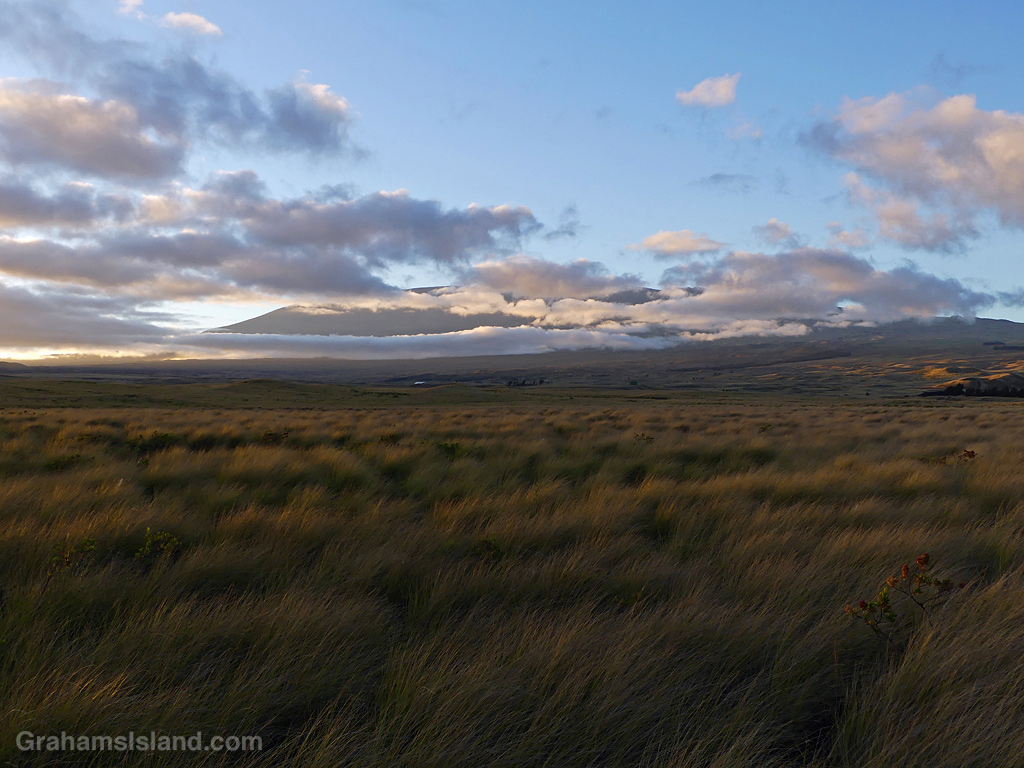
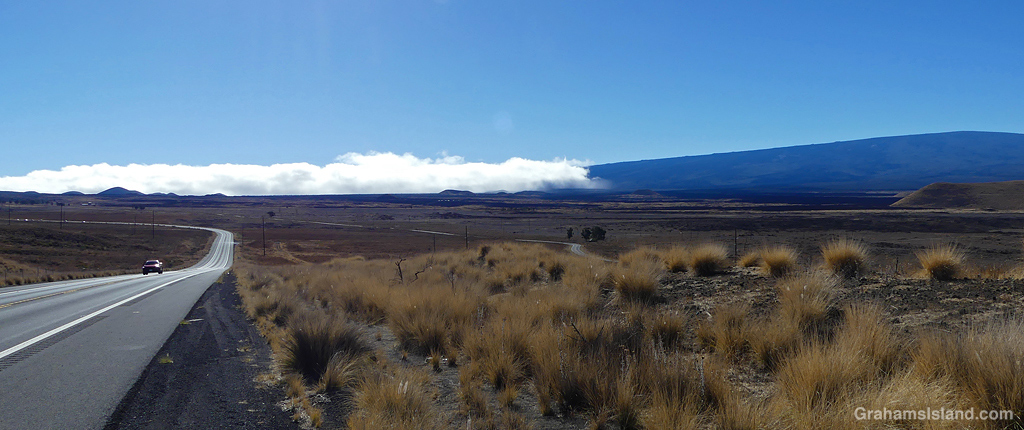
The Big Island’s weather is greatly influenced by northeast trade winds blowing up against Mauna Kea and Mauna Loa and dumping generous quantities of rain on the wet east side. Not much of this moisture reaches the much drier west side.
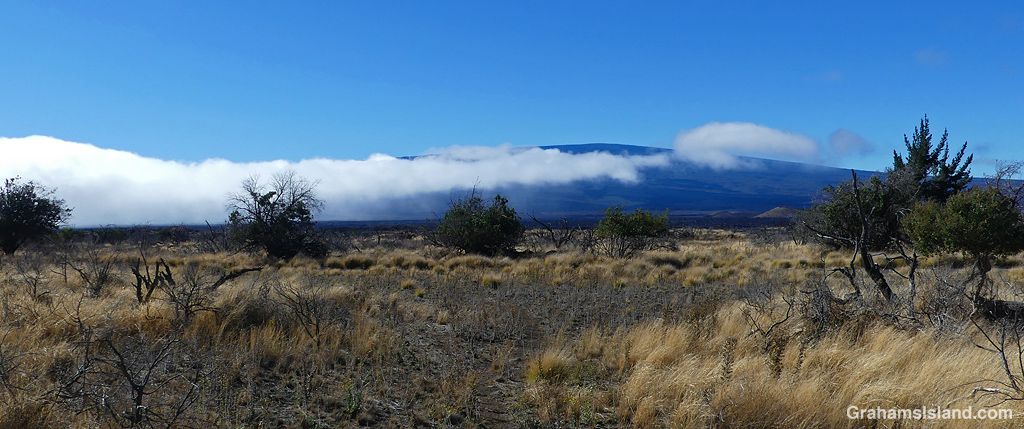
On a recent hiking trip to the saddle between Mauna Kea and Mauna Loa, I saw a visual example of what goes on. Cresting a hill, I saw a bank of cloud rolling in from the east. My hike was somewhere under that cloud. When I got closer to that wall of cloud, I could see it fading as it pushed to the west.
My hike started under gray skies, with some light rain, but on this day, the clouds did not keep building. Instead, they burned off somewhat so that it was dry and quite hot by the time I returned to my car, such is the fickle nature of Big Island weather.
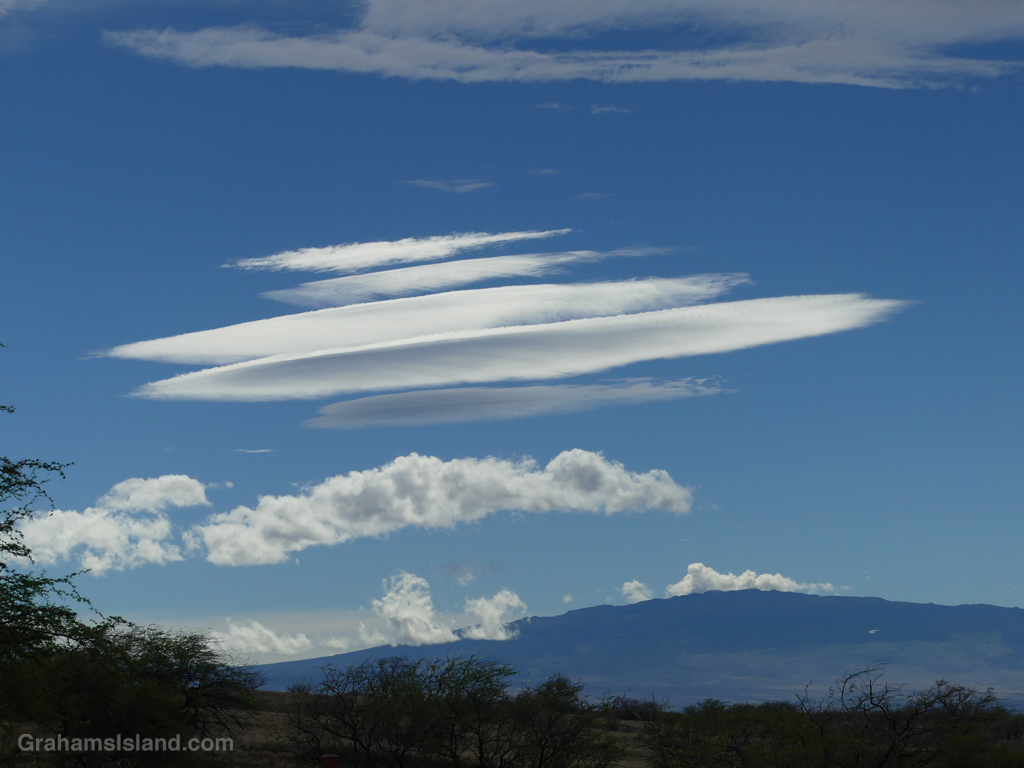
A low pressure system northwest of Hawaii has drawn up a tropical moisture from the south, resulting in some wild weather, including much needed rain. Some of the cloud formations have been pretty impressive, too.
Posted for Bushboy’s Last on the Card photo challenge. See more responses here.
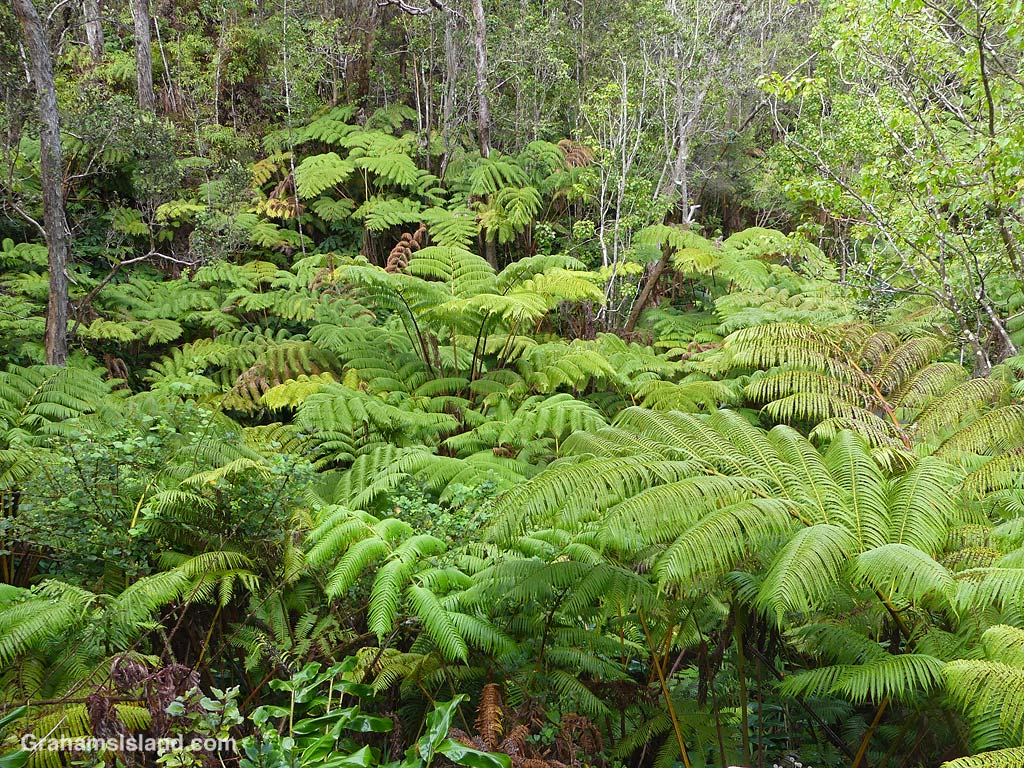
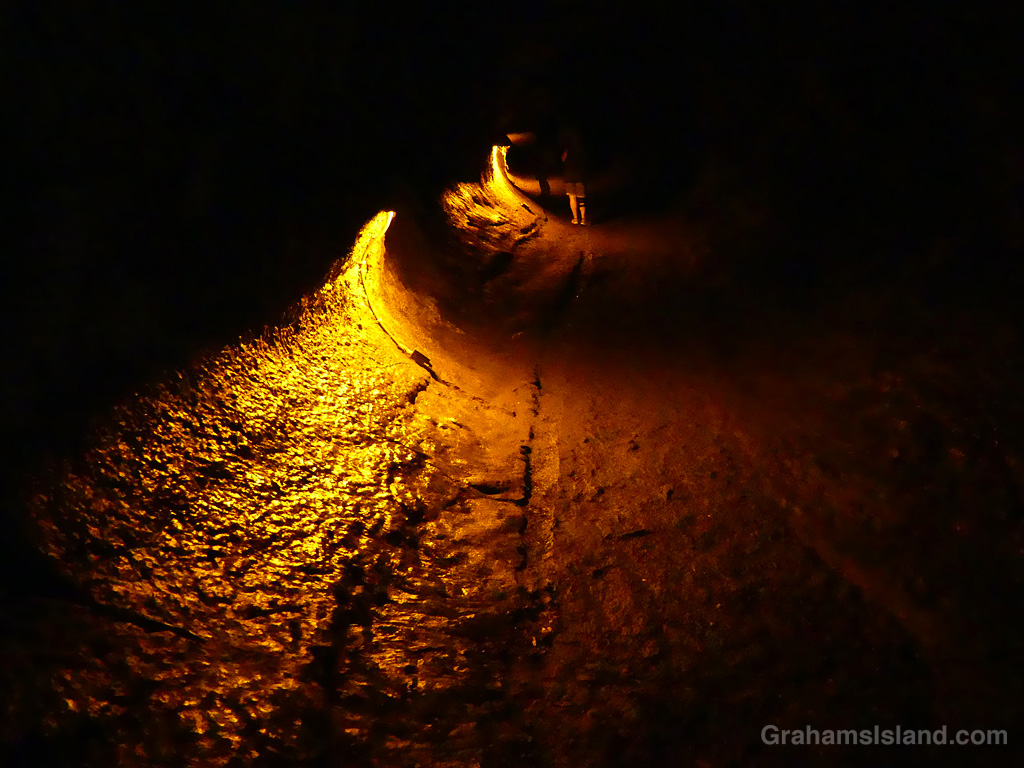
I visited Hawaii Volcanoes National Park recently, with friends from the mainland, and towards the end of our visit we stopped by Thurston Lava Tube. These days the tube is known as Nāhuku, which means “the protuberances” in Hawaiian. There aren’t any protuberances in the tube these days, but it’s still fun to walk the dimly lit tube, imagining magma rushing through it, until the eruption stopped and the tube drained.