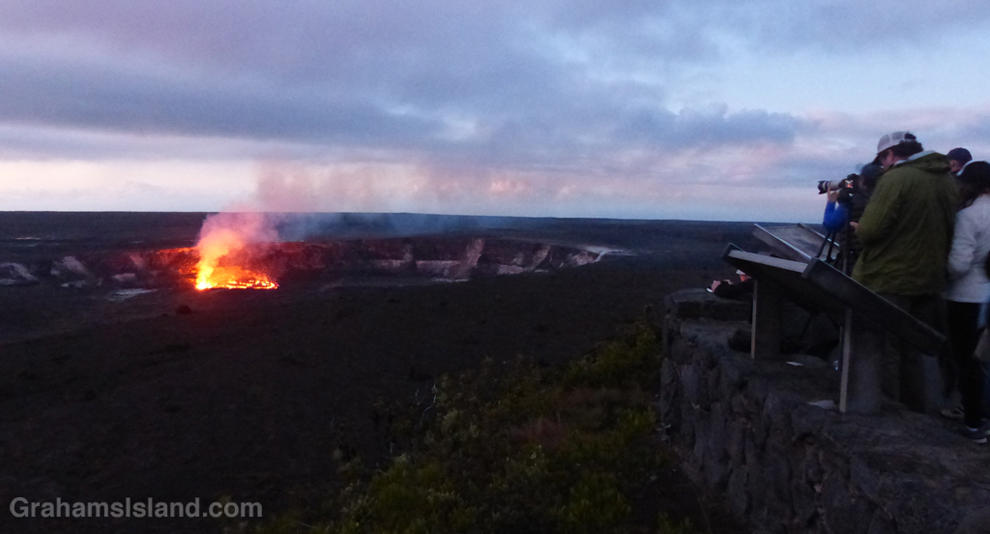
Daybreak reveals onlookers gathered at the Jaggar Museum viewing point in April 2016 (Original post here).
This week’s Sunday Stills challenge theme is ‘Iconic Places and Spaces.’ See more responses here.
I wasn’t sure what to post for this, but Kilauea is about as iconic as anything on the island, so I thought I’d post some photos from volcanic activity that I’ve seen since I moved here. Captions on the photos with a link to the original post.
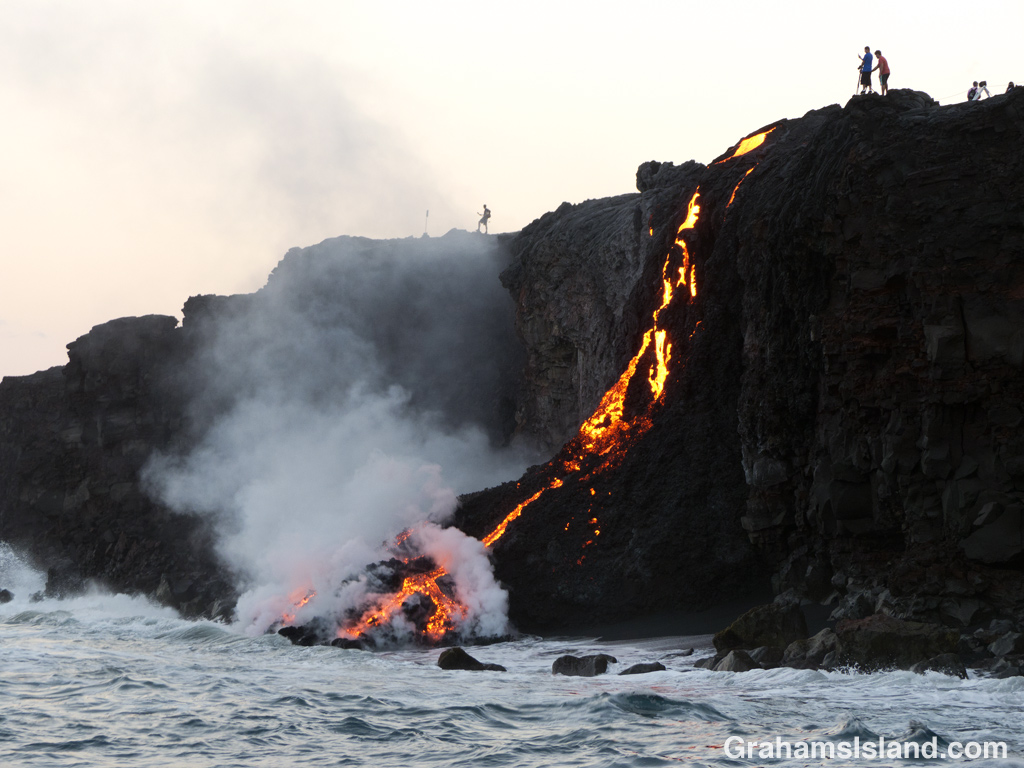
Lava from the Pu’u O’o vent reaches the ocean in July 2016 (Original Post here).
A hike to the July 2016 flow revealed surreal scenes like this one (Original post here).
This fire hose of lava was a short-lived feature of the 2016 flow (original post here).
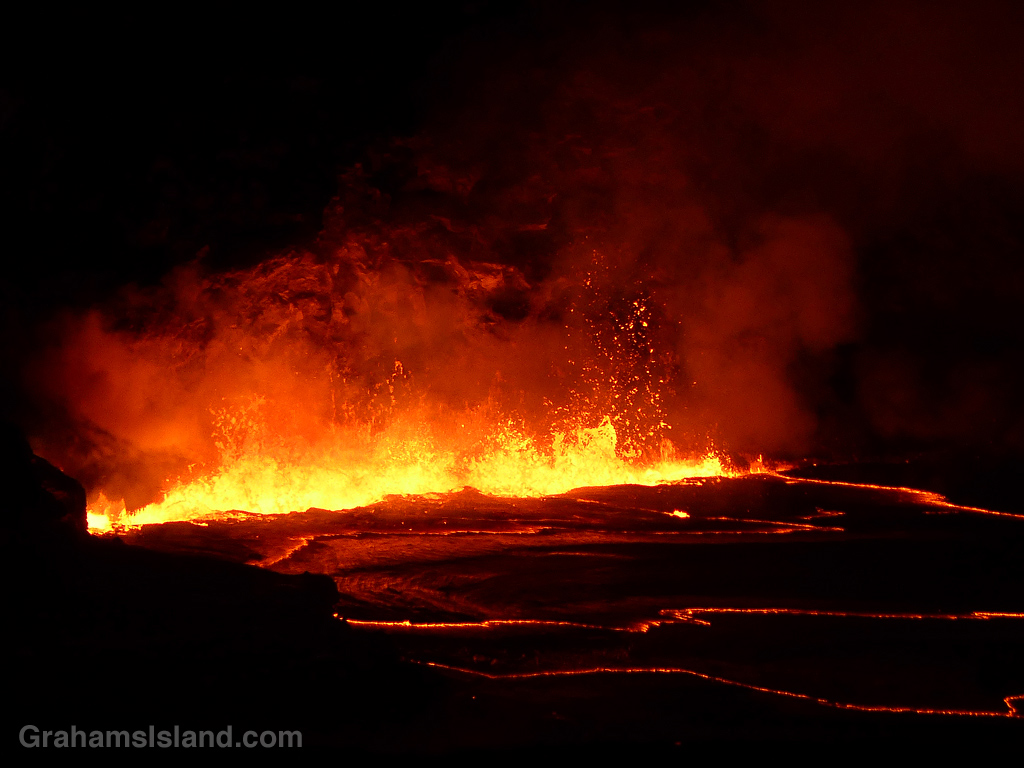
In April 2018, lava in Halema’uma’u Crater spilled onto the crater floor. (Original post here).
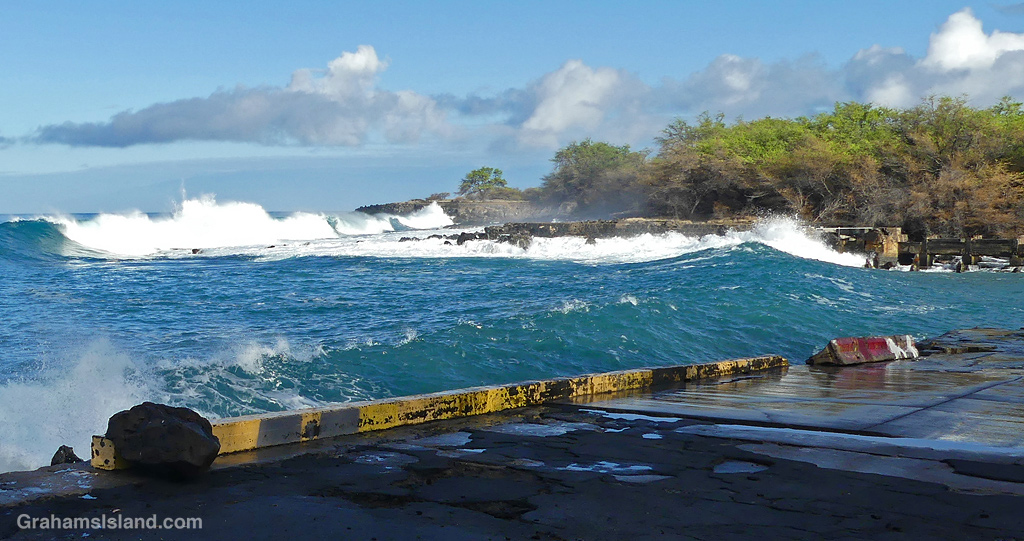
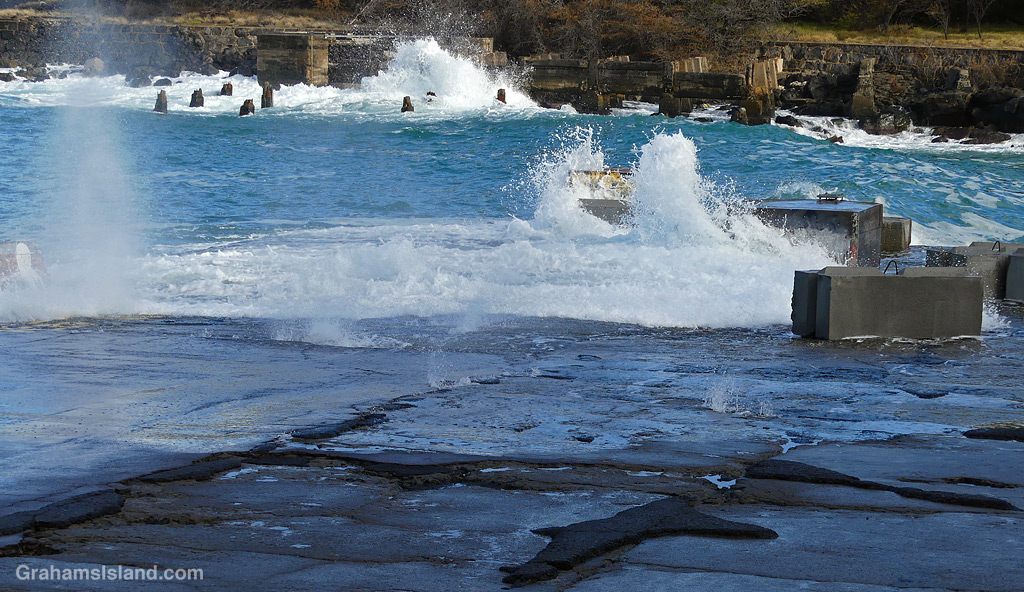
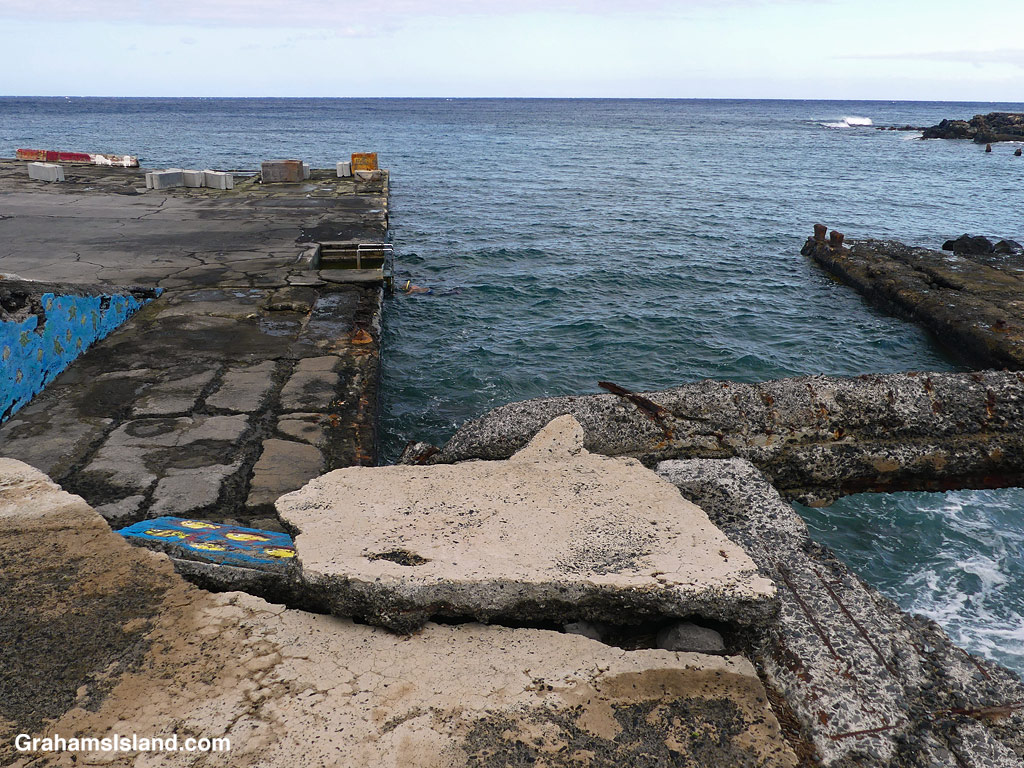
A series of high swells recently, played havoc with the place where I go swimming. Concrete barriers were not only moved around, but one went missing altogether! The decaying parking area was roughed up, with more potholes and cracks appearing. As a result the gate to the parking area was kept closed for several days while ideas were mulled about what to do.
Barriers on the move and water shooting up through the asphalt lot.
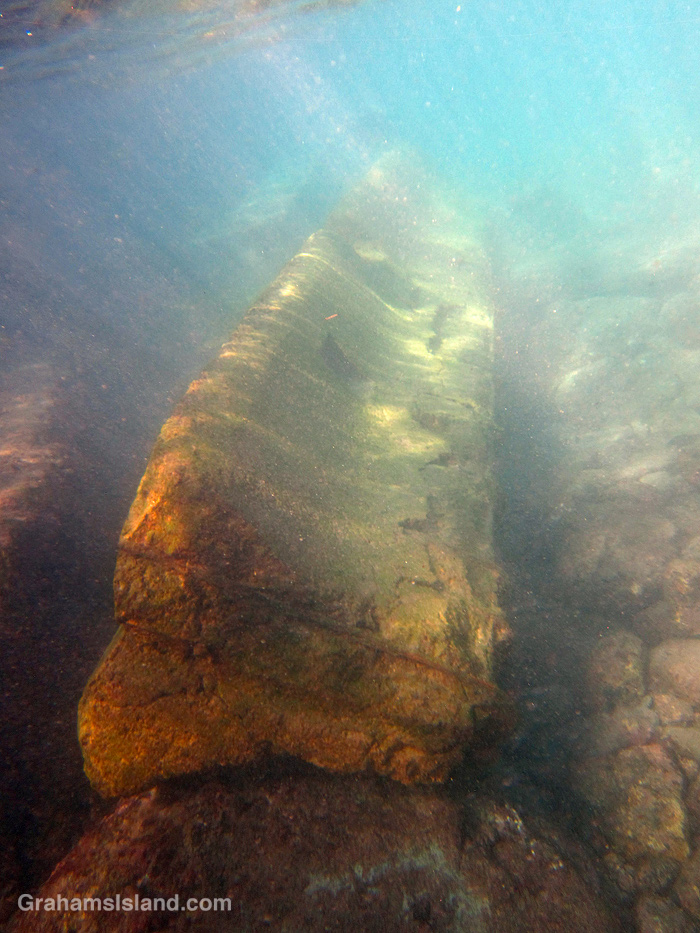
The missing barrier under the water.
One day, several new concrete barriers appeared, though the missing barrier had been located – near the entry ladder, but underwater. Word leaked out that repairs were to be made. The sunken barrier would be recovered and the holes in the lot filled.
They were true to their word. Next day a crew arrived and the promised work was completed in a day. The barrier was back in place, its smaller replacements removed. The gates were opened and cars flooded in. It looked like a brand new place, relatively speaking.
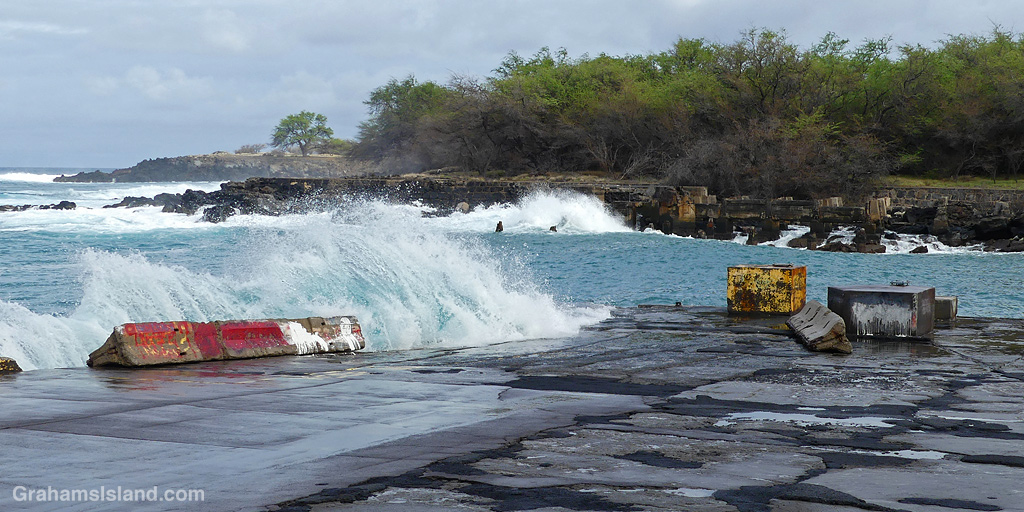
Yesterday, I went down there to see how the latest big swell looked. The parking lot gate was closed again as expected. The swell was still building, but washed across the lower reaches of the lot. And the recently replaced concrete barrier was on the move again, heading across the parking lot, en route to the channel by the entry ladder!
Calm conditions, but a rather battered looking lot.Barriers back in place and potholes filled!Barrier on the move again!
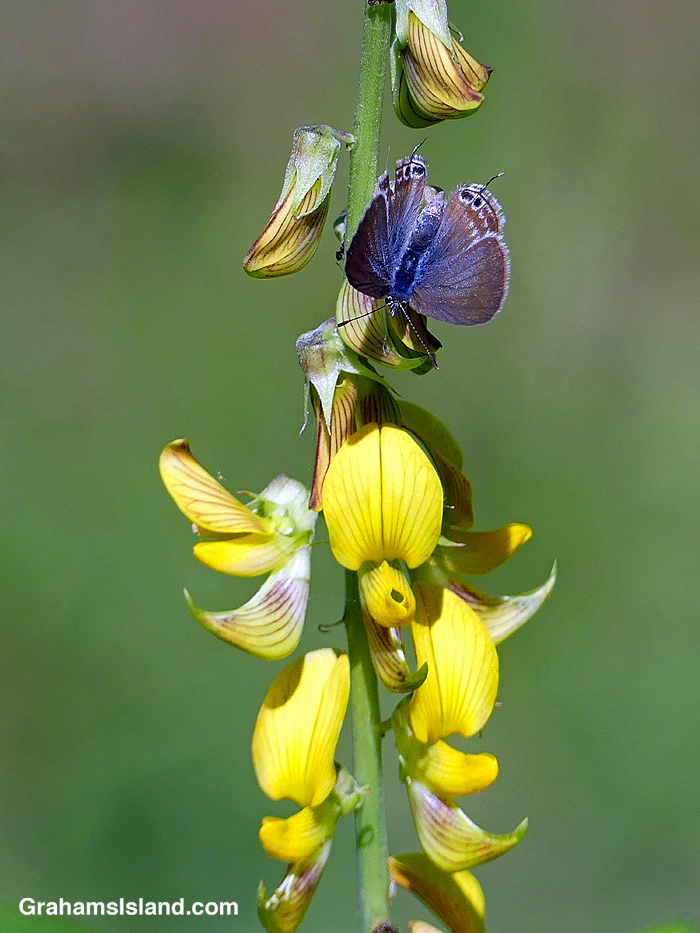
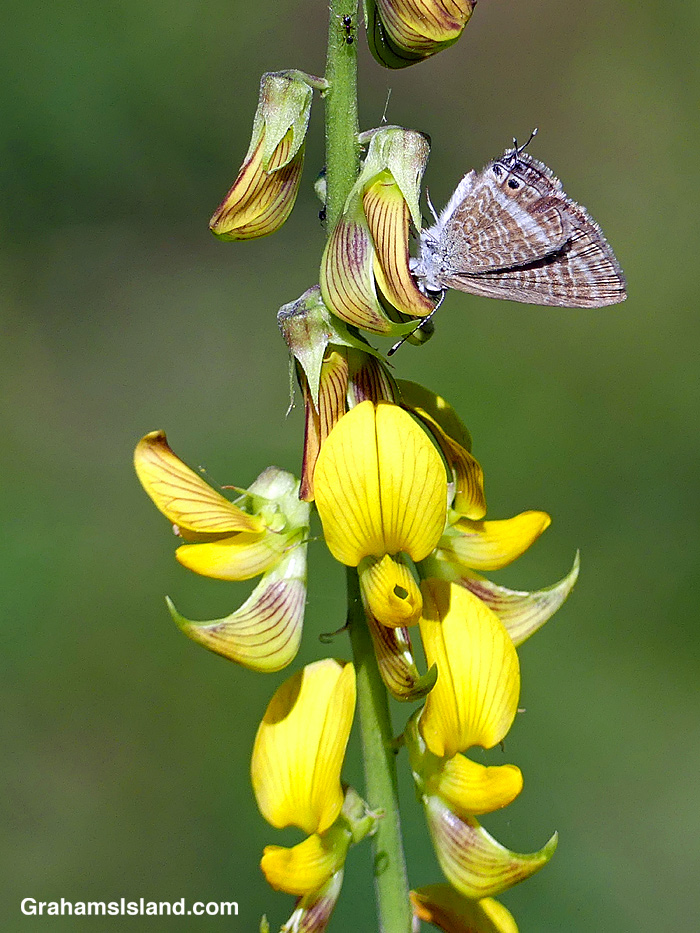
A Long-tailed Blue Butterfly on what I think is a rattlepod, one of the Crotileria family. The Long-tailed Blue is common in Hawaii having been accidentally introduced back in the 1880s.
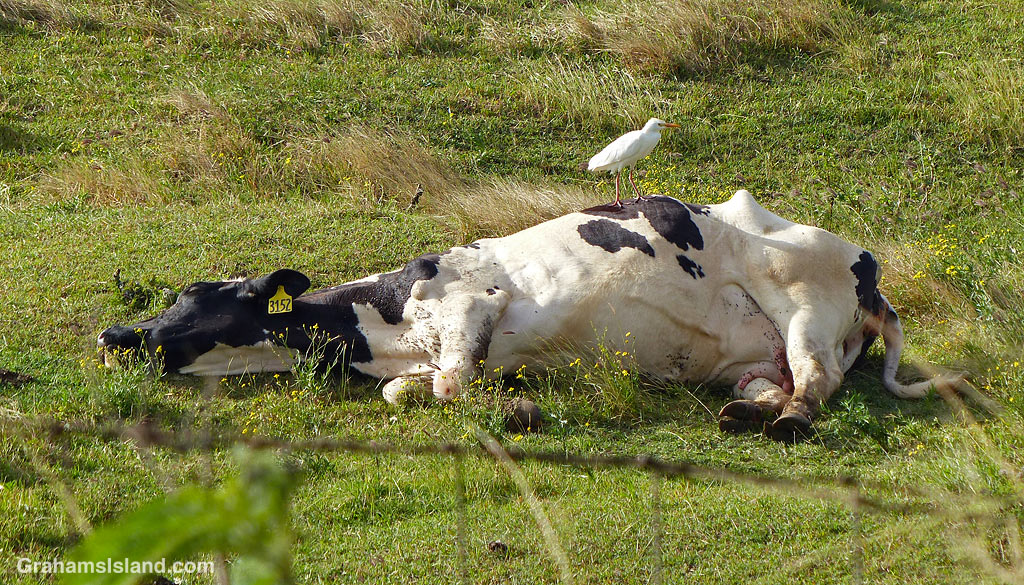
A Cattle Egret stands on a resting cow. No, it’s not dead!
The idea of The Numbers Game is to enter a number into the search bar of your computer and then post a selection of the photos that turn up. This week’s number is 129. You can see more responses here.
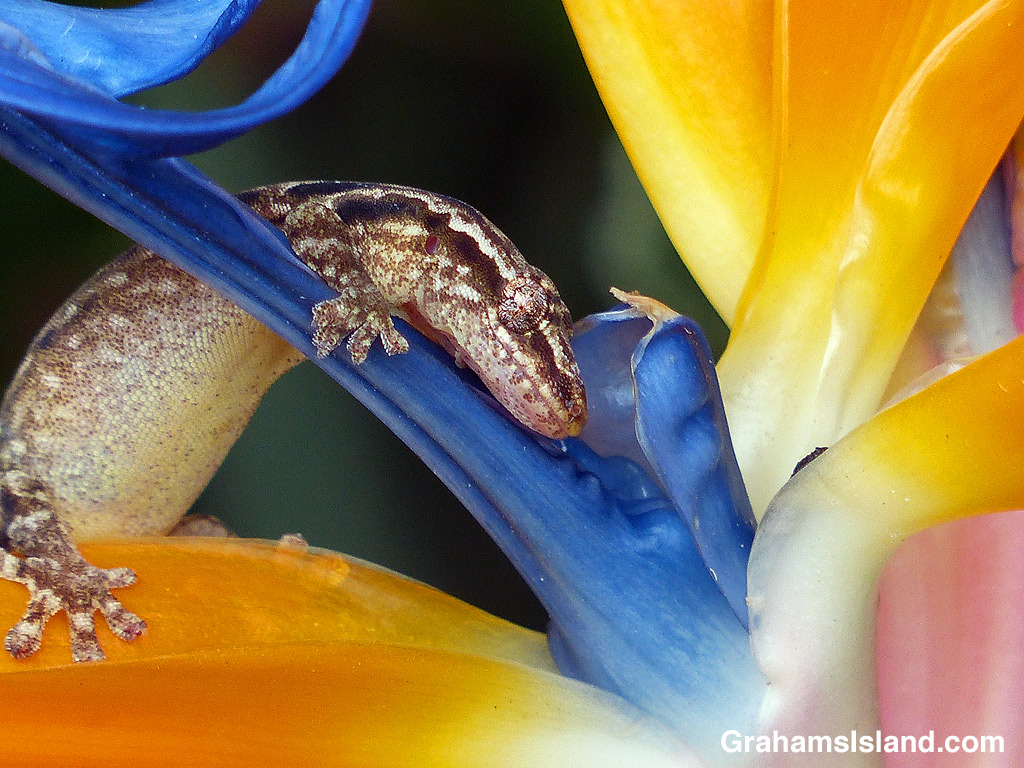
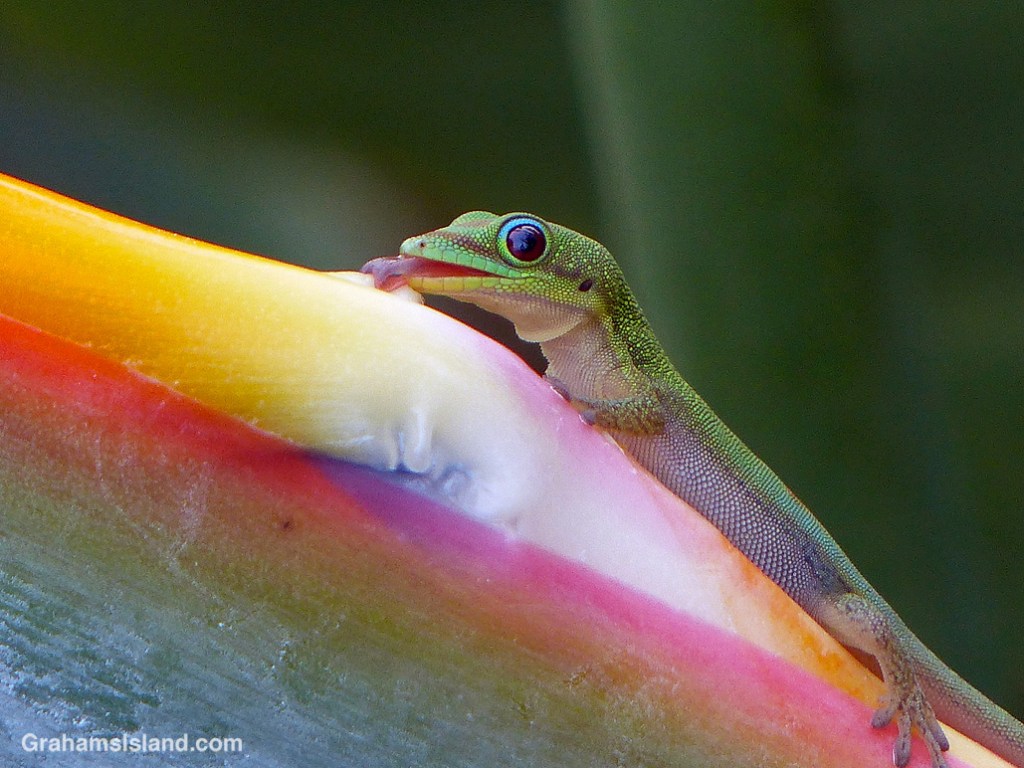
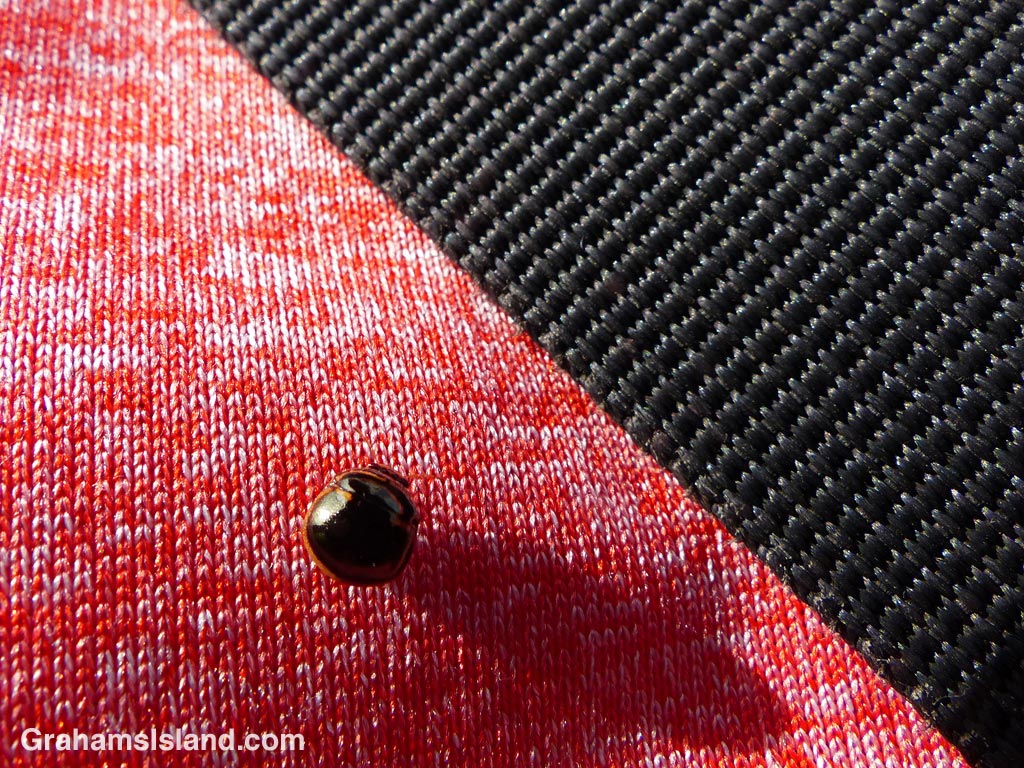
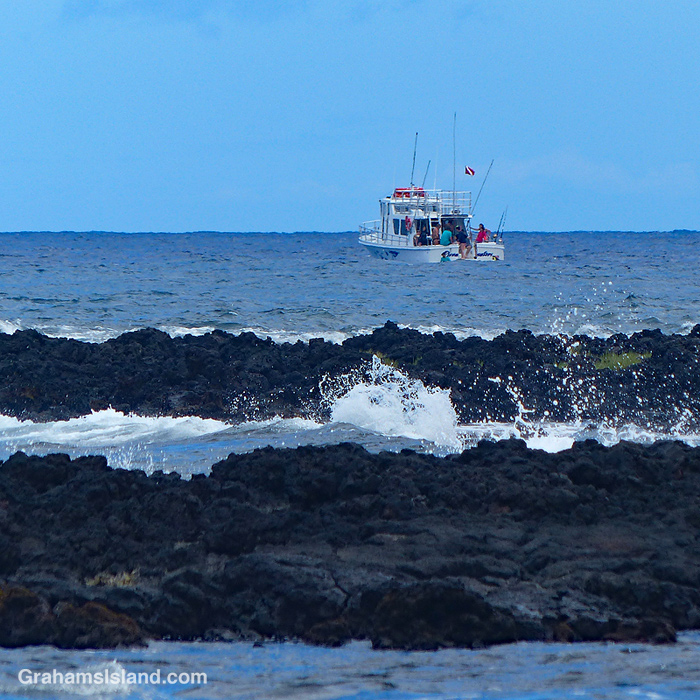
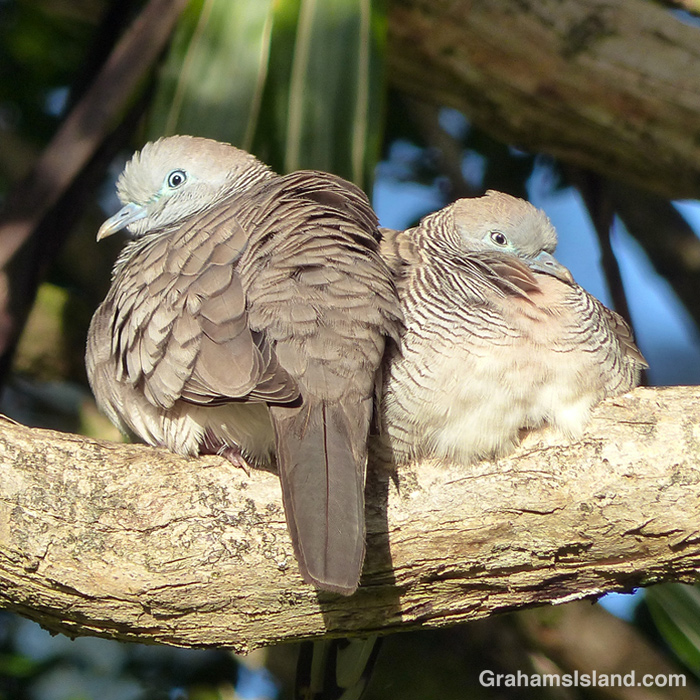
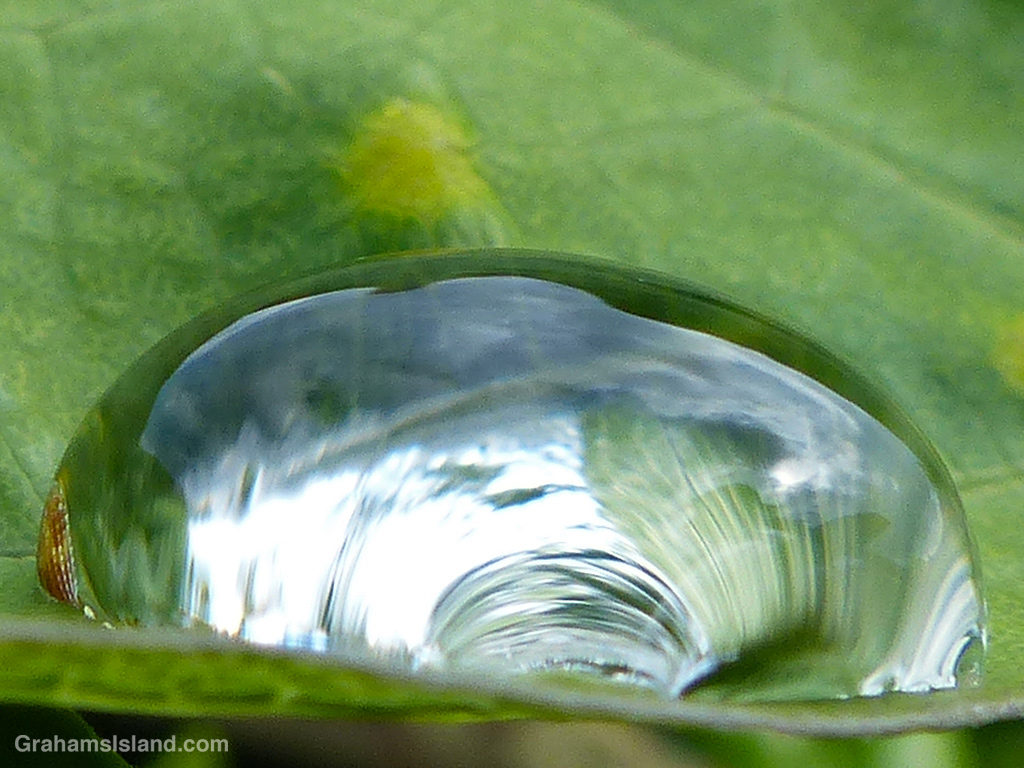
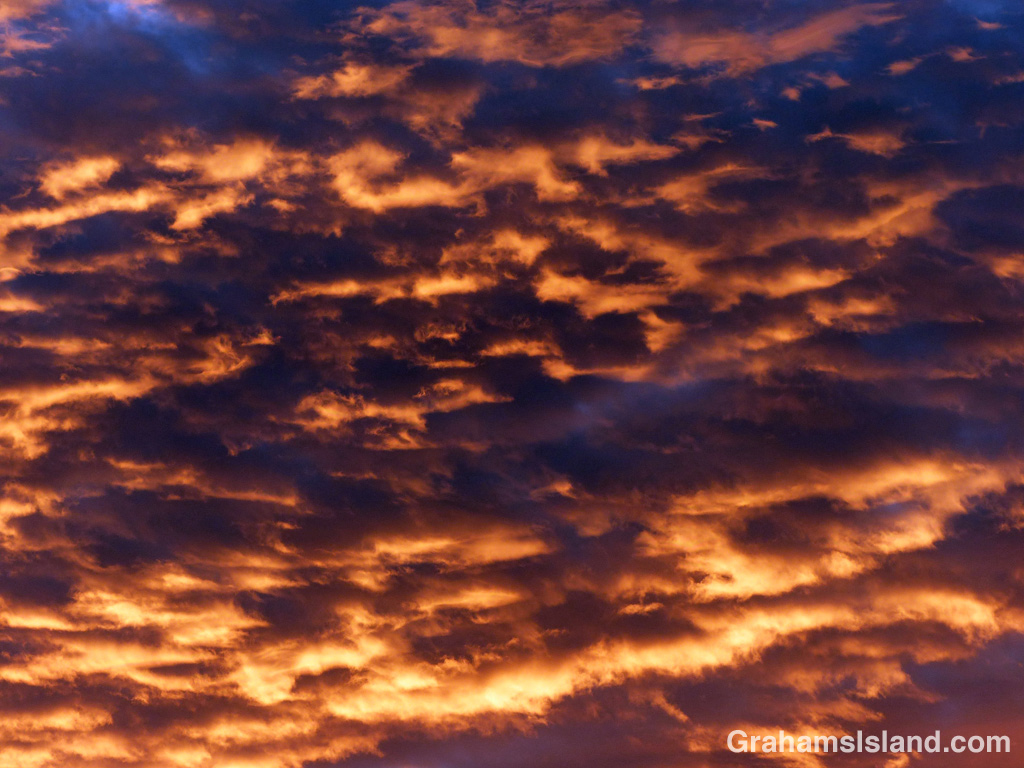
A Mourning Gecko on a Bird of Pardise flower.A Gold Dust Day Gecko on a Bird of Pardise flower.This stink bug landed on my shirt as I was trying to photograph it.A dive boat off the Kona Coast.Two Zebra Doves enjoy the late afternoon sun.A drop of water on a Passion Vine leaf.Sunset from the lanai.
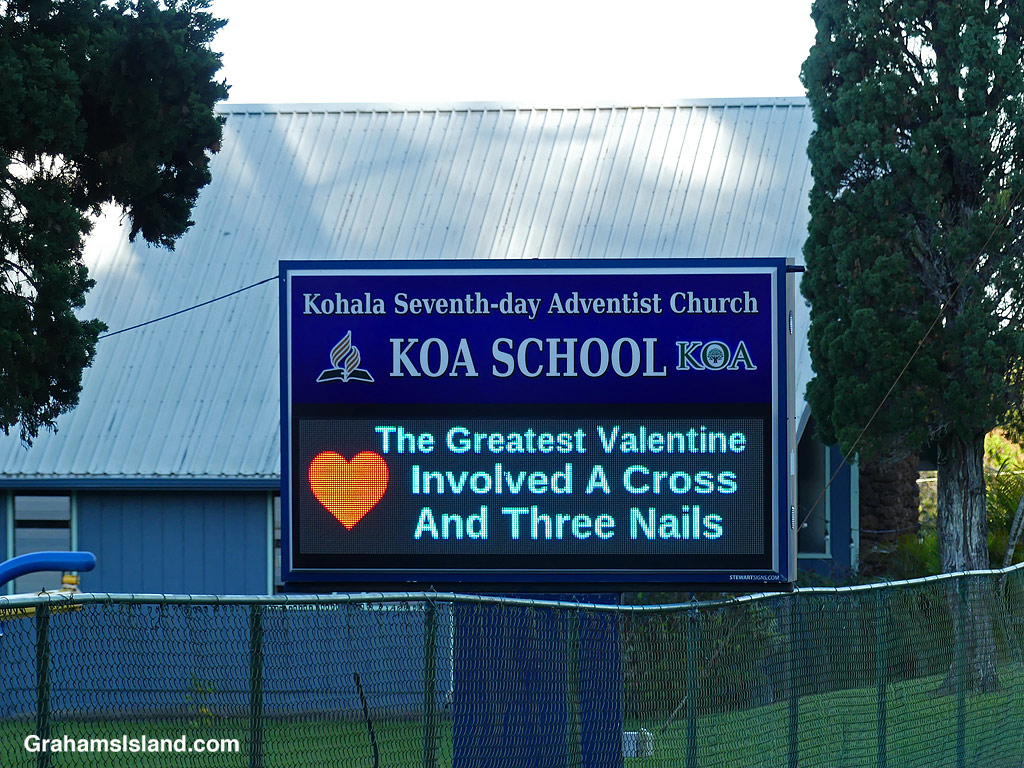
I saw this sign at a local church school. I understand what they’re getting at, but I confess I found this a bit creepy. I mean, I can’t think of anyone I’ve ever wanted to send a Valentine’s card to that I’ve also wanted to use a nail gun on.
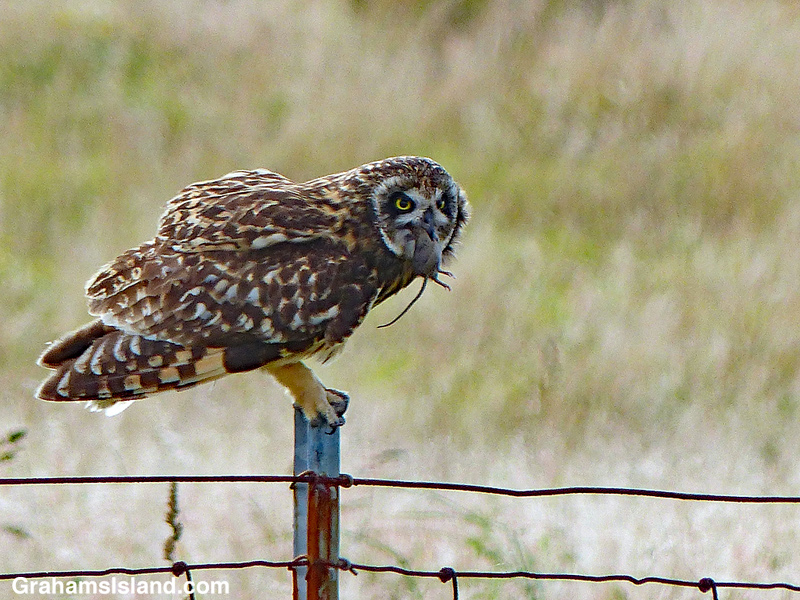
I was driving home from Waimea when I noticed a movement off to my left. I thought it looked like a Pueo, the Hawaiian Short-eared Owl, endemic to the islands. Sure enough, it proved to be one, gliding over the pastureland, looking for an evening meal. I watched it for some time, going back and forth over the pasture looking for movement and a meal below.
Unlike most owls, Pueos are active during the day, and so are easier to spot. The bottom photo is an older photo that’s run before (here), but gives a clearer view of the bird and what it eats!
Posted for Bird of the Week LI. See more responses here.
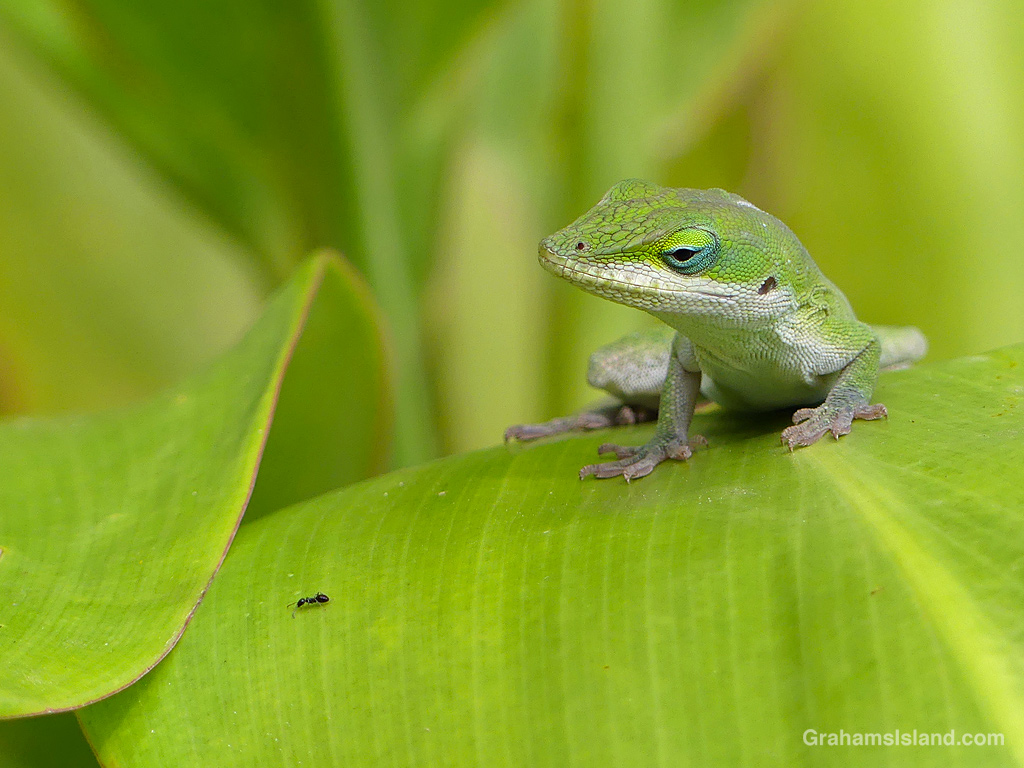
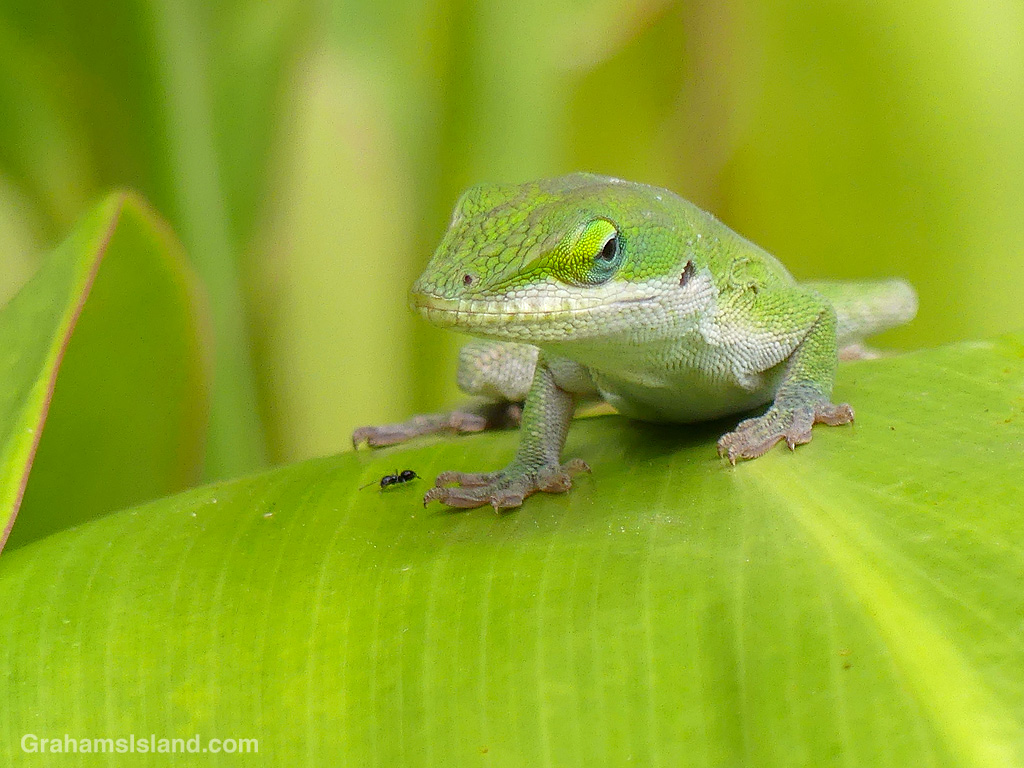
I was photographing this green anole on a ti leaf when an ant appeared on the scene. The anole gave it the ‘Is that a snack?’ look, but decided that maybe that wasn’t a good idea. Some ants are not good eating.
The anole resumed keeping an eye on me, while the ant meandered around getting closer. At one point, the ant bumped into the anole’s foot and the anole flinched and yanked its foot away, as a person might do.
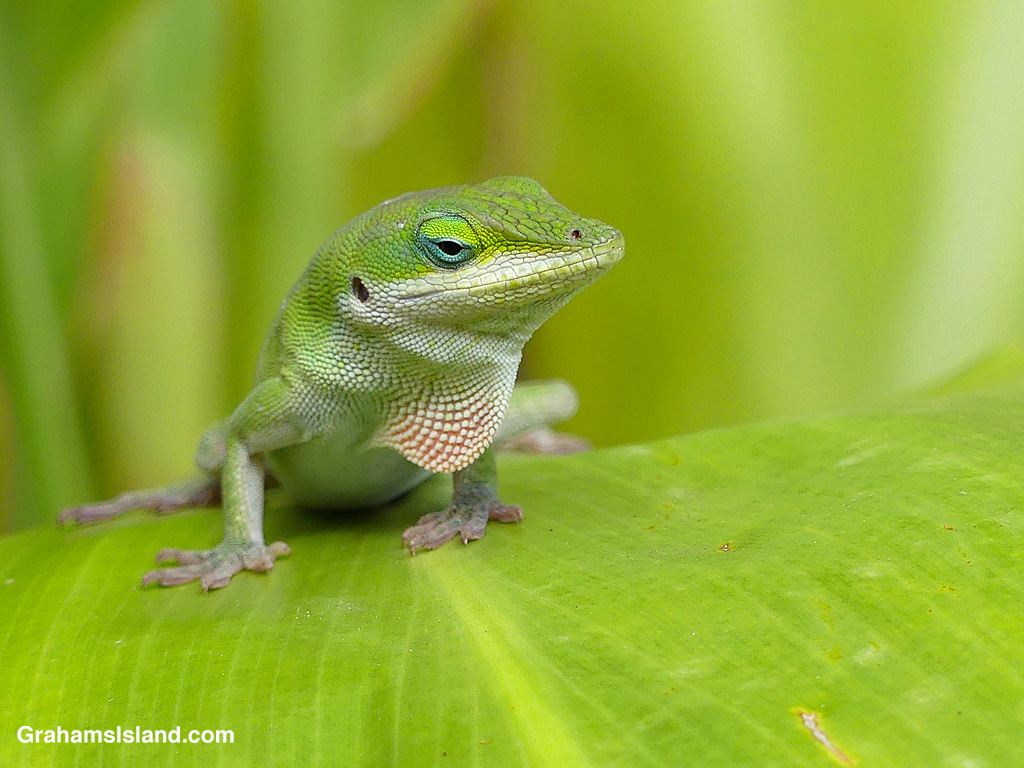
Following that incident, the anole began a half-hearted sequence of displaying its dewlap to show that this was his territory, but it seemed more aimed at wishing I would go away rather than doing anything about it!
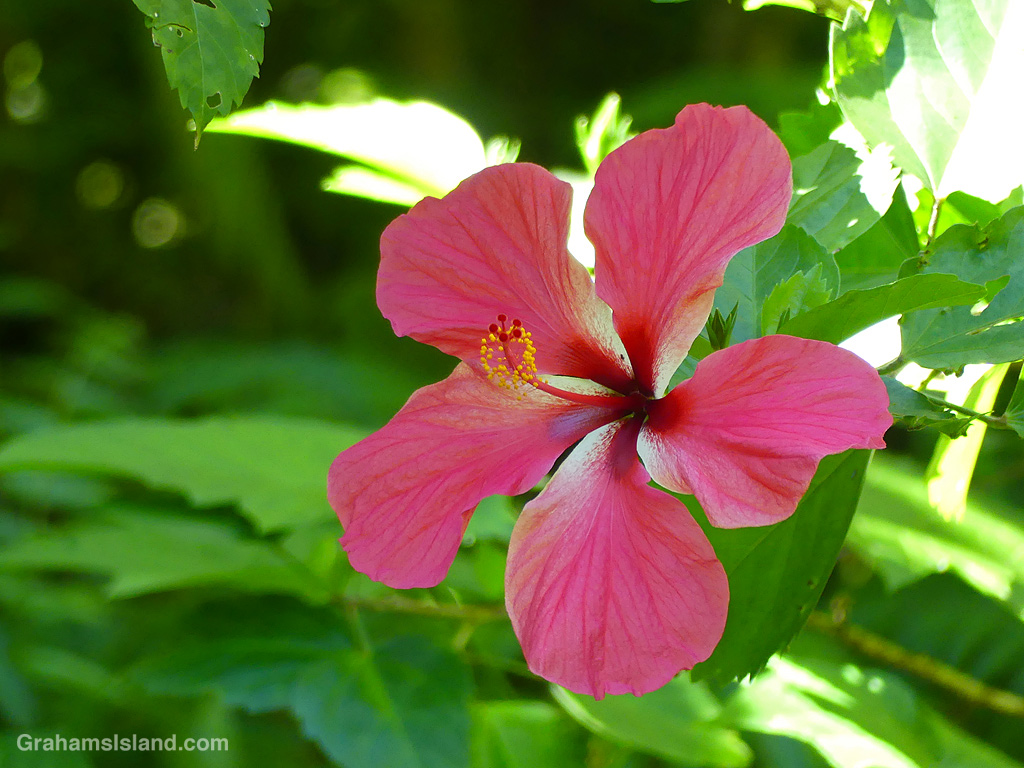
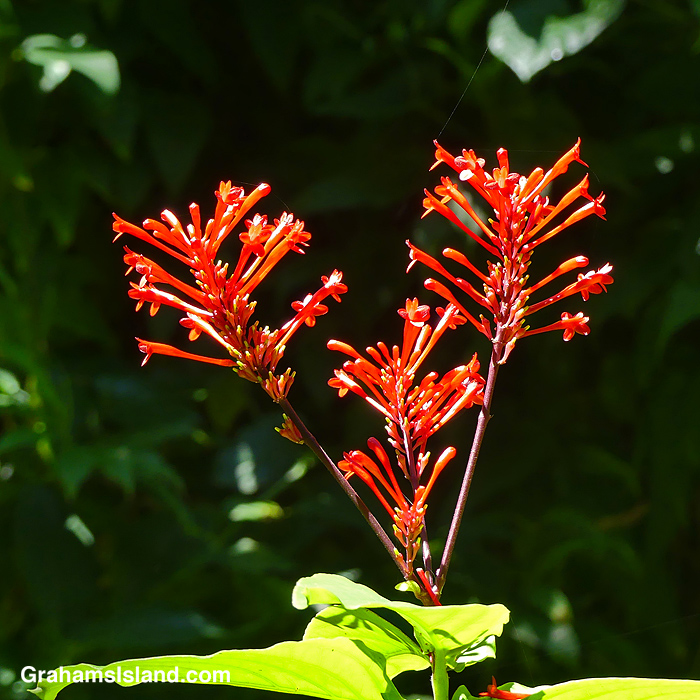
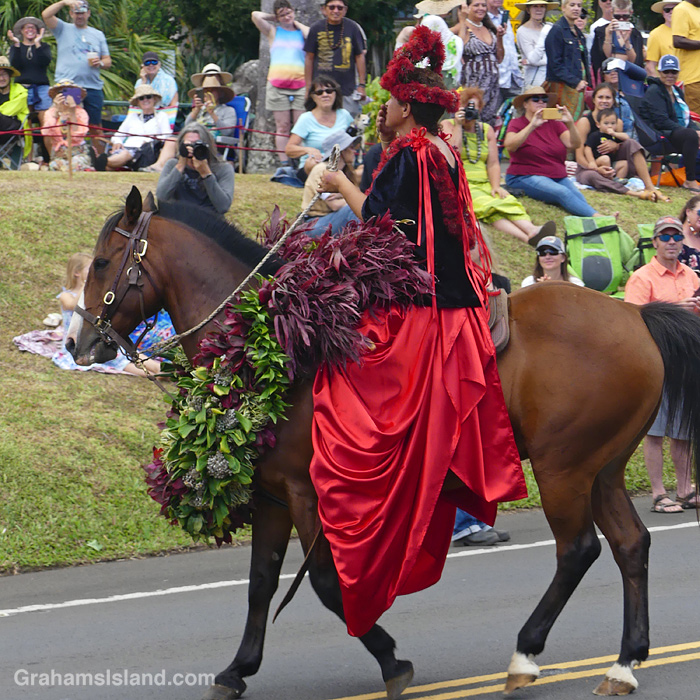
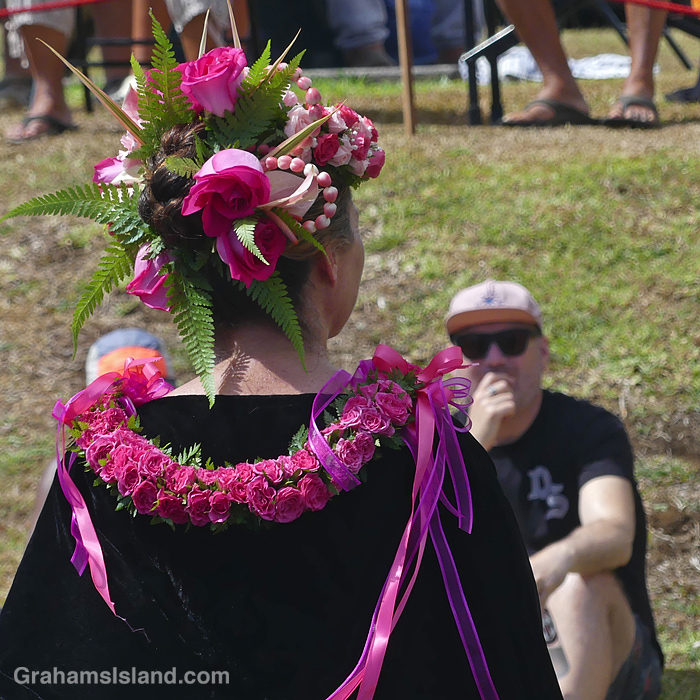
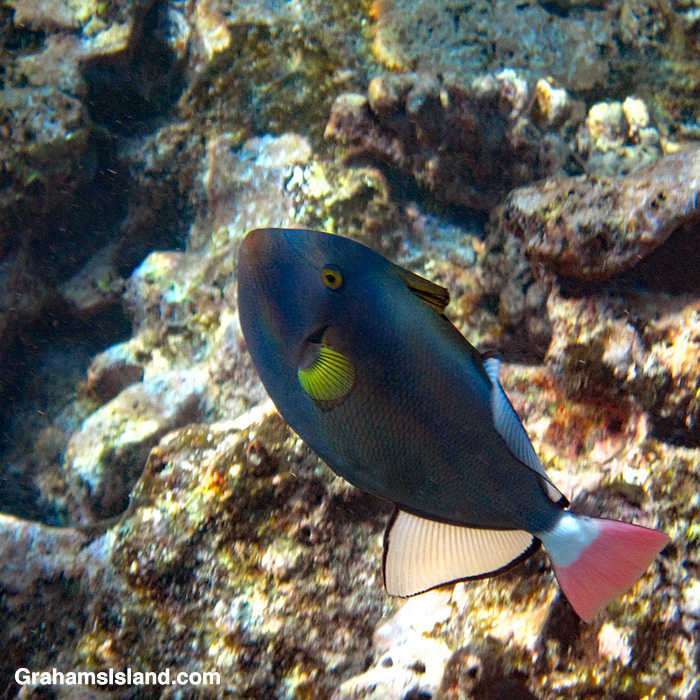
This week’s Sunday Stills Color Challenge theme is ‘Pink and/or red.’ See more responses here.
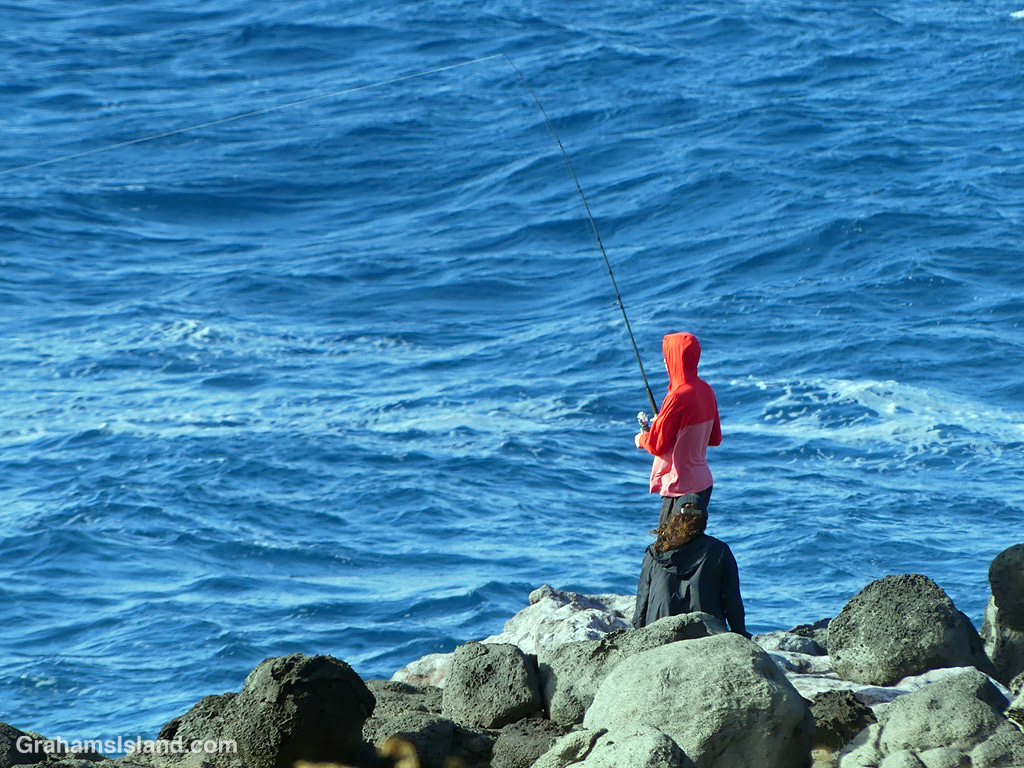
I thought this was a firecracker plant, but I’m not sure now. Either way, it’s red!Kamehameha Day parade in Kapaau.I bet the guy in the photo is thinking, ‘I’d look good in that hat.’A Pinktail Triggerfish. How do they come up with these names?Fishing on the North Kohala Coast.