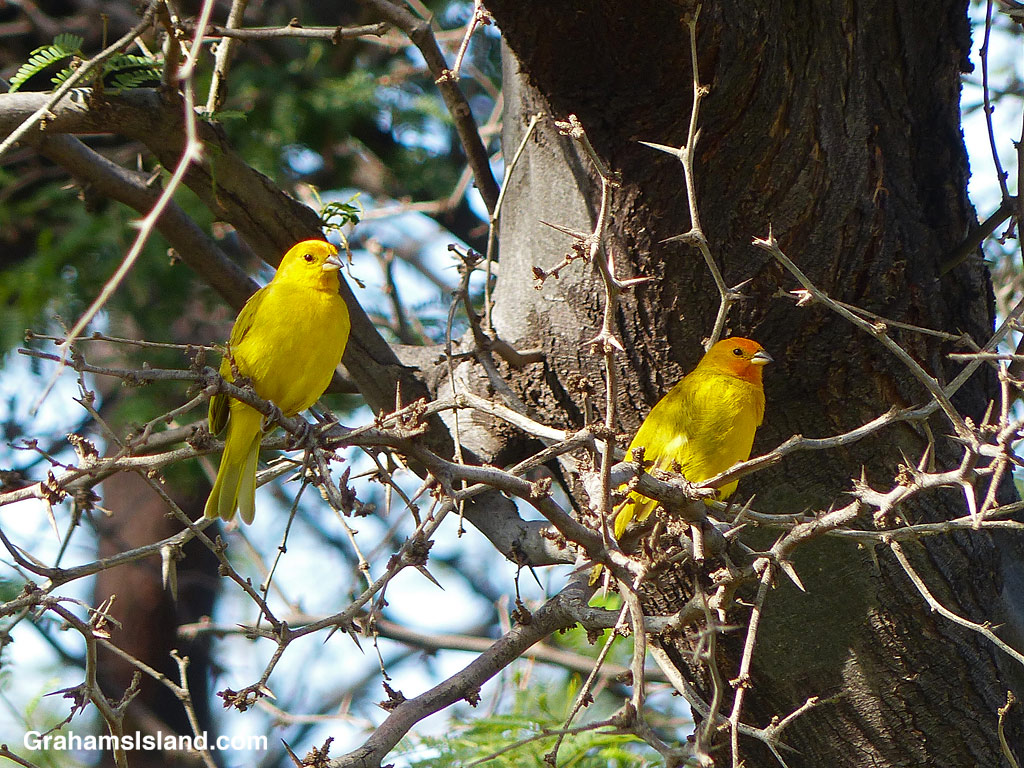
A pair of saffron finches perched in a kiawe tree. The wicked thorns of the tree will penetrate footwear if stepped on so the birds have to be careful!

A pair of saffron finches perched in a kiawe tree. The wicked thorns of the tree will penetrate footwear if stepped on so the birds have to be careful!
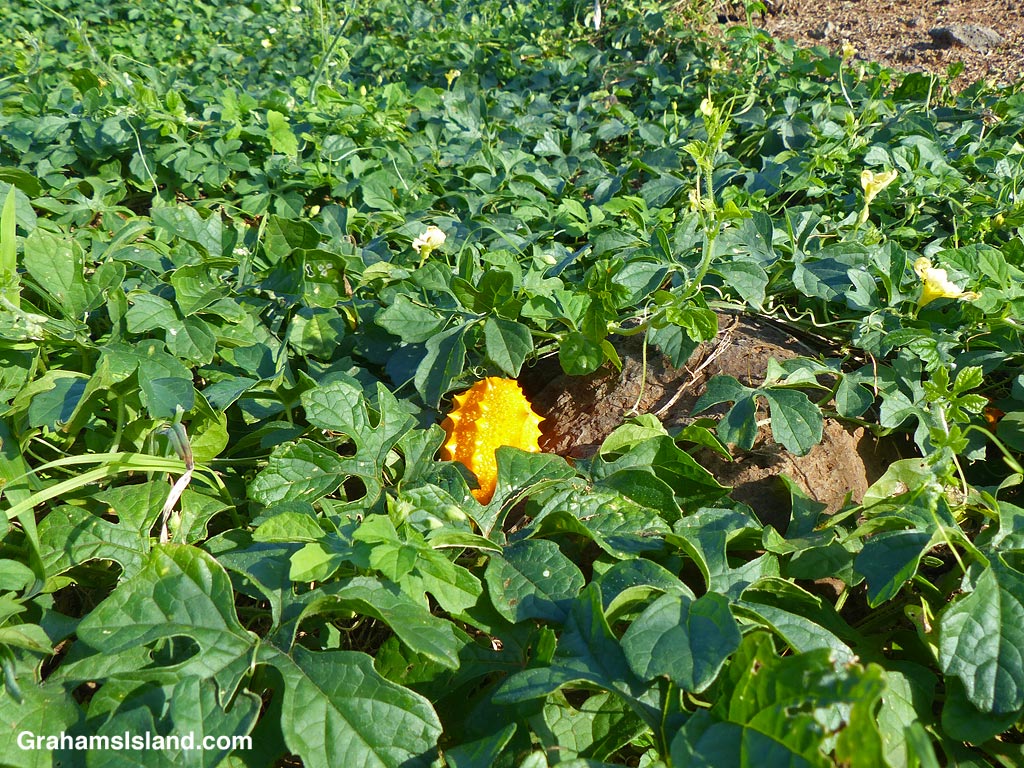
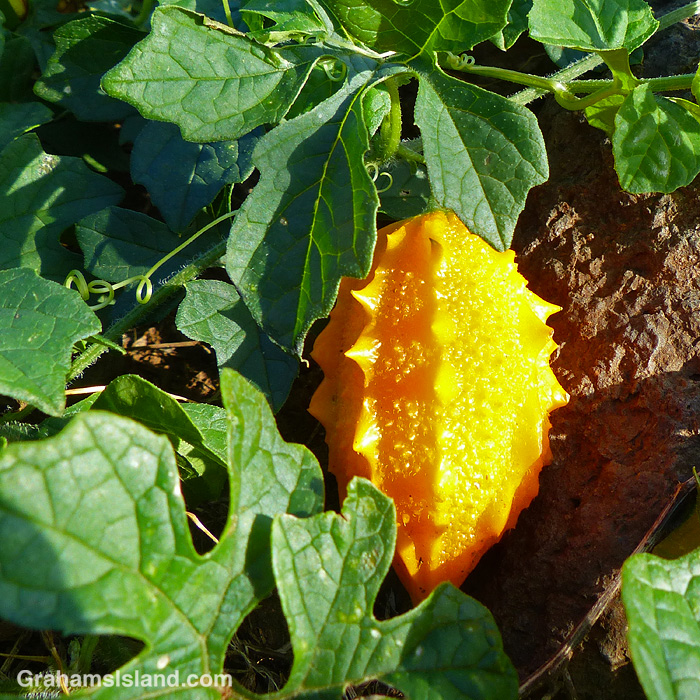
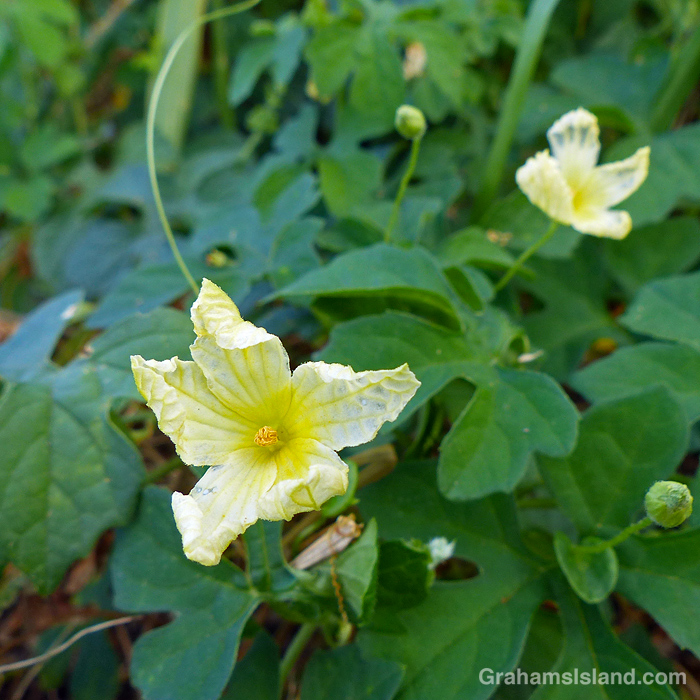
Bitter melon (Momordica charantia) hails from Africa in the distant past, but has spread across the globe. The small flowers are a delicate shade of yellow and are followed by somewhat spiky fruits. These are widely used in cooking, particularly in Asia, but only when the fruit is green. The ripe orange fruits are not edible.

This week’s Sunday Stills challenge theme is ‘Light the Night.’ See more responses here.
A lot of people, myself included, don’t bother with lights here, but there are always some displays. Here’s one I quite like.
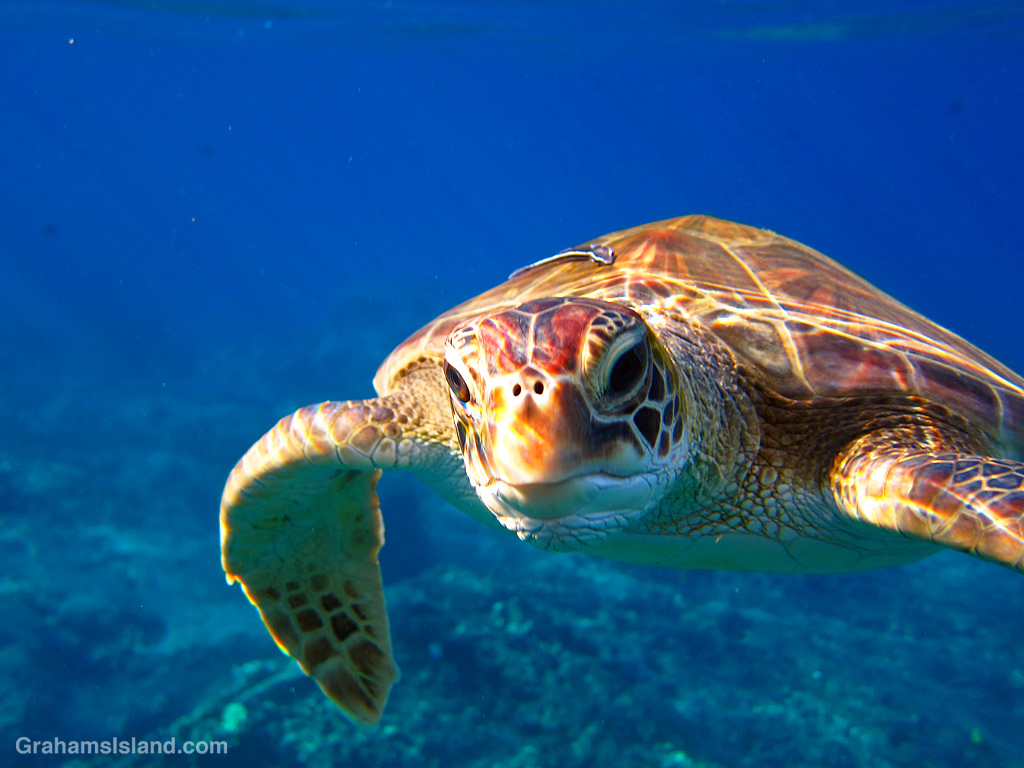
I was snorkeling yesterday, when I looked up and saw this green turtle coming towards me. It was near the surface and heading up so I thought it might be about to take a breath. Instead, the turtle, which was quite small, leveled off and kept coming my way.
Usually, in the water, I have a bit of zoom on my camera since that’s often needed. In this instance, I zoomed out and found myself leaning back to keep the turtle in the image. It came within a foot of me and I thought we were going to butt heads, but at the last moment it stopped, veered, then swooped down and away.
It wasn’t until I got home and processed my photos that I noticed the slender remora on the turtle’s shell, behind its head. Remoras, which don’t harm their hosts, attach themselves by means of a sucker disk on their heads, so what can be seen on this turtle is the underside of the fish.
I don’t change my desktop image often, but the top photo makes me so happy I popped it up immediately, so I’m posting it in response to Clare’s monthly Share Your Desktop challenge (see more responses here).

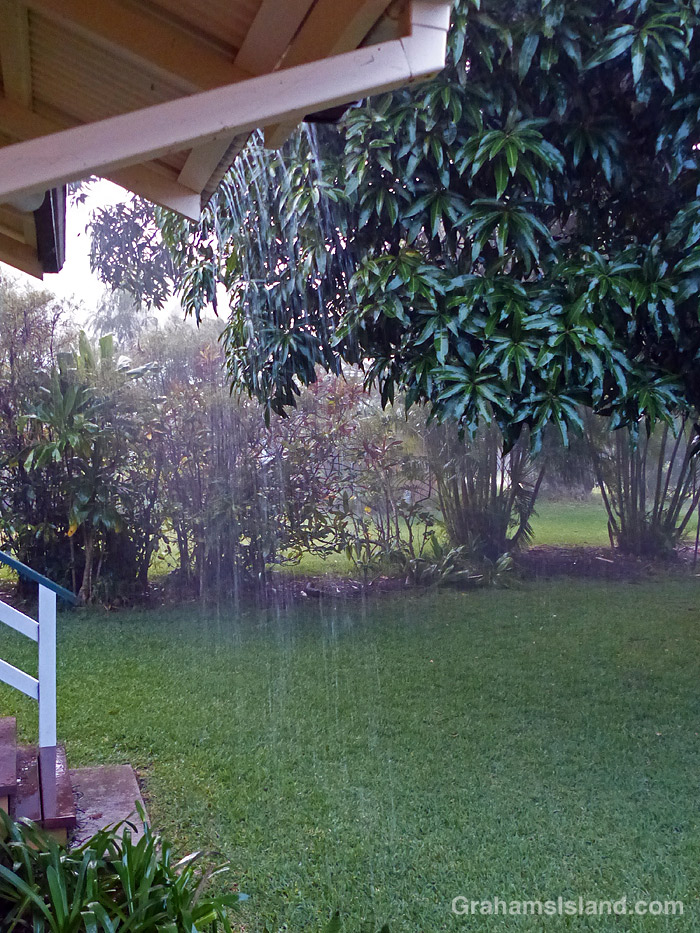
We had some strange weather here a week or so ago when a very wet system hung around the island for several day. One of the results was that we would get some sudden downpours such as this one.

Fish tend to have their territories, so that when I swim, I often see the same kind of fish in the same place. This stretch of water is a place where pyramid butterflyfish can usually be found.
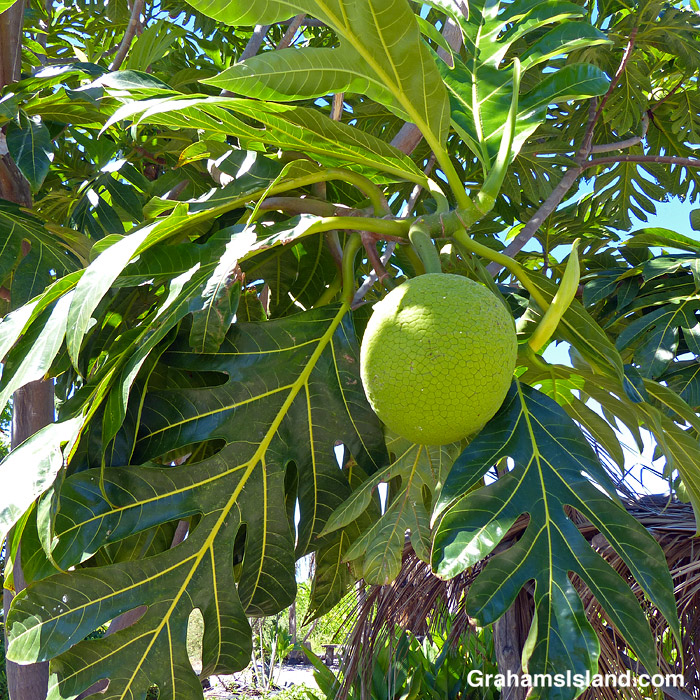
Breadfruit (Artocarpus altilis) is generally considered to be a canoe plant, brought to Hawaii by Polynesian settlers, though it’s not entirely clear when the introduction occurred. However, it is clear that breadfruit, known as ‘ulu in Hawaii, was a major food source in days gone by and that the trees were possibly the most prevalent tree to be found on the islands.
An interesting paper about breadfruit can be found at https://www.ctahr.hawaii.edu › oc › freepubs › pdf › breadfruit.pdf.