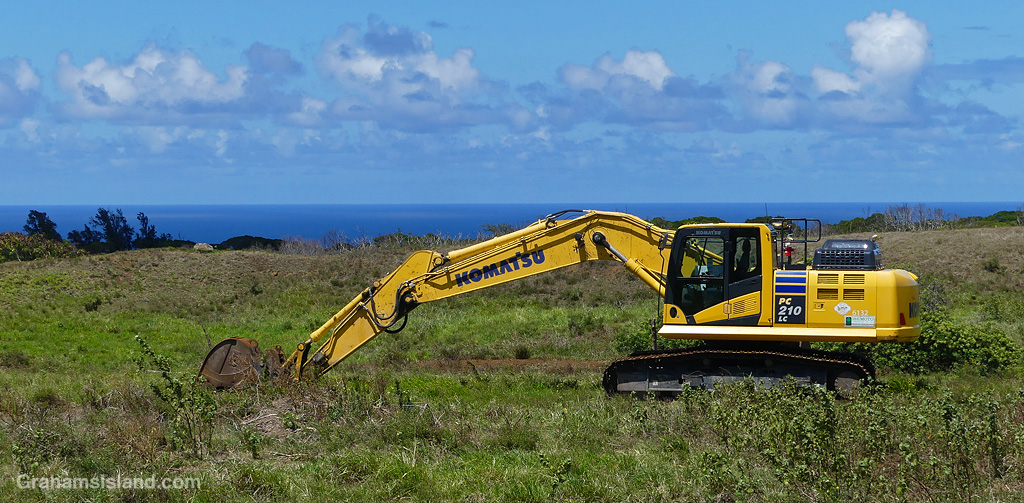
This week’s Sunday Stills Color Challenge is ‘Yellow and/or Gold.’ See more responses here.
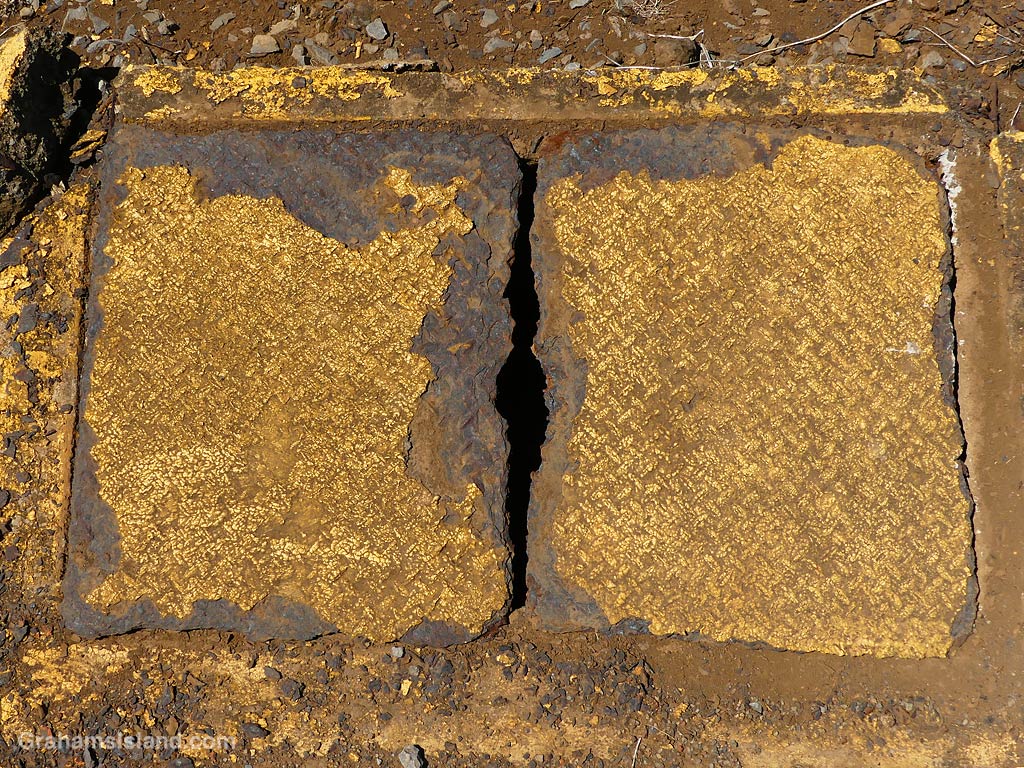



This week’s Sunday Stills Color Challenge is ‘Yellow and/or Gold.’ See more responses here.
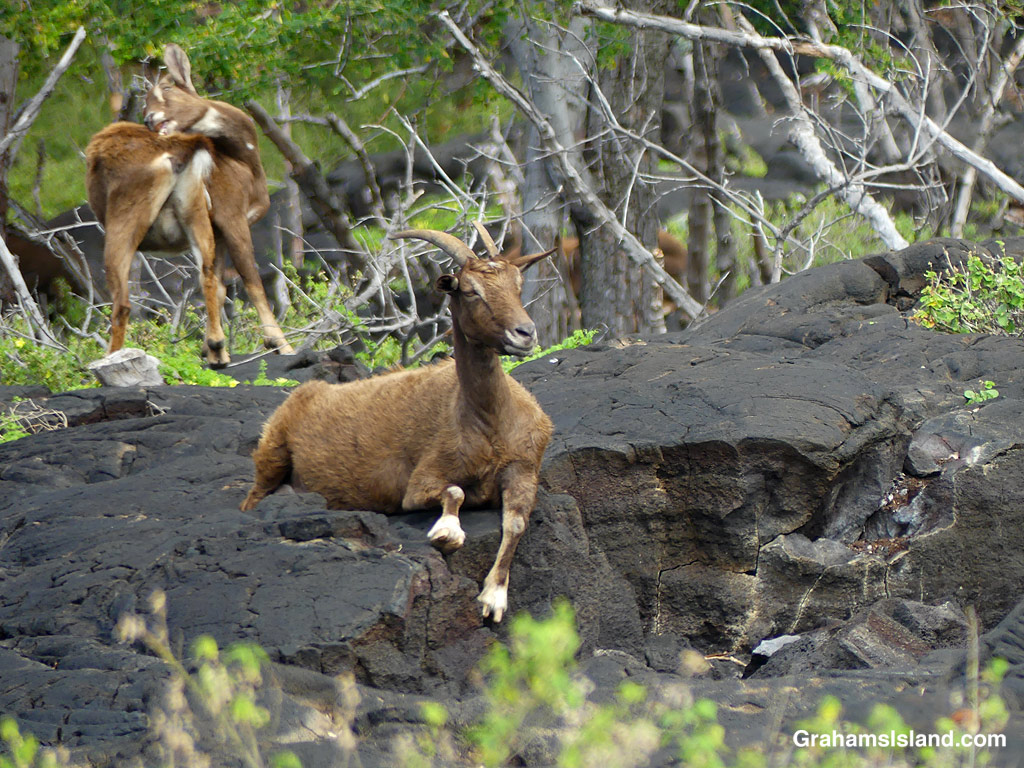
This goat looked particularly pleased with his choice of resting space and was not troubled by the activities of the other goats all around him.
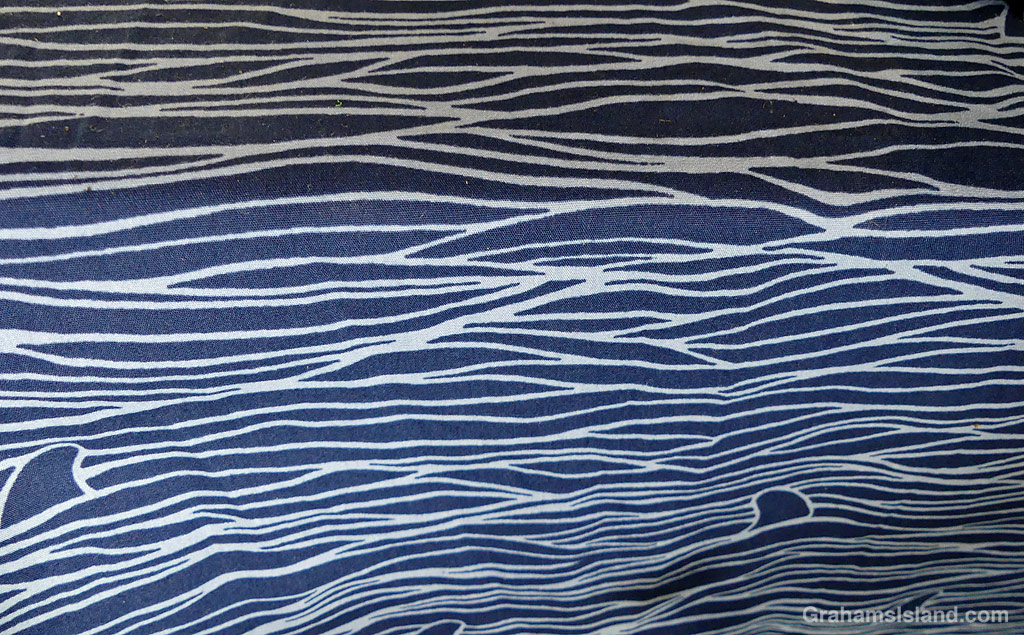
I liked this seascape, even if it’s really a fabric table covering.
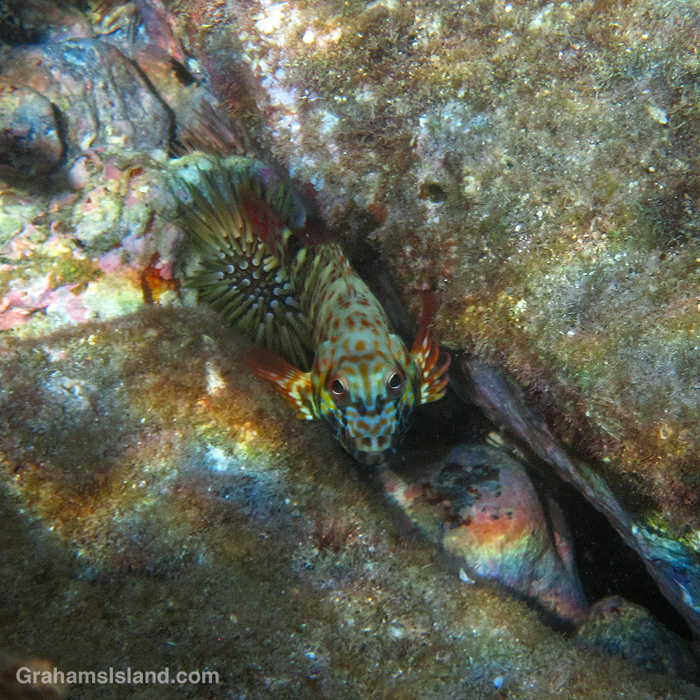
A Stocky Hawkfish waits in a crack with a Rock-Boring Urchin, as shifting light plays across the water.
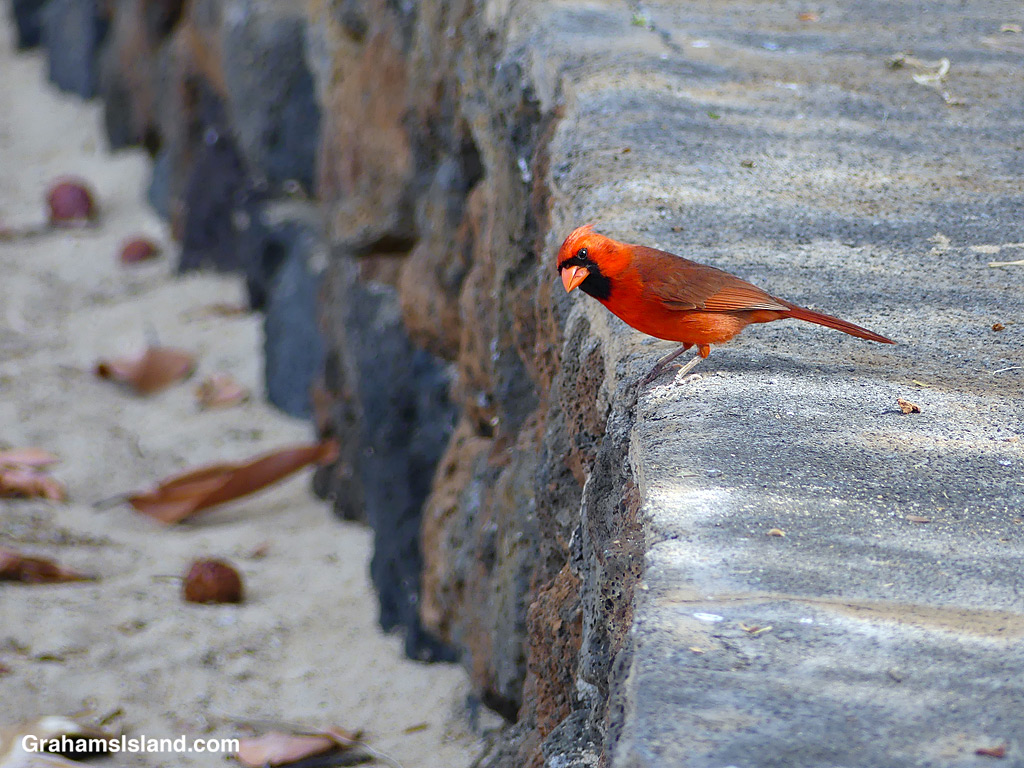
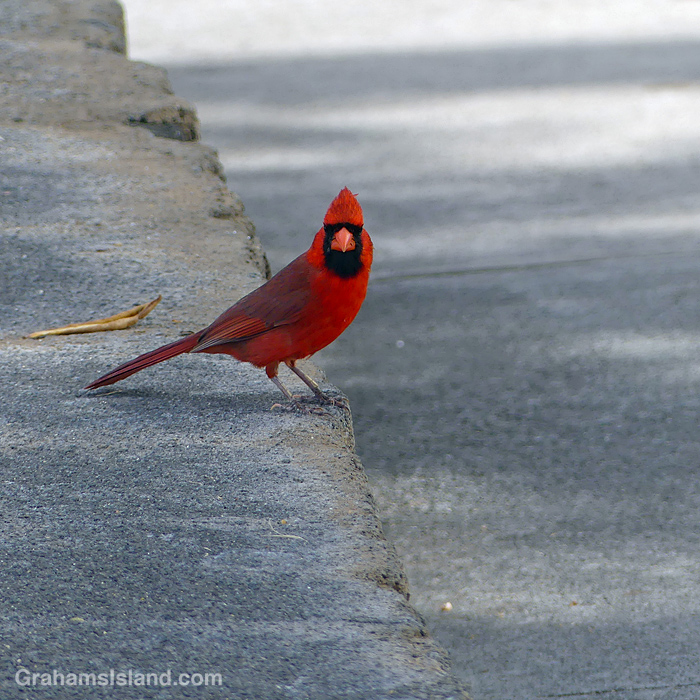
I saw this Northern Cardinal at Spencer Beach Park as it worked its way along a low wall and onto a picnic table. It looked like it had lost something important, but I suppose it was just checking out its territory to make sure no one else was trying to muscle in.
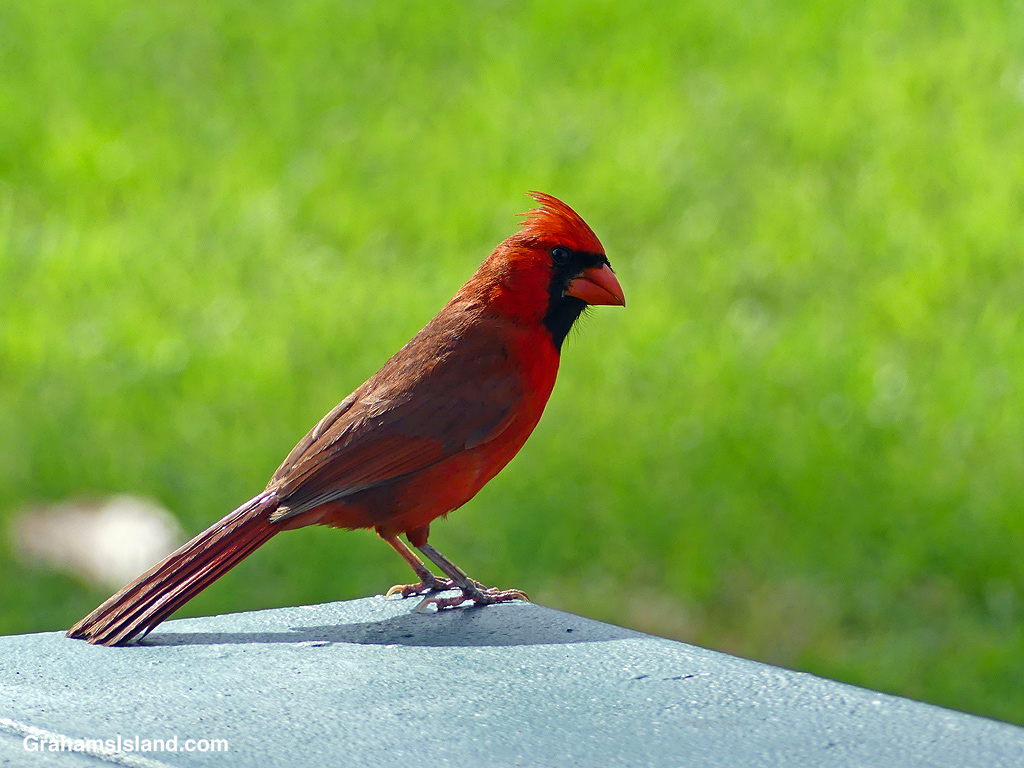

The idea of The Numbers Game is to enter a number into the search bar of your computer and then post a selection of the photos that turn up. This week’s number is 154. Captions are on the photos. You can see more responses here.




Two Nenes establish the pecking order (Original post here).


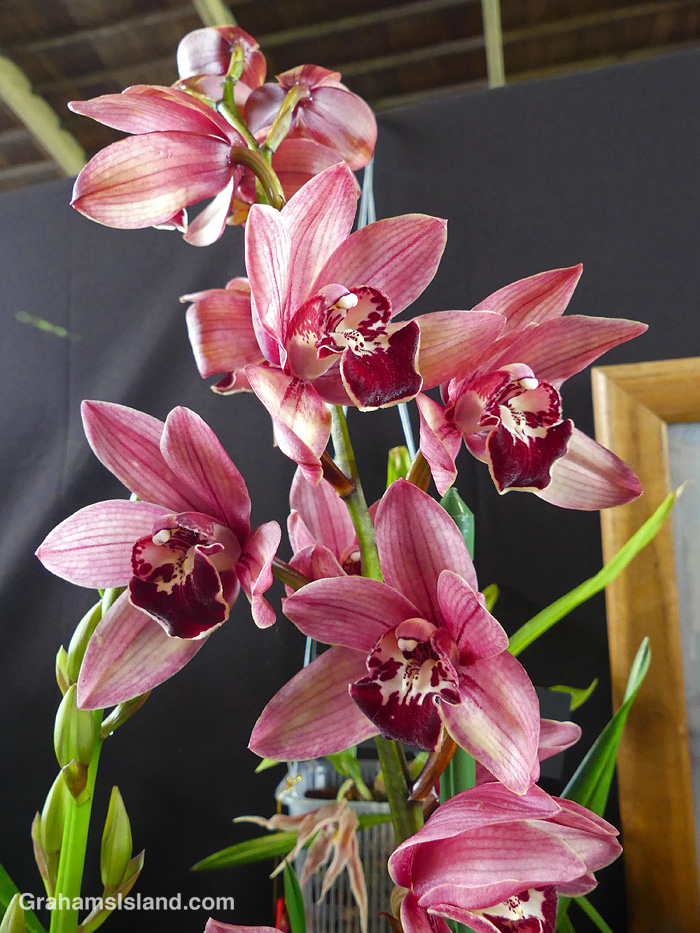
Last week was the annual Hilo Orchid Show. It’s been on my list of things to see for a long time, but I’ve been adept at missing it, either because I forgot to make a note of the date, or because I was working. This year though, purely by chance, I got it on my calendar and headed over to Hilo.


The show was held in Edith Kanaka’ole Stadium, a covered tennis arena that’s open to the air at both ends. I have to say, it was well worth the trip. Only $6 to get in and lots of orchid growers with stalls there too, so there was a golden opportunity to part ways with several hundred dollars more, which I resisted. But best of all was the stunning array of orchids on display. It wasn’t hard to see how people can become obsessed with these beautiful and exotic plants.

For more information about the show and the Hilo Orchid Society, which organizes it, go to https://www.hiloorchidsociety.org/.


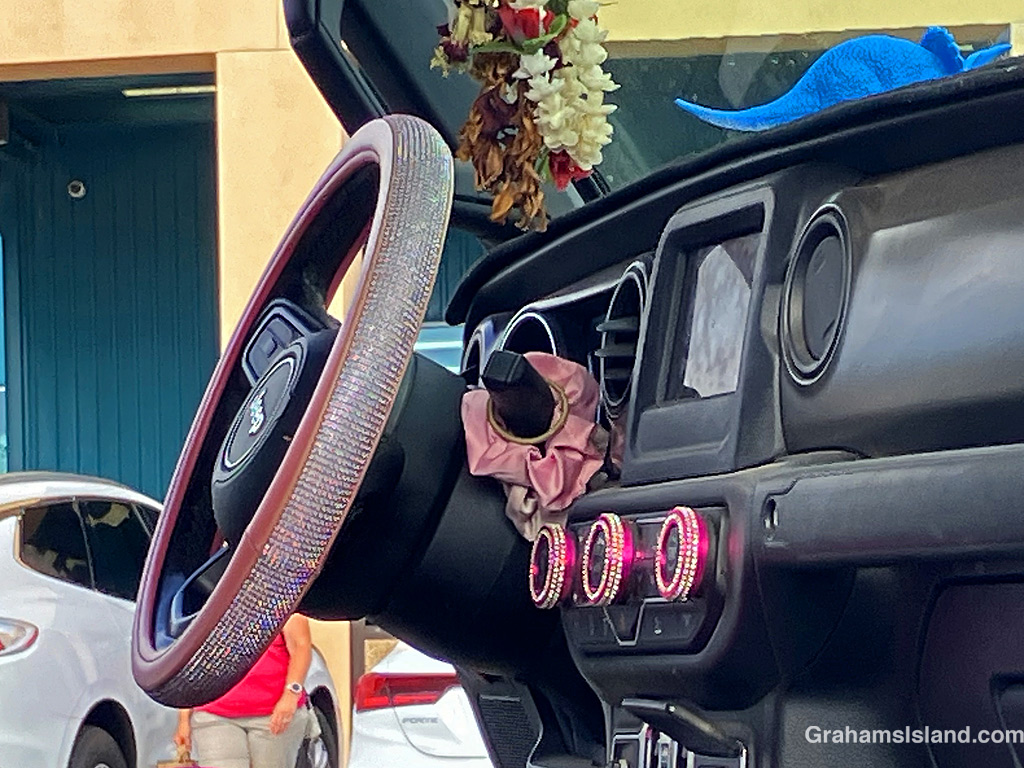
I couldn’t help but be drawn to the interior of a Jeep that parked next to me in Kona. It was accessorized in sparkly pink and, with the doors off, easy to photograph.

