This week’s Friendly Friday challenge theme is ‘Tourism.’ (See more responses here.)
Tourism is Hawaii’s largest industry drawing between 850,000 to 1,180,000 visitors a month. The Big Island is the state’s largest geographically, bigger than all the other islands combined, but it ranks third, behind Oahu and Maui in the number of visitors. It logs 100,000-175,000 arrivals each month. Consider though that the island’s population is currently somewhere between 180,000 and 190,000. So at any given time tourists probably comprise a third to nearly a half of the people on the island.
So how do people here feel about tourism? Well, as you might expect, opinions vary. Those impacted negatively by tourism – crowded streets, no parking, noise, inconsiderate partiers – might favor curbs on the industry. Those who do well from it – restaurants, tour companies, hotels, car rentals – would like to see more done to boost the number of visitors.
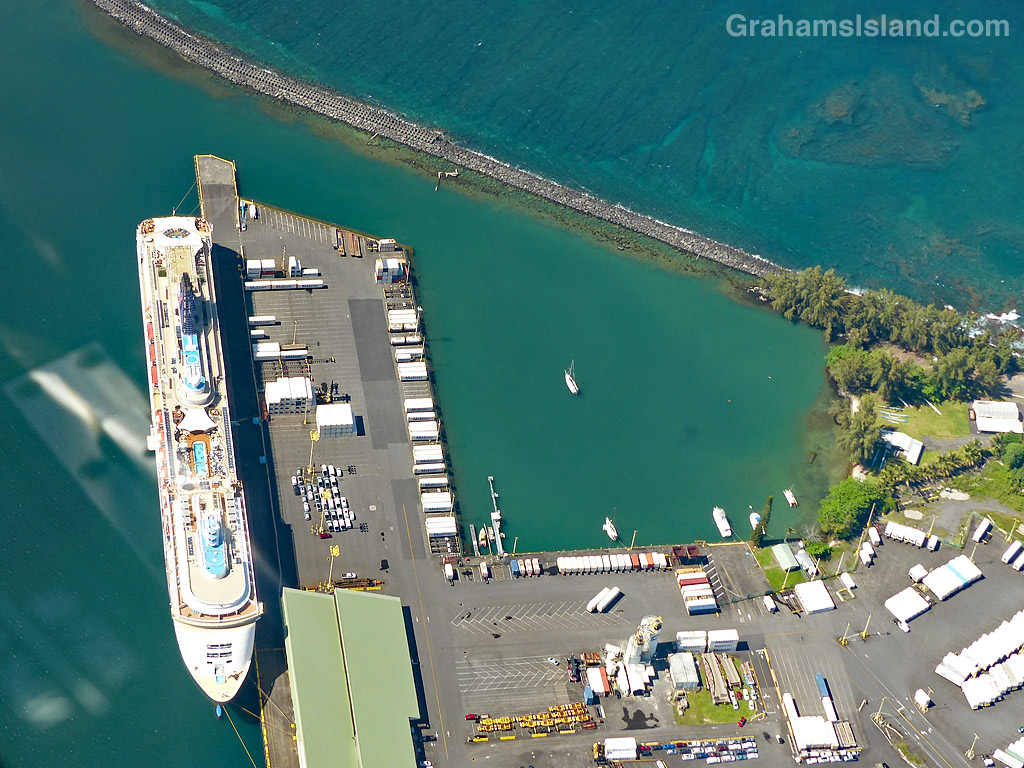
I chose this photo for two reasons. The first is the subject of the photo, a cruise ship docked at Hilo. This ship visits Hilo every Tuesday, then continues on to Kailua Kona on Wednesday. It brings an influx of tourists on those two days, who fan out across the island, taking tours to various sights island-wide. It also considerably boosts the population of those two towns on those two days, such that I generally choose not to go there if I remember the cruise ship is in.
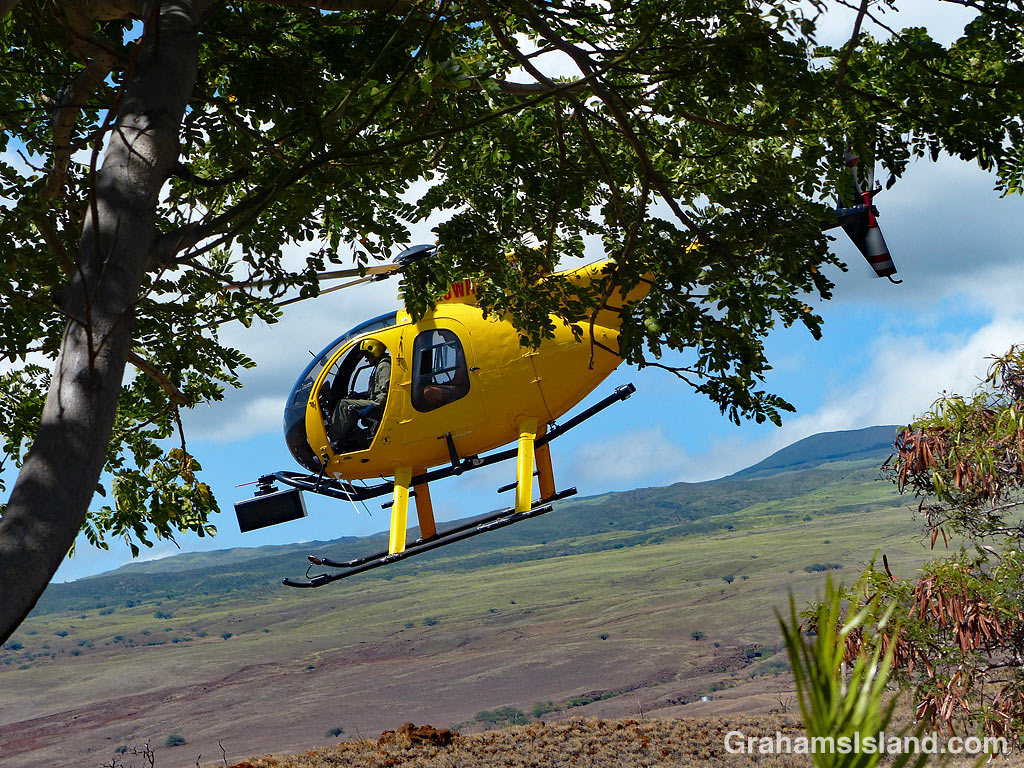
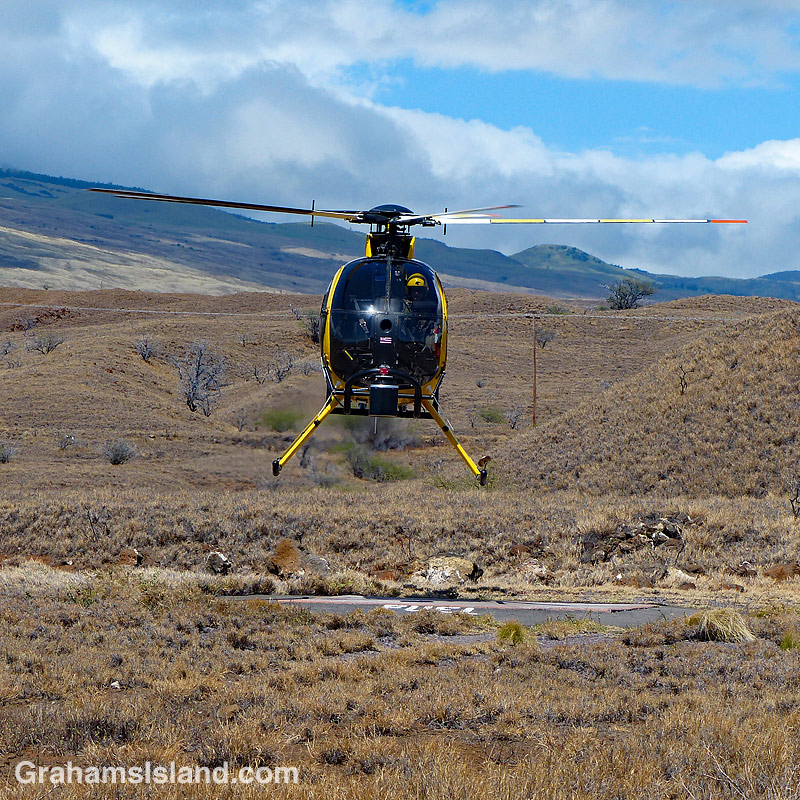
The second reason is that I work for a helicopter tour company on the island. (There are several here.) We take passengers over about half the island, primarily visiting Kilauea Volcano and the valleys and waterfalls of Kohala Mountains. It’s not cheap, it’s not a carbon-friendly activity and helicopters are loud. There are rules in place regarding the elevation of the flights and places that can be visited or should be avoided. Despite this there are people, particularly those close to or under the flight path, who would prefer there were no tour flights at all.
But I will say that a healthy proportion of those who take the tours return saying it’s the best thing they’ve done on the island, and often that it’s the best tour they’ve ever taken. It is a great way to see the island, and to see some amazing places that otherwise cannot be seen.
So do I think the sky above the Big Island should be thick with helicopters, or that cruise ships should be lining up to dock, or that the relatively small airports here should challenge O’Hare for landings and takeoffs? No. As with most things, finding a balance is the key. If you overload with tourists, the quality of their experience suffers along with the experience of people who live on the island. But put excessive barriers in the way and people stop coming, businesses close, people get laid off, the economy shrinks. It’s a fine balancing act, one that rarely pleases everyone. But at least here, if a person is feeling a bit out of sorts about these kinds of thing, it’s possible to take a cooler to the beach, chill out, and watch the sun slide into the ocean, putting on a show for tourists and locals alike.




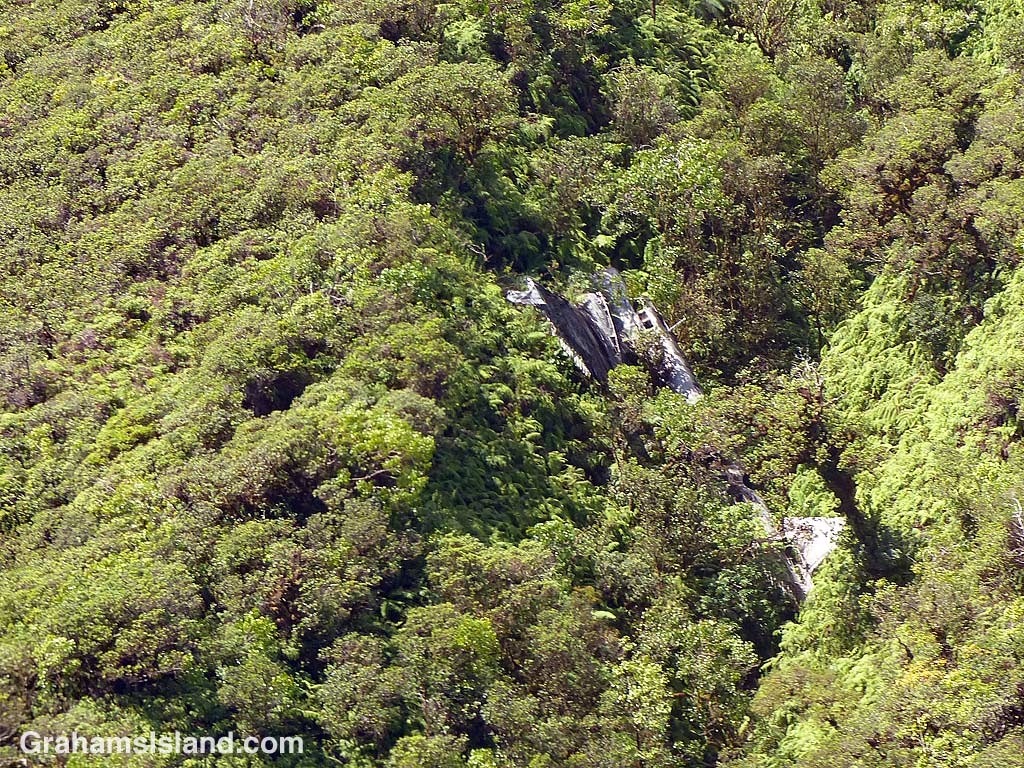
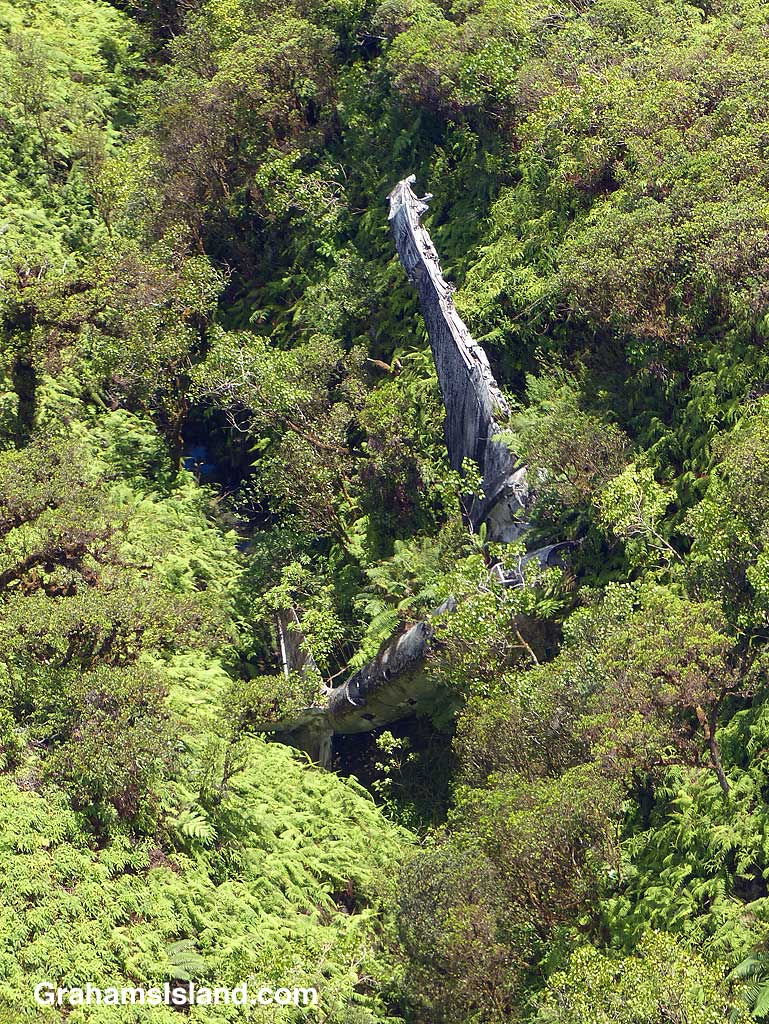 On the evening of Tuesday, February 25, 1941 this twin-engined B-18 bomber was part of a group of four aircraft on a night training mission. They had started out from Hickam Field on Oahu. Not far from Hilo the plane lost its port engine when a bearing failed. The pilot decided to try and reach Suiter Field (now known as Upolu Airport) at the island’s northern tip. It was not to be. Flying on only one engine, the plane lost altitude. The crew thought they were over the sea, but suddenly a mountain appeared in front of them. The pilot yanked on the flight yoke wheel and the plane stalled and flopped into the trees around 10 p.m.. Incredibly only one crewman was slightly injured.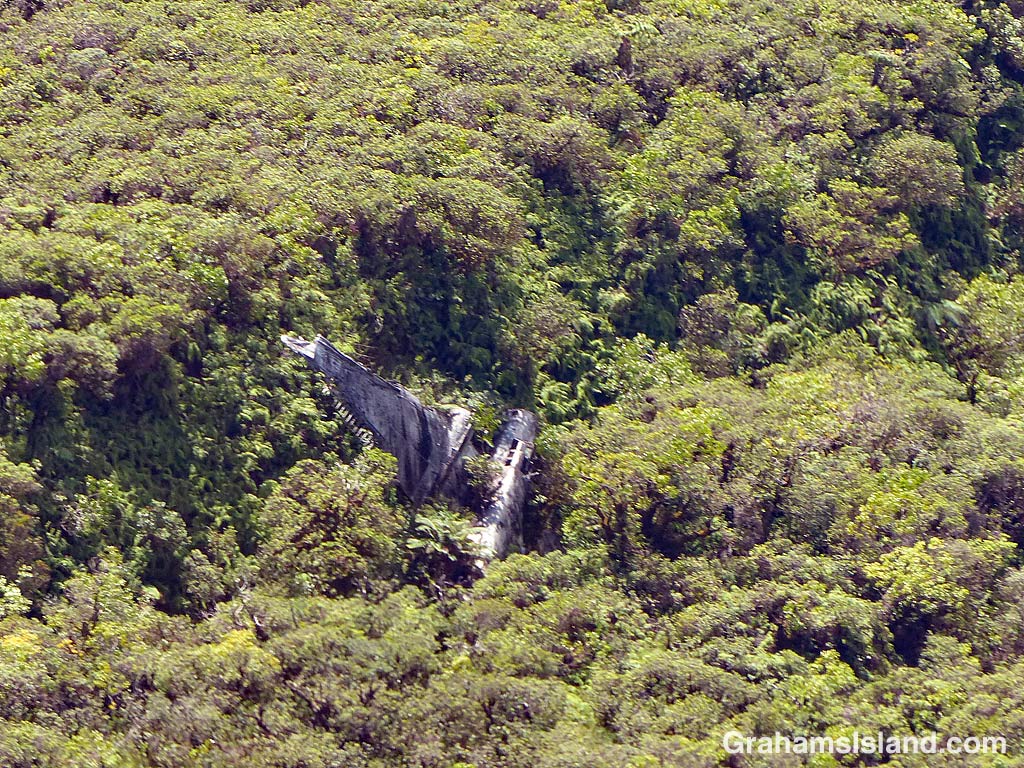
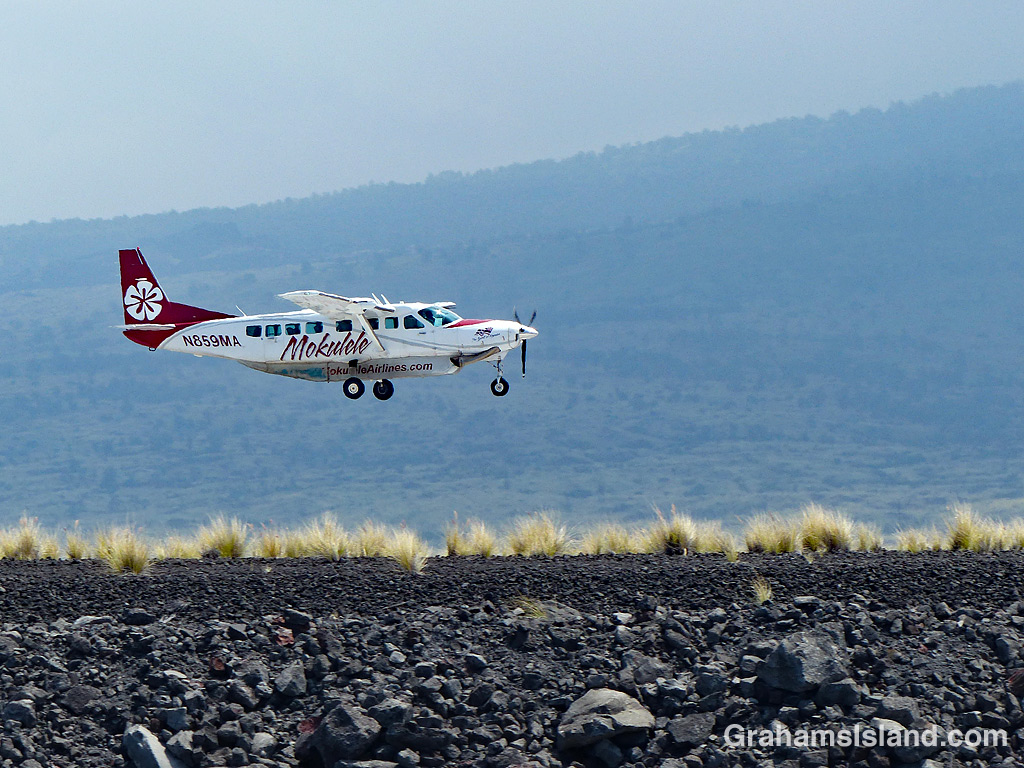
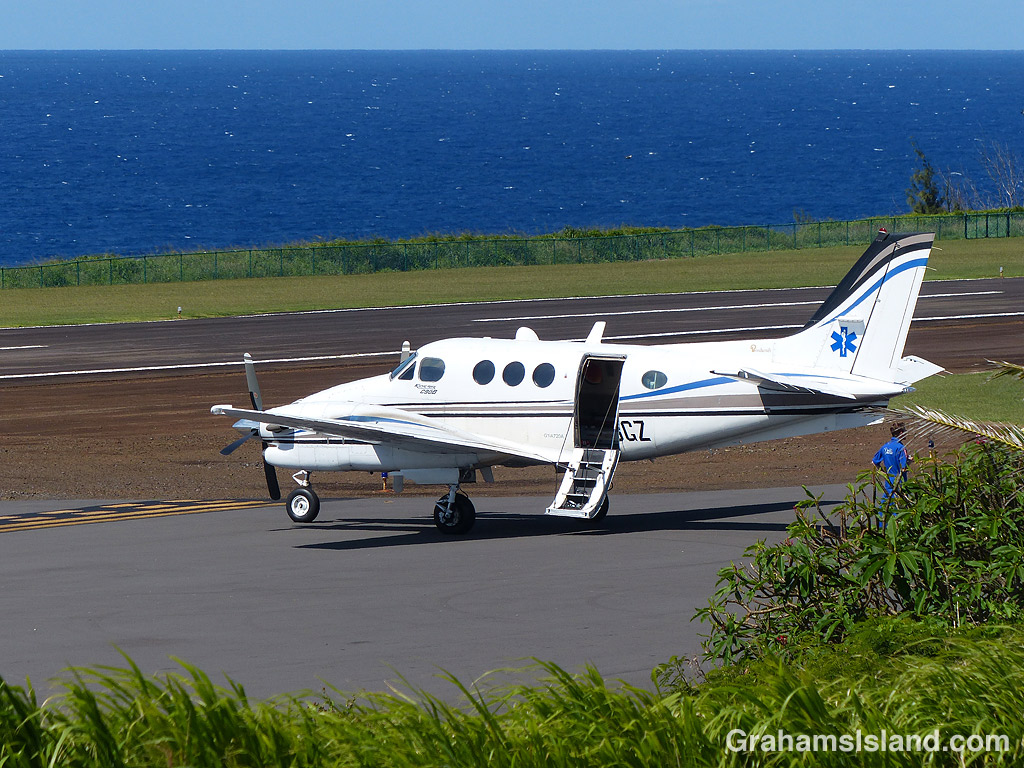
 In Hawaii, it’s not unusual for people to commute between islands. Many medical professionals are based in Honolulu, but have offices on the Big Island which they visit on a weekly basis. The same can be said for other professionals: lawyers, scientists, engineers and the like. Politicians and government officials go back and forth on a regular basis.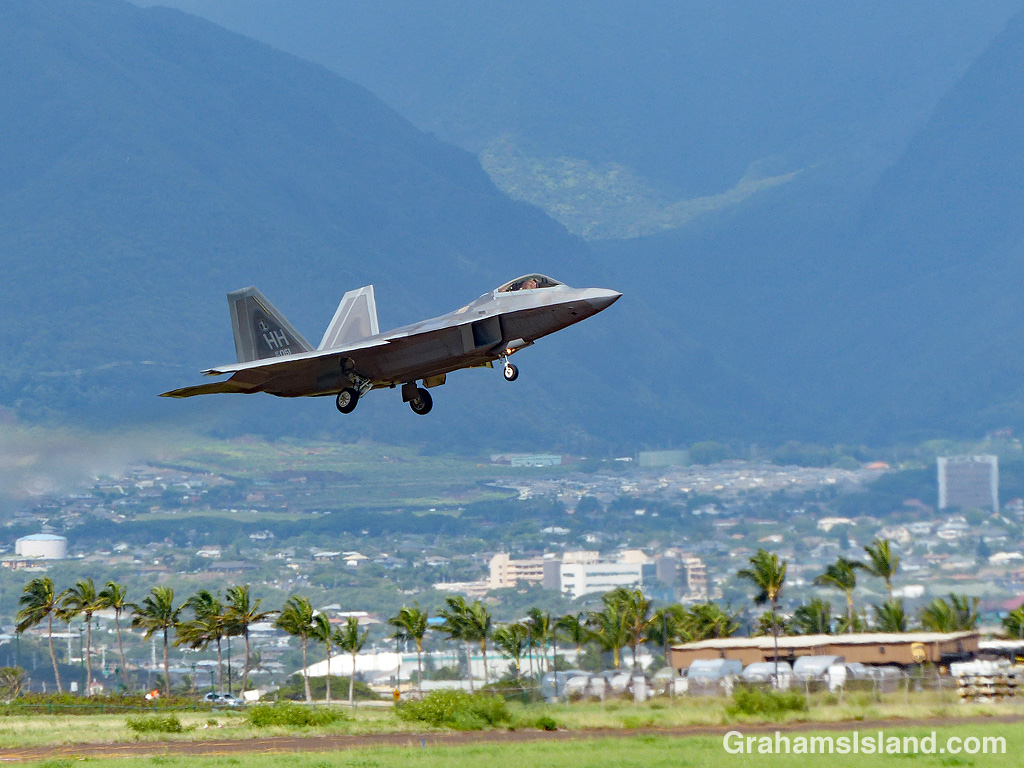
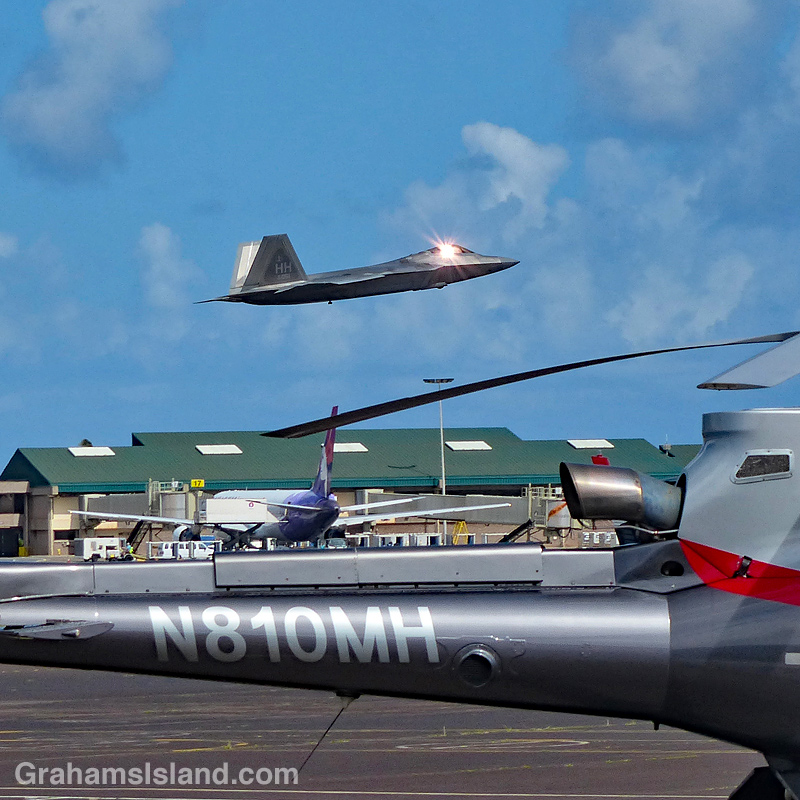 Recently, I took a short jaunt to Maui. By short, I mean I left in the morning and returned at lunchtime and the only place I visited was Kahului Airport. However, while I was there I did get to see this F-22 Raptor make three low-level passes of the airport.
 Graham's Island