
The idea of The Numbers Game is to enter a number into the search bar of your computer and then post a selection of the photos that turn up. This week’s number is 157. Captions are on the photos. You can see more responses here.



The idea of The Numbers Game is to enter a number into the search bar of your computer and then post a selection of the photos that turn up. This week’s number is 157. Captions are on the photos. You can see more responses here.

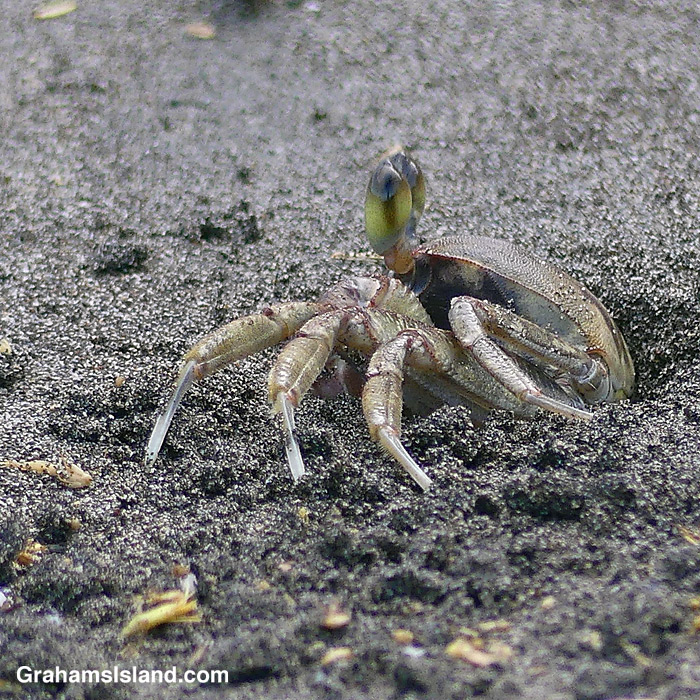
I’m not entirely confident that this is a Horn-eyed Ghost Crab, but that’s what my usual ID source says. On the plus side, it’s clearly bigger than a Pallid Ghost Crab. But Horn-eyed Ghost Crabs are generally not seen during the day, though this was taken in the early morning. They also have points on their eye stalks, though I’ve seen photos without. Any input on identity would be appreciated.


The idea of The Numbers Game is to enter a number into the search bar of your computer and then post a selection of the photos that turn up. This week’s number is 154. Captions are on the photos. You can see more responses here.




Two Nenes establish the pecking order (Original post here).

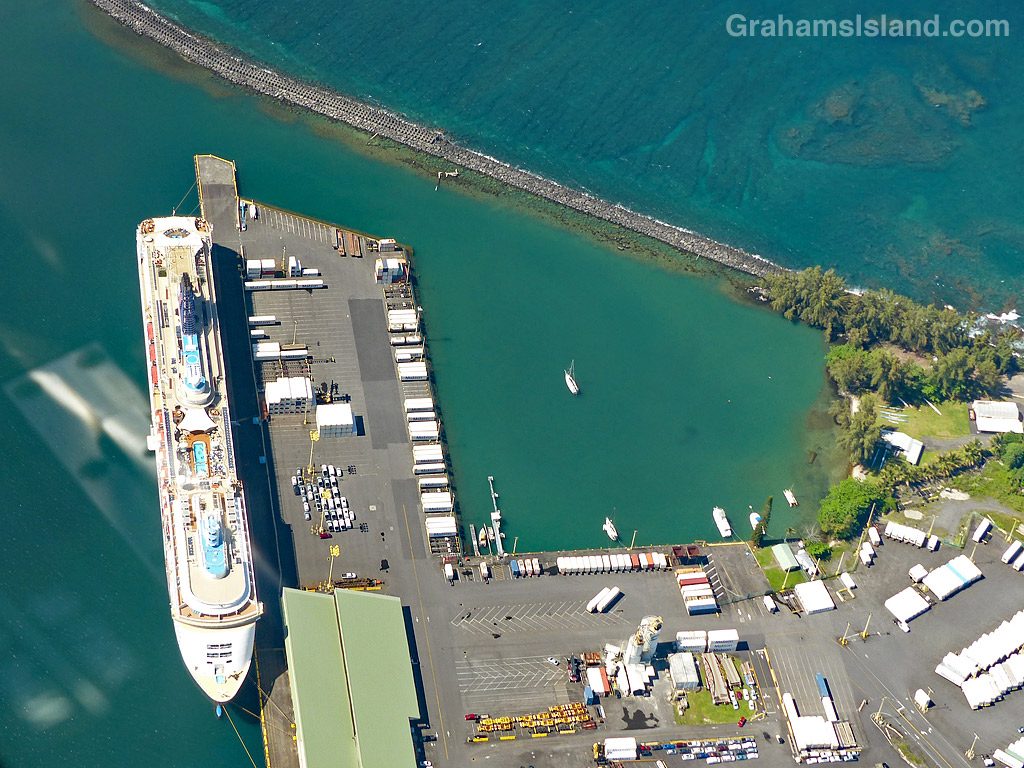
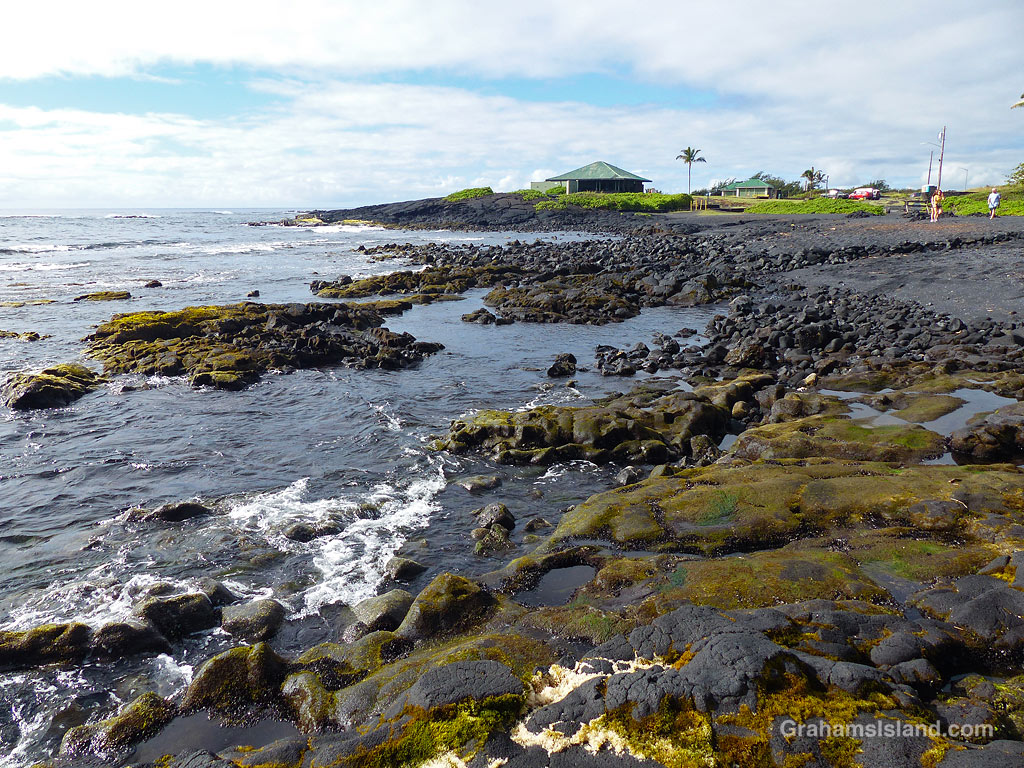
This week’s Sunday Stills challenge theme is ‘State and local parks.’ See more responses here.
Sifting through a ton of park photos, it was the island’s beach parks that came out on top. It’s possible to get in the water at all of these, though some require more caution than others.
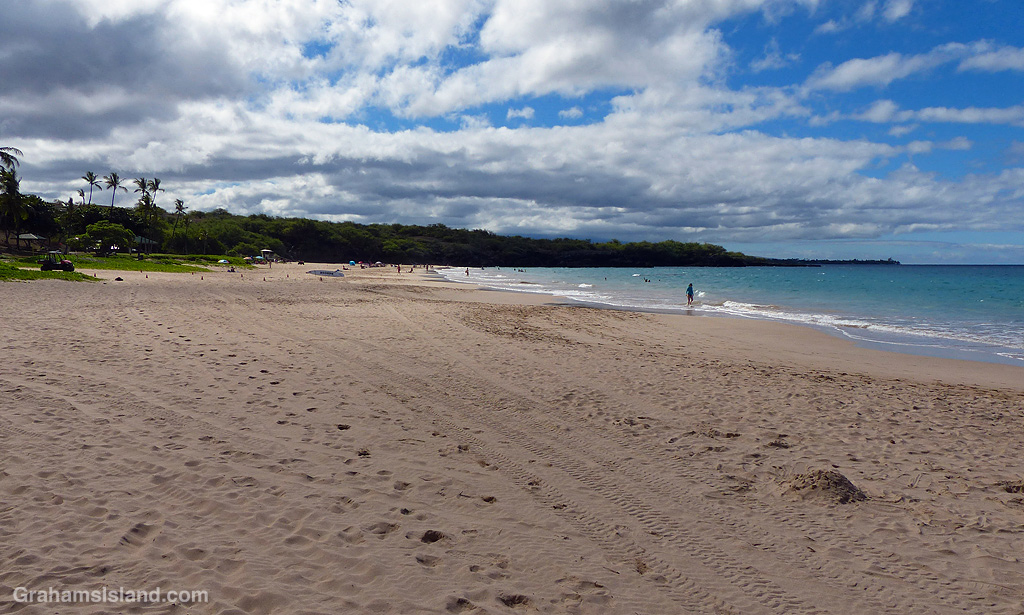
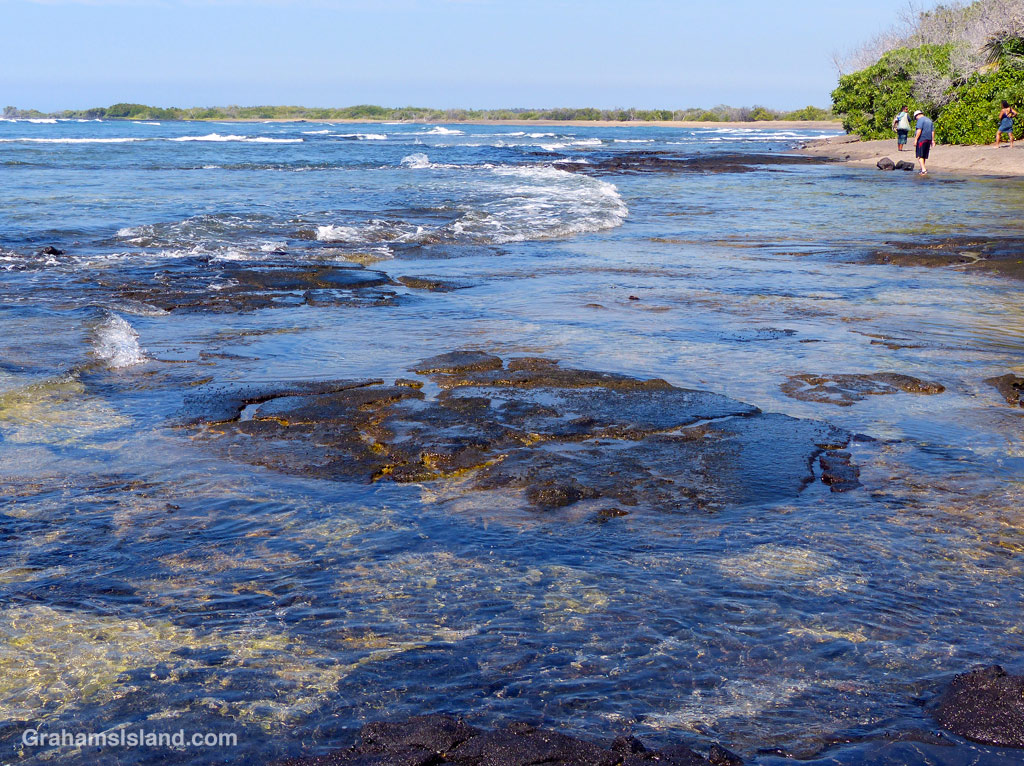
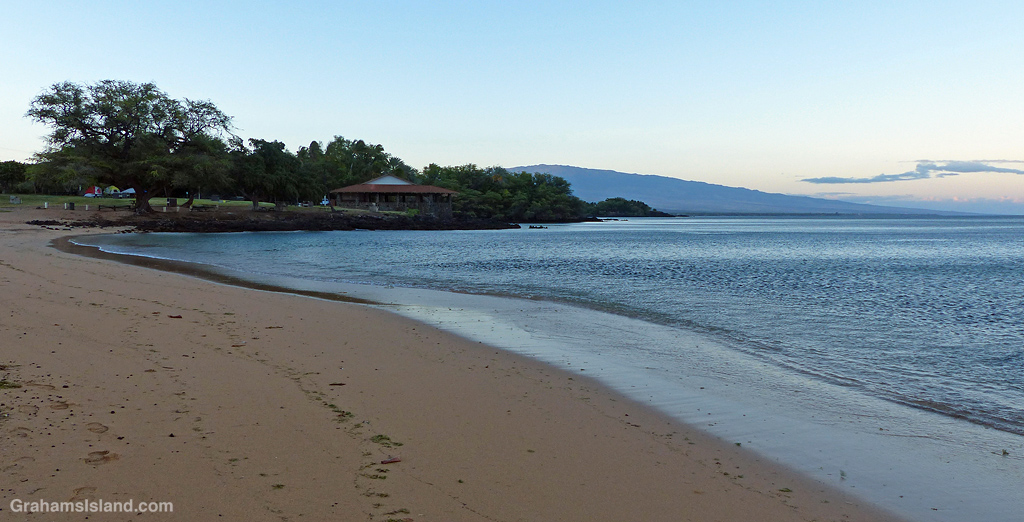
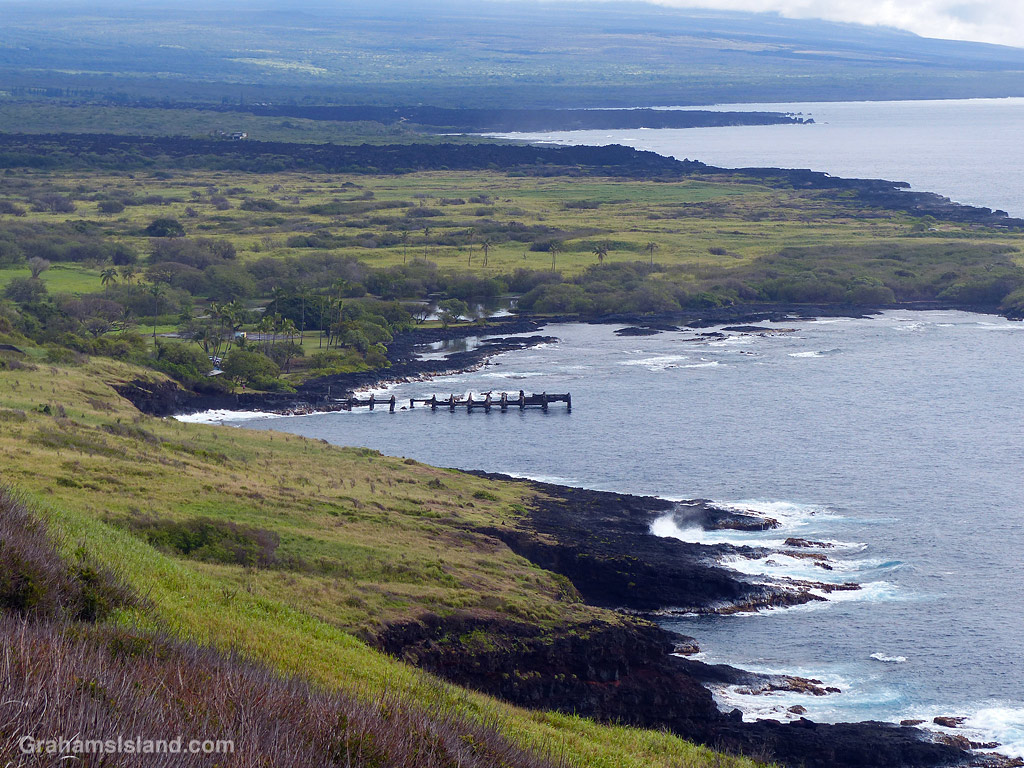
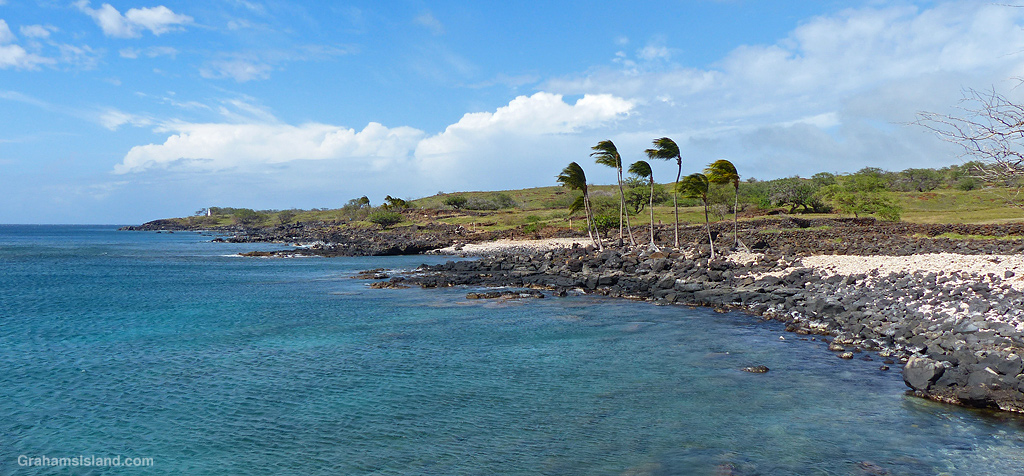
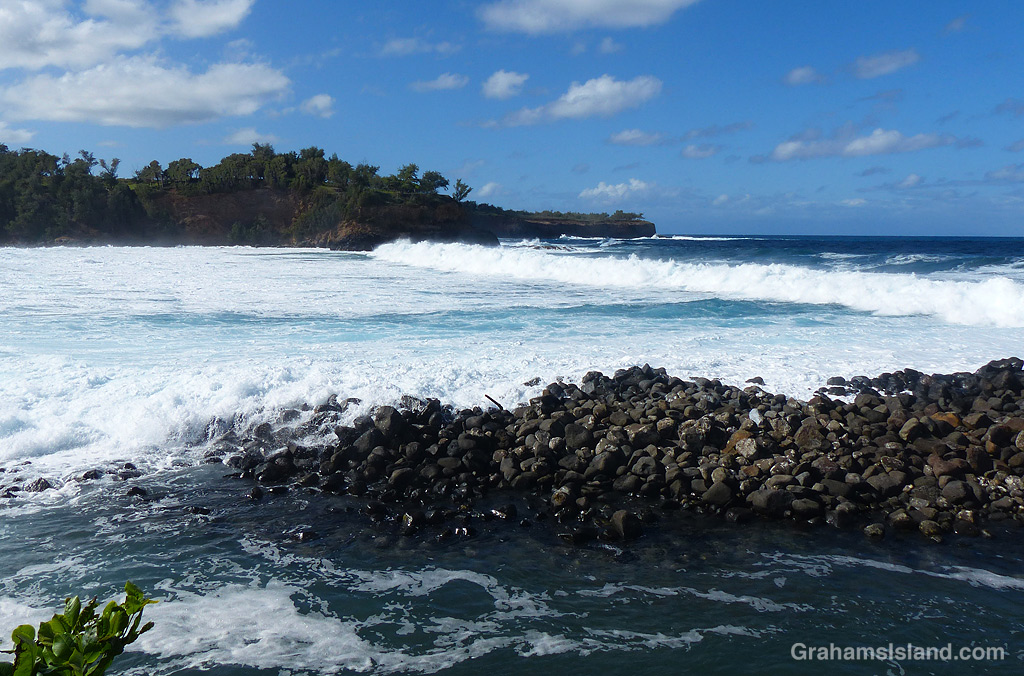

When I have time on my way to work, I like to stop in Kawaihae and go for an early morning walk. A favorite is to drive to Pelekane Beach and walk to Spencer Beach Park. Those days are gone! The flash floods from a few weeks back took care of that.
For starters, the road is still closed. I can see piles of dirt and debris through the locked access gates. But even if I could access the road, half of Pelekane Beach is gone too. The floods whooshed through the lagoon behind the beach and took a huge amount of sand with it. So now there’s no lagoon, half a beach, and a lot of trees in the bay.
It may be that the powers that be will bring in some sand to restore the former beach. That’s what’s happened at nearby Hapuna Beach, which also lost a section of its sand. In the meantime I will have to explore some new options.

This week’s Sunday Stills challenge theme is ‘Sunrises and Sunsets.’ See more responses here.
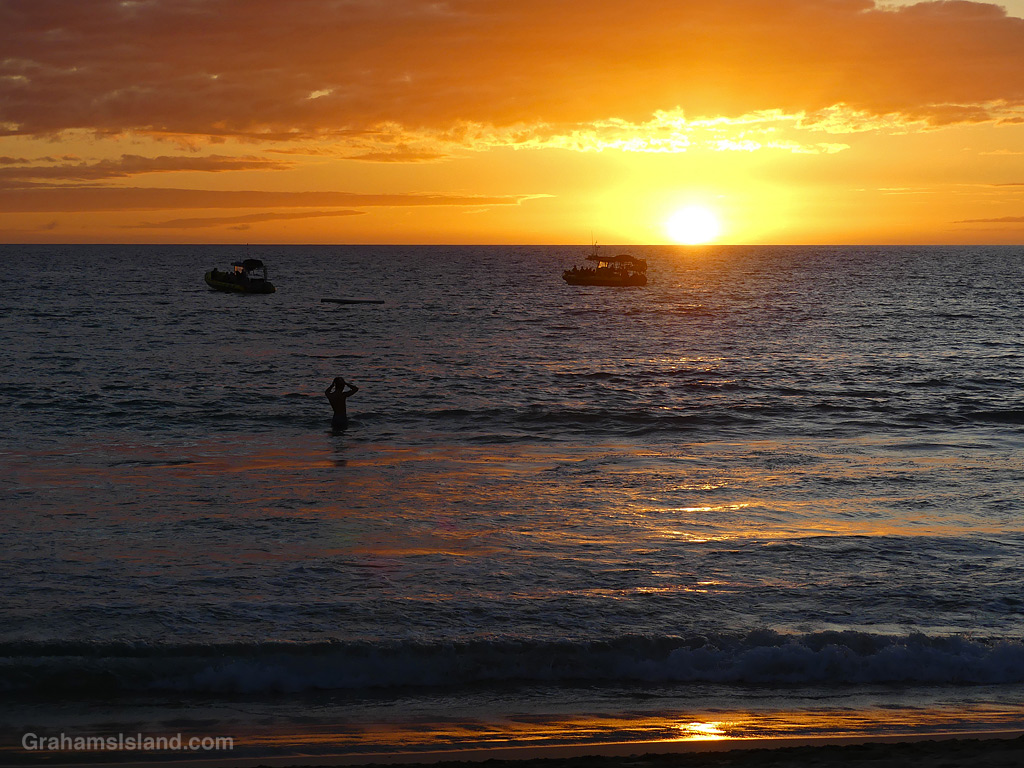
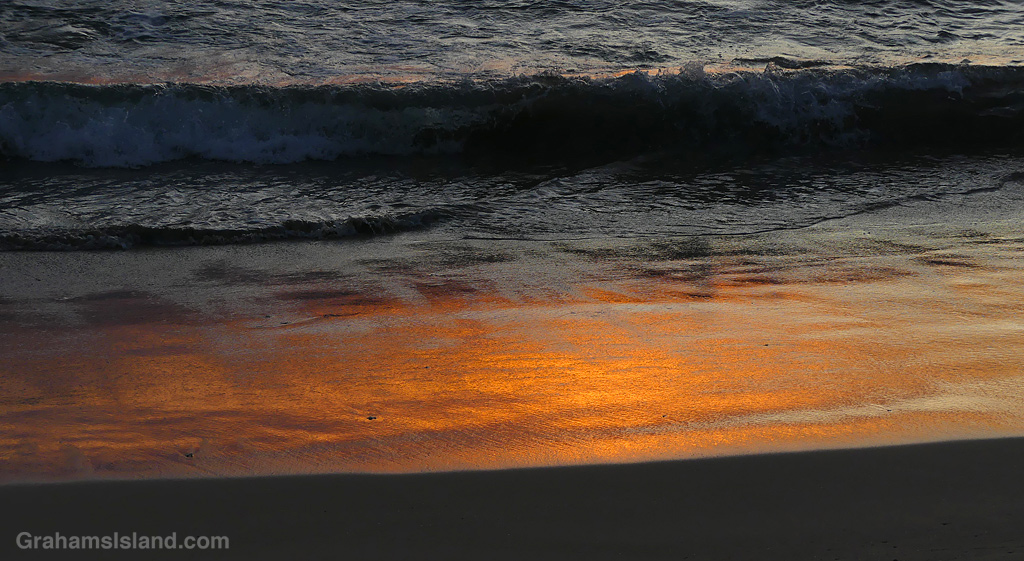
Let’s start with a sunset for a change. While waiting to go snorkeling from the beach at Mauna Kea Resort, the sunset was lovely, in the sky, the water, and on the sand.
Sunrise over Kohala Mountain can be a cloud-shrouded disappointment, but other times it is a wonder to behold.


I liked these crisp tracks in the sand at Pelekane Beach, clearly someone moving forward with authority.
Posted for Becky’s Squares: Move Forward, Reconstruct, Renew, and/or are Burgeoning. See more responses here.

I was walking the beach at Pelekane Bay one morning, when I realized there was a lot of movement on the sand. A bit of quiet observation revealed crabs everywhere. They skittered back and forth, but if I moved, they zipped back to the edge of their holes or disappeared into them.


I picked a spot where I could observe a good number of them and spent about 40 minutes there, kneeling in the sand, moving minimally, while the crabs went about their work. The ones in these photos are Pallid Ghost Crabs.


Posted for Becky’s Squares: Move Forward, Reconstruct, Renew, and/or are Burgeoning. See more responses here.

