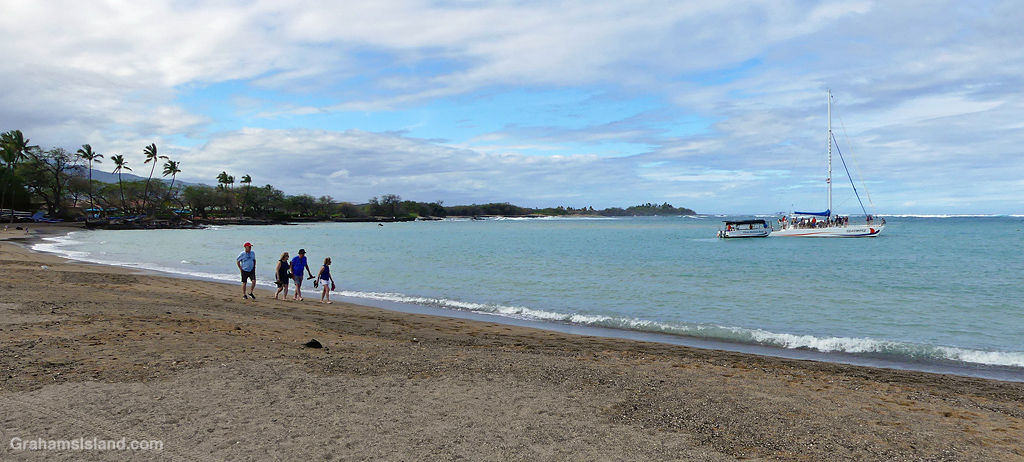
People walk the beach at Anaehoomalu Bay as a tour boat gets ready to disembark passengers onto a smaller boat for ferrying ashore.

People walk the beach at Anaehoomalu Bay as a tour boat gets ready to disembark passengers onto a smaller boat for ferrying ashore.
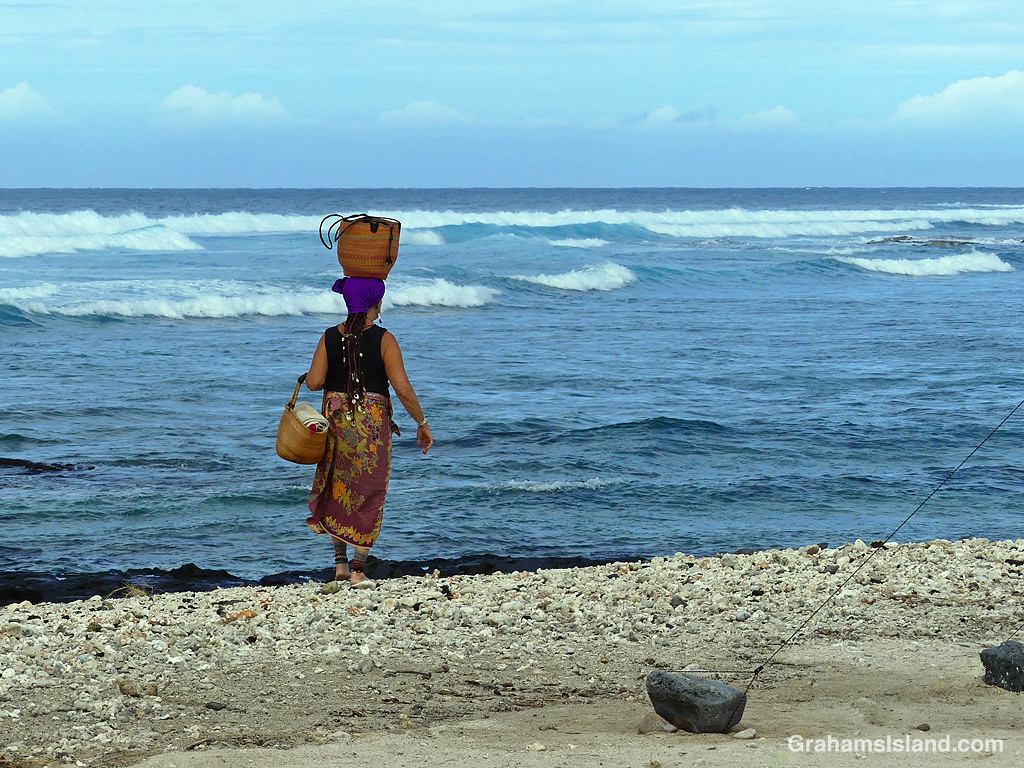
I saw this woman walking the beach at Kohanaiki and was impressed by her poise and balance. Not in a million years could I do that!
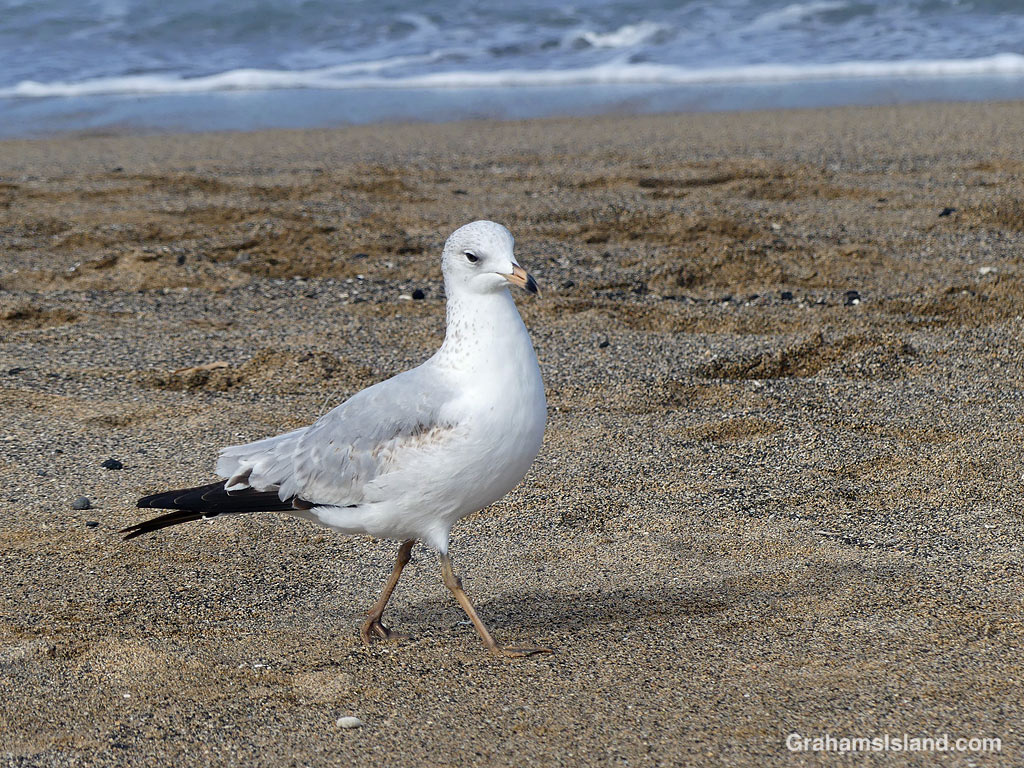
I was walking the beach at ʻAnaehoʻomalu Bay (often known as A Bay, for obvious reasons) when I noticed this bird walking in the same direction as me. I was idly wondering what kind of gull it was, when I suddenly realized, ‘it’s a gull.’
Unlike most places, a gull sighting in Hawaii is a rarity. I know people who’ve never seen one here. Gulls prefer shallow tidal areas and tropical islands don’t have those, so they’re not gull-friendly. But a few get blown in every year and some arrive as stowaways on ships
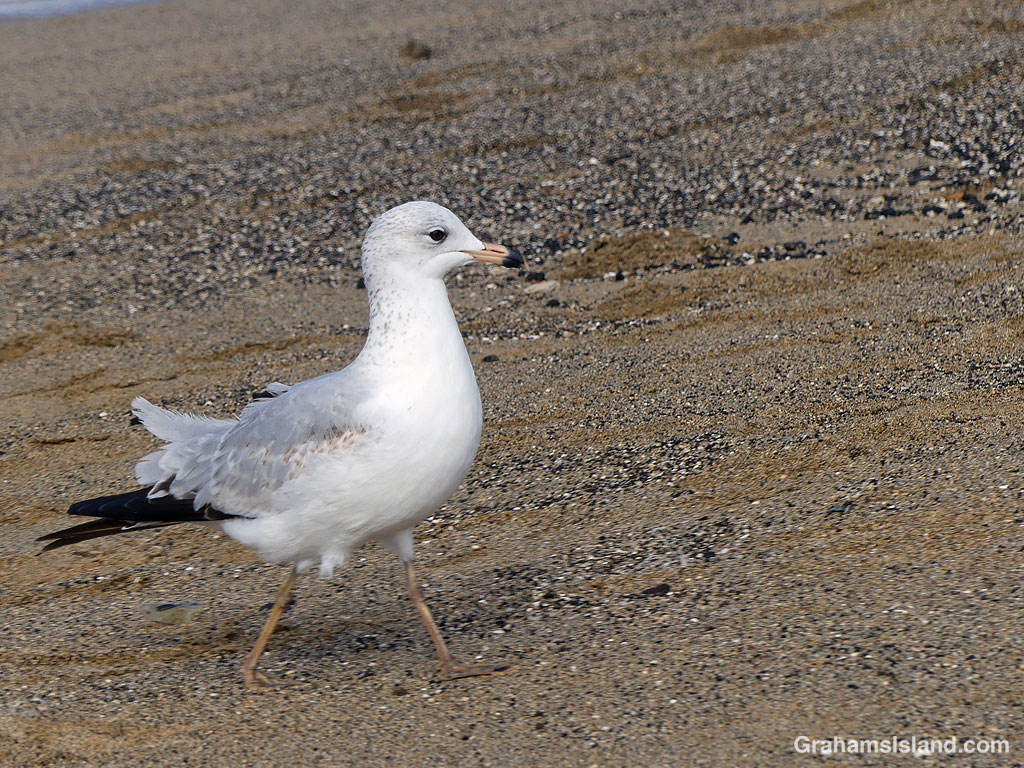
This one is a Ring-billed Gull, and it’s the second I’ve seen in my time here. The first, I saw catching a fish (here). I rather liked how this one was strutting its stuff on the beach.
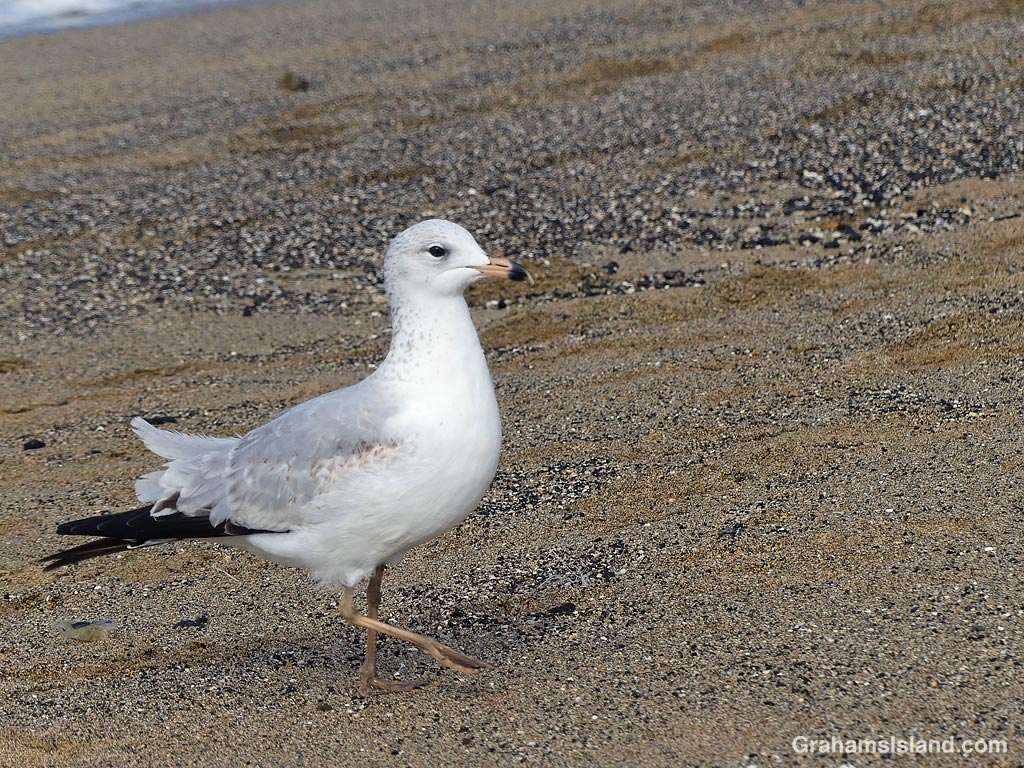
Also posted for Bird of the Week LII. See more responses here.
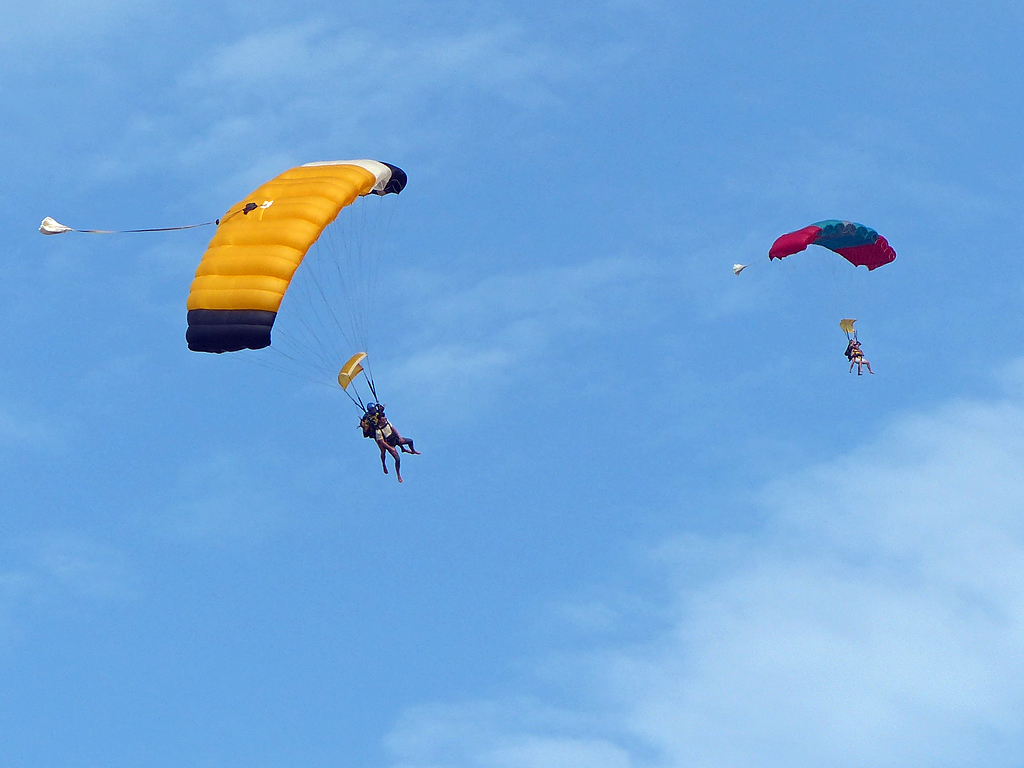
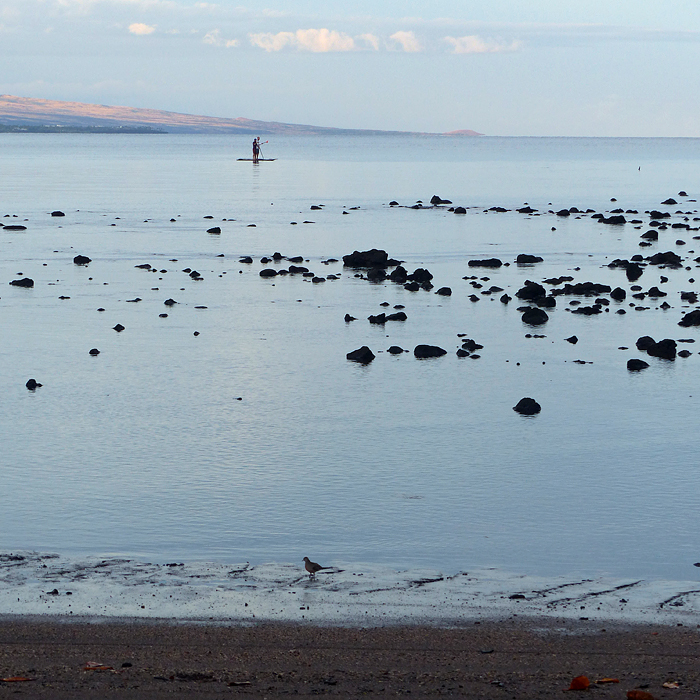
This week’s Sunday Stills challenge theme is ‘Something to Do.’ See more responses here.
There’s plenty to do here on the Big Island, with outdoor activities available year round. Here’s a selection.
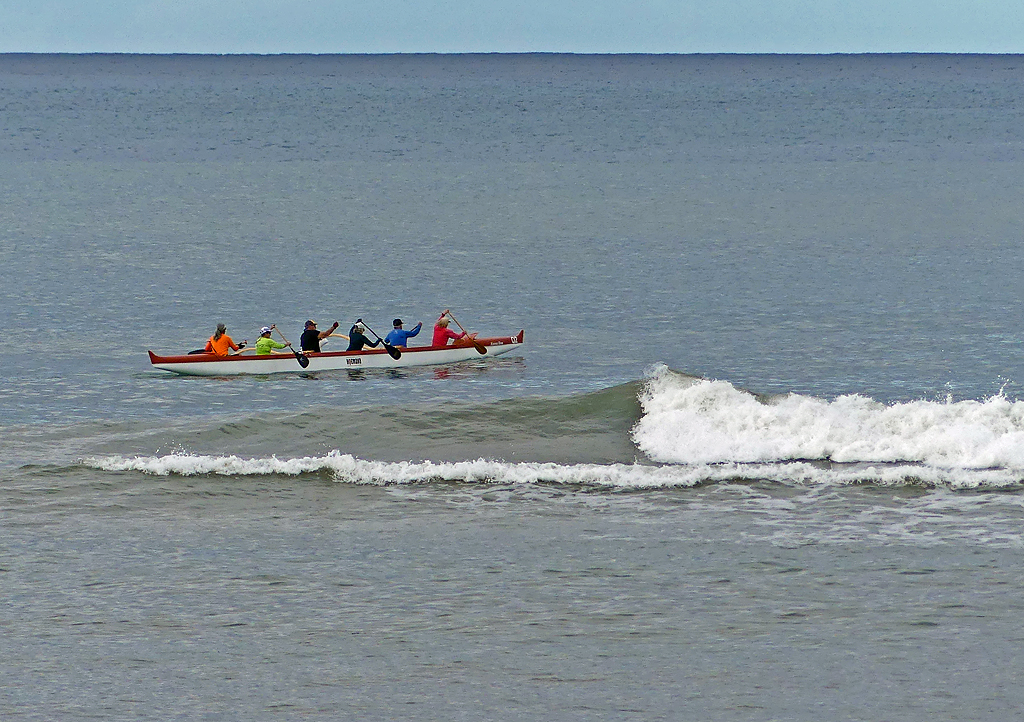
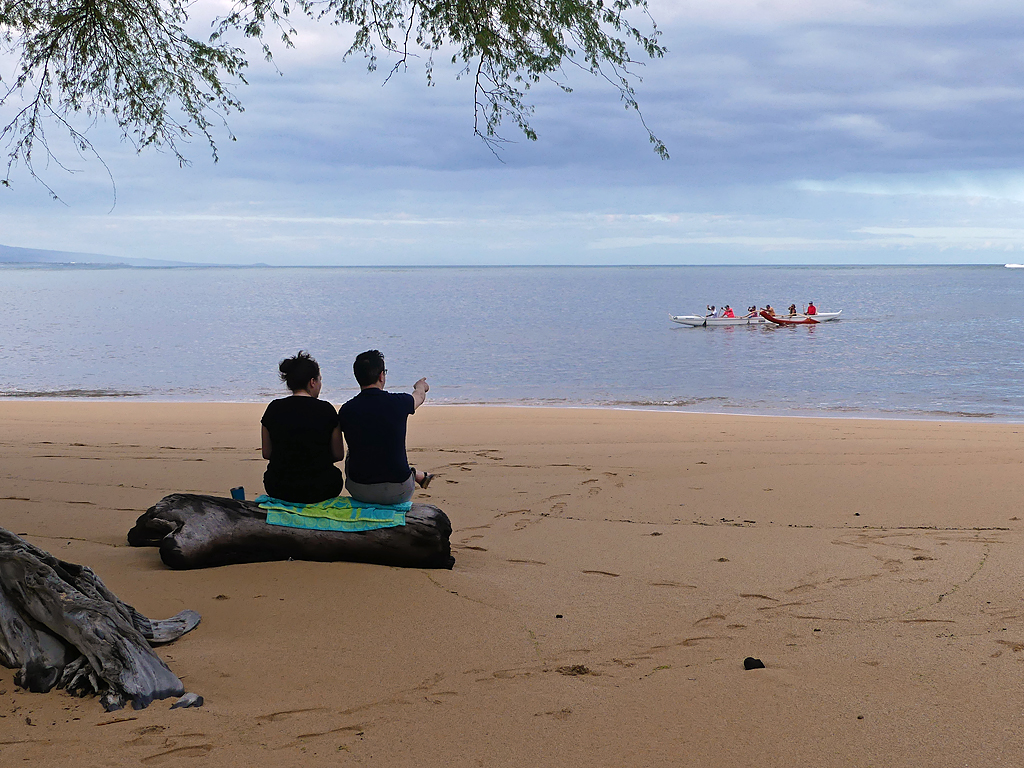
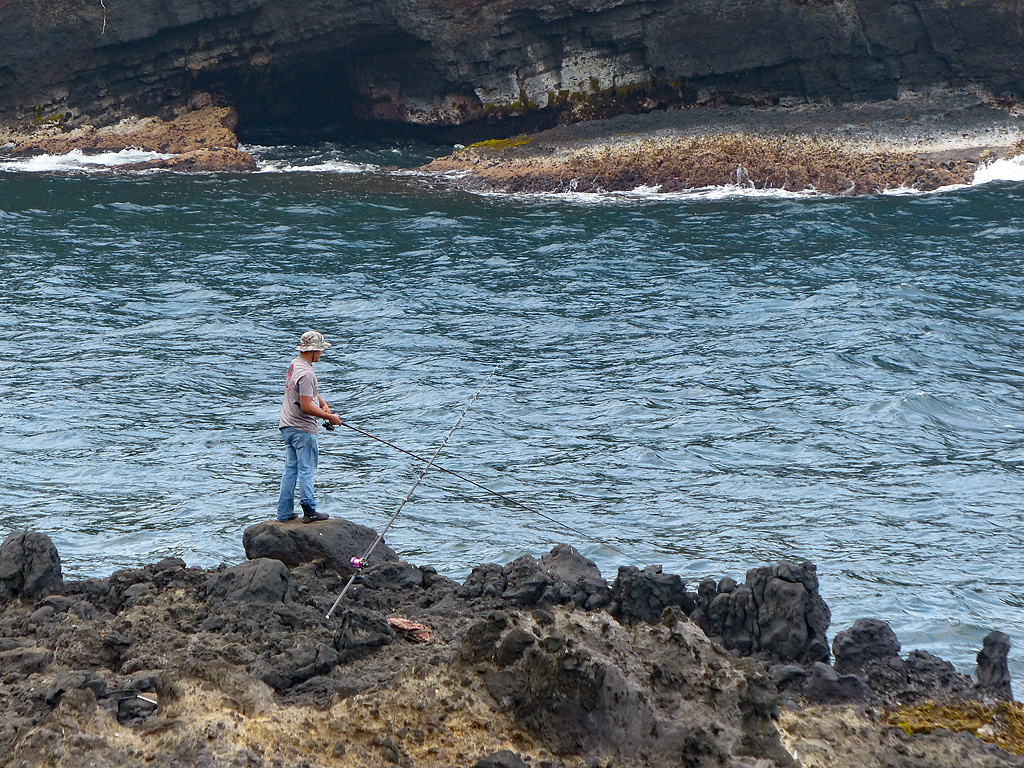
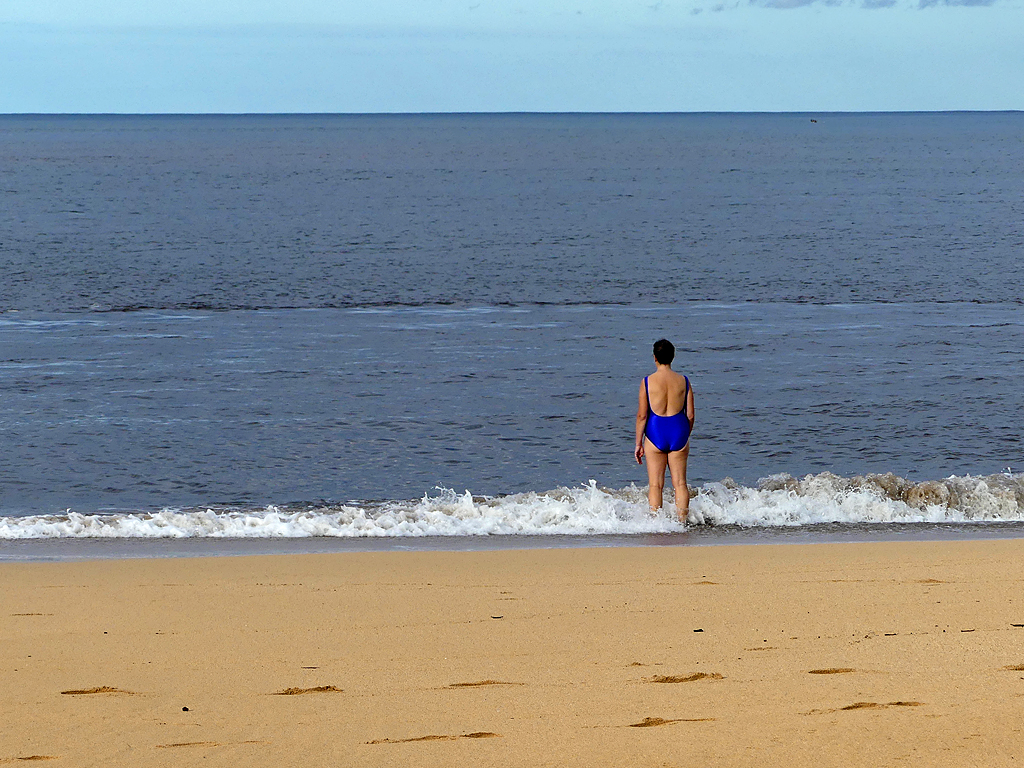
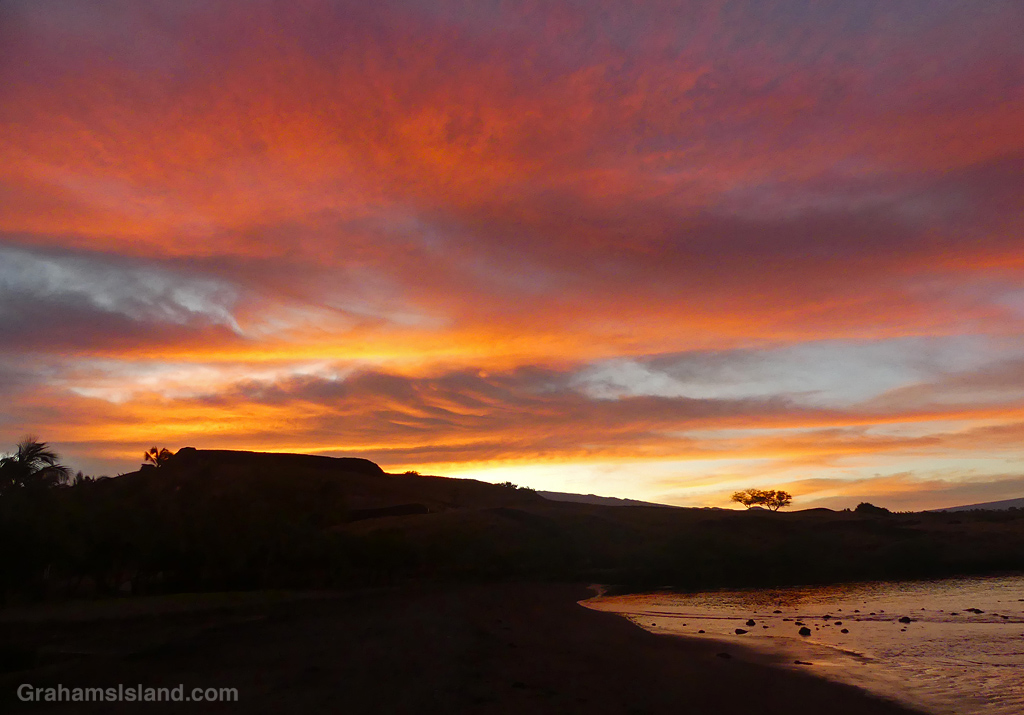
This week’s Sunday Stills challenge theme is ‘Waiting for Peace.’ See more responses here.
This peaceful scene was taken at Pelekane Beach in Kawaihae. It’s a favorite spot of mine for an early morning walk, when it’s very quiet and calm. But it hasn’t always been that way.
In the late 1700s, King Kamehameha I ruled the north and west parts of Hawaii Island, but was engaged in a war with his cousin who ruled in the east. Kamehameha was advised to build a sacrificial temple for Kūkaʻilimoku, the war god. So Kamehameha had Puʻukoholā Heiau built. That’s the structure silhouetted on the hill to the left of the photo.
Kamehameha invited his cousin to the site, ostensibly to talk peace, but when his cousin arrived, he and his entourage were duly captured and became the first sacrifices to dedicate the temple. So not so peaceful after all. But this action ultimately led to Kamehameha being able to bring all the islands under his rule, ending many years of fighting and bringing stability and peace to Hawaii.
That situation largely lasted until the late 1800s when the Hawaiian Kingdom was overthrown in a coup d’état by a group seeking annexation to the United States. This duly happened, though the aftershocks of this event continue to disturb the peace in the islands to this day.

Spencer Beach Park is a place I visit fairly often. Recently, I had the opportunity to fly to Maui and, while I was in the air, took the usual plethora of photos. Some of these were of the park.
The top photo shows the park with its sandy beach, surrounding trees, and calm blue waters offshore. It also shows how close the recent brush fires came to the park. The building on the left side of the photo is the visitor center for Pu’ukohola Heiau National Historic Site, which adjoins the site.
In the bottom photo, Spencer is at the lower left. To the right is Mauna Kea resort, which did suffer some damage in the fires. Mauna Kea Volcano provides the backdrop.

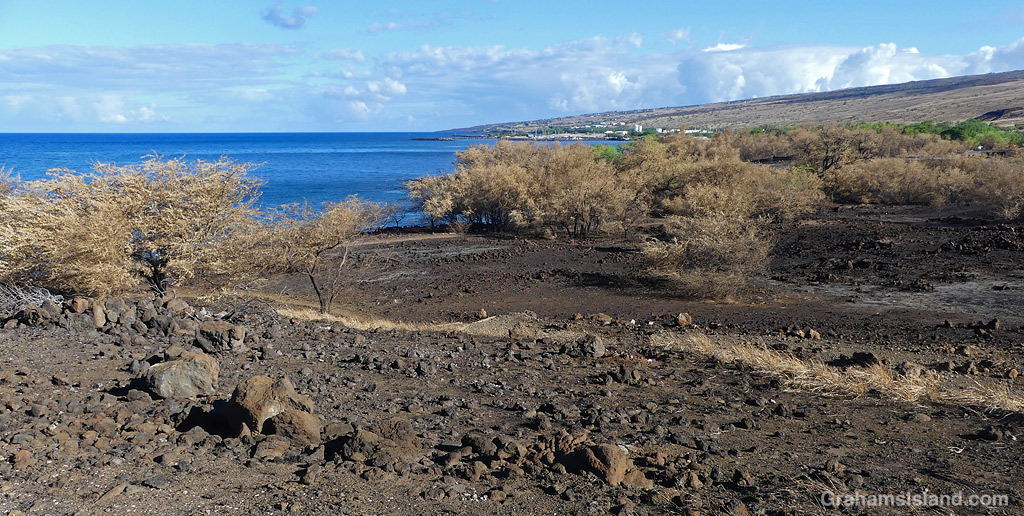
A few days ago, I headed out on the trail from Spencer Beach Park to Mau’umae Beach Beach. I was curious to see how far last month’s brush fire, that burned near Mauna Kea Resort, had reached down by the ocean. A hundred yards into the walk the answer became clear. It reached the shore. Spencer Beach Park was untouched, but the woods on the edge of the park are one tree deep in places.

I walked back to Spencer on the service road, a quarter mile inland. The power line ran along the ground or was draped in blackened trees. There was a clump of poles and other supplies in one spot, ready for restoring service.

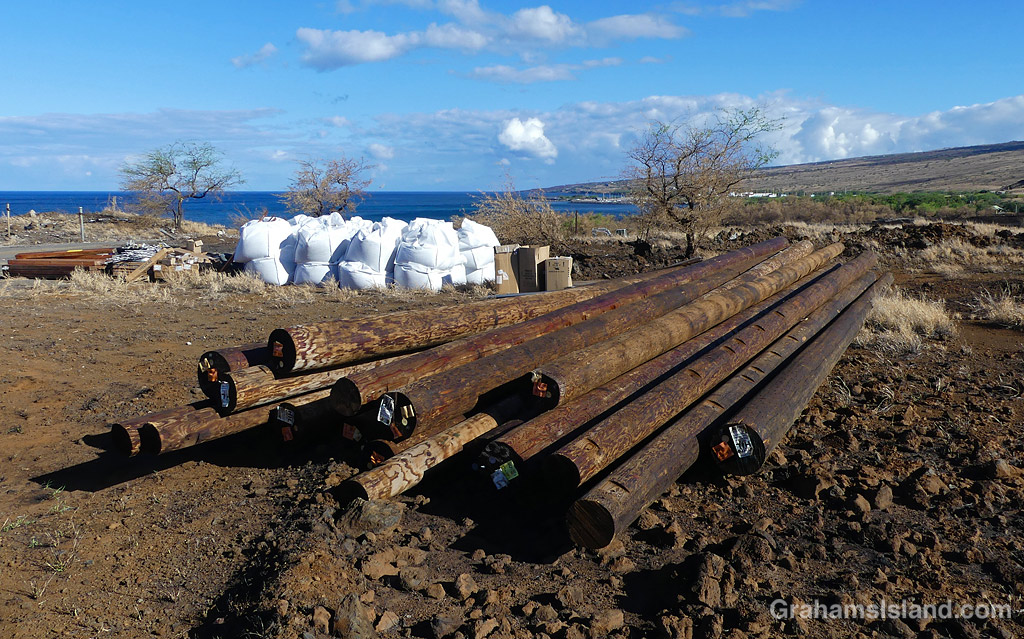

The vehicle access road to Mau’umae Beach beach is closed now, as two small wooden bridges were destroyed in the fire. Currently, and for the foreseeable future, the only access to the beach will be along the coast trail from Spencer. It’s only a 15 minute walk, but that’s often enough to discourage people from going there.

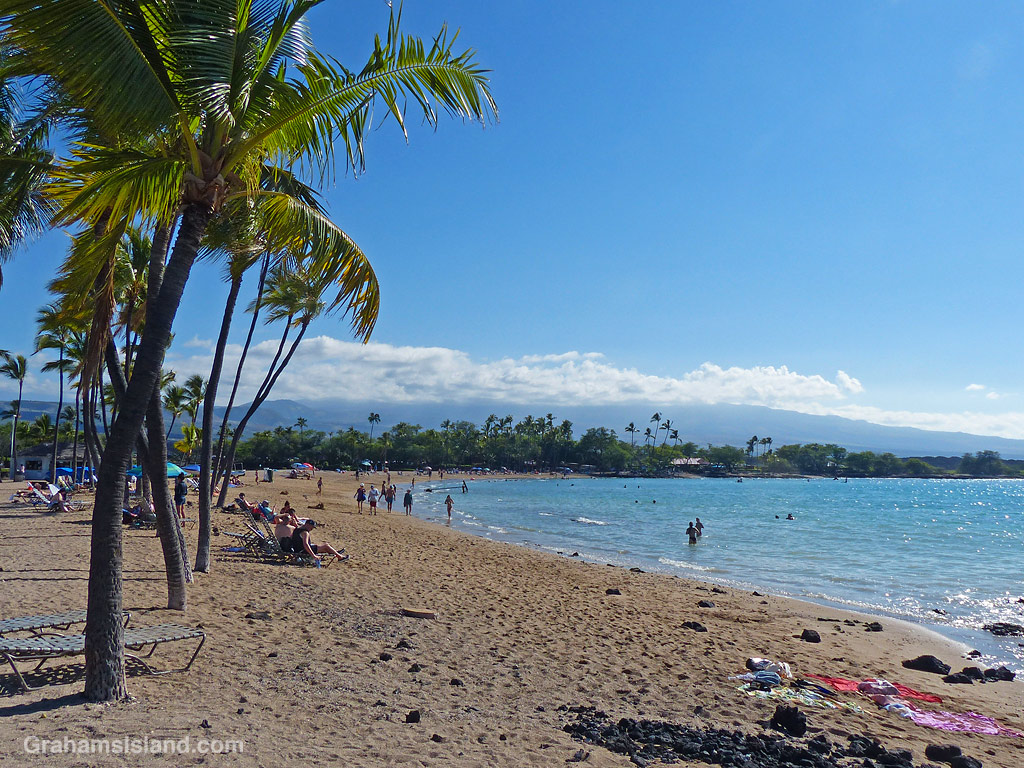
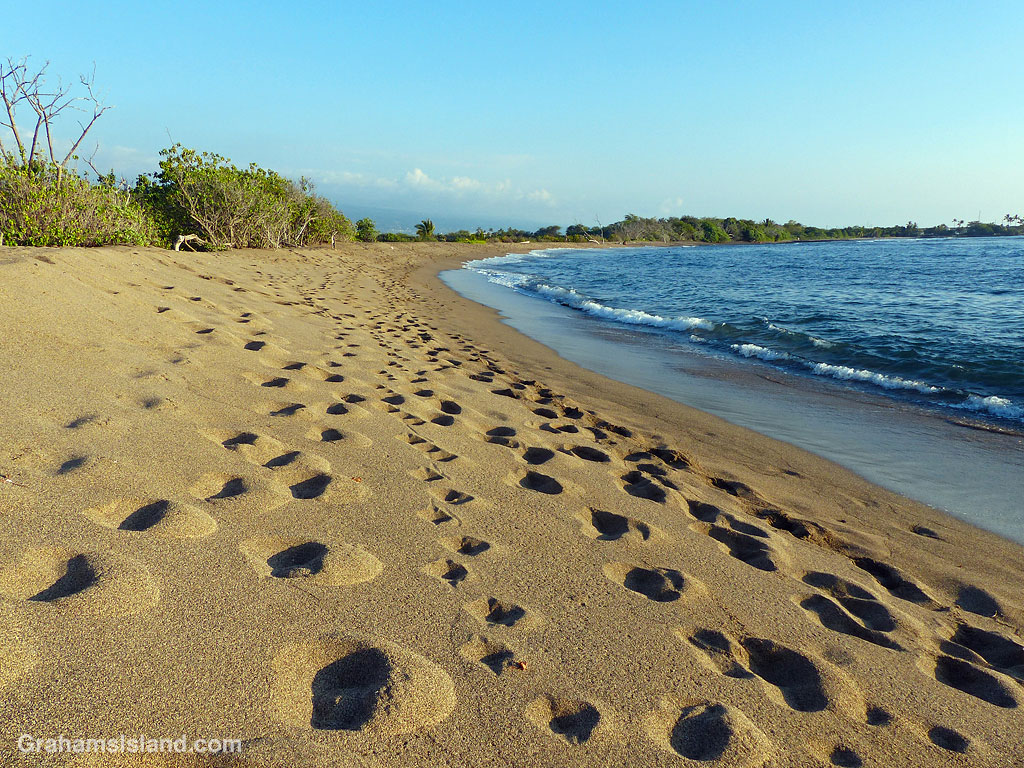
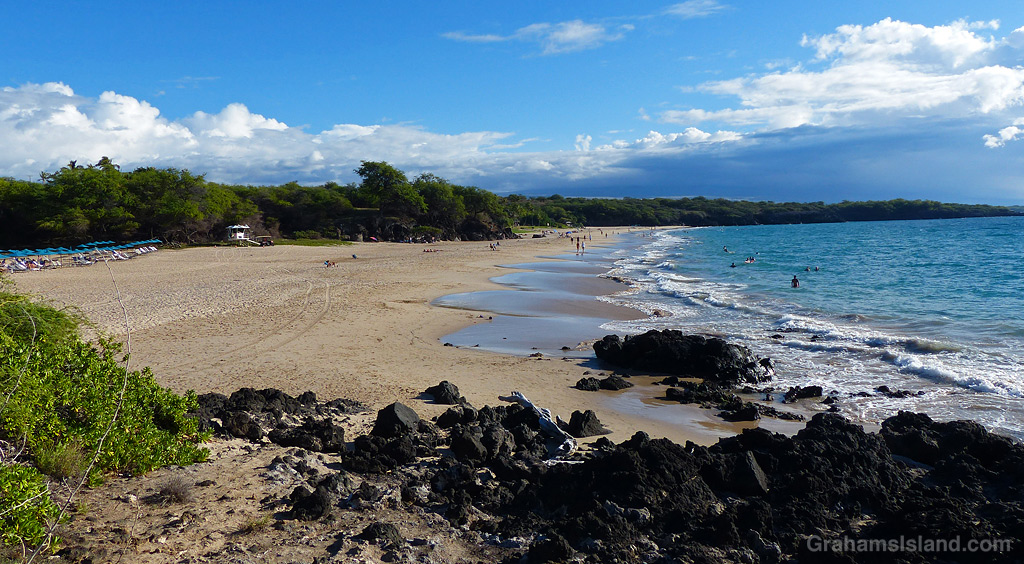
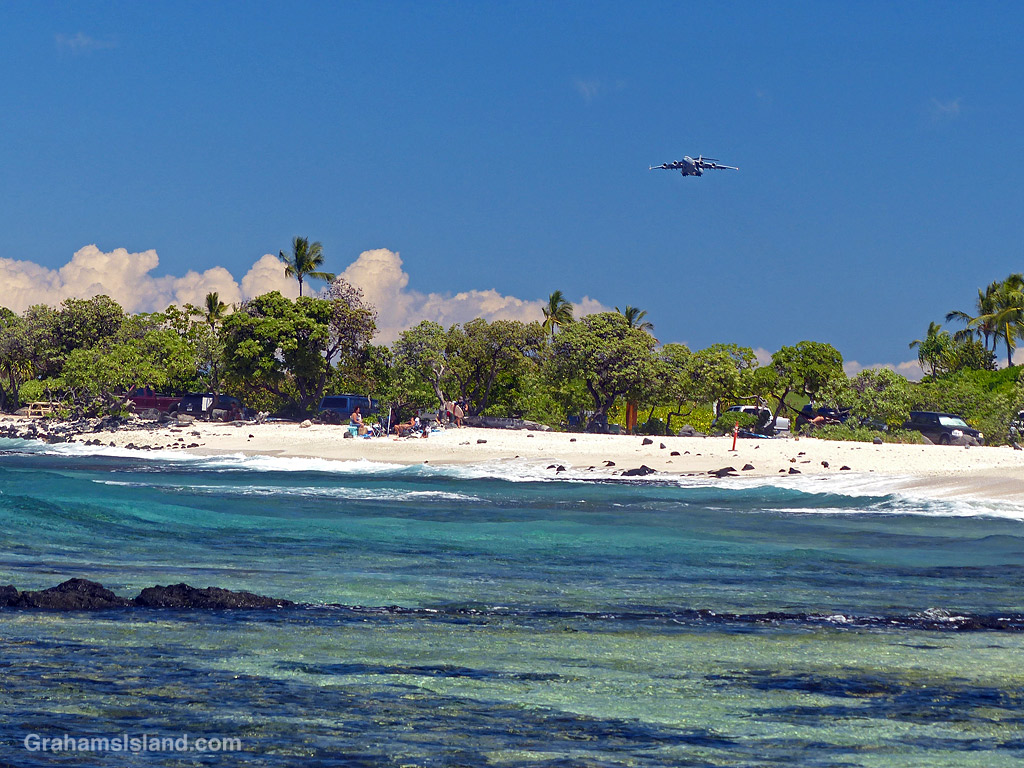
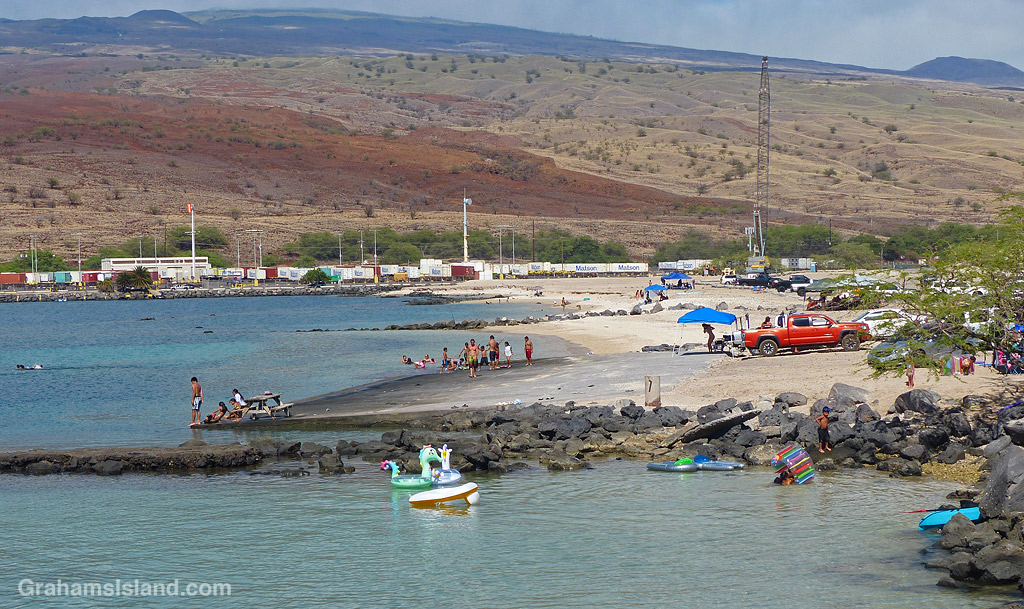
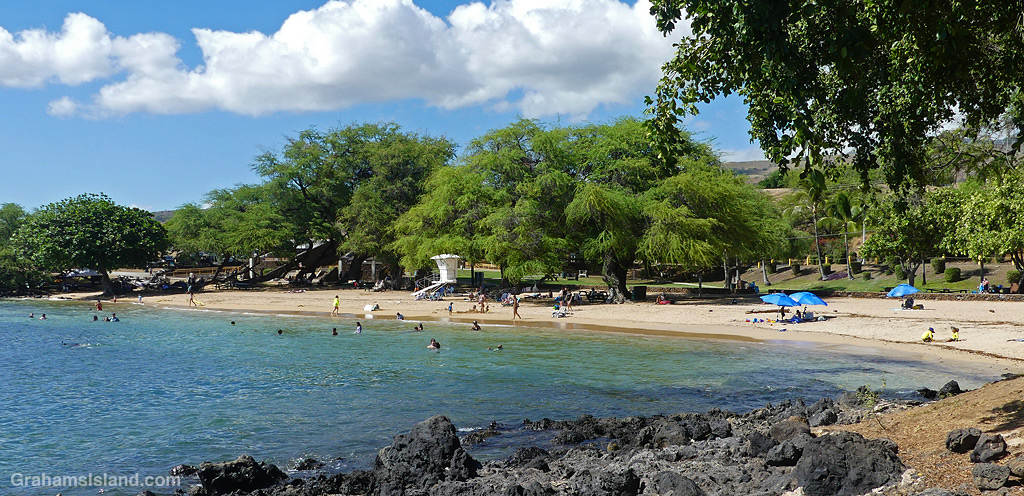
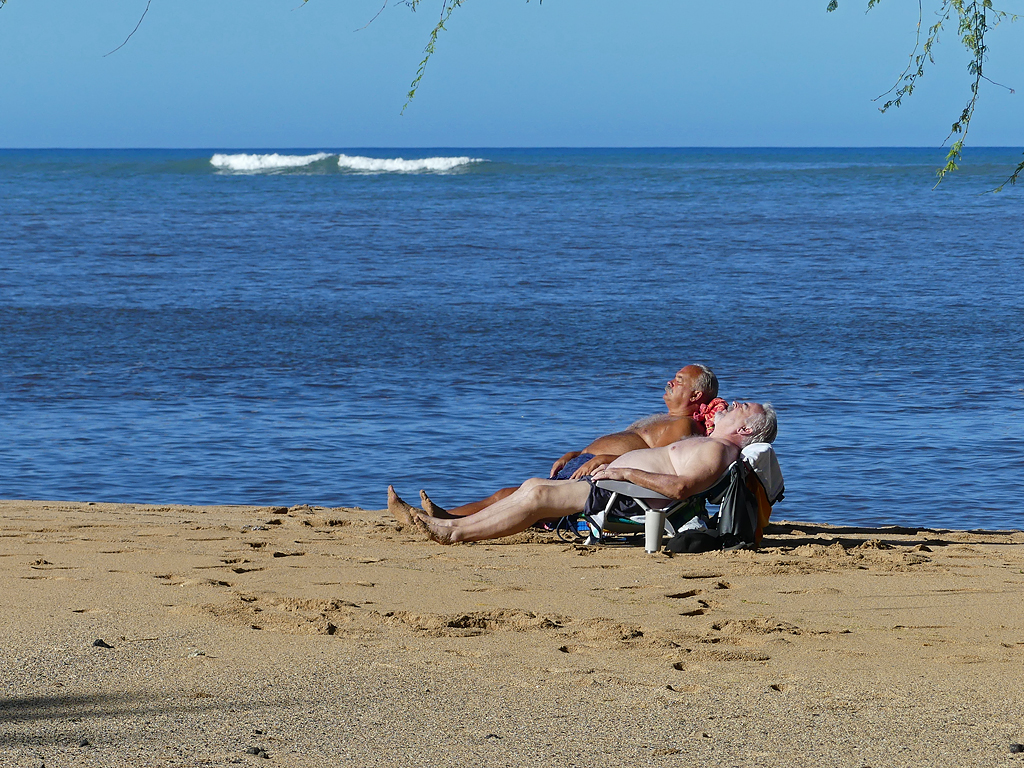
This week’s Sunday Stills challenge theme is ‘Lazy, Hazy Days of Summer.’ See more responses here. Beach scenes seemed appropriate for this, even if some of these photos were taken in the winter! Captions on the photos.