Kealia Beach, north of Ho’okena in South Kona, is a mostly rocky beach with a strip of sand behind the rocks. It’s a good place to escape the crowds and for exploring tide pools. If you want sand and swimming, Ho’okena Beach Park is only half a mile away.
Bushboy’s Last on the Card photo challenge for October 2020 (see more responses here) reminded me that I didn’t take any photos on the 31st, but this was the last one taken the day before.
I sometimes see odd things on my daily walks. One time, I saw a TV in the grass. It was there a couple of days, then gone. On this occasion, this lawnmower was sitting by the dirt road. It’s an older machine so it might have been dumped there, but why? If someone wanted to get rid of it, they could take it to the transfer station and leave it there, without having to pay anything. It’s possible it fell out of someone’s truck bouncing along the dirt track. It could be that fishermen unloaded it while organizing their gear and then forgot to pick it up again.
One thing’s for sure – it wasn’t being used to mow anything. Where it sits, a weed wacker would be more useful, or one of those industrial machines the county uses to trim trees alongside the road.
The top photo is the last one I took in October, where I knew my shadow was in the photo. But I had in mind the crop in the bottom photo, emphasizing the lawnmower, the swathe of rough grass, and the bit of ocean in the background.
On my walk the other day, I saw an outrigger canoe heading west just off the North Kohala coast. The sea wasn’t too rough, but I was surprised to see it because it was a long way from the place it probably launched to the first place it could safely be taken out.
A few minutes later I saw two other canoes, and they kept coming. Over a span of about 15 minutes, at least a dozen of the same kind of outrigger canoe hove into view. Some were brightly colored, such as the one in the top photo, but they all looked very small when seen from a distance.
The one bring up the rear, at least as far as I could tell, was all white and it made me think that if the sea got rougher and the canoeist got into trouble, his boat would be awfully hard to spot in a sea of whitecaps.
Posted in response to Becky’s October Squares challenge theme of ‘Kind.’ See more responses here.
This week’s Sunday Stills challenge theme is ‘Your Happy Place.’ See more responses here.
There were a few options for this theme, but I went with this collection because I love going snorkeling and because, just a few days ago, my wife and I revisited Two Step for the final time before Hawaii loosened its restrictions on visitors. We got up early, drove down, and were in the water around 7:45 am. There were two other people swimming at that time, no one else waiting to get in.
The top photo was taken after our swim, around 9:30 am. In a ‘normal’ year, at this time of day, this whole area would be dotted with groups of people, and chairs and mounds of towels left by people already in the water. The bay would also be similarly populated with people, cruising around, looking at fish. There would be several snorkeling tour boats out in the bay, dumping people into the water. Two Step is one of the best spots for snorkeling on the island but, truth is, much of the time it’s kind of a zoo.
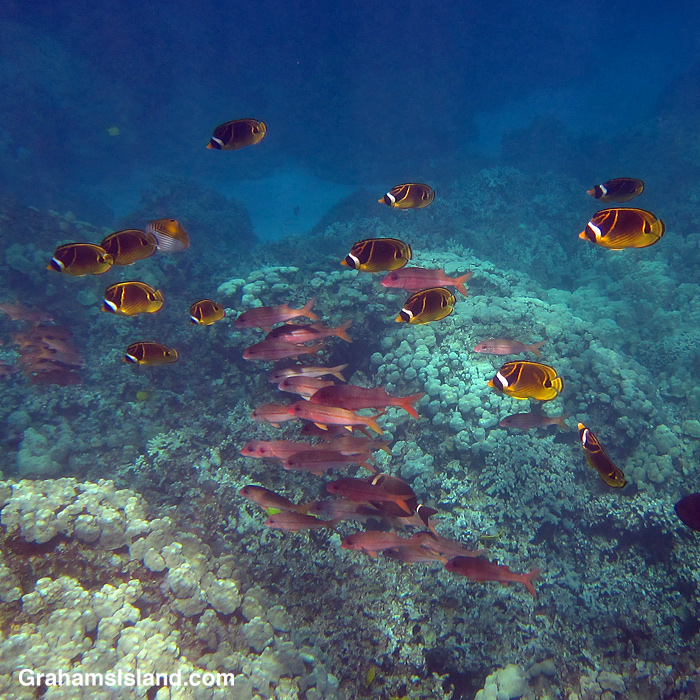
Goatfishes and raccoon butterflyfishes hang, almost motionless.
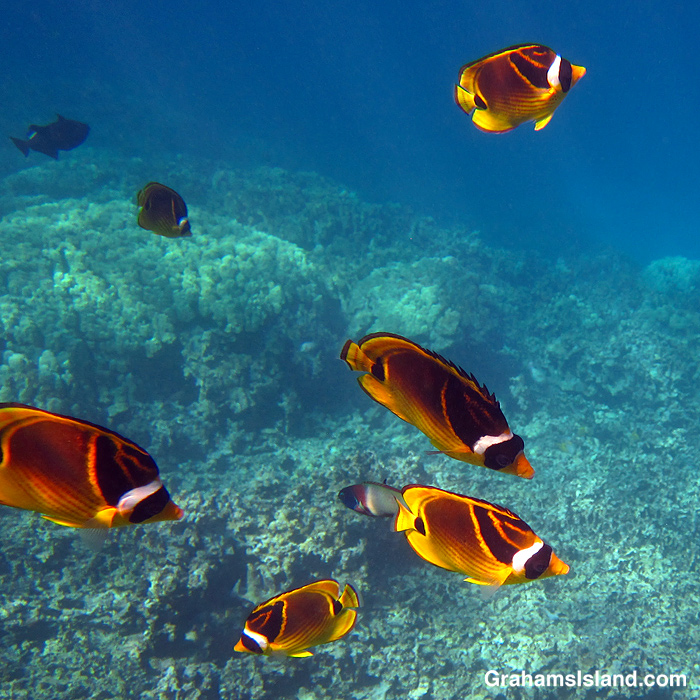
Raccoon butterflyfishes are more curious here …
… although there’s such a thing as too close. This one butted the camera housing.
Pearly soldierfishes hover.
An ember parrotfish catches the light.
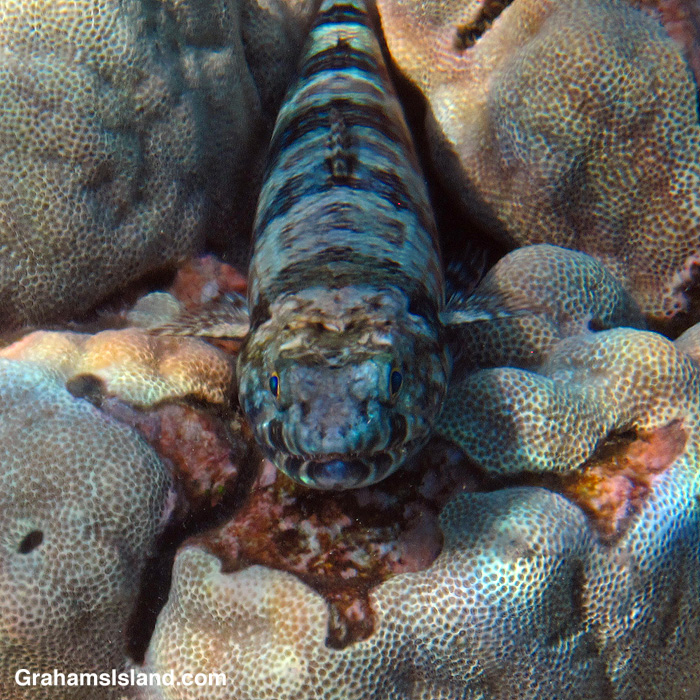
We saw more reef lizardfishes than we’d seen before, including this handsome fellow.
However, one of the nice things about Two Step, that I’ve mentioned before, is that it’s a marine reserve. No fishing is allowed and the fish have figured that out. I can’t emphasize enough how differently the fish there react to people than they do in areas where fishing and spear fishing is allowed. They’re so much more mellow and less inclined to dart away.
Also posted in response to Becky’s October Squares challenge theme of ‘Kind.’ See more responses here.
I took this photo of two reef lizardfishes, waiting in their usual manner. It was only after I got home and looked at the photos that I noticed the third lizardfish lower down, near the right edge of the photo. On this day, they were everywhere.
This week’s Friendly Friday challenge theme is ‘Dreams.’ See more responses here.
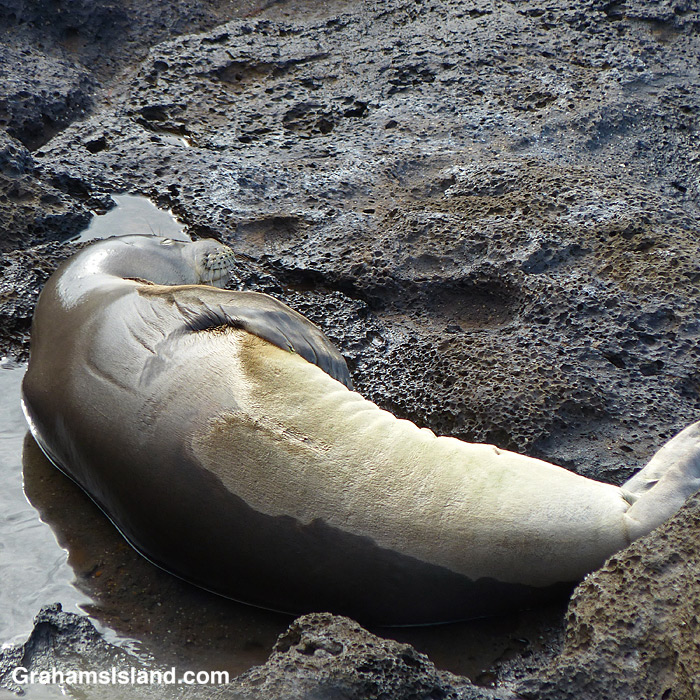
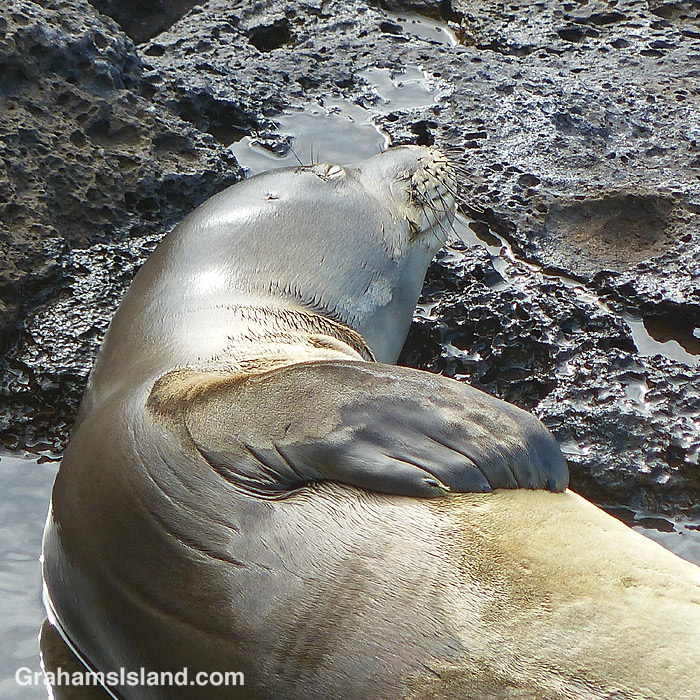
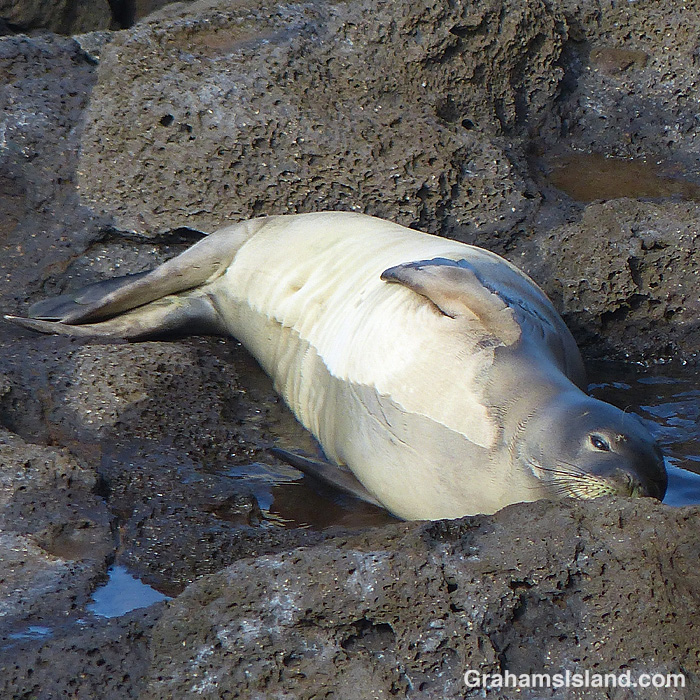
A couple of weeks ago, I was out walking along the coast and saw a monk seal I didn’t recognize. As I usually do when I see monks seals, I took photos in an attempt to identify it. Many Hawaiian monk seals have numbered red tags in one or both tail flippers. Some have been bleached with an identifying mark, though this lasts no more than a year as it will disappear when the seal has its annual molt. Some have scars of one kind or another that help with identification. This seal had none of those things.
Its most distinctive feature, apart from being a bit on the small side, was that it was restless. As soon as I saw it twitching and rolling and flexing its flippers I thought it looked like the seal was having a dream of some kind. It finally rolled over completely, in the process opening its eyes and noticing me, up on the cliff, taking photos. No matter. The seal ended up on its belly and found a good spot to rest its chin and drift back into slumber and that rather good dream it had been enjoying.
I sent some of my photos off to Lauren, the Response and Operation Coordinator at Ke Kai Ola, who keeps track of the whereabouts of monk seals around the Big Island. She said the seal was most likely Hiwahiwa (meaning a person or thing greatly beloved). He was the only monk seal pup born on the island this year, back in April. Because of the Covid virus, the shorelines were closed at that time, so access was very limited. This also meant that the pup didn’t get tagged, which explained his lack of identifying marks.
I haven’t seen him since, but a week later I saw another seal I didn’t recognize. That one turned out to be Hiwahiwa’s mother so maybe they bumped into each other again somewhere along the coast.
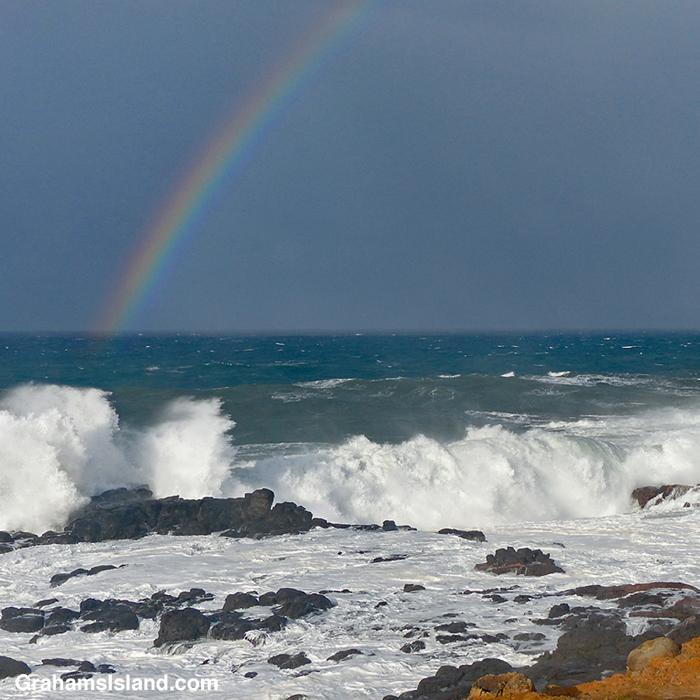
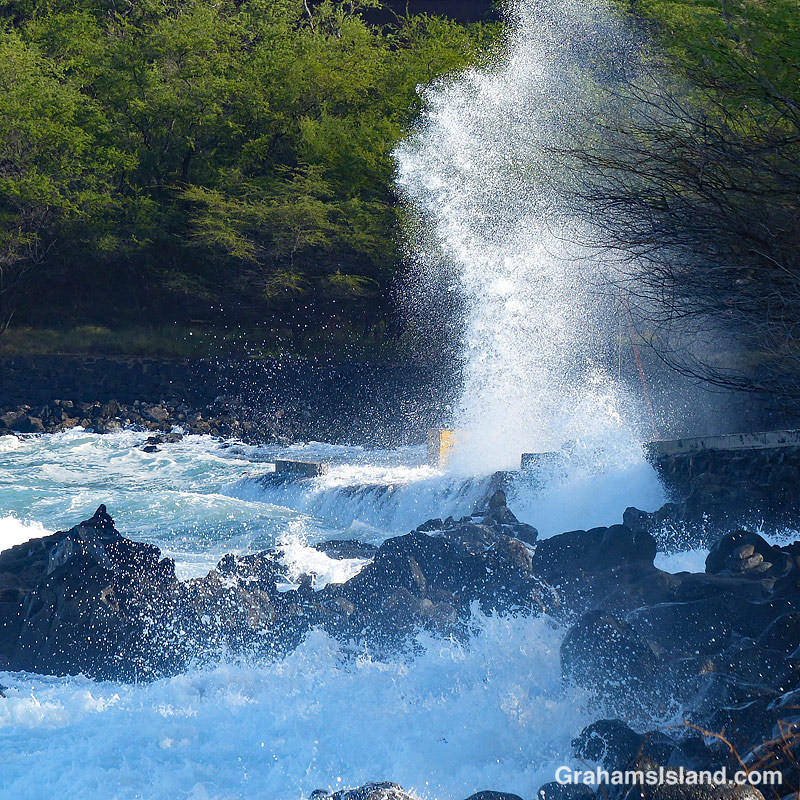
I like to go snorkeling whenever I get the opportunity, but there are some days when that’s not possible. This is a photo of my local snorkeling spot. That’s the parking area on the right, and the place where I generally park my car is right where that tower of spray is.
In other words, this was the kind of day to find something else to do, such as take photos from the shore.
Posted in response to Becky’s October Squares challenge theme of ‘Kind.’ See more responses here.











 Graham's Island