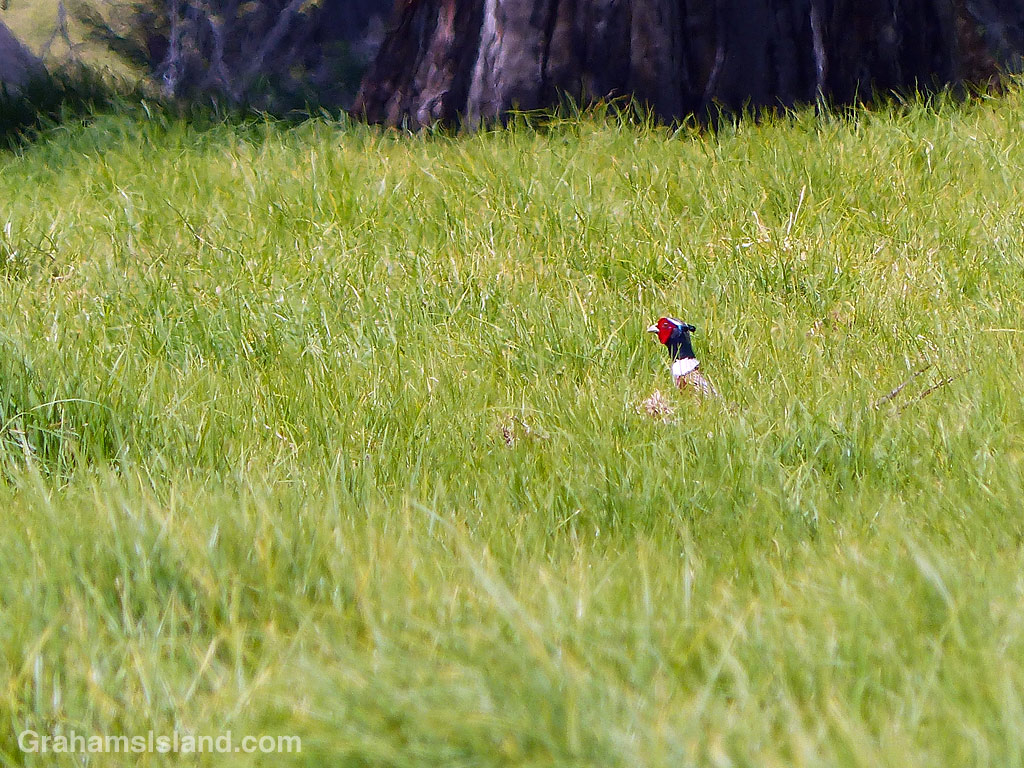
I saw this ring-necked pheasant scurrying through the tall grass off Old Saddle Road. It doesn’t exactly blend in with its surroundings, not a good trait for a game bird.

I saw this ring-necked pheasant scurrying through the tall grass off Old Saddle Road. It doesn’t exactly blend in with its surroundings, not a good trait for a game bird.

This week’s Sunday Stills challenge theme is ‘Favorite Vacation Spot.’ See more responses here.
It’s been a long while since I took a vacation, but a favorite day out is a road trip to the east side of the island and a visit to Hawaii Tropical Bioreserve & Garden.
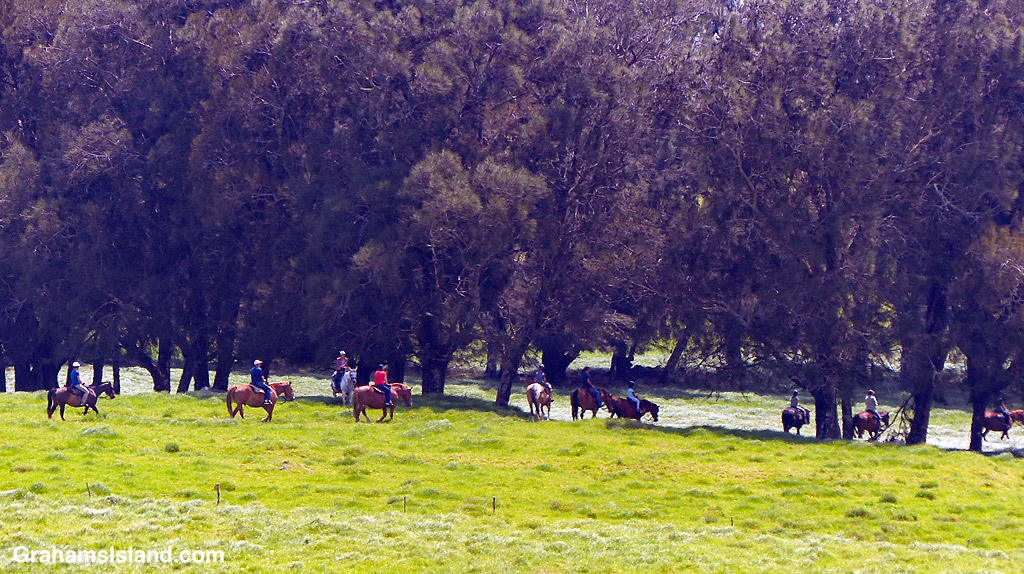
The day starts with a drive out of Hawi, up the hill to Kohala Mountain Road. This winding road climbs to around 3,500 feet before descending into Waimea. One the way, it passes through pastureland that is home to cattle, horses, and sheep.
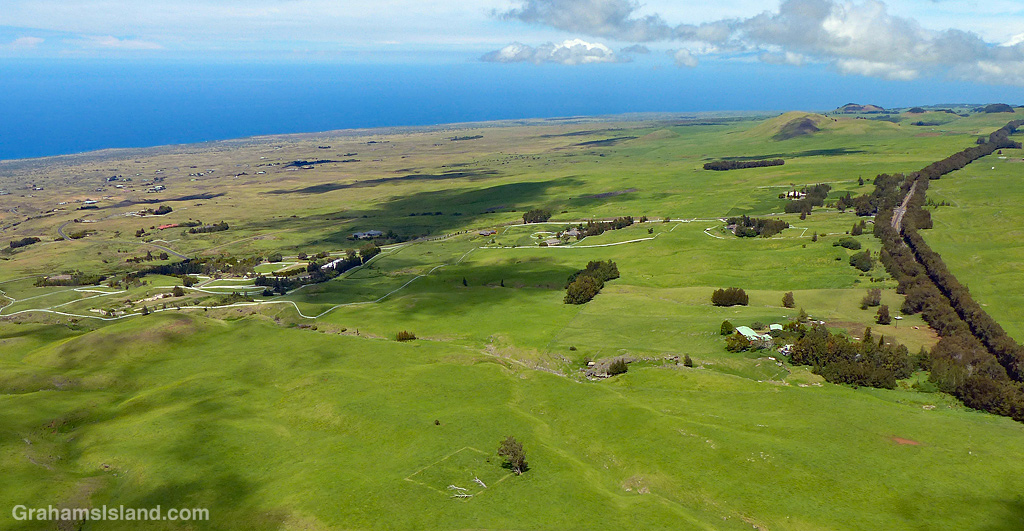
A few miles after driving through Waimea, there’s a left turn onto Old Saddle Road. These days, the main road across the island is a smooth, wide thoroughfare, but it’s not so long ago that the highway was all like Old Saddle Road – narrow and twisting. In those days, rental car companies would not allow their cars to be driven on that road. Old Saddle Road is the last remnant of the original road and it’s one of my favorite roads to drive here, not just because of the road’s qualities, but because it’s one of the most reliable places to see pueos, the Hawaiian short-eared owl. On this road I drive like one of those people you follow and say ‘What the !@^%$@)&^ is that idiot doing?’ I’m prone to zipping off the tarmac and bolting from the car, camera in hand, snapping photos as I go.
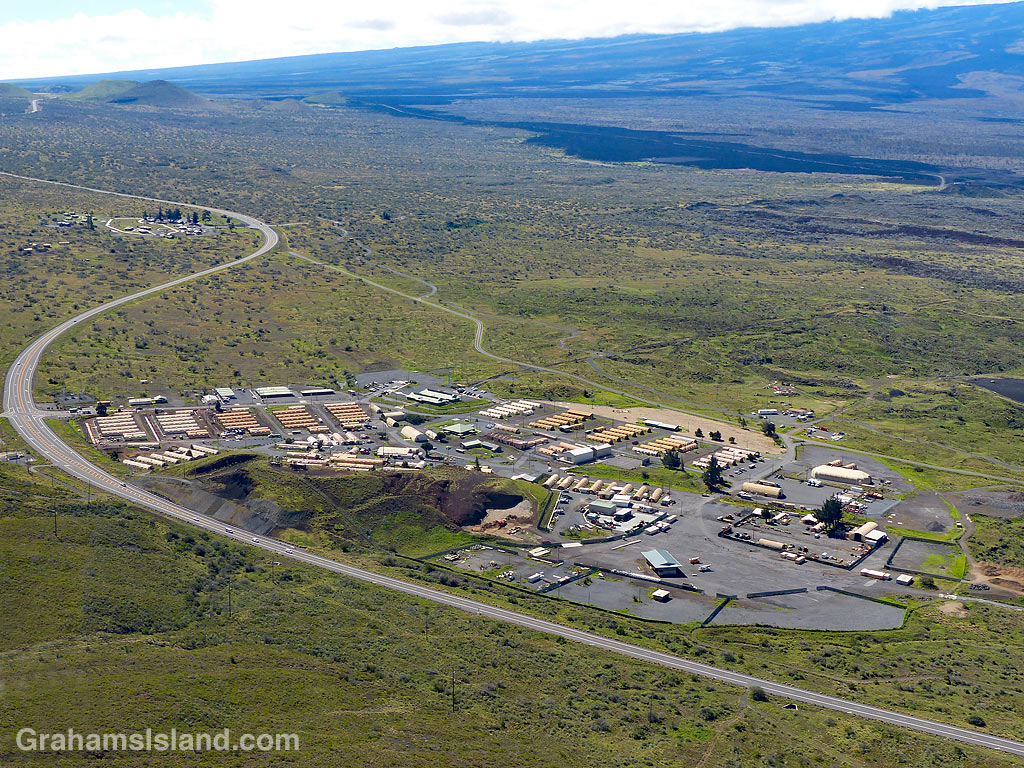
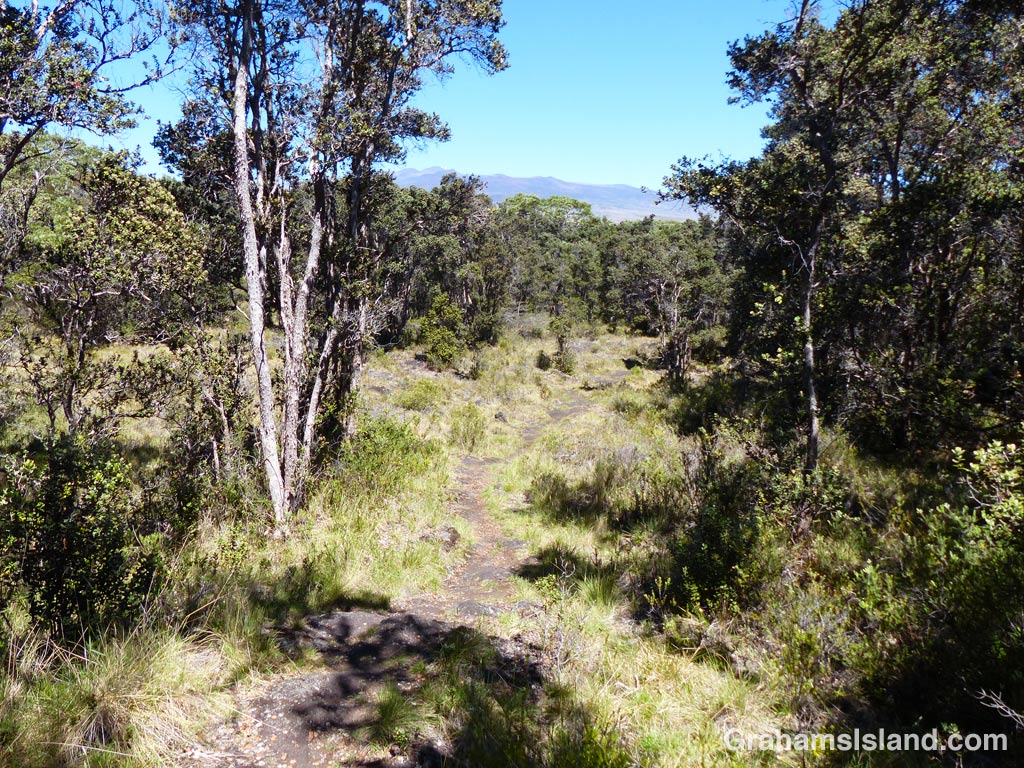
Old Saddle Road joins the new highway a just before it reaches Pohakuloa Training Area, a large military base in the saddle between Mauna Kea and Mauna Loa. It’s not unusual to hear the sound of shells exploding here as they do live ammunition fire. Past this area, there are several good hiking trails that venture into the high elevation landscape. This is one of the best areas for seeing native birds that are still hanging on in much reduced habitat.
After that, there’s the descent into Hilo and then a jog north to the garden where, every time I visit, I see something different, something that wasn’t blooming on previous visits or that I’d just missed in the profusion wonderful plants to see.
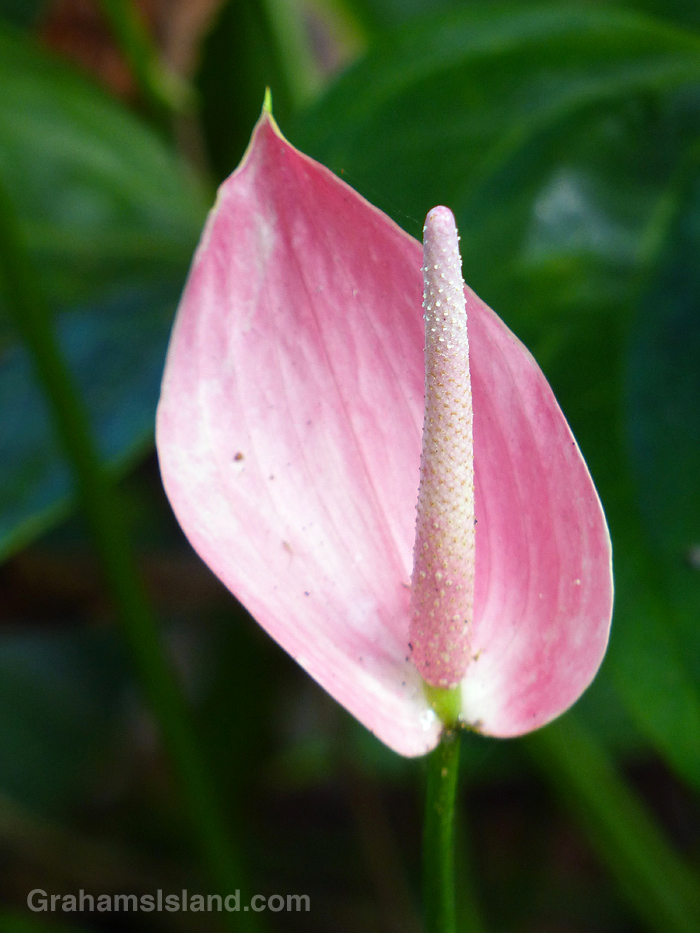
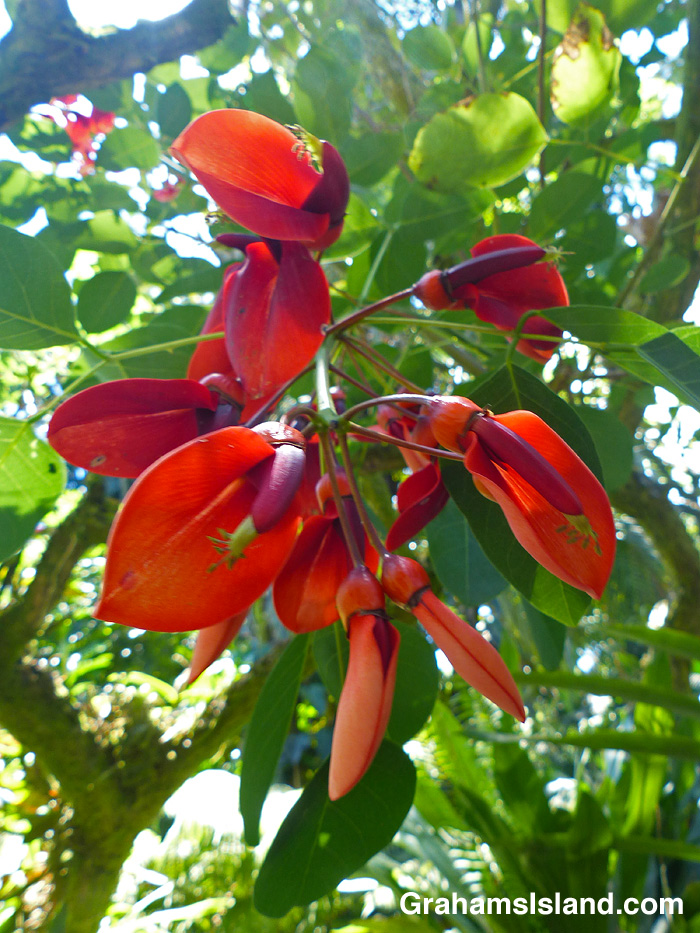
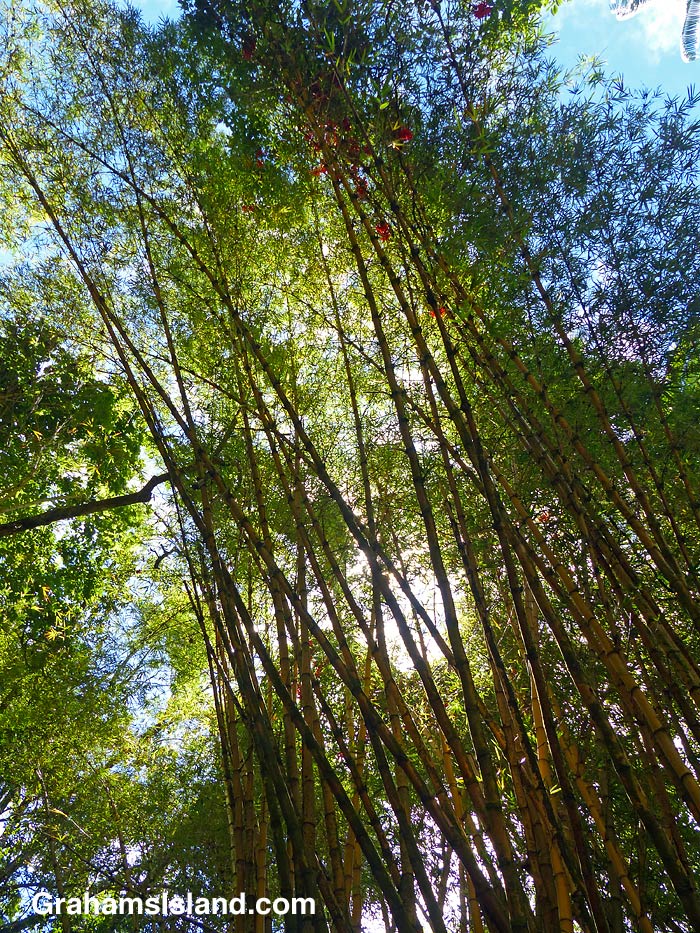
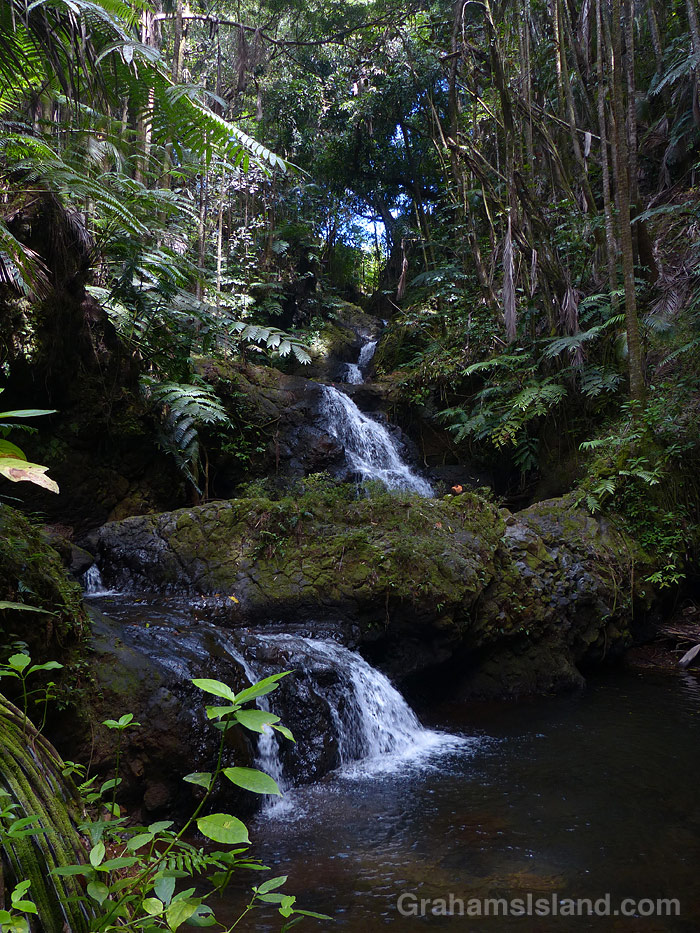
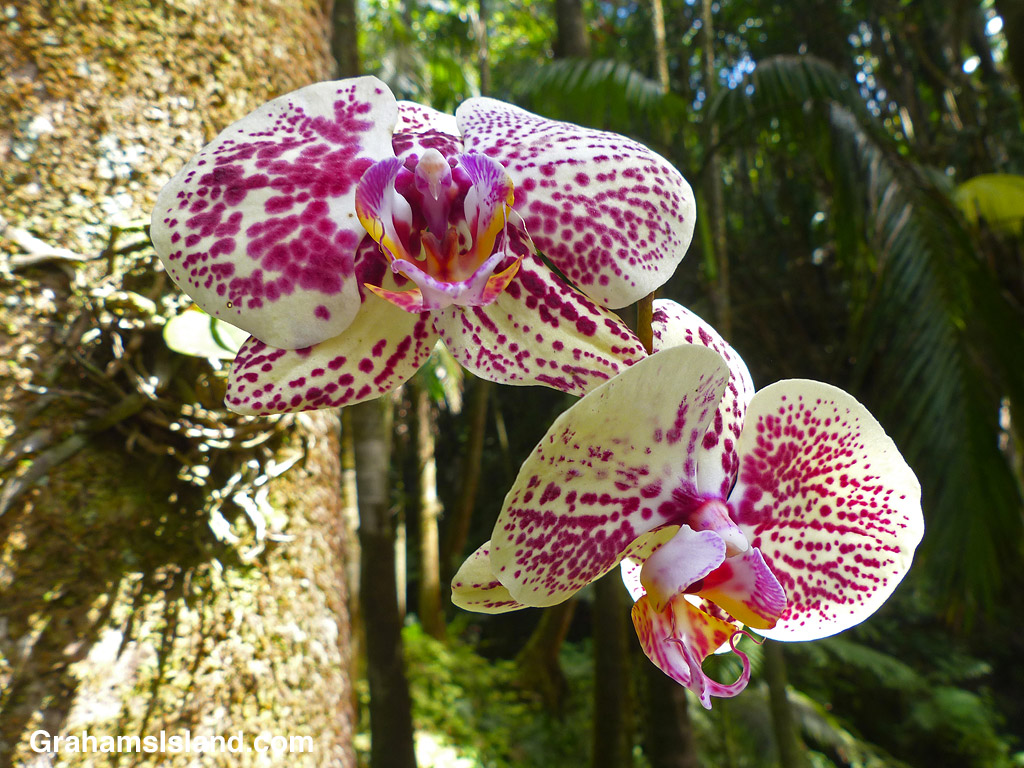
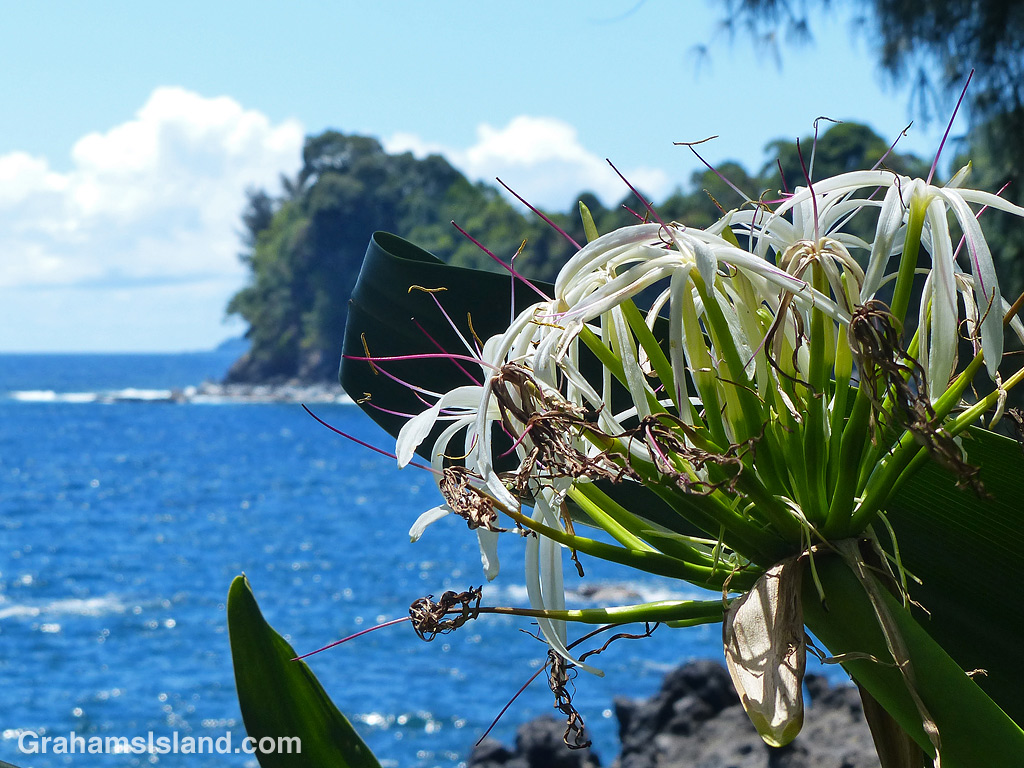
And on the way back there’s a good chance that there’ll be a splendid sunset to be enjoyed.
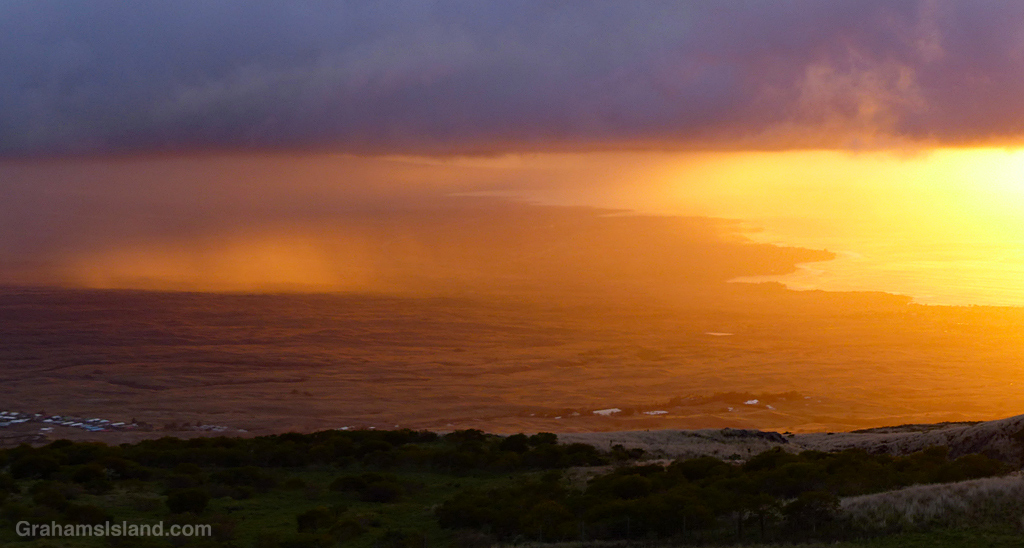
Also posted for this week’s Friendly Friday challenge theme is ‘Road Trip.’ See more responses here.

On my last hike on the Pu’u O’o Trail, off Saddle Road, I’d been busy taking photos of an i’iwi when I noticed this little bird hopping up a tree trunk, probing for insects. It’s an Hawaii ‘elepaio (Chasiempis sandwichensis sandwichensis), a member of the flycatcher family, and endemic to the island. The Hawaii ‘elepaio is one of three ‘elepaio species in Hawaii, the other two being on Oahu and Kauai.
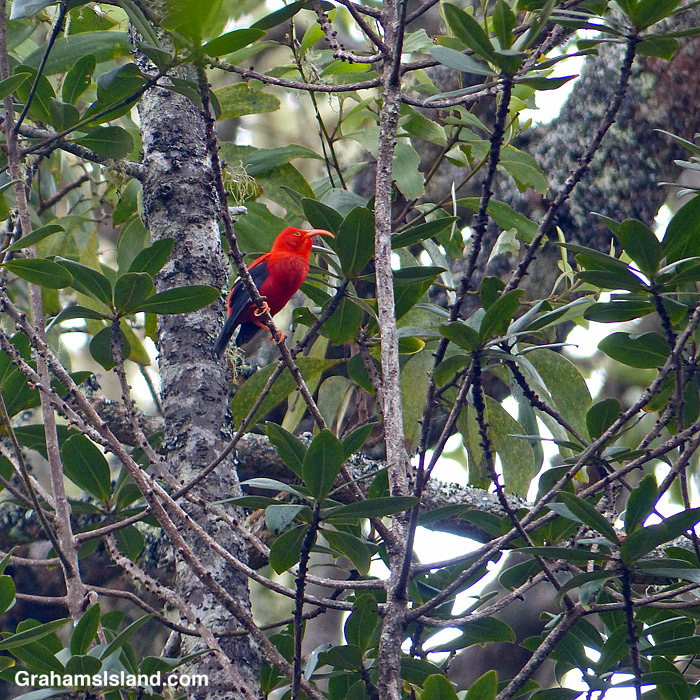
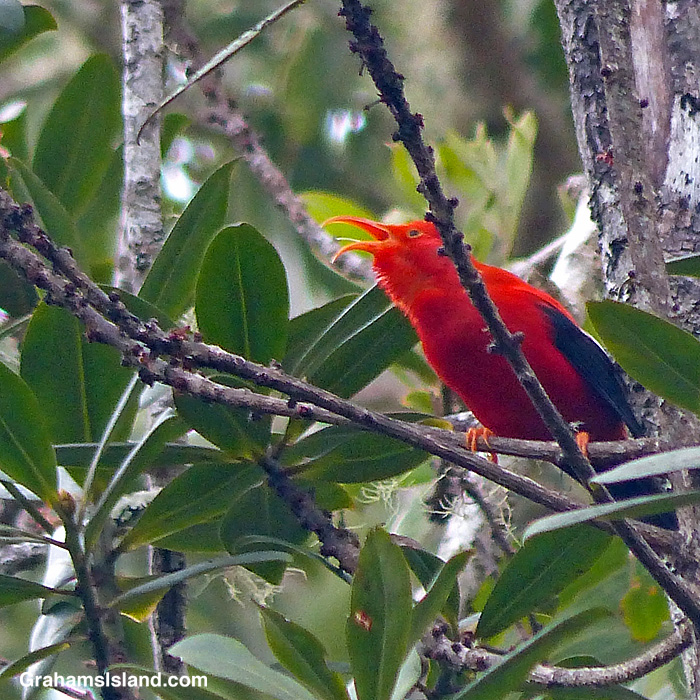
On my last hike on the Pu’u O’o Trail, off Saddle Road, I soon ran into a man and his son staring at a tree a short distance away. The man explained that they’d seen an i’iwi, a native Hawaiian honeycreeper, fly into the tree and were hoping to see it again. I waited with them for a while, but saw nothing and decided to move on.
A little later I ran into two men coming out of a kipuka, a cluster of old vegetation that has been bypassed by lava flows. One of them, looking pretty pleased, held out his camera and said they’d just seen an i’iwi and he’d got some good photos. He mentioned the spot where they’d seen the bird, so I headed into the trees to have a look. Nothing. It was beginning to look like it was going to be one of those days where everyone else has a wonderful experience except me!
But not long after, I saw a flash of red and then this bird settled on a branch and began to add its song to the loud chorus of bird songs in the kipuka. One thing about i’iwis is that if they’re around, they’re easy to see, their bright red plumage standing out against the green background.
After the bird flew off, I carried on with my hike. When I returned half an hour later, the bird song in the kipukas had diminished considerably and I didn’t see or hear anymore i’iwis.
Posted in response to Becky’s April Squares challenge theme of ‘Bright.’ See more responses here.
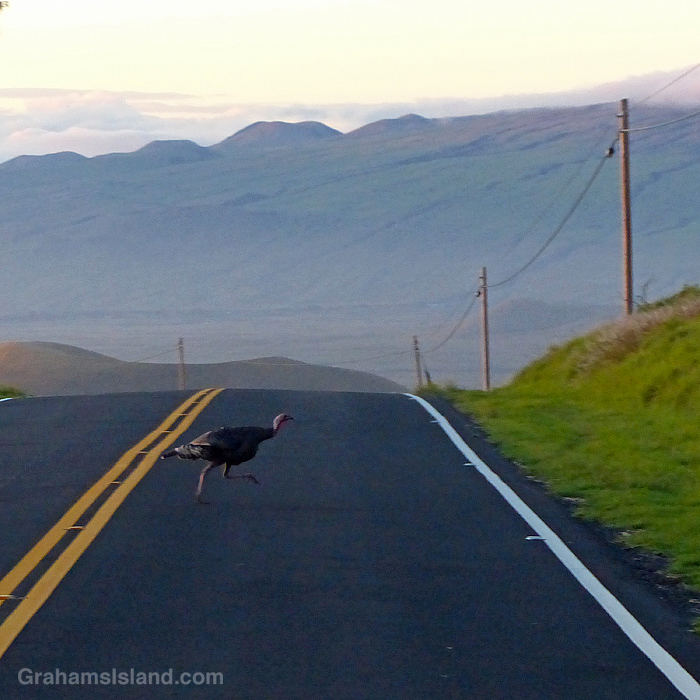
Wild turkeys aren’t too bright. This one rushed across the road to catch up with the rest of the flock that had scurried across before I could get my camera organized. As to why the flock crossed the road, I don’t know. Perhaps they were following chickens.
Posted in response to Becky’s April Squares challenge theme of ‘Bright.’ See more responses here.
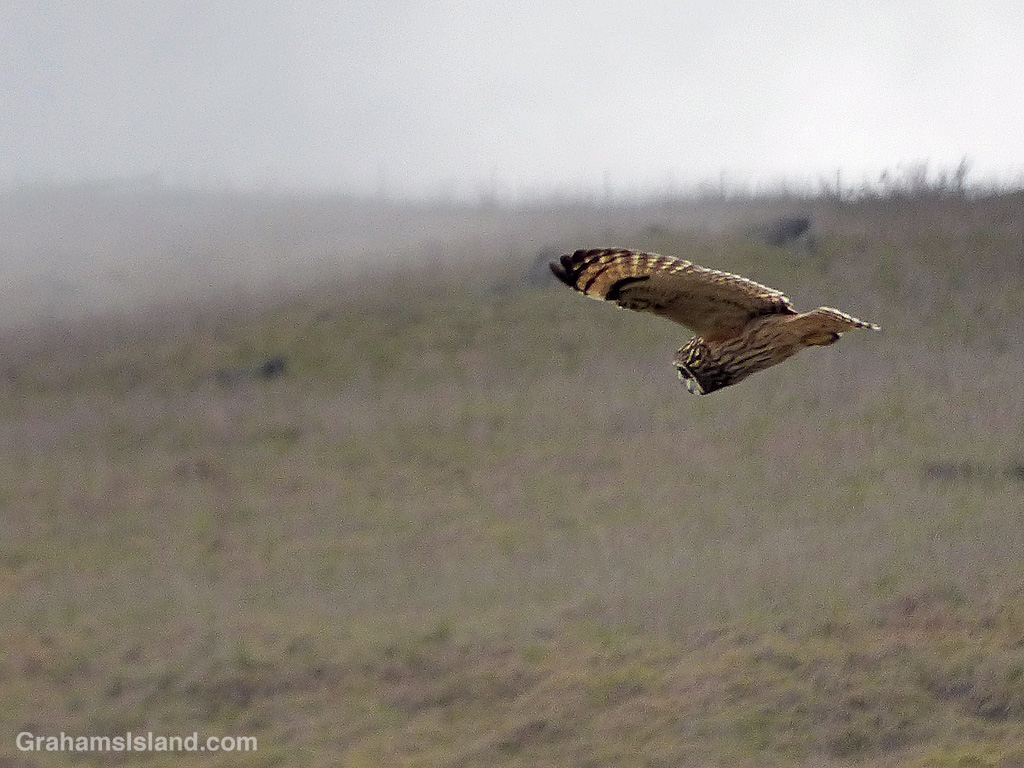
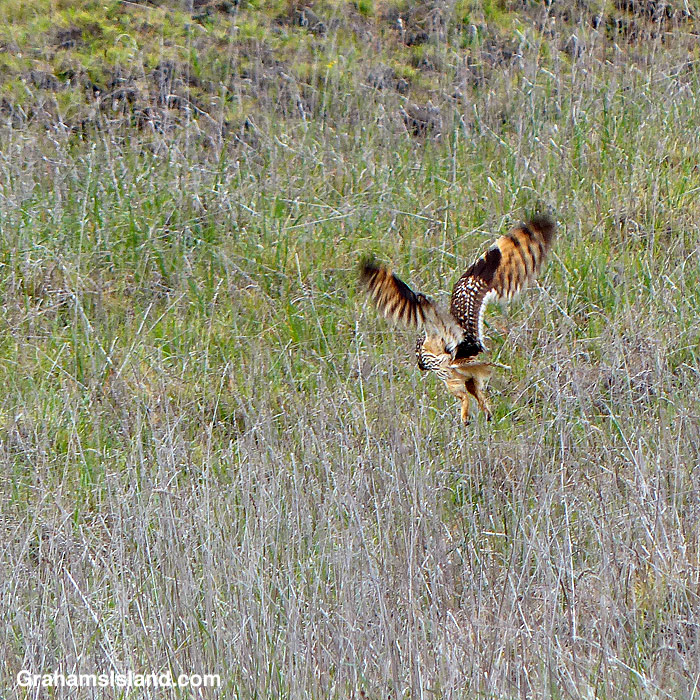
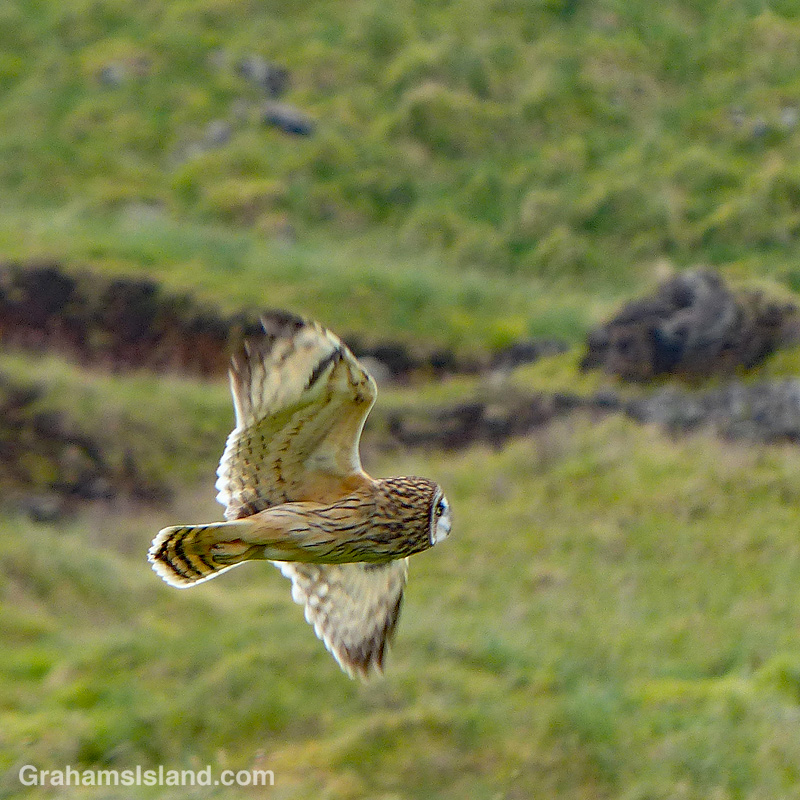
I saw this pueo cruising back and forth above the grasslands alongside Old Saddle Road. Sometimes it hovered and moved on, but a couple of times it dove into the grass. Not sure if it caught anything, though they’re quick to swallow any rodents they catch.

Astelia Menziesiana is an endemic plant that can grow as an epiphyte, as in this photo, or in the ground. It does best in cool temperatures, which is where these plants were found at around 6,000 feet in the area between Mauna Loa and Mauna Kea, but can also grow in warmer temperatures. Plants are either male or female and both have flowers, but only the female produce berries.
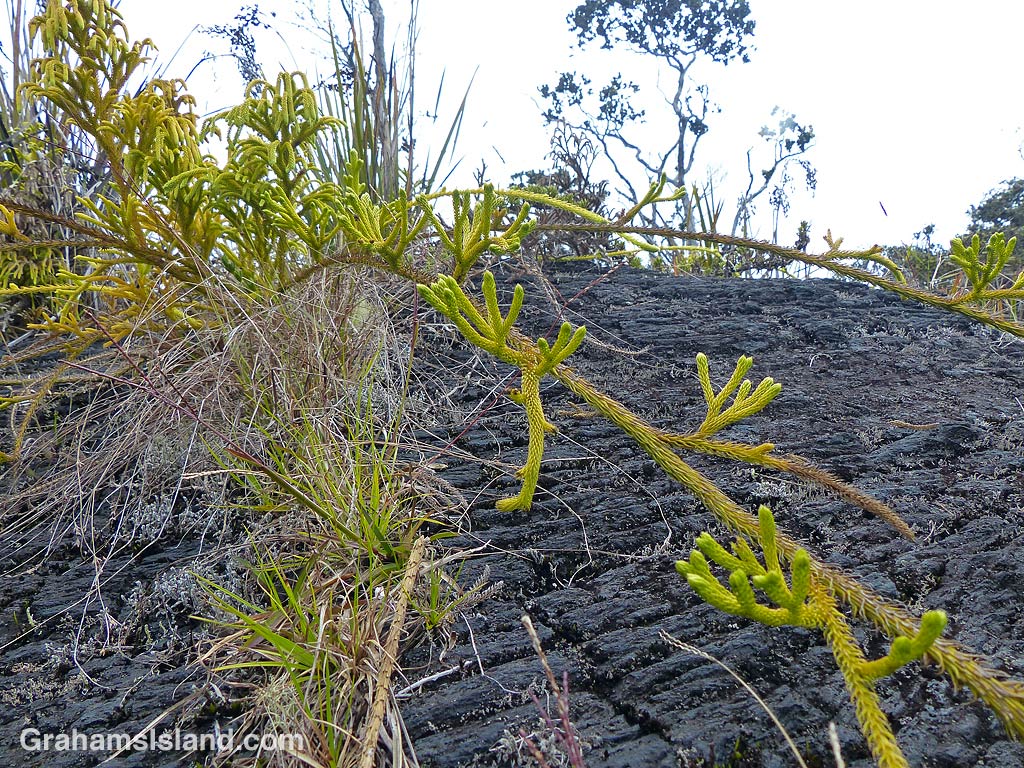
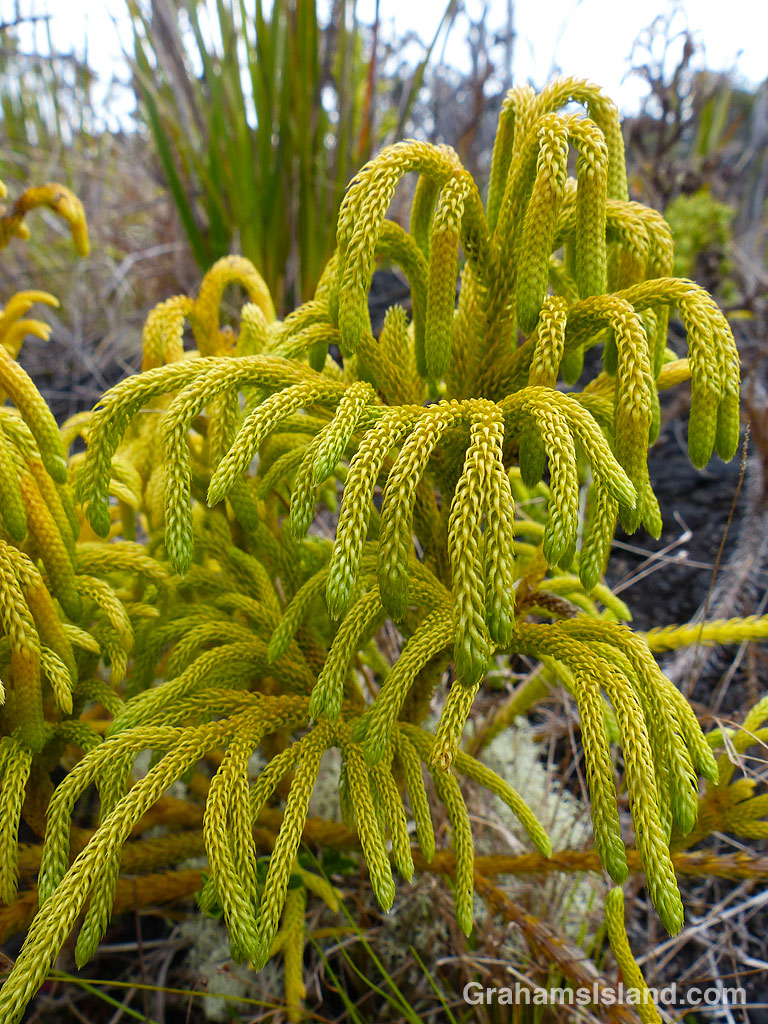
Staghorn clubmoss (Lycopodiella cernua) is indigenous to Hawaii and is found in the tropics worldwide. Generally, staghorn clubmoss grows in bogs and wet areas, but these were growing in the lava off Saddle Road, an area that gets lots of rain but also drains readily.

