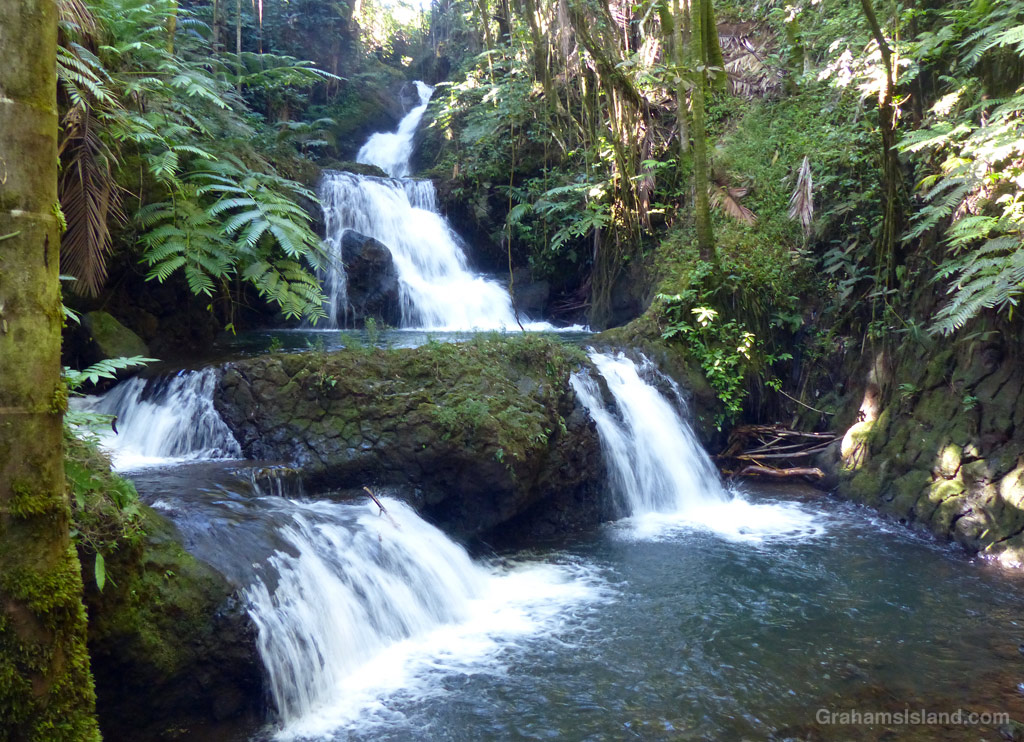
This week’s Sunday Stills challenge theme is ‘Fountains and falls.’ See more responses here.
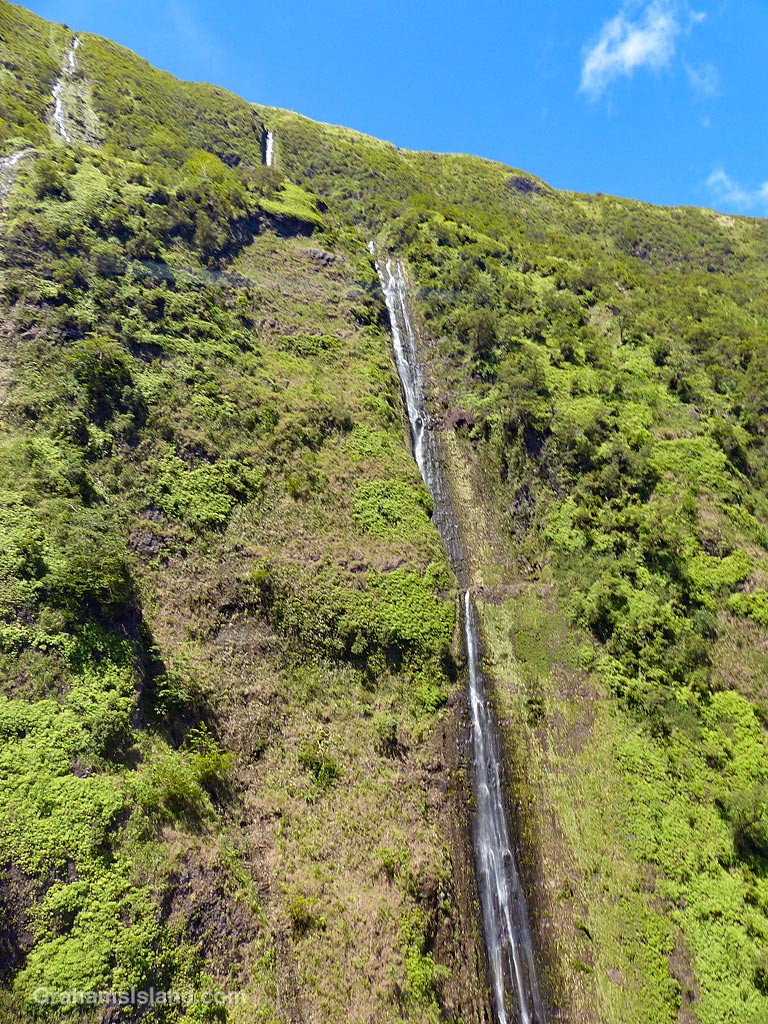
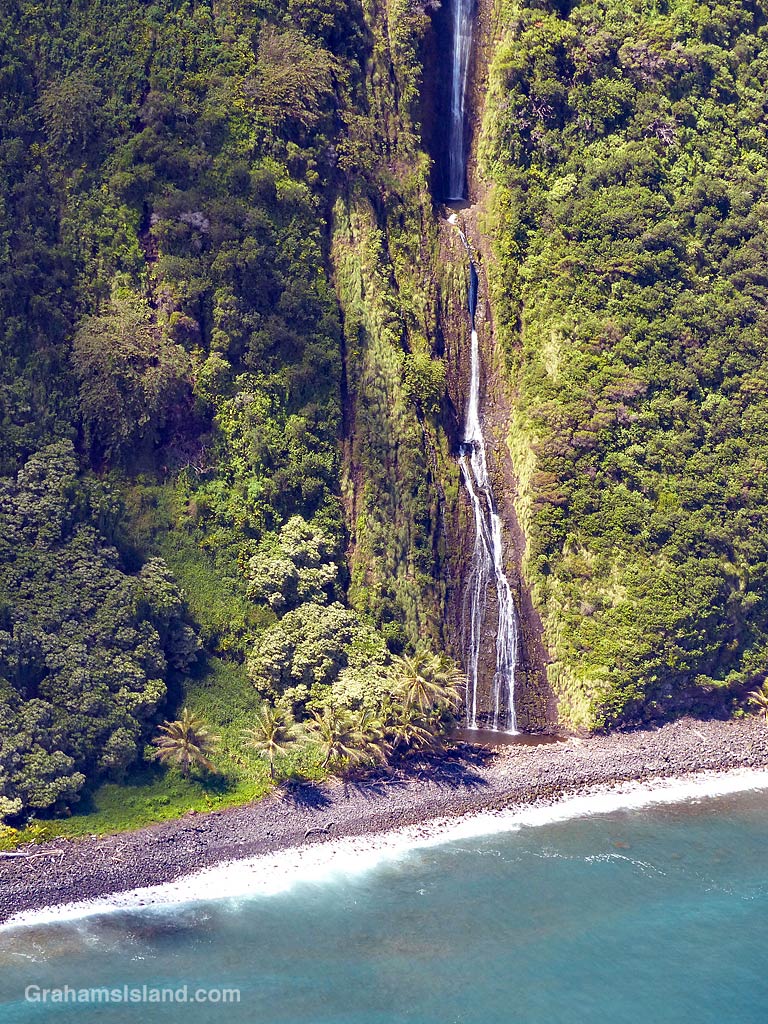
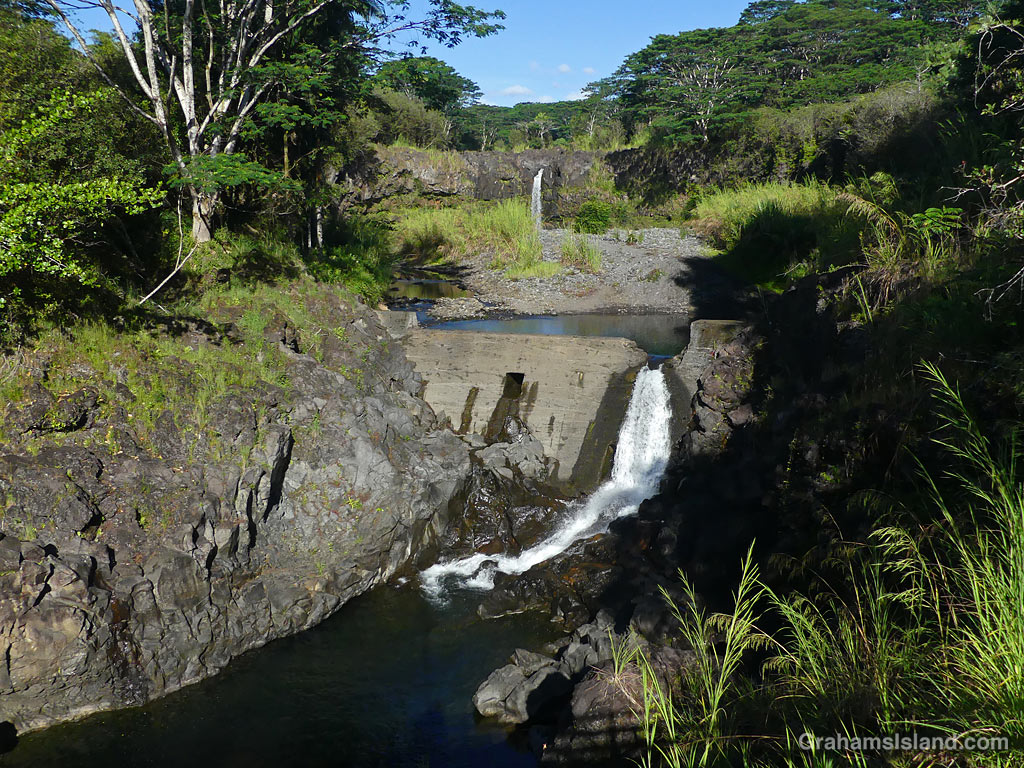

This week’s Sunday Stills challenge theme is ‘Fountains and falls.’ See more responses here.
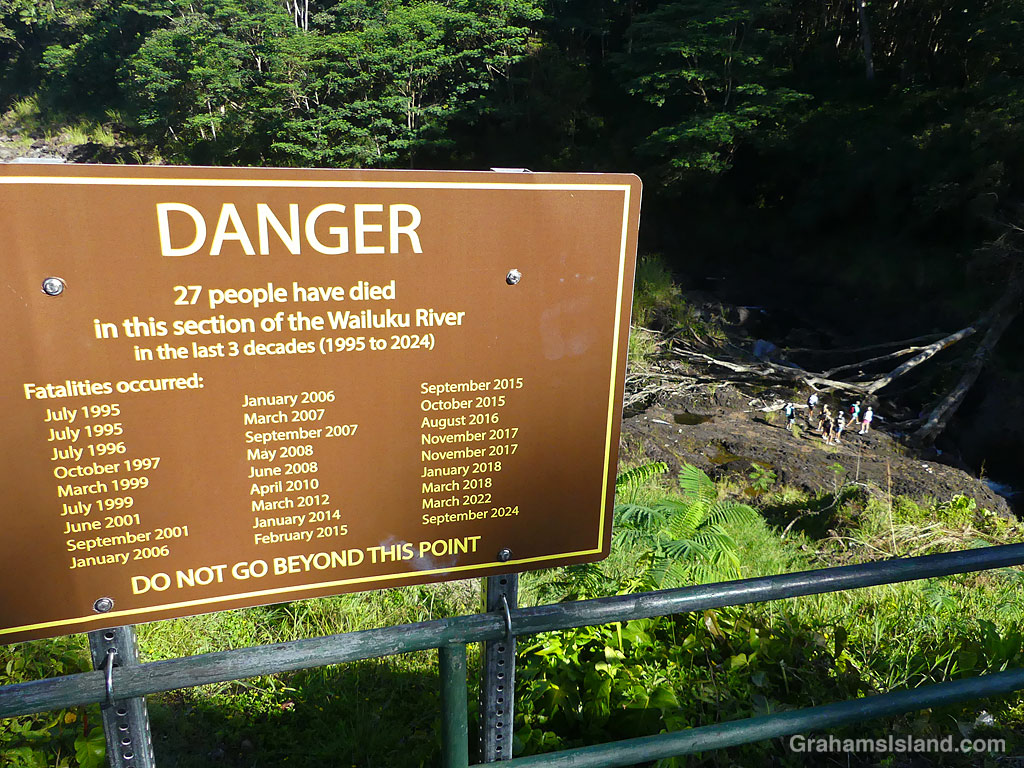
I was in Hilo yesterday, and I visited a few places I hadn’t been to in a while. One was Boiling Pots, part of Hilo’s Wailuku River State Park. It’s a beautiful spot, but the river can be dangerous when it’s roaring, so it’s plastered with warning signs.
As you can see, the signs don’t impress everyone. In truth, this group was probably perfectly safe. The river was as low as I’ve seen it. It’s been dry all over the island and the forecast for the day was more of the same. But it’s not the rain in Hilo that causes the river to run, it’s what’s happening on the slopes of Mauna Kea. And while the forecast was good, forecasts can be wrong, as I think we’ve all experienced. But people will be people.
Frankly, the signs at Boiling Pots are something of an eyesore, but the county has to try and cover itself. If those folks did get swept away, their next of kin would likely lawyer up and hold responsible anyone and everyone, except for those who should have known better.
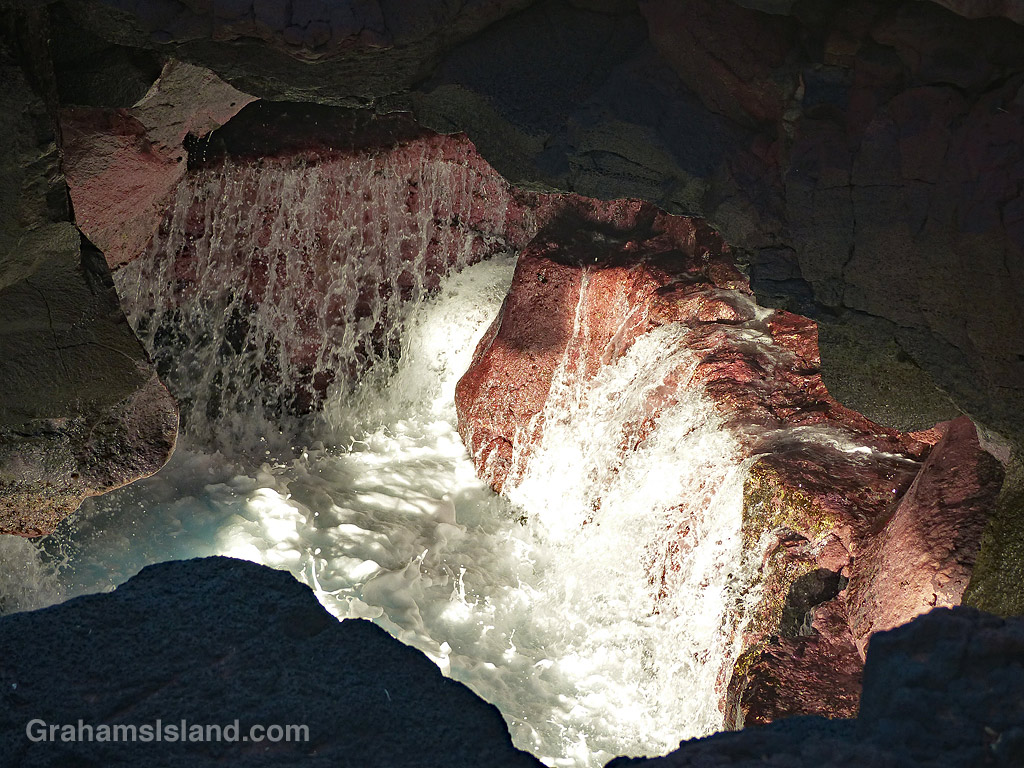
The idea of The Numbers Game is to enter a number into the search bar of your computer and then post a selection of the photos that turn up. This week’s number is 184. Captions are on the photos. You can see more responses here.
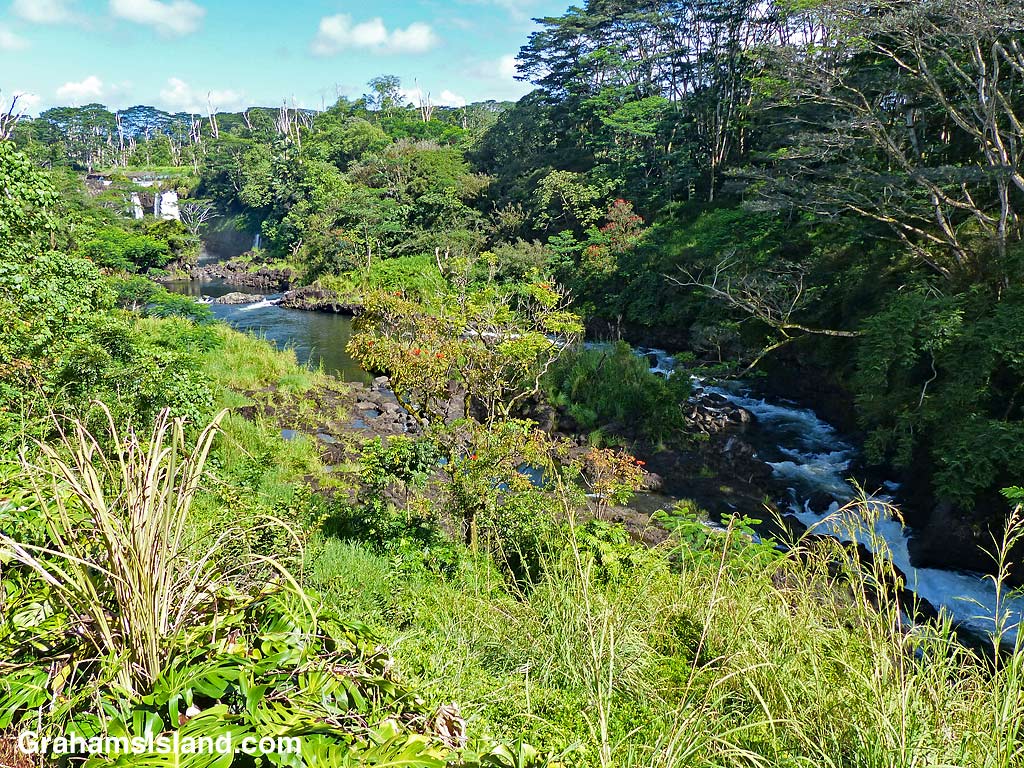

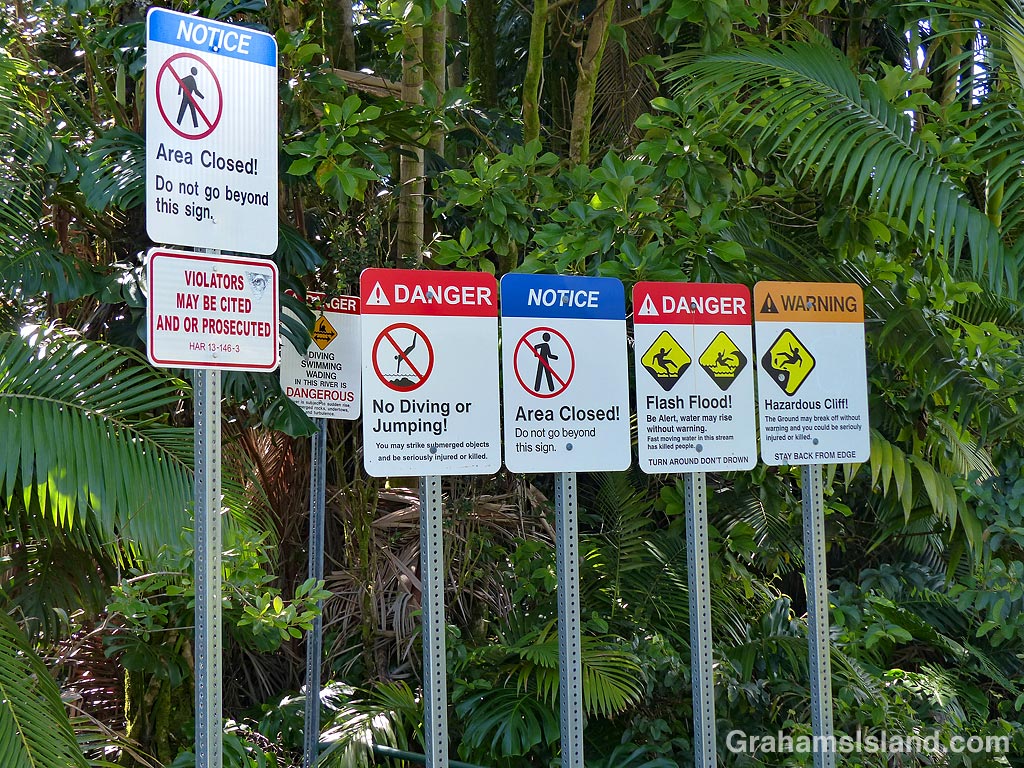
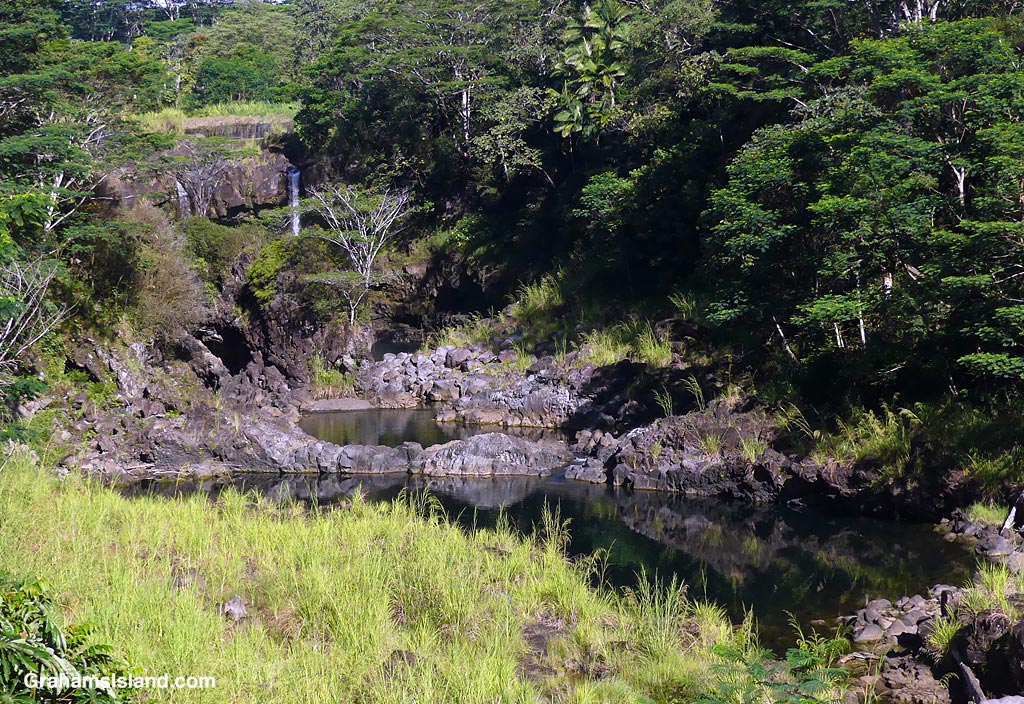
Boiling Pots is part of Wailuku River State Park, in Hilo, along with Rainbow Falls. It features a series of small falls and pools. So why the name? When the river runs fast, those pools roil and bubble as if boiling.
The park overlooks these pools and access to the pools is forbidden, hence these signs. However, people go down there all the time and a few die every year. When people do get swept away, rescue divers usually spend 24 to 48 hours searching the river, at some considerable risk to themselves. Sometimes the body turns up several weeks later, swept into some unlikely spot. Sometimes it’s never found.
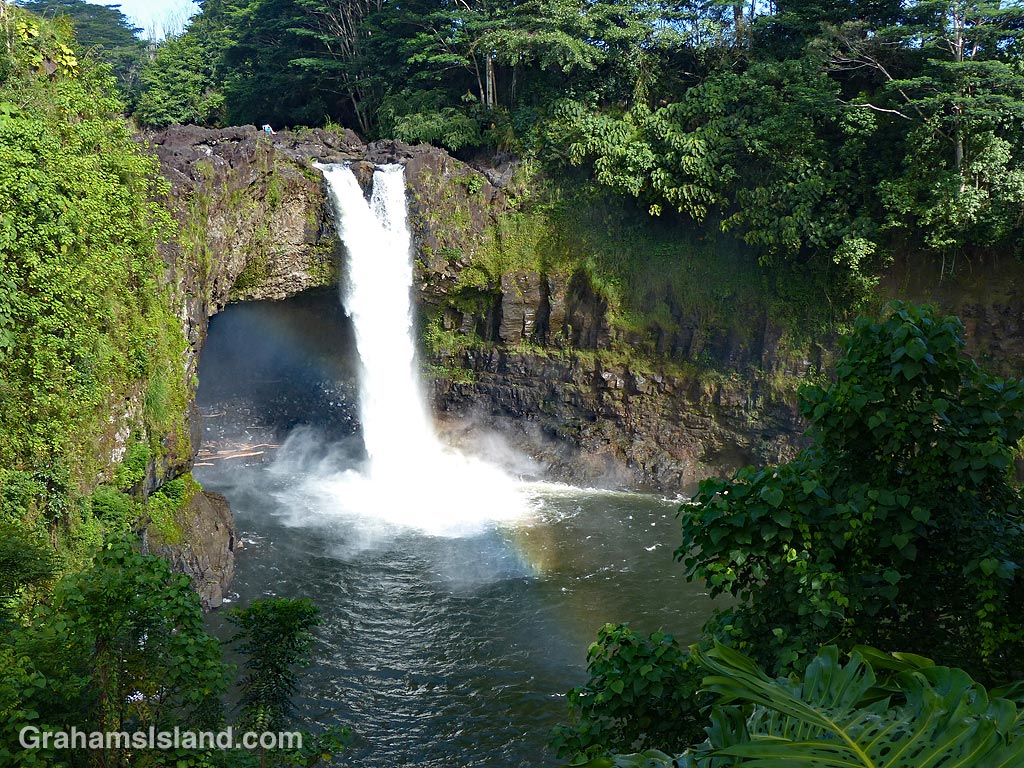
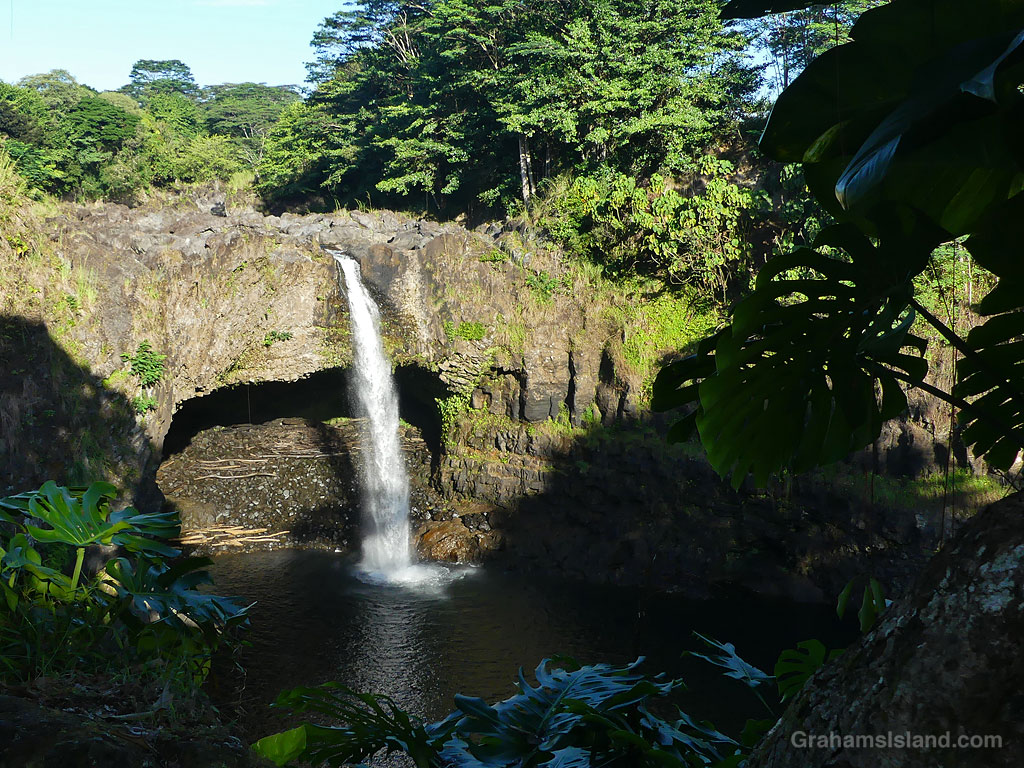
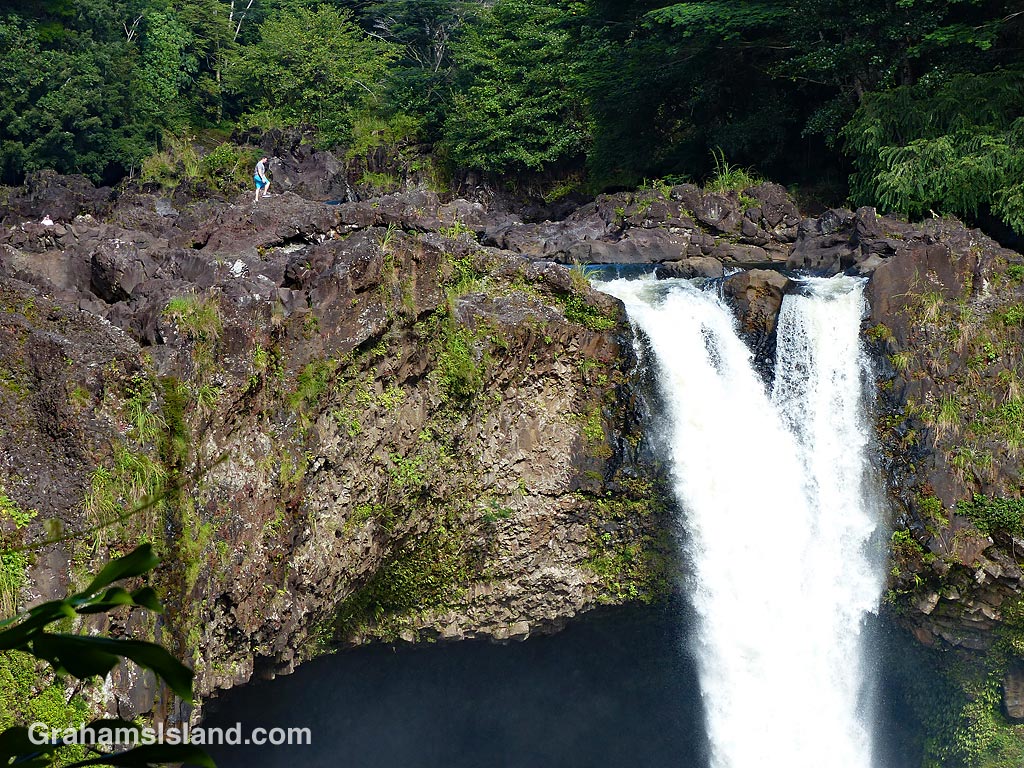
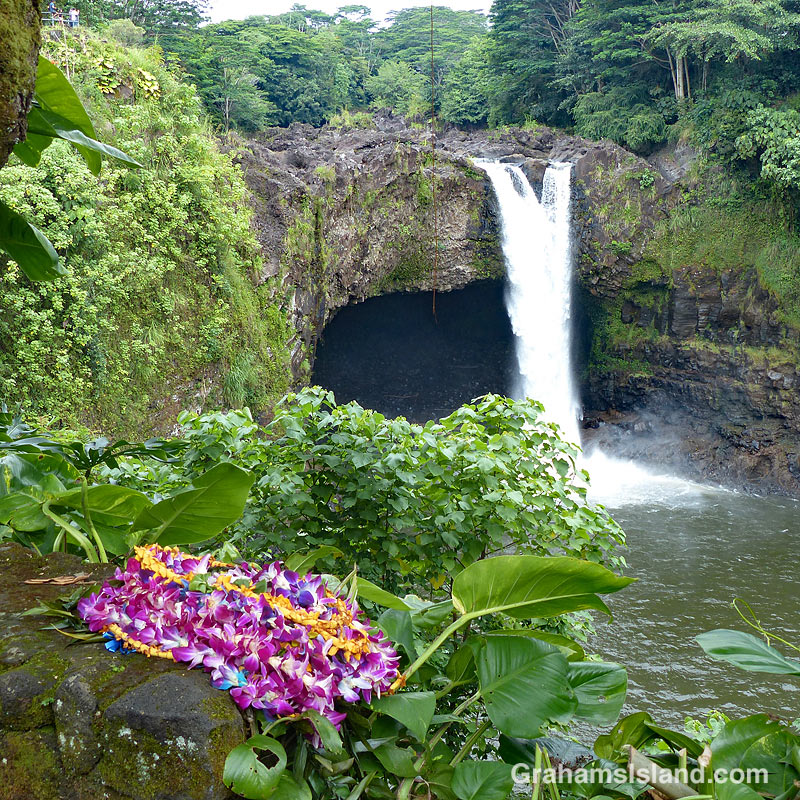 Rainbow Falls are located in Wailuku River State Park, in Hilo. They get their name from the fact that, in the mornings, rainbows often form in the mist from the falls (above).
Center, someone left an offering, possibly to Hina, mother of the demigod Maui, who is said to have lived in the cave behind the falls.
And below, someone who has inadvertently walked past the 83,000 ‘Danger’ and ‘Warning’ signs to wander around at the top of the falls. Flash floods occur often and people die here every year.

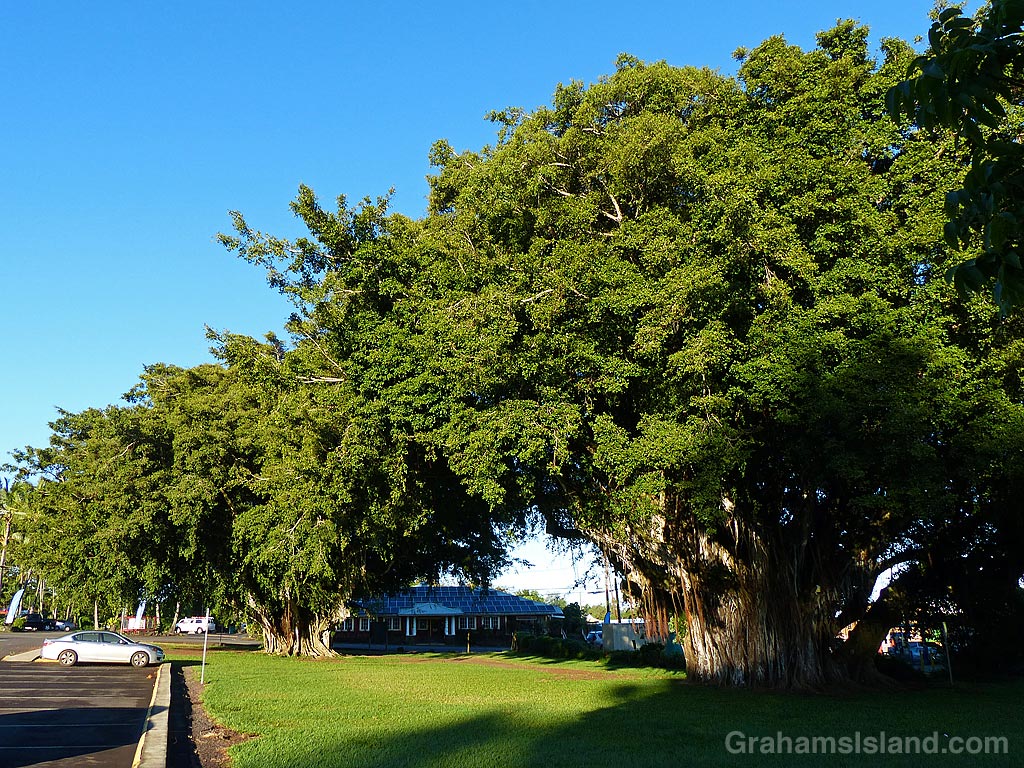
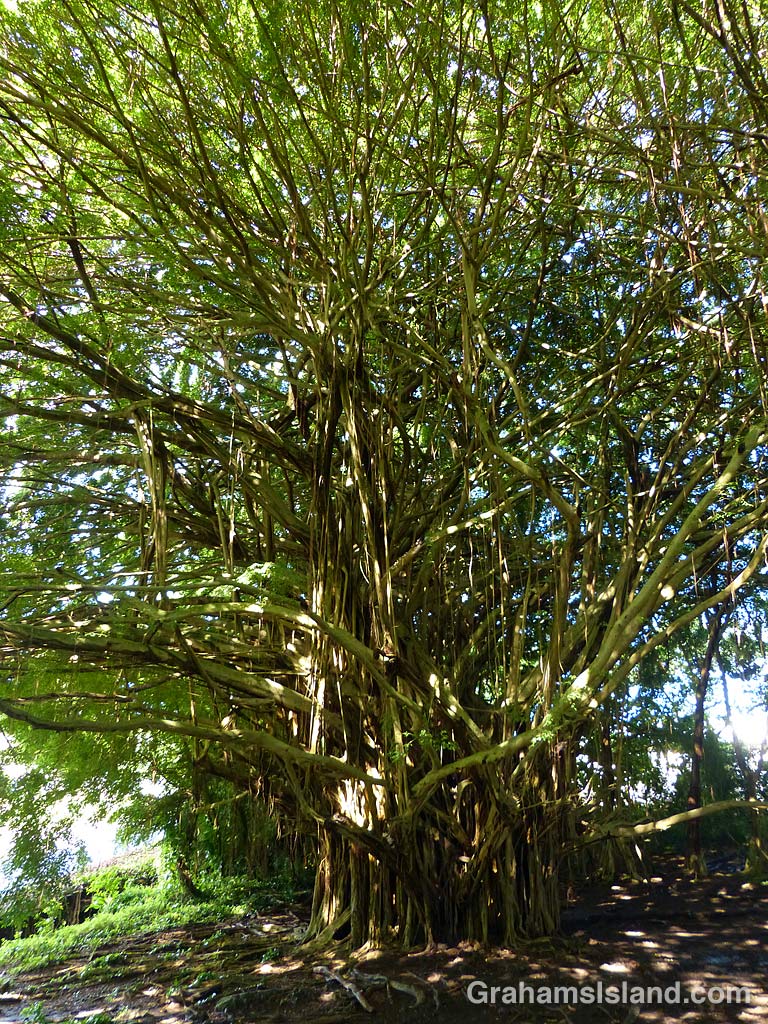 The main attraction of Wailuku River State Park, in Hilo, is Rainbow Falls. But at the top of the hill are these huge banyan trees.
Banyans are not just a huge sprawl of branches, but a sprawl of roots, too. As epiphytes they begin life growing on other trees, from seeds dispersed there by birds. Over time, they send roots down to the ground, known as prop roots, which help support the mass of branches.
Banyan trees are also known as strangler figs because their roots and branches will ultimately overwhelm the host tree and kill it. Eventually, the dead host will decay and leave a hollow center to the banyan tree that’s left.
By continuing to send down prop roots, banyans grow out as well as up. Very old trees can cover a huge area. For example, the Great Banyan Tree in Kolkata, India is more than 250 years old. Its covers around four acres and has more than 3,500 prop roots. Here in Hawaii, the largest banyan grows in Lahaina on Maui. Planted in 1873, it now has 16 main trunks and covers two thirds of an acre.
The Rainbow Falls trees aren’t that large, but they’re coming along nicely.
 Graham's Island