
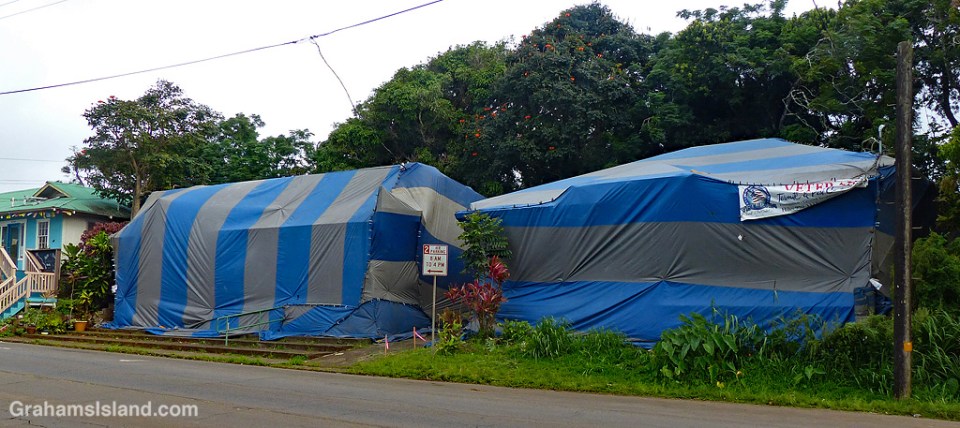
No, it’s not the circus come to town. These tents are for a more macabre purpose, the termination of termites.
As in most warm climates, termites are a problem here. Houses, especially older ones, are easily colonized. Without treatment, the occupying termites will consume wood from the inside, leaving a thin membrane as protection. Infested wood might look fine, but a gentle push on the surface will go right through two or three layers of paint to the termites’ cavern inside.
Besides leaning against a wall and going right through, a prime indicator of termites is small mounds of little round pellets below a pinprick hole in a wall or piece of furniture. These are termite fecal pellets, which the worker termites clear out of the nest from time to time.
Another indicator of the presence of termites is to turn a light on and find a horde of them flying around the room. Around here, May is the prime time for this activity. These flying termites are fertile males and females, leaving the nest they grew up in to find a place of their own and start a new colony.
As unpleasant as it is to find a room full of flying termites, it’s even worse to wake up and see countertops littered with discarded wings, a sure sign that these fertile termites have moved in to a new spot.
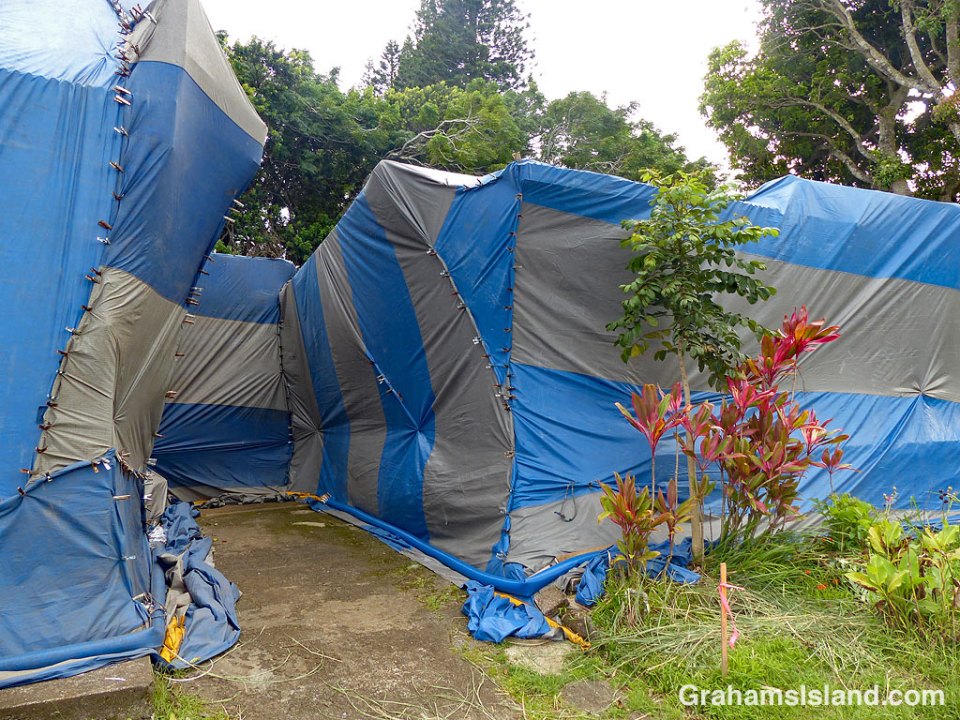
So tenting for termites is common practice here. The structure is covered with nylon sheeting until it is completely sealed and then a fumigant is pumped in. The tent usually remains on overnight. After the tent is removed, the house has to sit empty a while for the gas to dissipate. It’s not wise to go back in too early or one could find oneself joining the termites. Typically it can be two or three days before a home can be reoccupied.
Tenting for termites is effective but it has downsides. It works for drywood termites, but not subterranean termites since they live outside the house and just dine inside. There are also environmental concerns about the process. And while fumigation works, there’s no guarantee that a new colony of termites won’t move in just as soon as the gas has cleared.
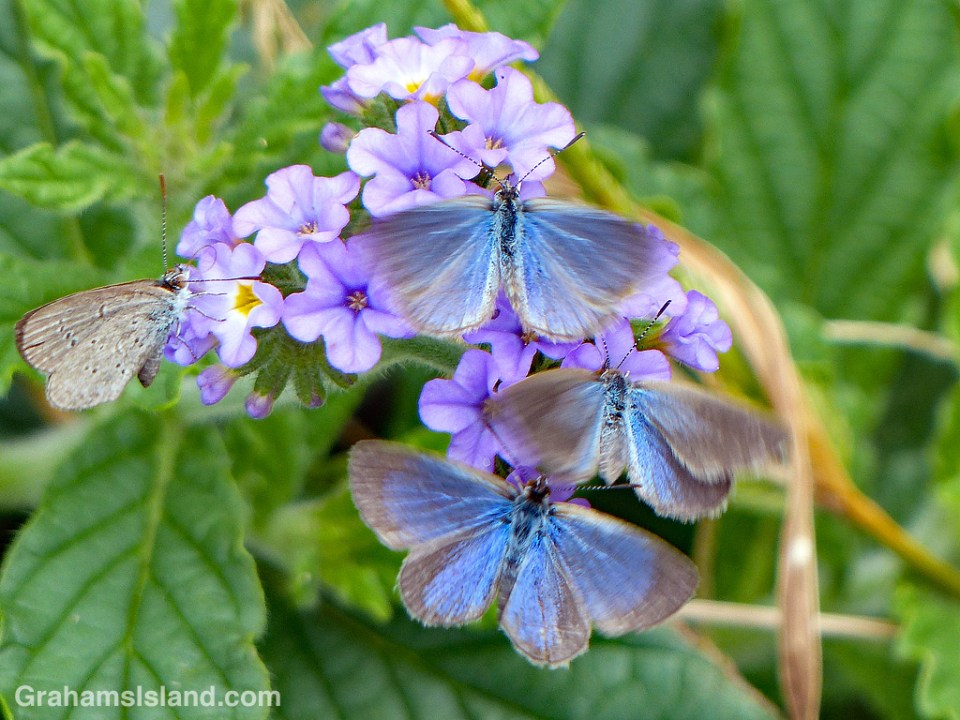
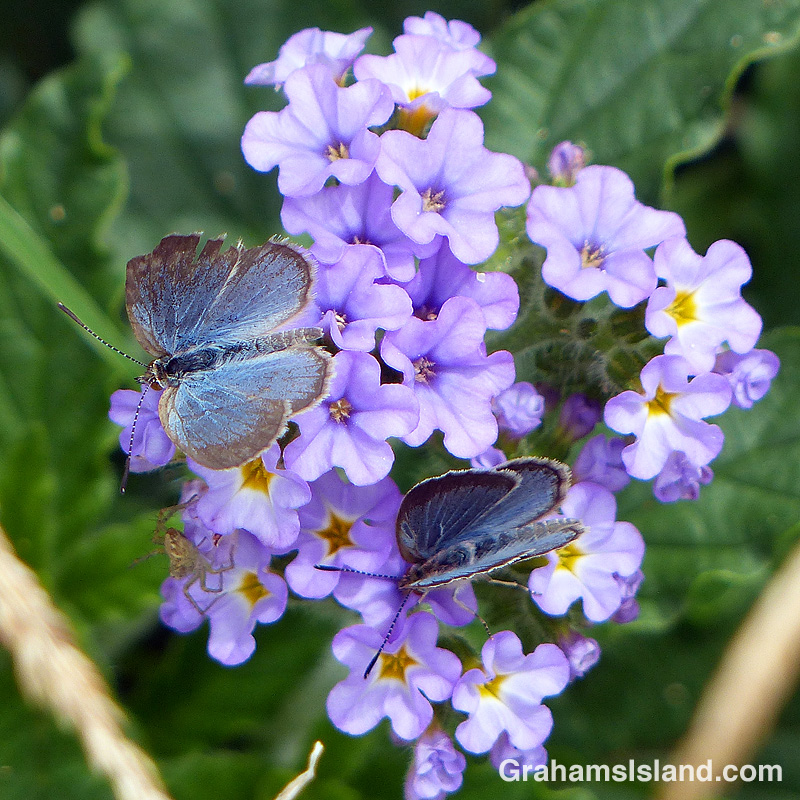 The lesser grass blue butterfly (Zizina otis) was first seen in Hawaii on Oahu in 2008 (for an article, or most of an article, about the find, click
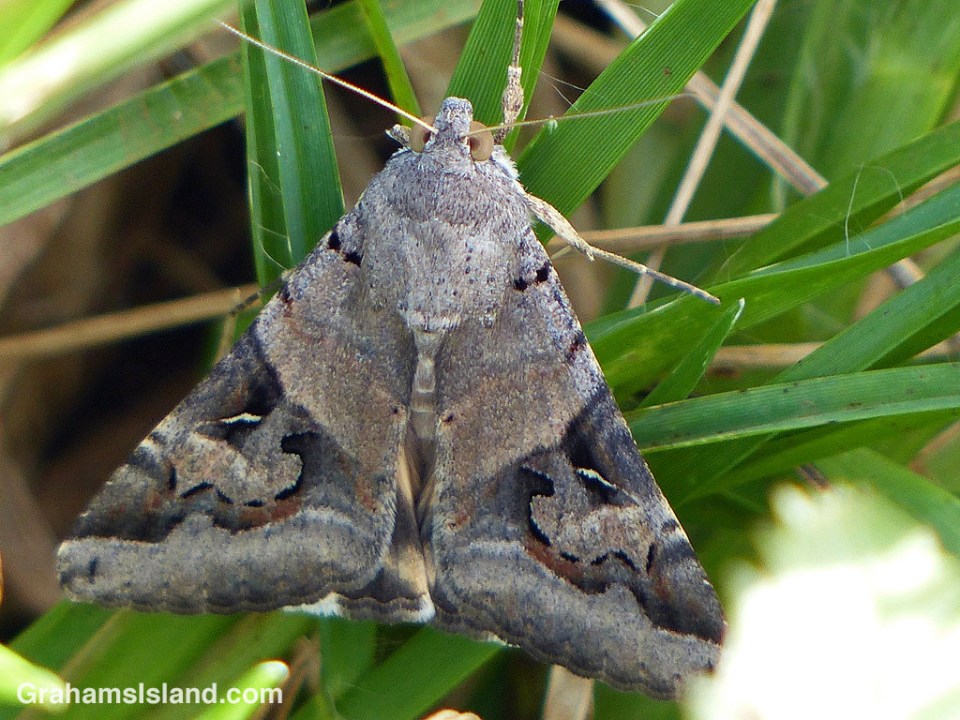
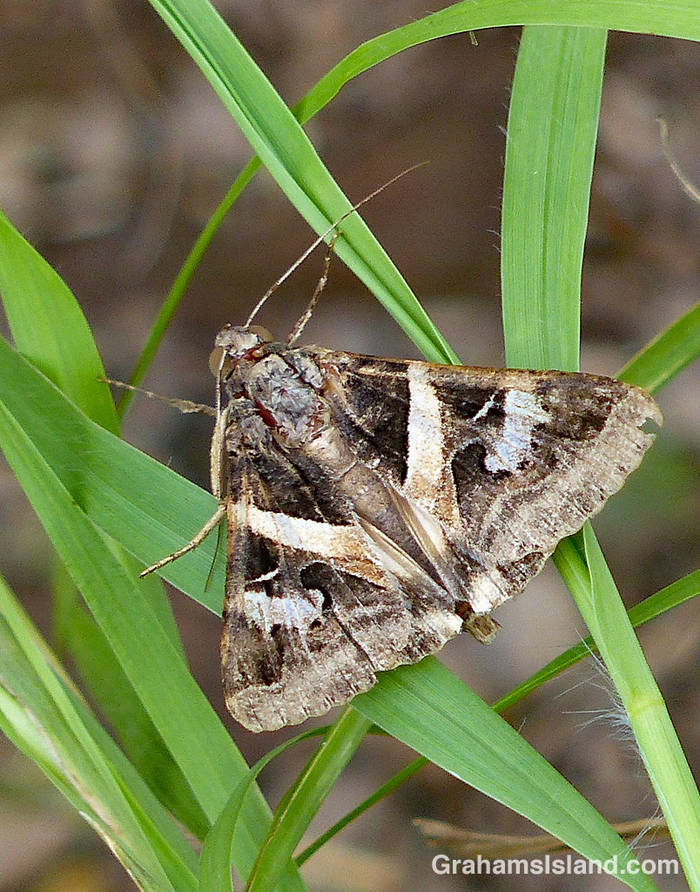 Two photos of indomitable melipotis (Melipotis indomita) moths, a female above and a male below. This species is common across the southern United States, but many sources do not include Hawaii in its range. However, it was first recorded here in 1969 according to this paper (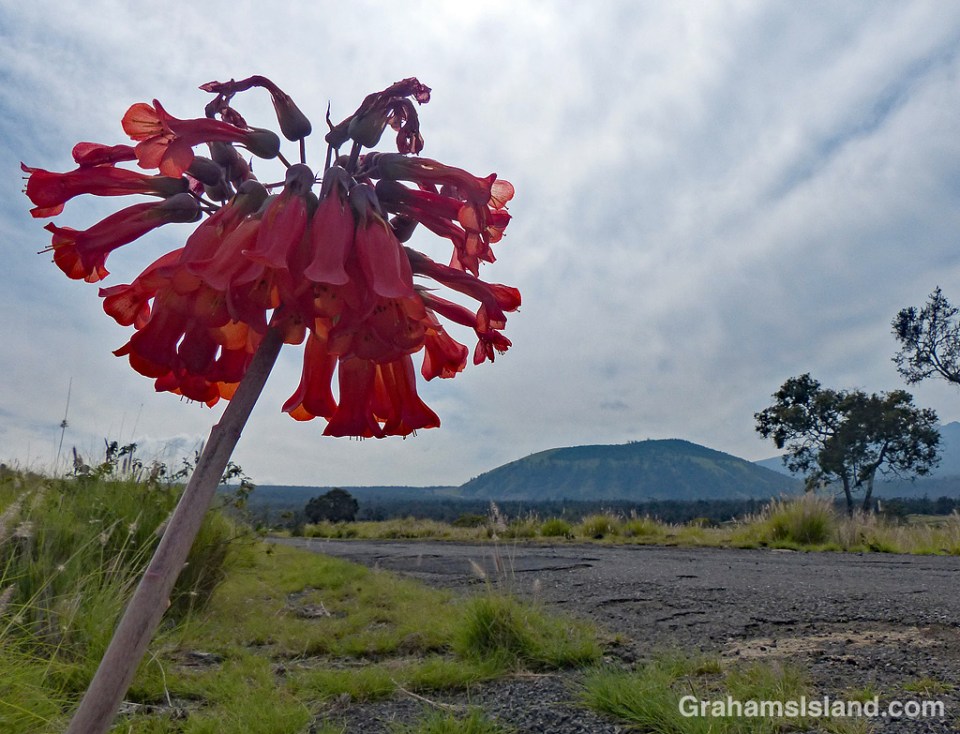
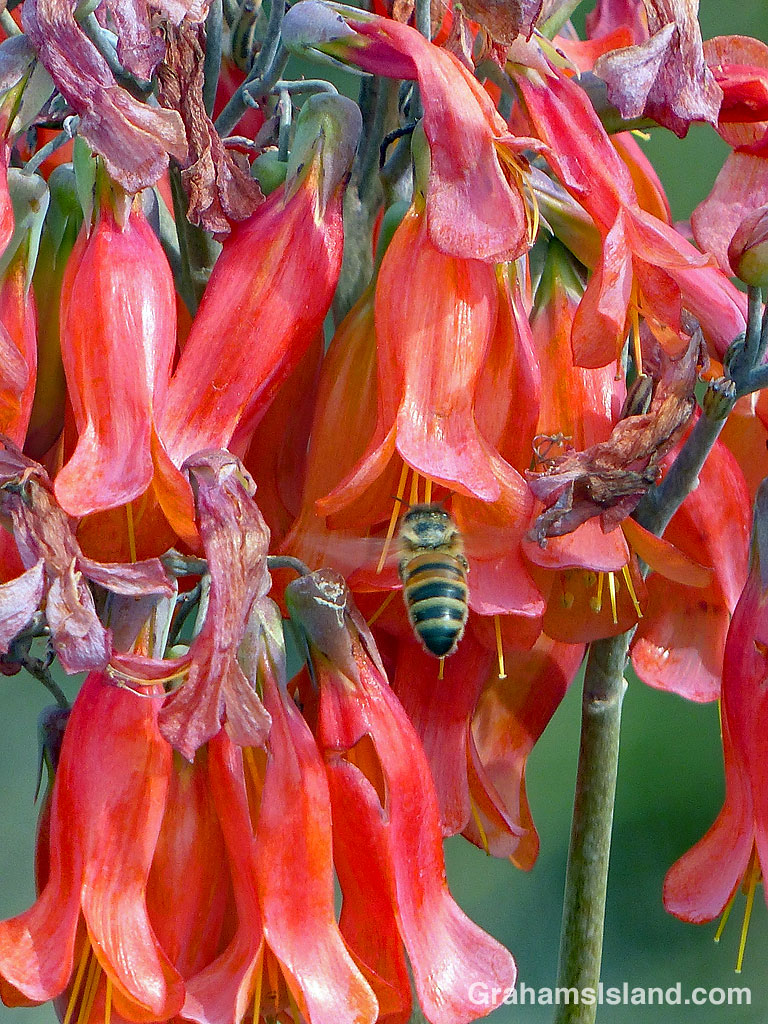 This bryophyllum is probably bryophyllum x houghtonii, but there are several similar looking varieties of bryophyllum. Their common names are telling, however. Bryophyllum x houghtonii is known as ‘hybrid mother-of-millions.’ Common names for other bryophyllums include ‘mother-of-millions,’ ‘prolific mother-of-millions,’ and ‘mother-of-thousands.’

 Graham's Island