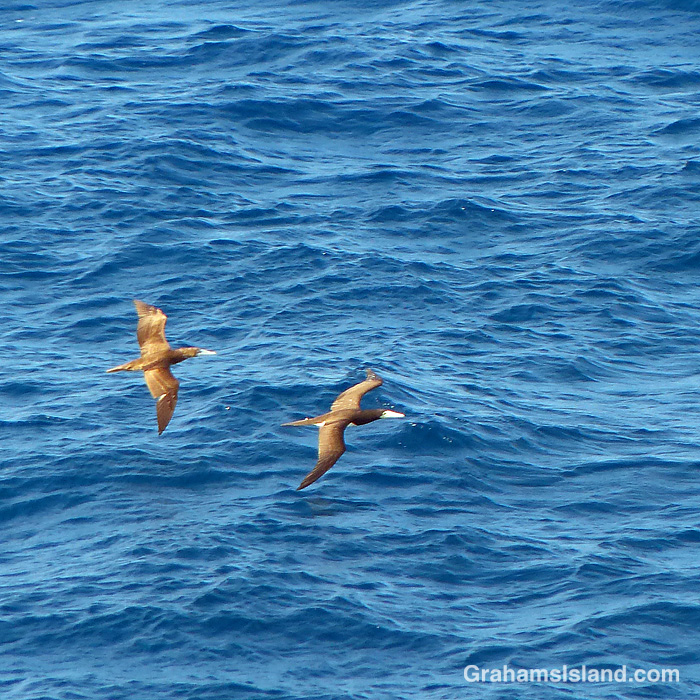
A pair of Brown Boobies skim over the water off the coast of North Kohala.

A pair of Brown Boobies skim over the water off the coast of North Kohala.
Recently, I was walking around the fishponds at Mauna Lani when I came to a small cafe that was closed. I walked to the back of it, hoping for views to the fishpond behind. What I found was a couple of people staring up into a tree where a lot of loud squawking was going on.
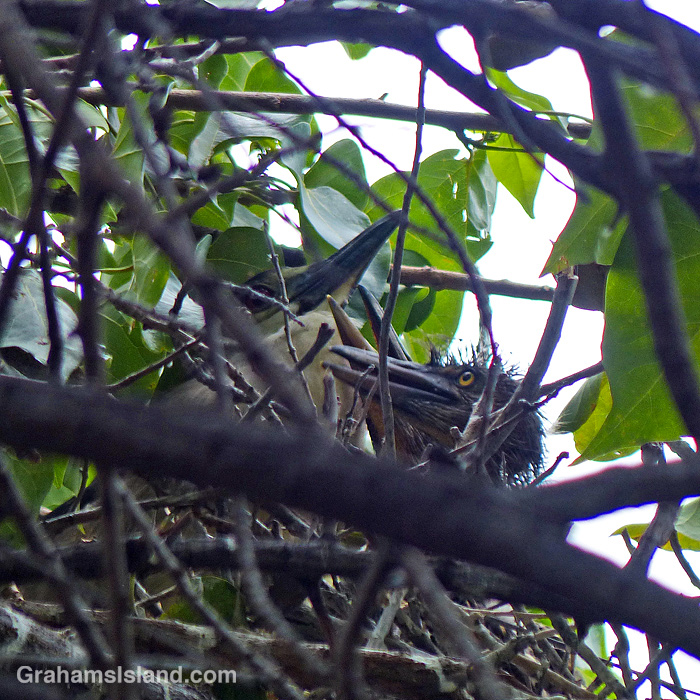
When the people moved on, I spotted the source of the noise. It was the nest of a Black-crowned Night Heron, high up in the tree, and occupied by an adult bird and two chicks. The two chicks, as might be expected, were the source of all the noise, demanding food and jabbing their dangerous-looking beaks at the parent. Eventually, the adult bird moved out of the nest to nearby branch. The chicks tried to follow, but weren’t agile enough to do so without risking falling from the tree.
I took a few photos, but the tangle of branches made it difficult to know if the birds were in shot, let alone in focus. So I was happy to get this photo, which captures something of the scene. When I saw it, for some reason the expression that popped into my head was, ‘a face only a mother could love!’
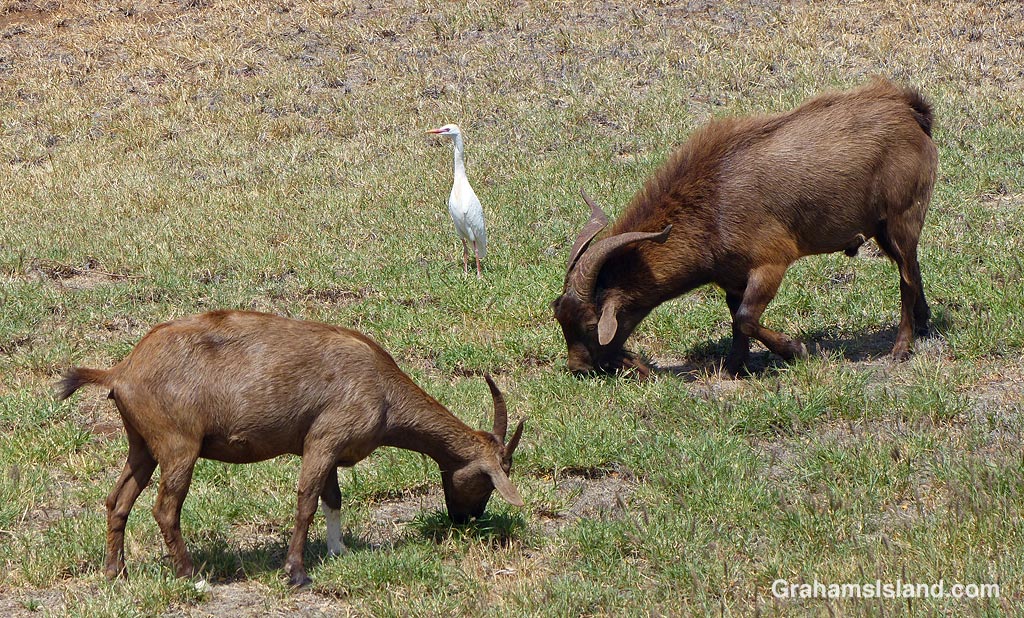
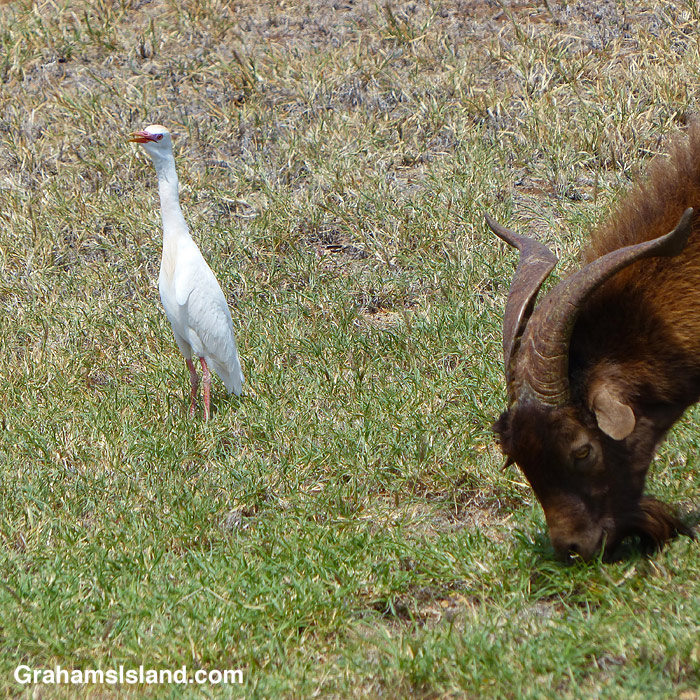
This Cattle Egret appeared to have difficulty choosing which of several goats it should follow, in order to snap up bugs disturbed by their grazing. Or perhaps something else was going on. I could see its throat rippling, so it might have been calling, though I couldn’t hear any sound from where I was.
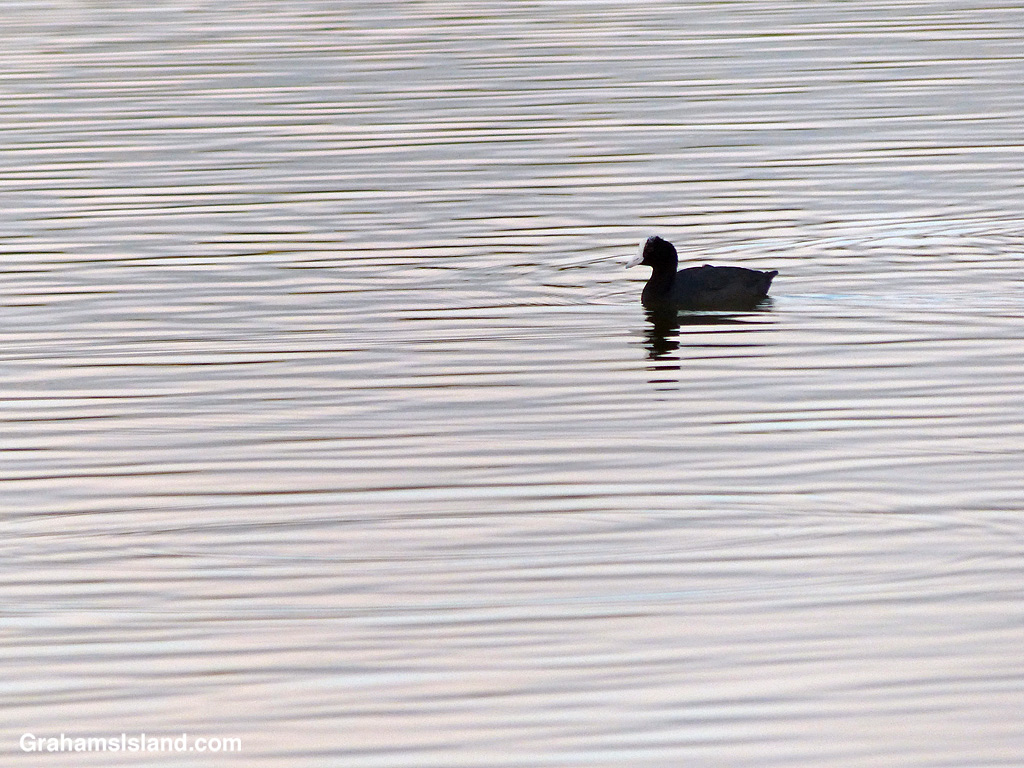
This Hawaiian Coot was cruising on the rippled waters of ʻAimakapā Fishpond at Kaloko-Honokōhau National Historical Park.

This hen and her brood of chicks were foraging on shore at Honokohau Harbor. Most places in Hawaii have a generous number of hens and roosters wandering free, with Kaui particularly notorious for its abundance of roaming poultry.

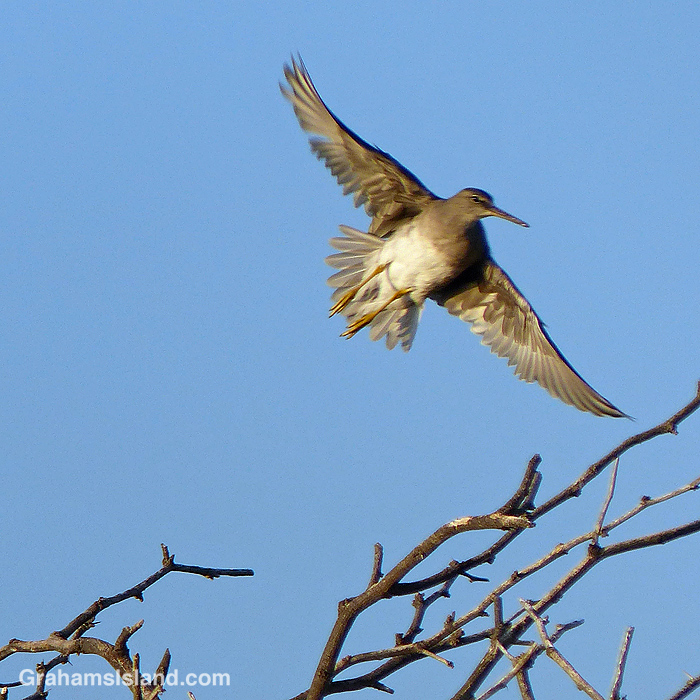
I saw this Wandering Tattler at Kaloko-Honokōhau National Historical Park and realized that I’d never seen one in a tree before. Usually I see them wandering over the rocks in search of food. I’m not sure what this one was up to, but it took off not long after I saw it, probably heading for the shoreline.
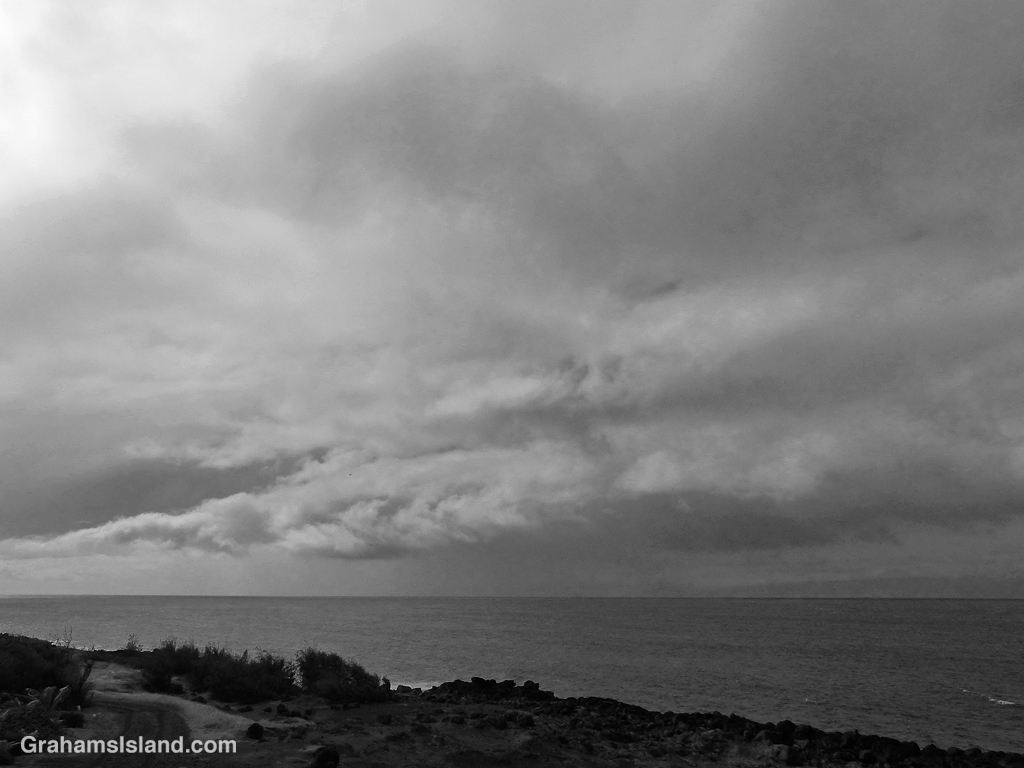


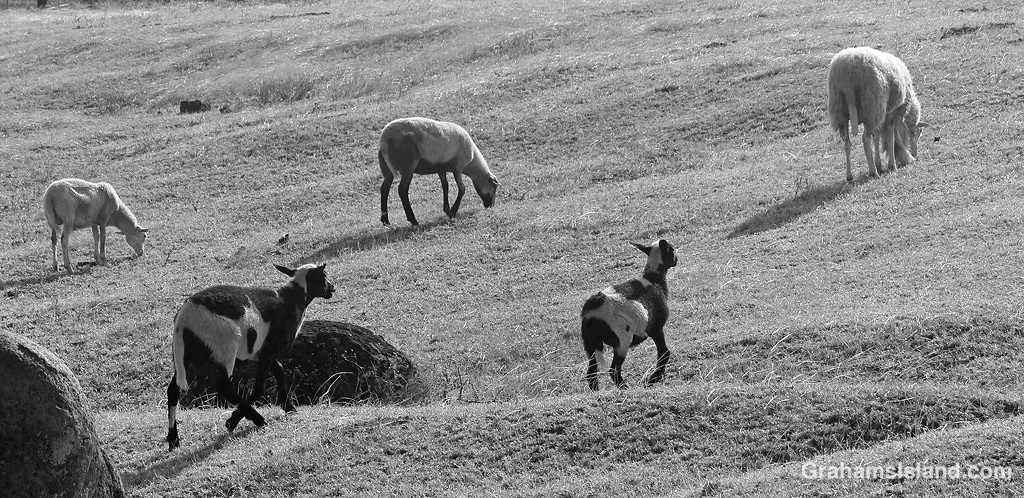
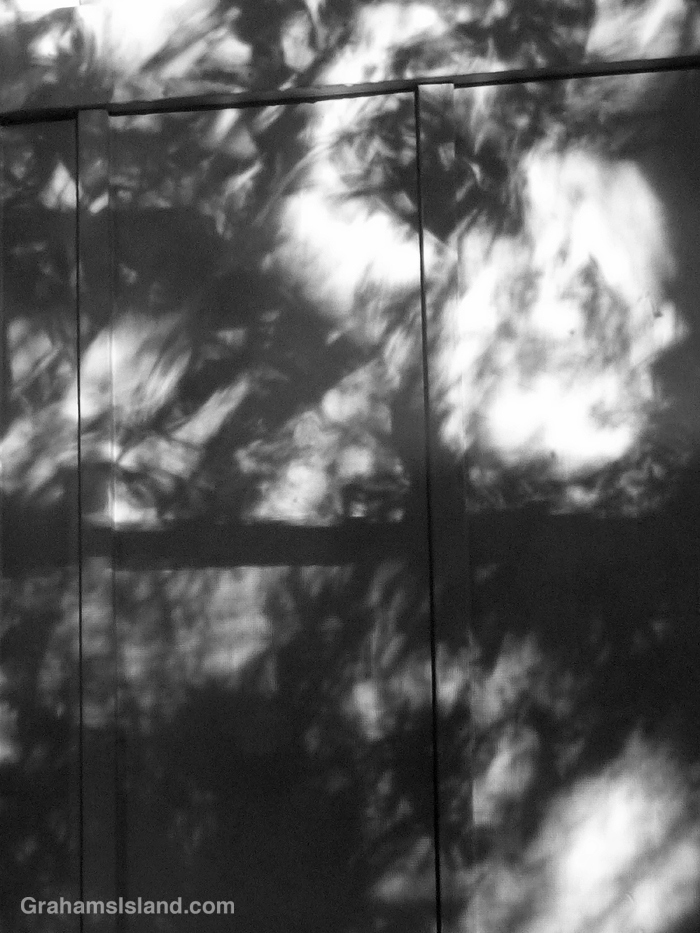
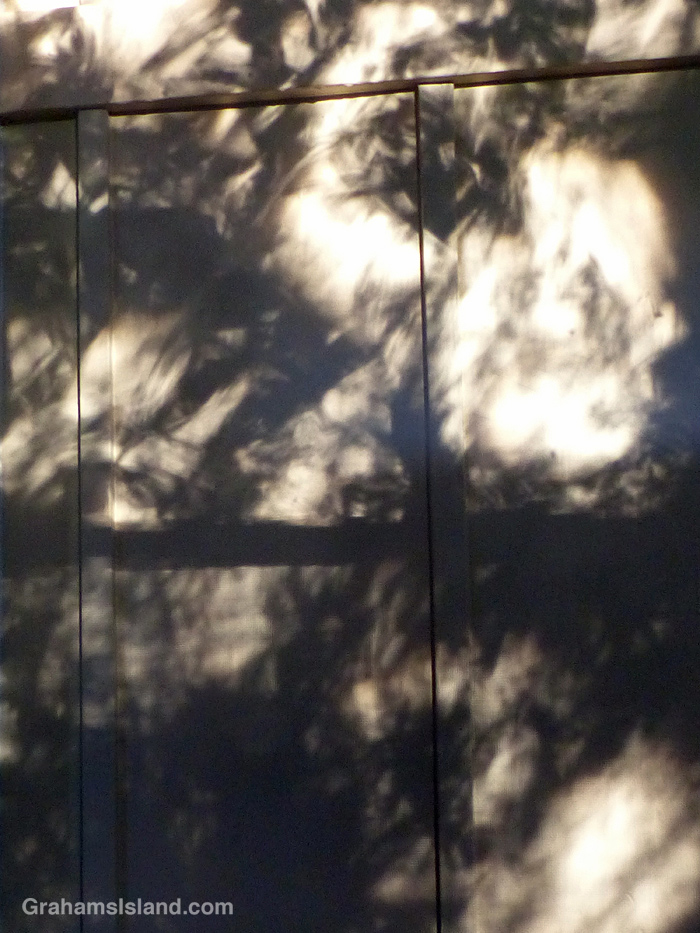
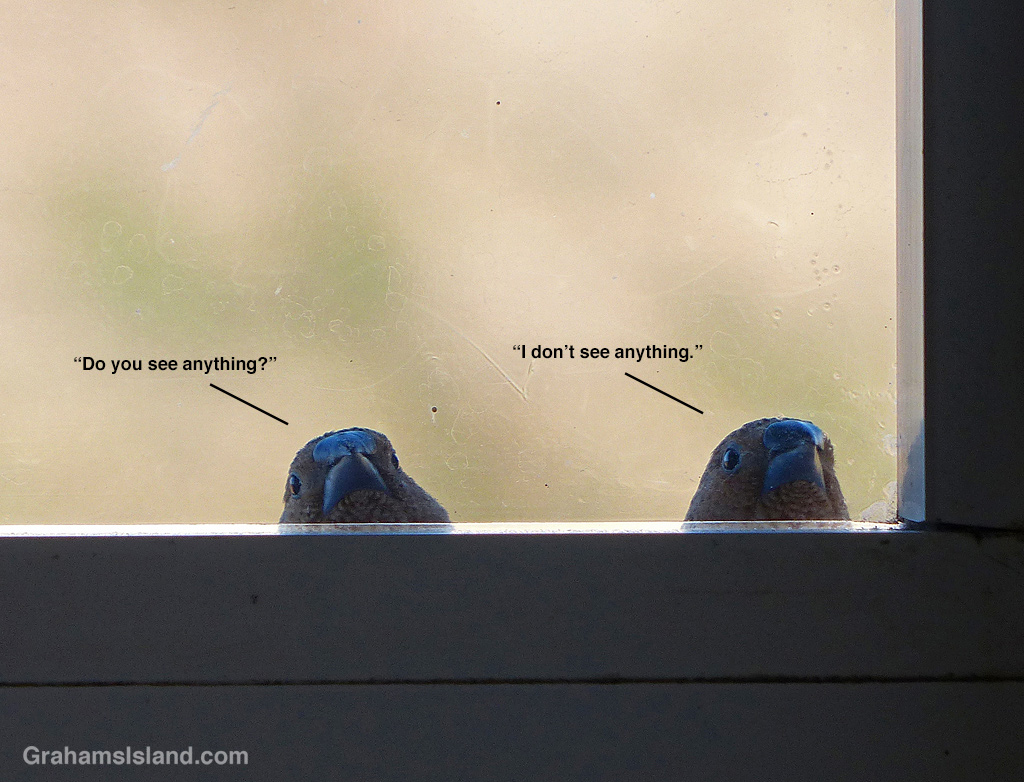
This week’s Sunday Stills challenge theme is ‘Daylight in Black and White.’ See more responses here.
I was going to post a single image for this but then got caught up with the idea of black and white images of black and white things. This is the result.