I was walking the beach at Pelekane Bay one morning, when I realized there was a lot of movement on the sand. A bit of quiet observation revealed crabs everywhere. They skittered back and forth, but if I moved, they zipped back to the edge of their holes or disappeared into them.
Ready to disappear below in an instant.How do I get this down my burrow?Yes, there’s a crab in this photo, obviously!
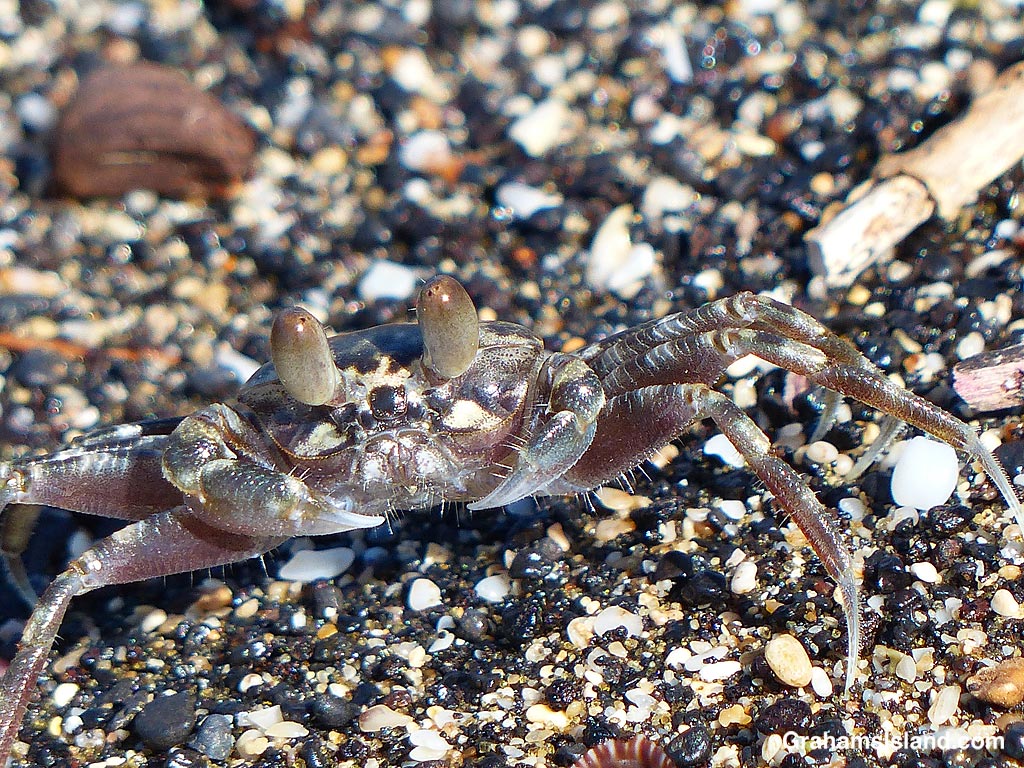
I picked a spot where I could observe a good number of them and spent about 40 minutes there, kneeling in the sand, moving minimally, while the crabs went about their work. The ones in these photos are Pallid Ghost Crabs.
Pallid ghost crabs leave sand balls outside …… when excavating their burrows.
Posted for Becky’s Squares: Move Forward, Reconstruct, Renew, and/or are Burgeoning. See more responses here.
It’s been a long time since I saw a Triton’s Trumpet, so I was happy to spot this one soon after I got into the water recently. However, it didn’t look like it was in a good situation, shell down in the rocks and the opening exposed. I’m not one to interfere with nature too much so I took photos and carried on with my swim. When I returned, I looked for it again and found it right side up and all well.
Triton’s Trumpets are extremely large marine snails. Even when I first saw it, in its precarious position, there was probably no danger. Triton’s Trumpets have no predators in nature. The biggest threat to them is, of course, us humans, who covet them for their very attractive shells.
A downside of this is that these snails are one of the few things that eat Crown-of-Thorns Stars, which are significant destroyers of coral. So going out and buying one of these shells contributes in a direct way to the disappearance of coral reefs.
One thing I have yet to see, but would very much like to see, is a Triton’s Trumpet going after a Crown-of-Thorns Star. That’s because they’re considered to be very speedy snails. Even though a Crown-of-Thorns Star can detect the presence of a Triton’s Trumpet and get a head start, the snail can run it down, moving forward with considerable purpose!
Posted for Becky’s Squares: Move Forward, Reconstruct, Renew, and/or are Burgeoning. See more responses here.
The photo number isn’t 140, but this still works. Watch out for that tub!
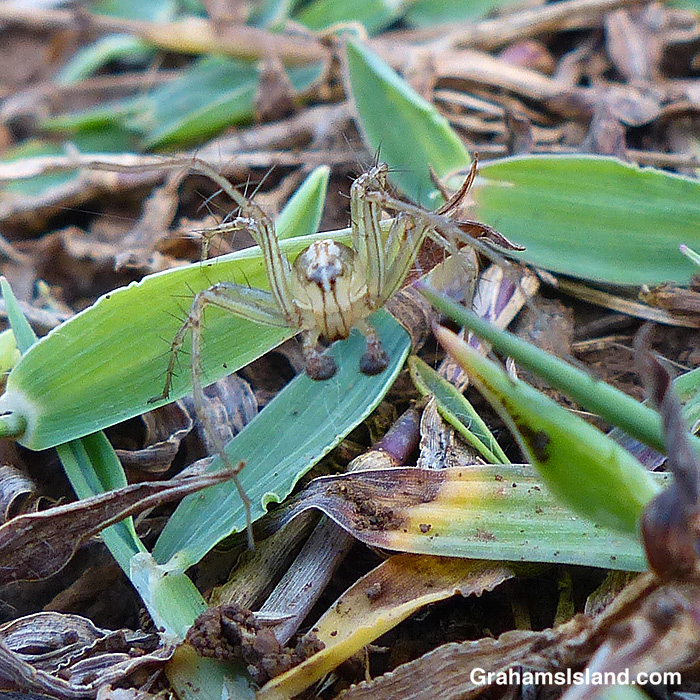
An itsy bitsy, teeny weeny Striped Lynx Spider.
The idea of The Numbers Game is to enter a number into the search bar of your computer and then post a selection of the photos that turn up. This week’s number is 140. Captions are on the photos.
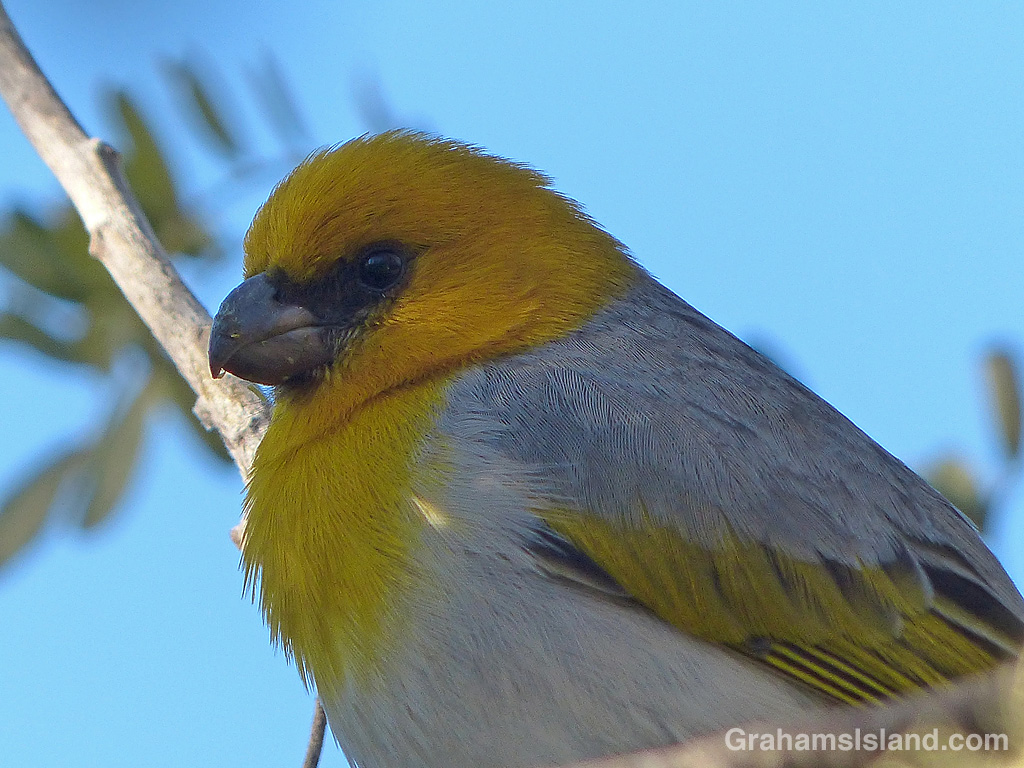
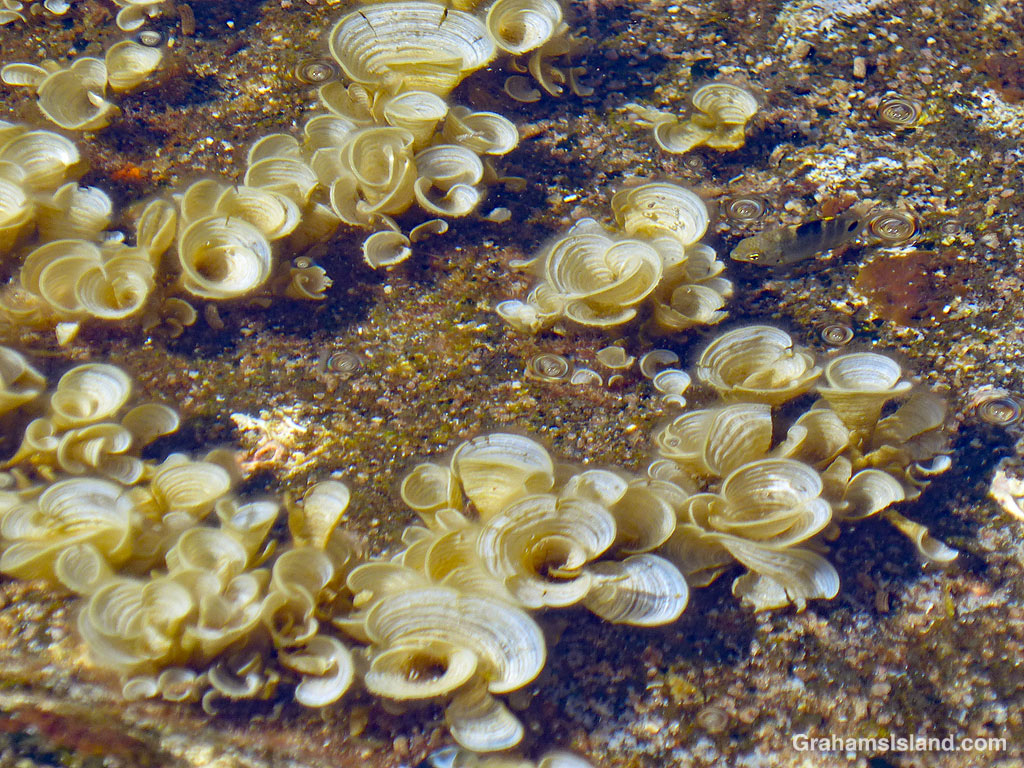
An endangered Palila, a bird found only on the Big Island, Hawaii.Rainbow over North Kohala.Little fish and Padina japonica seaweed in a tide pool.A fireweed control moth (Secusio extensa).Sunrise over North Kohala.
The idea of The Numbers Game is to enter a number into the search bar of your computer and then post a selection of the photos that turn up. The top photo was one of these and I thought, I must have run this before, but I hadn’t. It turned out to be a photo I’d processed, but neglected to move from my originals folder. Without The Numbers Game, I would never have found this!
This week’s number is 138. Captions are on the photos. You can see more responses here.
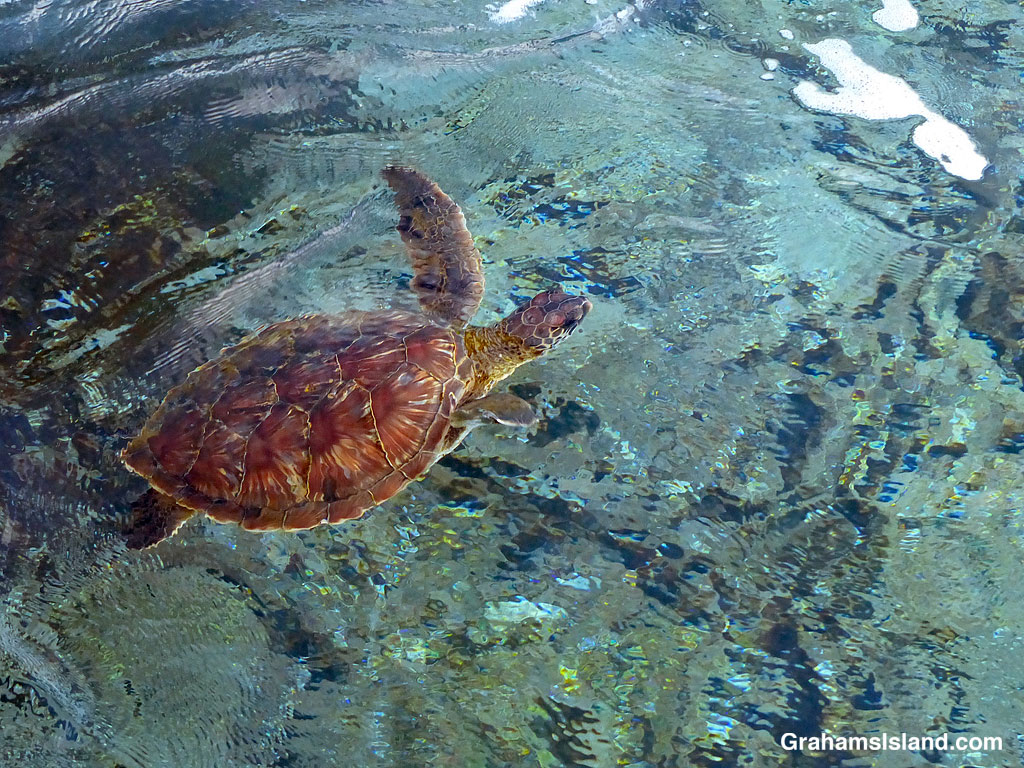
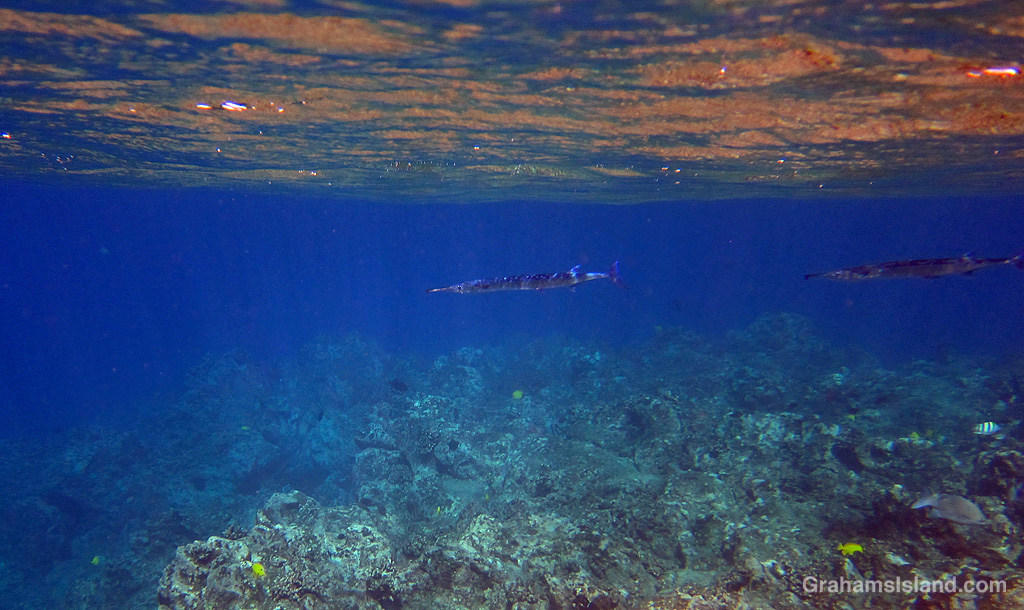
A Hawaiian Green Turtle swimming.Two Crocodile Needlefishes cruise just below the surface.Ironman is hard work …… but colorful.
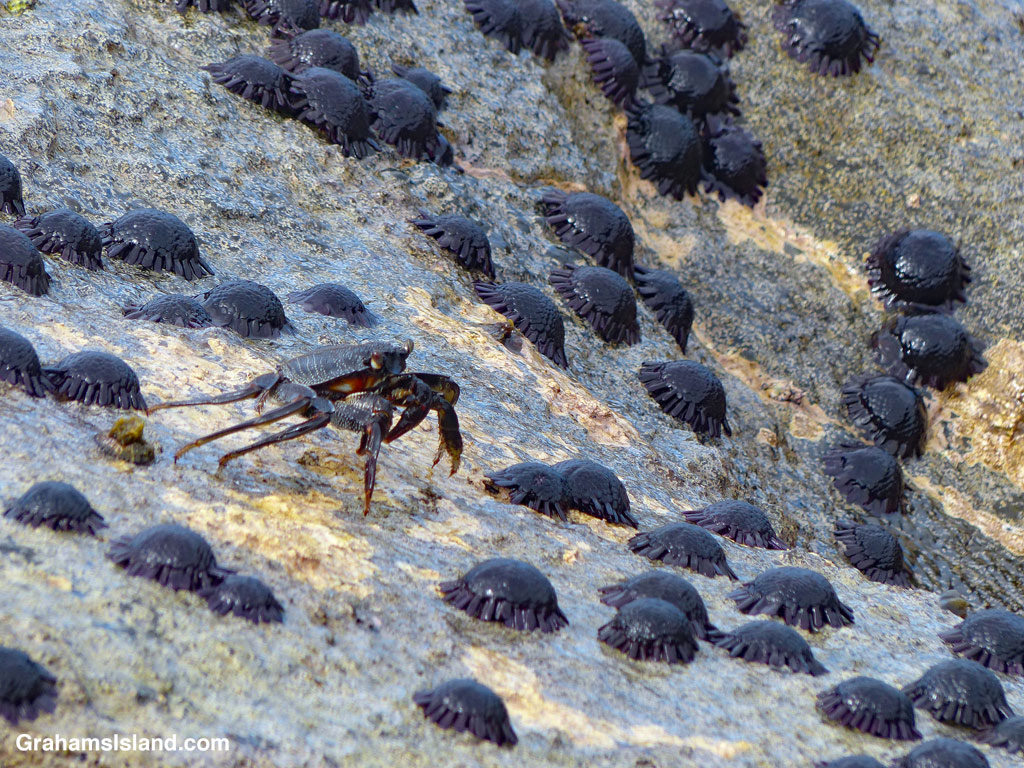
An A’ama crab skitters through a field of Helmet Urchins.
A Yucca plant in full flower.
The idea of The Numbers Game is to enter a number into the search bar of your computer and then post a selection of the photos that turn up. This week’s number is 134. Captions are on the photos.
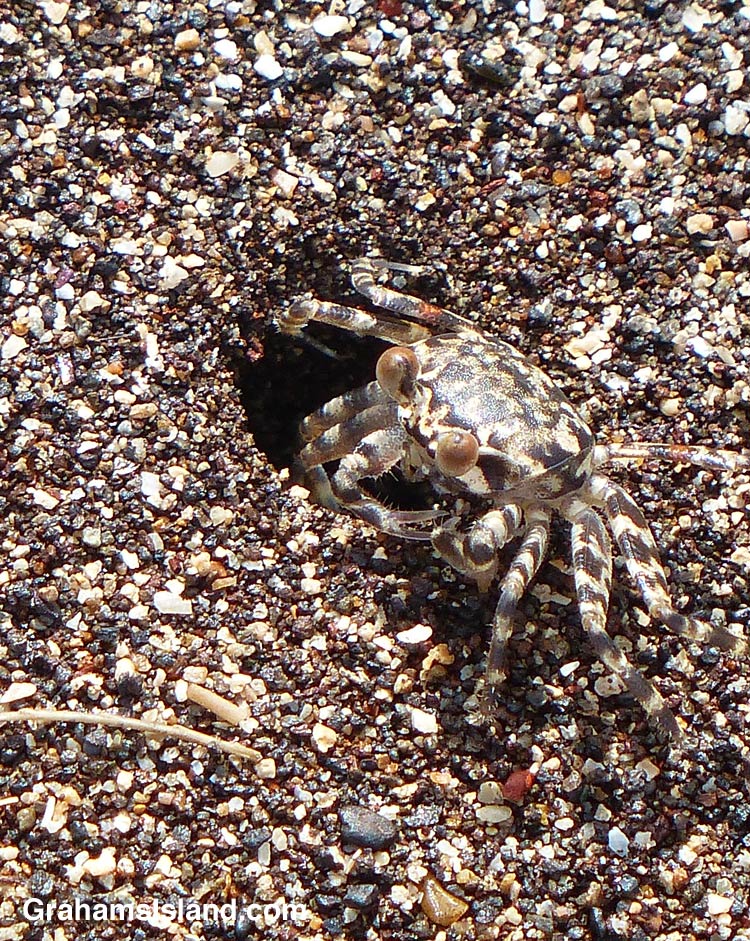
A mural painted on the side of Hawi Post Office.A Ruddy Turnstone watching.A Pallid Ghost Crab getting ready to disappear into its burrow.The bench overlooking Honokane Nui Valley.
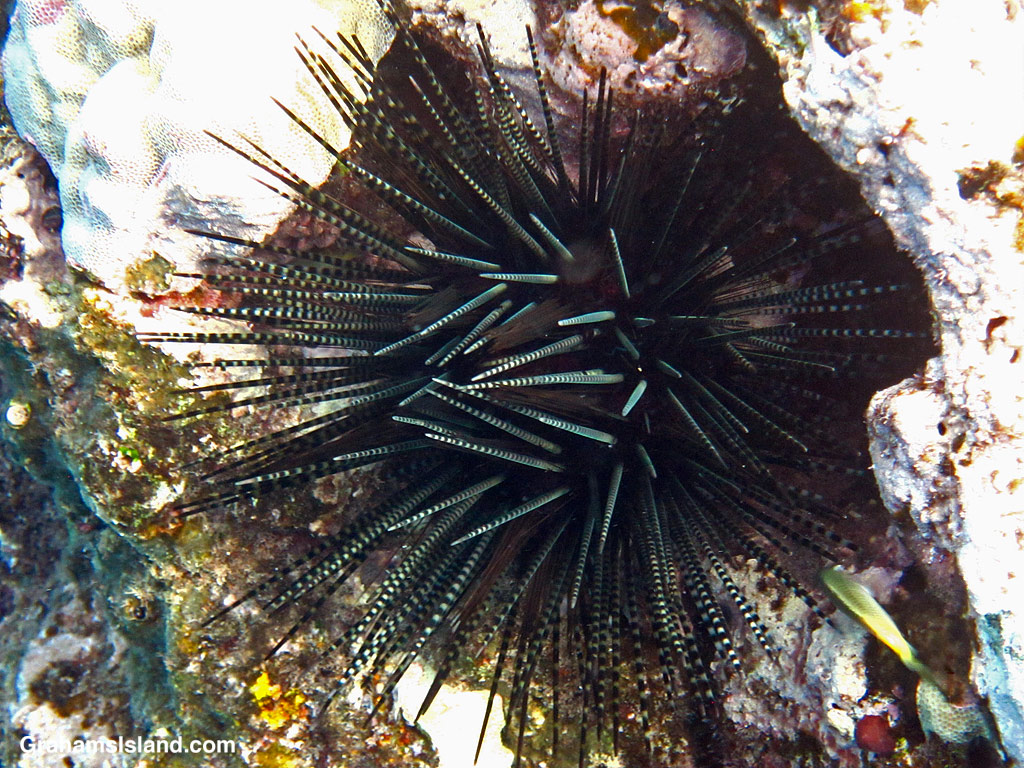
This Banded Urchin is one that actually looks like its name. The most common long-spined urchin here, it’s generally a uniform dull black. Long-spined urchins provide a refuge for small fish, such as the Bright-eye Damselfish seen scooting for cover here.
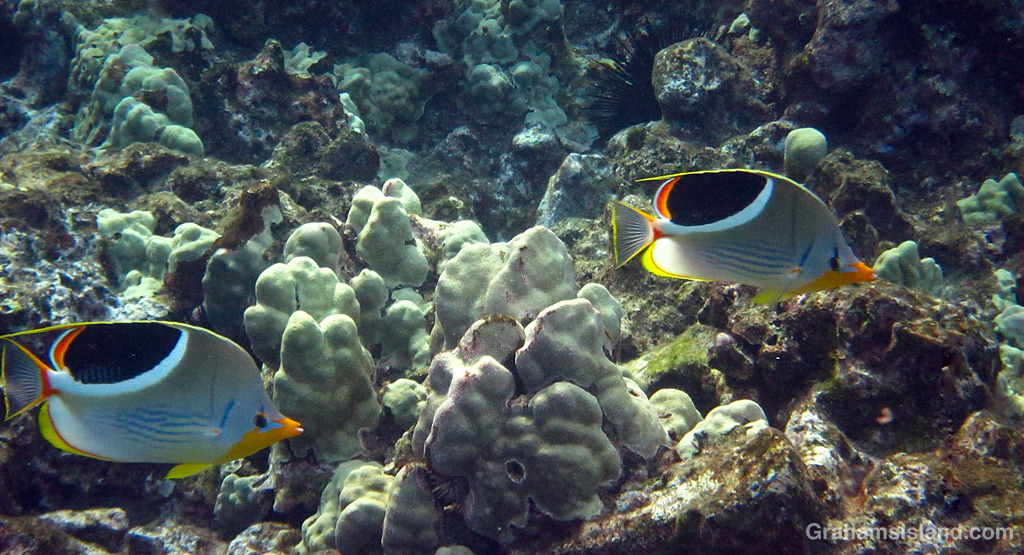
Saddleback Butterflyfish are easily identified with their bold and colorful markings. They’re almost always seen in pairs, and have a fairly wide range when it comes to the depths of water they inhabit. They feed mostly on coral polyps and, like Yellow Tangs, don’t do well in captivity.
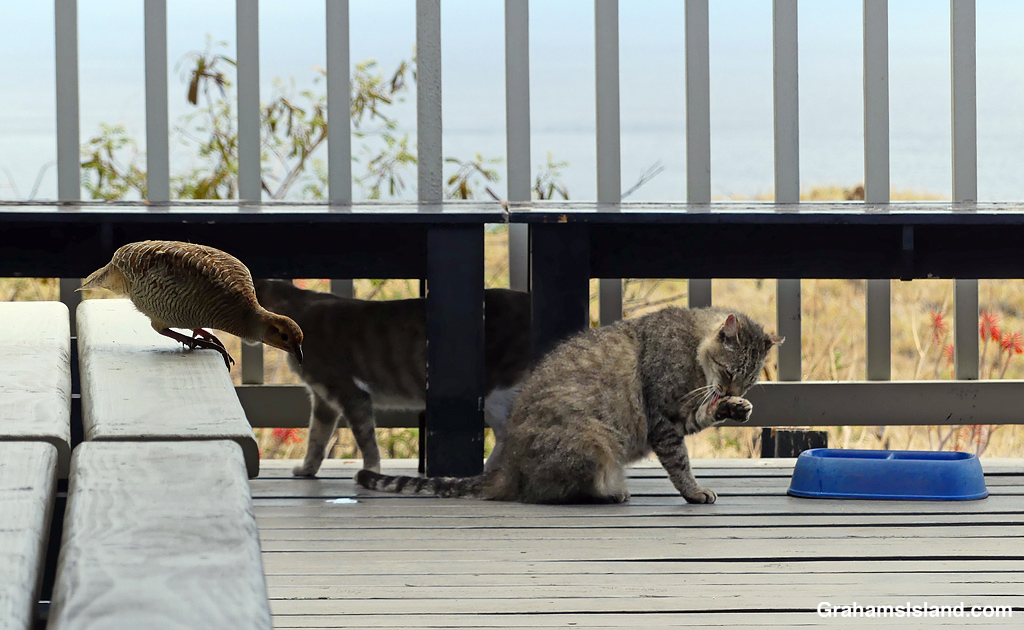
A Gray Francolin ventures into the territory of some cats.
The idea of The Numbers Game is to enter a number into the search bar of your computer and then post a selection of the photos that turn up. This week’s number is 128. You can see more responses here.
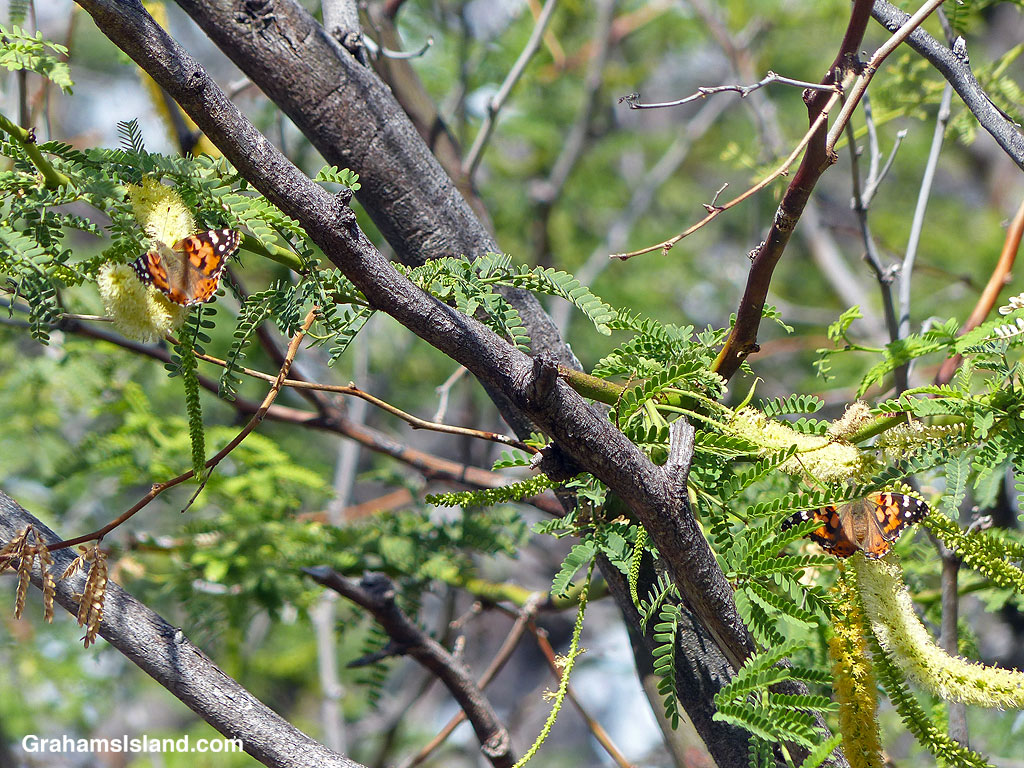
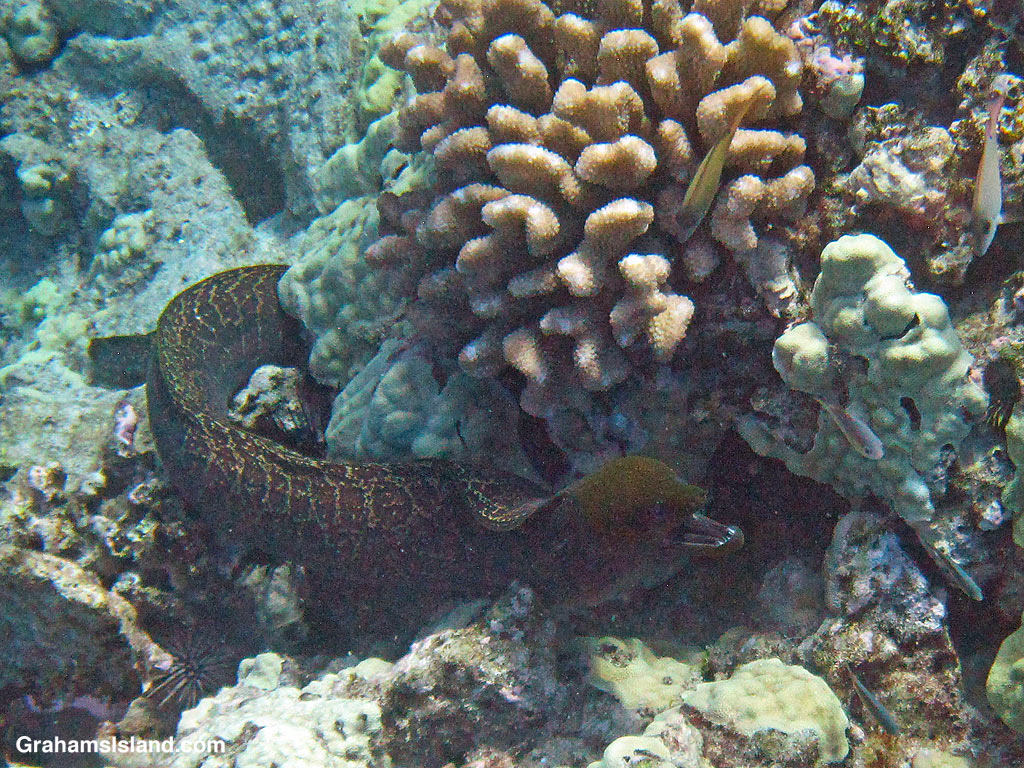
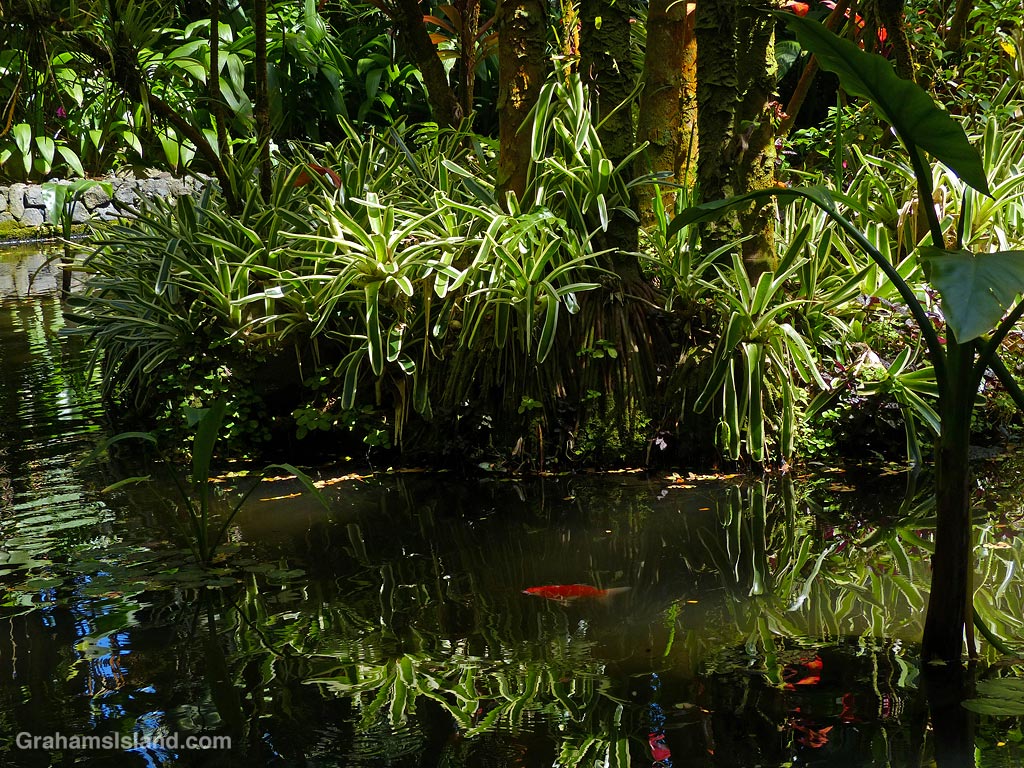
Two Painted Lady Butterflies in a Kiawe tree.An Undulated Moray Eel looking grouchy, as per usual.Koi swim in Lily Lake at Hawaii Tropical Bioreserve and Garden.












 Graham's Island