Category Archives: Hawaiian History

Sunrise from Pelekane Beach

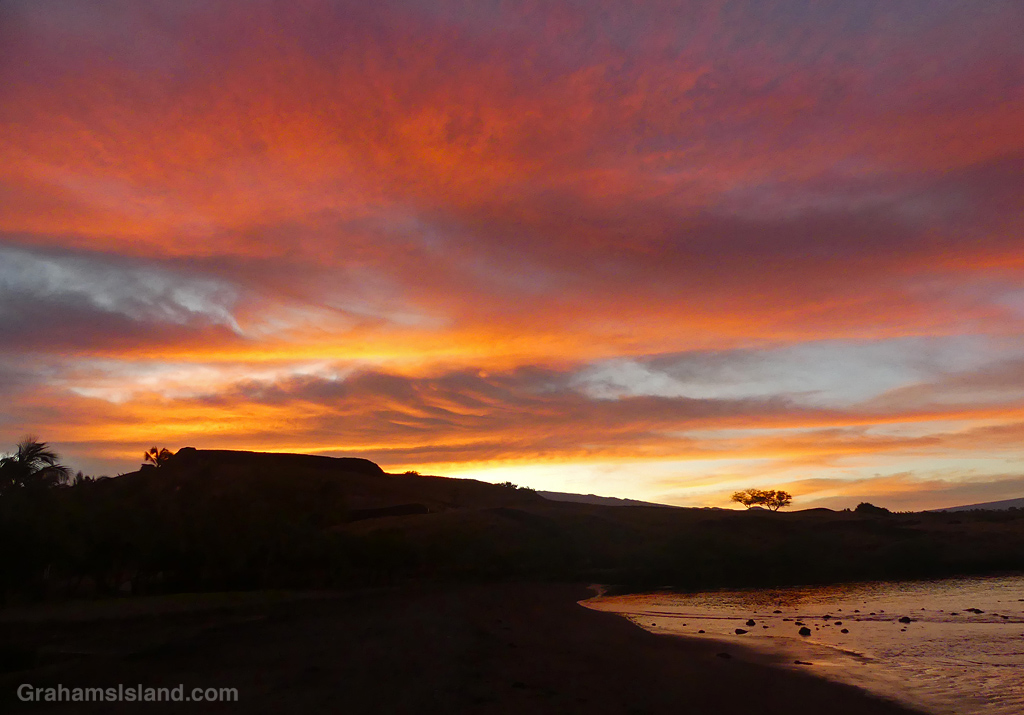
Sunrise at Pelekane Beach, Kawaihae

This week’s Sunday Stills challenge theme is ‘Waiting for Peace.’ See more responses here.

This peaceful scene was taken at Pelekane Beach in Kawaihae. It’s a favorite spot of mine for an early morning walk, when it’s very quiet and calm. But it hasn’t always been that way.

In the late 1700s, King Kamehameha I ruled the north and west parts of Hawaii Island, but was engaged in a war with his cousin who ruled in the east. Kamehameha was advised to build a sacrificial temple for Kūkaʻilimoku, the war god. So Kamehameha had Puʻukoholā Heiau built. That’s the structure silhouetted on the hill to the left of the photo.

Kamehameha invited his cousin to the site, ostensibly to talk peace, but when his cousin arrived, he and his entourage were duly captured and became the first sacrifices to dedicate the temple. So not so peaceful after all. But this action ultimately led to Kamehameha being able to bring all the islands under his rule, ending many years of fighting and bringing stability and peace to Hawaii.

That situation largely lasted until the late 1800s when the Hawaiian Kingdom was overthrown in a coup d’état by a group seeking annexation to the United States. This duly happened, though the aftershocks of this event continue to disturb the peace in the islands to this day.

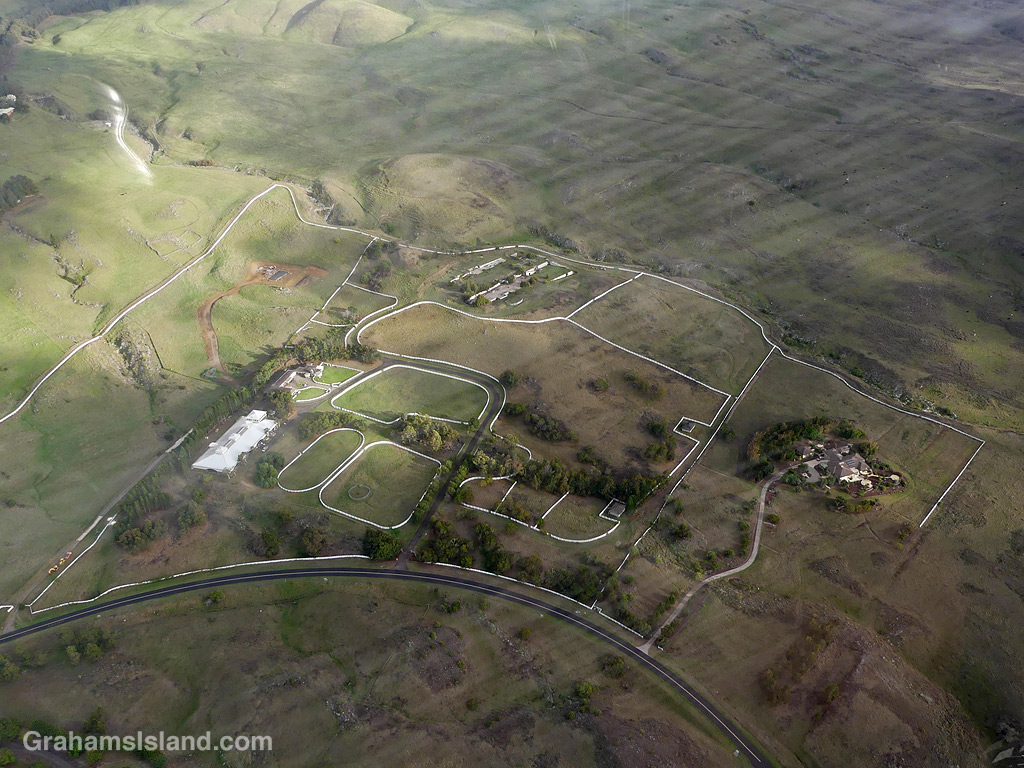
A look down Queen Ka’ahumanu Highway

Queen Kaahumanu Highway on the Big Island, Hawaii, as seen from the air

The Queen Ka’ahumanu Highway was built in the 1970s to connect Kailua Kona to Kawaihae and Waimea along a coastal route. This also opened up the south Kohala coast for resort development that had been led by the Mauna Kea Resort, which opened in the late 1960s. Mauna Kea Resort is in the foreground of this image.

Brown in Hawaii

A horse on the coast of Hawaii
A brown horse on the North Kohala coast.

This month’s Sunday Stills Color Challenge is ‘Brown.’ See more responses here.

I’ve gone for a selection of animals, mostly. Captions on the photos as usual.

A brown anole in Hawaii
A brown anole, looking miffed.

Kohala Ditch

A brugmansia grows beside the Kohala Ditch

The Kohala Ditch was built in the early 1900s to carry water from the wet slopes of Kohala Mountain, to the sometimes drought-prone sugar cane fields of Kohala. A series of tunnels, flumes and ditches channeled water through ridges and over gullies for a distance of 14 miles.

After the sugar cane industry folded, ditch water continued to be used by other agricultural activities. But this valuable resource was always beset by difficulties. The challenging landscape was prone to landslides and flooding. Flumes were washed away, tunnels blocked. Increasingly expensive and time-consuming repairs did not provide the same economic benefit they once did.

After one such event, a few years ago, the operator of the ditch said it would no longer be repaired and maintained.

The top photo shows a section of the ditch in 2016. The others show how it looks today, in places, overgrown with weeds and even trees. In some areas it’s more manicured by those living next to it. In the meantime, access to water is a considerable problem, especially as dry weather is increasingly common in the area.

The current Governor of Hawaii knows this region well and money has been earmarked for finding a solution to the area’s water shortage, but when and how that happens is still very much in the pipeline!

For more information about the history of the Kohala Ditch, go to fluminkohala.com/the-kohala-ditch.

Offering at Keokea

An offering at Keokae Beach Park IN Hawaii

On my recent visit to Keokea Beach Park, I saw this on the rocky shore. It’s hard to know who placed it there. It could have been a local, but it could also have been a tourist. Tourists have taken to making such offerings, thinking they’re honoring Hawaiian culture. But they’re blissfully unaware that, in Hawaiian culture, the when, where, why, how, and by whom of these things can be very specific. Any deviation from correct practices can turn a good intention into an insult.

A little knowledge can be a dangerous thing, except perhaps in politics, where it appears to be a prerequisite these days!

Orange is the new theme

A Passion vine butterfly spreads its wings

This month’s Sunday Stills color challenge theme is ‘Orange and Gold.’ See more responses here. First up is a very orange Passion Vine Butterfly taking a break.

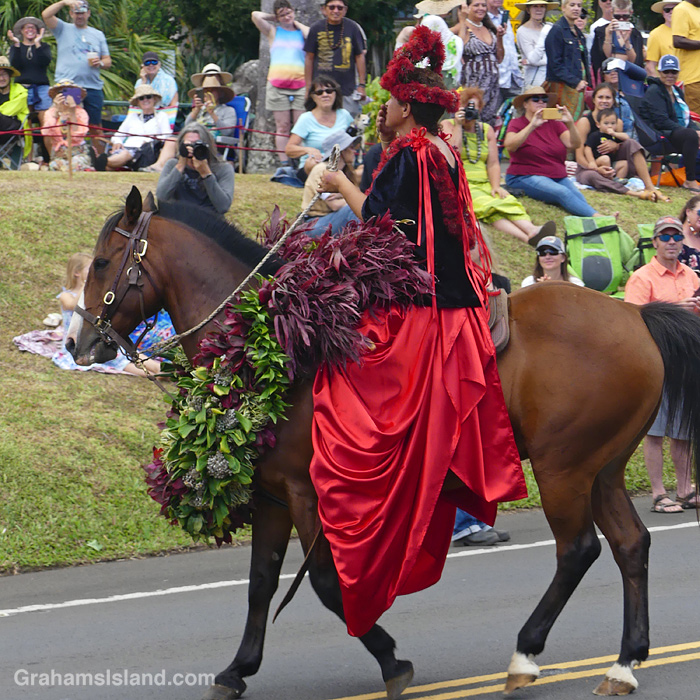
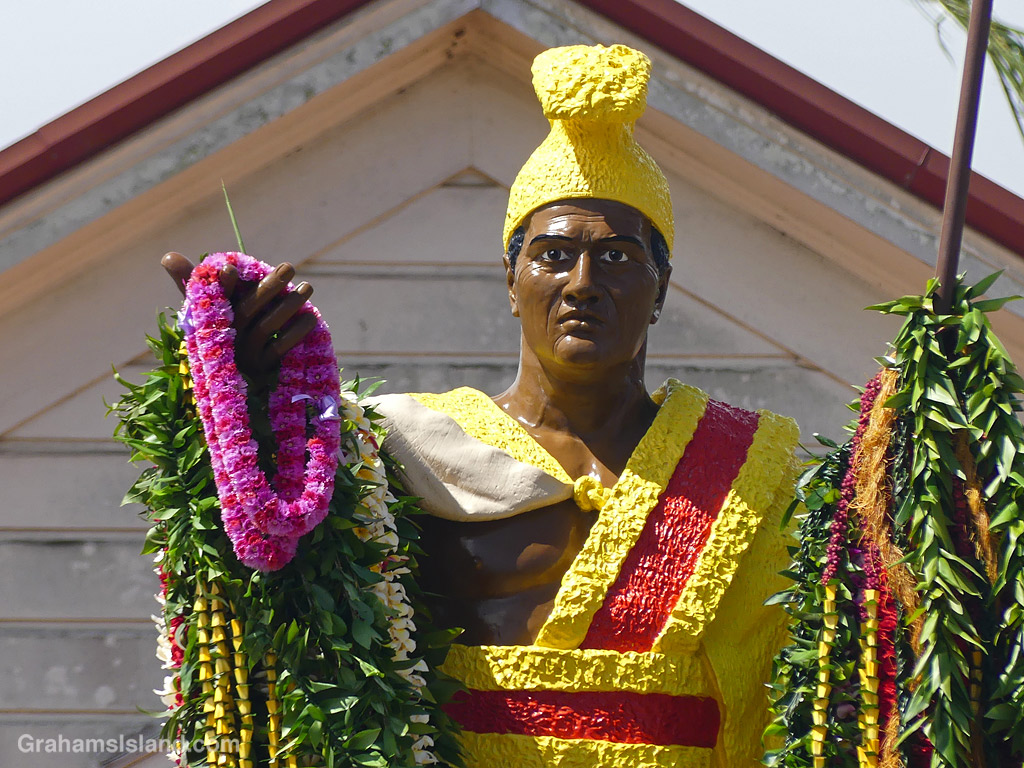
Next, orange is the official color of the island of Lanai, represented here at this year’s Kamehameha Day celebrations.

When I was putting this post together a few days ago, I thought a sunset photo would be a nice way to wrap it up. I trolled through my files before picking a suitable one out, and was on the verge of processing it, when I happened to glance out of the window and saw this developing. Another reminder to live in the present and not the past!

Sunset in North Kohala, Hawaii

I think I can make it

Pu'uhonua o Hōnaunau National Historical Park seen from the water

This week’s Sunday Stills challenge theme is ‘Celebrations.’ See more responses here. Since I rarely take photos of people, the usual options for this one were off the table. So I’ve gone with some photos from Pu’uhonua o Hōnaunau National Historical Park.

This site is also known as Place of Refuge and it represented guaranteed forgiveness for those who had broken kapu. The park’s website (here) notes, “Kapu (sacred law) regulated fishing, planting, and the harvesting of other resources. Any breaking of kapu disturbed the stability of society, and the punishment was often death. Any fugitive who had broken kapu could seek refuge and forgiveness within the walls of the Puʻuhonua.” The refuge is bordered by a huge L-shaped wall on land and by the ocean on the other sides.

Hale o Keawe at Pu'uhonua o Hōnaunau National Historical Park.

I imagine some such unfortunate swimming across Honaunau Bay. The palm trees look welcoming, but this is a sacred place, home to Hawaiian royalty, and to important ceremonial sites. One of these is Hale o Keawe, situated at the northern end of the wall, a place of powerful mana, or divine power. It is home to many ki’i, representations of “the akua, or the multitude of Hawaiian gods, deities, and venerated ancestors.” The refuge is on the other side of the Hale.

These ki’i would look down on the miscreant swimming toward them, growing in size as they got closer. But so too would the welcoming palm trees and though it is a rocky shore, a few cuts and scrapes would be a small price to pay for salvation.

Palm trees at Pu'uhonua o Hōnaunau National Historical Park in Hawaii

Once ashore, forgiveness was guaranteed and the person was free to reenter society and rejoin family and friends, who would no doubt celebrate the return.

Hello, yellow

A full moon rises over Hawaii
A buttery yellow full moon rises over North Kohala.

This month’s Sunday Stills Color Challenge theme is ‘Yellow.’ See more responses here. Once again, I’ve gone for a melange of photos, which sounds edible, but probably isn’t. Captions on the photos.

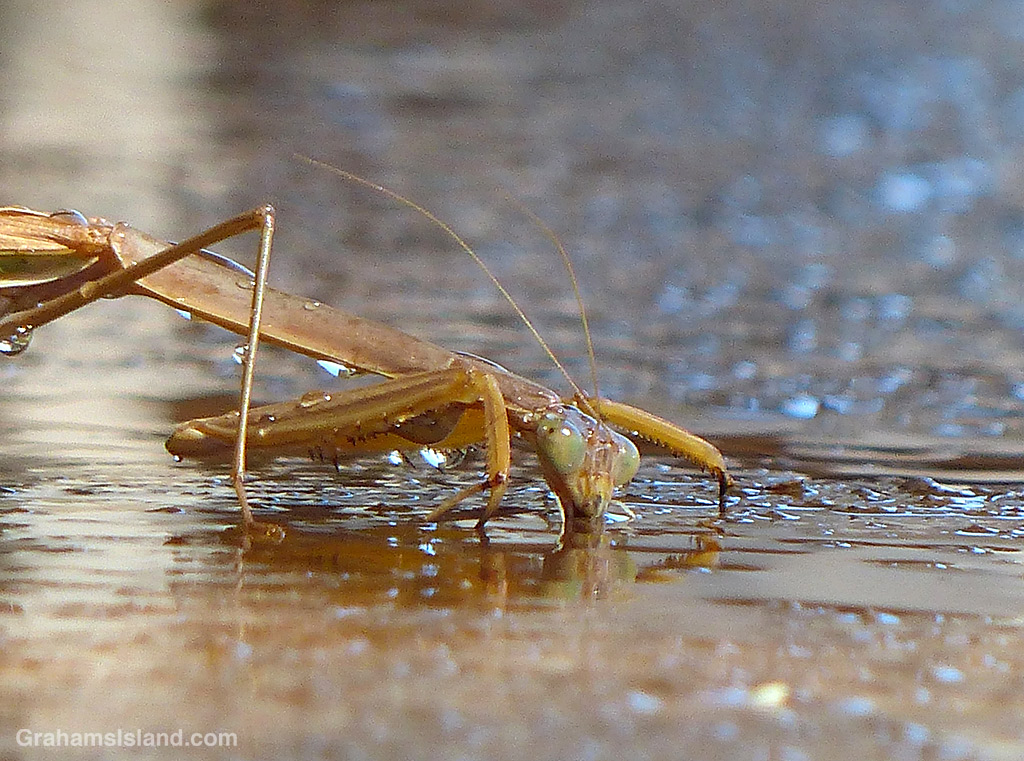
A wasp heads for water in Hawaii
Finally a photo from a couple of days ago. A boldly-marked wasp zooms in to collect water.