
Canoe paddling is very popular in Hawaii, both for exercise and for racing. These boats were out in the early morning, on calm water and under a pastel sky.

Canoe paddling is very popular in Hawaii, both for exercise and for racing. These boats were out in the early morning, on calm water and under a pastel sky.

This hen and her brood of chicks were foraging on shore at Honokohau Harbor. Most places in Hawaii have a generous number of hens and roosters wandering free, with Kaui particularly notorious for its abundance of roaming poultry.
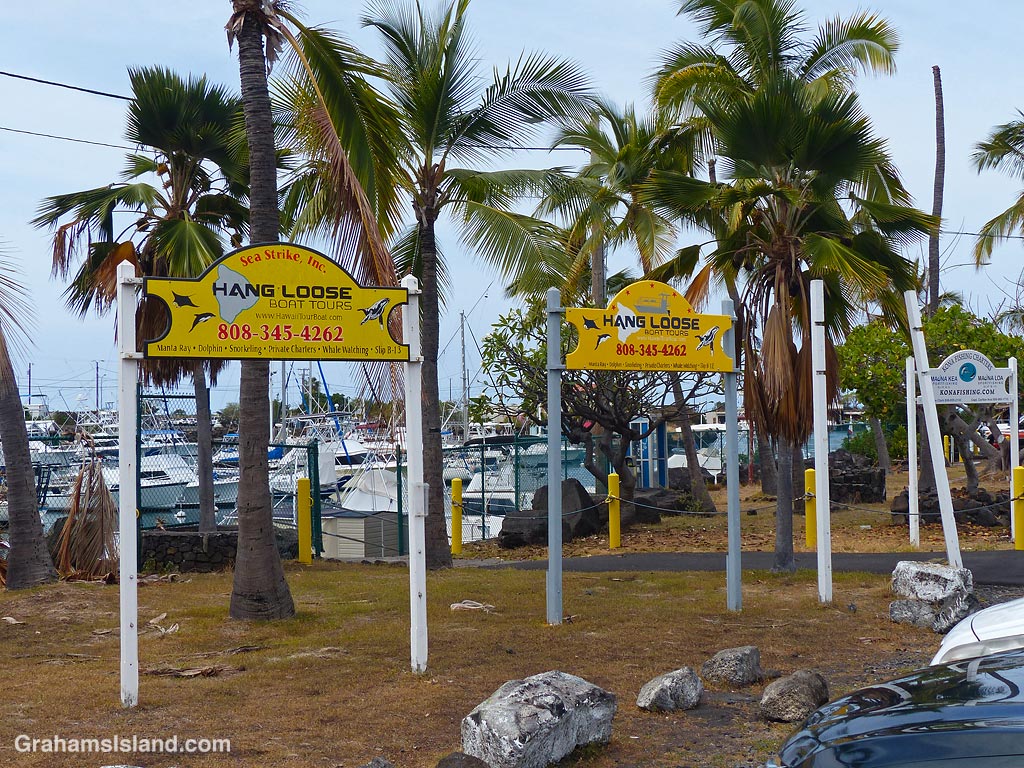

Honokohau Harbor, on the north end of Kailua Kona, is home to a good number of small boats, many of which are used for a variety of tour activities from deep sea fishing to whale watching, to snorkeling. Signs on shore advertise what tours are available on the different boats.
In addition, smaller boats are trailered in and out each day, and launched on one of the two boat ramps at the harbor.


A while back, I posted here about some items dumped near the coast at Upolu. I was appalled by this until I realized that appearance of more junk was not related to more dumping, but rather to a cleanup operation uncovering areas of garbage that had long since been covered by vegetation.
This scene shows that, while there’s still work to be done, a large quantity of garbage has already been hauled away. Kudos to those responsible.

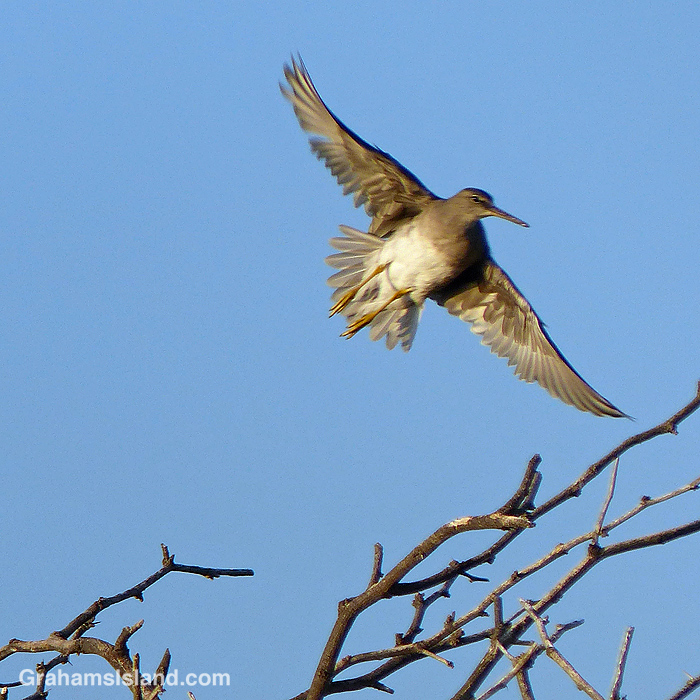
I saw this Wandering Tattler at Kaloko-Honokōhau National Historical Park and realized that I’d never seen one in a tree before. Usually I see them wandering over the rocks in search of food. I’m not sure what this one was up to, but it took off not long after I saw it, probably heading for the shoreline.
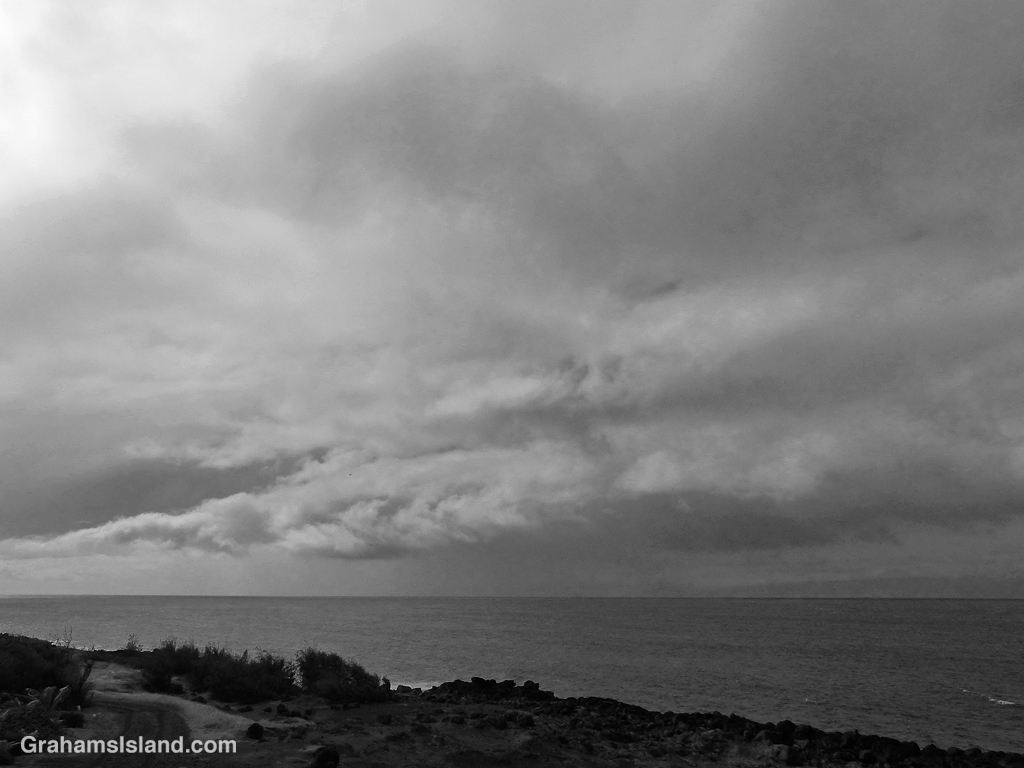


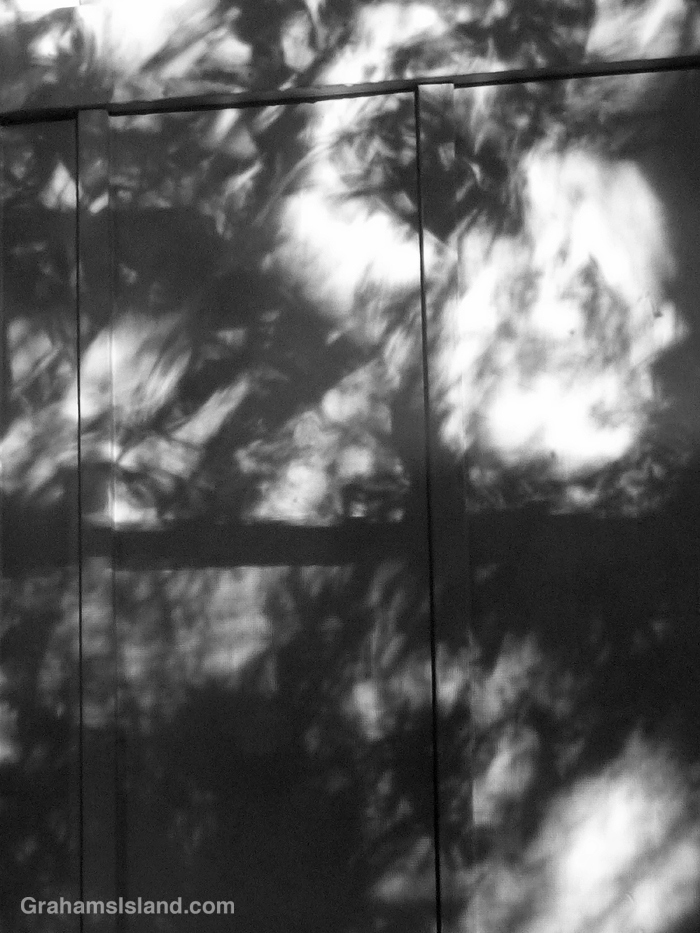
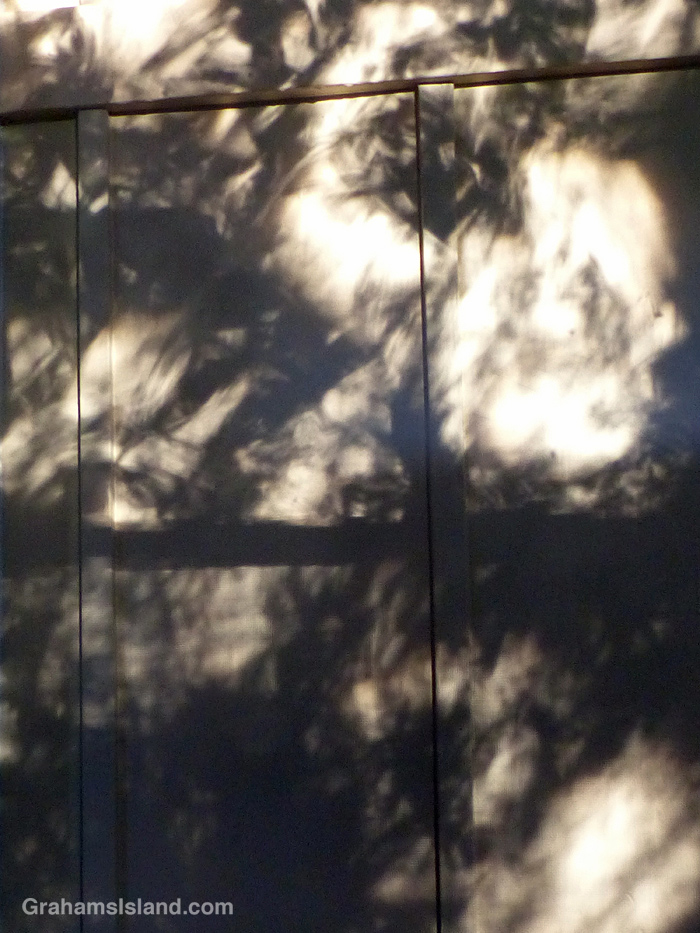
This week’s Sunday Stills challenge theme is ‘Daylight in Black and White.’ See more responses here.
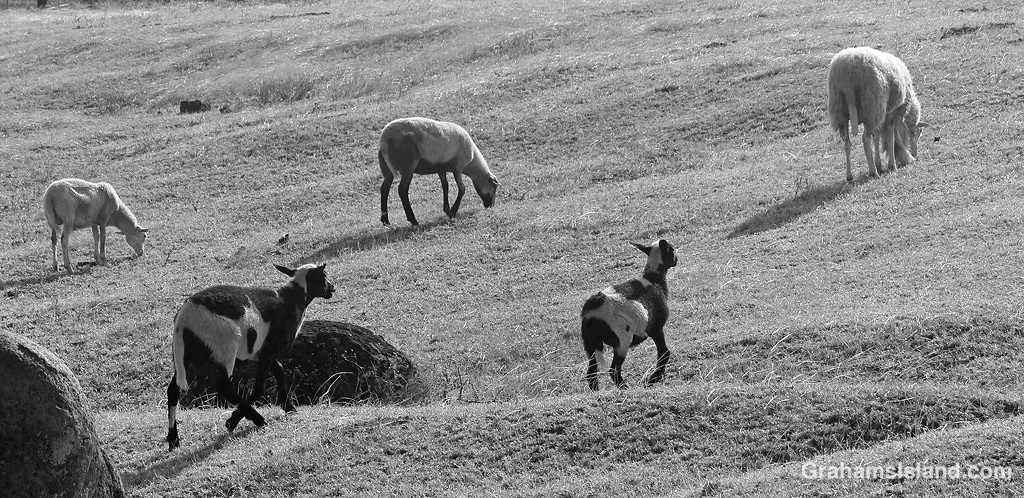
I was going to post a single image for this but then got caught up with the idea of black and white images of black and white things. This is the result.

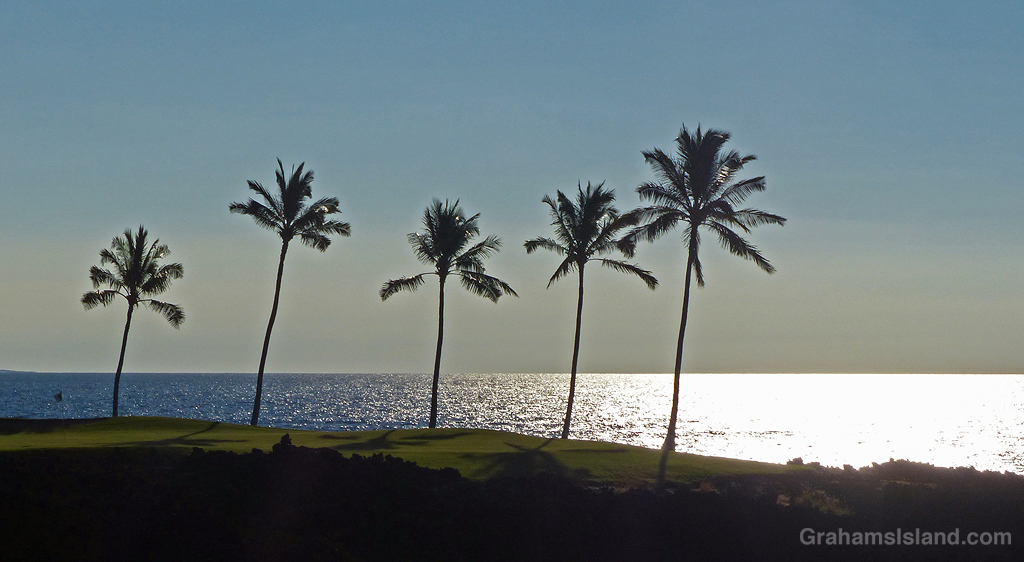

A couple of different views of five palm trees on the South Kohala coast, looking out to sea (above) and along the coast (below).

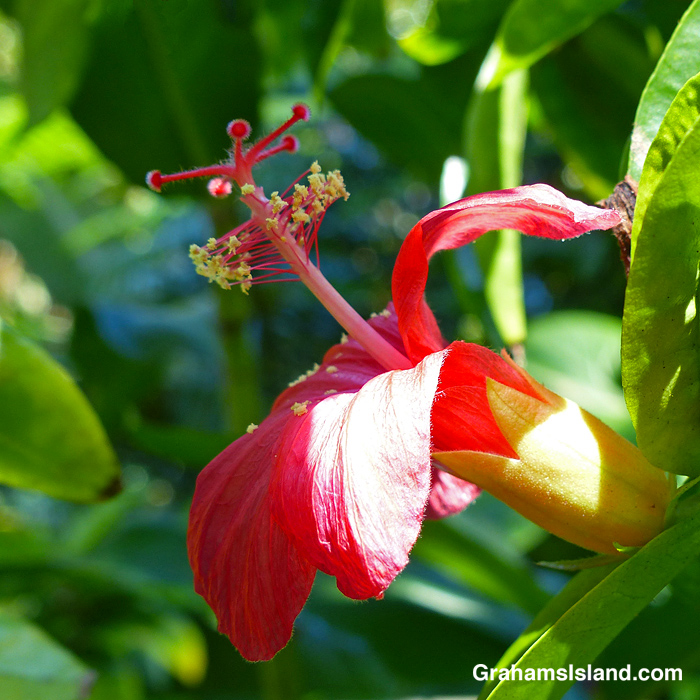
Hibiscus Clayi is endemic to Hawaii, but is listed as endangered. In the wild, it’s found only in a part of eastern Kauaʻi, but this one was growing at Hawai’i Tropical Bioreserve & Garden. For more information about Hawai’i Tropical Bioreserve & Garden, go to htbg.com.
 Graham's Island