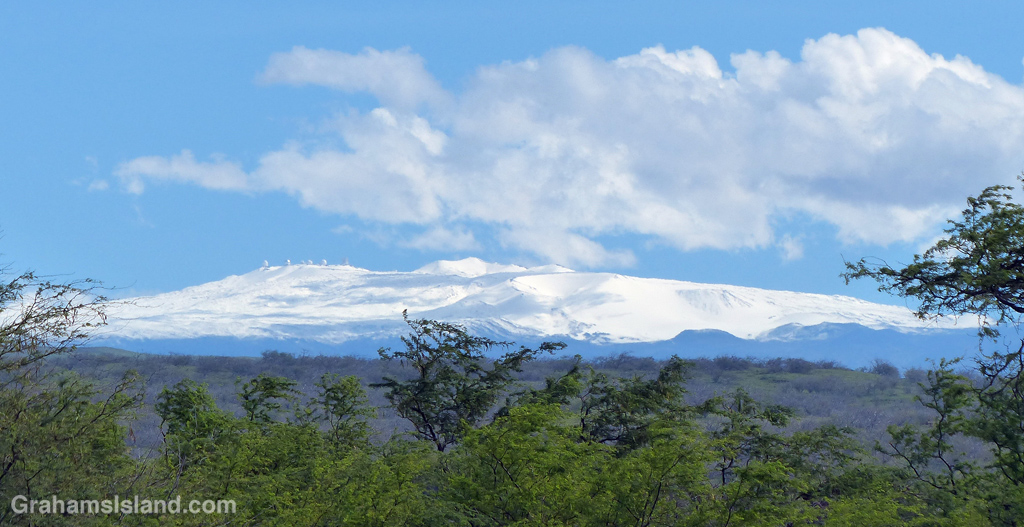
The past few weeks have been very wet on the Big Island with moisture-laden systems sweeping through from the south as well as the usual northeast. As a result, both Mauna Kea and Mauna Loa have received generous amounts of snow. This view is taken from the relative warmth of the Kohala coast.
Category Archives: Places
Ruddy turnstones

Ruddy turnstones get their name from their red legs and their feeding habit of turning over rocks in search of invertebrates. This group was mostly resting and grooming near the water’s edge. In the foreground is a Pacific golden plover.
Morinda citrifolia
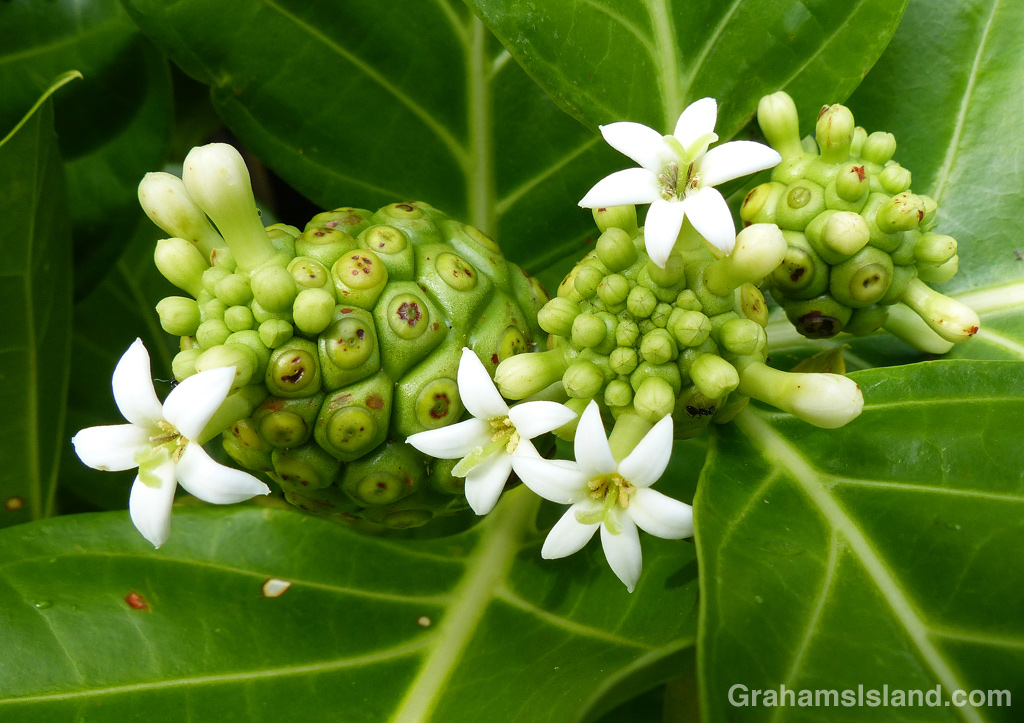

Morinda citrifolia is also known as Noni or Indian Mulberry. The flowers generally have 5 lobes, but this can vary, as this plant shows. The flowers emerge from what will become the fruit, which will end up white or yellowish.
The fruit is edible and used for medicinal purposes, but usually in a juiced form. There’s a good reason for this. As is noted on Wildlife of Hawaii’s plant page, “The ripe, white fruit has a nauseatingly bad smell, very much like fresh vomit mixed with rancid garbage. Avoid smelling it if you have a weak stomach.” Duly noted!
This plant was next to one of the Golden Ponds of Keawaiki.
Growth in the lava
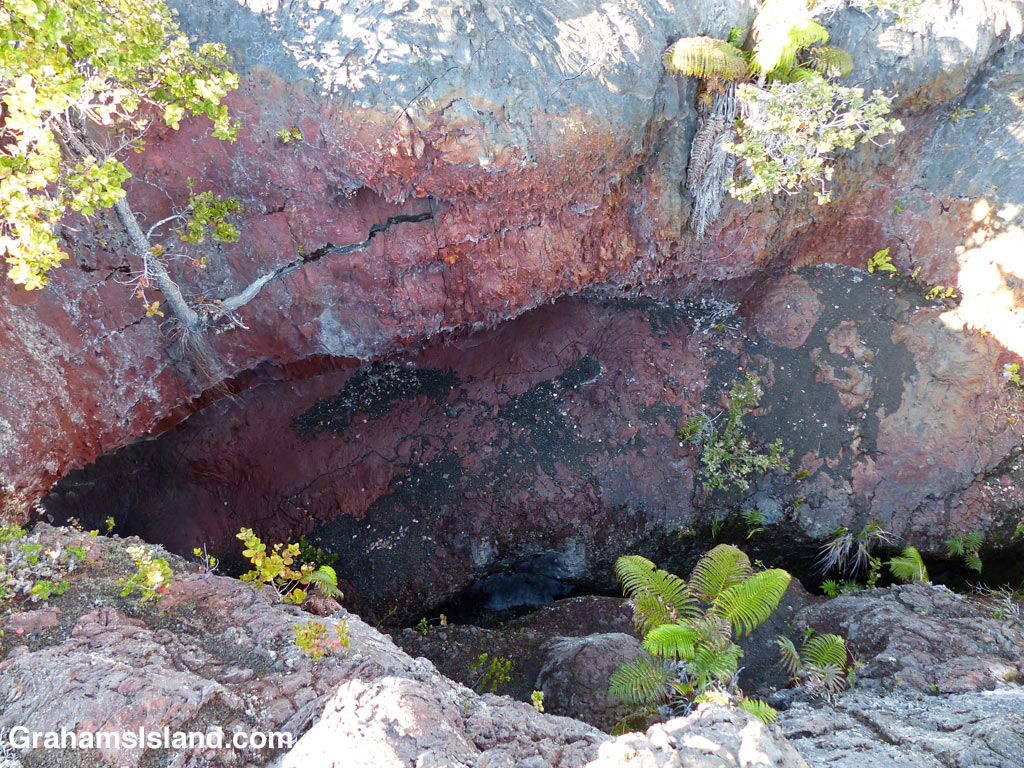
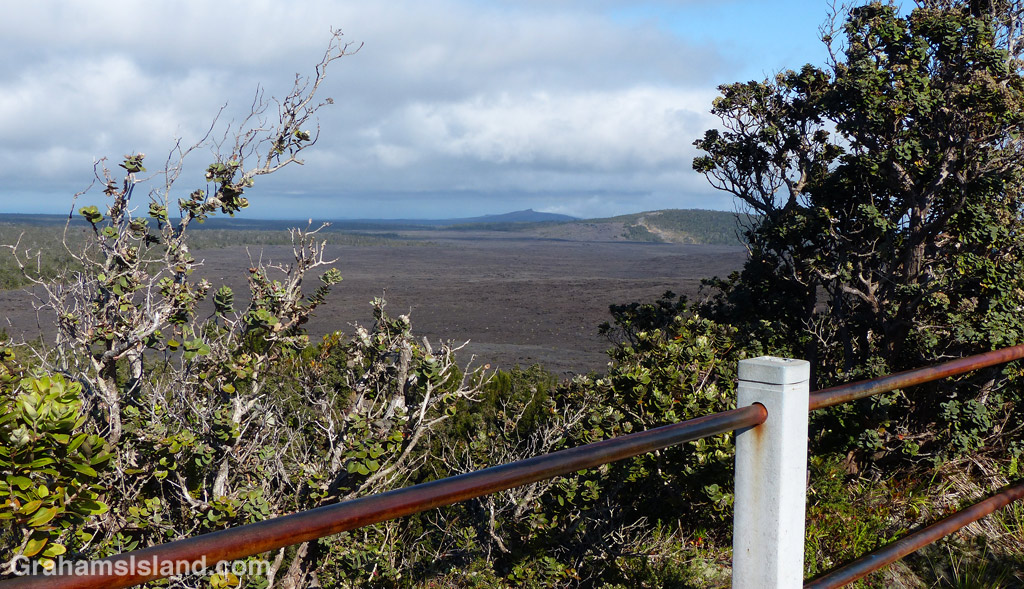
In May of 1969, a series of earthquakes opened a large fissure alongside Chain of Craters Road in Hawaii Volcanoes National Park. This was the beginning of what is known as the Mauna Ulu eruption. For five years, lava poured forth in a series of eruptions. Chain of Craters Road, completed only a few years earlier, was buried for several miles. Landmarks along the road were destroyed or irrevocably altered. A swathe of forest disappeared in flame.
When the eruptions finally ceased, life soon began to reappear on the barren lava landscape. In this photo, vegetation has reclaimed a section of the original 1969 fissure. Roots are anchored in cool, moist cracks in the lava. The tree on the left is particularly striking. Having started out in a crack on a vertical face, it has reached up to the light and is going strong. I like to think it shows how resilient nature can be.
For more information about Hawaii Volcanoes National Park, go to nps.gov/havo/. For more information about Kilauea Volcano and it’s eruptions, go to hvo.wr.usgs.gov/kilauea/history/main.html.
Better Days: Beach engine

An old engine lies half buried in the sand south of Waikoloa Beach Resort.
Sunset obscura
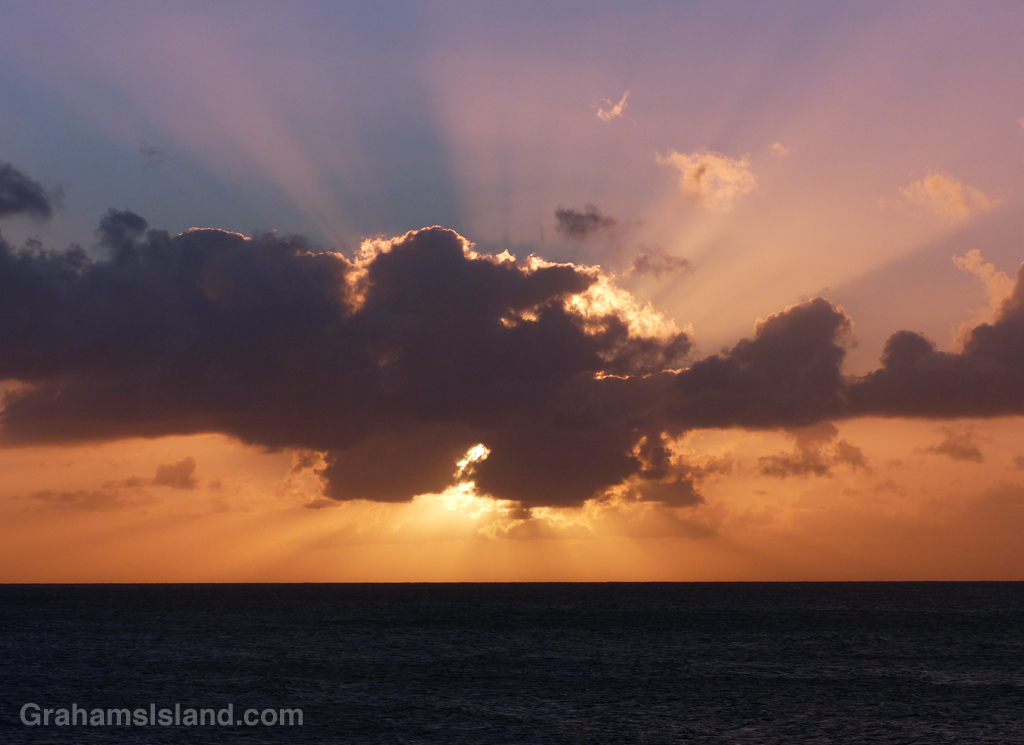
A dark cloud blankets the sun approaching sunset on the Kohala coast.
Hibiscus tiliaceus
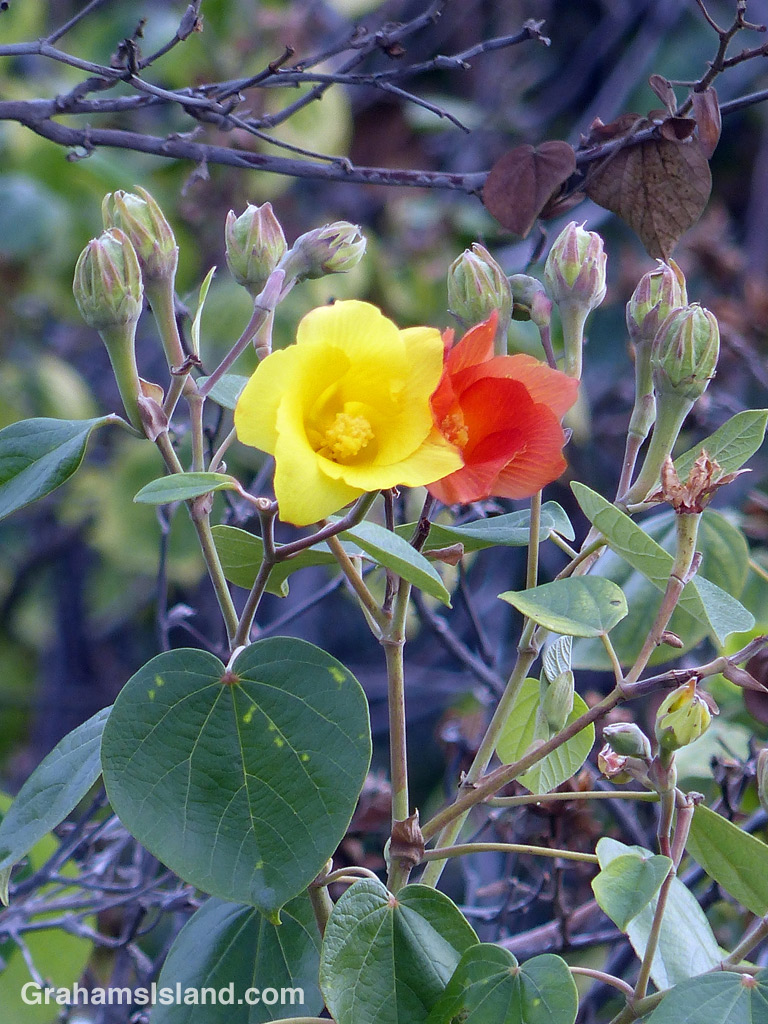
Hibiscus tiliaceus is called hau here. This large shrub was growing at the Golden Ponds of Keawaiki, which is a little oasis in a wasteland of lava. The different colored flowers, on the same plant, occur because the flowers only last for a day. They start out yellow and turn to red or orange as the day progresses.
Kilauea Volcano’s Pu’u O’o vent

Pu’u O’o is one of two active vents on Kilauea Volcano. It sits on the eastern border of Hawaii Volcanoes National Park. Continuously active since 1983, Pu’u O’o is currently pouring lava into the ocean around Kamokuna on the south-eastern coast of the Big Island. These views of the vent were taken from Pu’u Huluhulu cinder cone.
For more information about Hawaii Volcanoes National Park, go to nps.gov/havo/. For more information about Kilauea Volcano and it’s eruptions, go to hvo.wr.usgs.gov/kilauea/history/main.html.