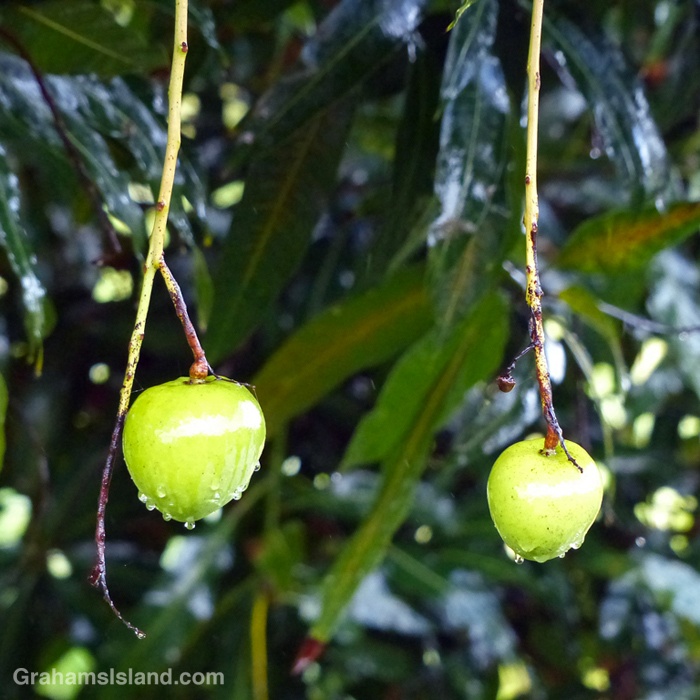
A drupe is a fruit with a single stone or pit at its center. The fruits of mango trees are drupes, such as these two dripping with water after a hard rain.
Posted in response to Becky’s January Squares challenge theme of ‘Up.’ See more responses here.
A pod of spinner dolphins stopped by my local snorkeling spot. (Link, link)
Lāhainā Noon, when shadows disappear in Hawaii. (Link)
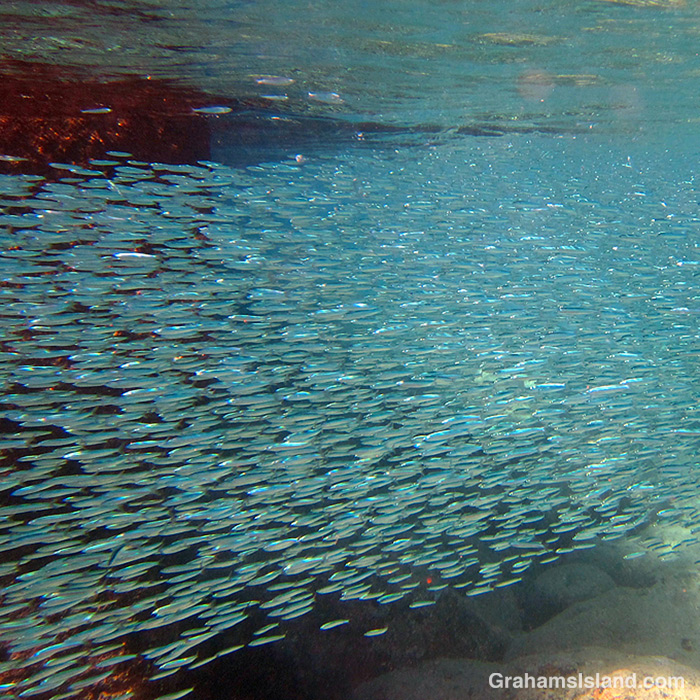
Shoals of Hawaiian silversides were abundant in the summer. (Link)
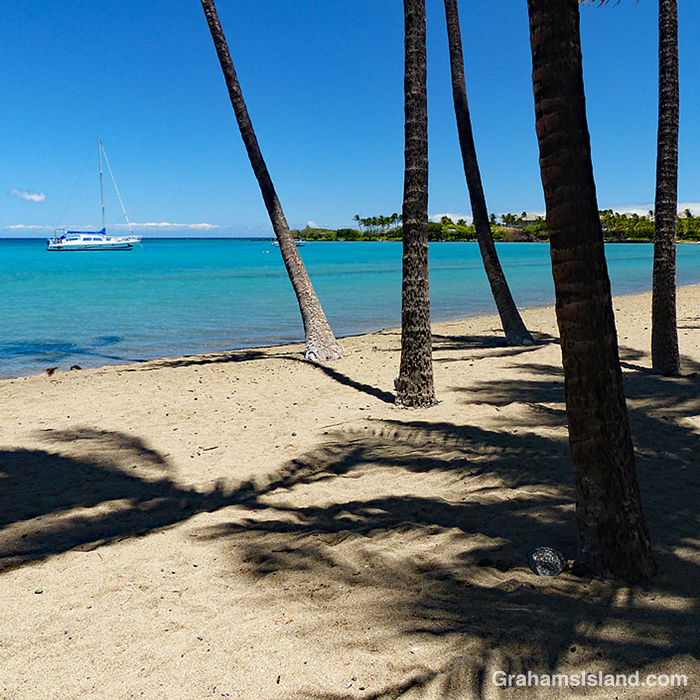
With no tourists here, Anaeho’omalu Bay was a sea of tranquility. (Link)
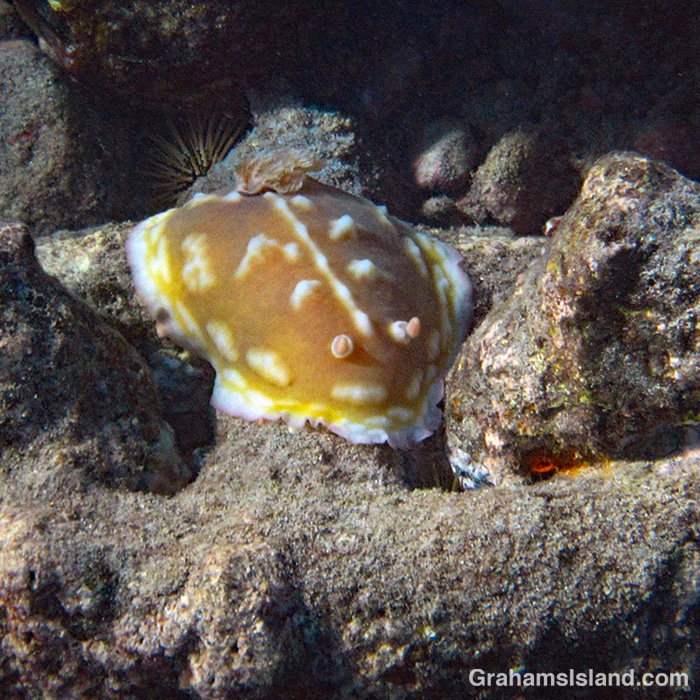
Some clumpy nudibranchs spent a few weeks in a local bay. (Link)
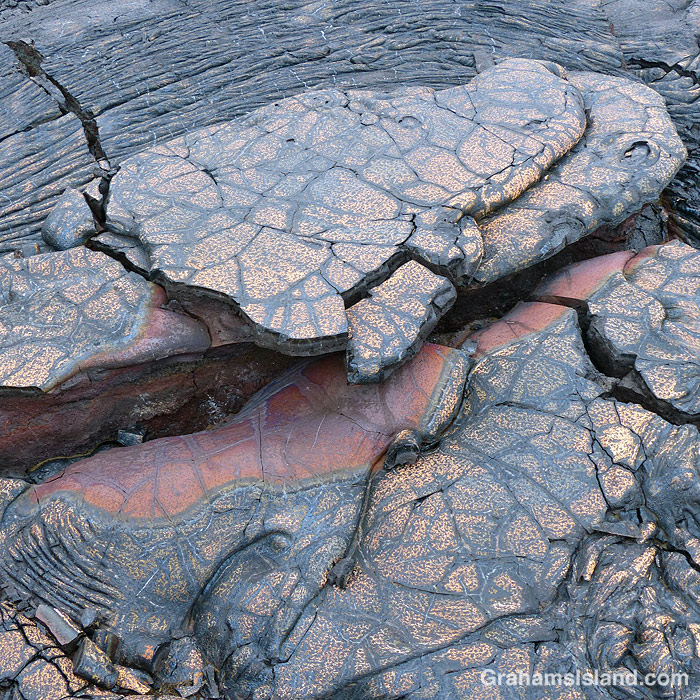
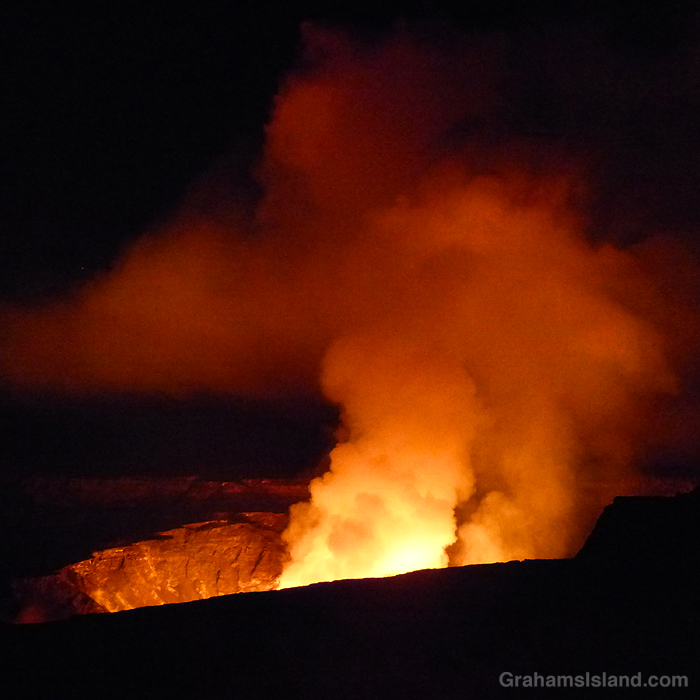
The year ended with a bang when Kilauea Volcano erupted again. (Link)
This week’s Sunday Stills challenge theme is ‘Your 2020 Retrospective.’ See more responses here. Also posted in response to Becky’s January Squares challenge theme of ‘Up.’ See more responses here.
In this retrospective I’ve focused on events and photos that were uplifting for me during the difficult year that was. Most of these photos haven’t run before, but were taken at the same time as those in posts that ran in 2020. Links to the original posts are at the end of the captions.
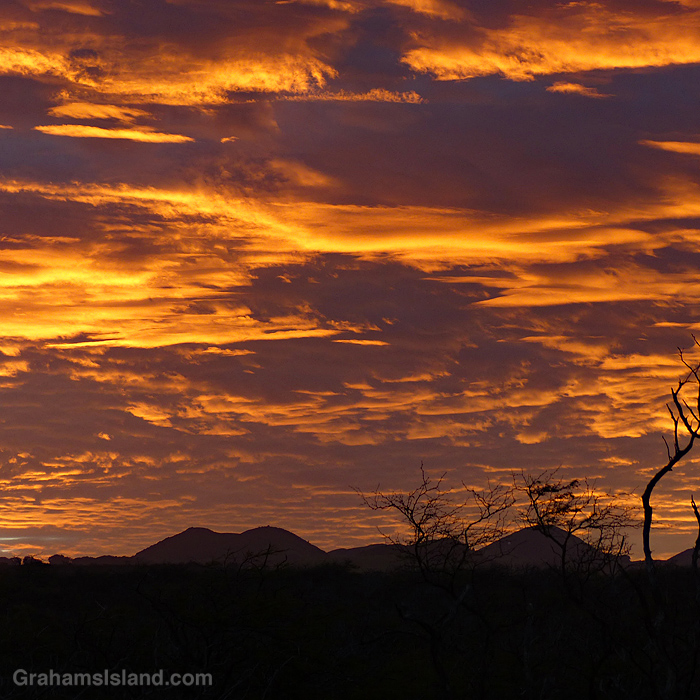
As the sun sets on this strange, unhappy year, here’s a photo of a more tranquil sunset. The long, low island on the left is Kahoʻolawe, with Lānaʻi visible just to the right of it. The southern coast of Maui is on the right.
This week’s Sunday Stills challenge theme is ‘Winter Wonderland.’ See more responses here.
We do get snow here on the Big Island, on the summits of Mauna Kea and Mauna Loa, but there’s none up there right now. However, for those knee deep in snow, shrouded in freezing fog, or sliding on icy sidewalks, I thought these photos might seem like something of a winter wonderland.
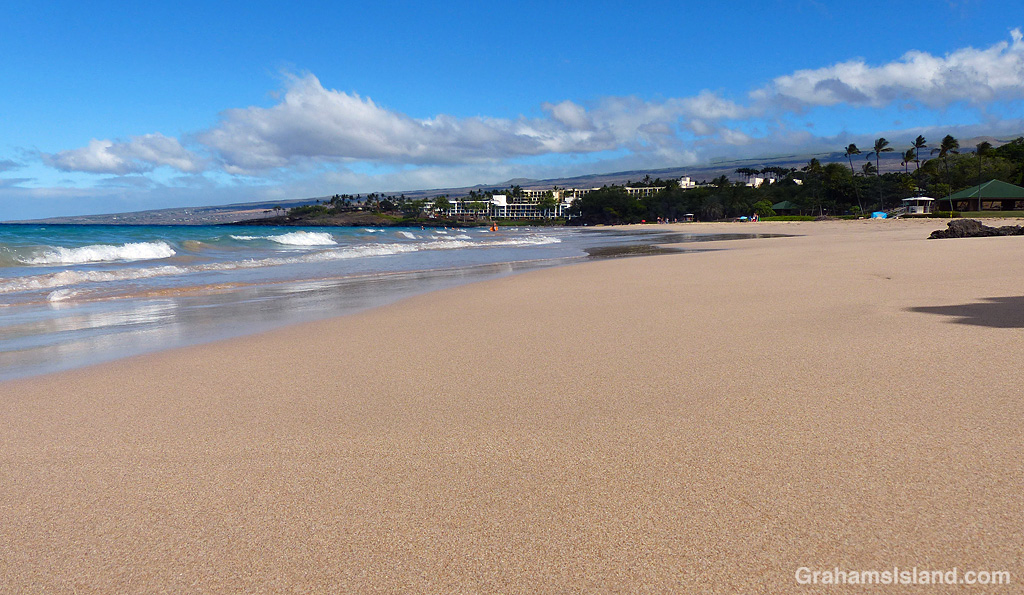
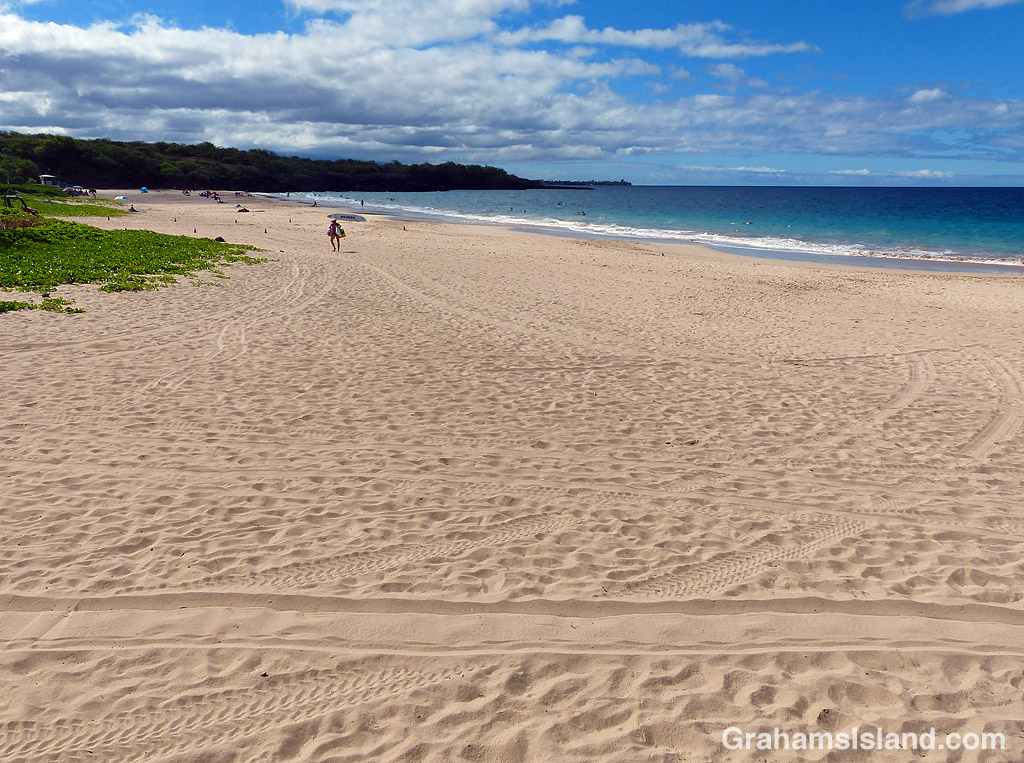
Hapuna beach (officially Hapuna Beach State Recreation Area) regularly features on lists of the world’s best beaches. It’s a long stretch of golden sand across the head of a wide bay with fairly protected waters. Swimming is good, but when waves do roll in, surfers take over.
The top two photos show the view from the south end of the beach. In the second photo, the line of greenery jutting into the beach represents the edge of the State Recreation Area. North of there is Hapuna Resort, which is private, but the beach is still open to the public. The bottom photo shows the view from the north, looking south. The tracks in the sand are from vehicles used in beach maintenance or by the lifeguards who patrol the beach.
When I visited Hawaii Volcanoes National Park in the summer I hiked the Kilauea Iki Trail again. On that occasion, I descended into the crater on the western end and came back up on the eastern end. Shortly after I got up to the crater rim I took the top photo.
The trail continues around the northern rim of the crater and I continued walking. Three minutes after I took the first photo, I came to another overlook into the crater and the bottom photo shows the view I got there, an illustration of how quickly the weather can change in this area.
For more information about Hawaii Volcanoes National Park, go to nps.gov/havo/.
This week’s Sunday Stills challenge theme is ‘Texture.’ See more responses here.
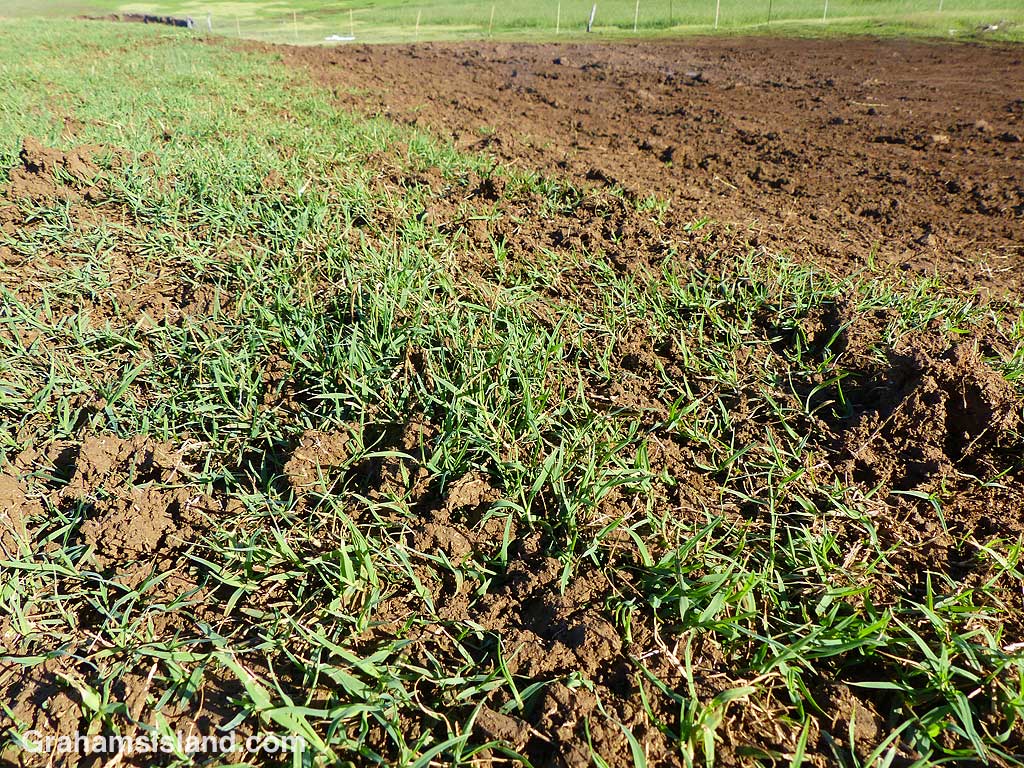
We had a lot of rain here last week, not tropical downpours, but steady, continuous rain. Along the coast, this turned parts of the dirt road into mud baths. Areas to be avoided, right? Not if you’re a mudder, someone for whom heavy rain is an excuse, a calling even, to drive their 4×4 trucks to the area and carve figure eights into the morass.
The top photo shows an area where this activity is particularly popular. The original grassless patch was about half the size of that in the photo. For walkers, it’s not quite so inviting. It’s easy to lose footing in the slick, squishy mud. And if the rain continues, this mud will wash down into the ocean affecting coastal habitat for fish and other marine life.
Fast forward past a couple of days of sunnier weather and the ground is very different. Most of the mud has dried. Those spatters sprayed around the edges of the mud bath are now nubbly, crunchy lumps in the grass. Anyone driving or walking in this area will crush those lumps into dust and when the wind blows, as it does here most of the time, that dust will blow into the ocean, etc., etc..
But it might rain again before it all blows away, except … well, you get the picture.
I was driving home along the mountain road when I saw this line of red dust blowing around down on the coast. When it’s dry, this part of the coast is prone to these dust storms, usually driven by gusty winds. Ironically, since I took this photo, we’ve been inundated with rain, some of which might have reached even this arid part of the island.








 Graham's Island