
This old tractor now graces a small park area in a gated development in North Kohala.
Posted in response to this week’s Sunday Stills challenge on the theme of ‘Vintage.’ See more responses here.

This old tractor now graces a small park area in a gated development in North Kohala.
Posted in response to this week’s Sunday Stills challenge on the theme of ‘Vintage.’ See more responses here.

These lights are on most of the time in the house, but I liked how they reflected in the overlapping kitchen windows.
Posted in response to this week’s Sunday Stills challenge on the theme of ‘Reflect.’ See more offerings on this theme here.
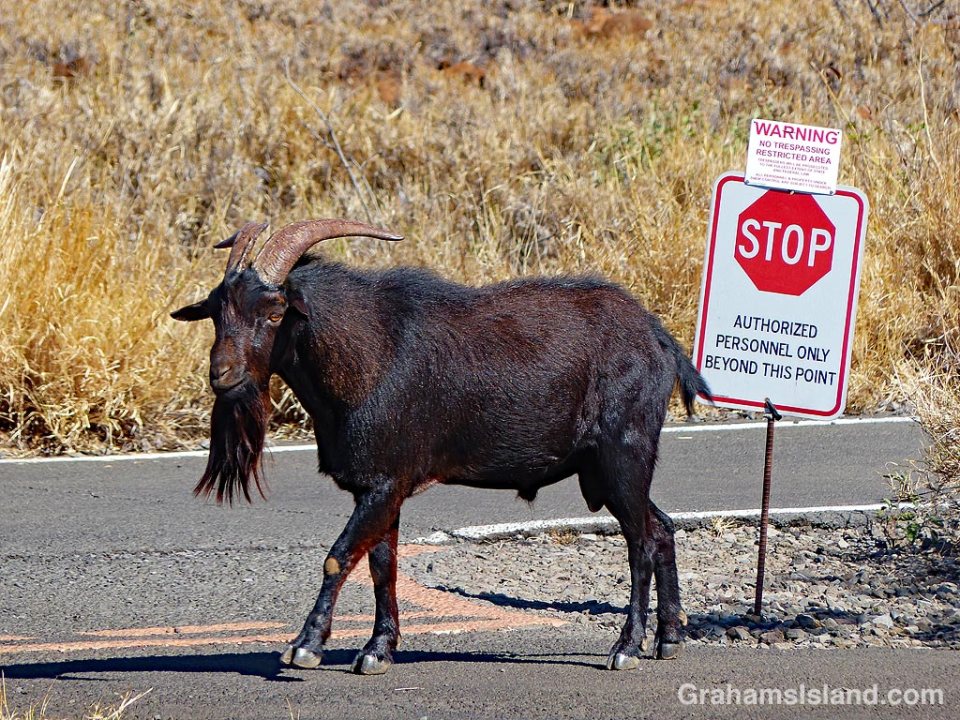
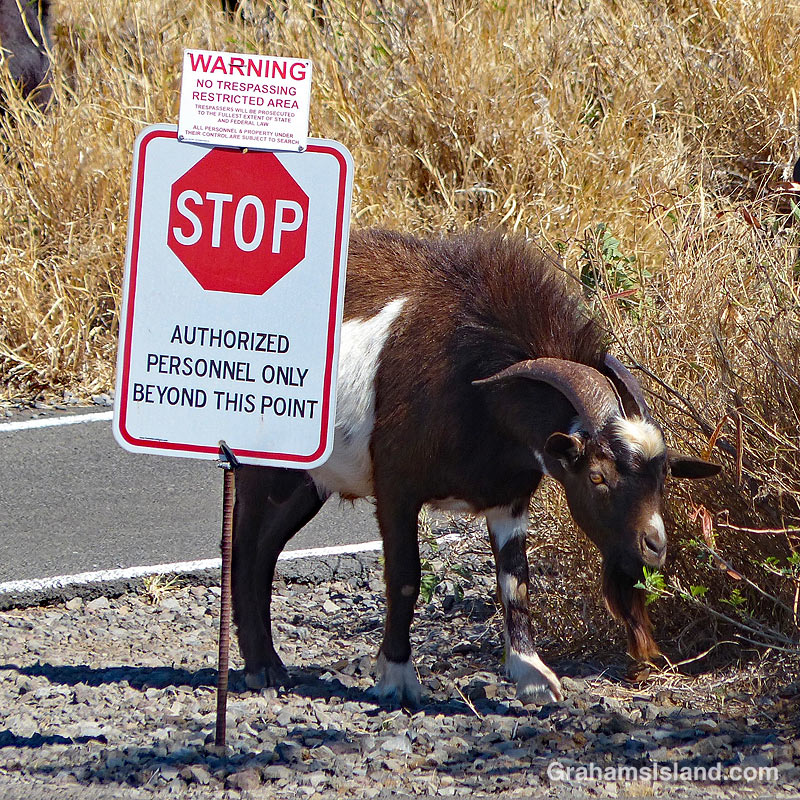 These goats, part of a large herd wandering in the environs of a heliport, weren’t authorized personnel. I wasn’t about to go out and point that out to them, in case they didn’t take kindly to the message.
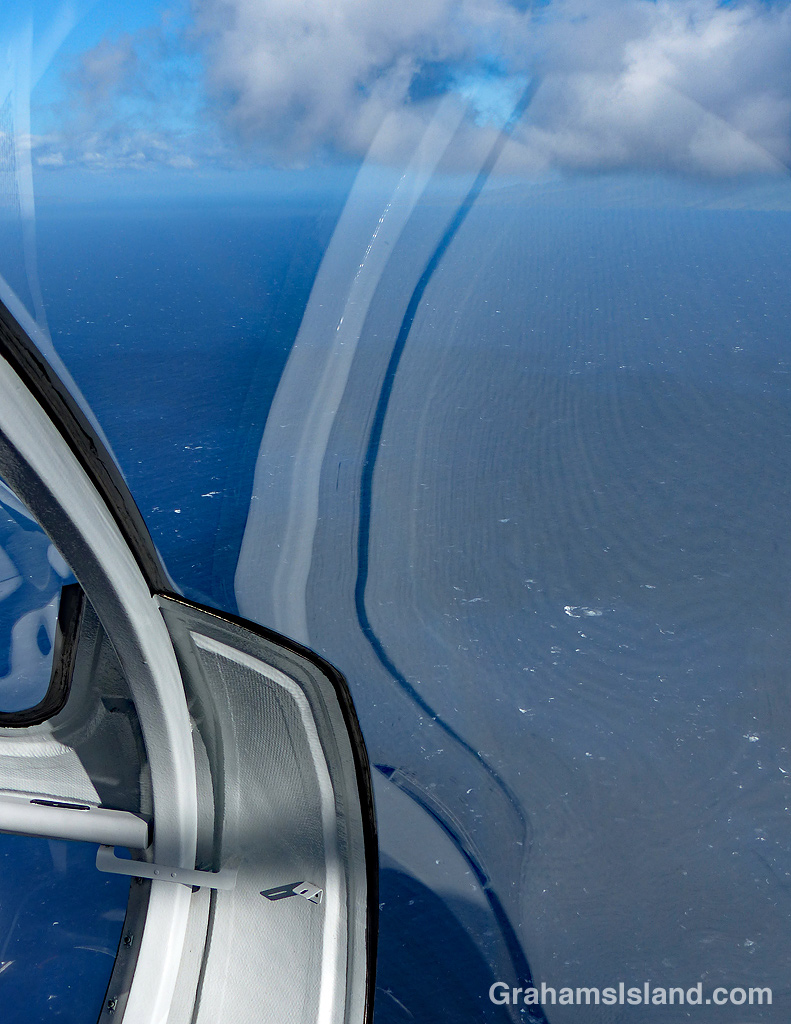
Reflections in the windows of a helicopter over the ʻAlenuihāhā Channel, between the Big Island and Maui.

Cutting through the lava between Mauna Kea and Mauna Loa are these two roads. The lower one is Saddle Road, the upper one a road leading to the military base at Pōhakuloa Training Area.
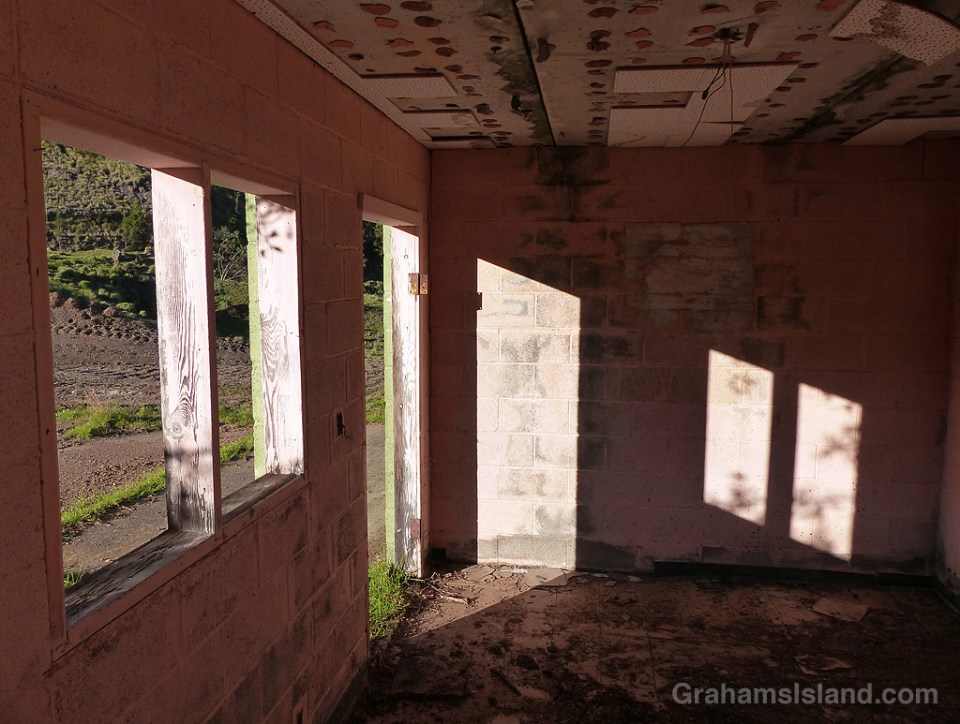
A view into the old blockhouse on the slopes of Pu’u Wa’awa’a. Stripped of doors and windows, it now serves as a shelter for livestock.

Another photo from my helicopter trip to Maui a few weeks ago. This shows clouds casting shadows on the choppy waters of the ʻAlenuihāhā Channel, between the Big Island and Maui.

During last month’s Ironman race, these cyclists had committed some sort of misdemeanor, probably following too close, on their way to Hawi, and had been pulled over to serve a 5-minute penalty. But what I liked about this scene was the sign in the background reading ‘Exertion plus perspiration equals inspiration.’ I suspect many of the Ironman participants might have thought the sign should have read ‘Exertion plus perspiration equals pain.’
Incidentally, that bright neon sign was a source of great community consternation when it went up. Some locals thought it was OK. Others thought it was a blight on the community and a sign of the impending apocalypse. It’s been in place a few months now and the hubbub seems to have subsided. I have to say though that the neon colors are still as garish as they ever were.

