I think I can make it

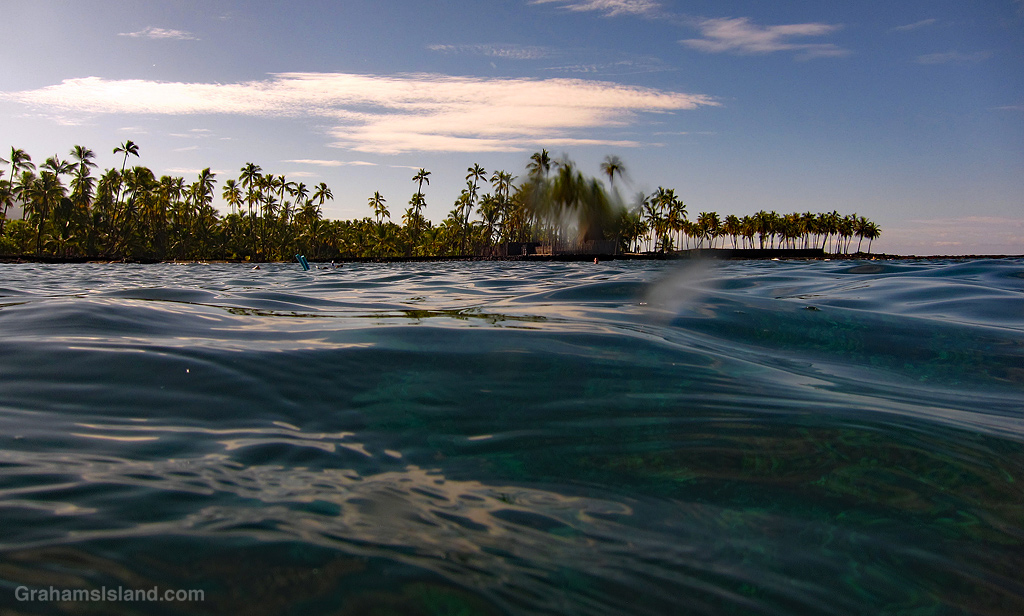
Pu'uhonua o Hōnaunau National Historical Park seen from the water

This week’s Sunday Stills challenge theme is ‘Celebrations.’ See more responses here. Since I rarely take photos of people, the usual options for this one were off the table. So I’ve gone with some photos from Pu’uhonua o Hōnaunau National Historical Park.

This site is also known as Place of Refuge and it represented guaranteed forgiveness for those who had broken kapu. The park’s website (here) notes, “Kapu (sacred law) regulated fishing, planting, and the harvesting of other resources. Any breaking of kapu disturbed the stability of society, and the punishment was often death. Any fugitive who had broken kapu could seek refuge and forgiveness within the walls of the Puʻuhonua.” The refuge is bordered by a huge L-shaped wall on land and by the ocean on the other sides.

Hale o Keawe at Pu'uhonua o Hōnaunau National Historical Park.

I imagine some such unfortunate swimming across Honaunau Bay. The palm trees look welcoming, but this is a sacred place, home to Hawaiian royalty, and to important ceremonial sites. One of these is Hale o Keawe, situated at the northern end of the wall, a place of powerful mana, or divine power. It is home to many ki’i, representations of “the akua, or the multitude of Hawaiian gods, deities, and venerated ancestors.” The refuge is on the other side of the Hale.
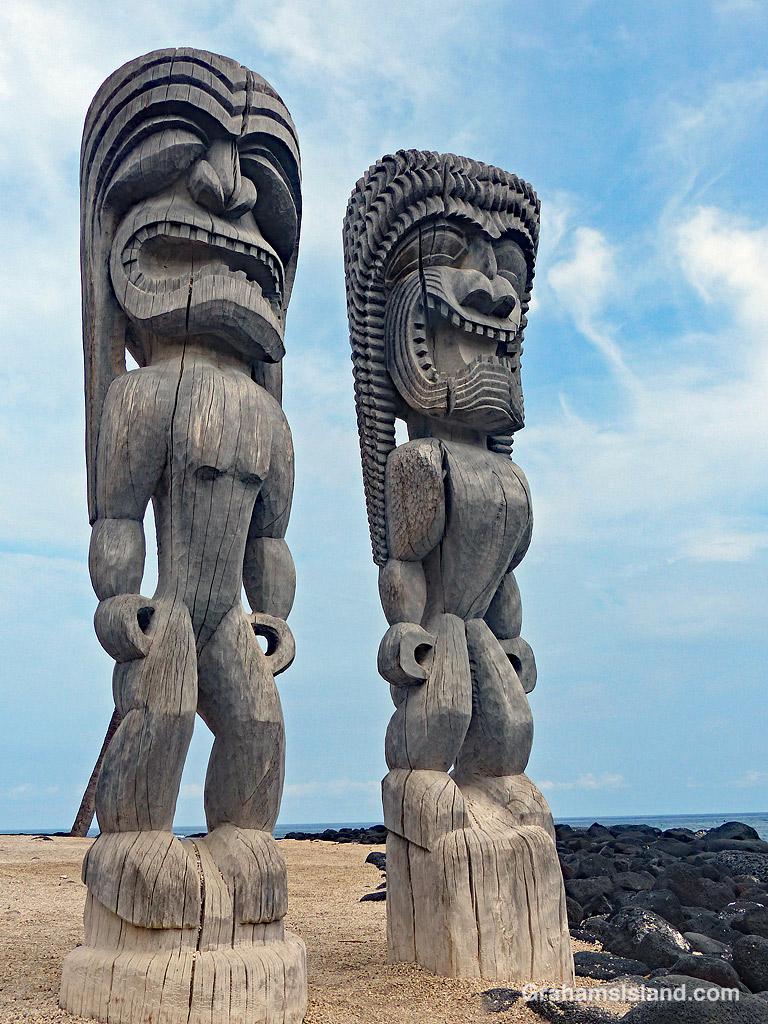
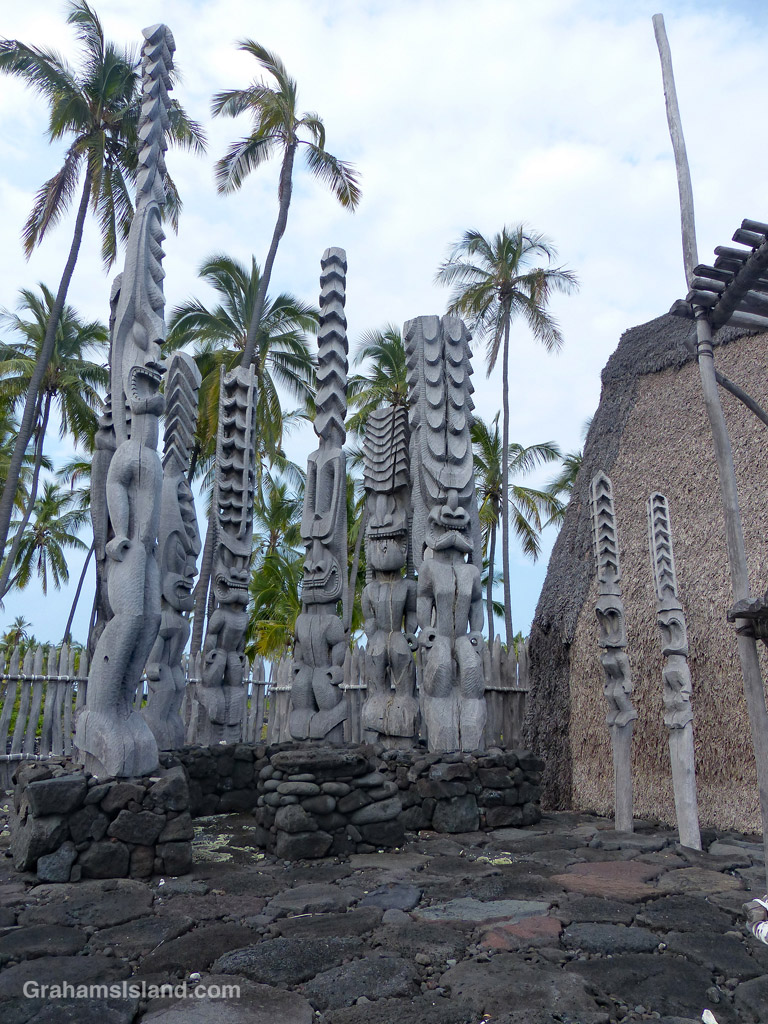
These ki’i would look down on the miscreant swimming toward them, growing in size as they got closer. But so too would the welcoming palm trees and though it is a rocky shore, a few cuts and scrapes would be a small price to pay for salvation.
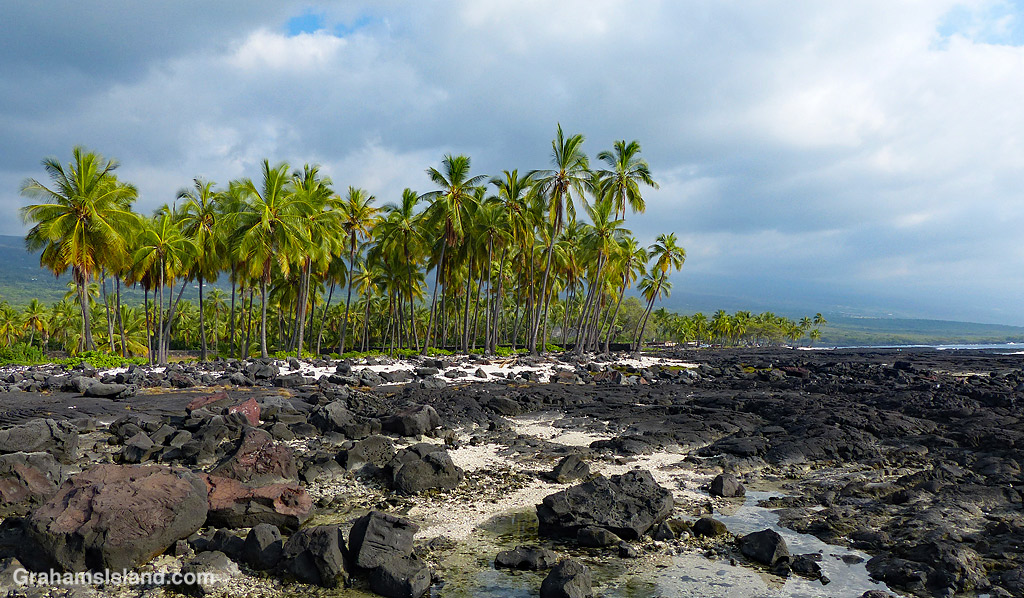
Palm trees at Pu'uhonua o Hōnaunau National Historical Park in Hawaii

Once ashore, forgiveness was guaranteed and the person was free to reenter society and rejoin family and friends, who would no doubt celebrate the return.

It’s not all about looks

A Reticulated Butterflyfish and Thompsons Surgeonfish in the waters off Hawaii

Reticulated Butterflyfishes are among the easiest fish to identify with their array of white spots on black, and other notable markings.

The same cannot be said for Brown Surgeonfishes. Mostly brown, with a tinge of lavender and some dull spots on the face, this is a fish that’s often overlooked. But according to my fish book, it boasts a couple of noteworthy accolades.

The first is that, back in 1993, “the biggest species of bacteria known to science had been discovered in the gut of this surgeonfish.” It notes that the bacteria was about the size of a hyphen in a newspaper article, which is a pretty good size actually.

The other distinction is that a study, by Roland and Marie-Louise Bauchot, of the brains of Hawaiian reef fishes, declared that the smartest fish on the reef is none other than the little Brown Surgeonfish.

Mugshots

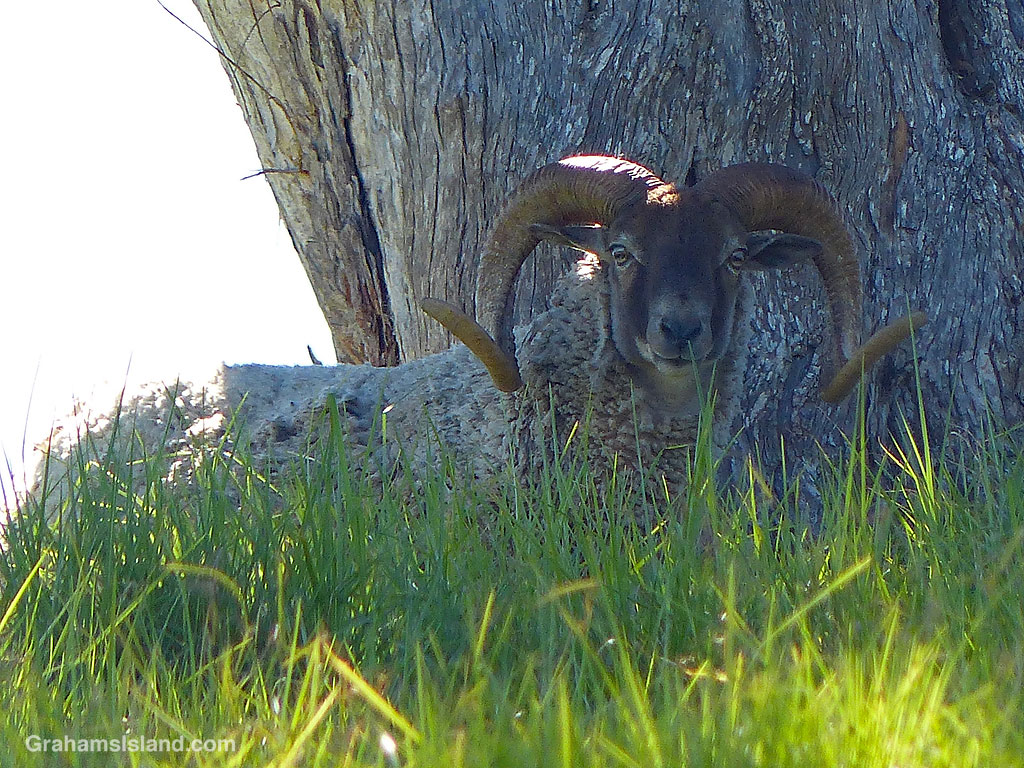
A ram at Puu Waawaa, Hawaii

When I saw these photos of this ram on Pu’u Wa’awa’a, I couldn’t help but think of police mugshots. “OK, look over to the side. Now look at the camera. You’re done. Next!” Except, I think they do the front view first and side view second. Not that I have any firsthand knowledge of the procedure!

A ram at Puu Waawaa, Hawaii

Peppered Moray Eel

A Peppered Moray Eel swims in the waters off Hawaii

Peppered Moray Eels live in shallow waters, including tide pools and ponds. My fish book describes them as bold and active, and notes that they will even launch themselves out of the water, onto the rocks, trying to catch crabs, their primary prey.

So it’s somewhat surprising that, while I have probably seen glimpses of this eel, these are the first photos I’ve taken of one. This one was swimming along and, obligingly, continued to do so for a while, without disappearing into a crack or hole.

A Peppered Moray Eel swims in the waters off Hawaii

The other side of the road

A view of Keanuiomano Stream above the Queen Kaahumanu Highway on the Big Island Hawaii

I was driving home yesterday and I was struck by a contrasting view. The top photo shows the Keanuiomano Stream running down towards the Queen Ka’ahumanu Highway, the main road along the coast from Kailua Kona to the north.

I posted (here) about the river running high a few weeks ago, following the passage of Tropical Storm Calvin. Since then, there’s been a gradual decline in volume, but there’s still a trickle of water and the stream bed is full of pools. This area is popular with the goats, because it’s a good source of water and fodder after rainfall.

Crossing the road, the view is starkly different. The passage of Hurricane Dora triggered strong, dry trade winds. When fires broke out, they spread quickly (here). This view shows the aftermath of one of the relatively small fires, which burned about 500 acres next door to Mauna Kea Resort. The palm trees and houses on the left of the bottom image are part of the resort.

Ironically, when I took river running high photos, I checked out the other side of the highway for possible photos. I didn’t bother taking any, as I couldn’t see much because of the thick vegetation. Now it’s wide open down to the ocean.

A view of Keanuiomano Stream below the Queen Kaahumanu Highway on the Big Island Hawaii

Hello, yellow

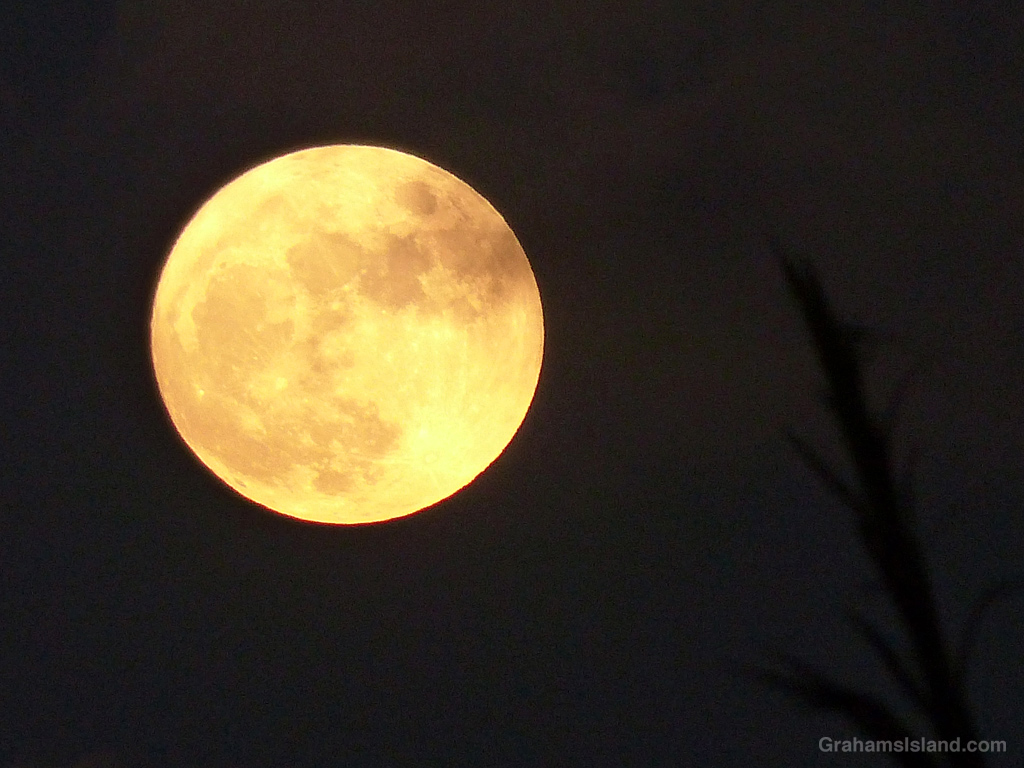
A full moon rises over Hawaii
A buttery yellow full moon rises over North Kohala.

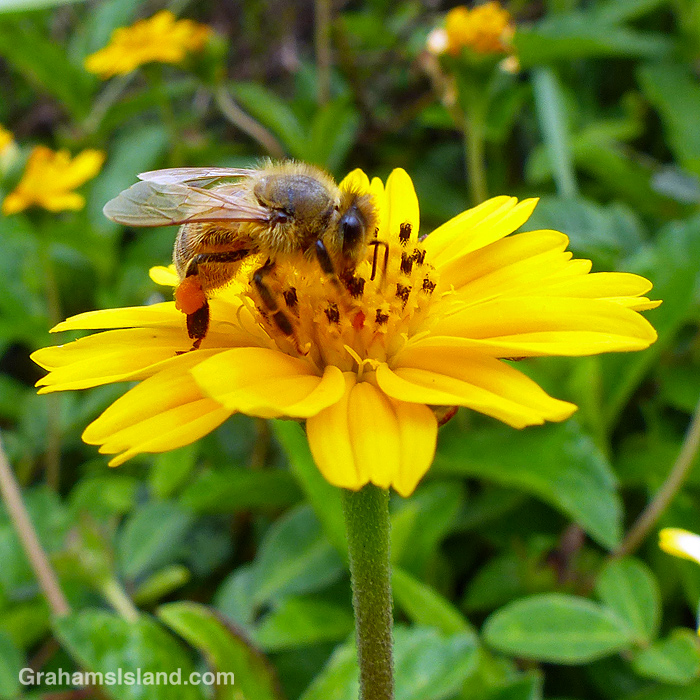
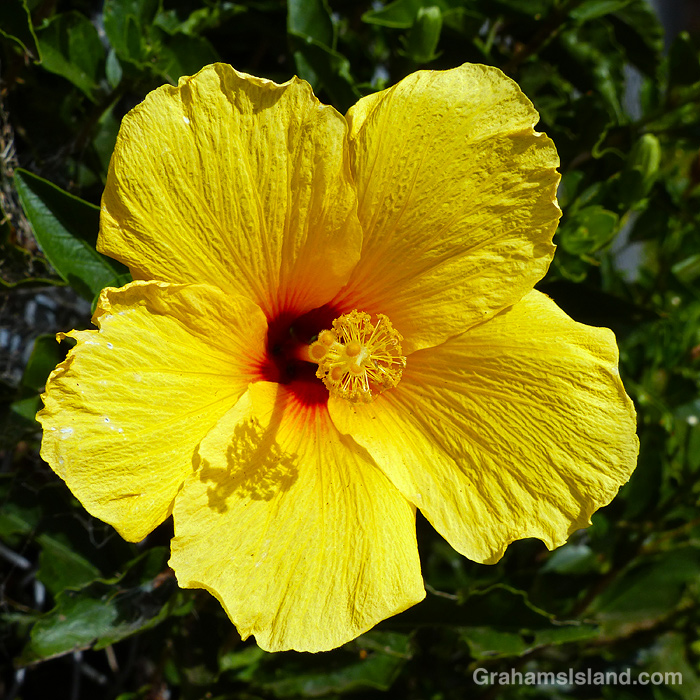
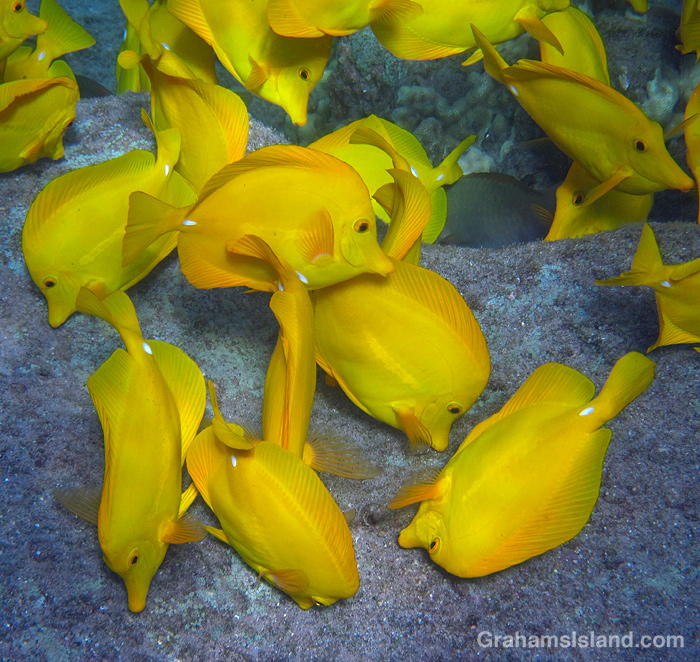
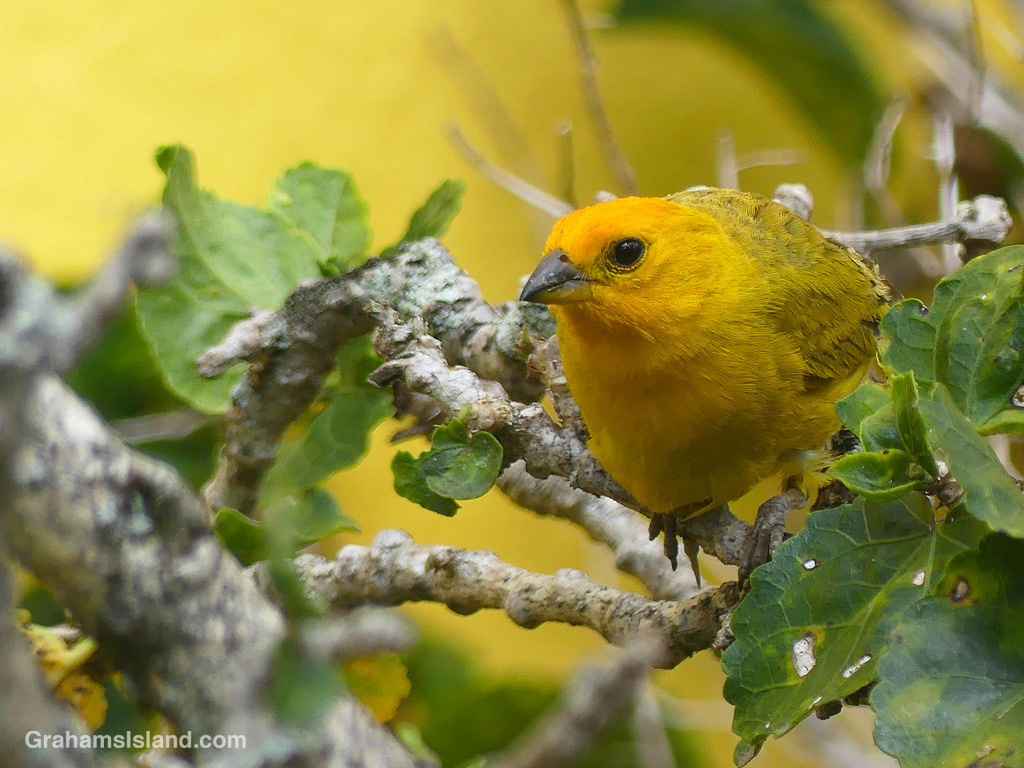
This month’s Sunday Stills Color Challenge theme is ‘Yellow.’ See more responses here. Once again, I’ve gone for a melange of photos, which sounds edible, but probably isn’t. Captions on the photos.

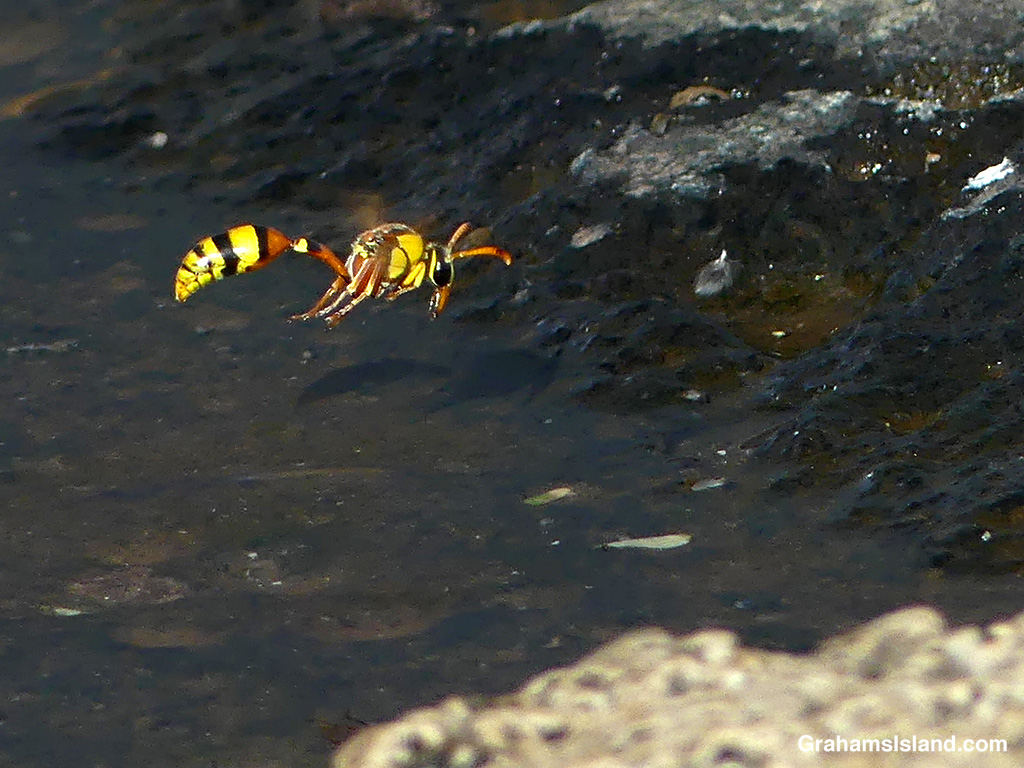
A wasp heads for water in Hawaii
Finally a photo from a couple of days ago. A boldly-marked wasp zooms in to collect water.