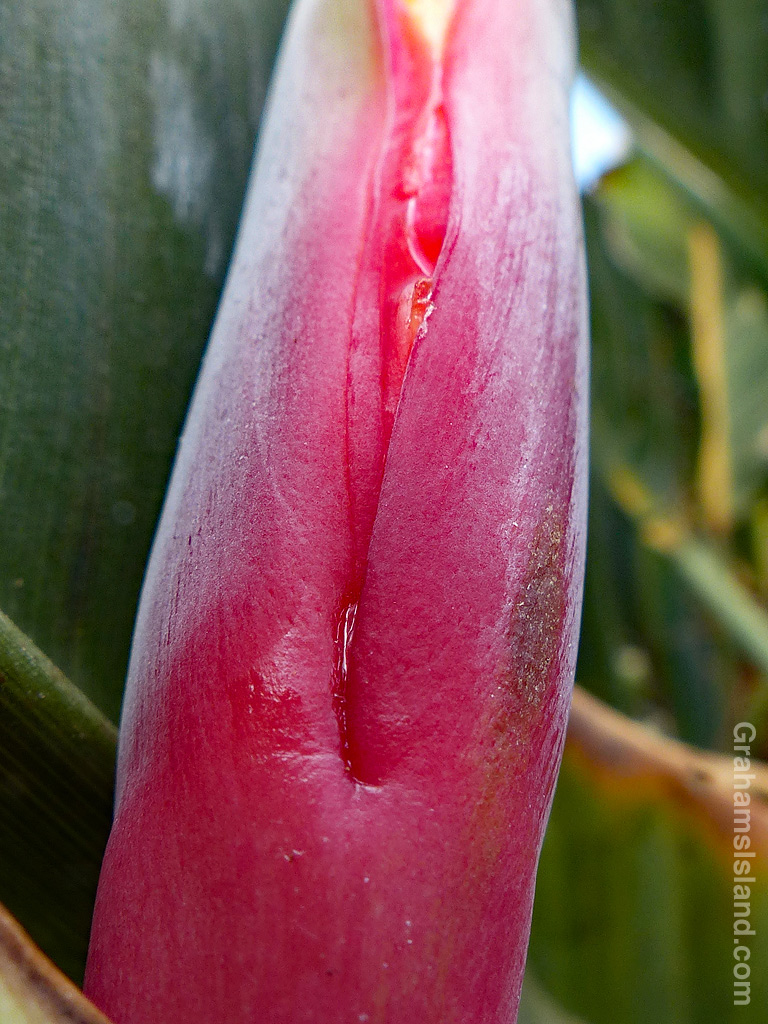
A close up look at a bird of paradise flower in the early stages of opening to its full glory.

A close up look at a bird of paradise flower in the early stages of opening to its full glory.


I spotted this giant African land snail in the yard a few days ago, moving purposefully through the wet grass. Unfortunately, it was moving in a straight line toward one of my truck’s wheels. Since I was about to get into the truck and drive away, the snail was perilously close to getting smushed. Instead, I picked it up and moved it out of the way before driving off.
Given that the giant African land snail is an invasive species I should probably have just run it over. Next time maybe.
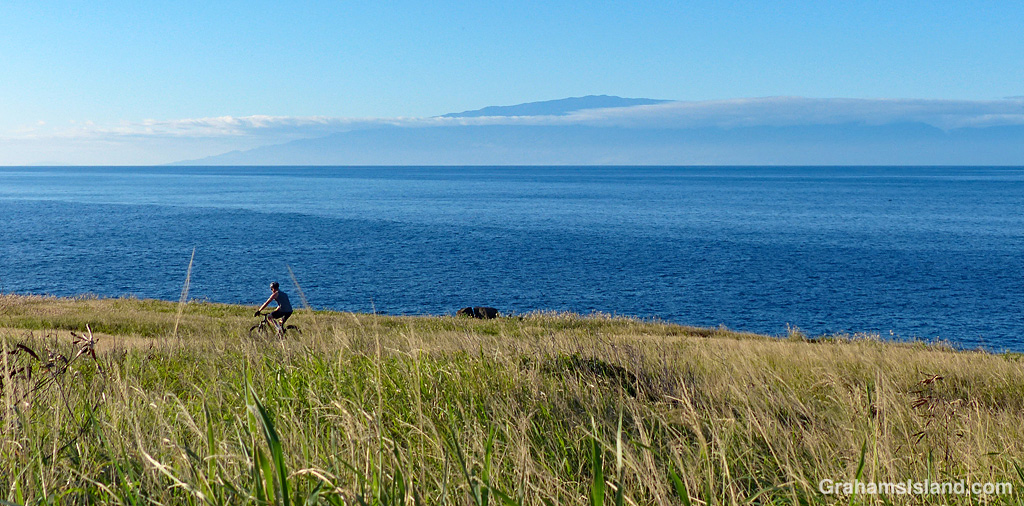
A cyclist rides along the North Kohala coast, with ʻAlenuihāhā Channel and Maui making a scenic backdrop.
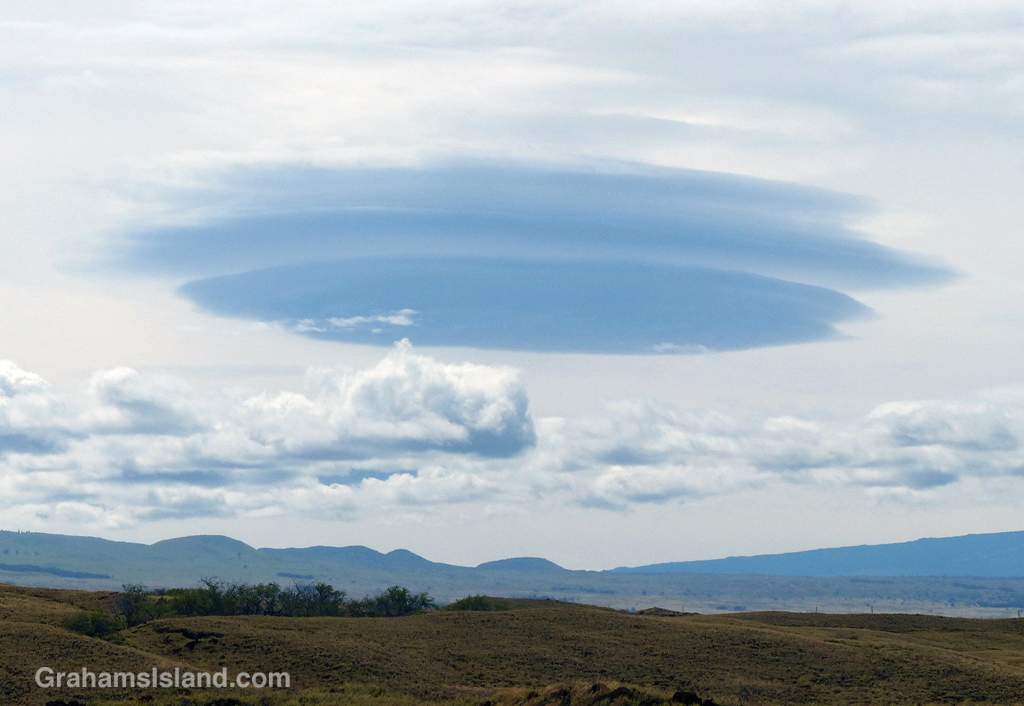
This vary strange looking cloud formation appeared one day atop the saddle between Mauna Kea and Mauna Loa. It hung around there for a long time before suddenly disappearing into space. No, not really. Instead, the lower level clouds continued to build and eventually obscured the view of the alien cloud. All very mysterious.
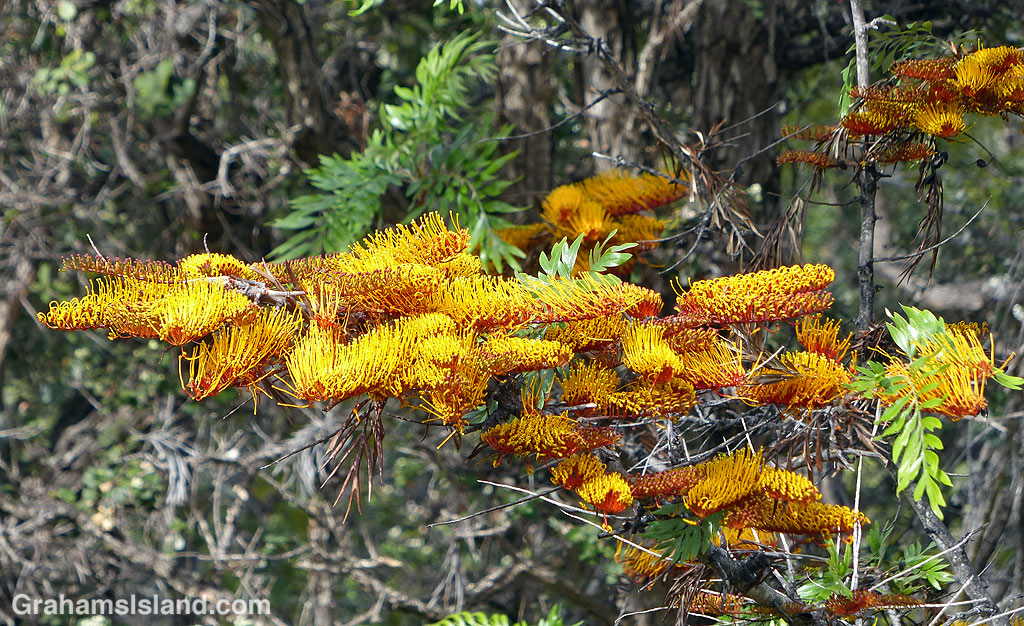
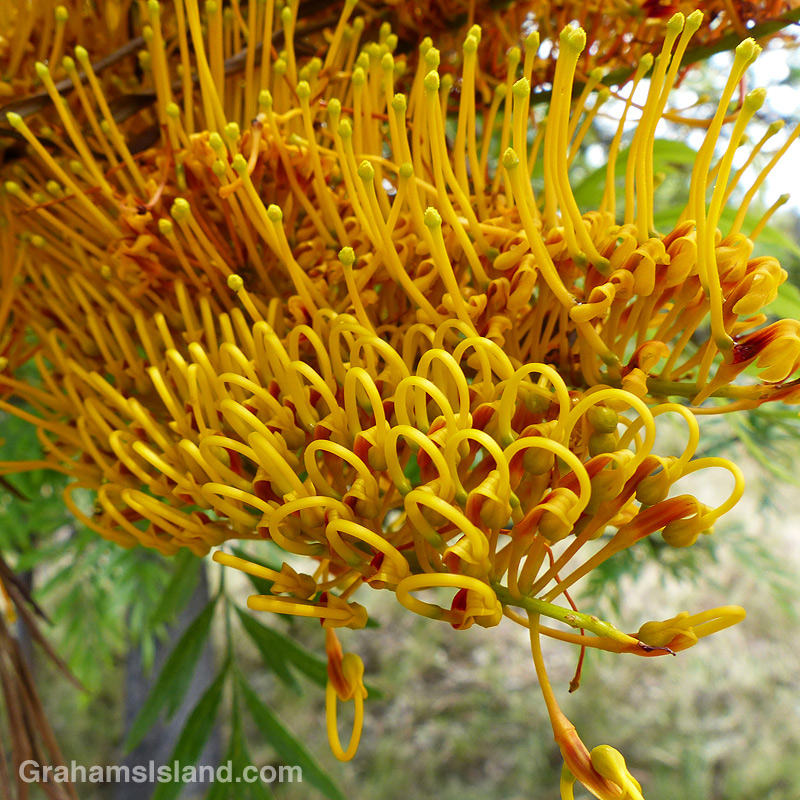
Silk oaks (Grevillea robusta) come from Australia’s east coast, but are well established here. Rather too well actually. They’re fast growers and can outcompete native species, in particular ohia trees. In some places, silk oaks will have their trunks ringed to kill the tree in order to give those native species a better chance of survival.
At this time of year, silk oaks are blooming and their orange flowers put on a brilliant display. They look like giant toothbrushes, or rather groups of flowers look like that, for the toothbrushes are made up of many individual flowers. The flowers themselves are popular with birds, bees and other insects, but both the flowers and wood can cause allergic reactions so have to be handled with caution.
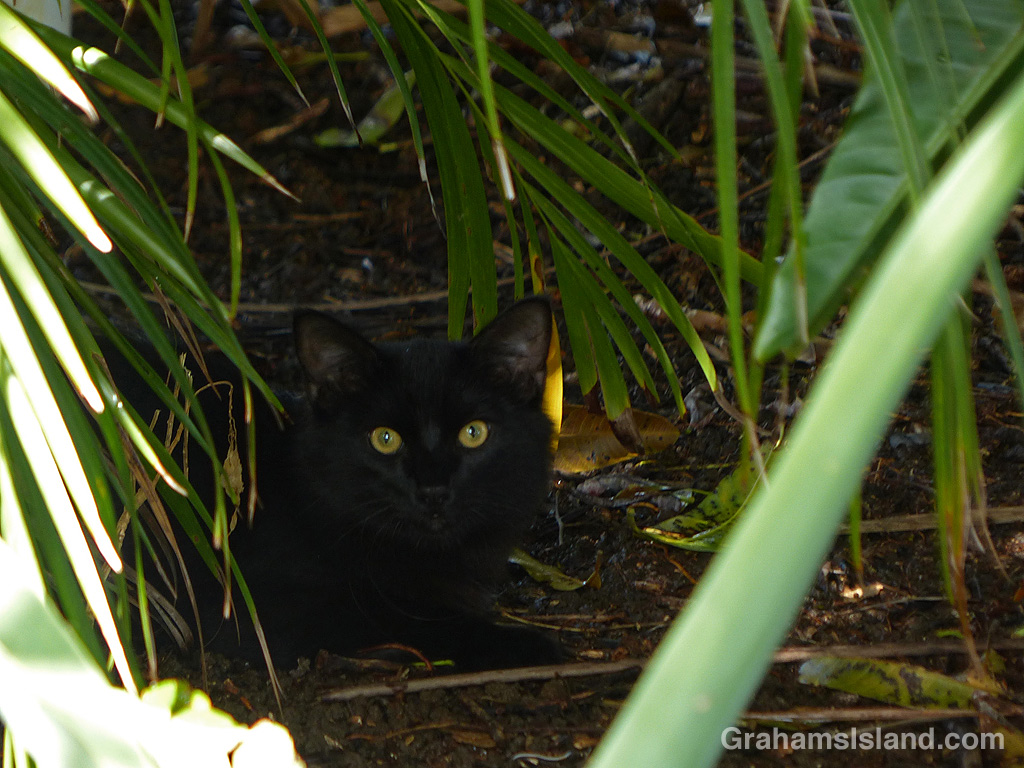
I was taking photos of birds in the yard – northern cardinals, Japanese white-eyes, and saffron finches – when I noticed that I wasn’t the only one watching them intently. A neighbor’s black cat was following their every move, until it realized that it wasn’t the only one doing that. Then it turned its stare on me.

A variety of reef fish – including yellow tang, goldring surgeonfish, whitebar surgeonfish, brassy chub, and ember parrotfish – forage on a shallow rocky shelf.
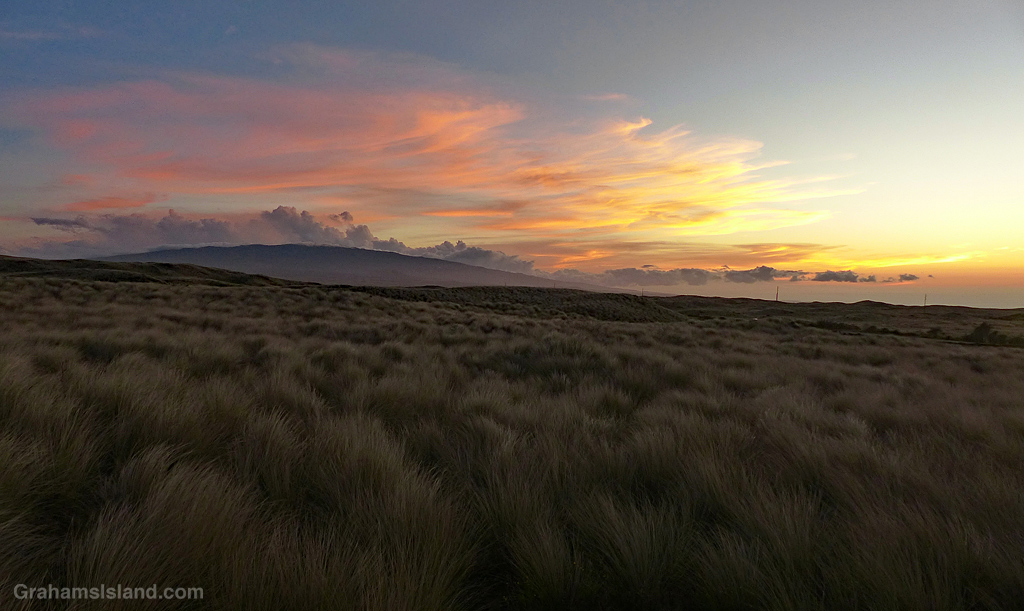
The setting sun illuminates wispy clouds over Hualalai, as seen from the scrubby pasture lands alongside old Saddle Road.

