
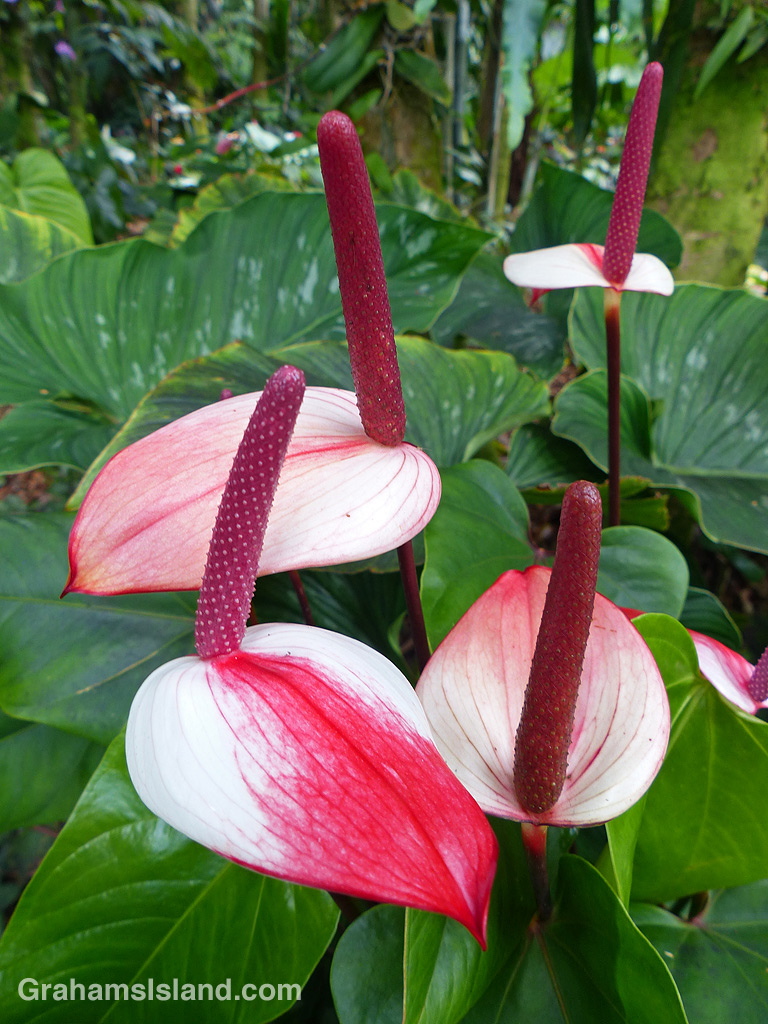
The strong colors of bicolor anthuriums stand out against their green leaves.
These were at Hawaii Tropical Botanical Garden. For more information about Hawaii Tropical Botanical Garden, go to htbg.com.

The strong colors of bicolor anthuriums stand out against their green leaves.
These were at Hawaii Tropical Botanical Garden. For more information about Hawaii Tropical Botanical Garden, go to htbg.com.

I thought, for a brief exciting moment, that these two mongooses might come to blows. The look given by the farther mongoose suggested as much. I was ready with my camera for the encounter, but it didn’t happen. Instead the two of them seemed quite content in each other’s company and spent their time scavenging in the grass for scraps of food.
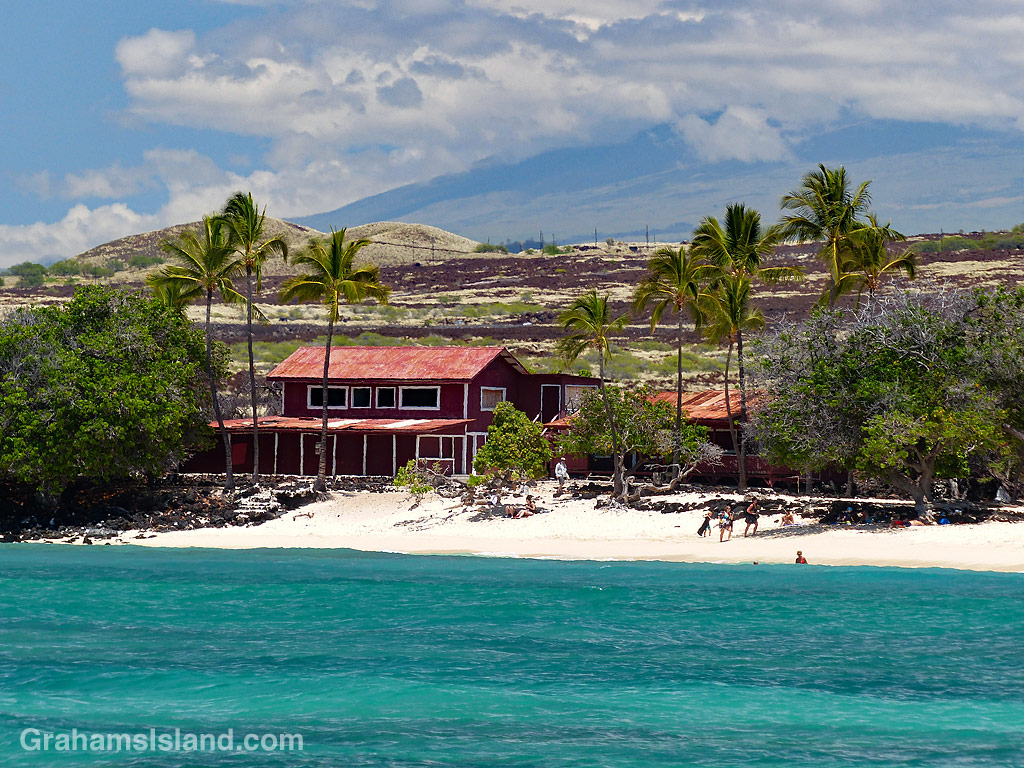
This week’s Sunday Stills challenge theme is ‘Warmth.’ (See more offerings here.) Picture yourself stretched out on this beach. Imagine the sun warming the sand, warming you. Perhaps it’s time for a dip in the clear, turquoise waters. After you emerge, the sun quickly dries you. Time to retreat to the shade of the trees lining the beach, a cool beverage at your side, a book in hand (put that phone away). Repeat as necessary.
This is Mahai’ula Beach, one of the beaches at Kekaha Kai Park. The old house, in the top photo, was built in 1880 by John Kaelemakule, a successful fisherman and businessman. After he died in 1936, the property was sold to the Magoon family who owned the land until 1993. It’s now owned by the state of Hawaii.


A bee, already heavily laden with pollen, flies in to examine a rose jatropha flower.
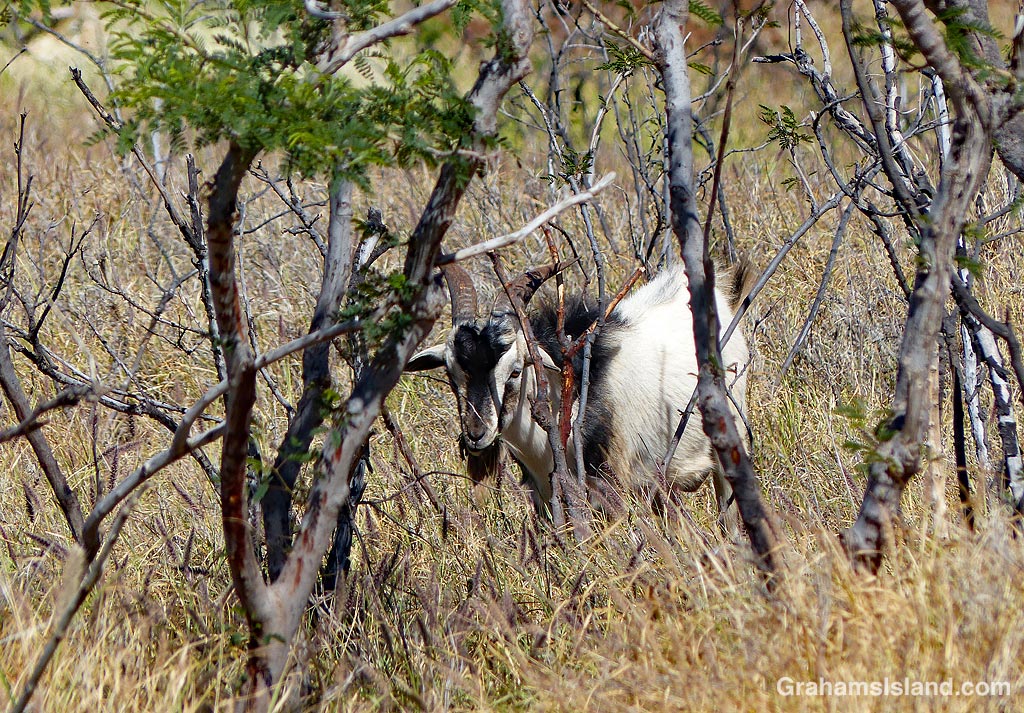
I liked how this goat blended in to the scrubby bushes as it kept a watchful eye on me.
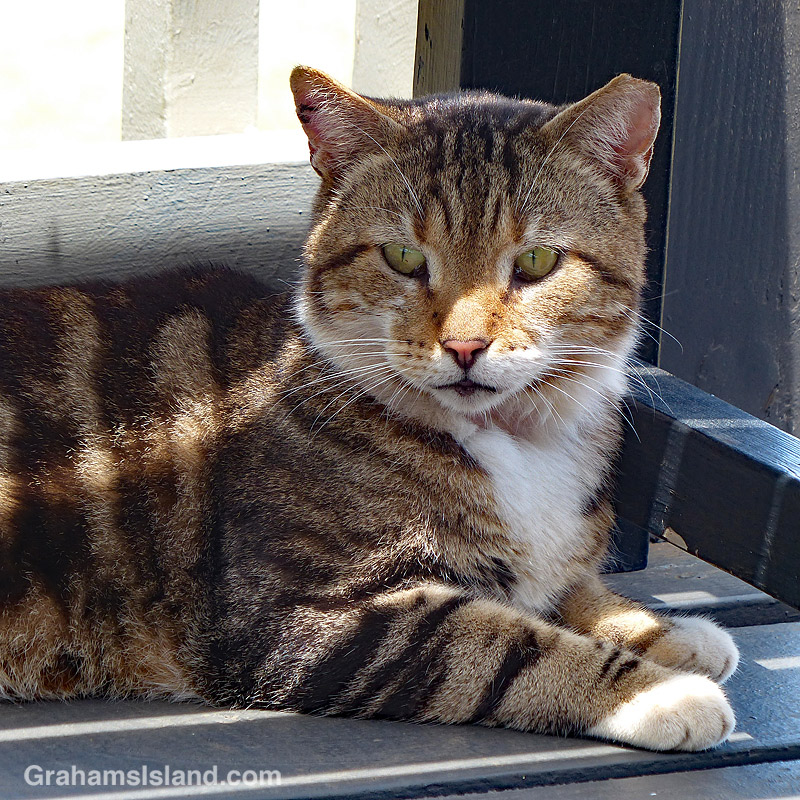
This is Papa, looking rather regal in the dappled light beneath a slatted bench.
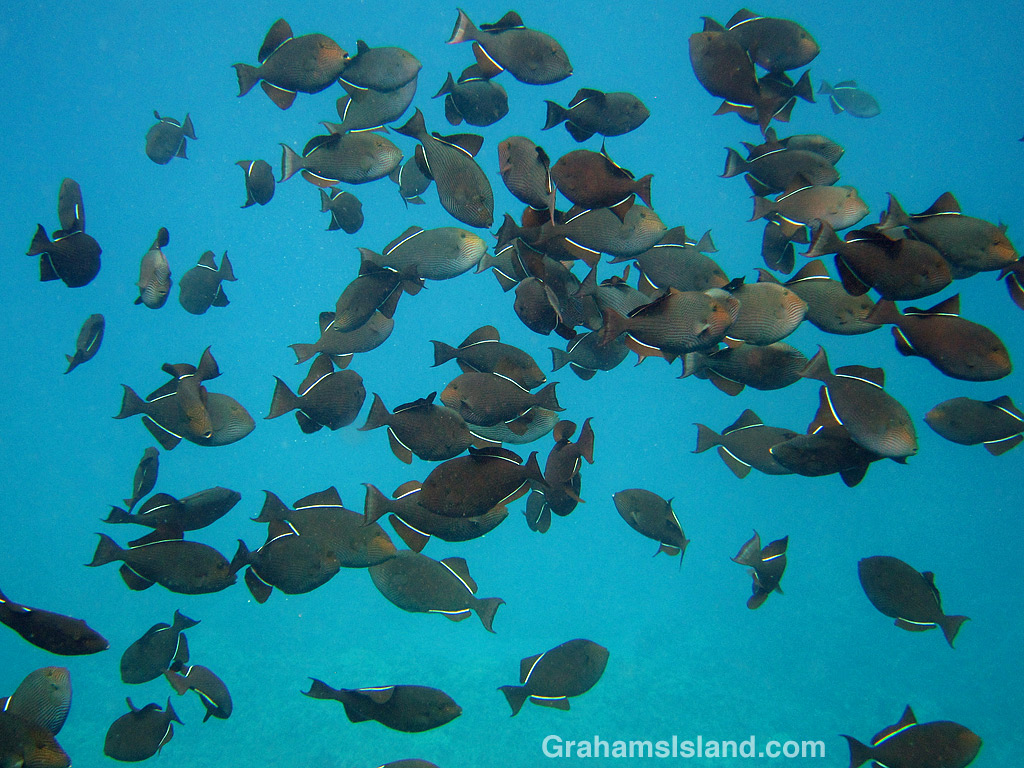
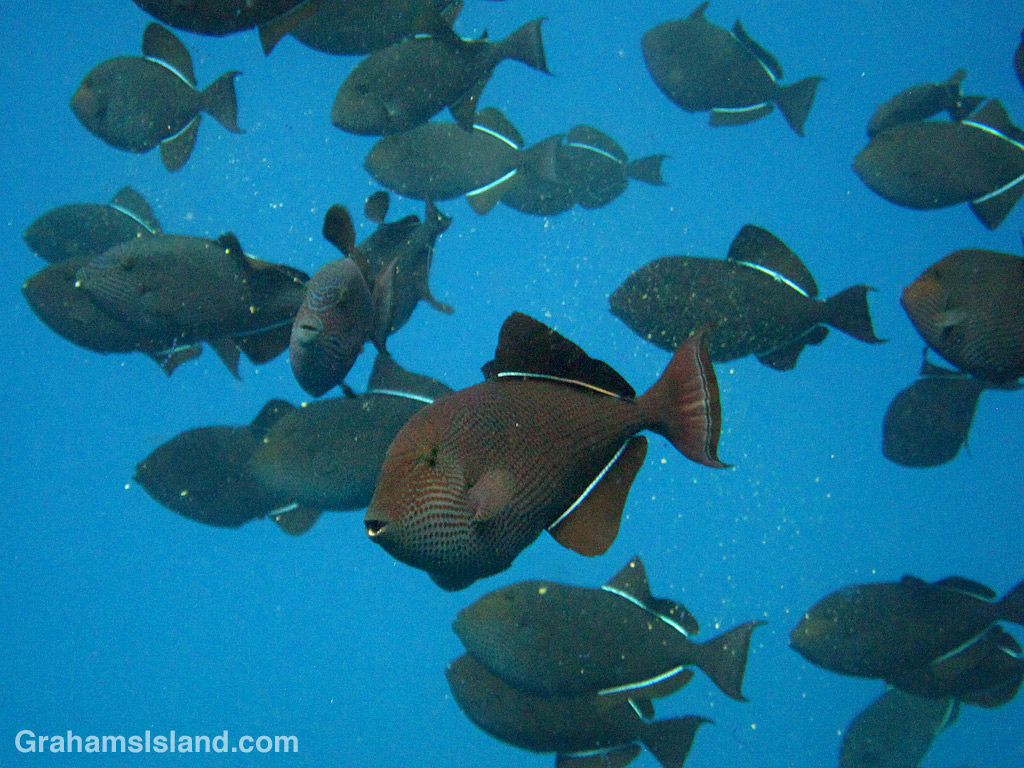
I saw these black triggerfish clustered in a very tight ball and wondered if they were feeding or being fed upon. Many of the triggerfish were showing colors that indicate arousal or agitation, but I didn’t see anything conclusive either way and my attention was quickly distracted when I saw this mysterious tube.

This dramatic cloud formation drifted menacingly over Kawaihae port one afternoon. Luckily, nothing biblical happened and the port survived.
 Graham's Island