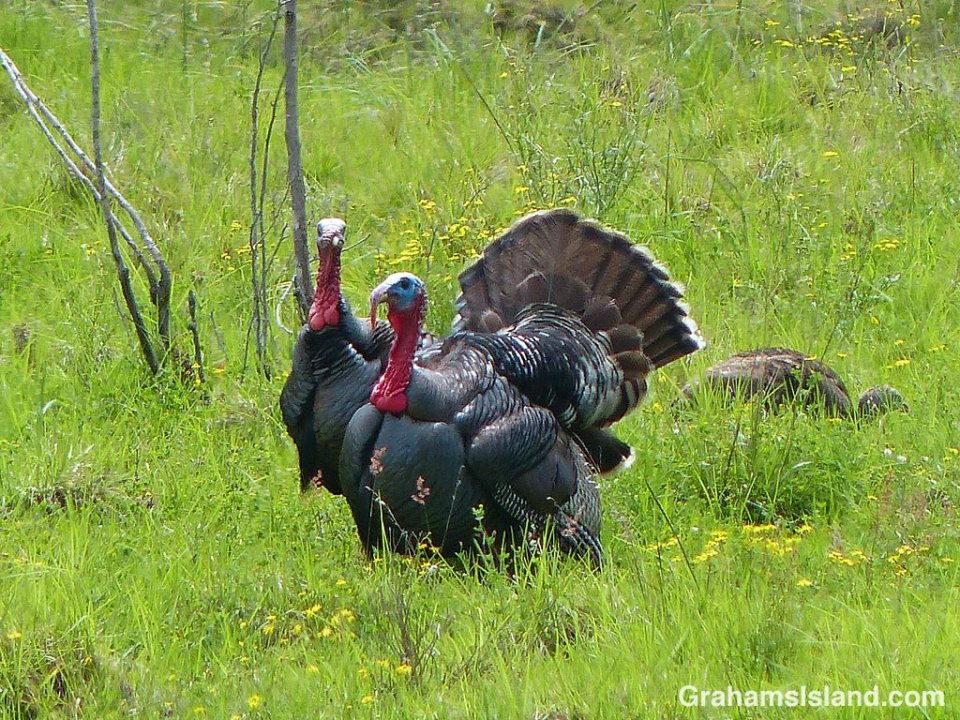
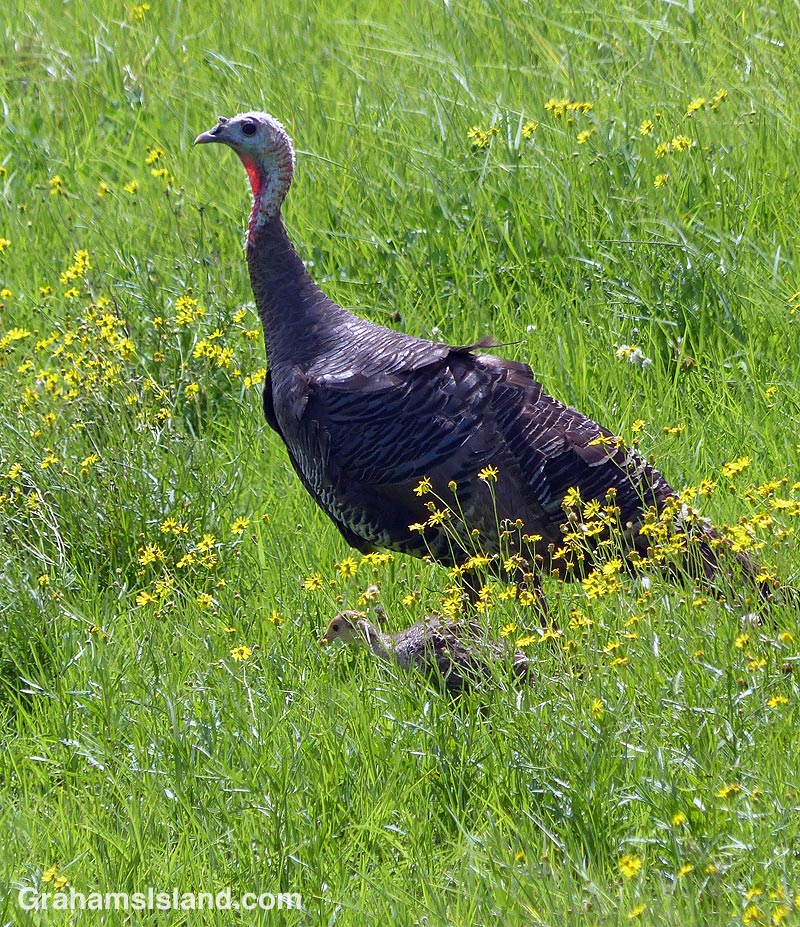
 Wild turkeys are often seen wandering through pasture land in small groups. In the photo above, a large male shows a female what a fine specimen he is. In the second photo, a mother guides her chick through the long grass.

Wild turkeys are often seen wandering through pasture land in small groups. In the photo above, a large male shows a female what a fine specimen he is. In the second photo, a mother guides her chick through the long grass.
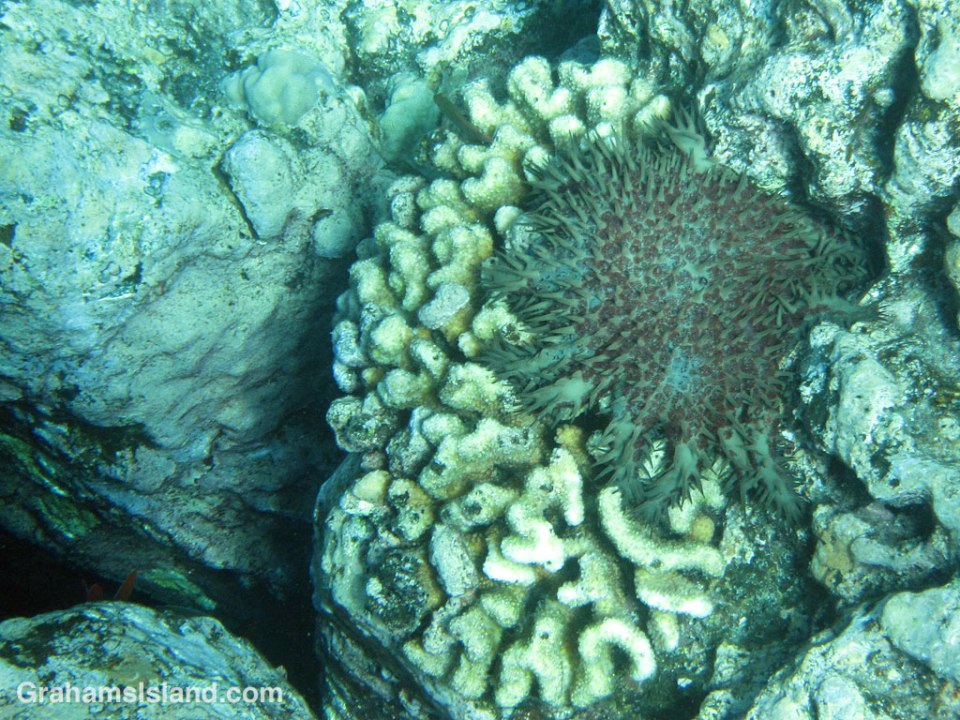
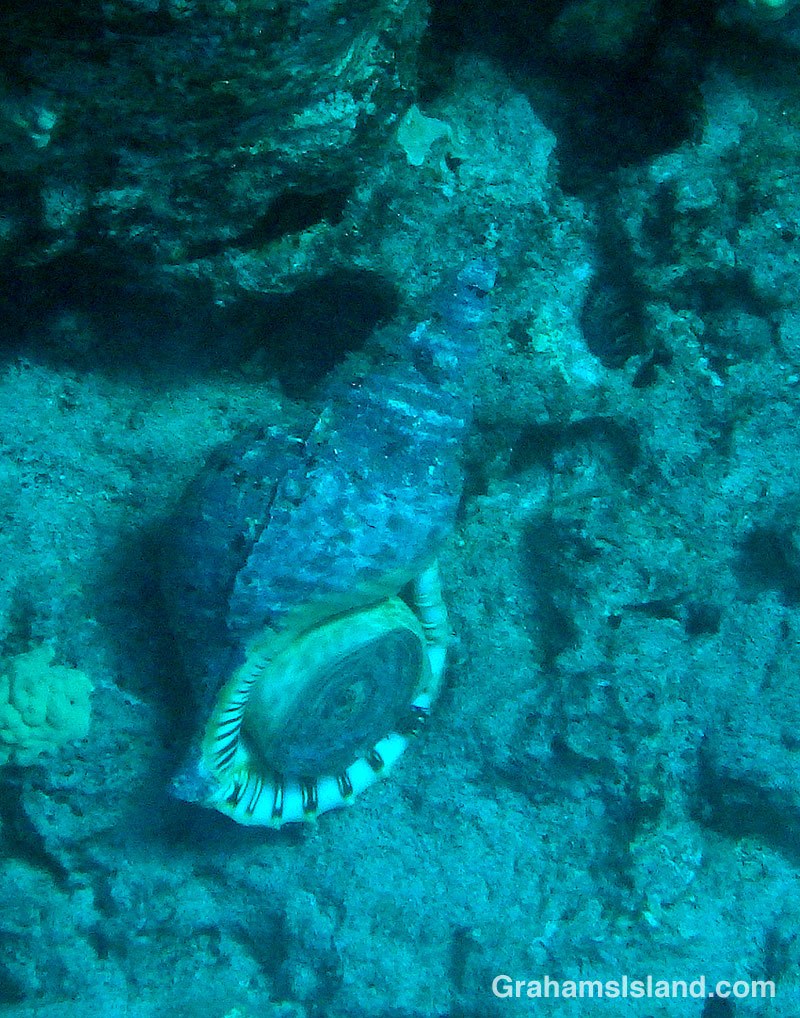 Crown-of-thorns sea stars (Acanthaster planci) feed on coral and, because of this, are considered a menace to the health of coral reefs. Up to a foot-and-a-half across, they can have as many as 19 arms and are covered by venomous spines. If this all sounds like this creature is a nasty piece of work, the good news is that it has not caused extensive damage to the reefs here in Hawaii.
The crown-of-thorns does have predators, one of which is triton’s trumpet (Charonia tritonis). These large triton snails, up to 20 inches long, feed on echinoderms including crown-of-thorns sea stars. When they scent prey, they will take off after it and are considered speedy for a snail. When a triton’s trumpet catches its prey, it grips it with its foot and applies saliva that causes paralysis, which allows the snail to consume its meal without further drama.
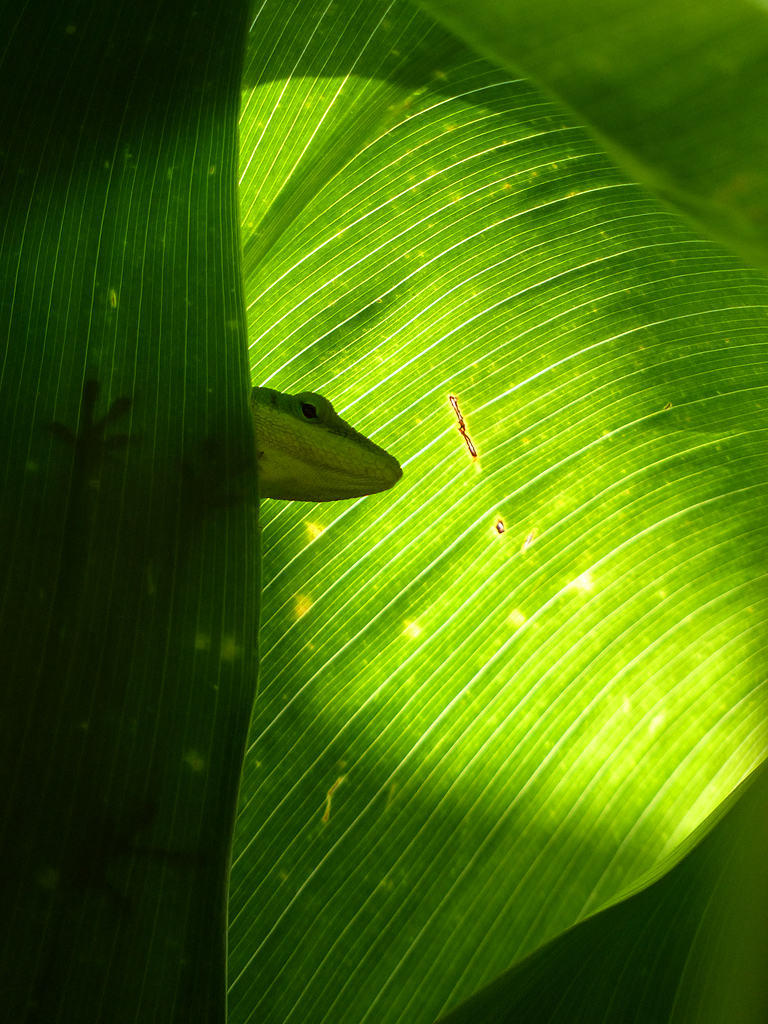 Ti plants grow well in Hawaii, so well that they can get out of hand. If they look like doing so, the prudent thing is to prune, but that has one drawback. Where you cut a stem of a ti plant, two new shoots will form. This means that trimming a ti plant is a temporary fix prior to it coming back stronger.
Despite this drawback, I like them quite a bit. The lines of the leaves make for interesting patterns and shapes, especially when the sun shines on them, or through them. They’re also popular with wildlife. Geckos and anoles spend a good deal of time sunning themselves on ti leaves, or resting on the edges with one eye peering over to see what else is around. In this photo, a green anole was doing just that, but found nothing worthwhile, just me pointing my camera at him.

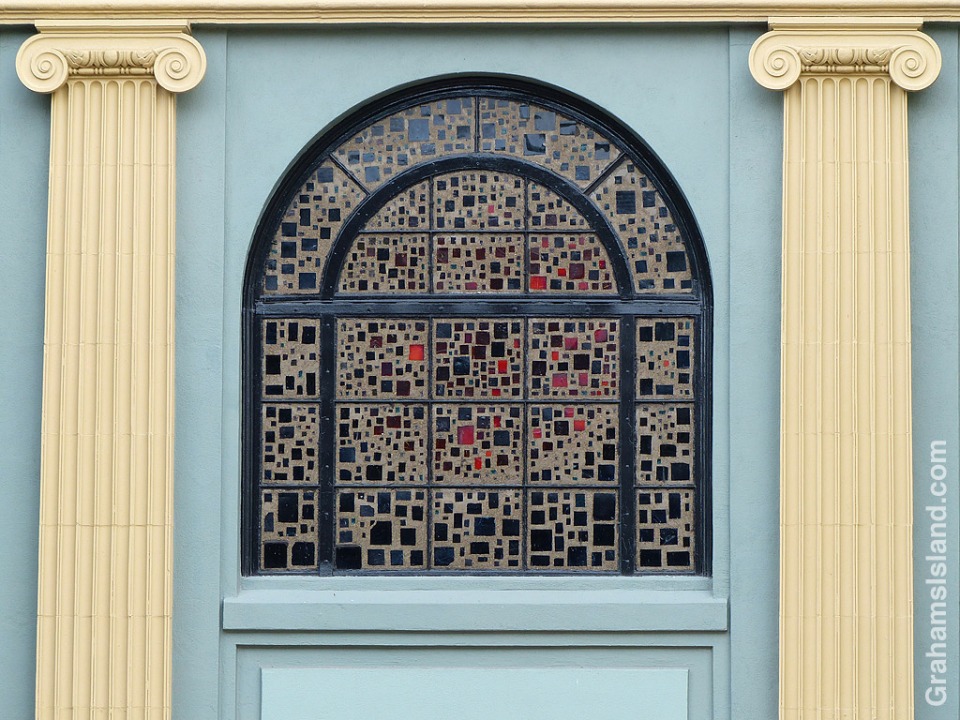 This week’s Sunday Stills challenge theme is ‘Window.’ (See more responses here.) I thought I’d post some photos from my trip to Honolulu last year since the city is full of interesting buildings and is window rich.
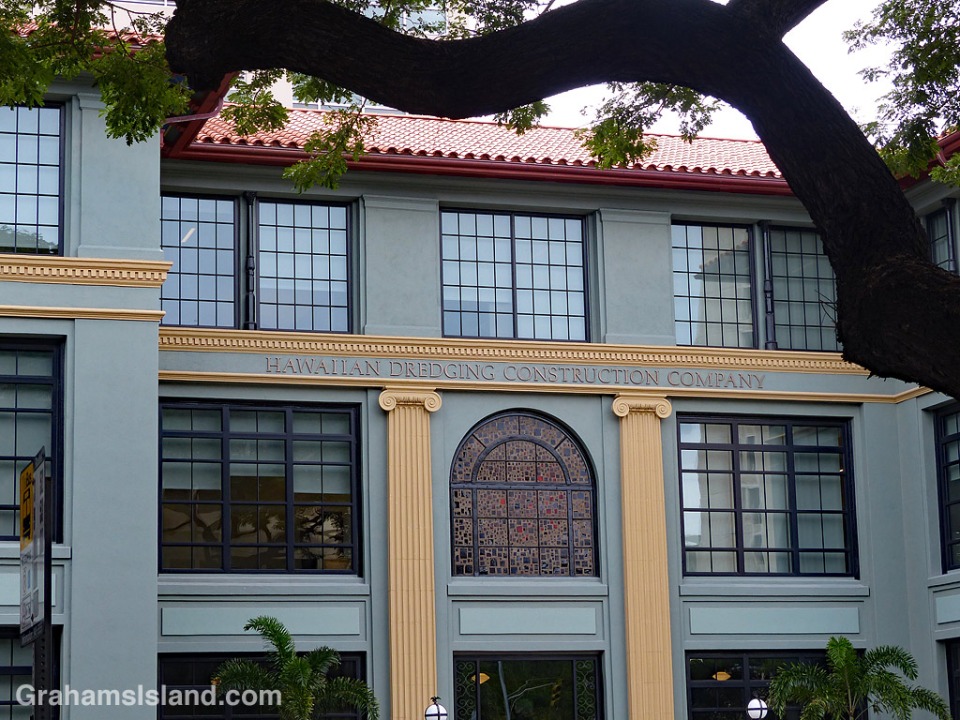
This one is the Hawaiian Dredging Building. It was built in 1929 for the Pacific Commercial Advertiser, which later became The Honolulu Advertiser. That newspaper ceased publication on June 6, 2010 when it was merged with The Honolulu Star-Bulletin and became The Honolulu Star-Advertiser. For most of its history the building was known as the News Building or the Advertiser Building.
The Hawaiian Dredging Construction Co. purchased the building in 2016 and, following an extensive renovation, made it the company’s headquarters and renamed it the Hawaiian Dredging Building. The distinctive mosaic window above the entrance is a notable feature of the building.
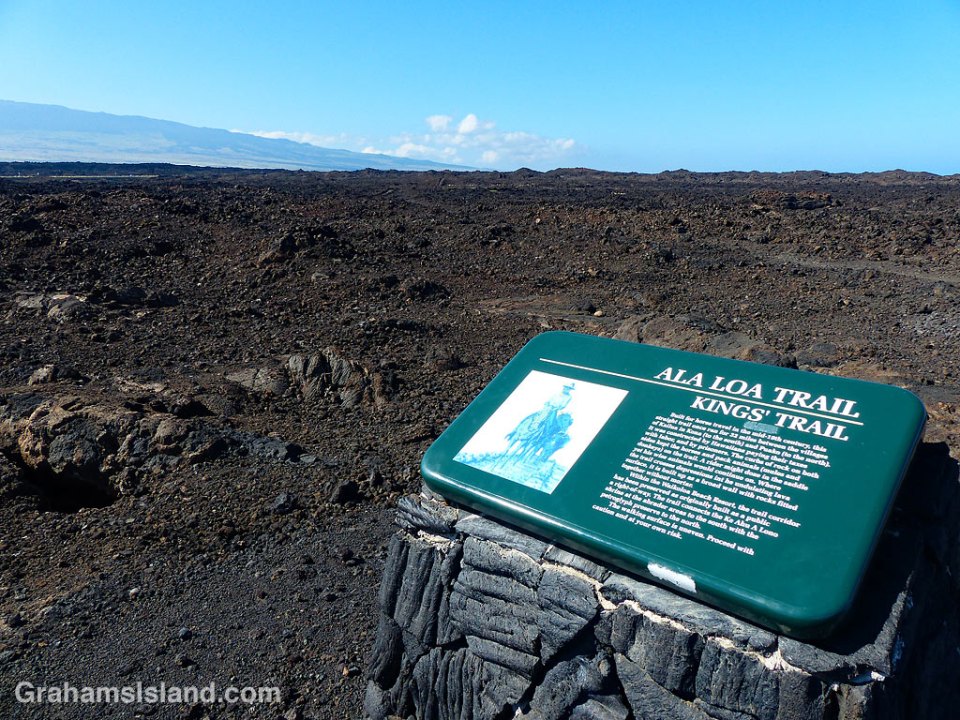
 The Kings’ Trail, is more properly known as the Ala Kahakai Trail (shoreline trail) or the Ala Loa Trail (long trail). The trail was created in the 1800s and stretched 175 miles from Upolu, at the northern tip of the island, down the west coast and up the south coast, to Kalapana in the southeast corner.
It passed through 220 ahupuaʽa, which were land divisions stretching from the ocean to the mountains. This meant that each ahupuaʽa contained the necessary resources to sustain its inhabitants.
These days, some sections of the trail are open for hiking, but others cross private land. The goal is to reopen as much of the trail as possible to public use. These photos are of parts of the trail passing down the Kohala coast. In many places the trail is ramrod straight to make passage easier, though the surface is often uneven.
Posted in response to this week’s Friendly Friday challenge on the theme of ‘Pathways.’ See more responses here.


On a recent swim, the water was churned up with lots of particles floating about and poor visibility. But I was taken with how the sun sent swirling shafts of light down toward deeper water.

A bee forages on a thistle flower.