I see these sprinklers going on my way home from work, but only if it’s been a long day, as they’re on a timer. Usually I think, I must take a photos of those, but don’t because it’s late, I’m tired, and I just want to get home.
Last week, the same scenario arose and I was driving by, when I thought, ‘I’ll feel better taking the photos than I will rushing home.’ So I stopped, took photos, and did feel better. At least, until I drove past a police car and, looking in my rear view mirror, saw blue light flashing and heard the siren going. Luckily, he was after the car in front of me!
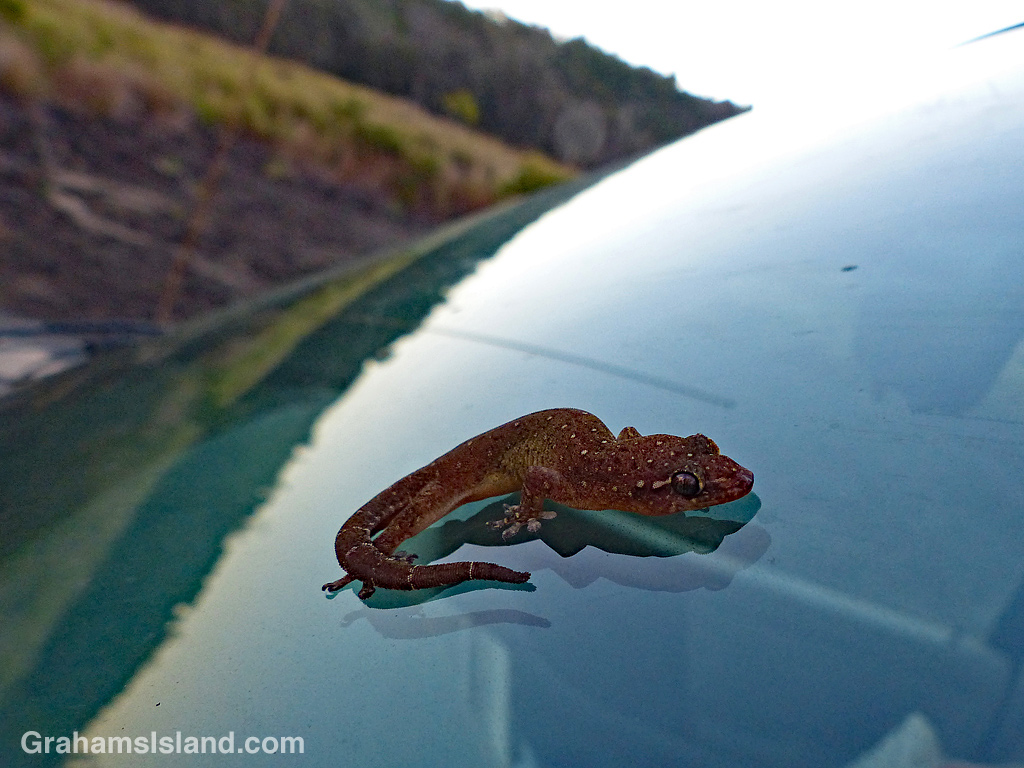
This stump-toed gecko rode on my windshield for about 40 miles!
The idea of The Numbers Game is to enter a number into the search bar of your computer and then post a selection of the photos that turn up. This week’s number is 137. Captions are on the photos.
This week’s Sunday Stills challenge theme is ‘April Flowers.’ See more responses here.
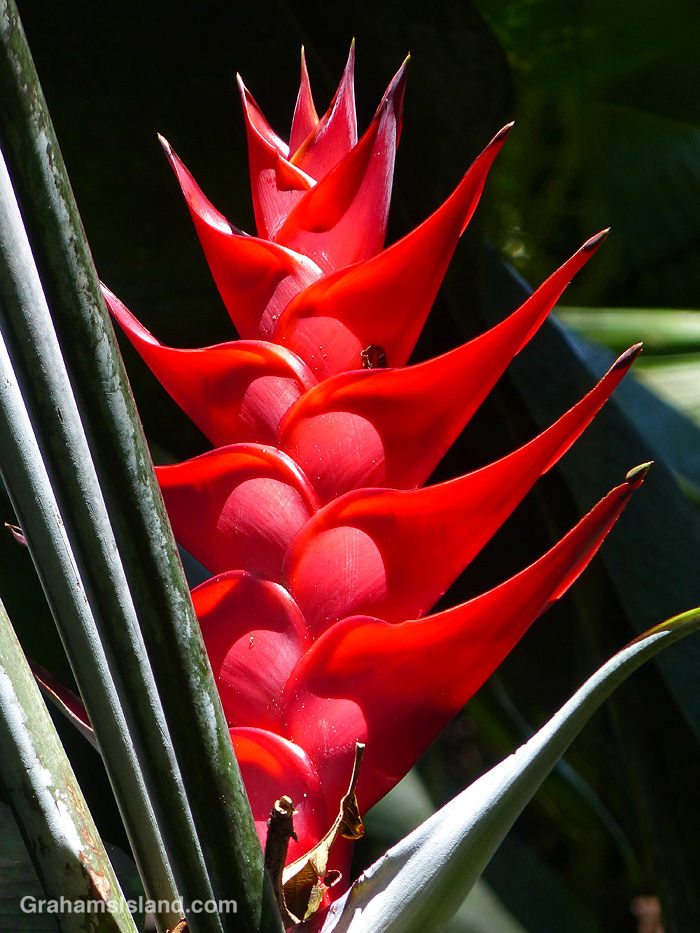
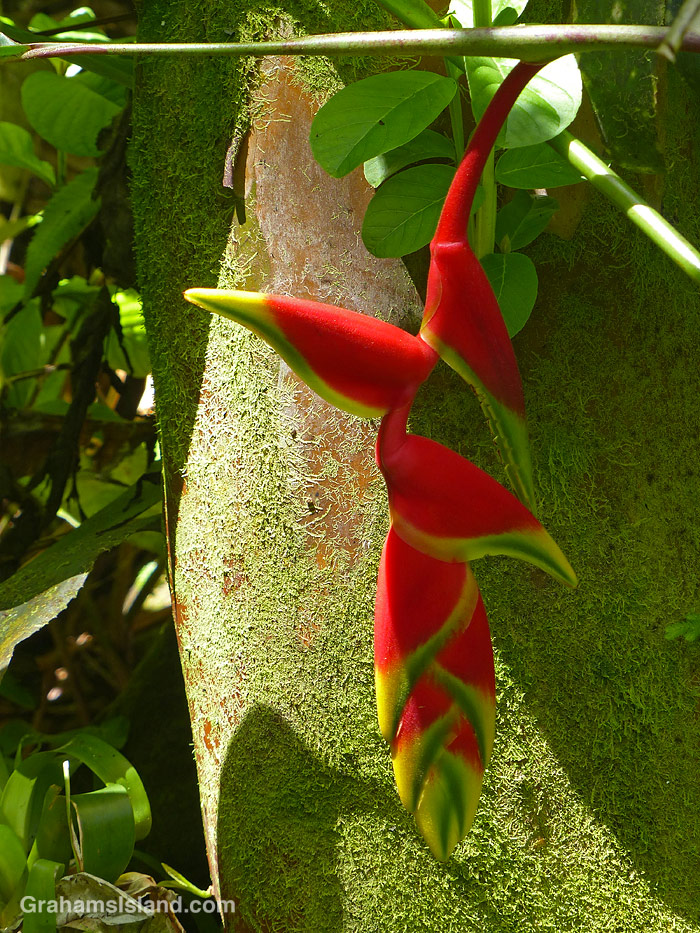
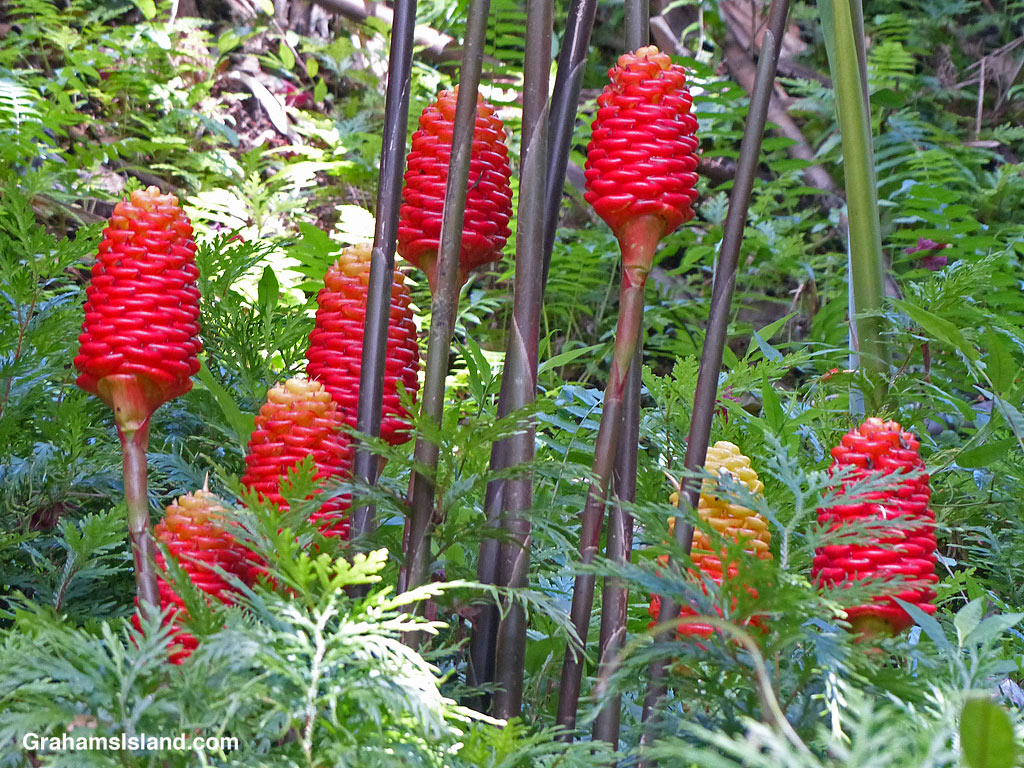
Looking through my files, I found a dearth of flower photos taken in April, except for one visit to Hawai’i Tropical Bioreserve & Garden a couple of years ago. These photos are from that visit.
Phalaenopsis or Moth Orchid.
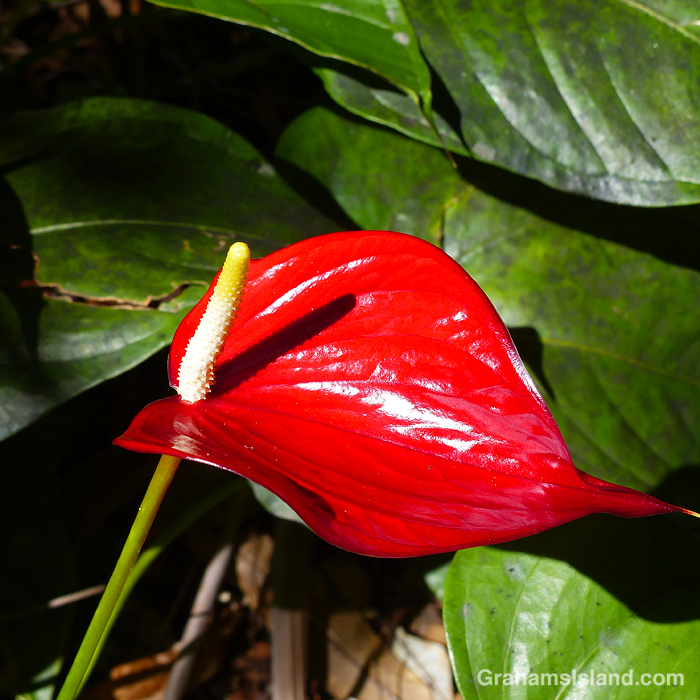
Some ‘flowers’ aren’t flowers at all. These are the bracts of the plants, which are far more showy than the small flowers that emerge from them later.
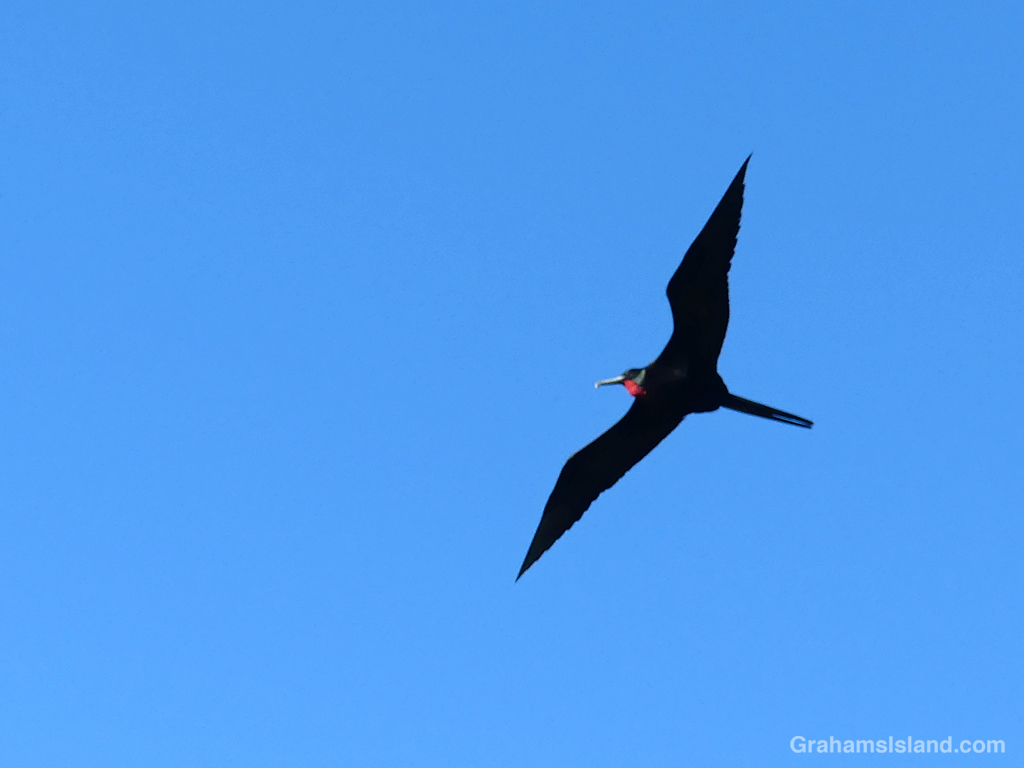
Great Frigatebirds look like they’re not even trying when they fly!
I was driving down to Upolu for my usual walk when I saw a few Great Frigatebirds off in the distance. They seemed to be heading my way, so I pulled over and waited. As I did so, more appeared. They glided down towards the coast, then banked left to cross the road, which is when I took these photos.
They fly easily in formation.
I counted 17 in all, though there might have been more. Usually, I see these birds in ones and twos, but larger flocks like these are, apparently, not unusual. Such gatherings can be simply social, but can also improve their chances in the search for food, as well as for spotting predators, not that they have a lot of those while flying.
Males have a red gular sac at the throat. It makes them easy to identify, even at a distance.
My bird book notes that most Great Frigatebirds seen in Hawaii are females or juveniles, but I regularly see males, which are easily identified by the red gular sac on their throat. This sac can be impressively inflated during courtship.
Posted for Bird of the Week LVIII. See more responses here.













 Graham's Island