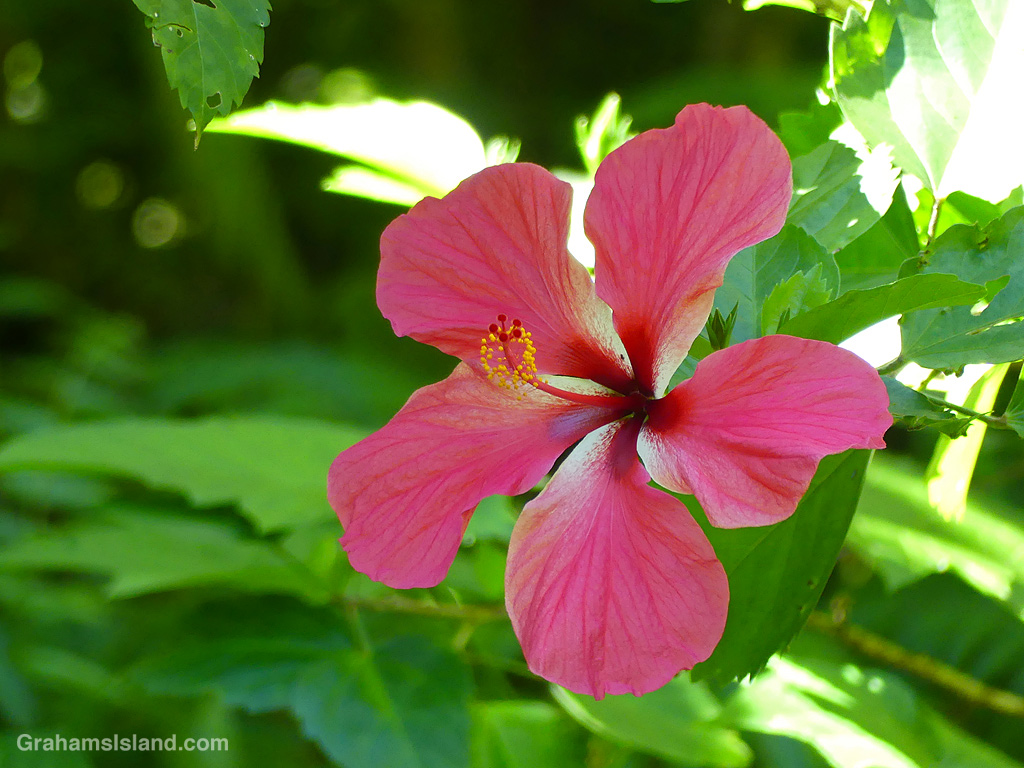
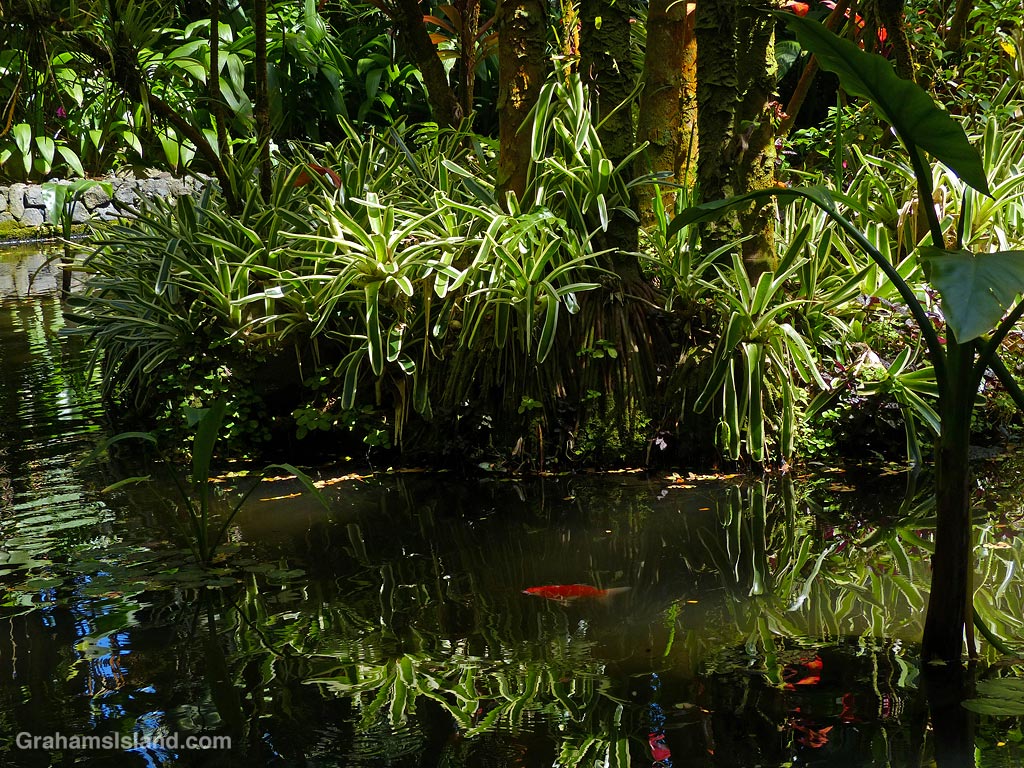
This week’s Sunday Stills Color Challenge theme is ‘Pink and/or red.’ See more responses here.
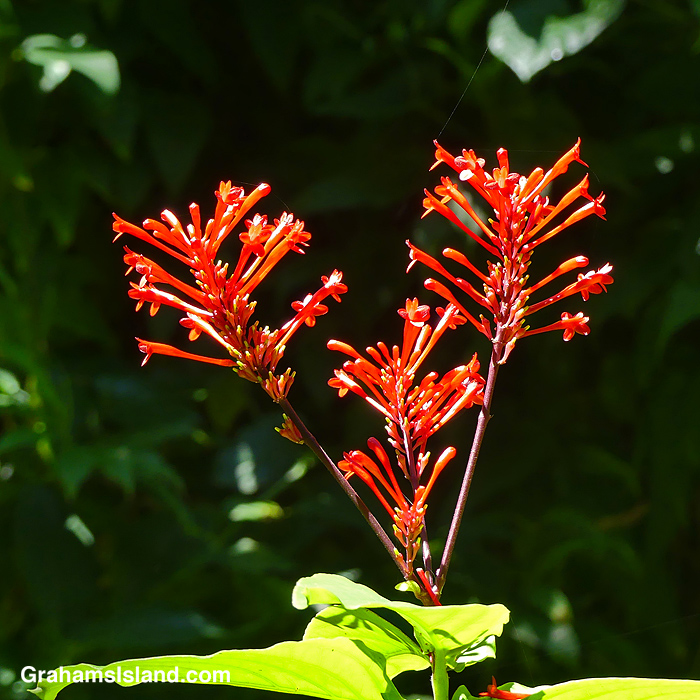
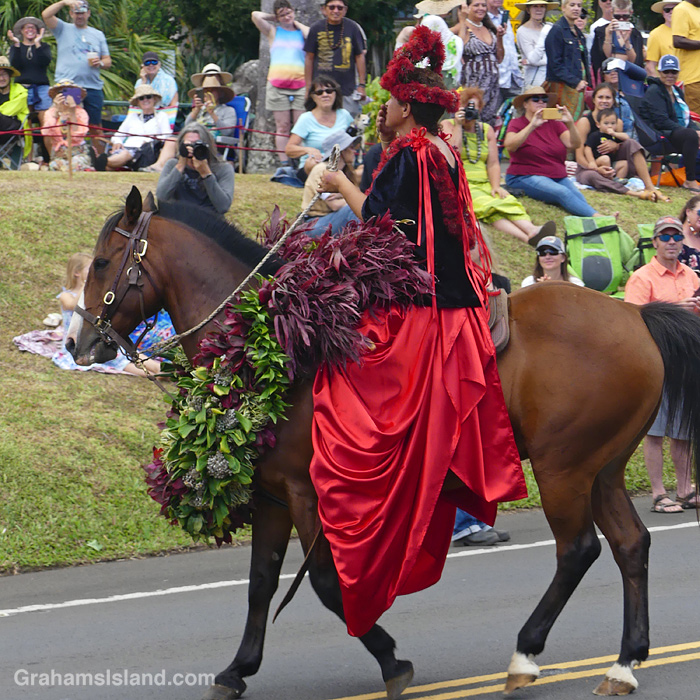
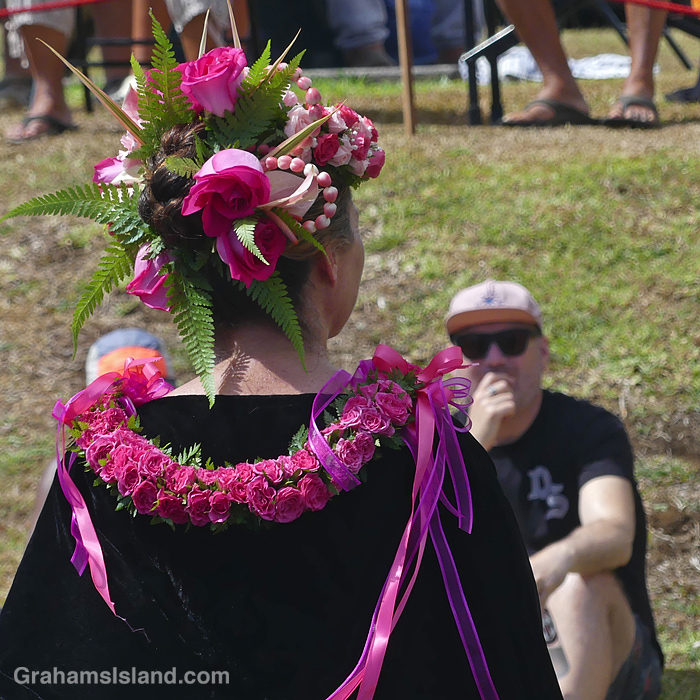
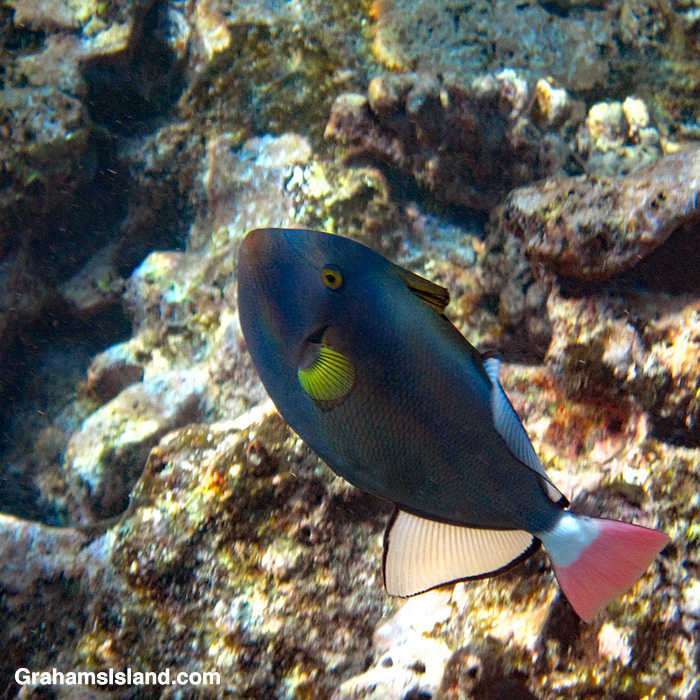
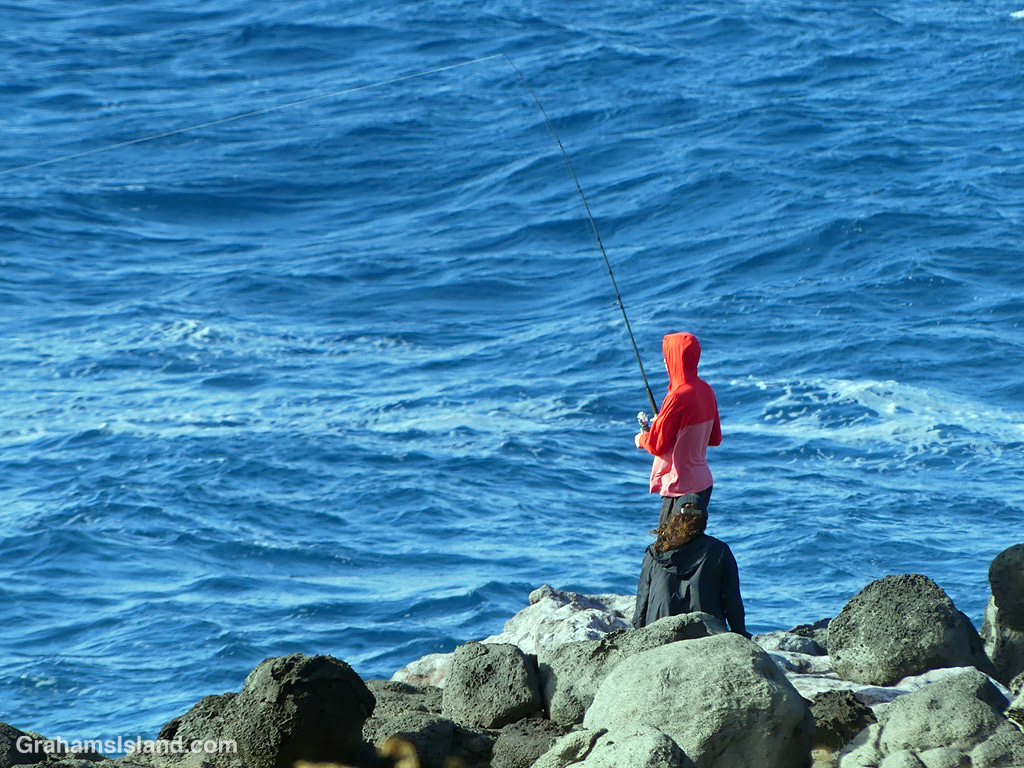

This week’s Sunday Stills Color Challenge theme is ‘Pink and/or red.’ See more responses here.

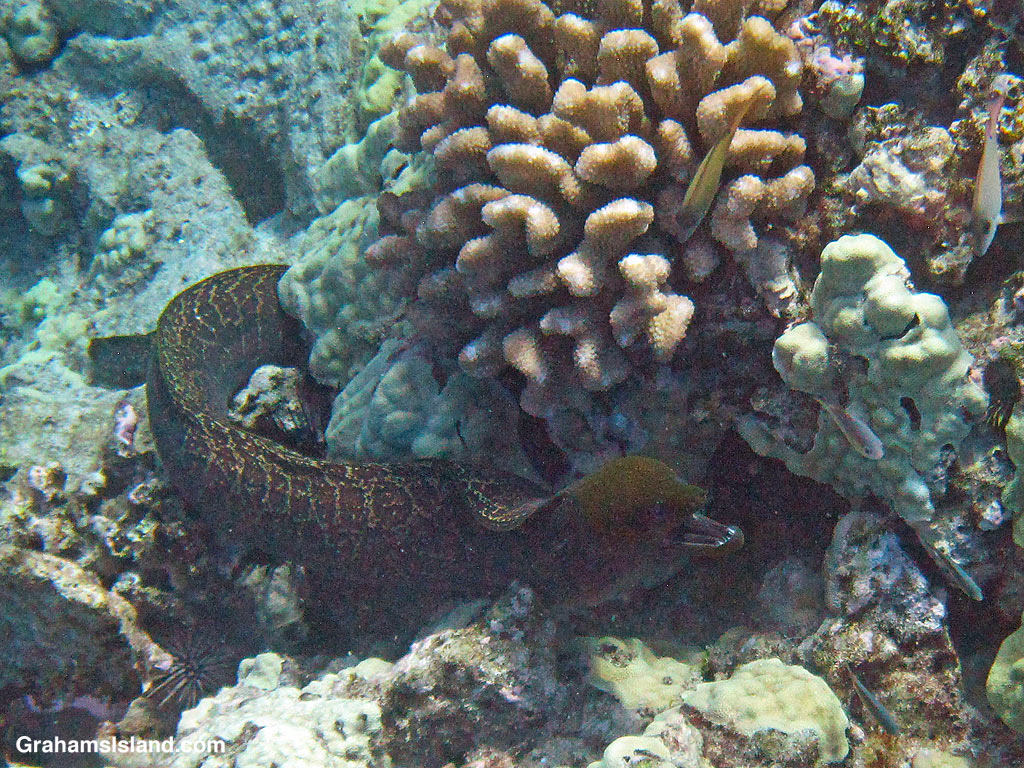
You know the expression, ‘You look like a ….’ Well, as a public service, this is what the real thing looks like. I almost bumped into it on my swim yesterday!
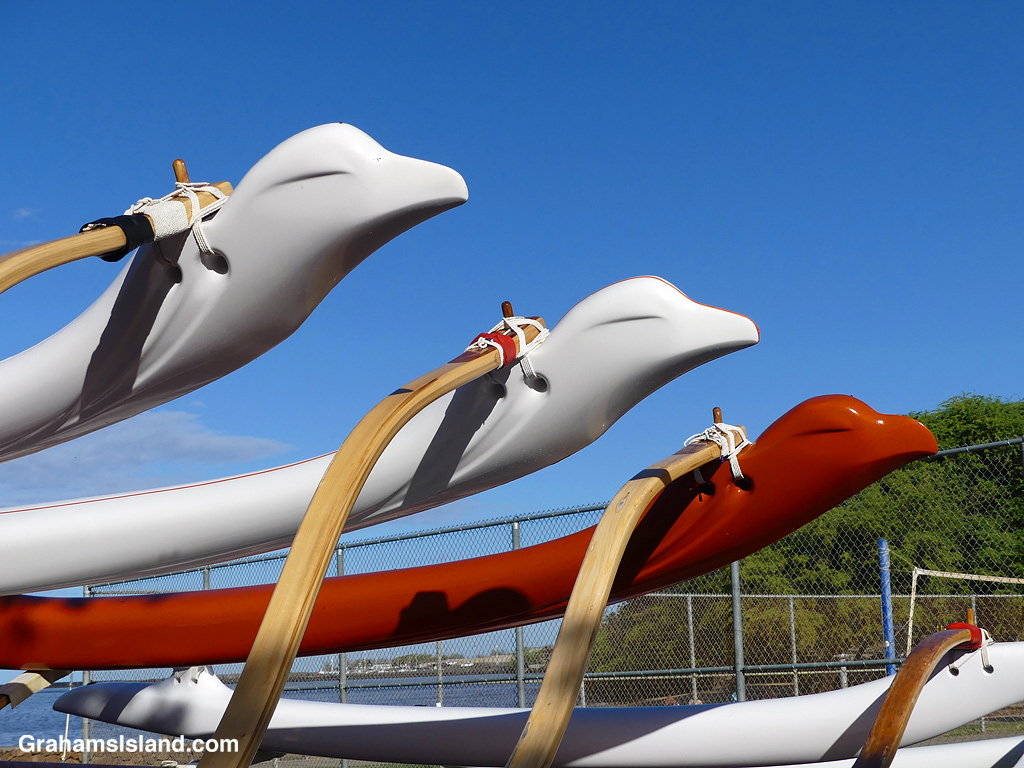
A lot of people here are involved with outrigger canoe paddling. There’s been a big resurgence in the activity, along with other aspects of traditional Hawaiian life. Several of these canoes are stored at Spencer Beach Park, which is where I saw these armas, floating in the air, like birds on the wing.
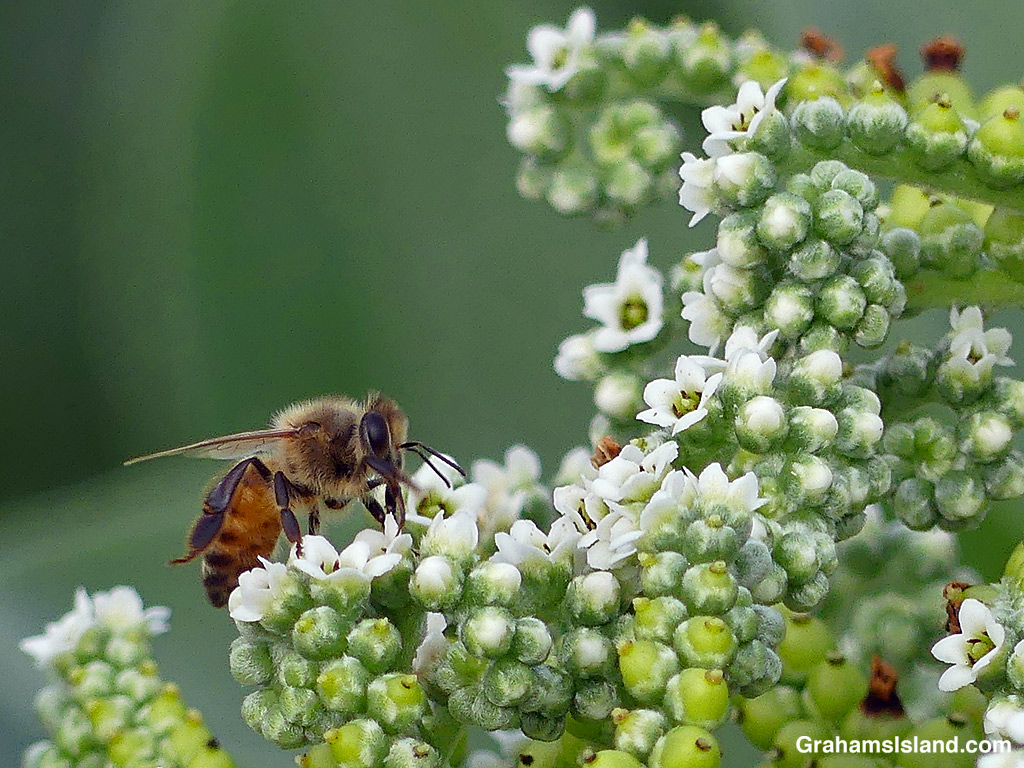
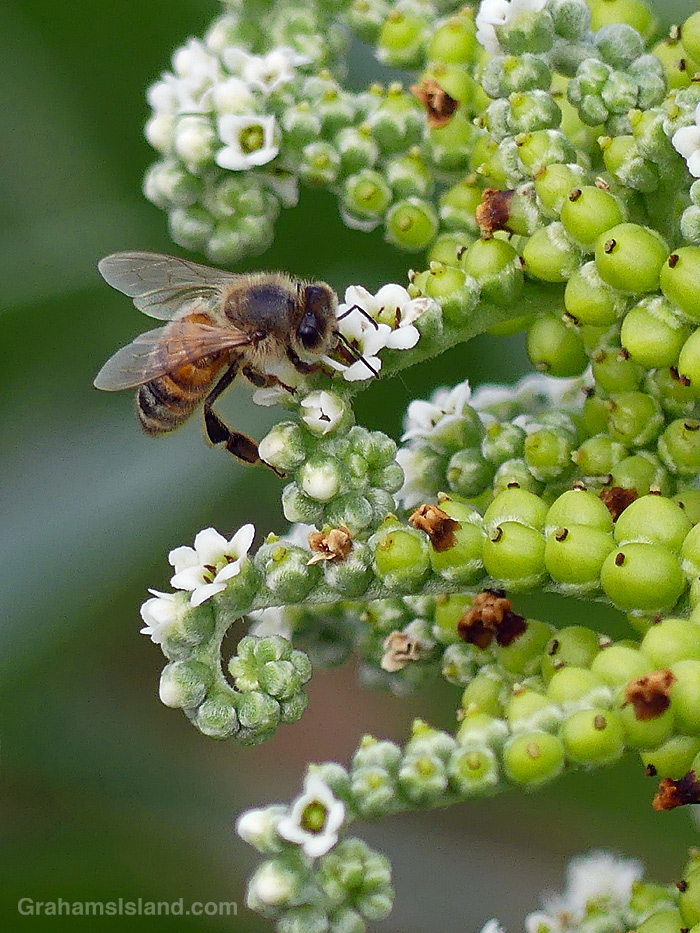
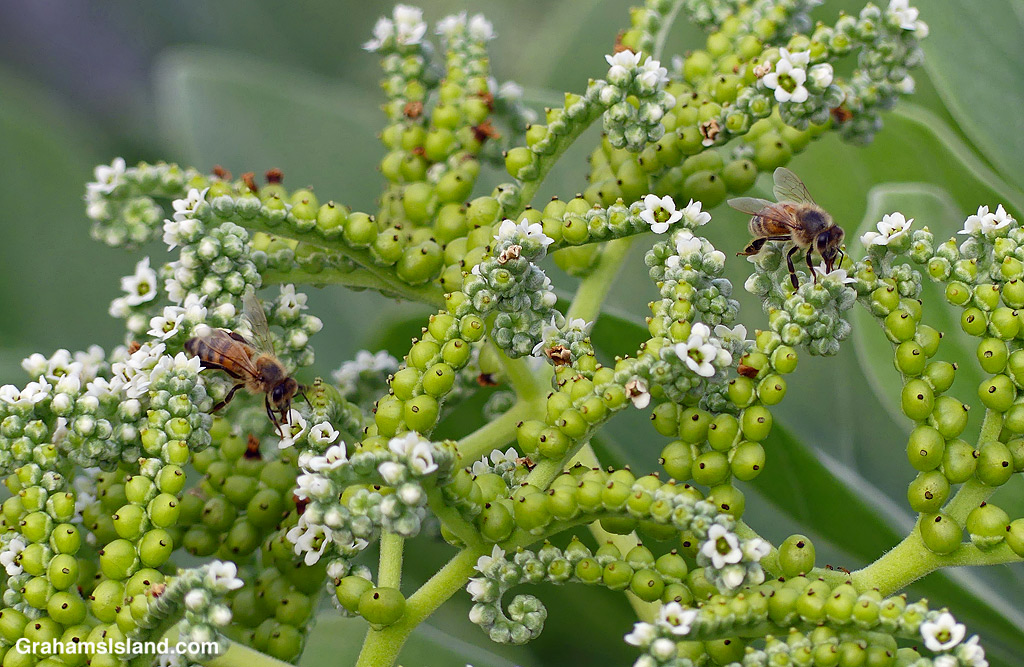
Last week I posted photos of a Feather-legged Fly (here). What I was taking photos of, at that time, were these bees foraging on a Tree Heliotrope. I like Tree Heliotropes because they look like molecular models put together by a scientist trying to explain the meaning of life!
The idea of The Numbers Game is to enter a number into the search bar of your computer and then post a selection of the photos that turn up. This week’s number is 128. You can see more responses here.

There are times when a Give Way sign is not necessary. This was one of them!
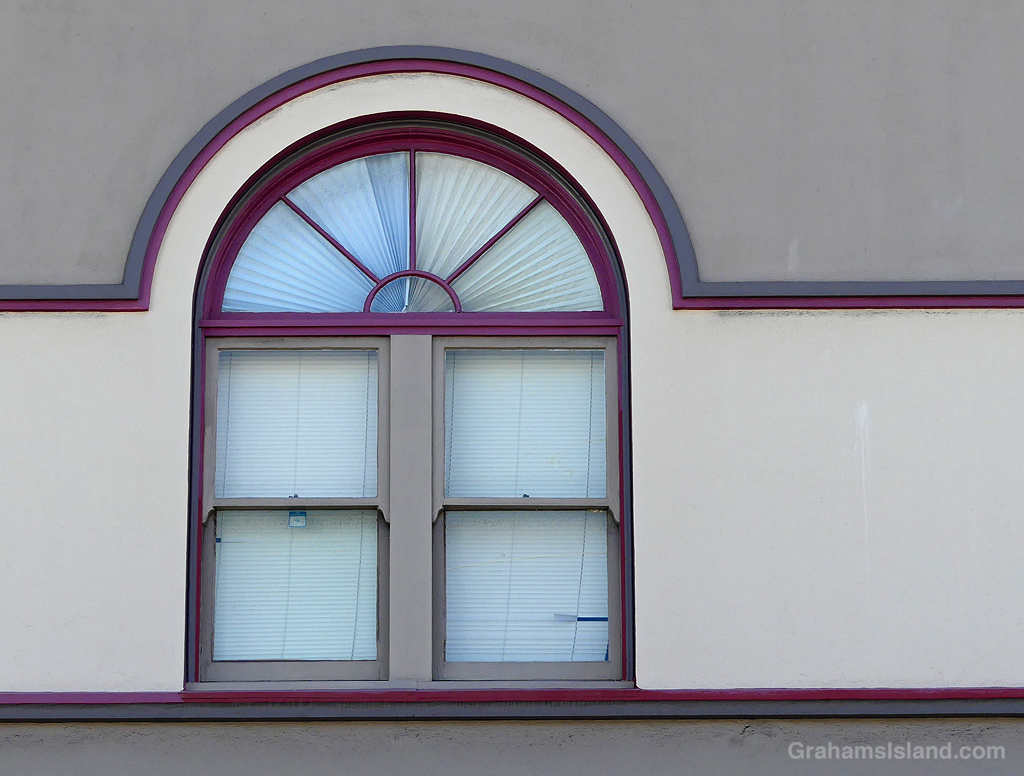

I like Hilo. It’s the largest town on the island, the seat of county government, and it’s been around a good while. I noticed these windows in the Volcano Block while I was eating at a restaurant across the street.
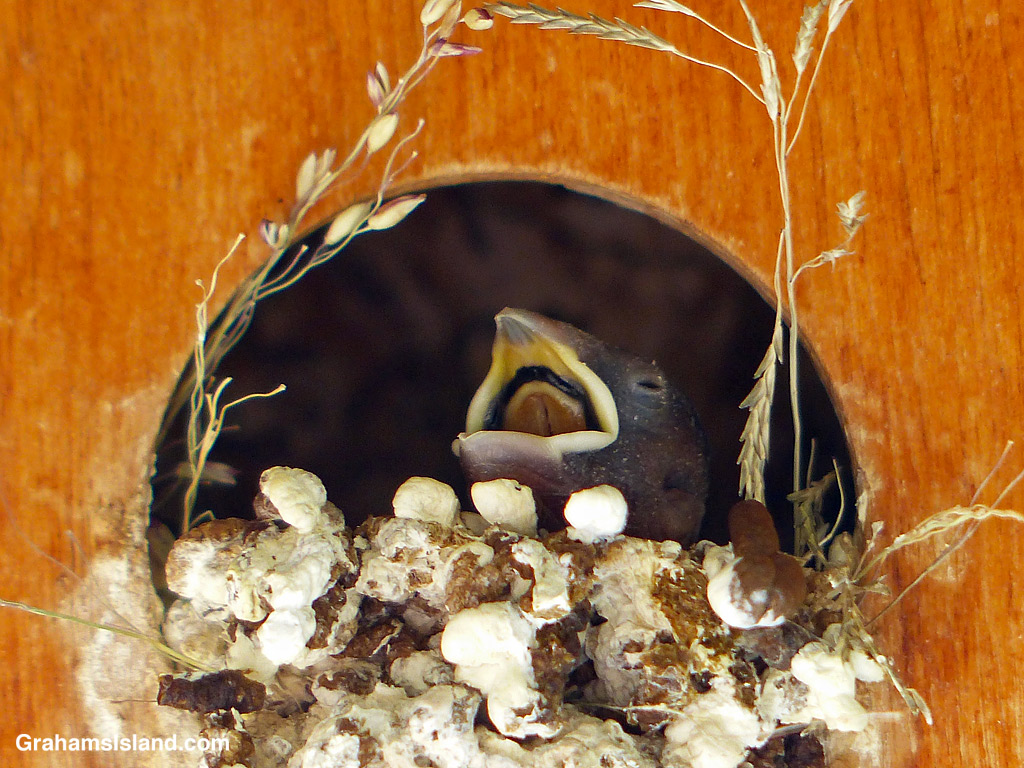

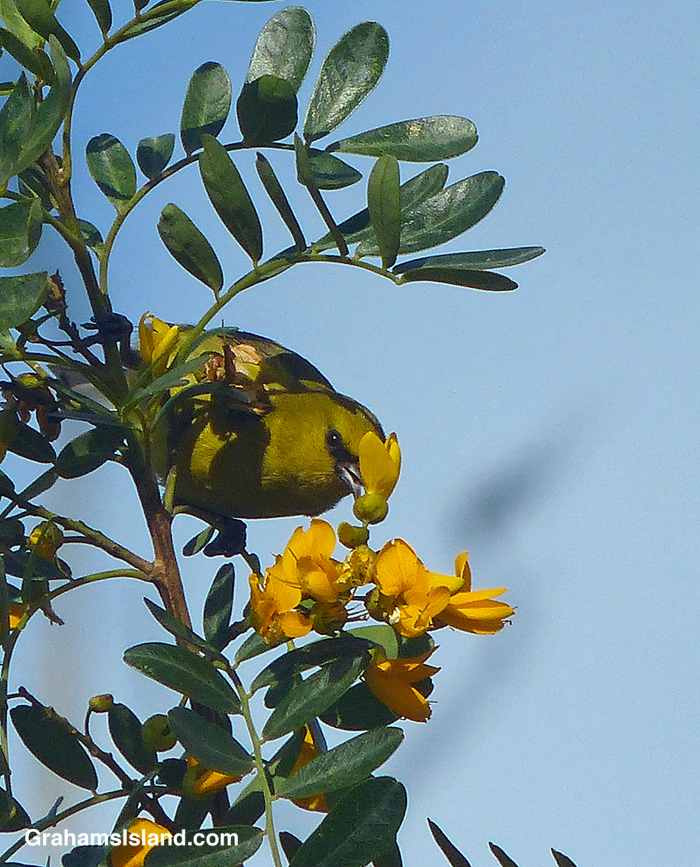
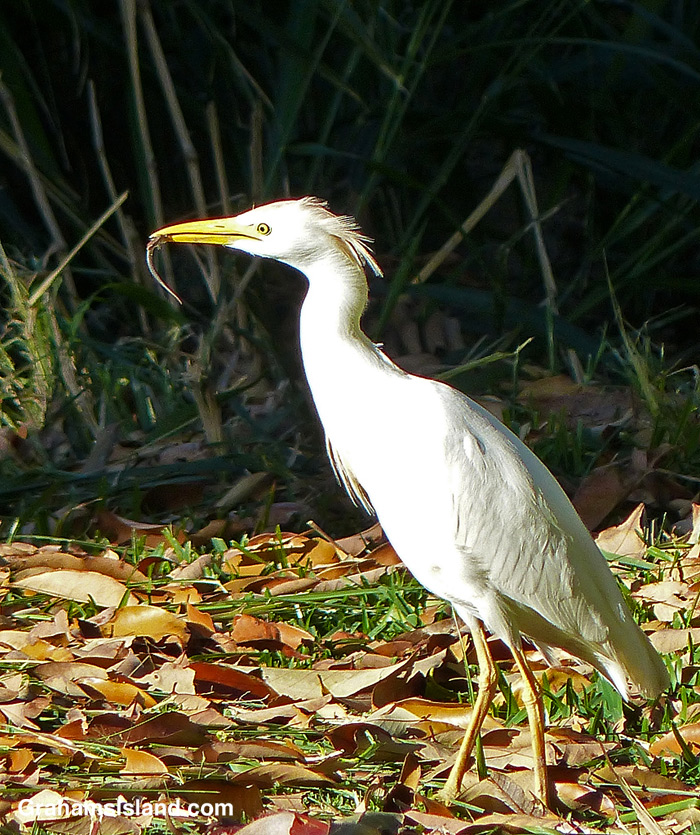
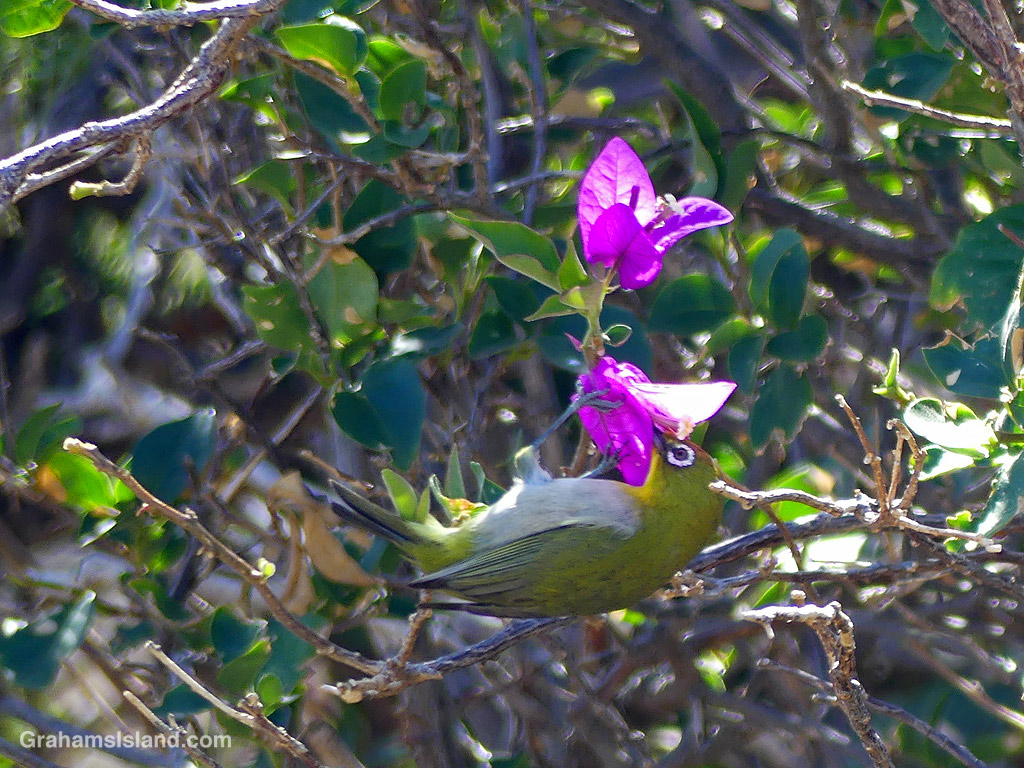
This week’s Sunday Stills challenge theme is ‘Feed the Birds.’ See more responses here.
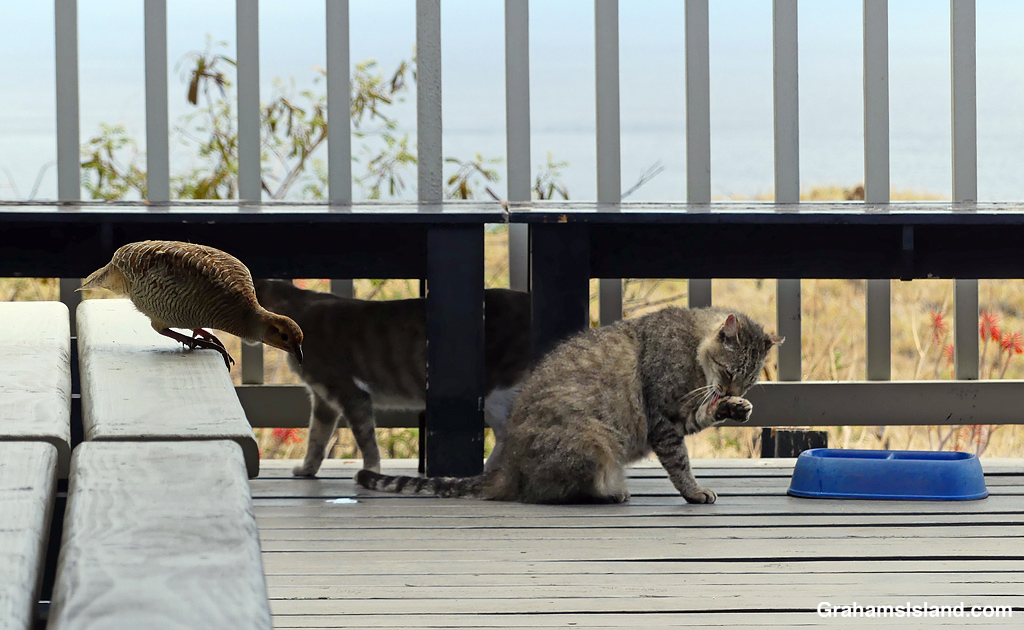
I don’t feed the birds here, but they seem to have no trouble feeding themselves, with the notable exception of the one in the top photo. Here’s a selection.

 Graham's Island