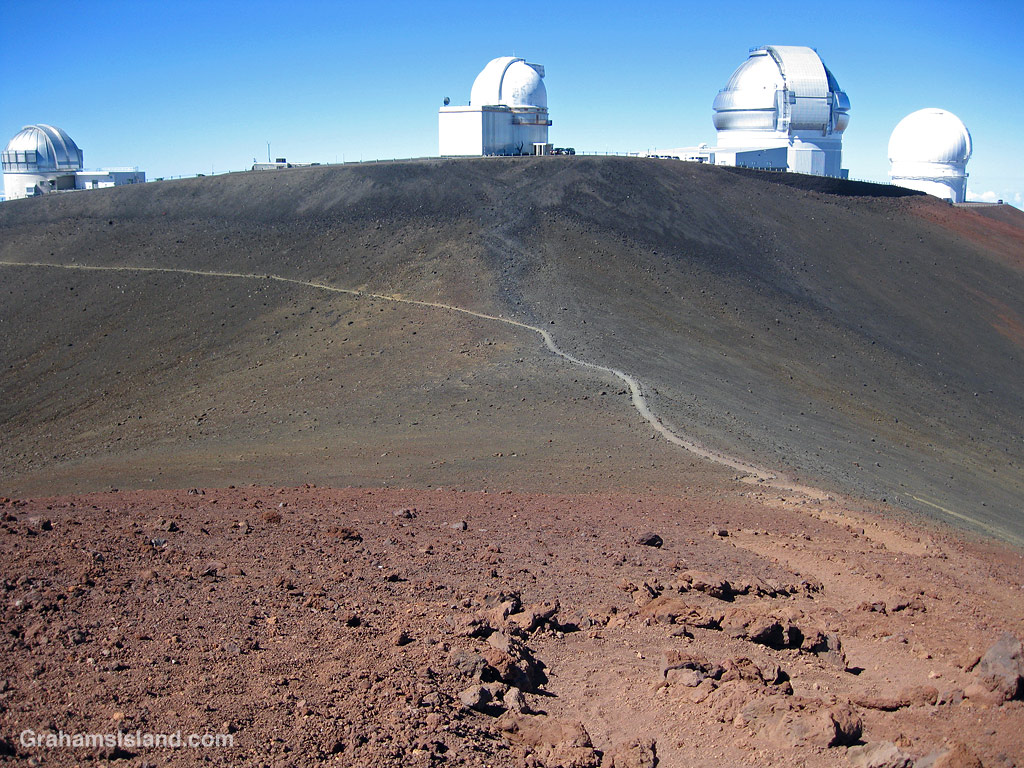
The idea of The Numbers Game is to enter a number into the search bar of your computer and then post a selection of the photos that turn up. This week’s number is 238. Captions are on the photos. You can see more responses here.
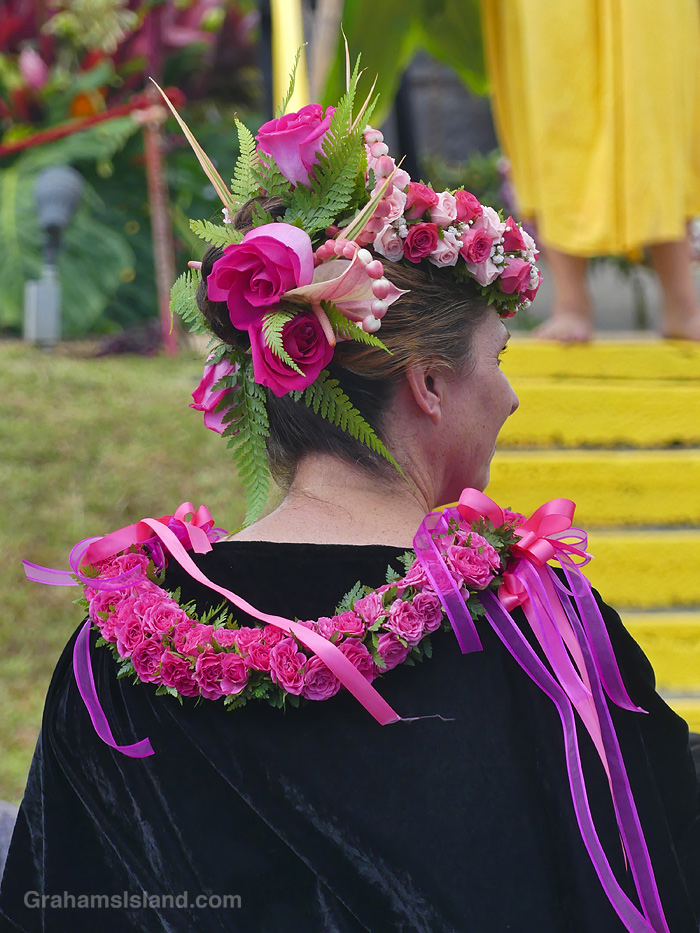
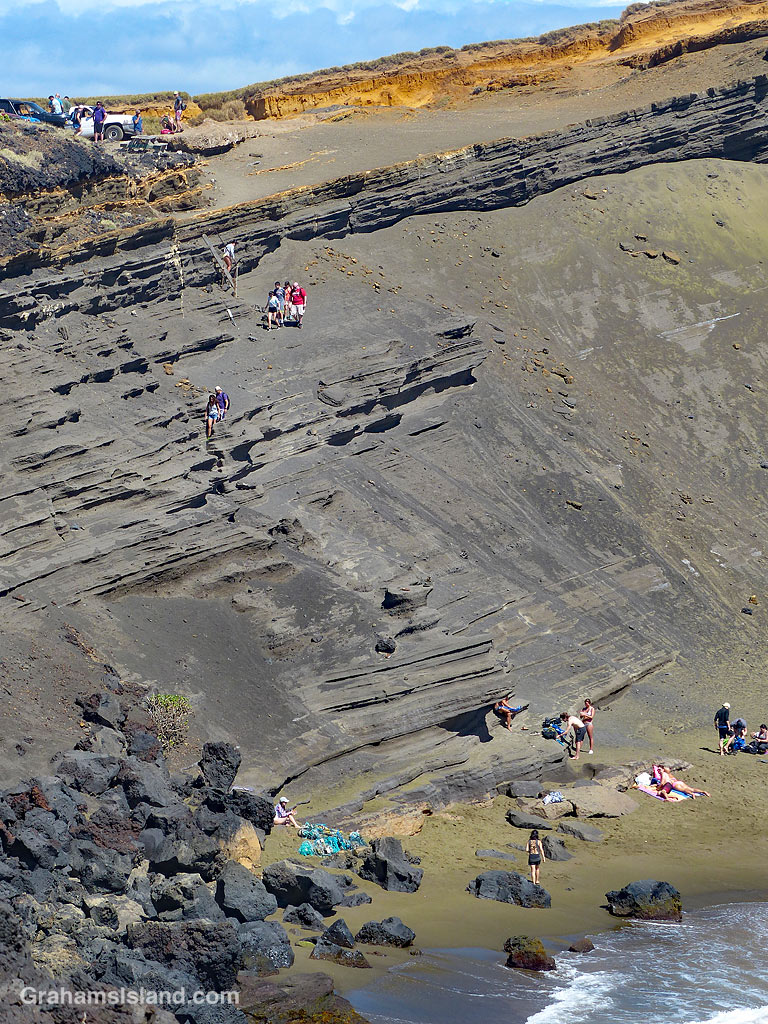
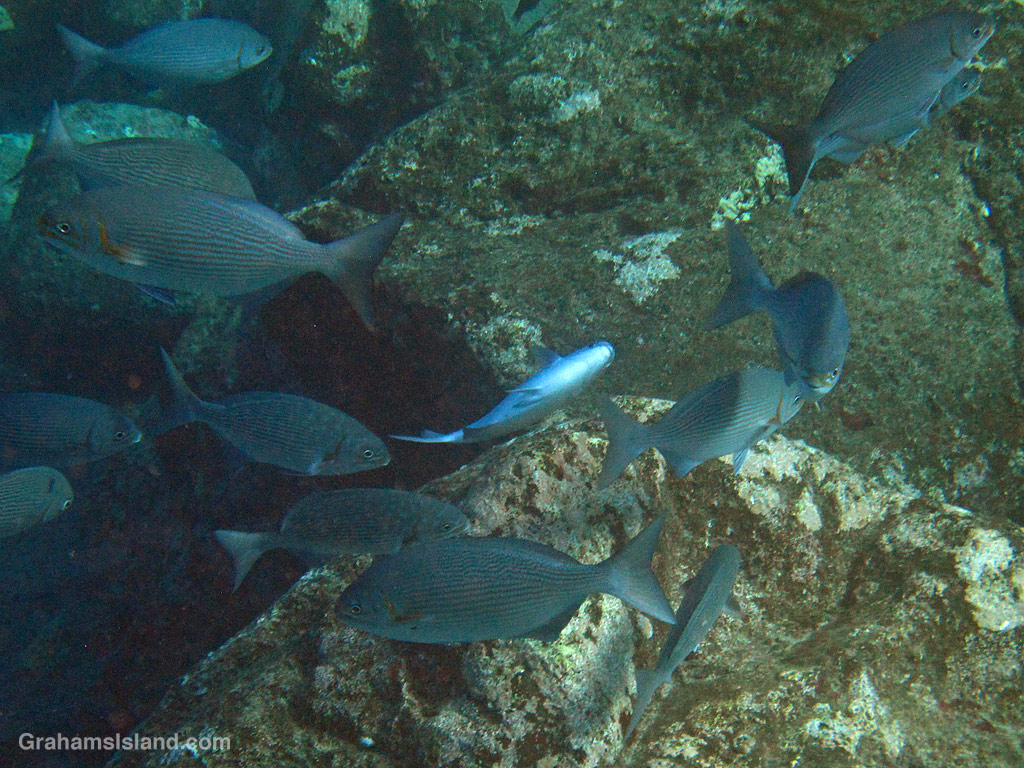
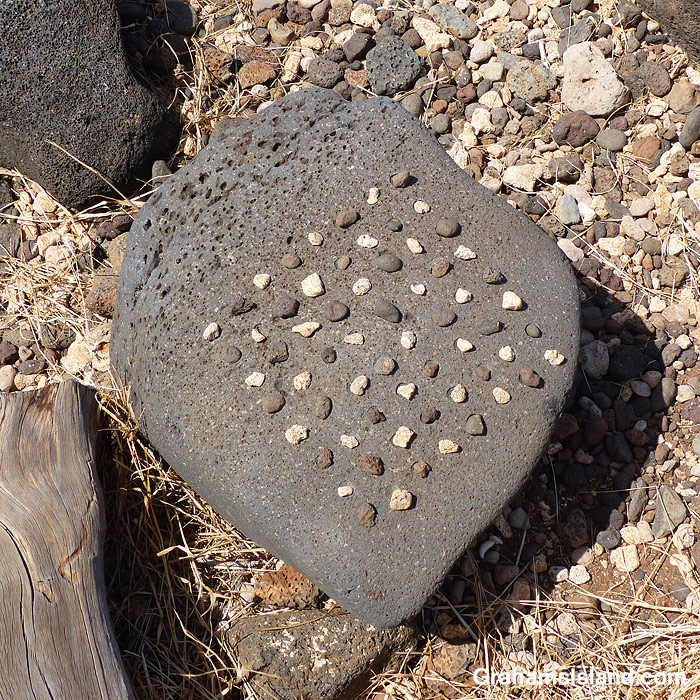
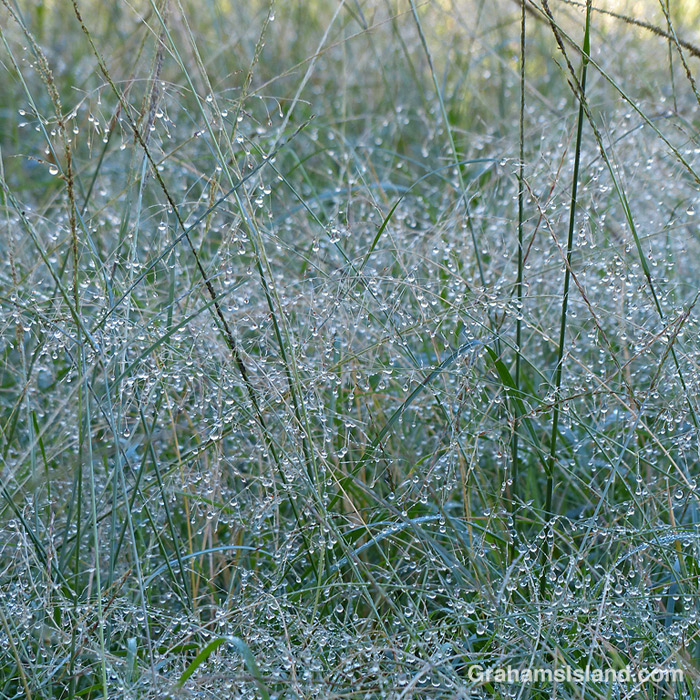
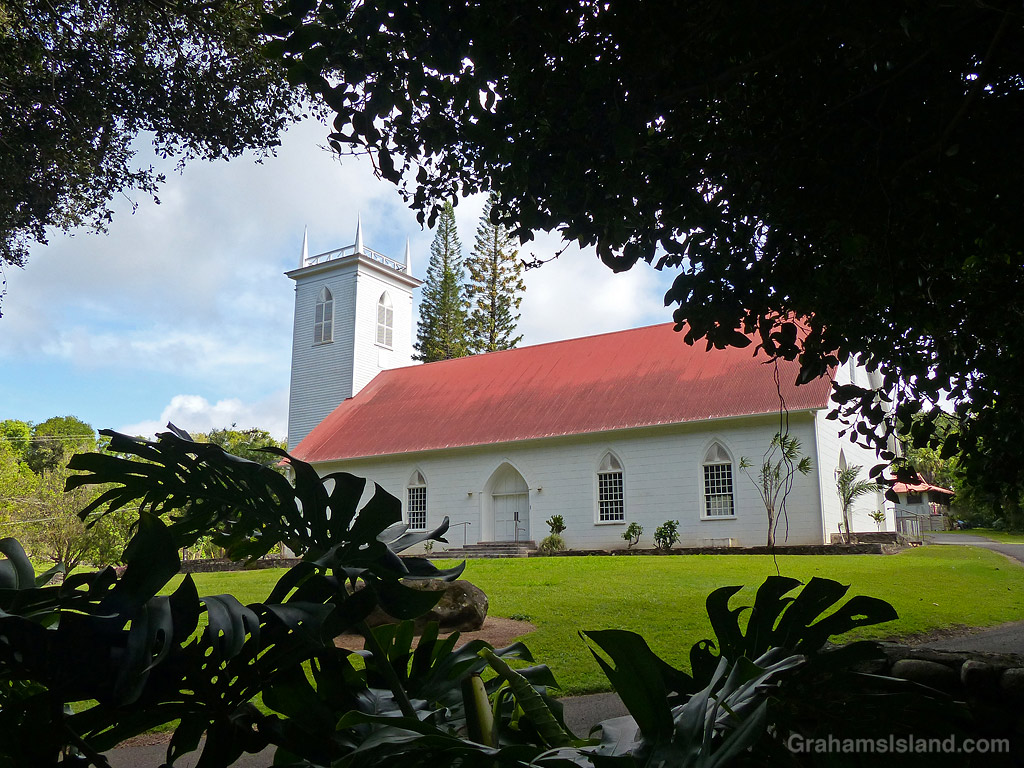

The idea of The Numbers Game is to enter a number into the search bar of your computer and then post a selection of the photos that turn up. This week’s number is 238. Captions are on the photos. You can see more responses here.
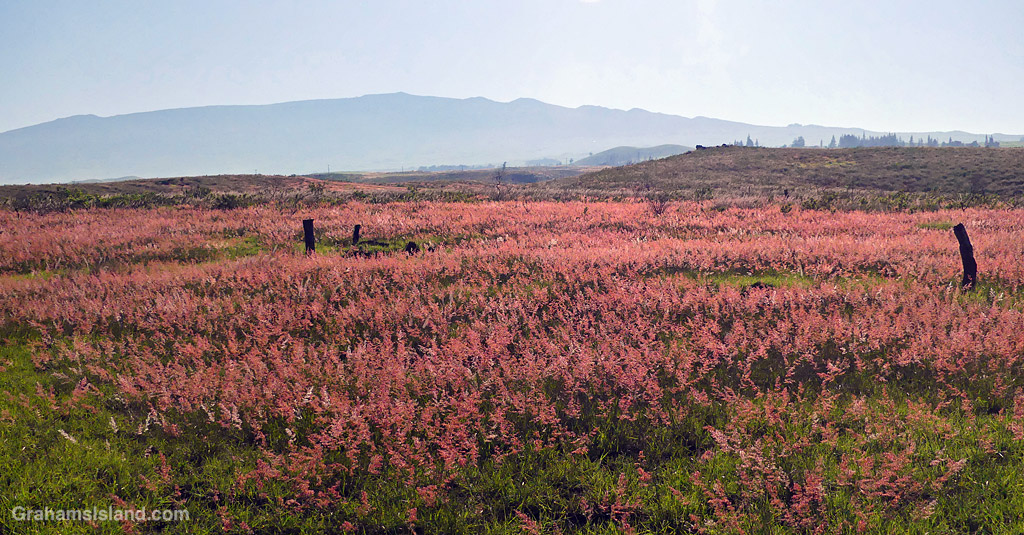
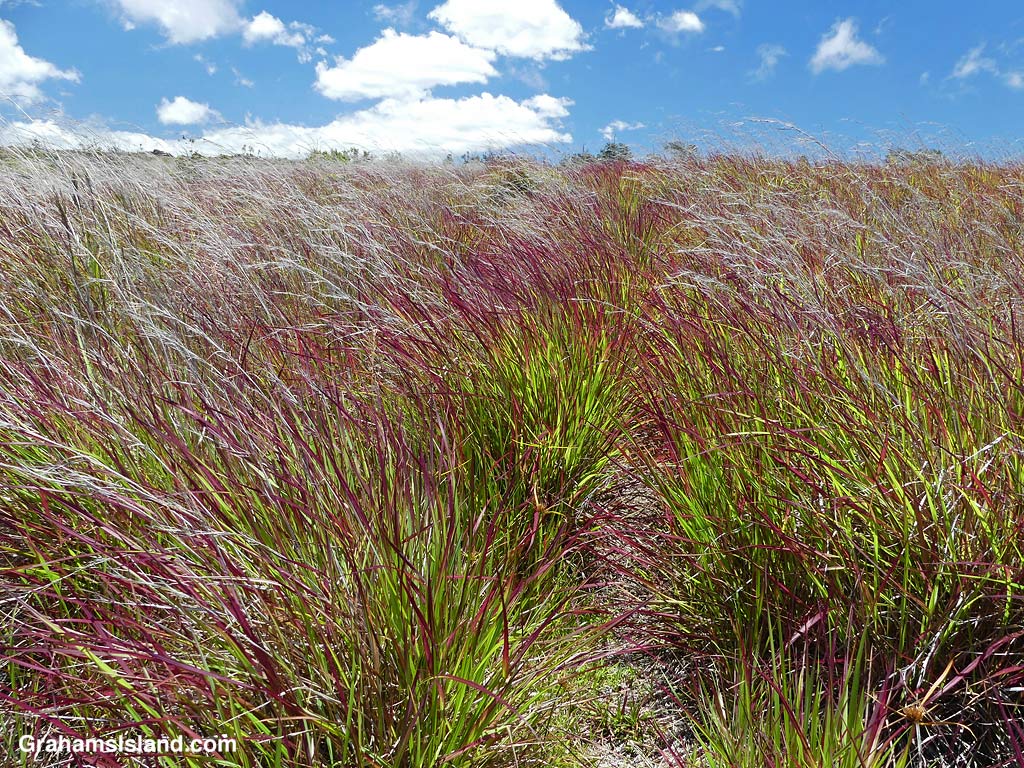
I think this is Natal grass (Melinis repens). It’s native to southern Africa and is considered something of a weed in many other places, including here. It still looked beautiful on this early morning.
Posted for Terri’s Flower Hour. See more responses here.
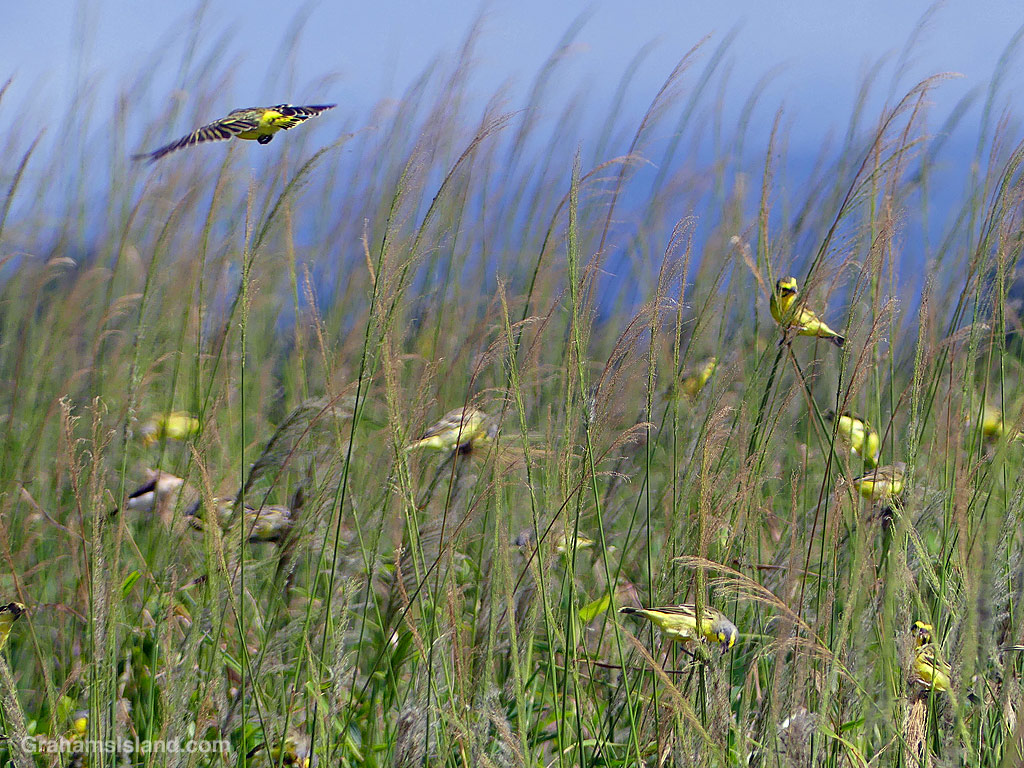
This flock of Yellow-fronted Canaries feasted on grass seeds in a local pasture.

The main road on the island’s Hāmākua Coast traverses land corrugated by river gullies. For the wider gullies, the road winds down one side and up the other. But gullies that are narrower and steep sided are spanned by bridges. Several of these bridges started life supporting the railroad that ran along this coast. When that closed, they were repurposed as highway bridges. This was back in 1953, which means they’re old and suffering under the demands of modern traffic.
The bridge over Kolekole Gulch has been getting some renovations that were recently completed. Below the bridge is Kolekole Gulch Park, which has also been recently renovated, except for one small detail. One issue at the park has yet to be dealt with, and that’s lead contamination in the soil. The lead comes from the bridge, the result of 50 years of lead paint being applied, and then flaking off it.

It’s been more than 7 years since the problem was identified, but not much has been done, except for fencing off some of the worst areas and not allowing camping at the park. In the meantime, you can walk on the grass, but don’t eat the soil!
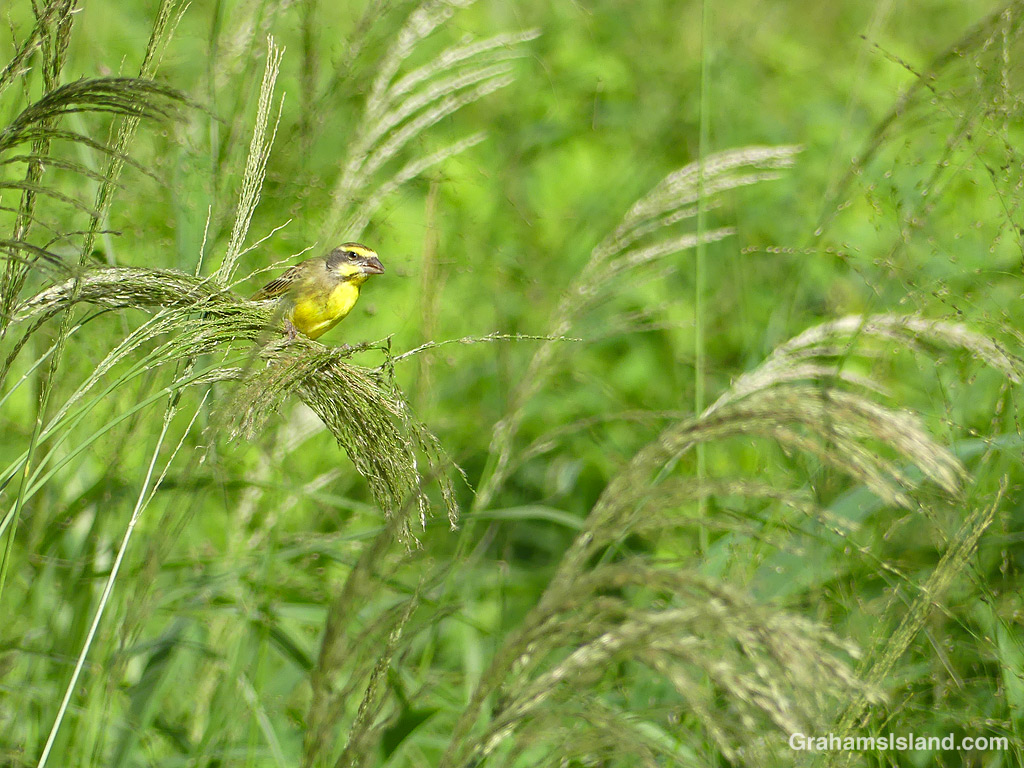
A Yellow-fronted Canary snacks on seeds in a field of tall grasses.

This week’s Sunday Stills challenge theme is ‘Great Outdoors Month.’ See more responses here.
I did this hike, at Hawaiʻi Volcanoes National Park, quite a while ago, but for one reason or another the post never came together and then went missing in my files! This hike started from the lookout at the end of Hilina Pali Road. A few years back, I did a different hike from this starting point that almost did me in (here). This time, having learned from that experience, I stayed on top of the pali (Hawaiian for cliff). My destination was Pepeiao Cabin (pronounced ‘pay-pay-ow’), about five miles away, though the trail is the Ka’u Desert Trail, part of which I’ve hiked from the other end (here).
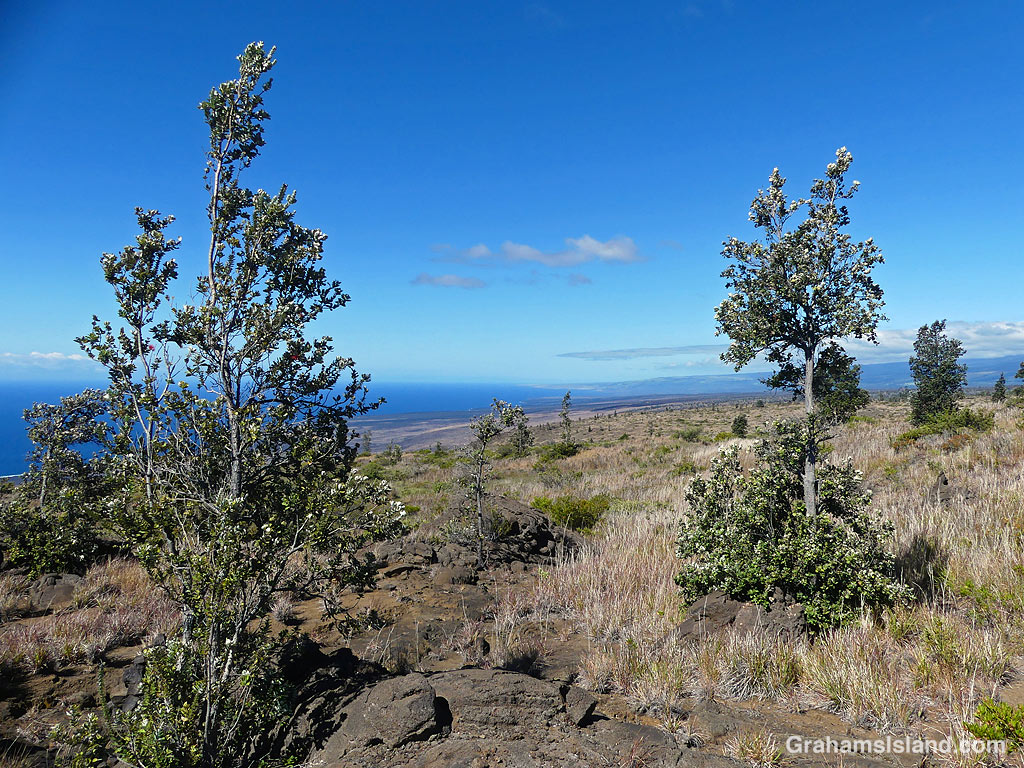
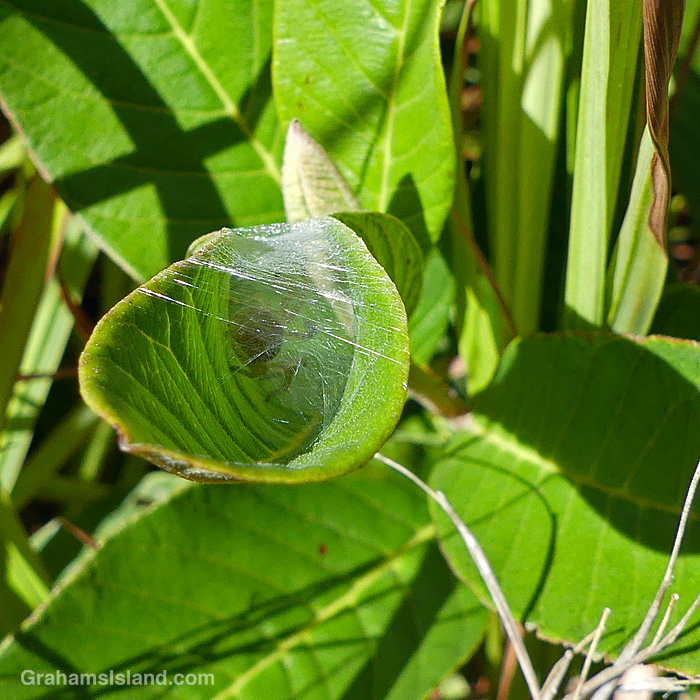
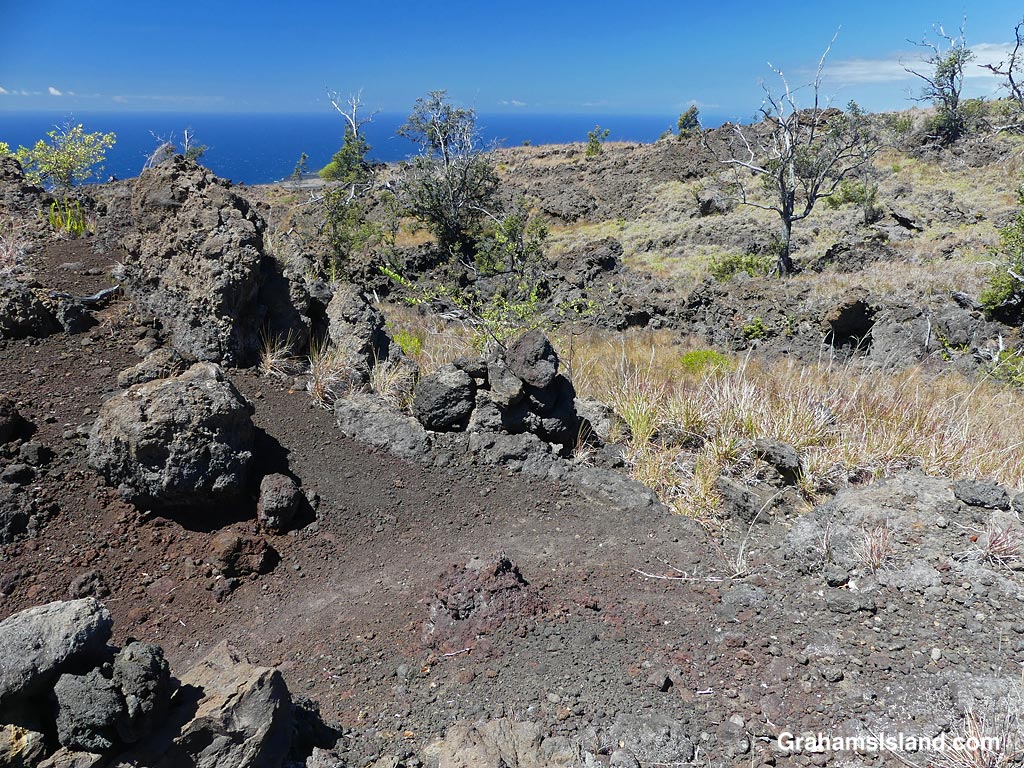


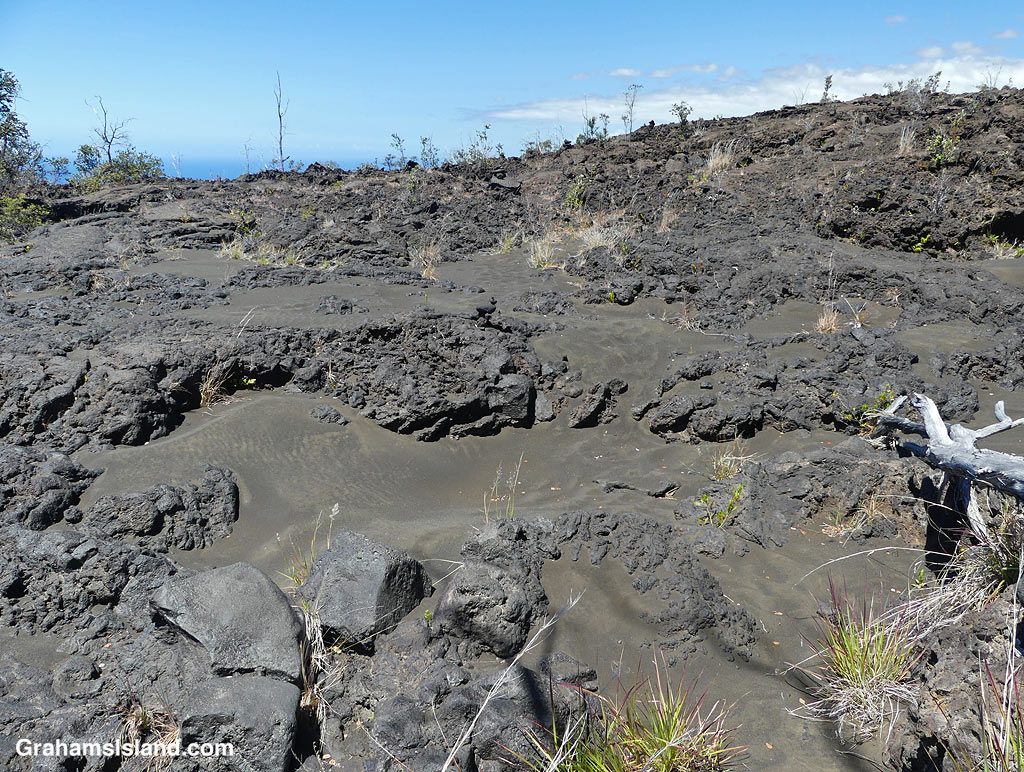
The day was sunny, but not too hot, and with a nice breeze for the most part. The elevation drop (and gain on the return) is only around 500 feet so it wasn’t too strenuous, and the trail was fairly easy to follow. It passes through grassy areas and across lava flows, and is well-marked with cairns. Ohia trees dot the landscape, along with a variety of shrubs and other flowers. I didn’t see too many birds, but there was a decent show of butterflies and bugs. The views were splendid, down to the coast or upslope towards Mauna Loa.
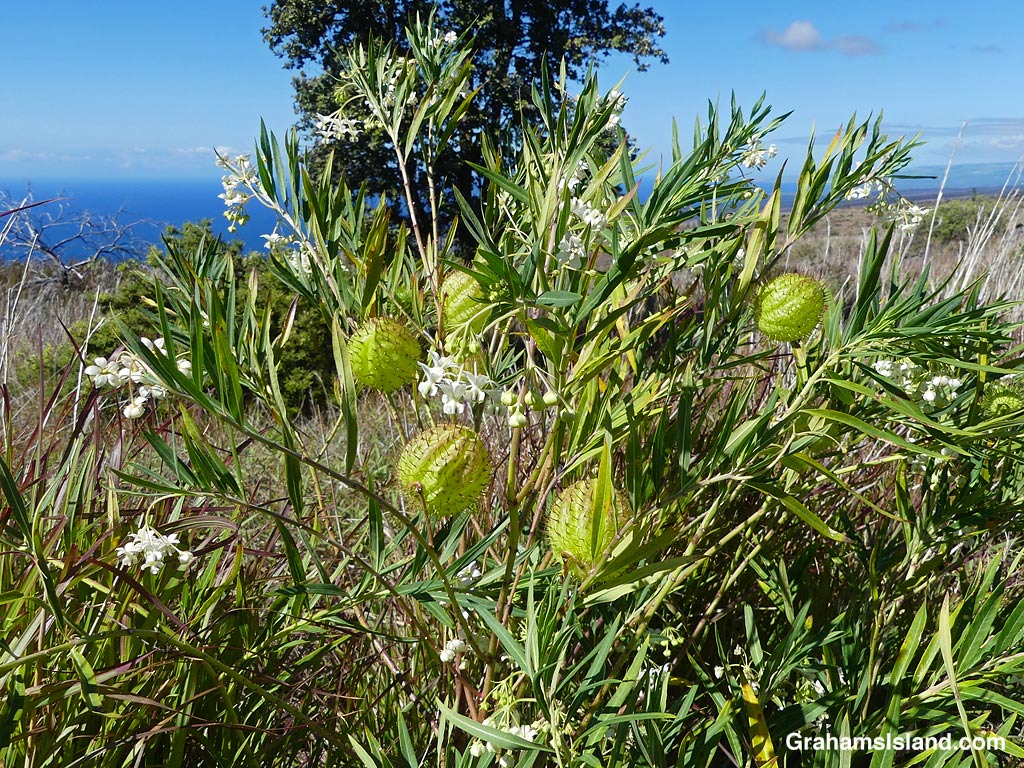
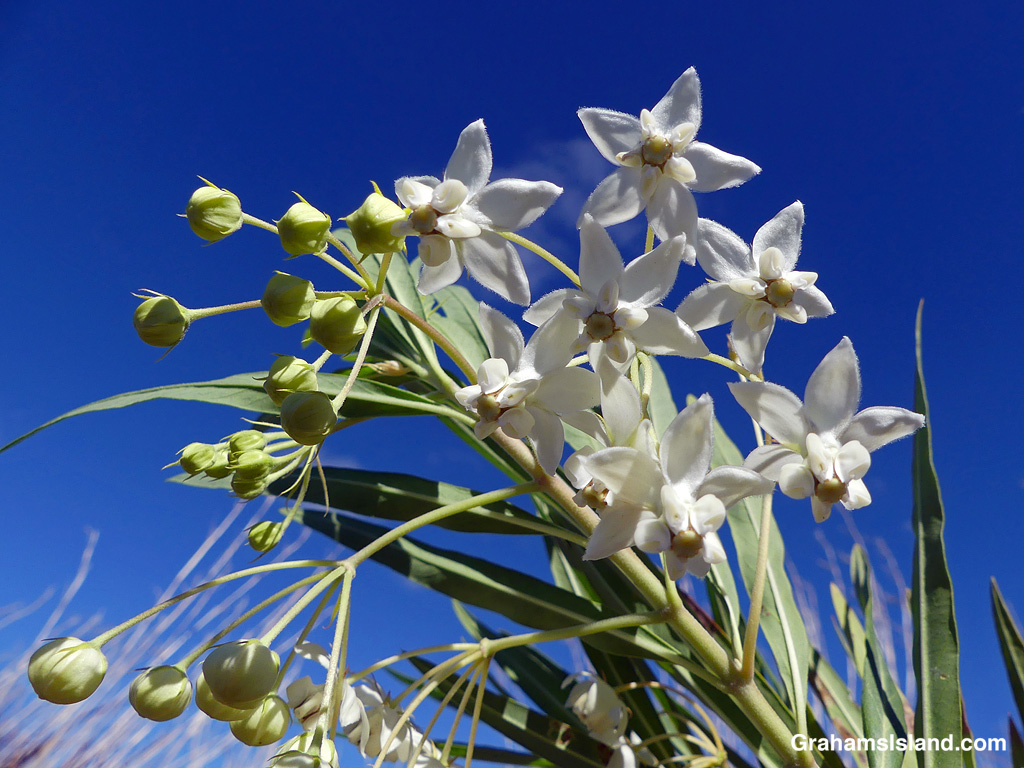

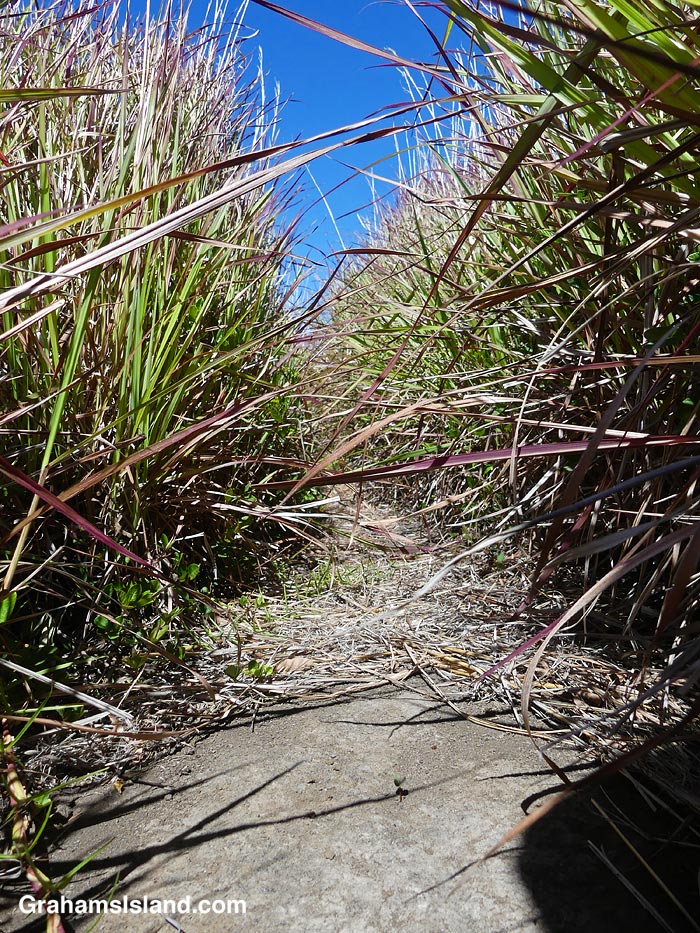
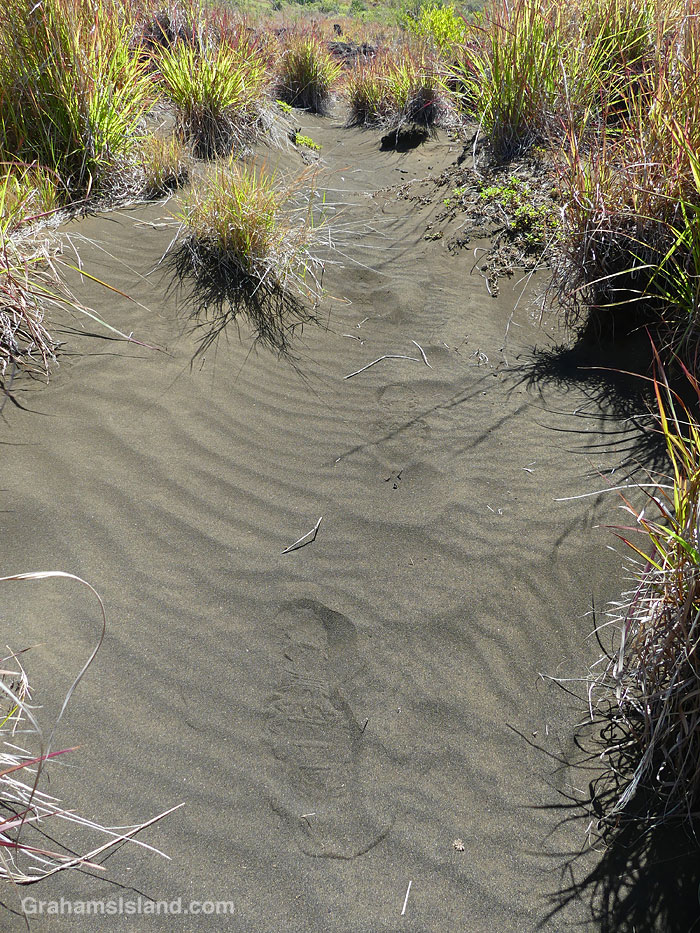
All the backcountry trails I’ve hiked in the park have featured something particularly unusual and interesting. On this hike, I was amazed by the substantial areas of sand on the trail or alongside it. This certainly didn’t get there from the beach, since the elevation is around 2,000 feet. My assumption is that it’s just volcanic rock broken down by rainfall, but just not washed down to the coast. Some of the sand was grassed over and it was like walking through dunes on the coast!
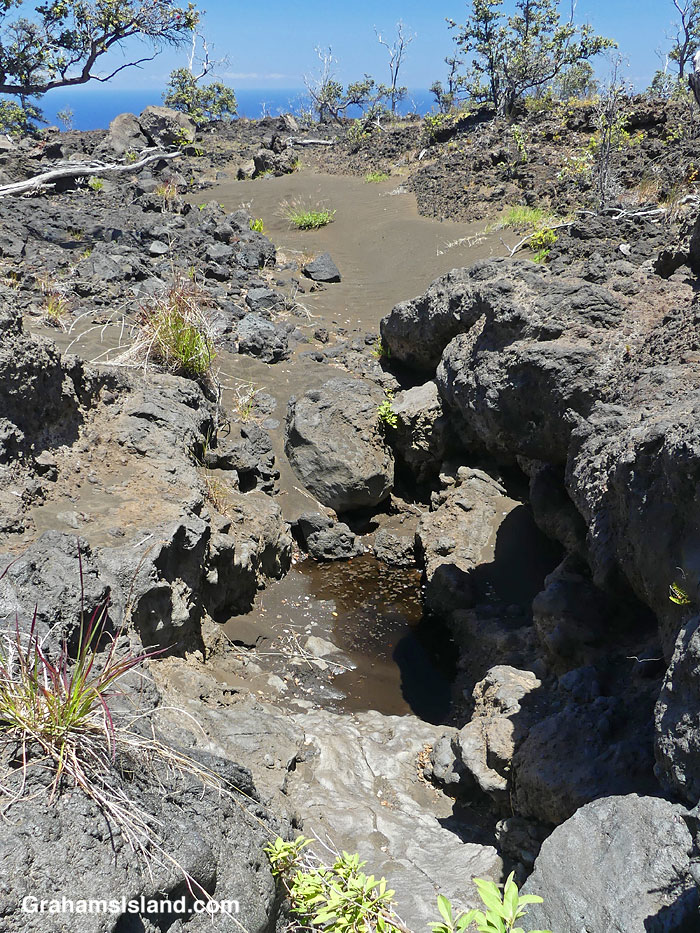


Eventually, I reached Pepeiao Cabin. There are several of these backcountry cabins in the park, and they require a permit to stay at them. This one was typically rustic, with a catchment water tank that may or may not contain water, depending on the weather and use. There’s also an outhouse with a splendid view. Inside, the cabin was basic, but the kind of place I’d be happy to stay in if it was raining outside.
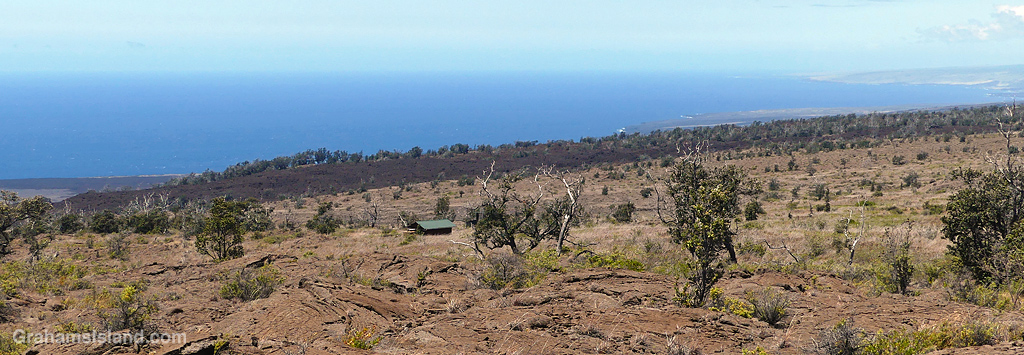

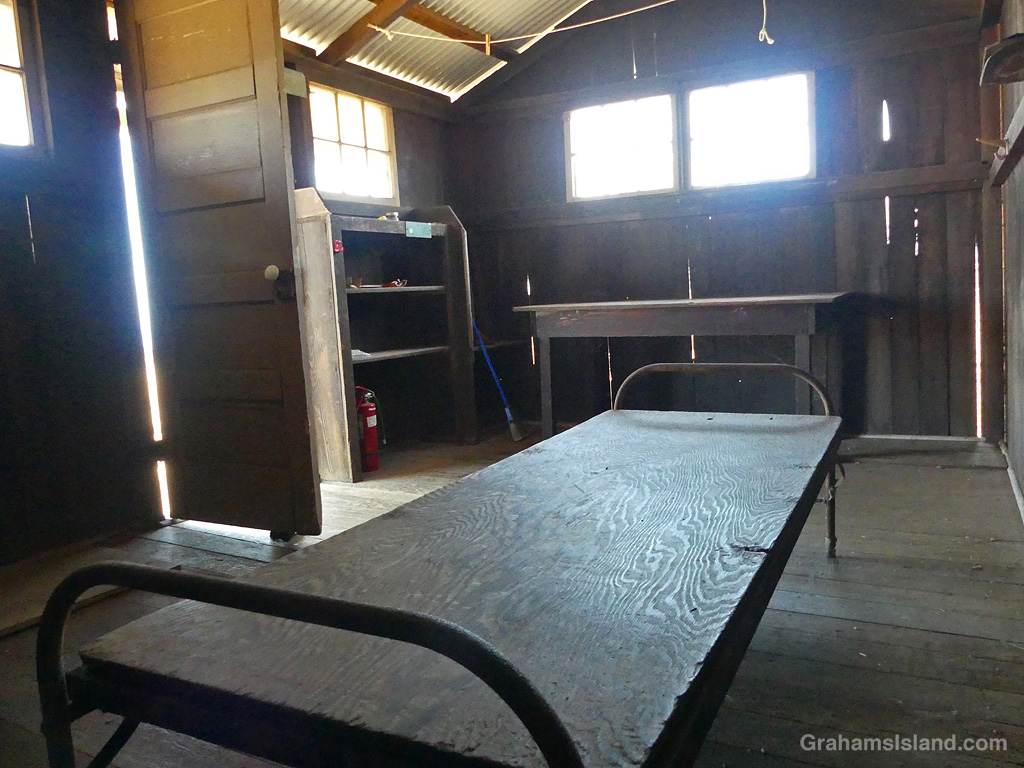
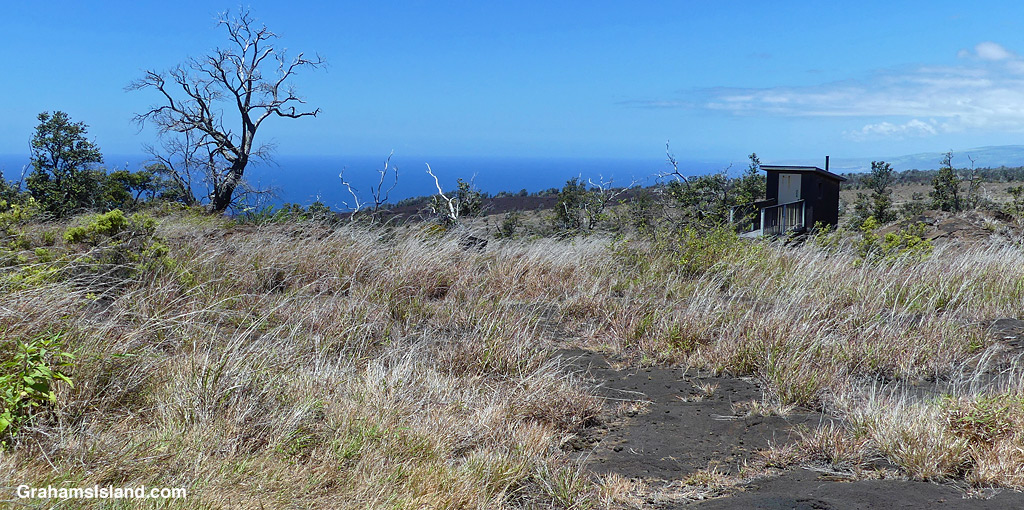
After I got back, I saw that the park website says “Pepeiao is in the southwestern reaches of Hawaiʻi Volcanoes National Park backcountry. The cabin is no longer safe for use and visitors should plan on tent camping.” I was a bit surprised because I’ve certainly stayed in plenty of less salubrious accommodations in my day!
Also posted for Jo’s Monday Walk. See more responses here.

This Erckel’s francolin appears indistinct in its cover of waving grasses, though if it makes its piercing call, that cover will immediately be blown.
In response to WPC ‘A face in the crowd.’
 Graham's Island