Tag Archives: Naupaka

Hike to Kamehame Beach

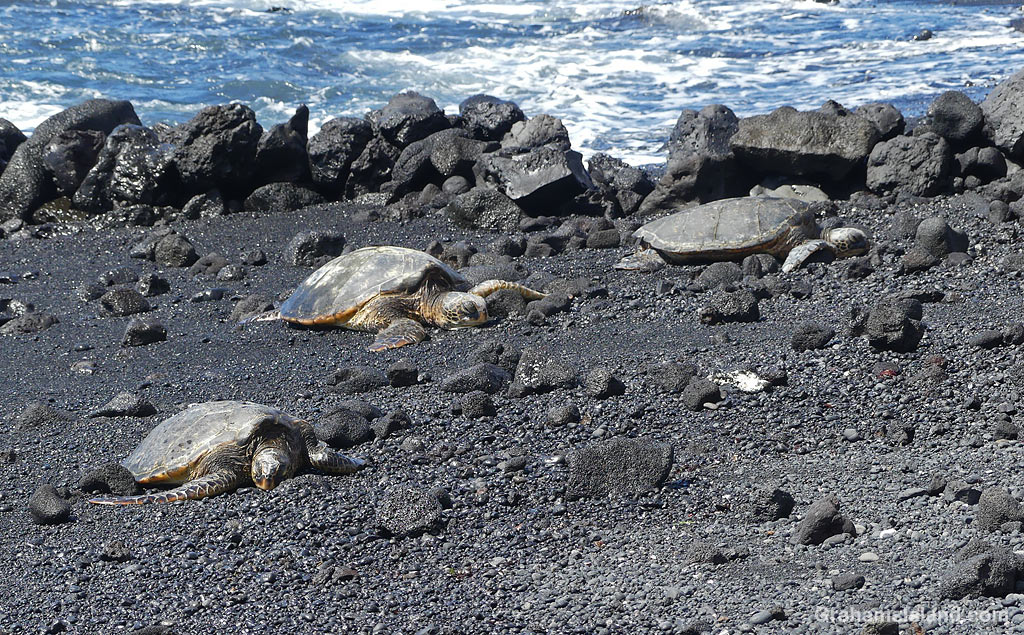
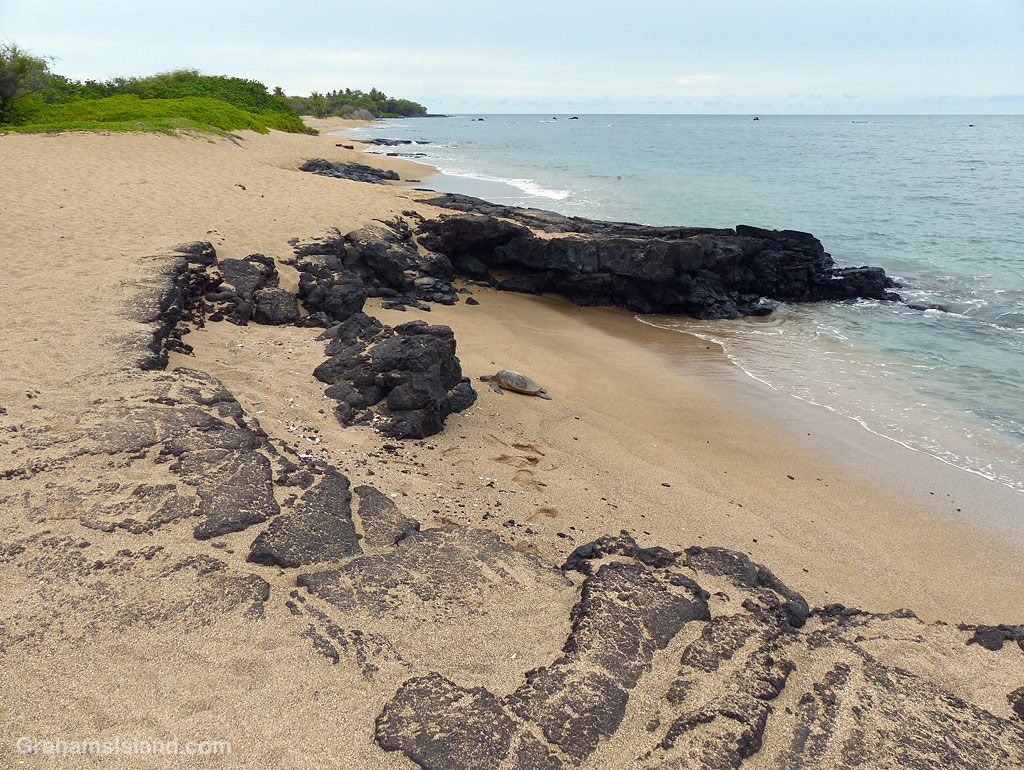
Turtles resting at Punuluu on the Big Island Hawaii

This week’s Sunday Stills challenge theme is ‘Stark.’ See more responses here.

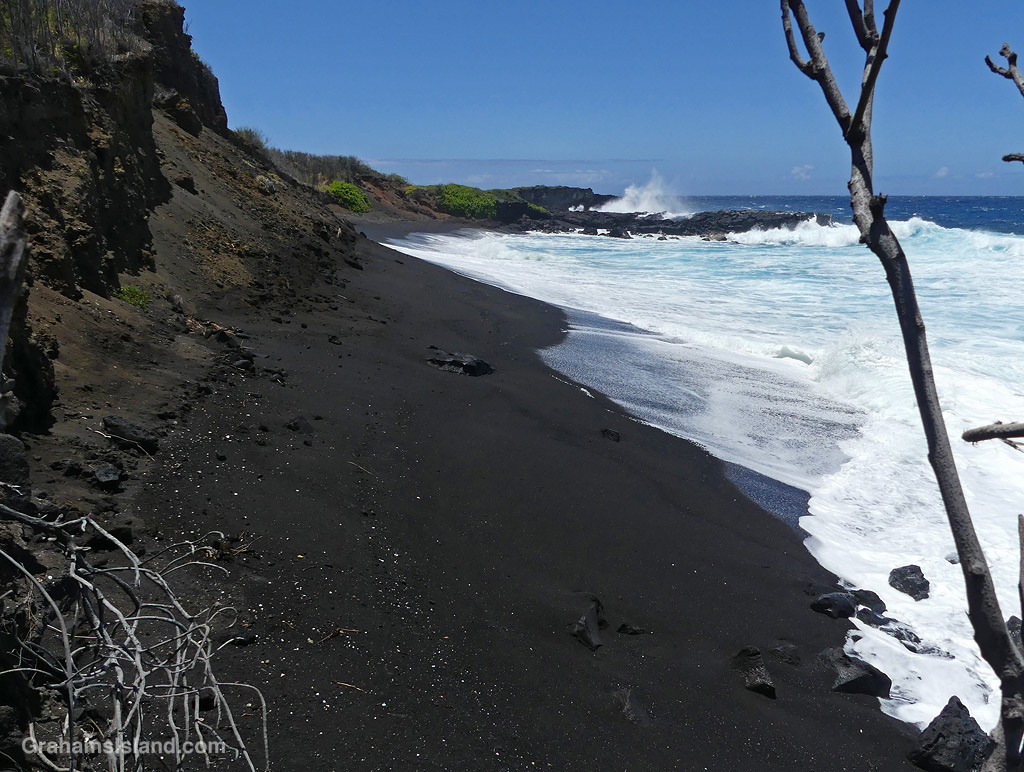
This seemed a good opportunity to recap a hike I did last year, but have failed to get organized into a post! The hike started at Punulu’u Black Sand Beach Park, home of the island’s most famous black sand beach.

As usual, there were a few Green Turtles resting on the beach. The trailhead, at the east end of the beach, isn’t marked, but hike up through a narrow band of trees and it opens out onto a lava bench. On this bench is Kāne’ele’ele Heaiu, an ancient Hawaiian heiau where human sacrifices were carried out.
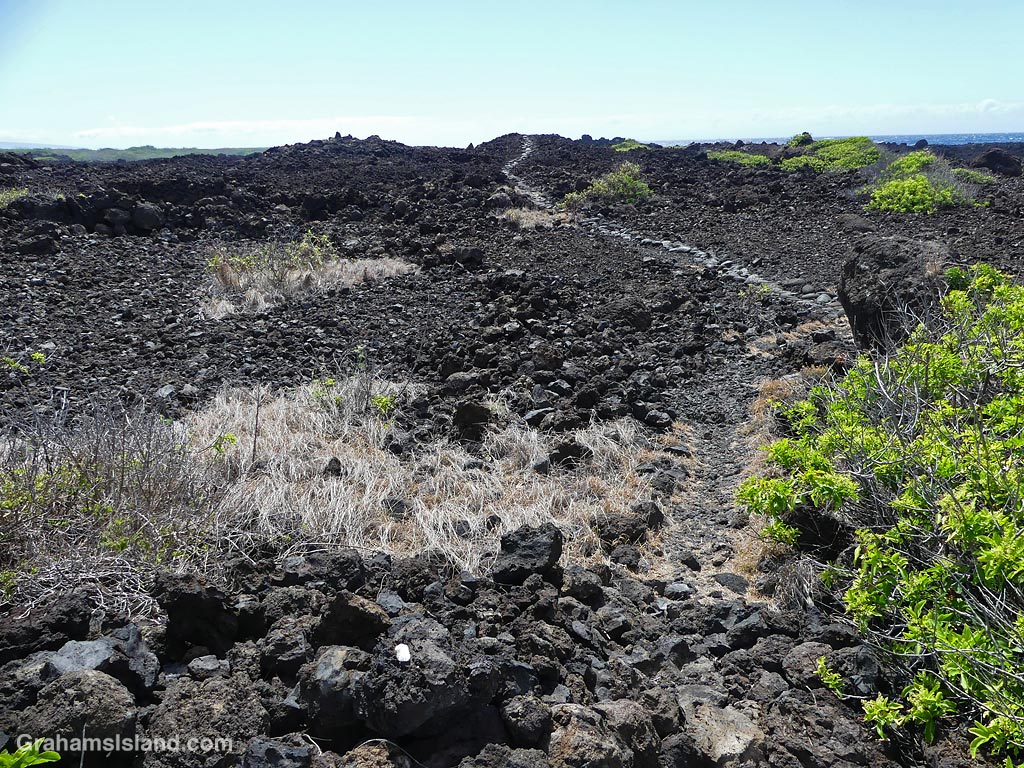
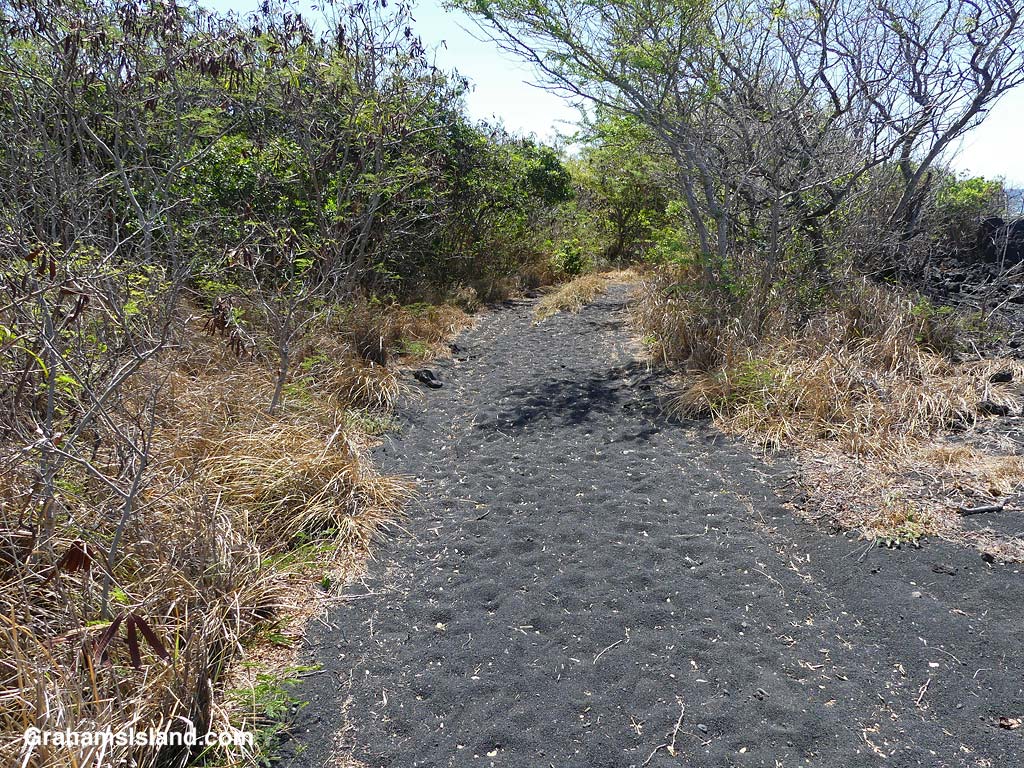
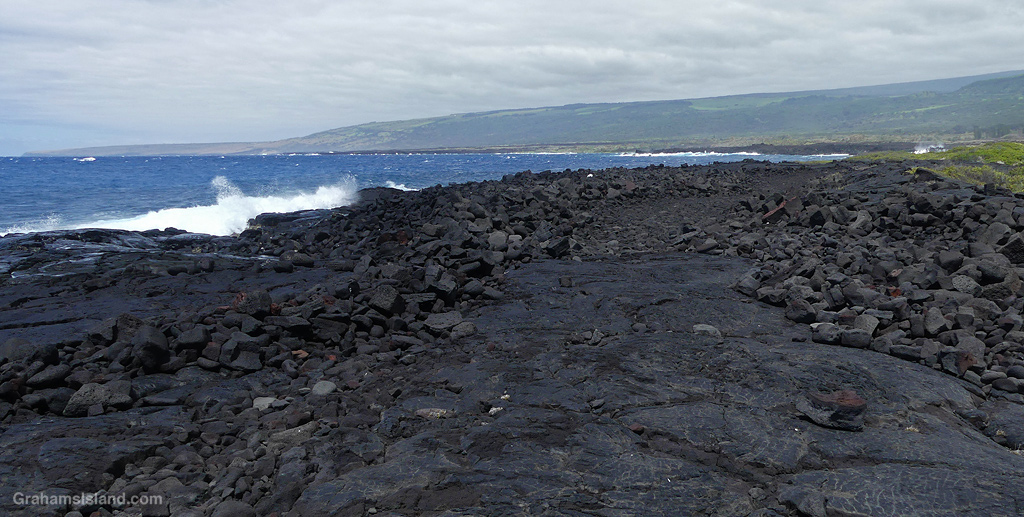
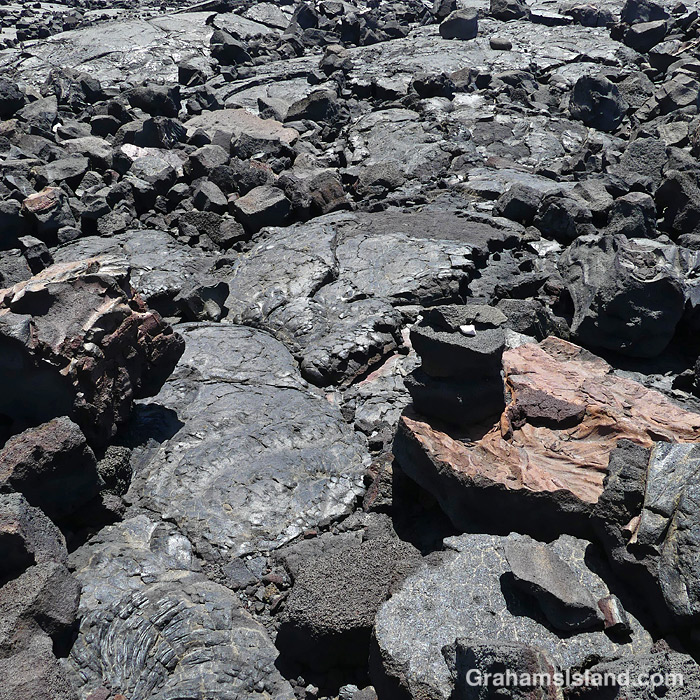
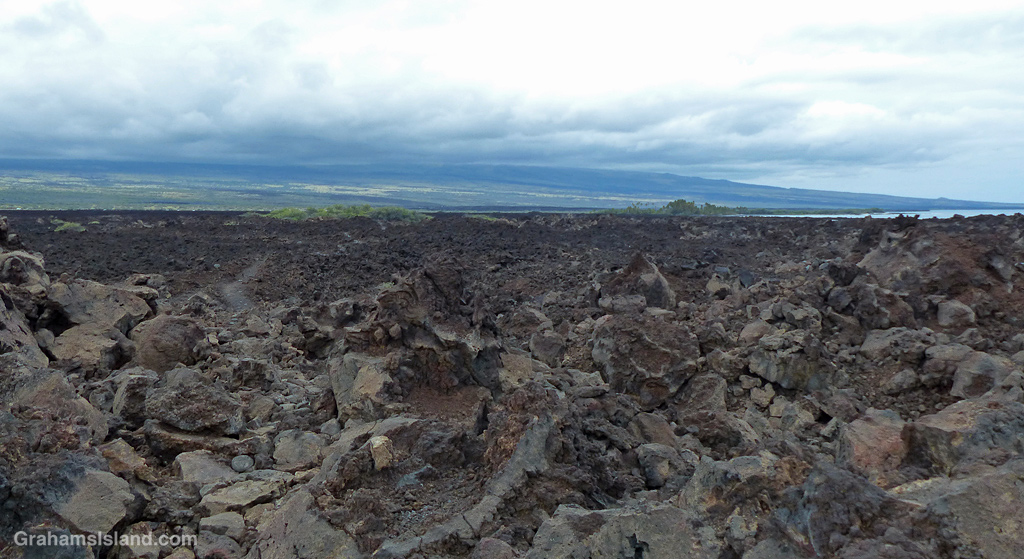
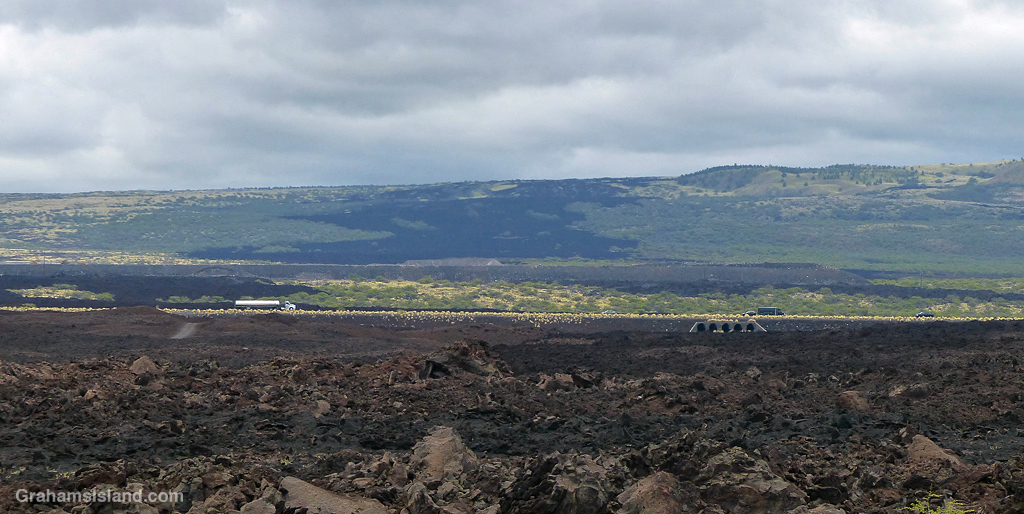
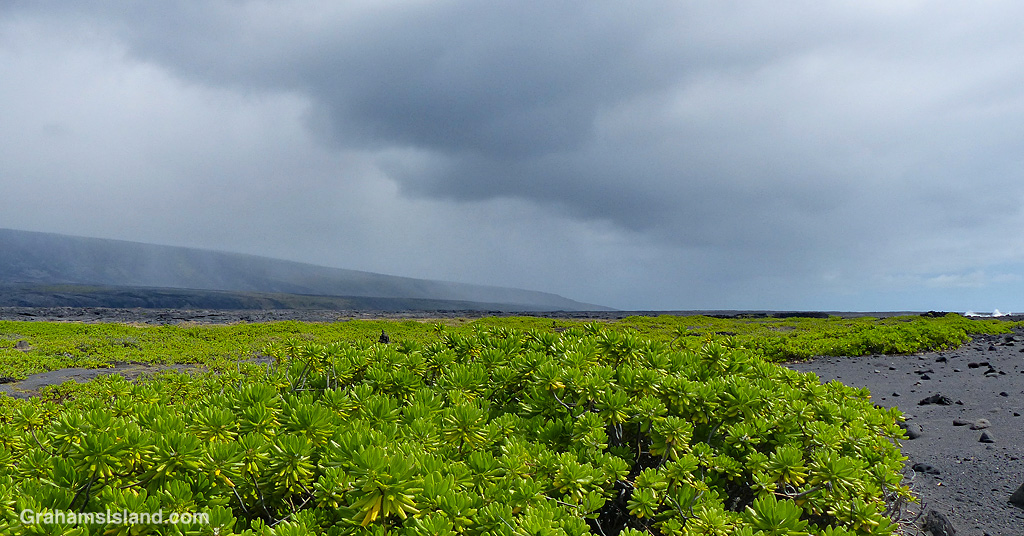
Beyond the heiau, the trail is marked by flat stones. This is the ancient Ala Kahakai trail, which followed the coast from the northern tip of the island all the way down and around the west and south coasts, to the southeastern corner of the island. The hike follows the coast, passing through scrubby vegetation and across stark lava fields.
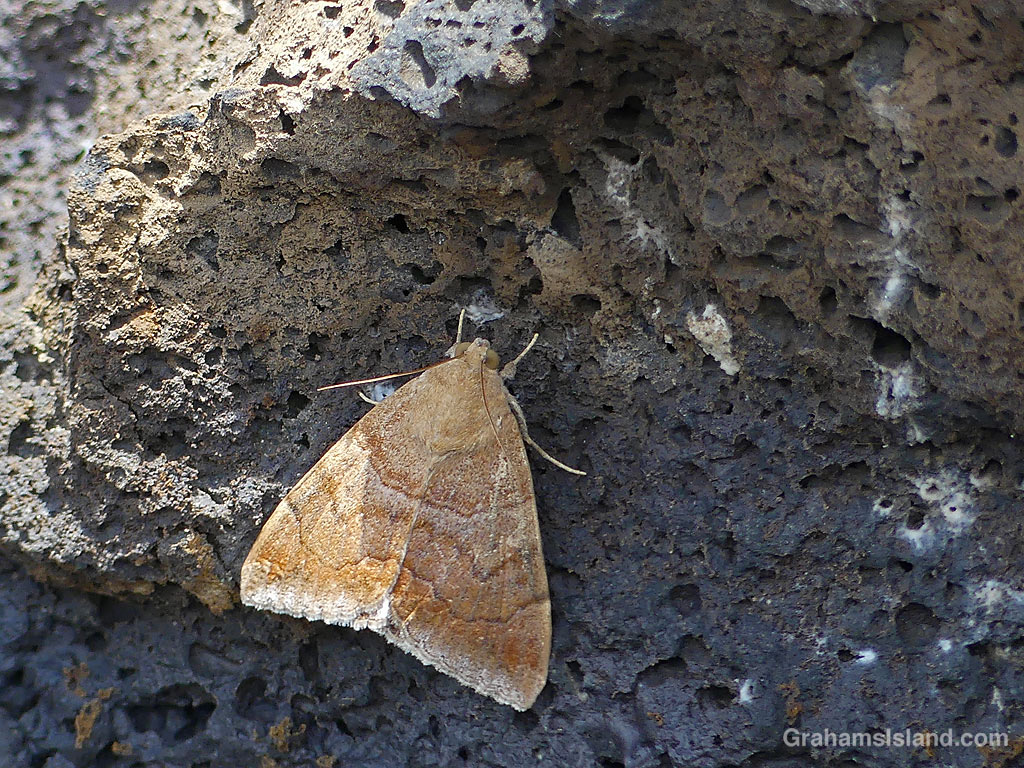
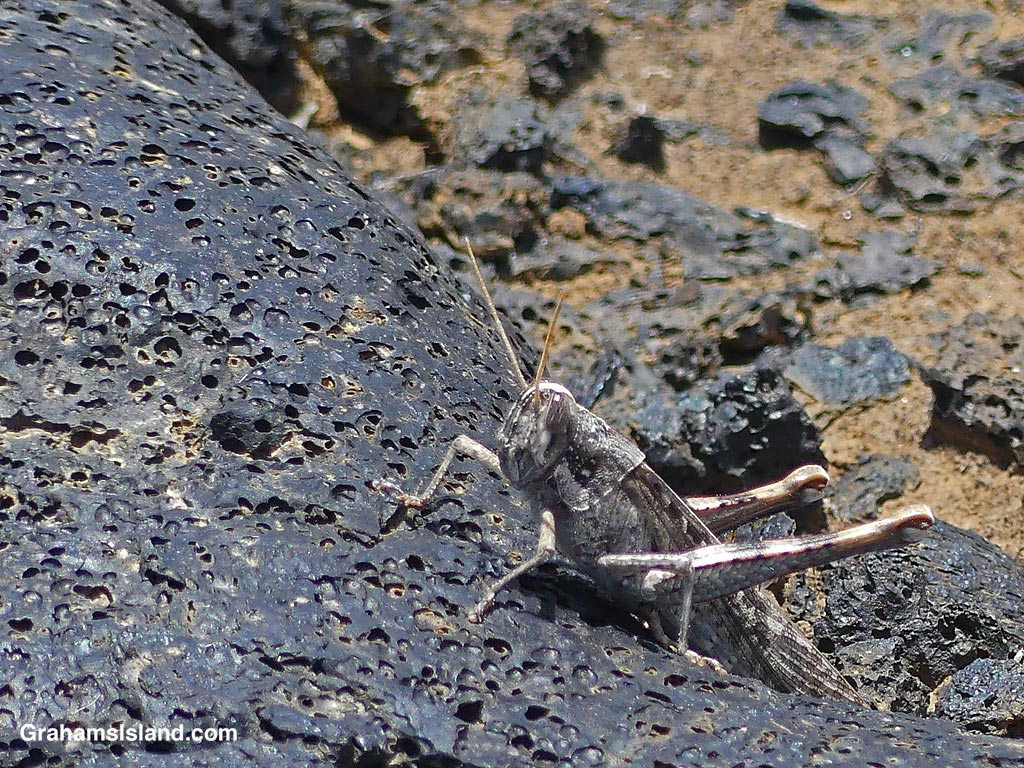
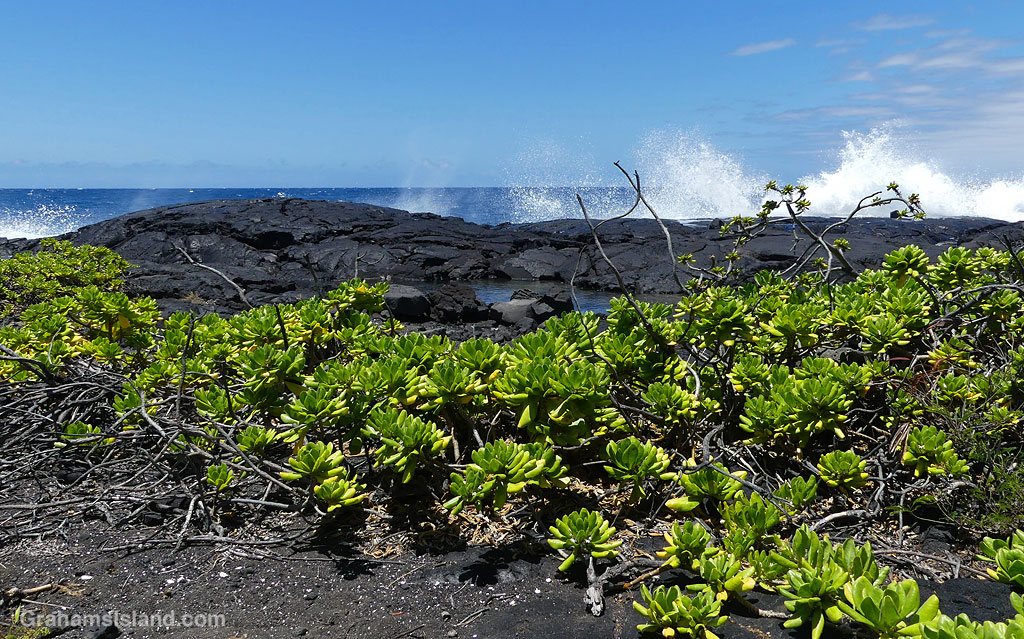
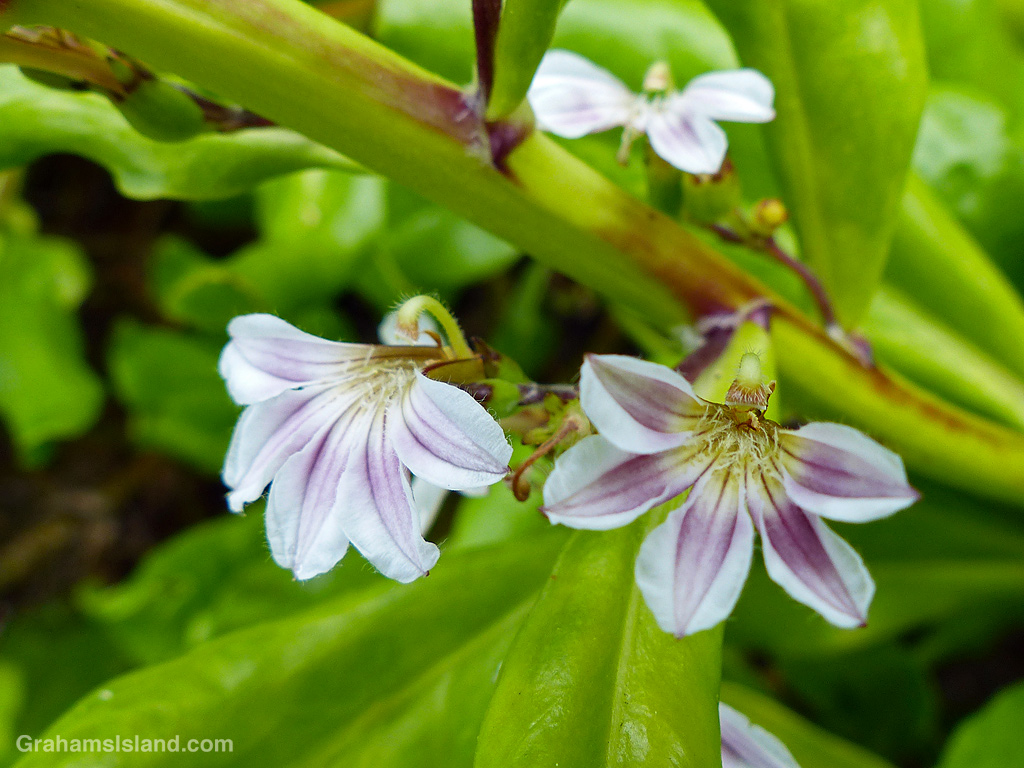
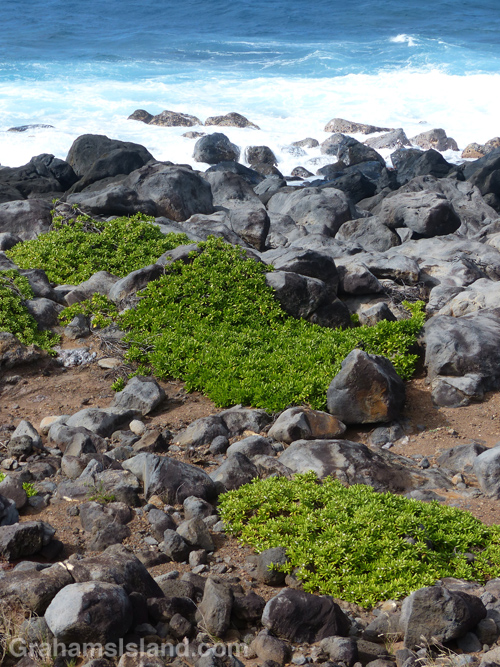
There are some tenacious plants growing along the way, notably Beach Naupaka, which tolerates rocky terrain and salt spray. There’s also a variety of birds and other wildlife to be seen.
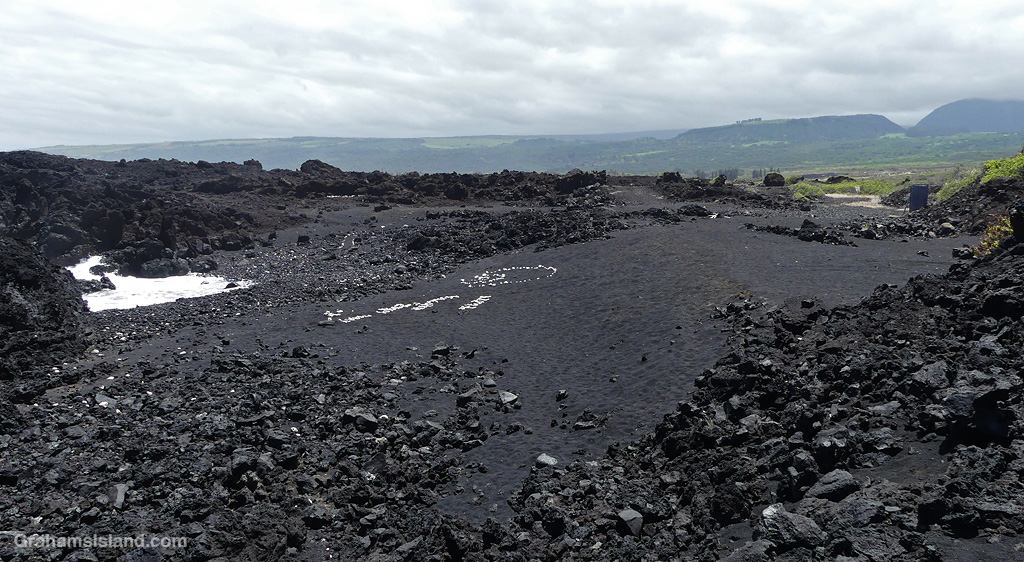
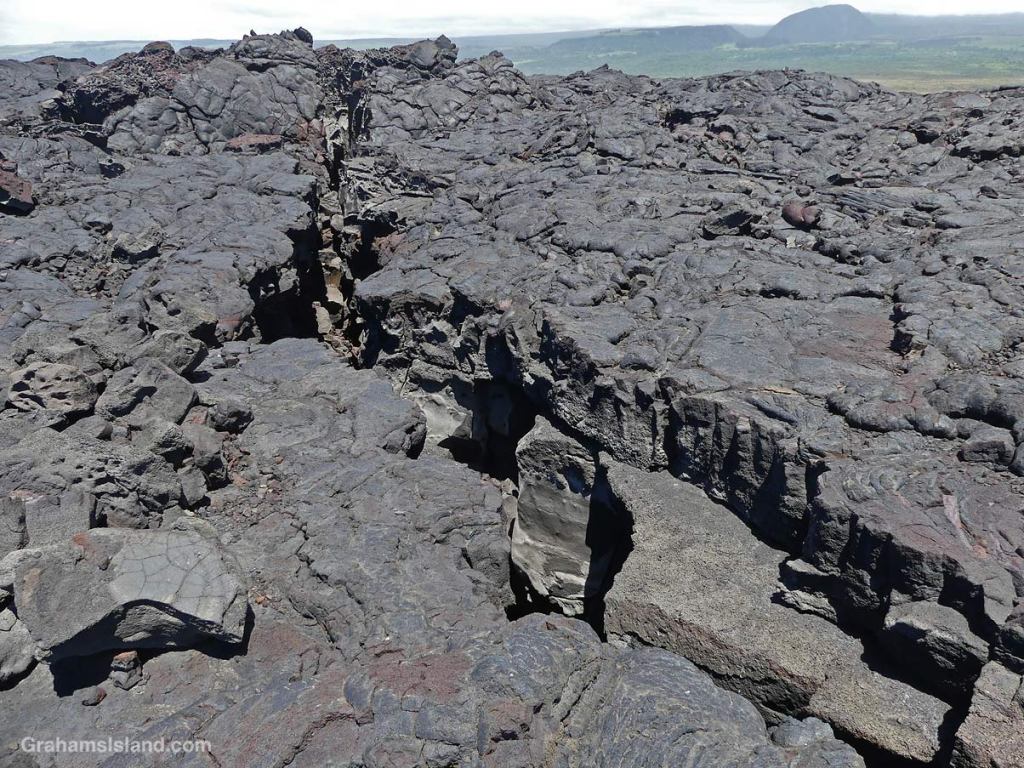
Cairns mark the trail, though they’re not always easy to spot. It’s easy to wander off the trail, which is not a good thing given the large cracks in the lava and potential thin spots that one could fall into.

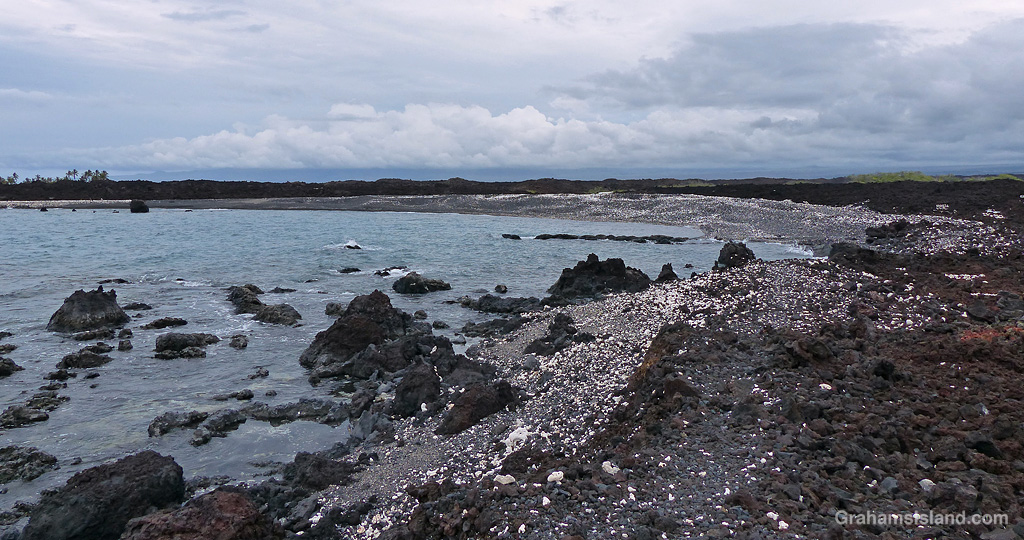
But if you don’t get lost or fall into a lava tube, eventually Kamehame Beach will come into view. This beach is important as a nesting place for both Green Turtles and Hawksbill Turtles. The nesting season runs from June to November, which was when I was there, so I knew I wouldn’t be walking on the beach for fear of disturbing anything. In fact, I thought I hadn’t seen anyone on this hike once I left Punulu’u, but when I looked at my photos, I saw someone at the far end of the beach. This was undoubtedly one of the researchers who monitor these spots for turtle activity.
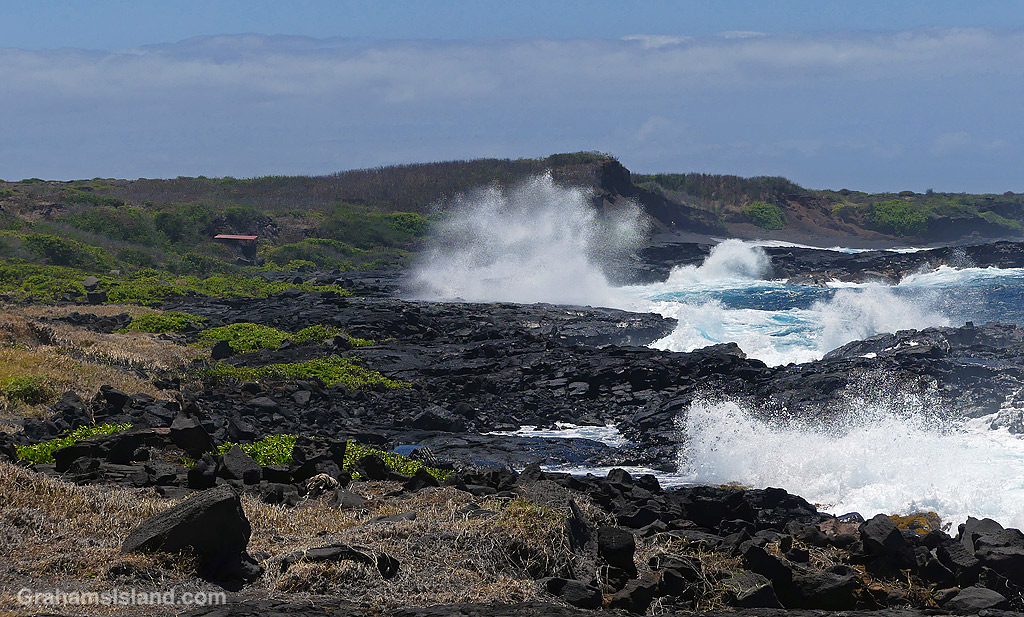
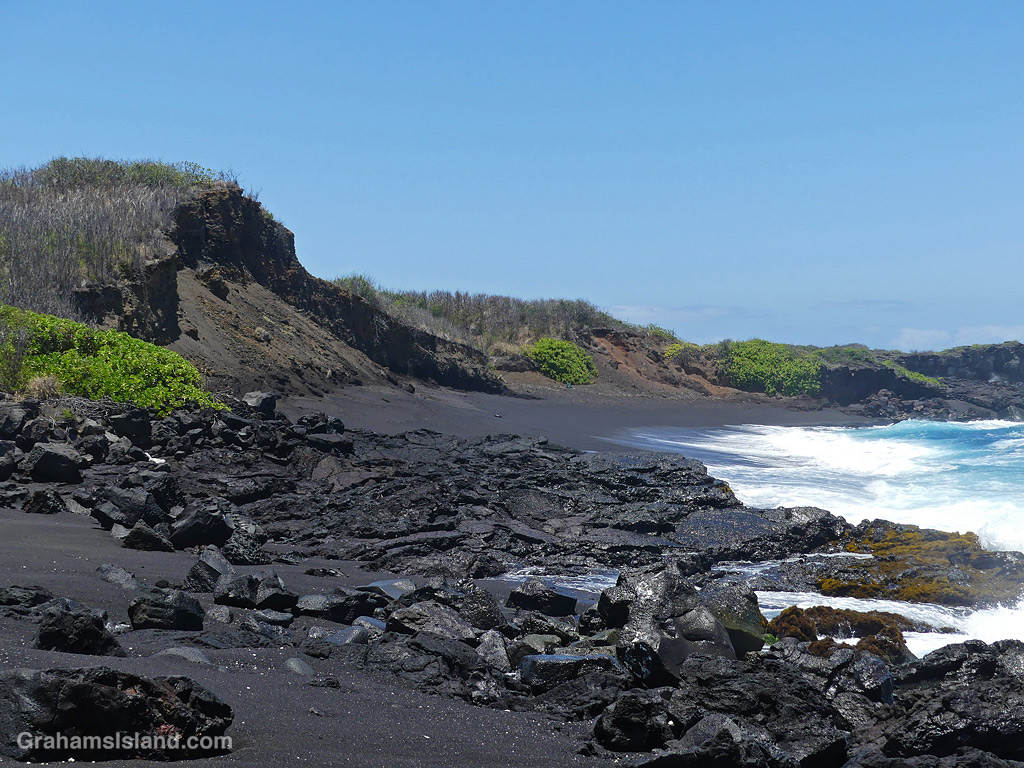
The beach itself is quite steep and, even if it wasn’t turtle nesting season, I’d have been reluctant to walk it given the high surf on this particular day. The round trip hike is around 6 miles unless you get lost!

Also posted for Jo’s Monday Walk. See more responses here.
A walk on the South Kohala Coast

A green turtle on a beach in Hawaii
A green turtle rests on the beach.

This week’s Sunday Stills challenge theme is ‘The Great Outdoors.’ See more responses here.

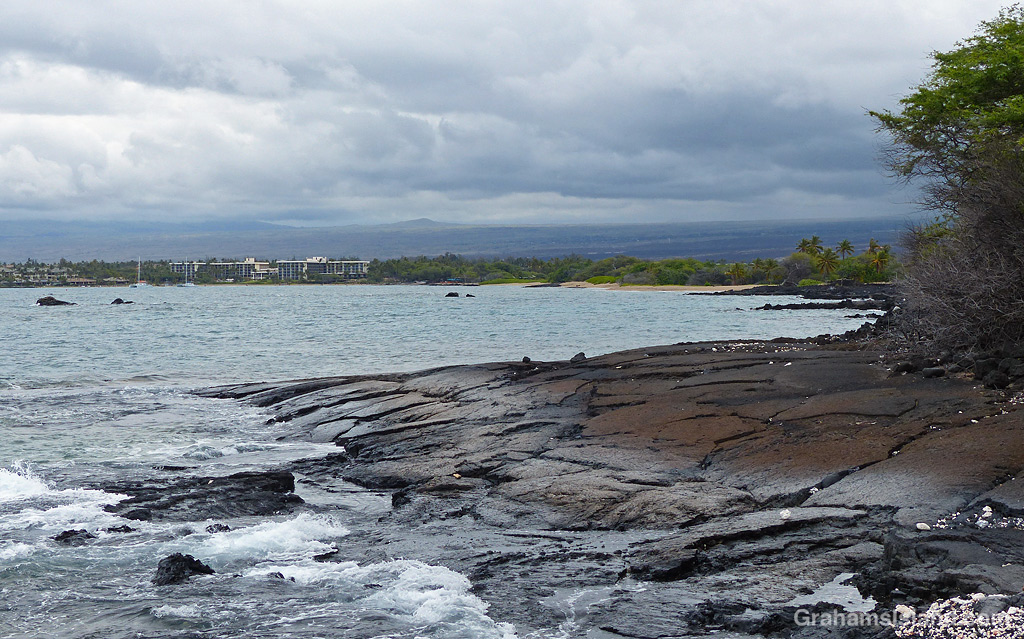
Recently, I took a hike along the South Kohala Coast, starting out at ʻAnaehoʻomalu Bay in Waikoloa Resort, and heading south to Keawaiki Beach, before returning the same way. This is a hike I’ve done before, but not for some time.

ʻAnaehoʻomalu Bay is often referred to as A Bay because it’s a tad easier to pronounce. It’s one of the more popular beaches on the island, but head south, around the corner from the main beach area, and the golden sands are largely deserted. Well, except for the odd green sea turtle taking a nap.

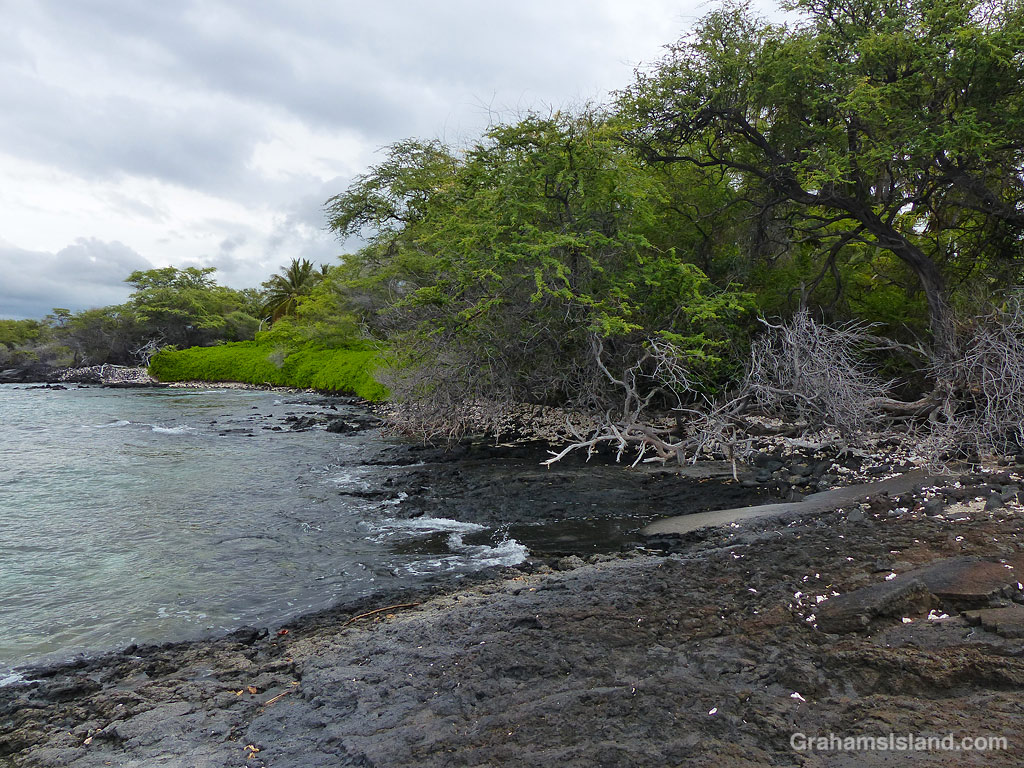
There are a few rustic structures behind the beach along here, but it’s a far cry from the resort developments less than a mile to the north. When the sands end, there’s a short stretch where high tides wash up against a wall of greenery. Hiking at those times, which I did, involves nimble footwork or getting your feet wet. I’m not nimble!

Beyond this point the coast becomes rocky lava, where flows from Mauna Loa have tumbled into the ocean in bygone days. The trail is mostly over a’a lava, which is irregular and rough. The trail itself is not hard to walk, but straying into the lava fields is another matter entirely.

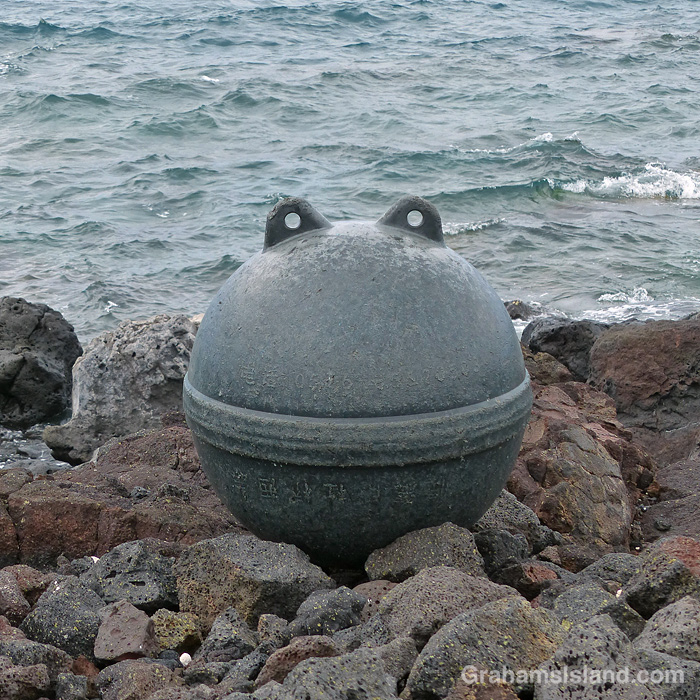
A lost buoy along the South Kohala coast in HawaiiA lost buoy along the South Kohala coast in Hawaii
I found this sad looking buoy banging around in a tide pool, so carried it higher on shore where it looked much happier.

The first marker on this part of the trail is the lone palm tree at Akahu Kaimu Bay. Just inland from this palm is a pool, which is mostly freshwater and deep enough to swim in. This is a welcome option on a hot day, but since it was mostly overcast with a nice onshore breeze, I didn’t take a dip this time.

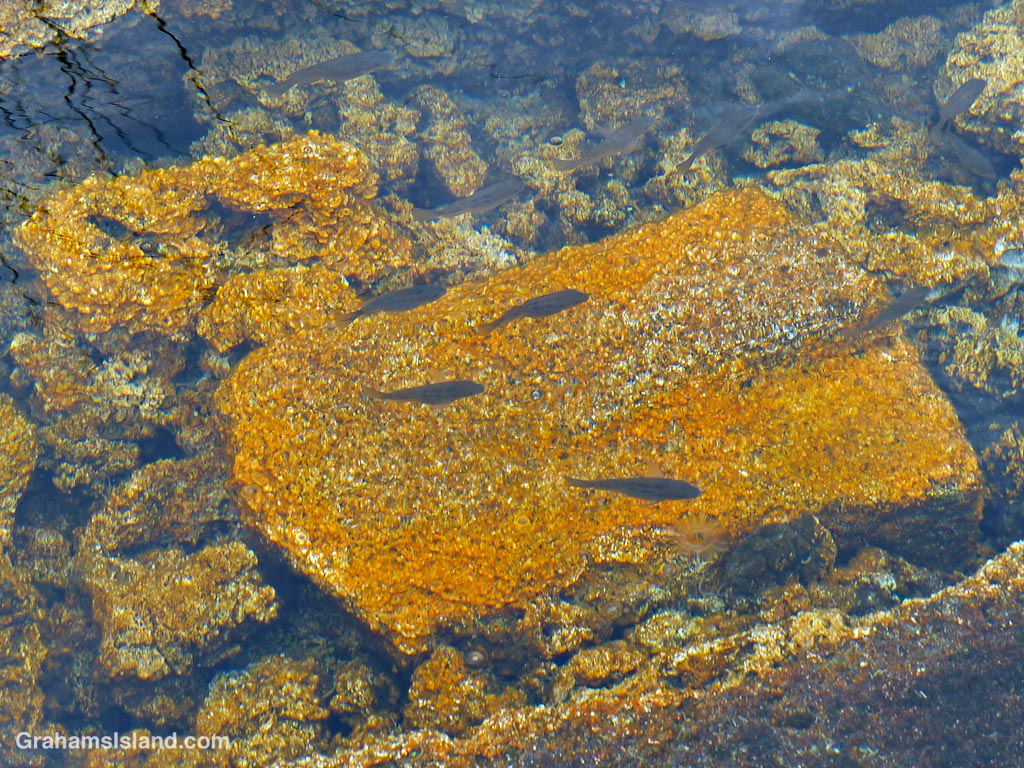
The trail continues over the lava field to the next bay and it was here I got lost. The coast trail often passes over the lava rather than follow the coast around points and the only trail I could see appeared to be doing just that. But when I followed it for a while I saw that it continued inland. However, I could also see that where it headed was to the Golden Pools of Keawaiki, which was I planned on visiting anyway, so I carried on until I came to familiar ground. The golden pools owe their color to a unique algae that grows here. These are not pools for swimming in since that could alter the conditions and destroy the algae.

Heading back to the coast, the trail comes out at Pueo Bay where I found an abandoned kayak, not in great condition. Keawaiki beach, just beyond, is another bay marked by a sole palm tree, but this poor tree has been badly damaged by storms and is no longer much of a tree.

Heading back north, I passed the sole house on this part of the coast, just beyond Weliweli Point. I have yet to see anyone at this spot, though someone obviously maintains the property. I got back to the bay where I had strayed off the track and realized where I’d gone wrong. The coast trail zigzags up from the beach and is marked only by a couple of pieces of bleached coral, which don’t stand out much on a beach strewn with the same kinds of coral pieces.

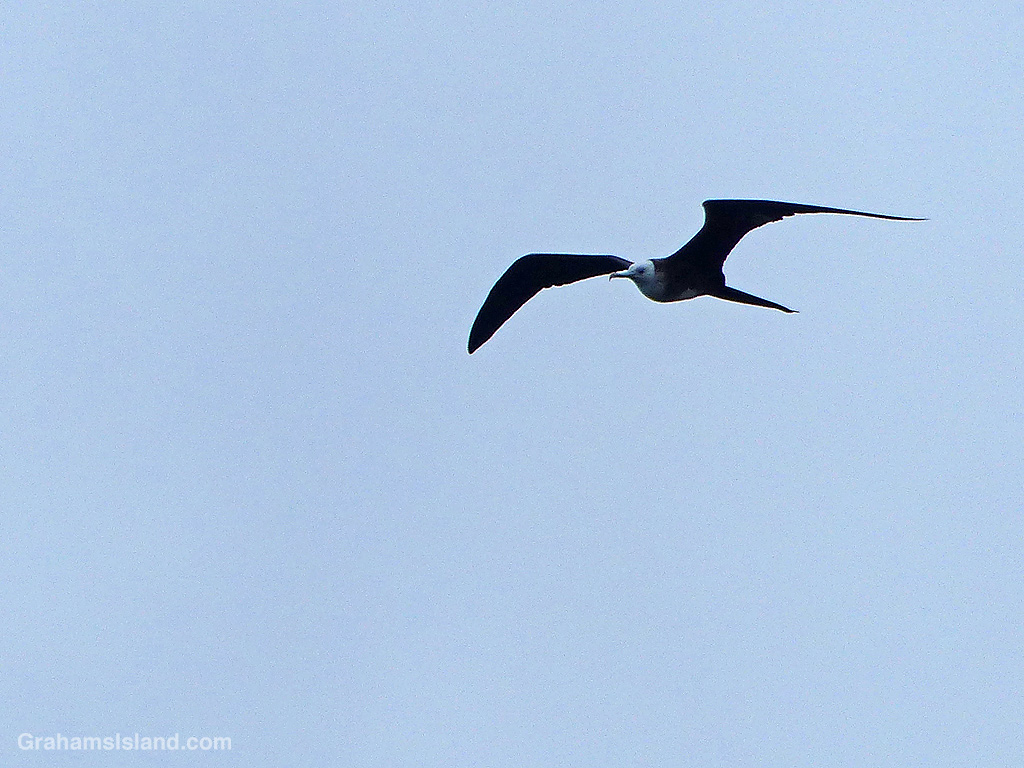
This trail isn’t a great one for birds, but I did see a Great Frigatebird wheeling overhead, which is always nice. And though this coast appears unforgiving, there are hardy plants to be found including native Hau trees and swathes of Beach Naupaka.

By the time I got back to A Bay, the Lava Lava Beach Club was busy with dinner patrons, enjoying their meals at tables set up on the sand and close to the water.

The Lava Lava Beach Club at A Bay Hawaii
Lava Lava Beach Club.

Also posted for Jo’s Monday Walk. See more responses here.
Dwarf Naupaka

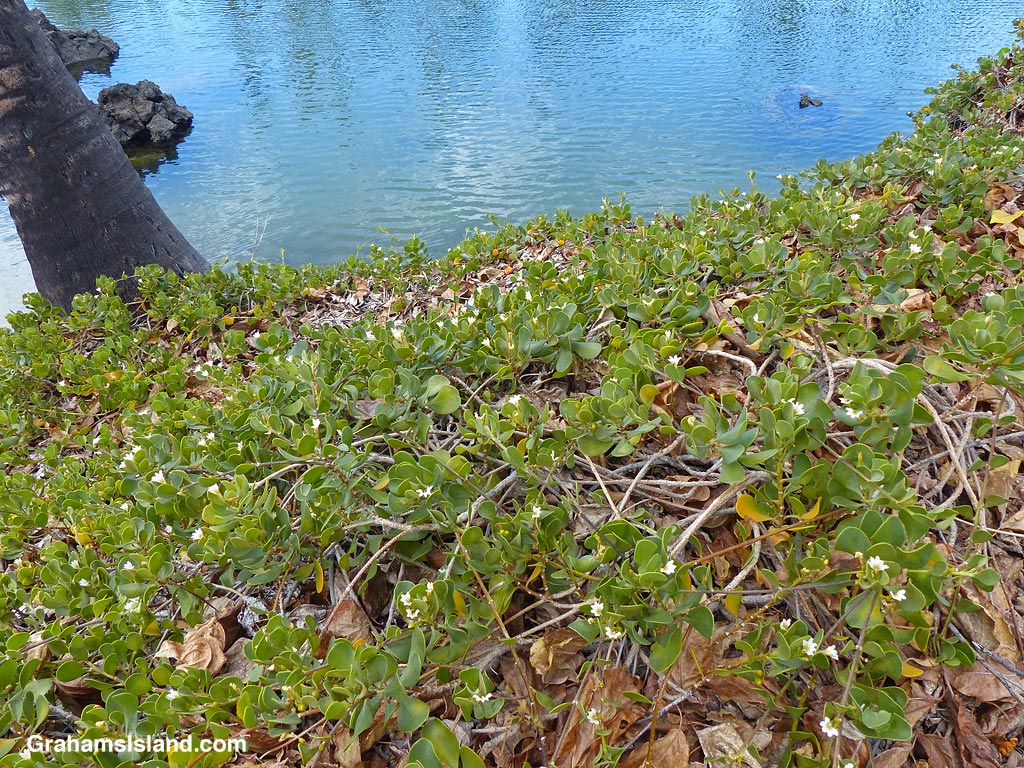
Endemic Dwarf Naupaka plants at Mauna Lani fishponds in Hawaii

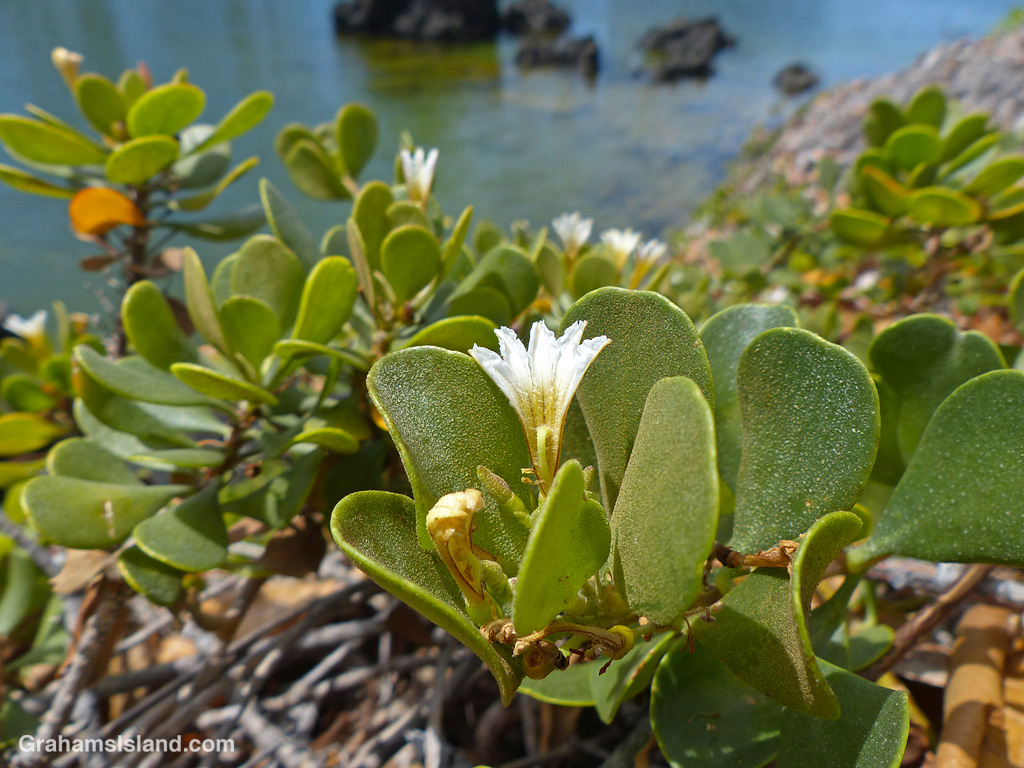
Beach Naupaka (Scaevola sericea or Scaevola taccada) is relatively common here, often seen in coastal areas because of its salt tolerance. Dwarf Naupaka (Scaevola coriacea), on the other hand, is on the federal endangered list. It used to be seen on all the main islands, but these days it’s only seen on Maui and then not in many places. The flowers of Dwarf Naupaka are a little different and the leaves are considerably smaller, just one to two inches in length.

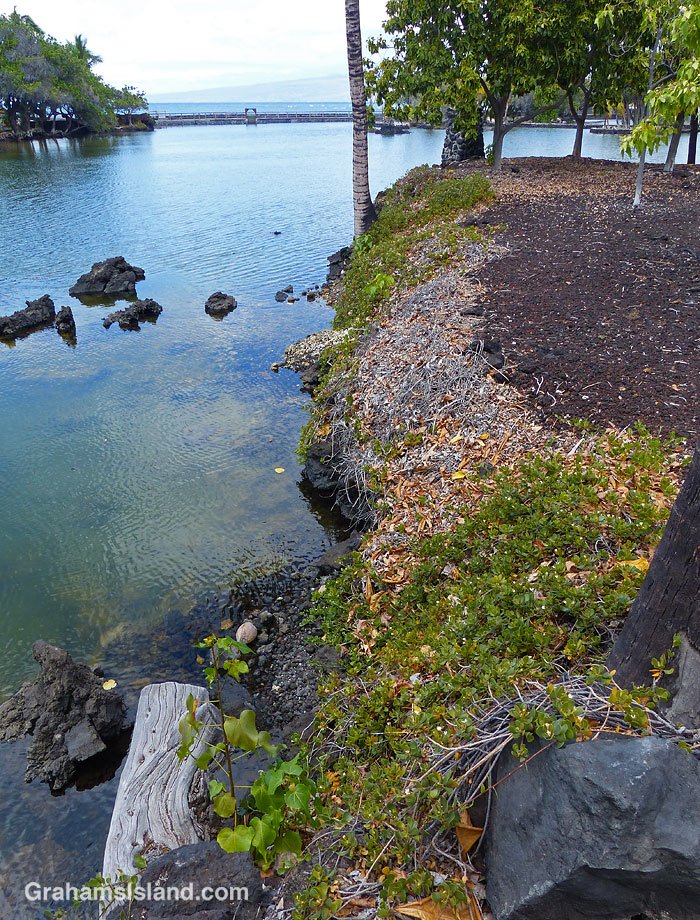
These endemic plants were spotted alongside one of the fishponds at Mauna Lani, on the South Kohala coast, by a friend who knows a lot about native plants. When he told me about them, I headed down to take a look and get some photos. I agreed with his identification and got a confirmation on Hawaii Plant ID.

It’s likely that the plants by the fishpond aren’t naturally occurring, but were deliberately planted, though by who or why is not clear. Still, it’s encouraging that at least one small pocket of these extremely rare plants still exists on the island.

Endemic Dwarf Naupaka plants at Mauna Lani fishponds in Hawaii

Beach Naupaka

1-2-16-Beach-Naupaka-HW

1-2-16-Beach-Naupaka-VW


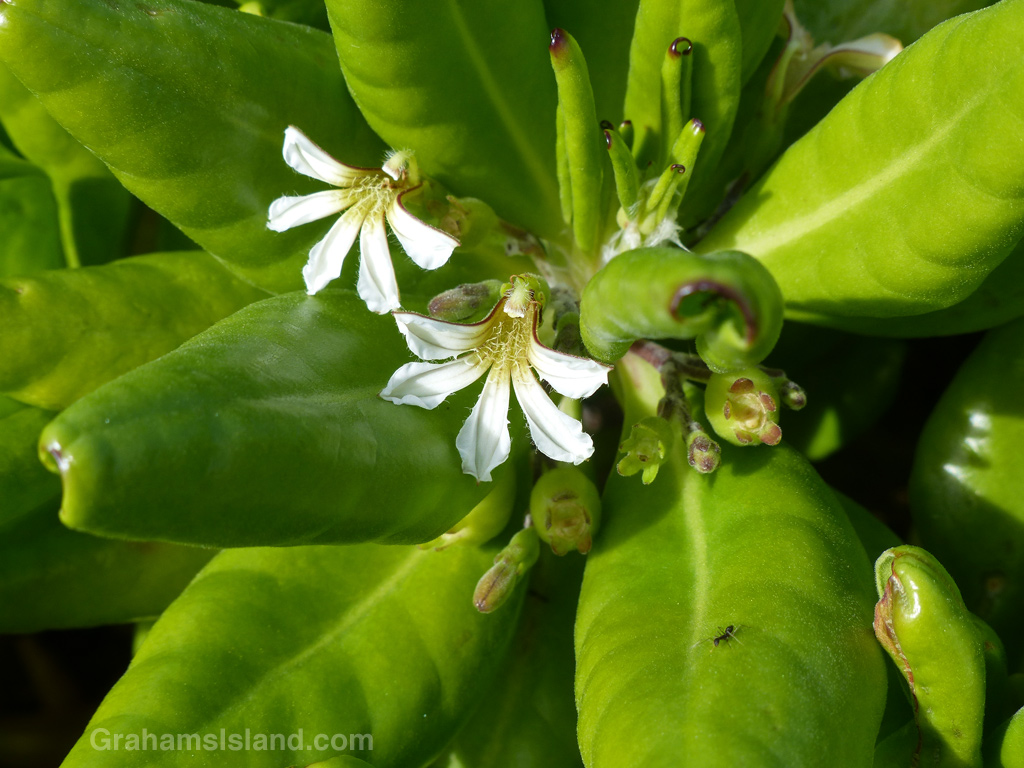
This native plant (scientific name Scaevola sericea) has curious half flowers, with five downward-facing petals. And it’s popular with ants, at least by my observation.

It does well along the coast because it’s salt tolerant and is often planted for erosion control and reclamation projects.

For more information about this and other Hawaiian flowers, go to wildlifeofhawaii.com/flowers/.