Tag Archives: On The Coast

Monk seal dreaming

This week’s Friendly Friday challenge theme is ‘Dreams.’ See more responses here.

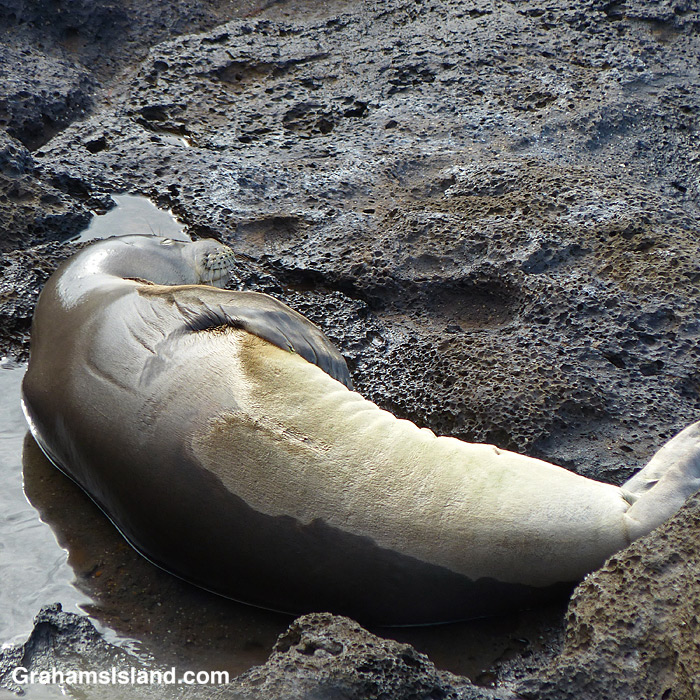
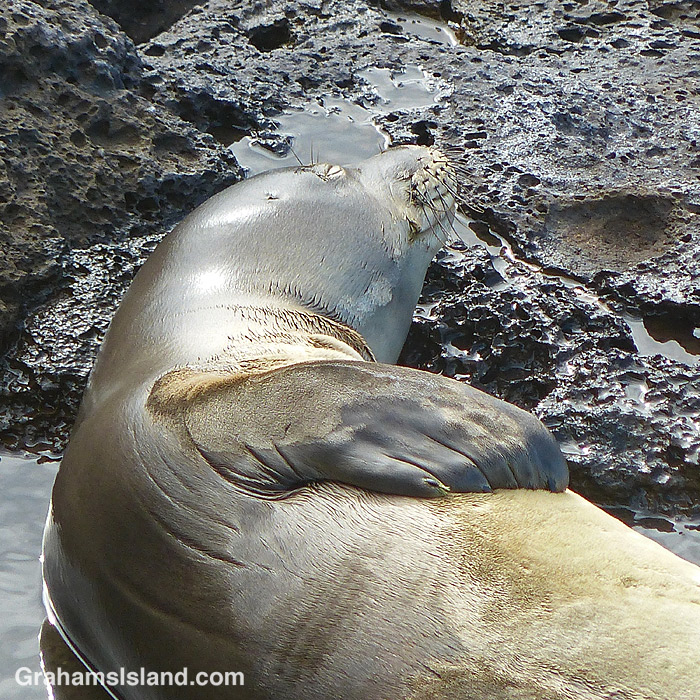
A couple of weeks ago, I was out walking along the coast and saw a monk seal I didn’t recognize. As I usually do when I see monks seals, I took photos in an attempt to identify it. Many Hawaiian monk seals have numbered red tags in one or both tail flippers. Some have been bleached with an identifying mark, though this lasts no more than a year as it will disappear when the seal has its annual molt. Some have scars of one kind or another that help with identification. This seal had none of those things.

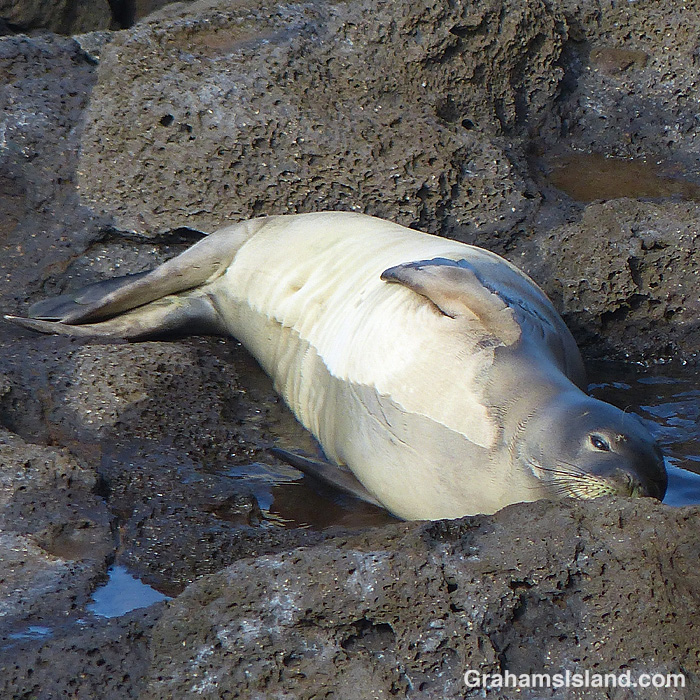
Its most distinctive feature, apart from being a bit on the small side, was that it was restless. As soon as I saw it twitching and rolling and flexing its flippers I thought it looked like the seal was having a dream of some kind. It finally rolled over completely, in the process opening its eyes and noticing me, up on the cliff, taking photos. No matter. The seal ended up on its belly and found a good spot to rest its chin and drift back into slumber and that rather good dream it had been enjoying.

I sent some of my photos off to Lauren, the Response and Operation Coordinator at Ke Kai Ola, who keeps track of the whereabouts of monk seals around the Big Island. She said the seal was most likely Hiwahiwa (meaning a person or thing greatly beloved). He was the only monk seal pup born on the island this year, back in April. Because of the Covid virus, the shorelines were closed at that time, so access was very limited. This also meant that the pup didn’t get tagged, which explained his lack of identifying marks.

I haven’t seen him since, but a week later I saw another seal I didn’t recognize. That one turned out to be Hiwahiwa’s mother so maybe they bumped into each other again somewhere along the coast.

For more information about Ke Kai Ola and Hawaiian monk seals, go to www.marinemammalcenter.org/hawaii.

Also posted in response to Becky’s October Squares challenge theme of ‘Kind.’ See more responses here.

The ocean doesn’t want me today

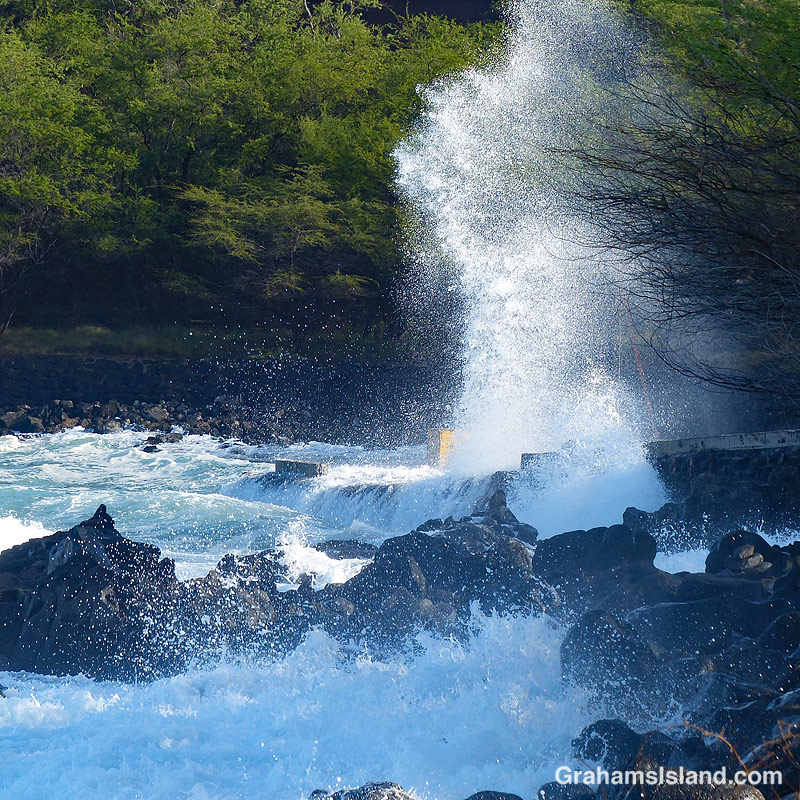
I like to go snorkeling whenever I get the opportunity, but there are some days when that’s not possible. This is a photo of my local snorkeling spot. That’s the parking area on the right, and the place where I generally park my car is right where that tower of spray is.

In other words, this was the kind of day to find something else to do, such as take photos from the shore.

Posted in response to Becky’s October Squares challenge theme of ‘Kind.’ See more responses here.

Better Days: Noak Dom

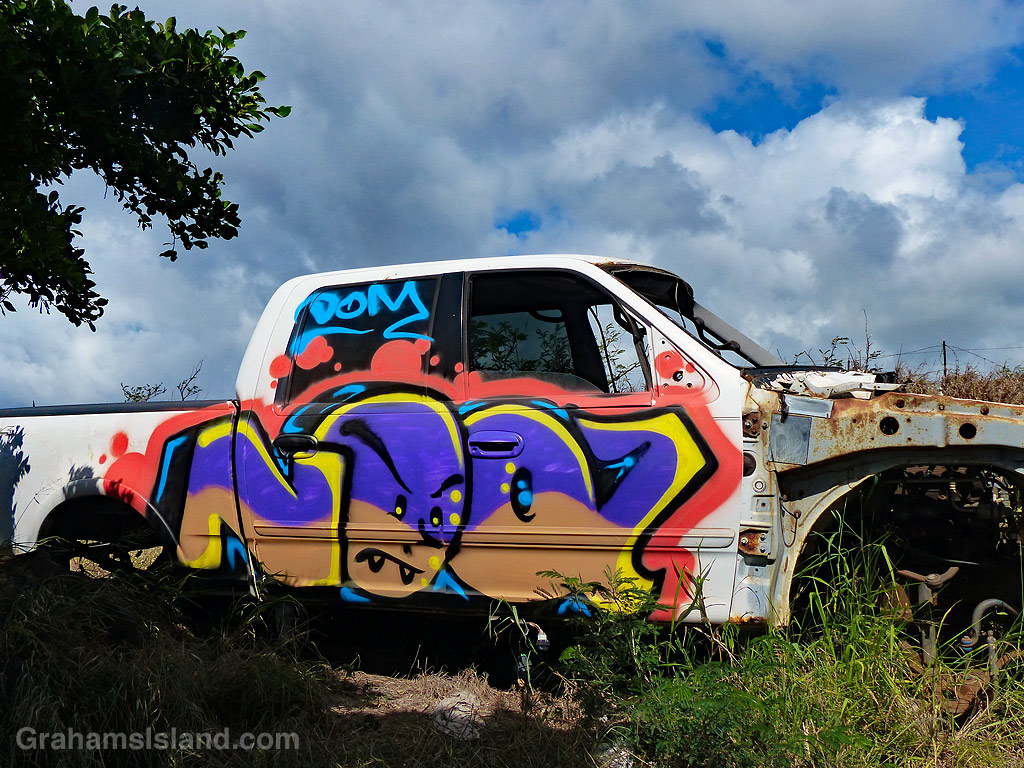
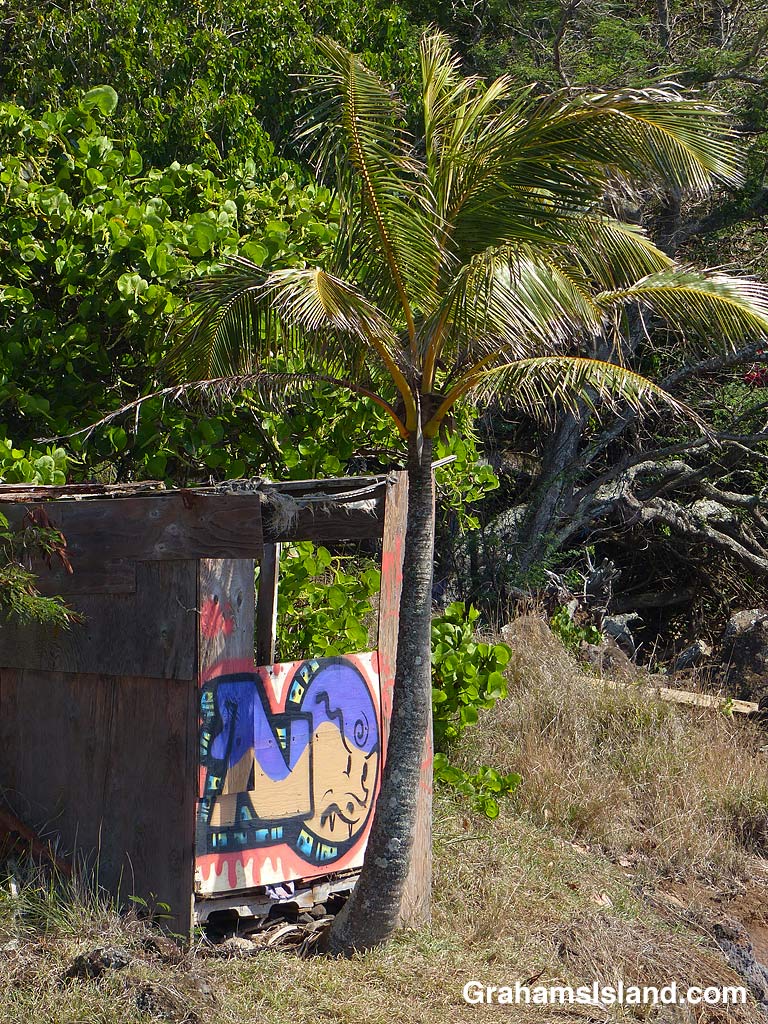
Places and things that have seen better days are likely to be vandalized or tagged with graffiti. On the North Kohala coast, there’s an old fishing shack with a couple of derelict vehicles nearby. At some time in the fairly recent past, the scene has been accessorized with a paint job. I think Noak Dom is the name of the graffiti artist who painted these.

Calotropis procera

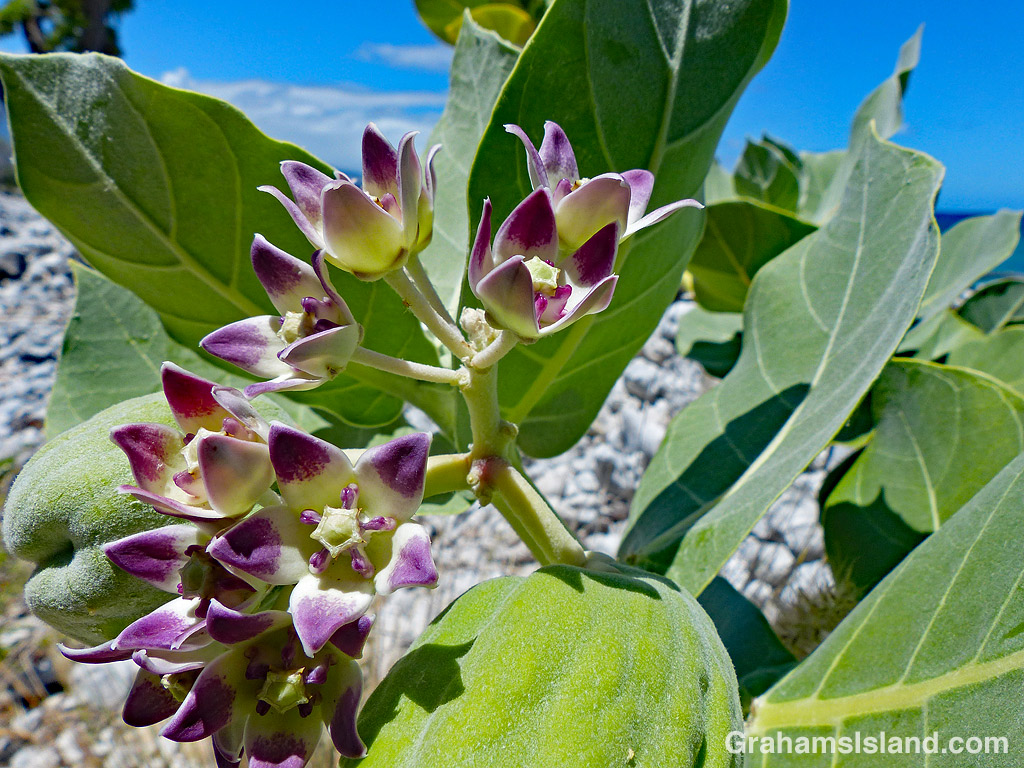
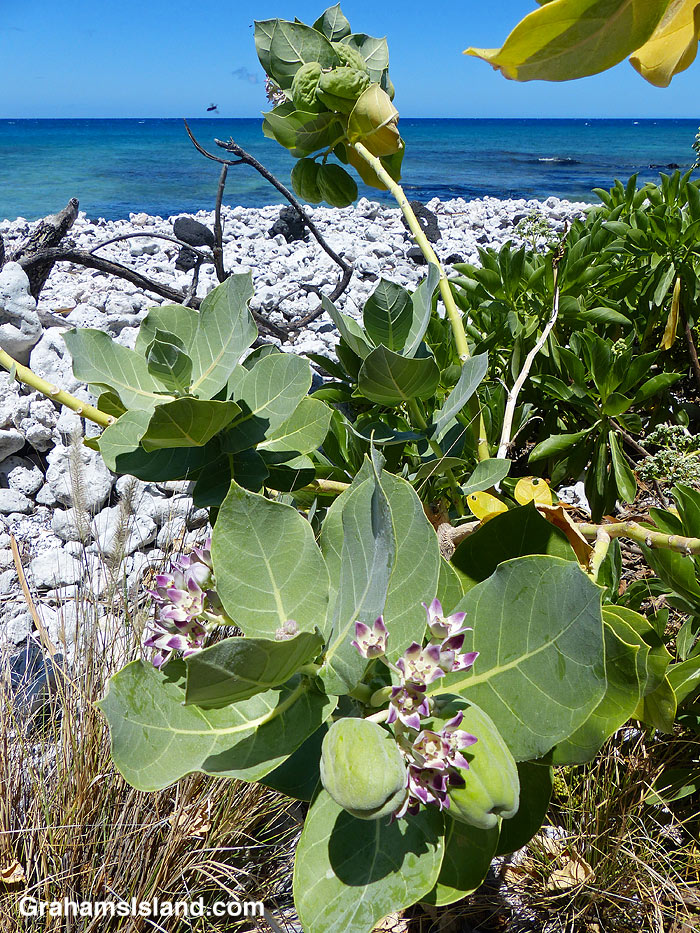
Calotropis procera, also known as Apple of Sodom, is a member of the milkweed family. A native of parts of Africa and Asia, it’s another of the many invasive plants that have found a home in Hawaii. On the plus side, it’s a host plant for Monarch butterfly caterpillars, while the butterflies themselves feed on the flowers.

In these photos, you can see the leaves, flowers, and the large green fruits of the plant.

Carissa macrocarpa

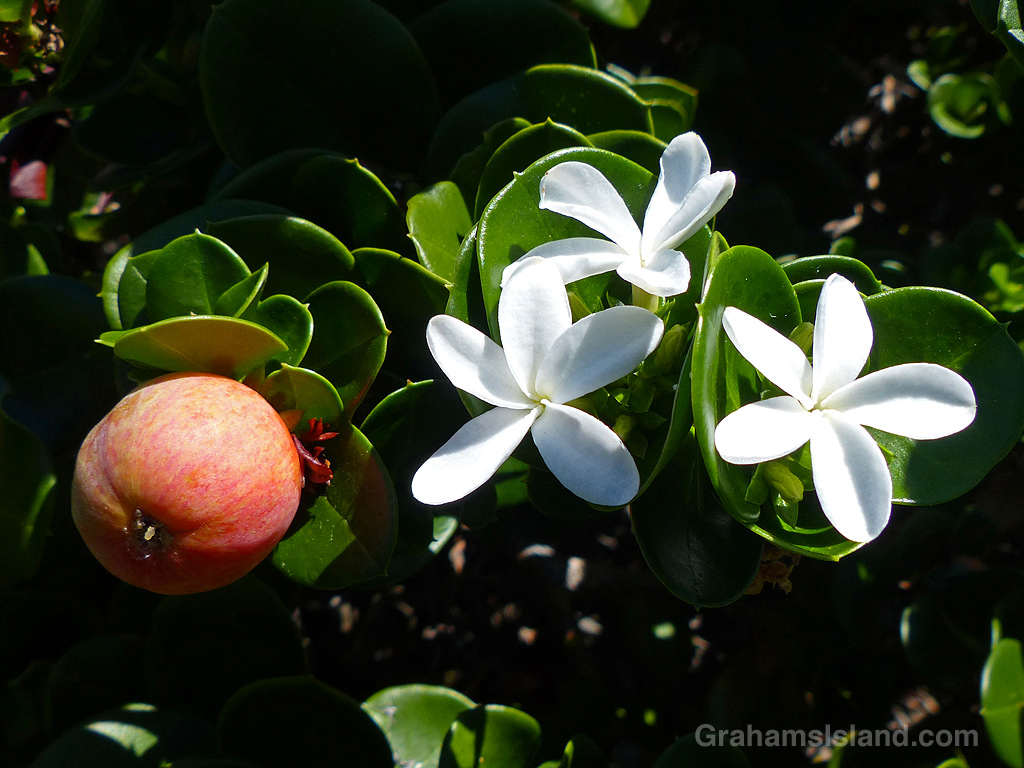
This evergreen tree, also known as Natal Plum, hails from South Africa. The fruit is edible and the flowers fragrant. In Hawaii, it’s also grown as a hedge, particularly in coastal areas, as it tolerates both salt and wind.

Kohala valleys

This week’s Sunday Stills challenge theme is ‘Mountains and Valleys.’ See more offerings here.

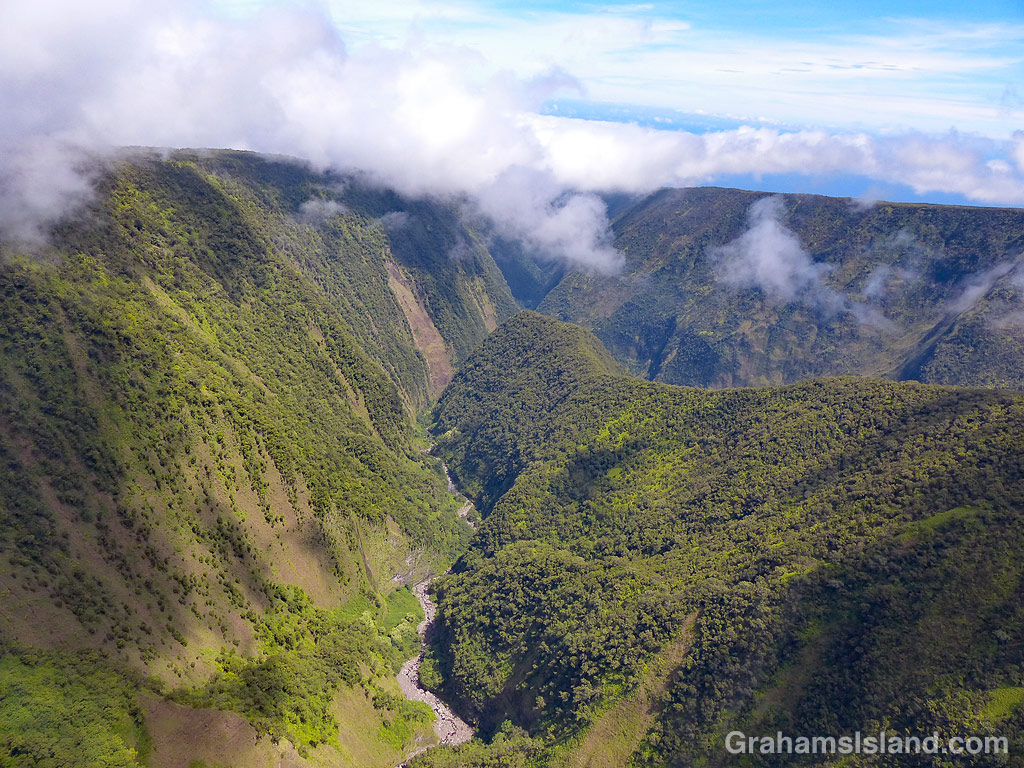
Kohala Volcano is the oldest volcano on the Big Island and has long been extinct, having last erupted around 120,000 years ago. Since then, the various processes of erosion, from rainfall to landslides, have carved deep valleys into the volcano. Waipio, the easternmost of these valleys, is accessible by vehicle (4-wheel drive only), horseback, or on foot. It has permanent inhabitants so access within the valley is restricted.

The other valleys are most easily seen from the air, along the Kohala coast. The top photo shows Waimanu Valley. This can be accessed by foot from Waipio, after a long and arduous hike, and permits are available for camping there. Waimanu River can be seen on the far side of the valley and is one last obstacle to be crossed to reach the camp site, which is in the strip of land between the river and the ocean. The steep sides are typical of these valleys and another consideration to keep in mind when thinking about hiking here.

The middle photo shows a fairly typical view directly into one of the valleys from the ocean. Again, notice the steep valley sides and the abundance of foliage, evidence that this is the wet side of the island.

The bottom photo shows valleys cutting through the mountain farther inland. There’s little or no water running in this view. A few valleys have spring-fed streams, but most depend on rain for water flow. However, when it does rain, it can rain long and hard. Flash floods are common. It’s not a shock when campers in Waimanu Valley are cut off and unable to make the return hike.

I’ll do another post about the water courses for next week’s Sunday Stills challenge.

For more information about Hawaii’s volcanoes, go to https://www.lovebigisland.com/hawaii-blog/hawaii-volcano-history/.