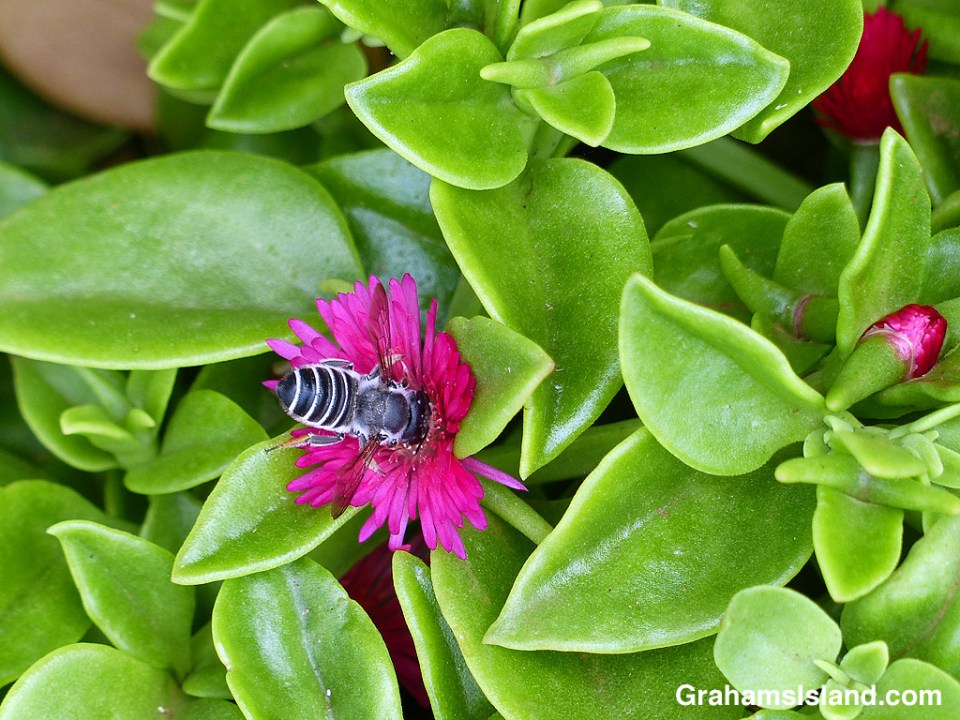
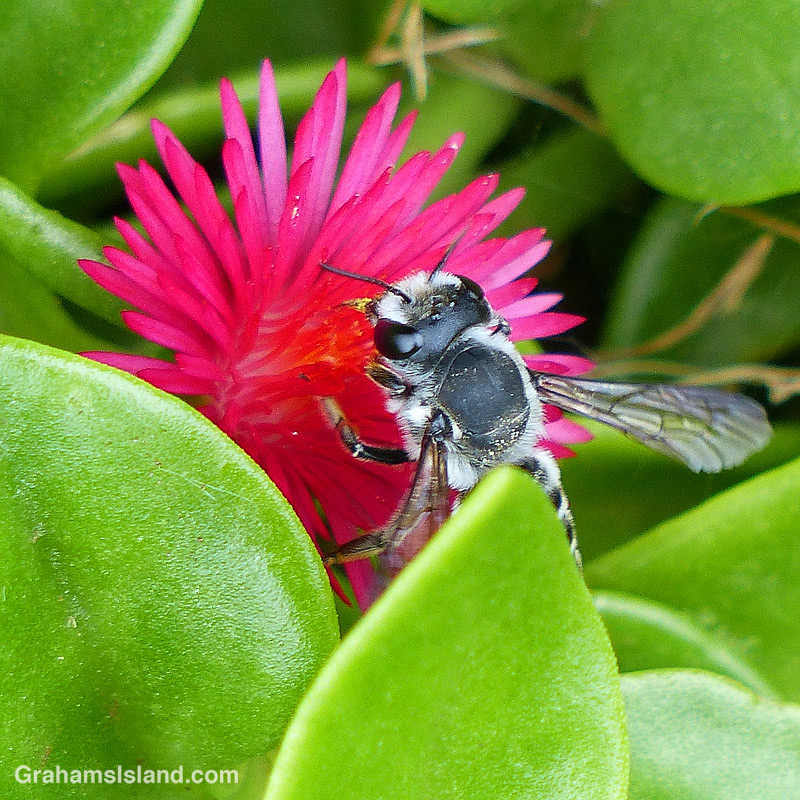
 A busy leafcutter bee forages on aptenia cordifolia flowers. Aptenia cordifolia is an iceplant that comes from southern Africa.


A busy leafcutter bee forages on aptenia cordifolia flowers. Aptenia cordifolia is an iceplant that comes from southern Africa.
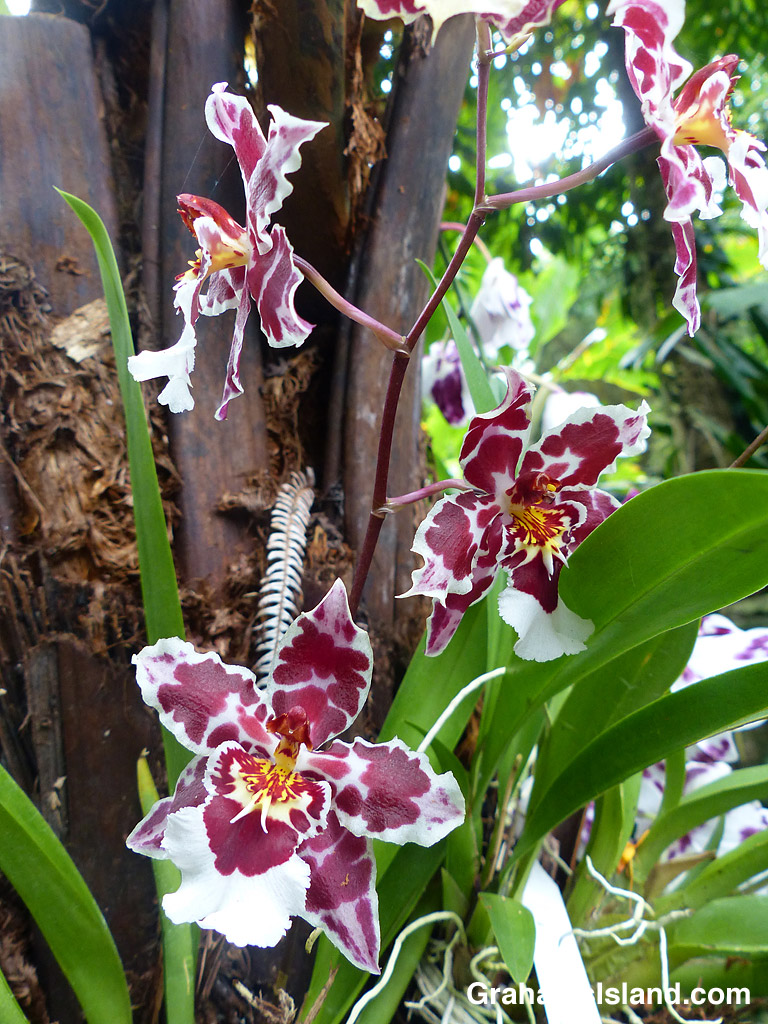
Wilsonara orchids are a kind of hybrid oncidium orchid. This one was at Hawaii Tropical Botanical Garden. For more information about Hawaii Tropical Botanical Garden, go to htbg.com.
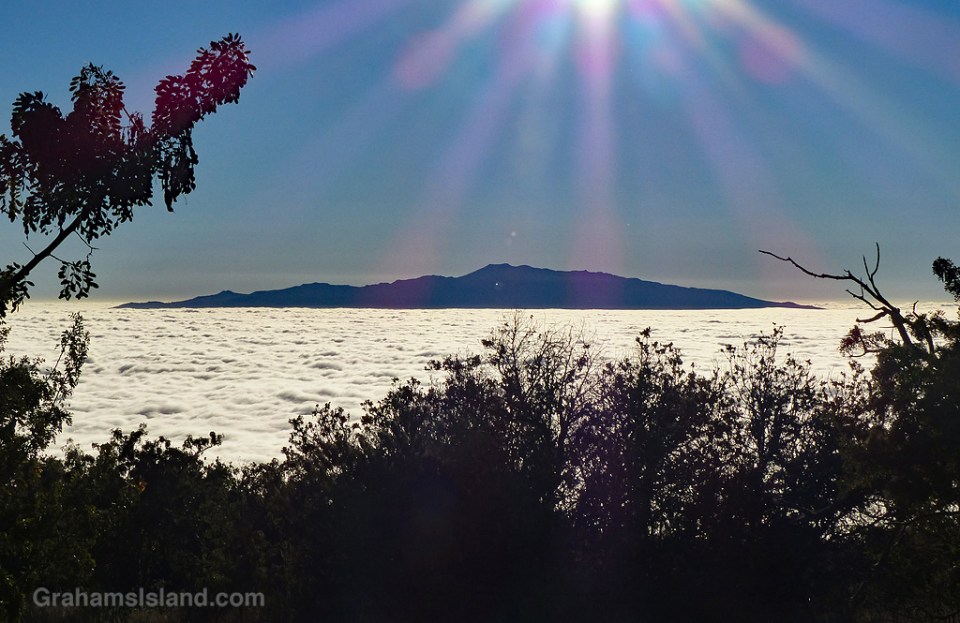
I’ve spent a fair amount of time in my life looking up at clouds, often as they poured water in my direction, so it’s nice to look down on them once in a while. Airplanes are probably the most common place to enjoy this view, but here on the Big Island, the upper reaches of Mauna Kea and Mauna Loa also offer this perspective.
In this case, the clouds were low enough that, when I was visiting the Palila Forest Discovery Trail at around 7,000 feet, the clouds blanketed the landscape below. Here, Hualalai pokes through the cloud layer in the late afternoon.
For more information about Palila Forest Discovery Trail, go to dlnr.hawaii.gov/restoremaunakea/palila-forest-discovery-trail/.

A view of an old 1978 Peterbilt truck. If the truck were moving, it would be my last view, but this one was stationary. Phew!
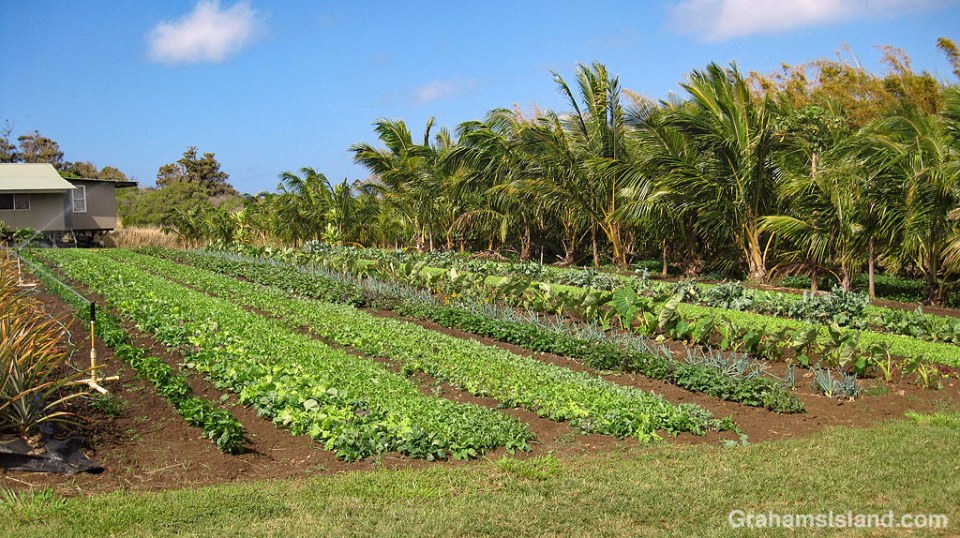
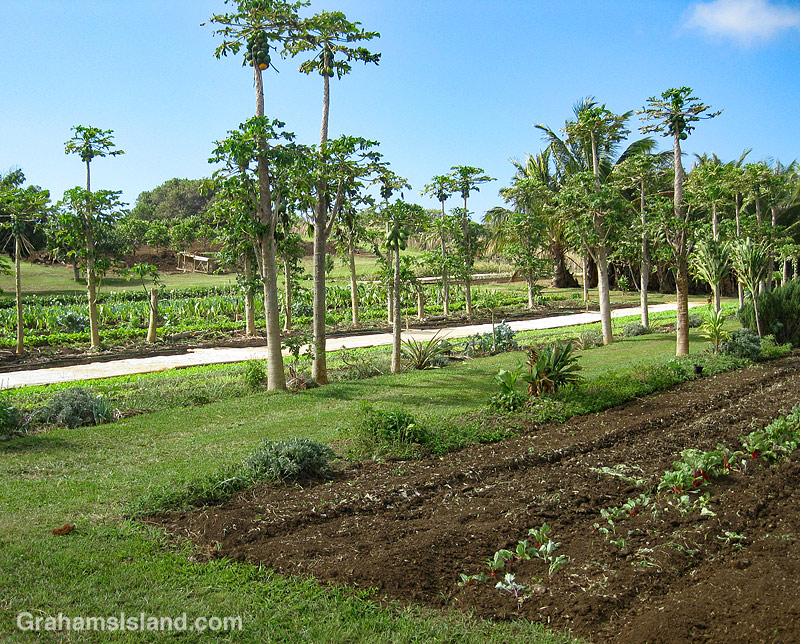 One of the vulnerabilities of living in the middle of the Pacific Ocean is that any big disruption of commerce, here or on the mainland, due to natural disaster or otherwise, could result in shortages here. Toilet paper and Spam would likely be the first things to be snapped up, but basic foodstuffs would soon follow. Having a variety of productive farms on the island would be a big help in such a situation.
Sage Farms, an organic farm that’s been in business here for 20 years, is one such enterprise. Their fruits and produce are available in local stores and farmers’ markets. The farm is one of a network of small growers in the area whose goal is to make the Big Island less dependent on imports from the mainland.
It might seem like farming would be easy in Hawaii. Most things grow readily, but that also includes weeds. In addition, pests also thrive and can be voracious. Currently, rat lungworm is a big concern. Recently, students at Kohala Middle School showed that a slug which carries rat lungworm parasites is now established in this area. This slug is just the latest challenge to the farmers of the area and the island in general.
Posted in response to this week’s Sunday Stills challenge on the theme of ‘Fresh.’ See more offerings here.

When I see mourning geckos out and about during daylight hours I worry for them. They’re nocturnal and daytime is the domain of the gold dust day gecko, which has winnowed the numbers of other geckos in Hawaii.
I like mourning geckos for the patterns on their skin and their eyes, which are metallic-looking. This gecko has, at some point, lost its tail, and grown a new one, but the new colors haven’t quite filled in and the break point is clearly visible.

After something of a dry spell, during which I was able to drive my truck out of the yard without sliding about, there’s been a lot of rain lately. My truck is back to sliding, but that’s a minor issue compared with what happens to all that rainfall.
What happens is that the rain hits the land and runs downhill. It channels into dry gullies. If the rain is heavy enough, flash floods occur and wash all before them – dirt, rocks, trees. But any kind of heavy or prolonged rain will wash earth and debris down the gullies. All those gullies lead to the ocean, channeled under roads by culverts (bottom photo).
When the runoff reaches the ocean, it forms a distinct area of dirty brown water in the blue Pacific Ocean (top photo). The contrast is striking and easily visible from miles away. Over time, the brown and blue water will begin to mix until the delineation is gone, but part of that process is the dirt from the brown water settling to the ocean floor.
This kind of runoff is one of many threats to coral reefs around the Big Island. It’s not just dirt in the runoff, but also pesticides and other chemicals that can be washed down into the reefs, damaging the coral. There are hundreds of gullies and only a few places have erosion prevention measures to help mitigate this pollution.
So while Hawaii may be considered paradise, it has its share of challenges. And the problems associated with runoff and pollution are more visible and obvious than most.
Posted in response to this week’s Friendly Friday challenge on the theme of ‘Contrasts.’ See more responses here.


When I saw this flowery flounder swimming, it promptly plopped down on this rock where it didn’t blend in quite as well as flounders usually do. It watched me as I took a few photos. I swam away and when I looked back the flounder had gone.

