
This cone-headed katydid is another introduced species, though Hawaii does have a native banza conehead, which I have yet to see. These coneheads are a big contributor to the nighttime insect buzz.


This cone-headed katydid is another introduced species, though Hawaii does have a native banza conehead, which I have yet to see. These coneheads are a big contributor to the nighttime insect buzz.
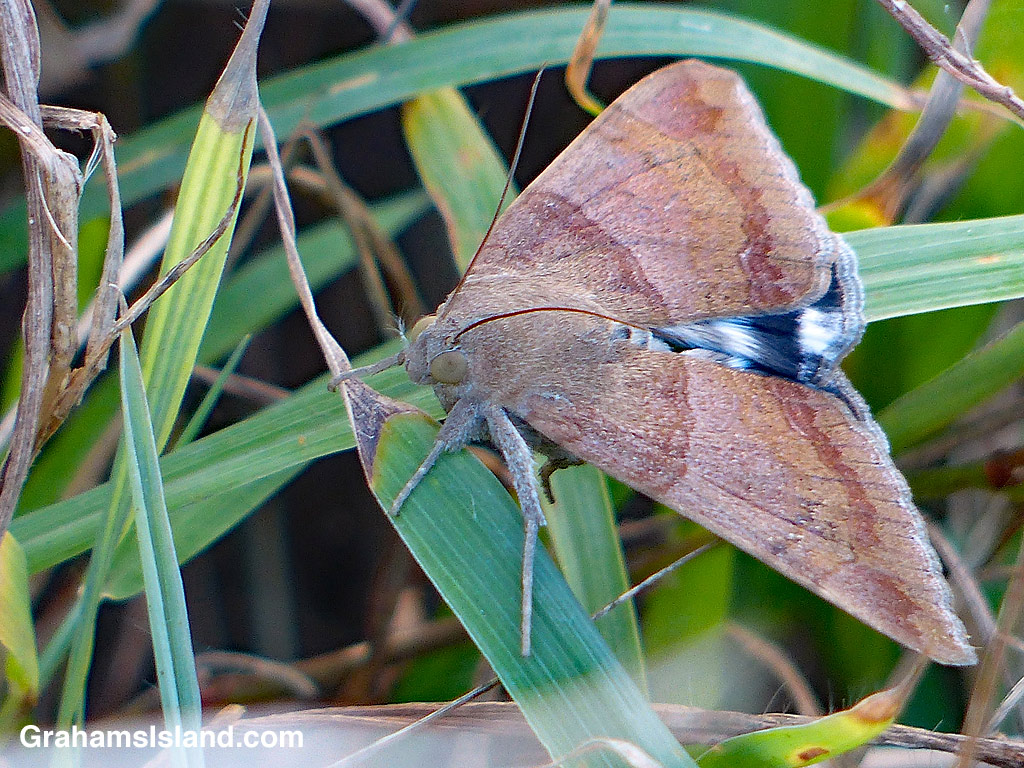

Also known as the castor-oil moth, castor-oil looper, and croton caterpillar, the achaea janata moth is most easily distinguished by the bold black and white markings on its hind wings.
The caterpillars feed on castor-oil plants and on crotons as well as the leaves of bananas, capsicum, and citrus. This moth was in an area with a fair number of castor-oil plants growing wild.


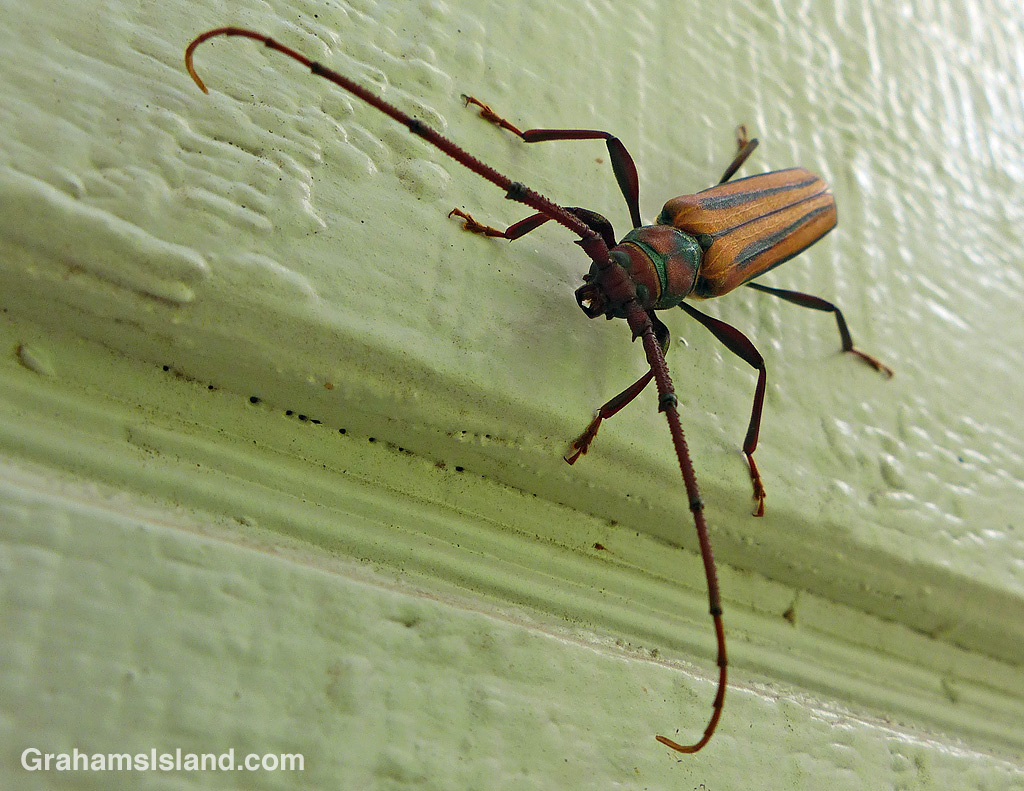
This week’s Sunday Stills challenge theme is ‘A Bug’s Life.’ (See more offerings here.) My last Sunday Stills post could have worked for this one, but instead I’m going with this fine-looking monkeypod borer beetle (Xystrocera globosa), also known as the raintree borer beetle among several alternative names. This longhorn beetle comes from southeast Asia where it is widely distributed.
As is often the case, it’s the larvae of this beetle that cause problems. They don’t tend to harm healthy trees but will bore into the sapwood of monkeypod trees that are distressed by drought or other reasons. While the damage caused is seldom enough to kill an entire tree, it can result in the loss of limbs.
This one hung out on a wall at work for a couple of days before it disappeared, possibly to a nearby monkeypod tree.


This week’s Sunday Stills challenge theme is ‘Signs of Autumn.’ (See more responses here.) So here two photos of a stink bug. I think this is probably a four-humped stink bug or rough stink bug (Brochymena quadripustulata), but it could be a brown marmorated stink bug (Halyomorpha halys).
What does this have to do with ‘Signs of Autumn?’ Well, stink bugs start gathering around and inside homes in the fall. As natives of Southeast Asia, they’re sensitive to the cold and spend winter in a hibernation-like state called torpor. So in the fall, they’re looking for a suitable safe spot and a warm house fits that bill. They also have a tendency to gather in large numbers, so one stink bug could quickly be joined by many others.
Stink bugs don’t bite and they’re not dangerous, but they can release an offensive smelling liquid if threatened, hence their name. Because of this, they’re not exactly welcome house guests.
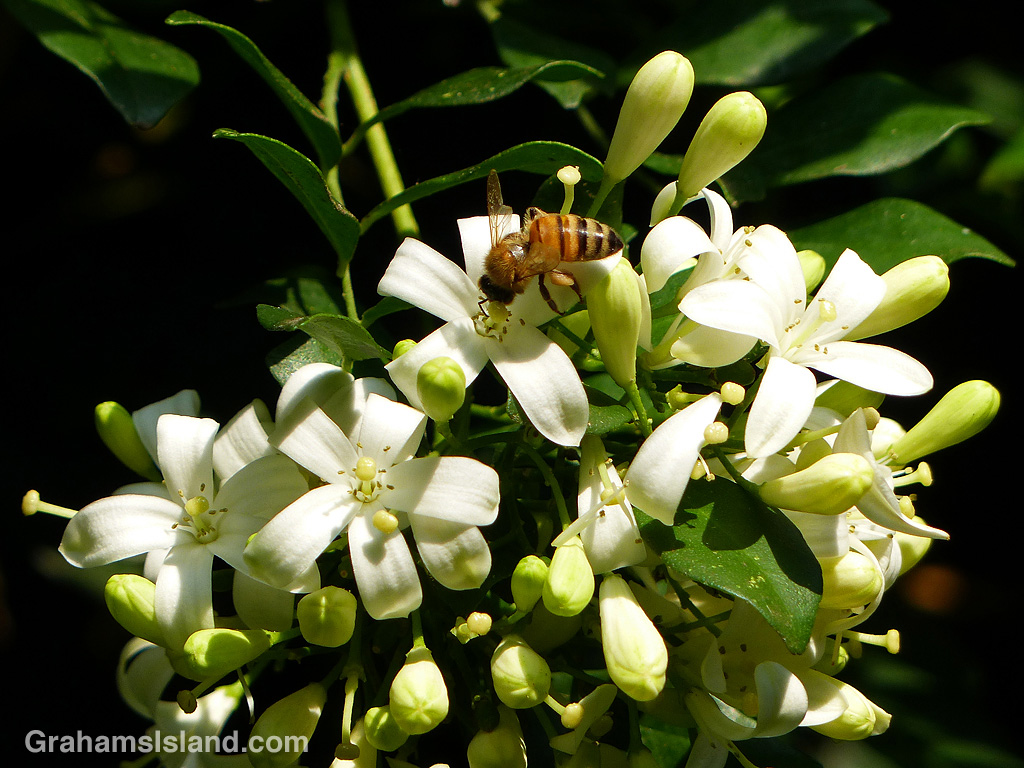
A bee forages on a mock orange. When the plant is in bloom, the aroma is thick in the air.
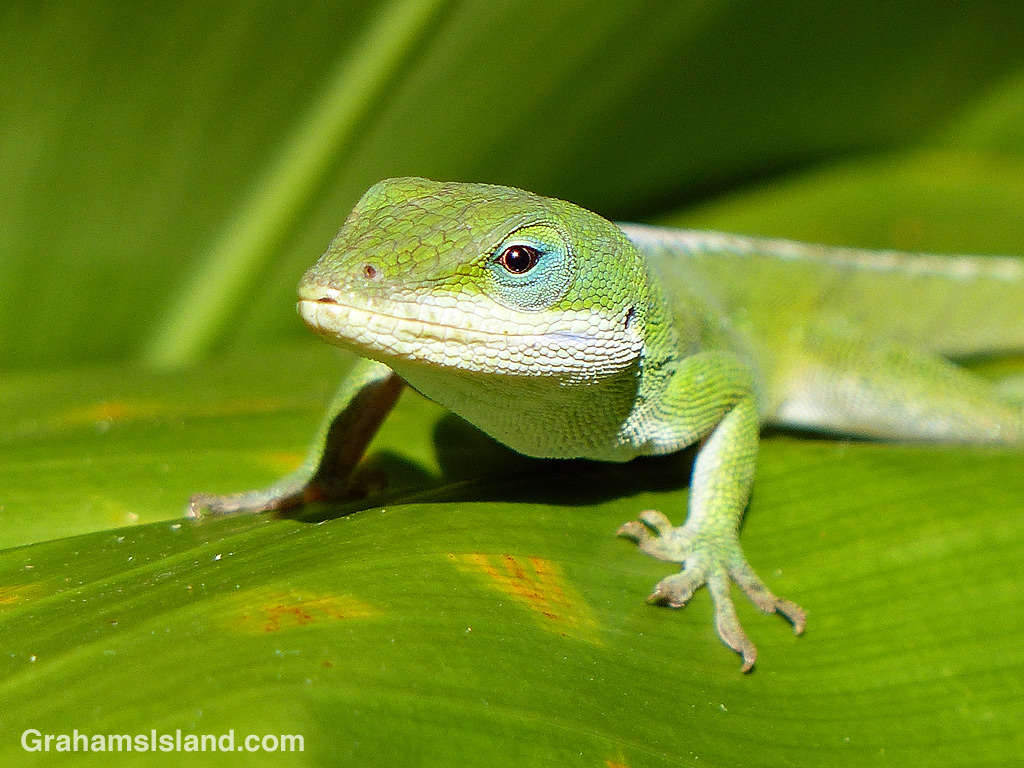
A green anole offers a stern expression as it keeps a wary eye on me.

The fireweed control moth (Secusio extensa) was deliberately introduced from Madagascar in 2012 because its larvae feed on fireweed. Unlike many other introductions, the moth was first confined to a study area to make sure it would not wreak havoc on native species. Having passed that test, it was released into the wild.
I’m not sure how much impact the moth is having on the fireweed, but I think it’s a pretty and quite striking moth.

I saw this pair of rusty millipedes mating on a dirt road. The male is on top and can be identified by a gap in his legs at his seventh body segment. The legs have been replaces by gonopods, the male’s sexual organ which he uses to transfer sperm to the female. The sperm comes from gonopores which are located in the third segment of the body, and it must be moved to the gonopods before mating.
 Graham's Island