
 Young goats on the 1871 Trail heading south from Pu’uhonua o Hōnaunau National Historical Park, looking youthfully perky and mischievous.

Young goats on the 1871 Trail heading south from Pu’uhonua o Hōnaunau National Historical Park, looking youthfully perky and mischievous.
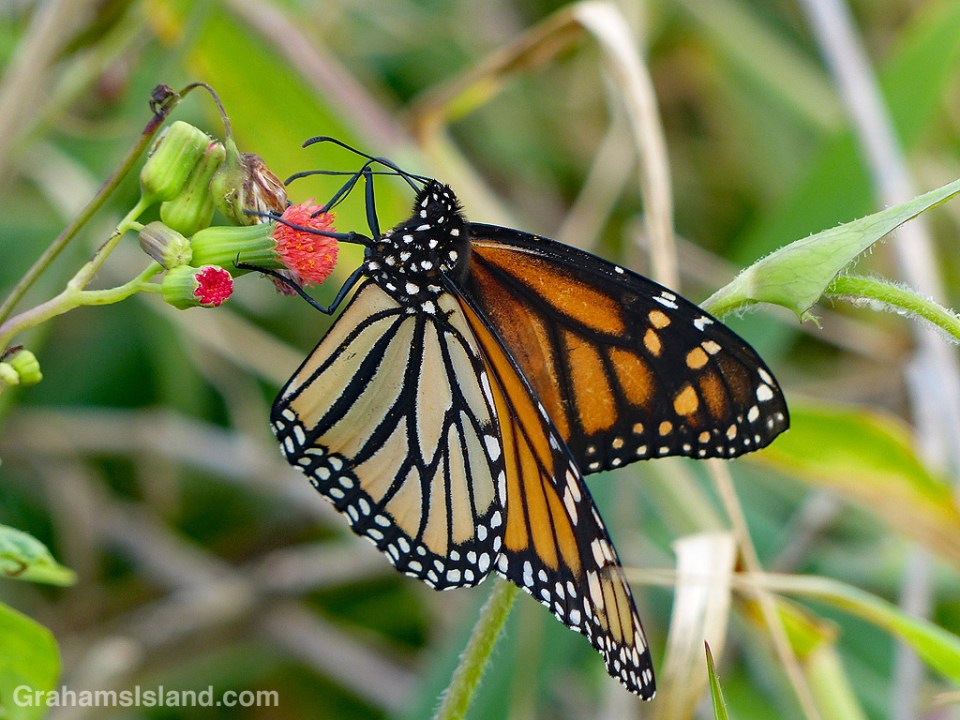
I like getting out and about and, when I do, I’m constantly on the lookout for everything from insects to whales. When I go for a walk, I usually say something along the lines of, ‘I’ll be back in an hour, unless I see a bug or a butterfly.’
This was one of those days. Turtles in the bay, a giant African land snail oozing across a dirt road, and this monarch butterfly doing the rounds of the tasselflowers. A good walk indeed.
Posted in response to this week’s WordPress Photo Challenge ‘Place in the world.’

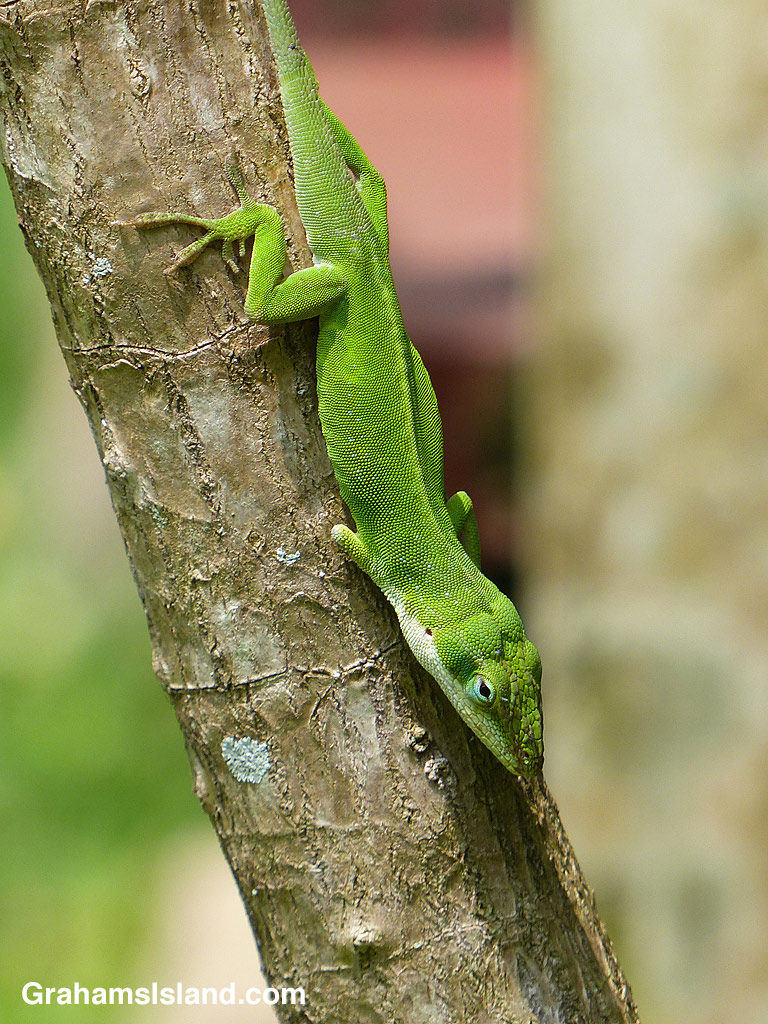 I love nature, but I’m reminded from time to time that it isn’t always warm and fuzzy. One such occasion was when I noticed that one of the resident green anoles was getting around on fewer than the standard issue number of limbs. Something nasty had happened to him, possibly in the form of a larger anole.
I’d always assumed that such a disadvantage would make it unlikely the creature would survive in its Darwinian environment, but it didn’t seem to bother this anole unduly. He defended his territory with vigor and while he had a slightly lopsided gait, it didn’t appear to affect his ability to get around or to hunt. I saw him more than once, leaping from one leaf to another and snagging some unfortunate bug that wasn’t paying attention.
So perhaps this was a different kind of positive aspect of nature — unless you’re a bug that is.
Posted in response to this week’s WordPress Photo Challenge ‘Unlikely.’

 Driving past Hawi Wind Farm, I unexpectedly ran into several clouds of gnats. I quickly rolled up the windows on my truck, not needing a cab full of gnats to influence my driving. Sometimes the clouds blended and made one big gathering, and I was reminded of murmurations of starlings, though perhaps not as dramatic.
It’s the first time I’ve seen anything like this since I’ve lived here. The clouds are made up of male gnats hoping to snag a mate. The large numbers give them visibility so that the females can spot them. Of course, that doesn’t explain how the males can spot the individual females when they show up. Hmmm.
Posted in response to this week’s WordPress Photo Challenge ‘Unlikely.’

Mauna Kea is well known for its telescopes. At 14,000 feet, with clear skies most nights of the year, it’s a perfect spot for astronomical observations. But it’s not the only space-related site on the island.
South Point Road is a narrow, 12-mile long highway that cuts through pasture land on the way to the southernmost point in the U.S.A.. It seems a most unlikely spot to run across these two dishes, in a field, just east of the road.
A little research revealed that the facility is operated by the Swedish Space Corporation’s Universal Space Network. It’s a remote operated station for space tracking and communications. I’ve never seen anyone there, but I like to think that the many cattle around, perhaps inspired by Gary Larson, plan on using the facility when they finally lift off for the moooooon.
Posted in response to this week’s WordPress Photo Challenge ‘Unlikely.’

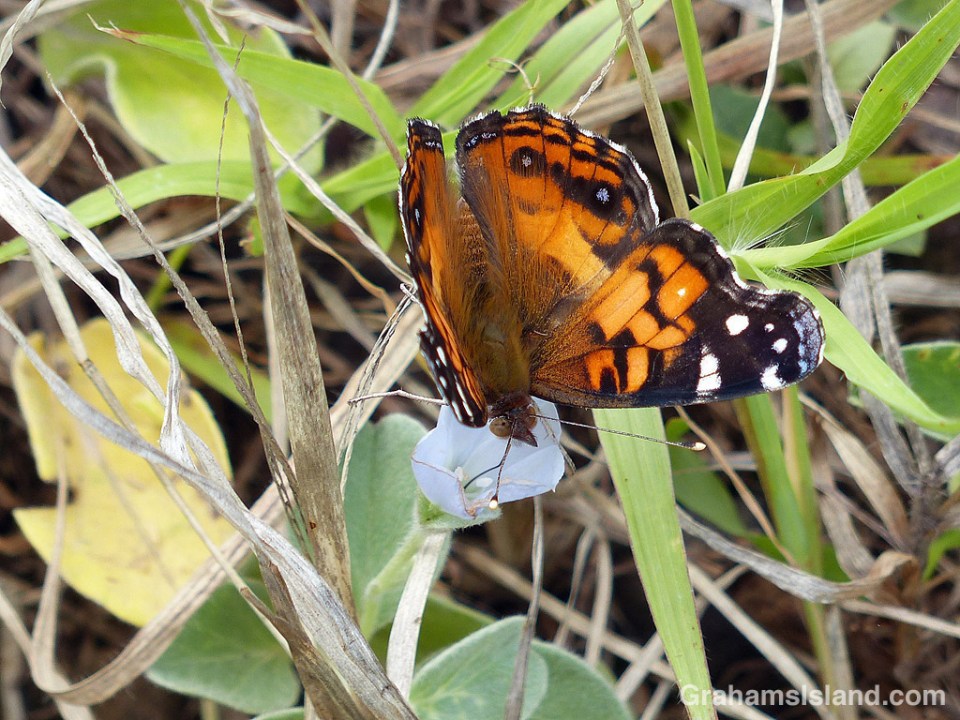
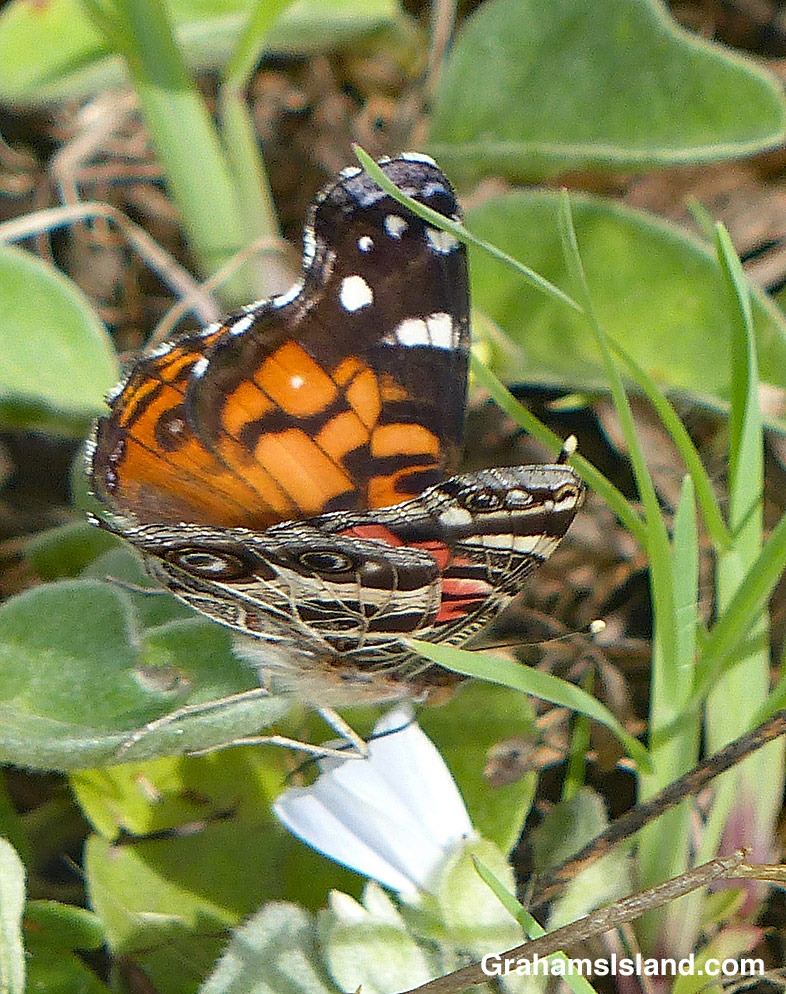 A while back, I posted photos of a painted lady butterfly (Vanessa cardui) here. The American painted lady butterfly (Vanessa virginiensis) is similar, but with some noticeable differences.
On the upper-side, the American painted lady markings are more pronounced on both the forewings and hindwings. On the underside, the same is true, with the American painted lady’s color standing out more. In addition, the hindwings have two large circles as opposed to the four smaller circles of the painted lady.
The American painted lady is also known as simply American lady or painted beauty. Alternative names for the painted lady butterfly are cosmopolite or cosmopolitan.

A couple of feral cats, of which there are many on the island. These cats are prolific breeders and while there are some spay and neuter programs here, the number of feral animals doesn’t seem to go down.
Posted in response to this week’s WordPress Photo Challenge ‘Prolific.’
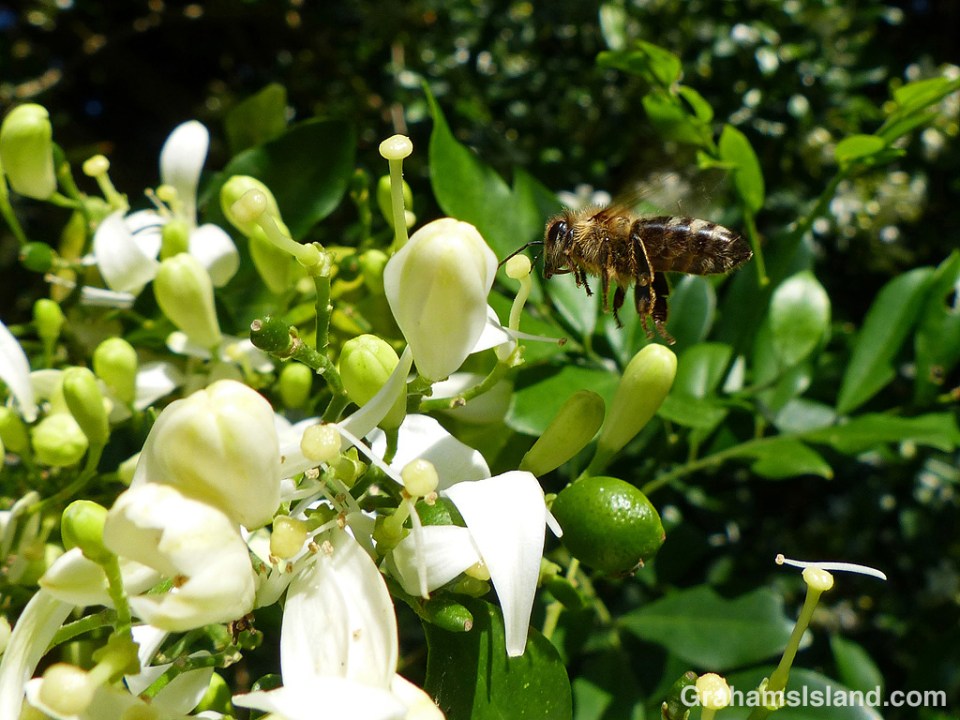
 Three or four times a year, the mock orange in the yard comes into bloom with a prolific show of small, white flowers and wonderful fragrance. During these times it’s a bee magnet and the whole tree buzzes from morning to night.
Posted in response to this week’s WordPress Photo Challenge ‘Prolific.’
 Graham's Island