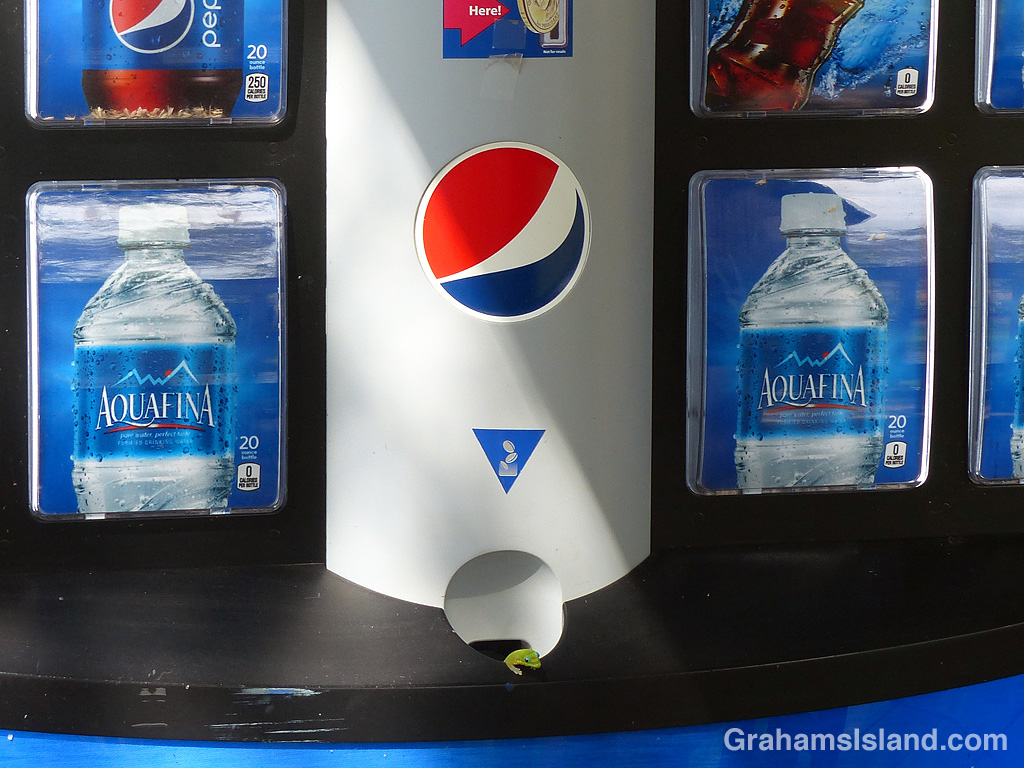
The idea of The Numbers Game is to enter a number into the search bar of your computer and then post a selection of the photos that turn up. This week’s number is 182. Captions are on the photos. You can see more responses here.
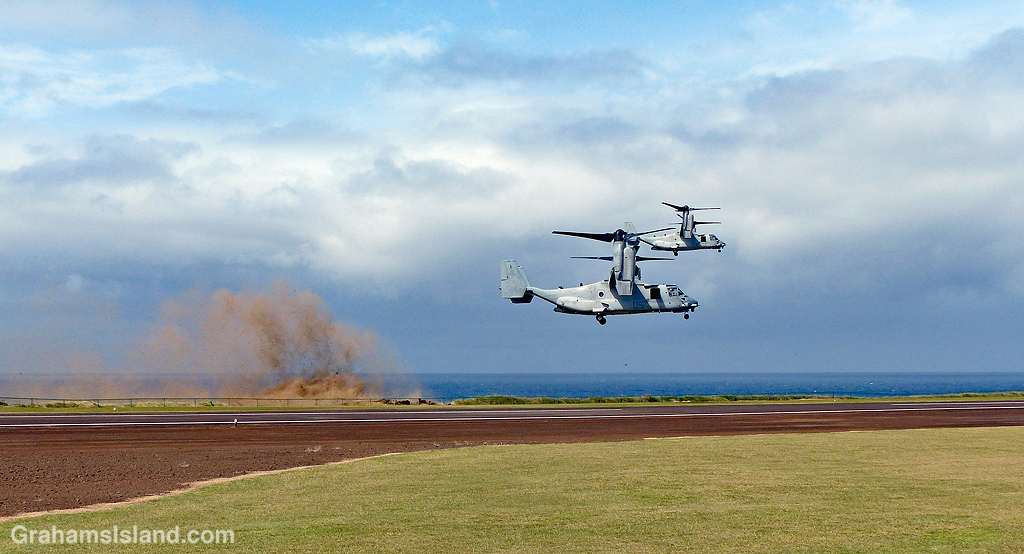
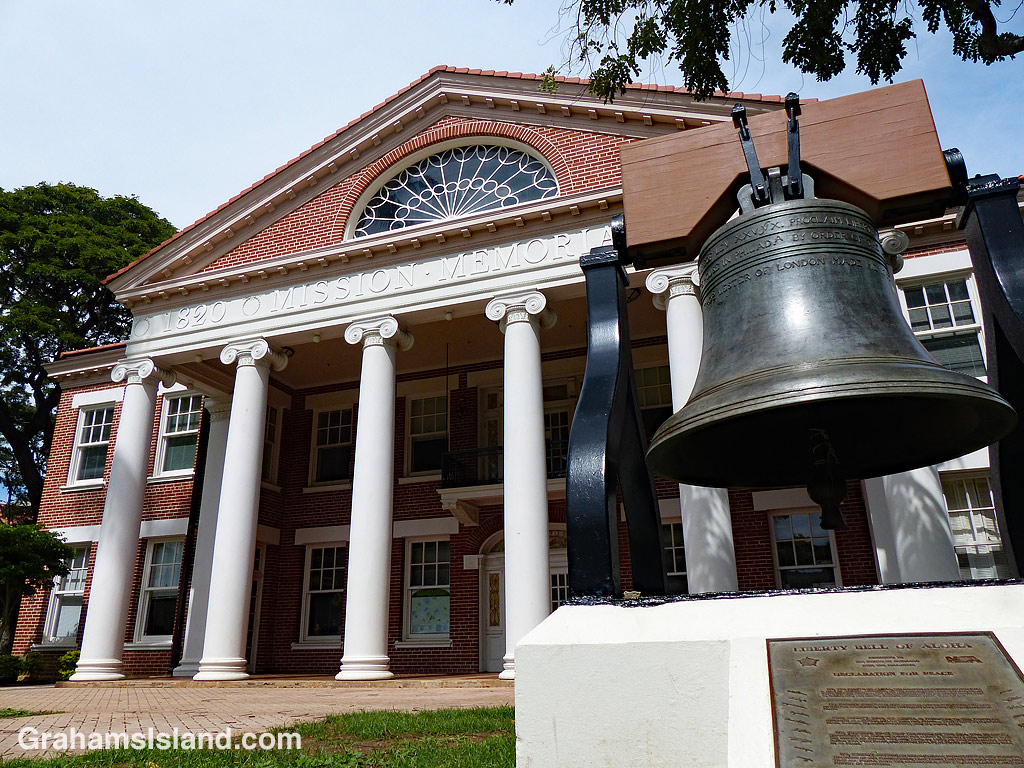
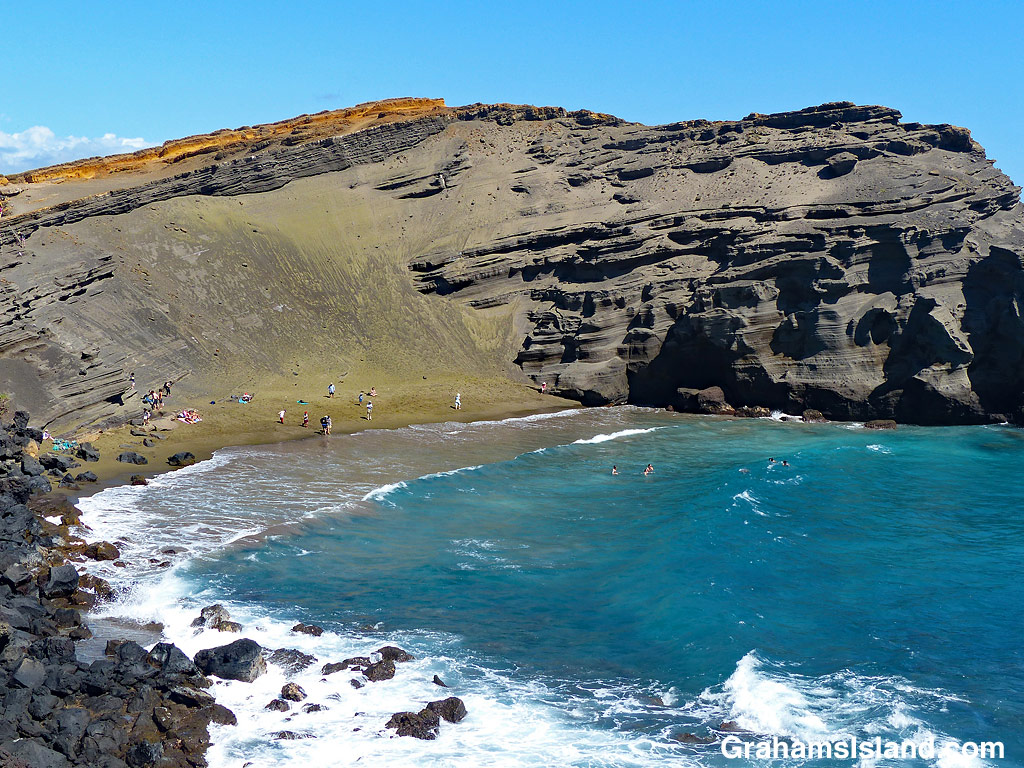
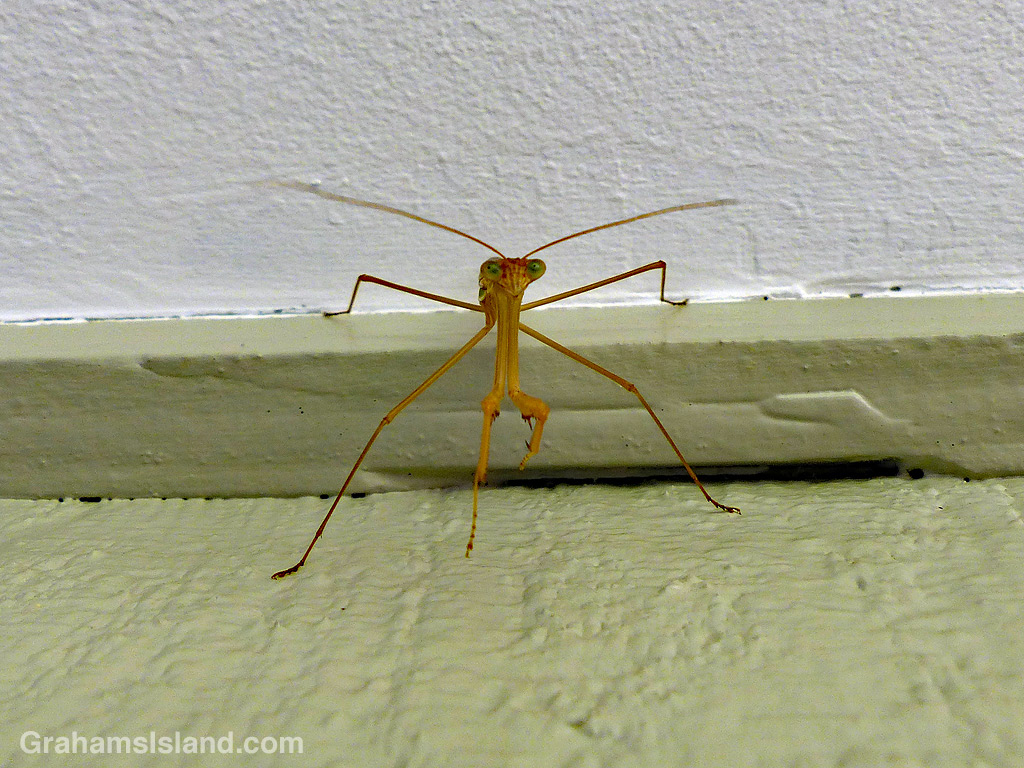
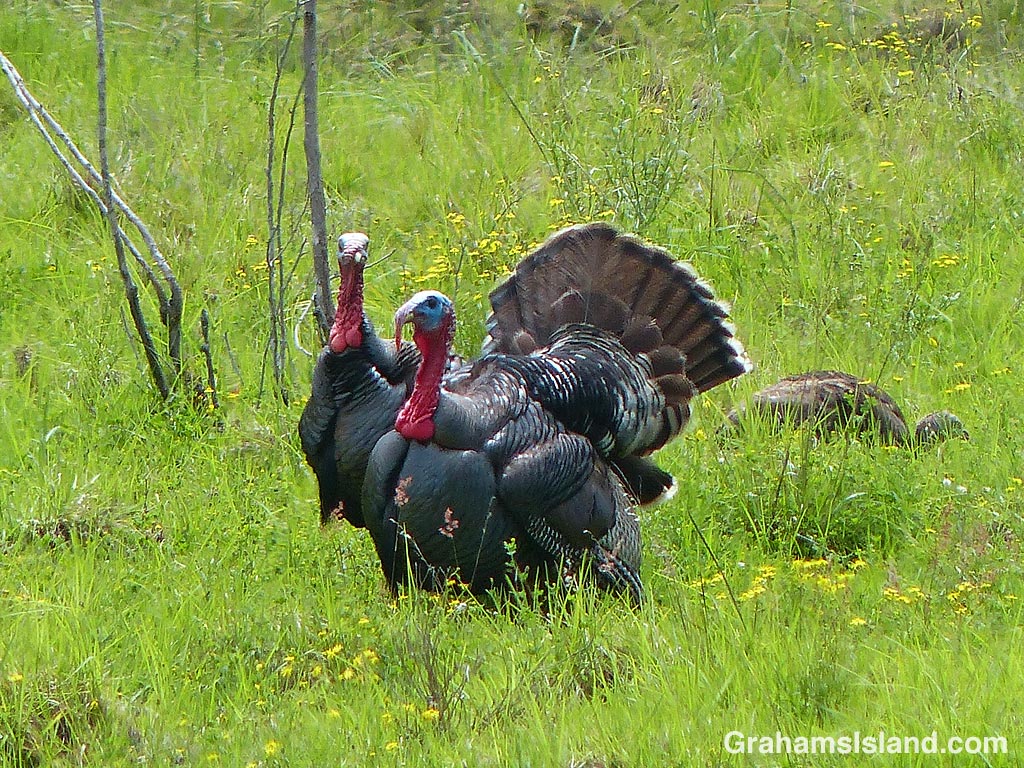
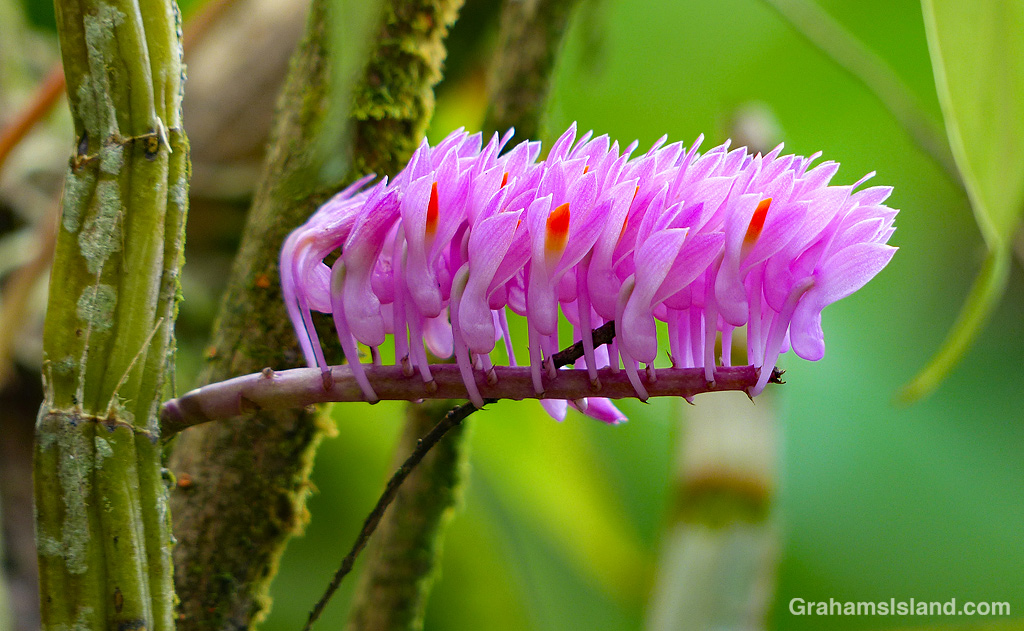

The idea of The Numbers Game is to enter a number into the search bar of your computer and then post a selection of the photos that turn up. This week’s number is 182. Captions are on the photos. You can see more responses here.
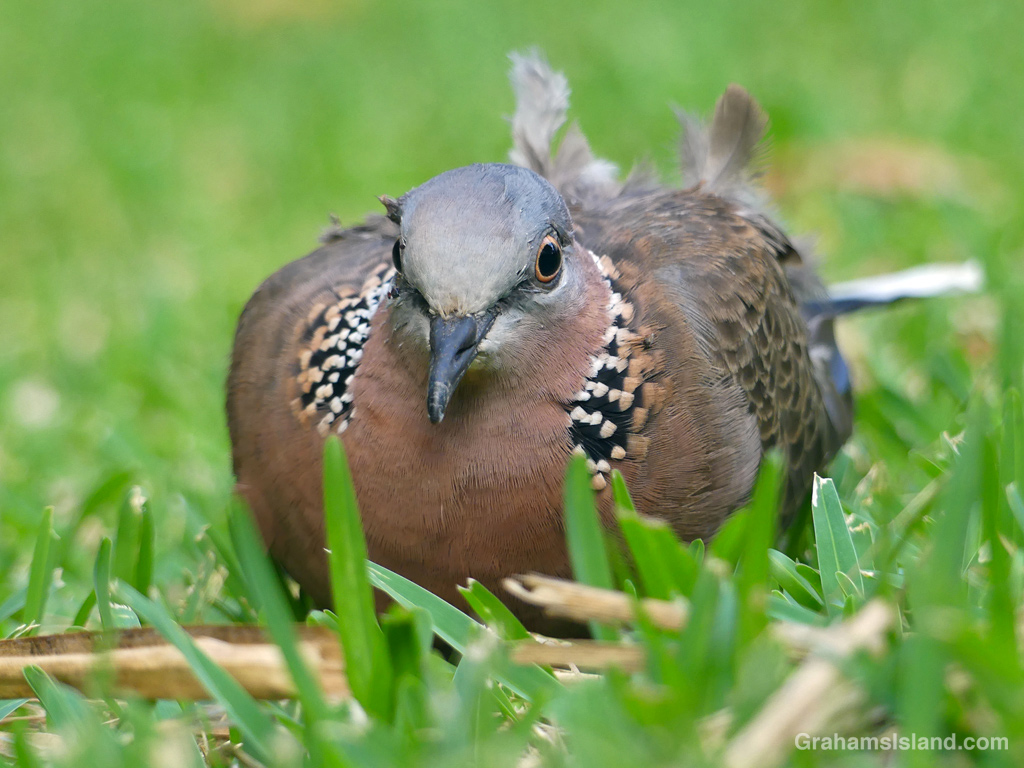
I nearly ran over this Spotted Dove when I parked my car. I noticed it after I got out and saw the bird looked a bit off, with disheveled tail feathers. I was a bit worried as there were two cats in the yard, but I suspect that one of them was responsible for its present state.
It was not inclined to move as I took photos, but I did see it fly off later, though with a less grace than normal.
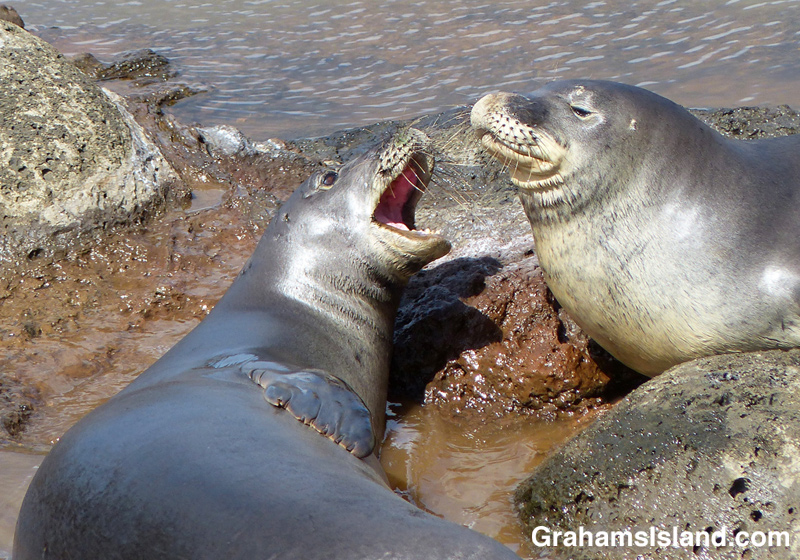
The idea of The Numbers Game is to enter a number into the search bar of your computer and then post a selection of the photos that turn up. This week’s number is 181. Captions are on the photos. You can see more responses here.
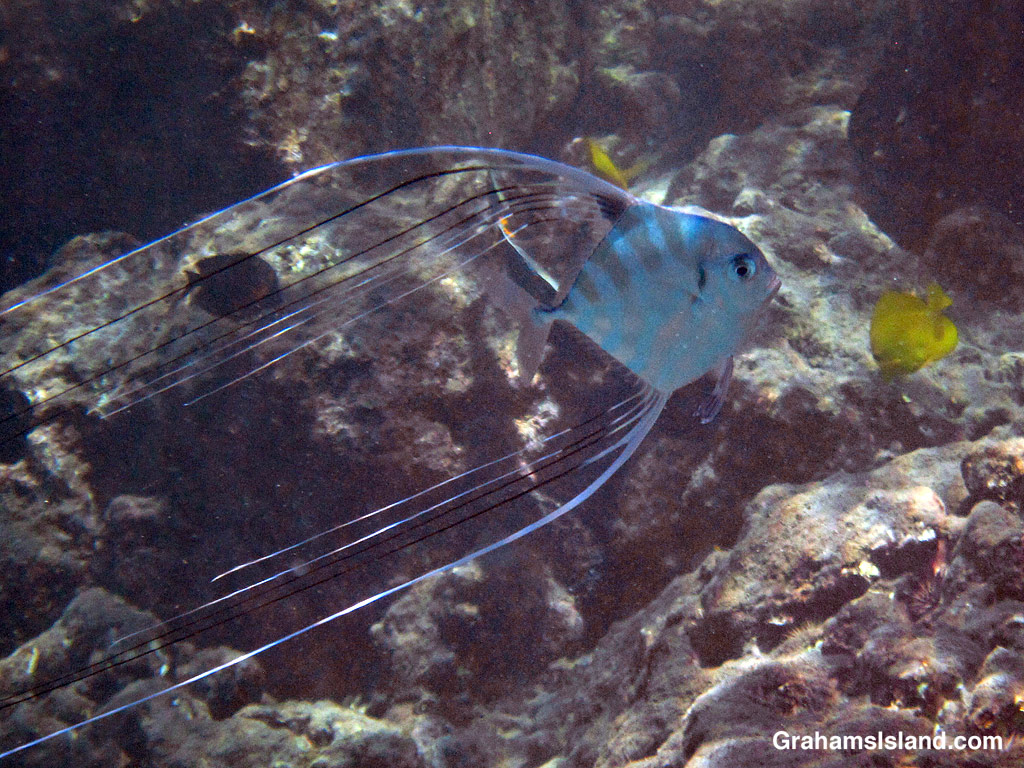
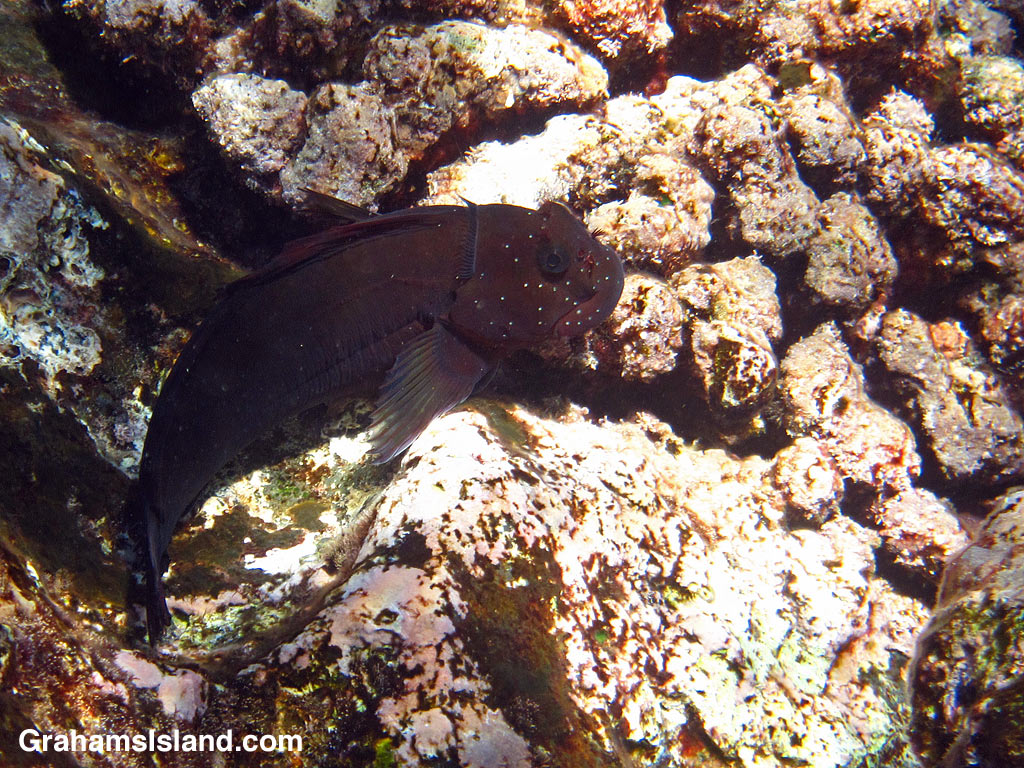
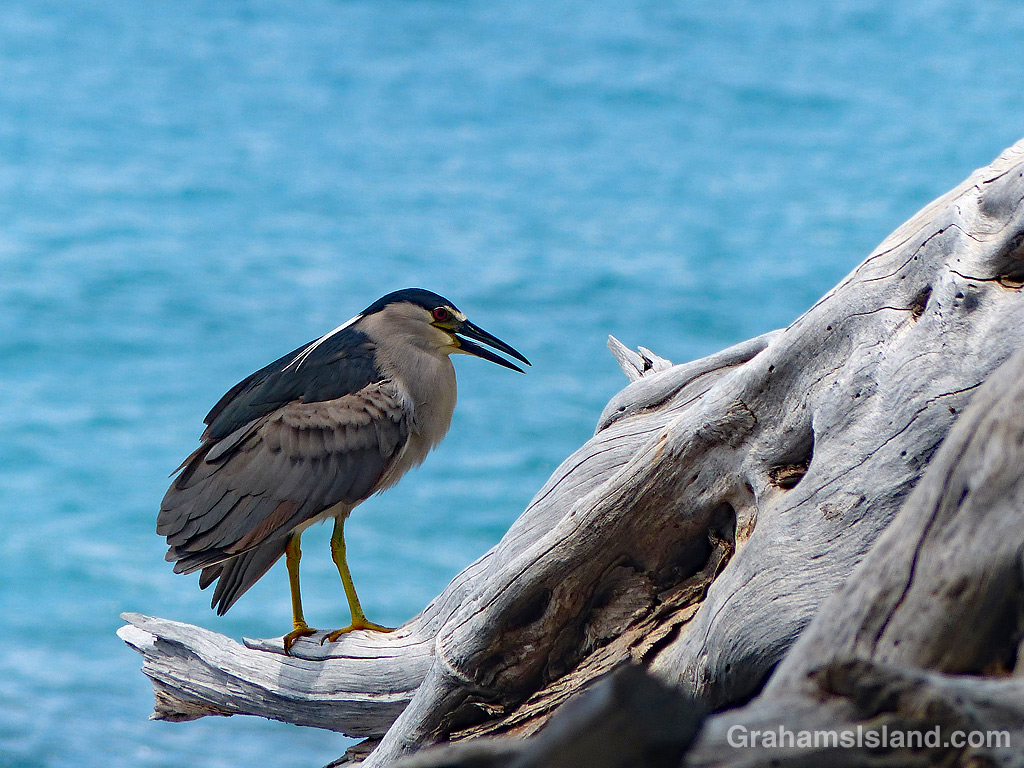
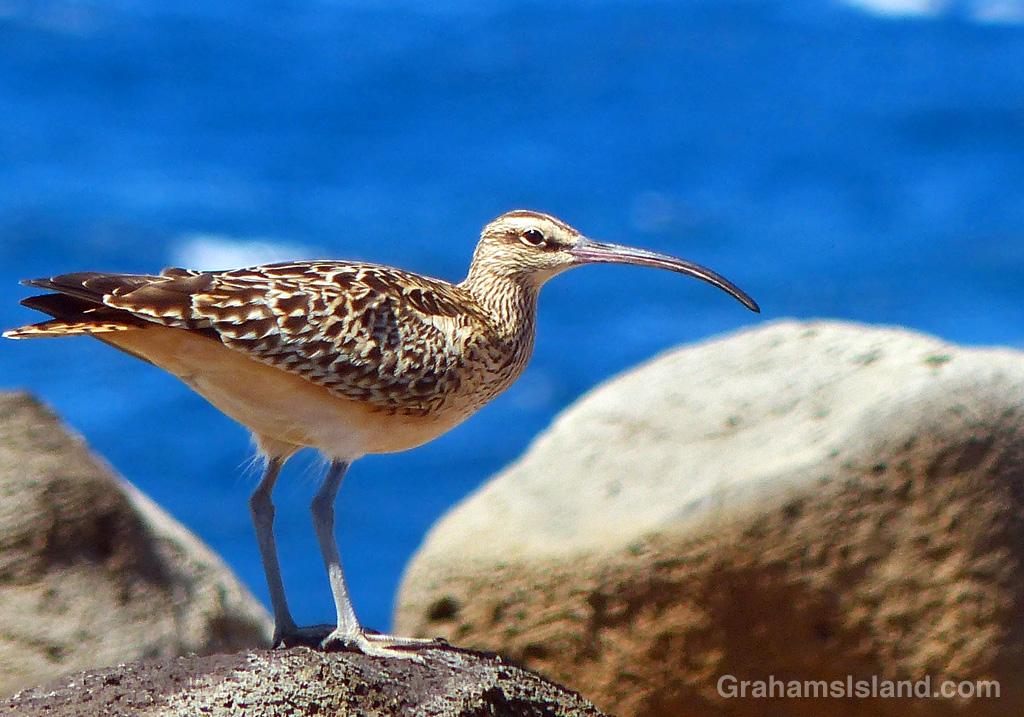
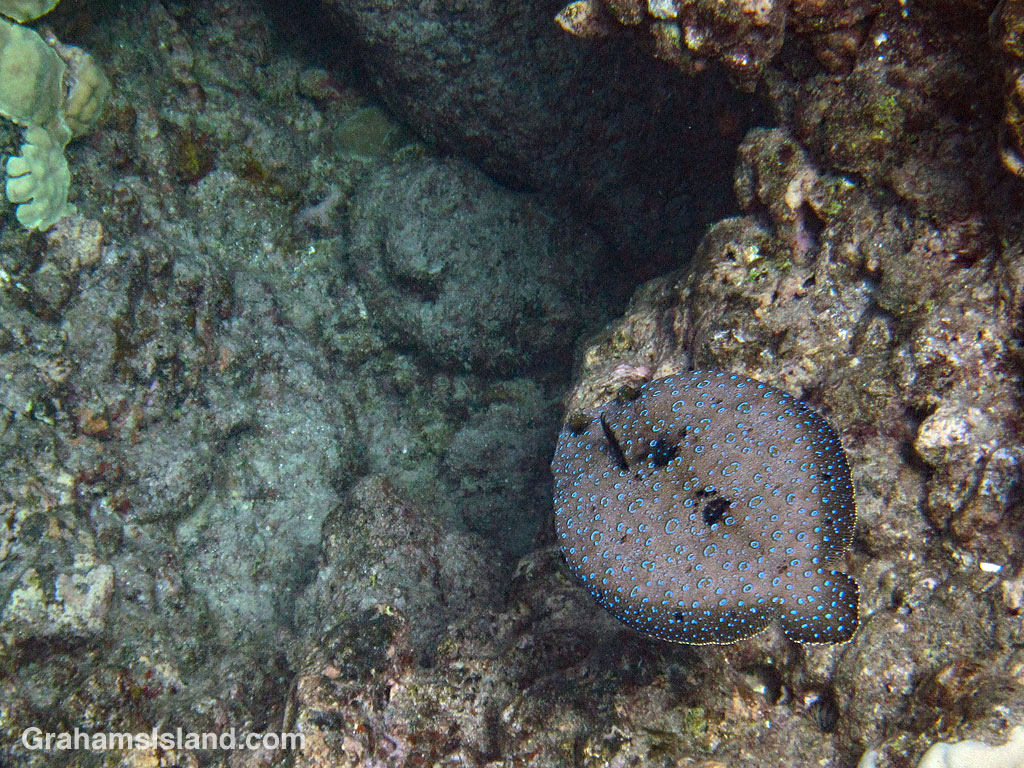

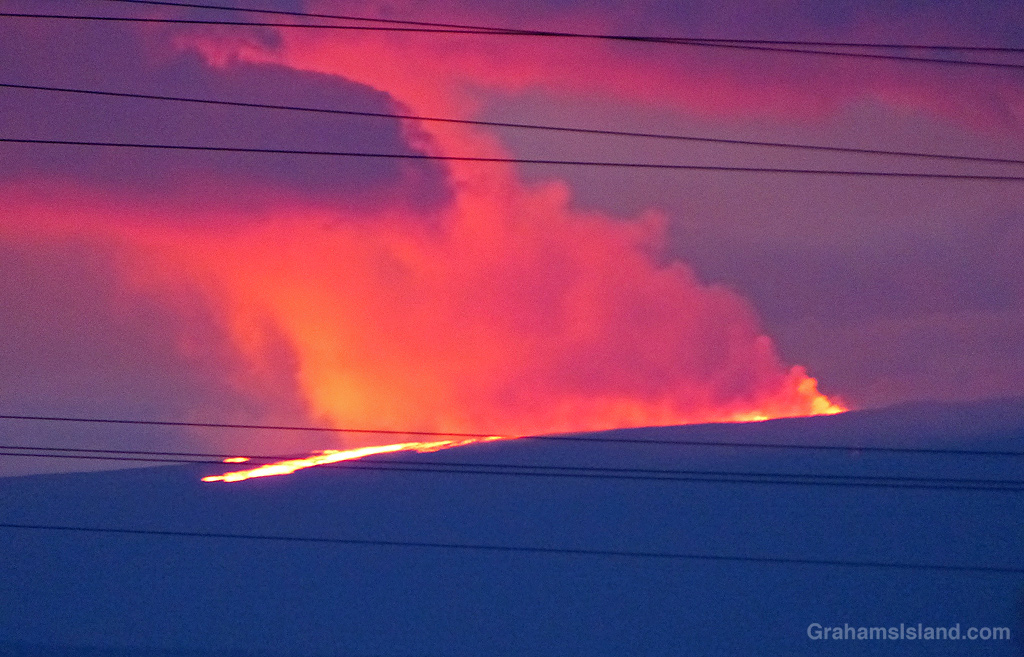
This week’s Sunday Stills color challenge theme is ‘Rosy Red.’ See more responses here. Captions are on the photos.
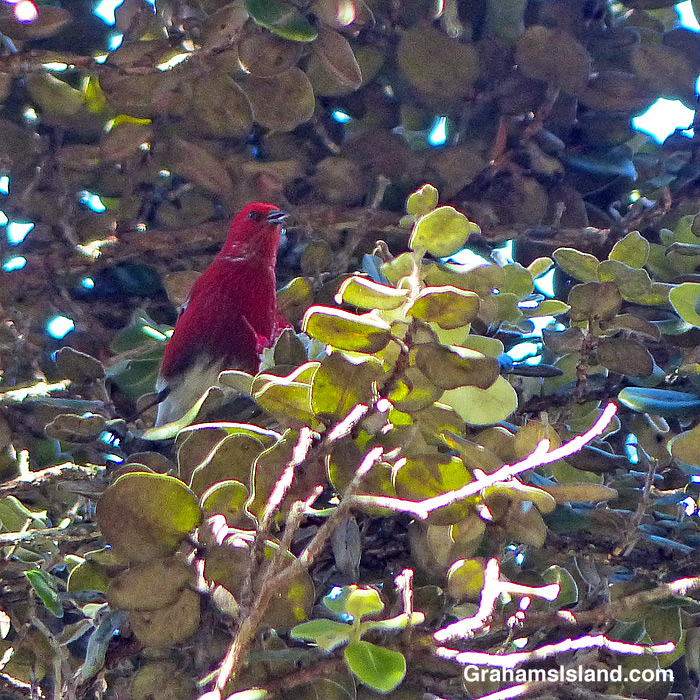
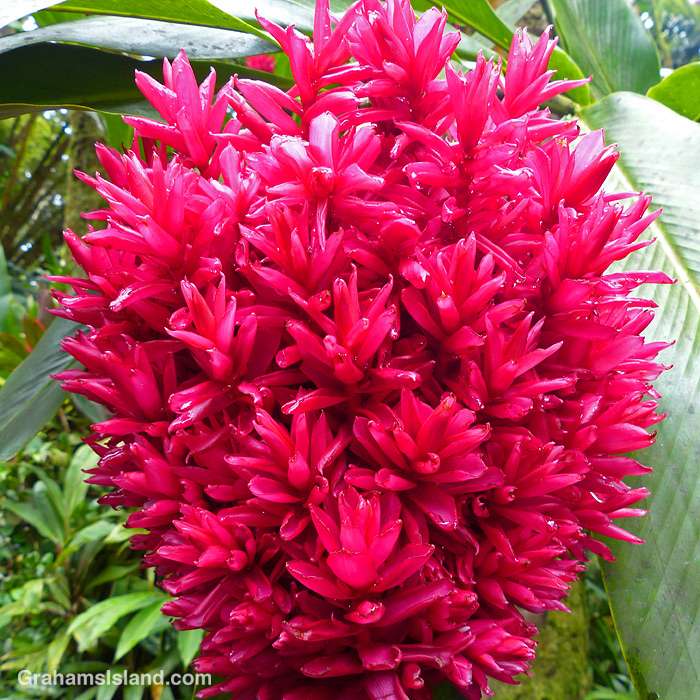
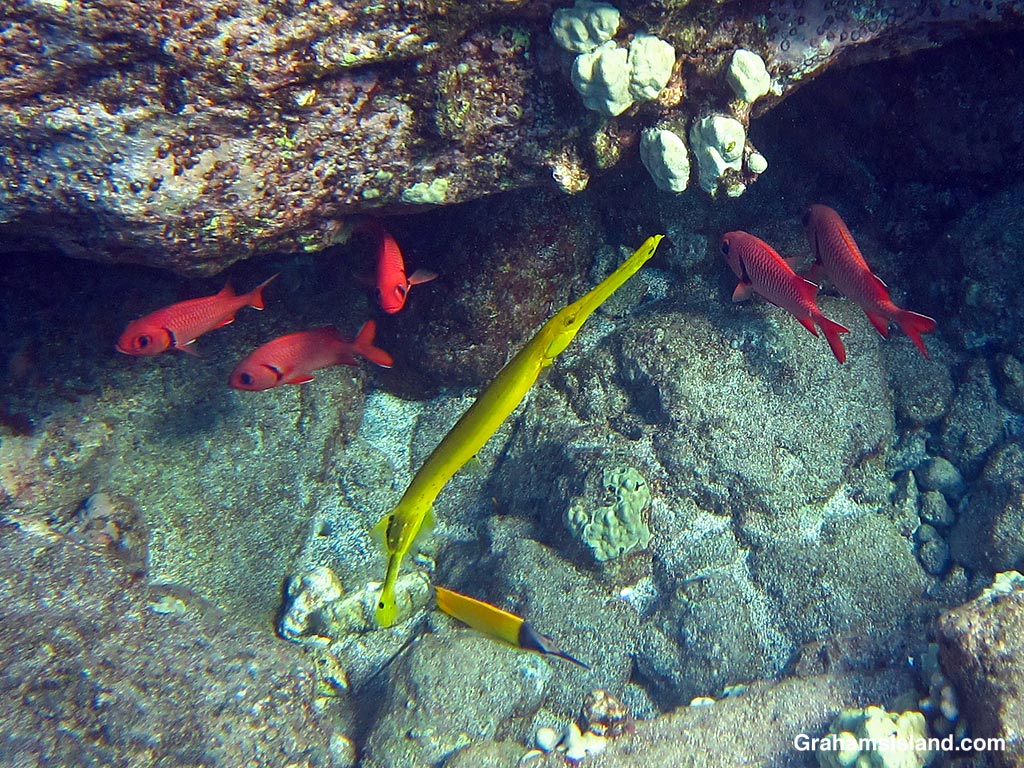
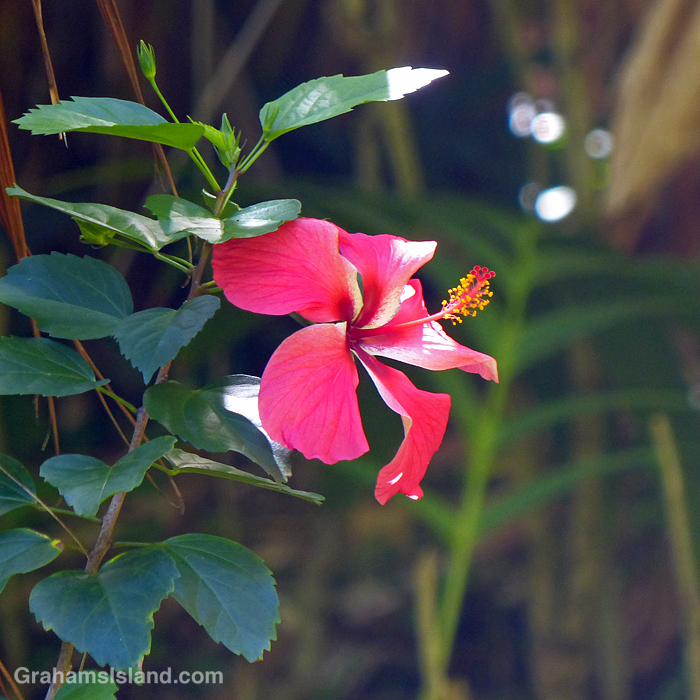
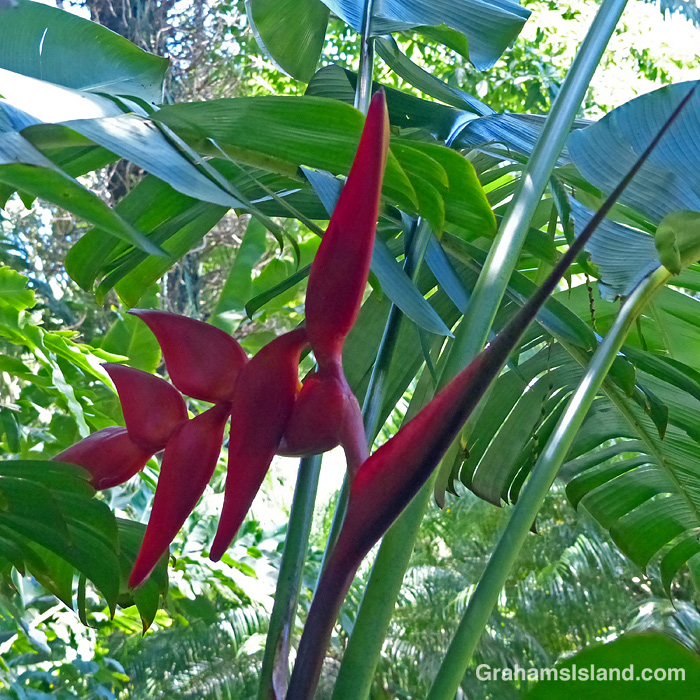


The idea of The Numbers Game is to enter a number into the search bar of your computer and then post a selection of the photos that turn up. This week’s number is 180. Captions are on the photos. You can see more responses here.
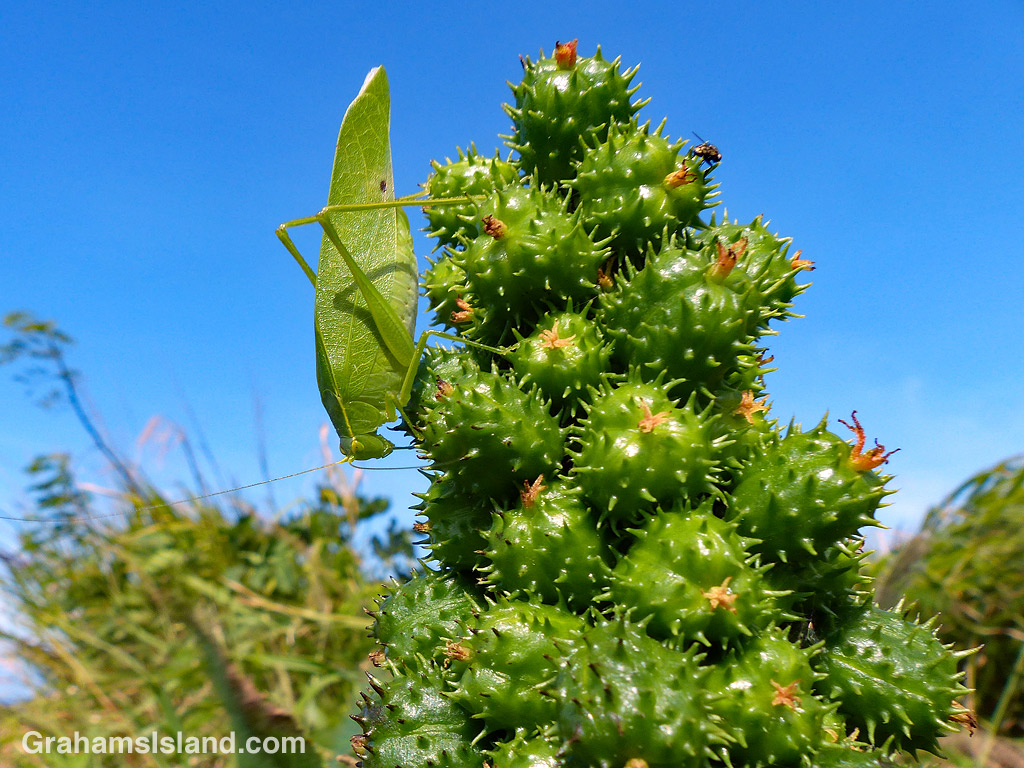

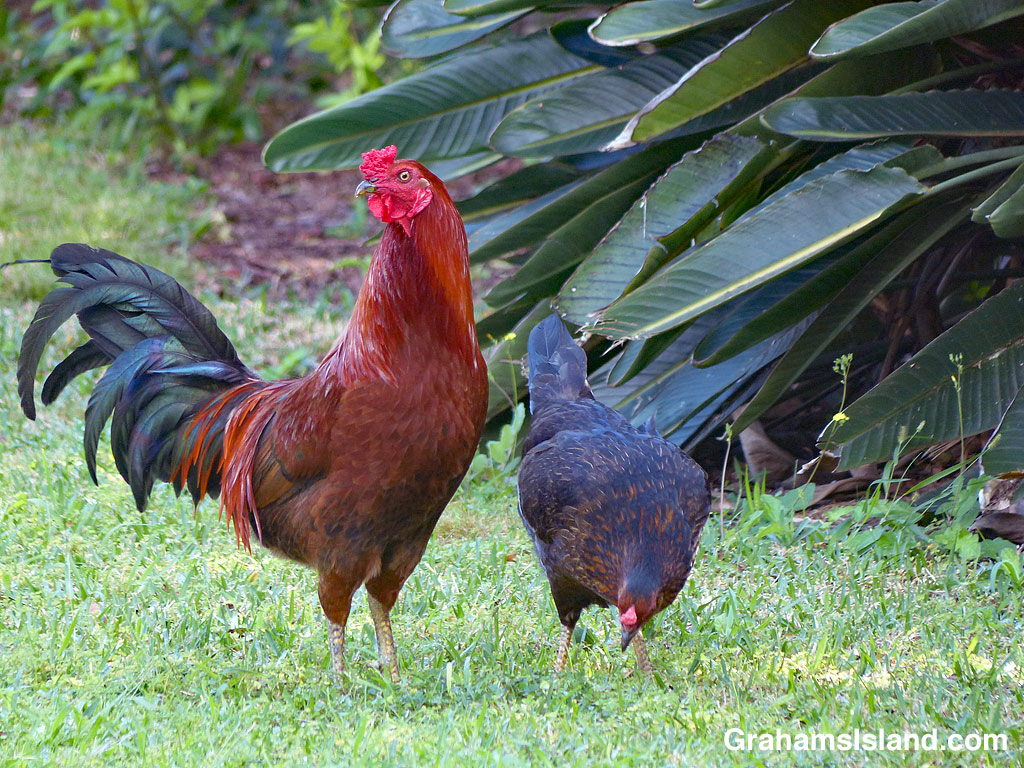


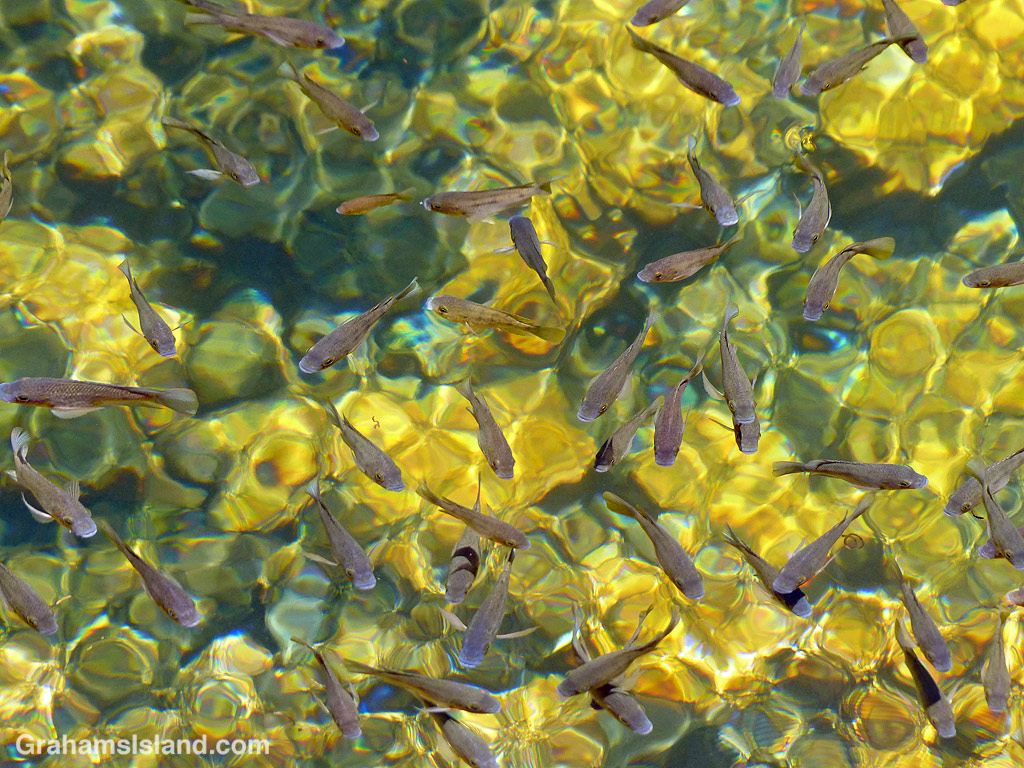
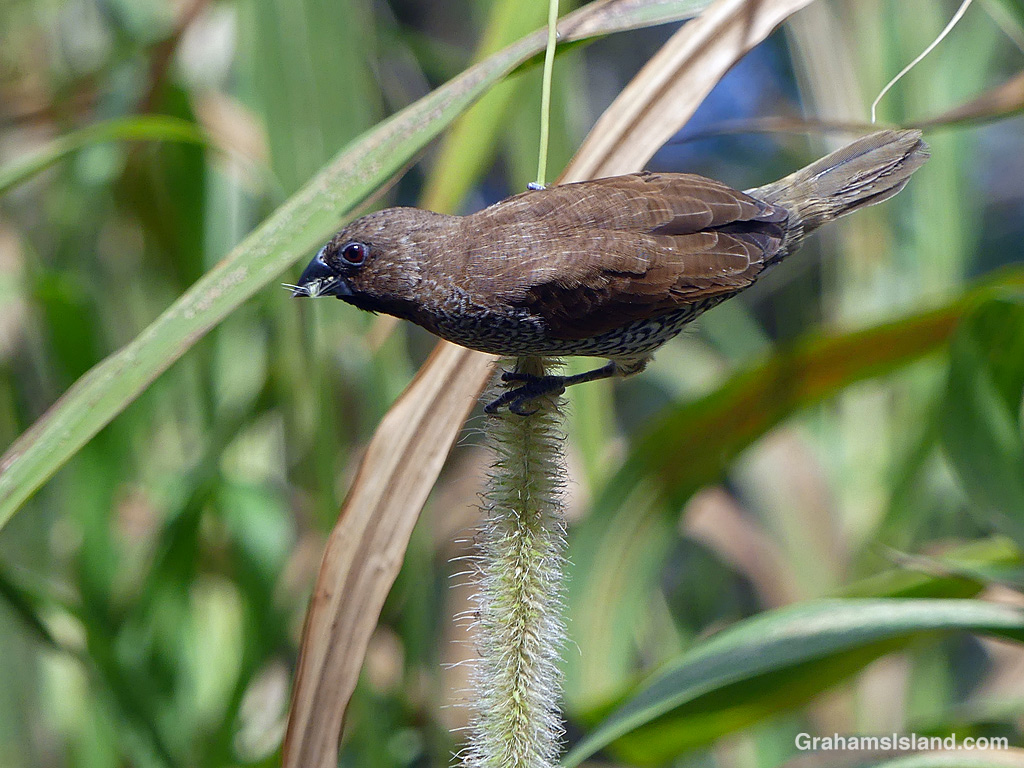
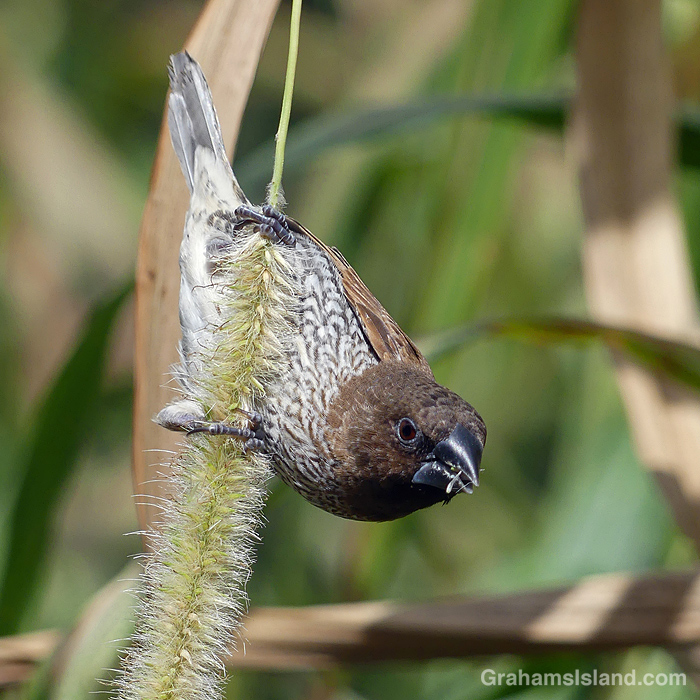
The current Sunday Stills challenge theme is ‘Feeding and Watching the Birds.’ See more responses here.
I rarely see Nutmeg Mannikins around the house, but when the Cane Grass goes to seed, they show up in force.
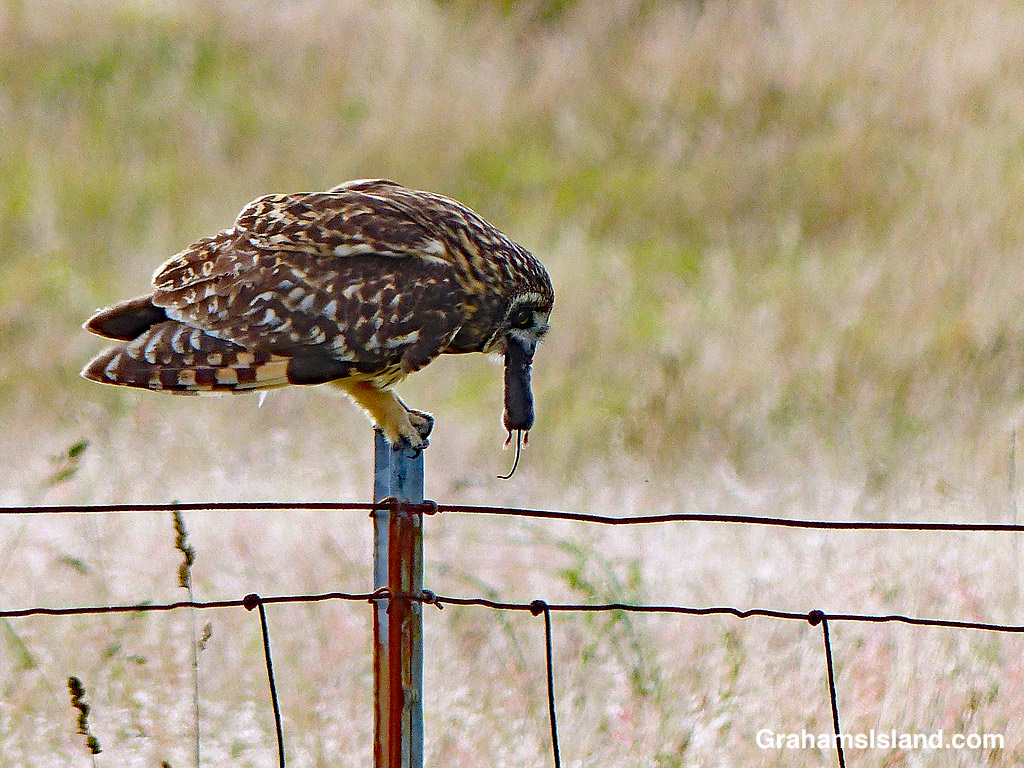
The Pueo below made short work of this unfortunate mouse. no chewing involved!
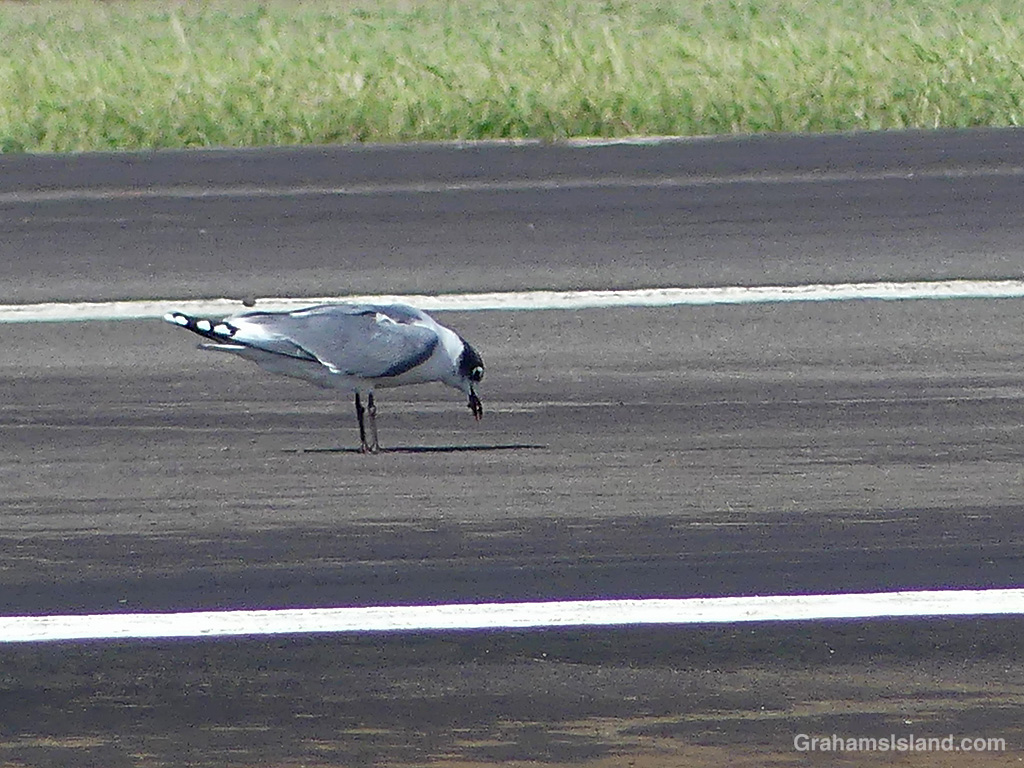
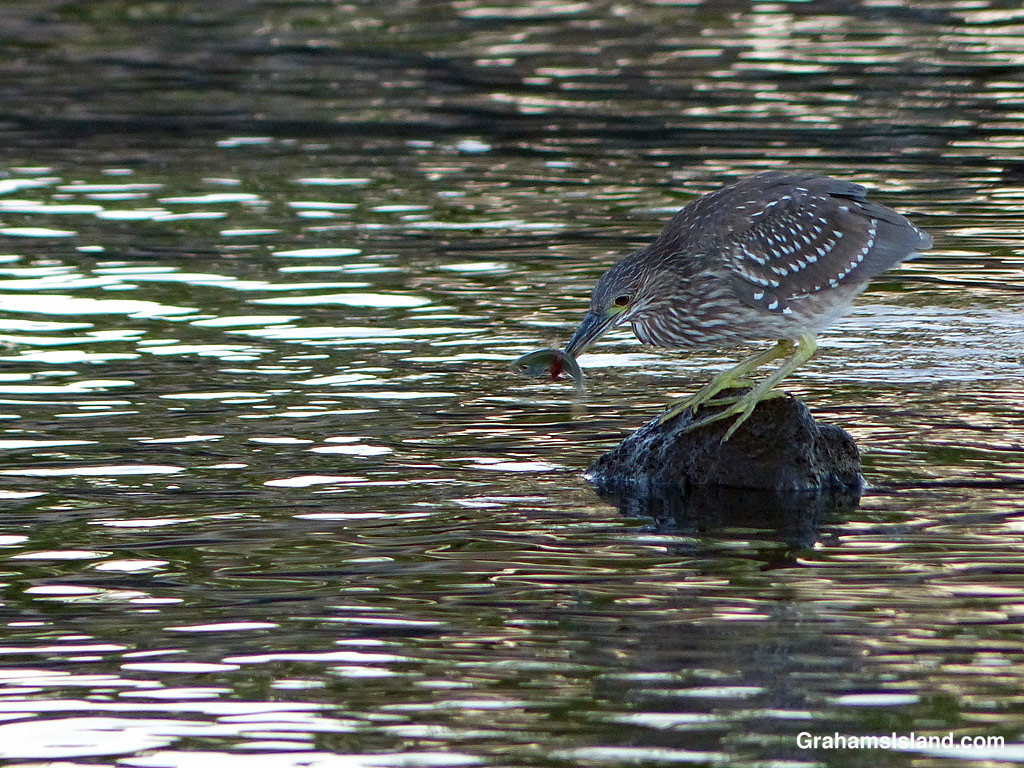
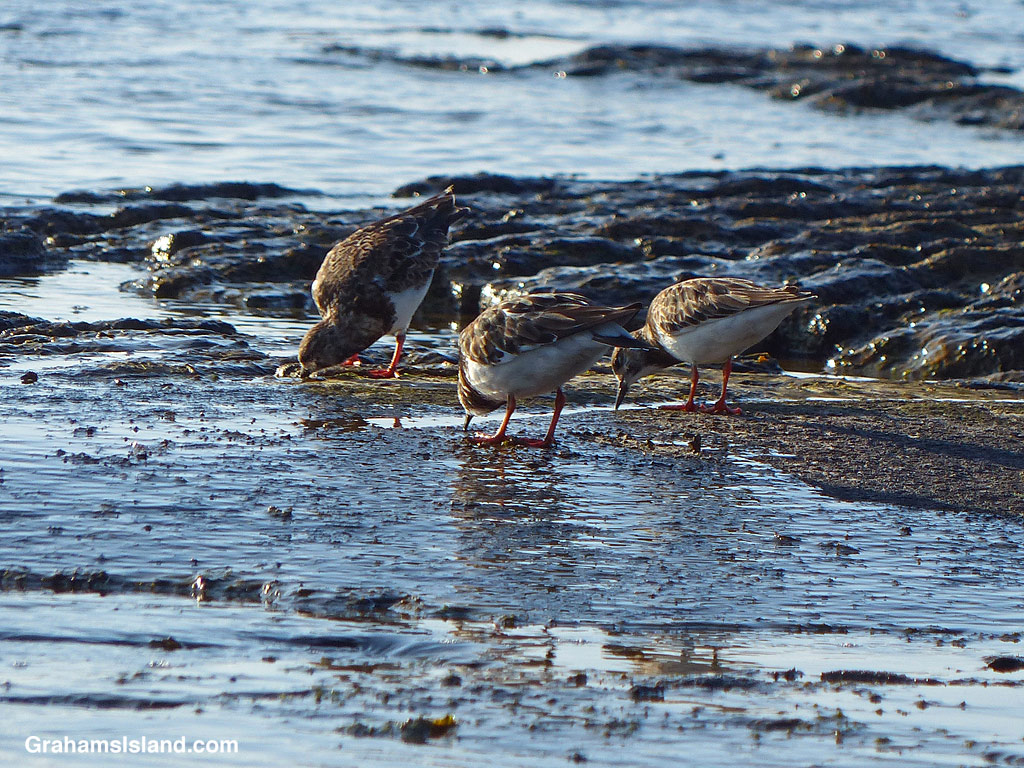
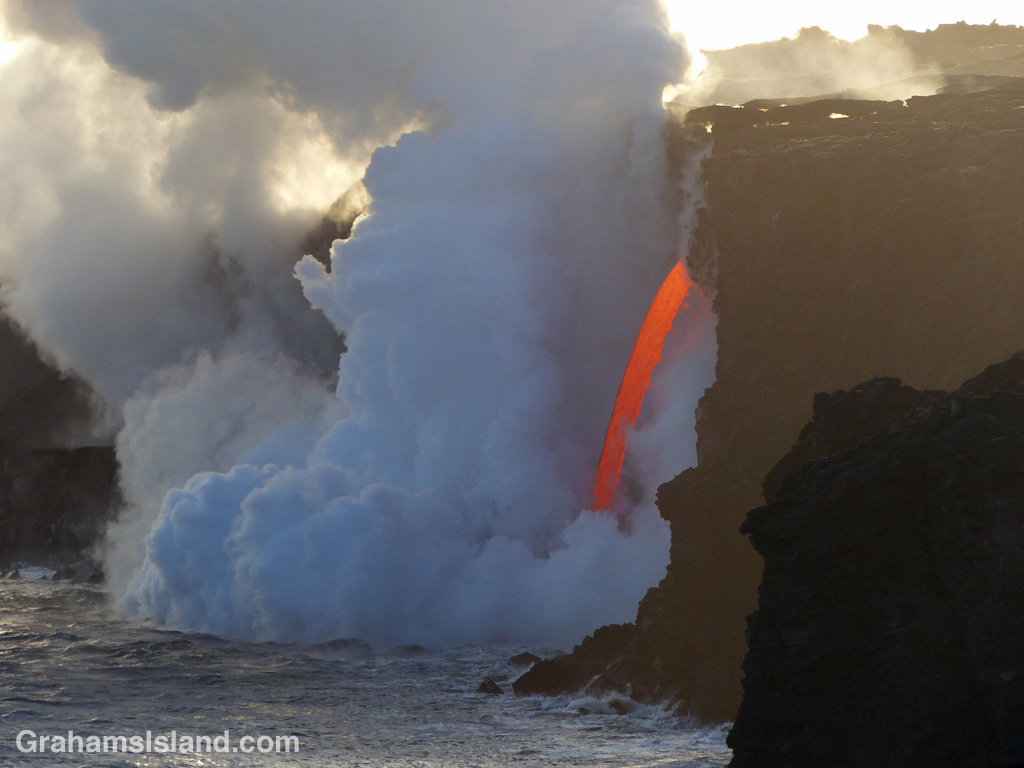
The idea of The Numbers Game is to enter a number into the search bar of your computer and then post a selection of the photos that turn up. This week’s number is 179. Captions are on the photos. You can see more responses here.
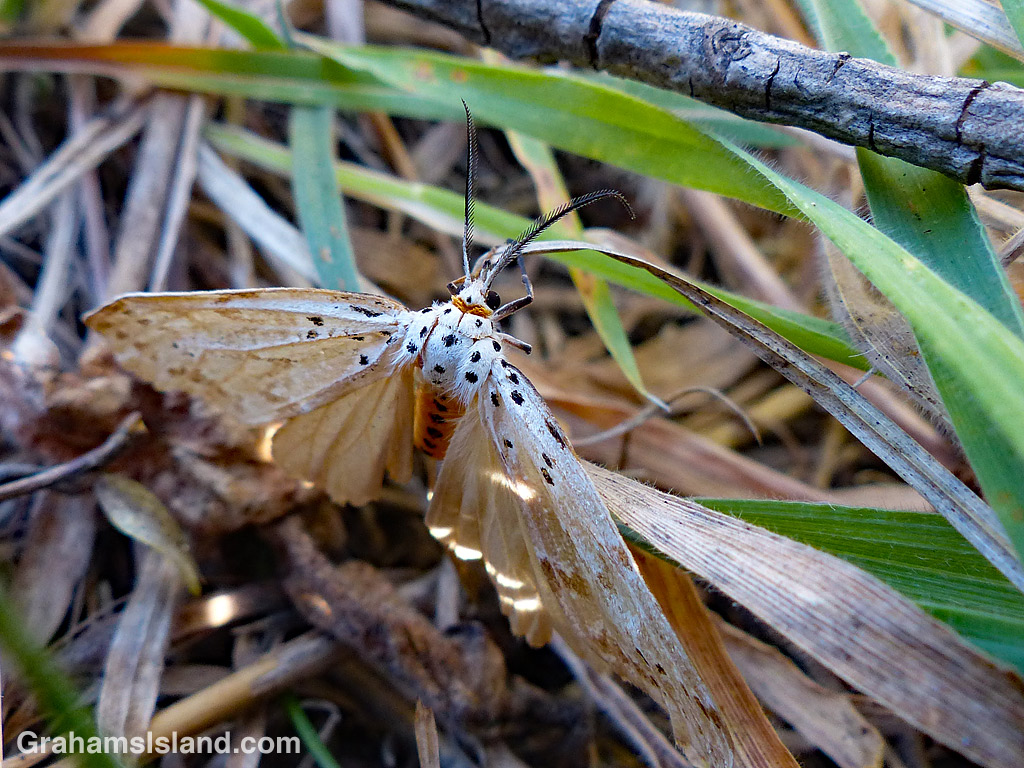
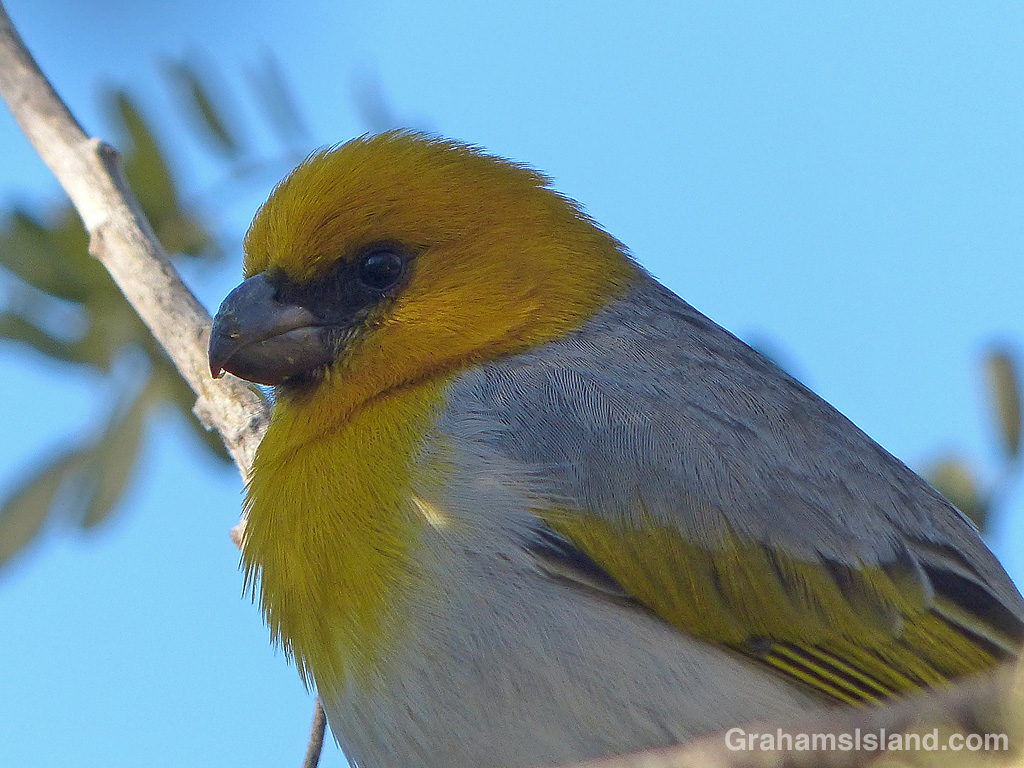

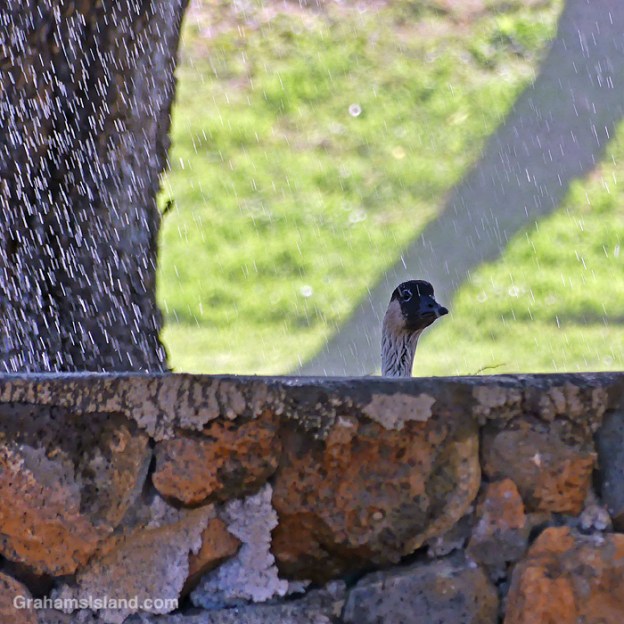
I saw this Nene peeking over a wall at Spencer Beach Park, while getting a shower from one of the park’s sprinklers.
Posted for Becky’s Squares: Geometric. See more responses here.

