A Giant African Land Snail moves forward with purpose, if not speed.
The idea of The Numbers Game is to enter a number into the search bar of your computer and then post a selection of the photos that turn up. This week’s number is 144. Captions are on the photos. You can see more responses here.
Also posted for Becky’s Squares: Move Forward, Reconstruct, Renew, and/or are Burgeoning. See more responses here.
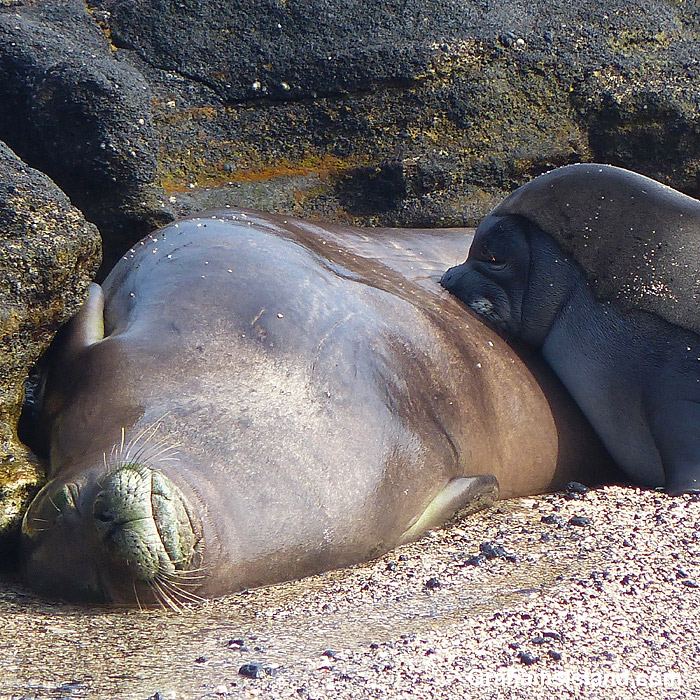
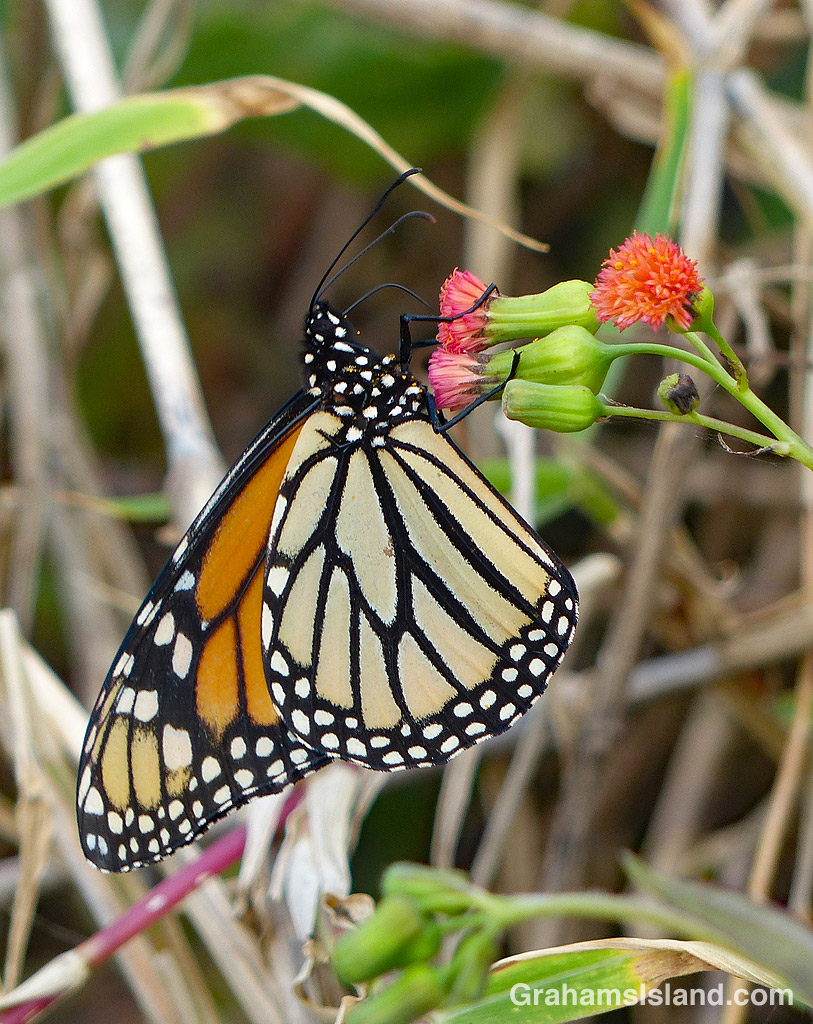
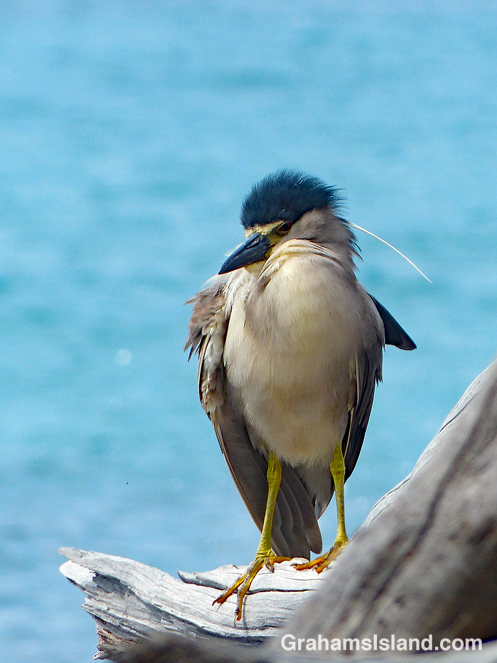
A monk seal and her pup at feeding time.A Japan Airlines plane taxis before takeoff at Kona Airport.A couple of spear fishermen exit the water, with their catch, in North Kohala.A Monarch Butterfly on a Tasselflower.A Black-crowned Night Heron having a bad hair day.A Lesser Grass Blue Butterfly opens its wings.
I saw this juvenile Saffron Finch looking out from its nest under a roof. It will not be too long before it makes the great leap forward and hopes those wings really work. In the meantime, it was suitably suspicious of the odd-looking creature watching it.
Posted for Becky’s Squares: Move Forward, Reconstruct, Renew, and/or are Burgeoning. See more responses here.
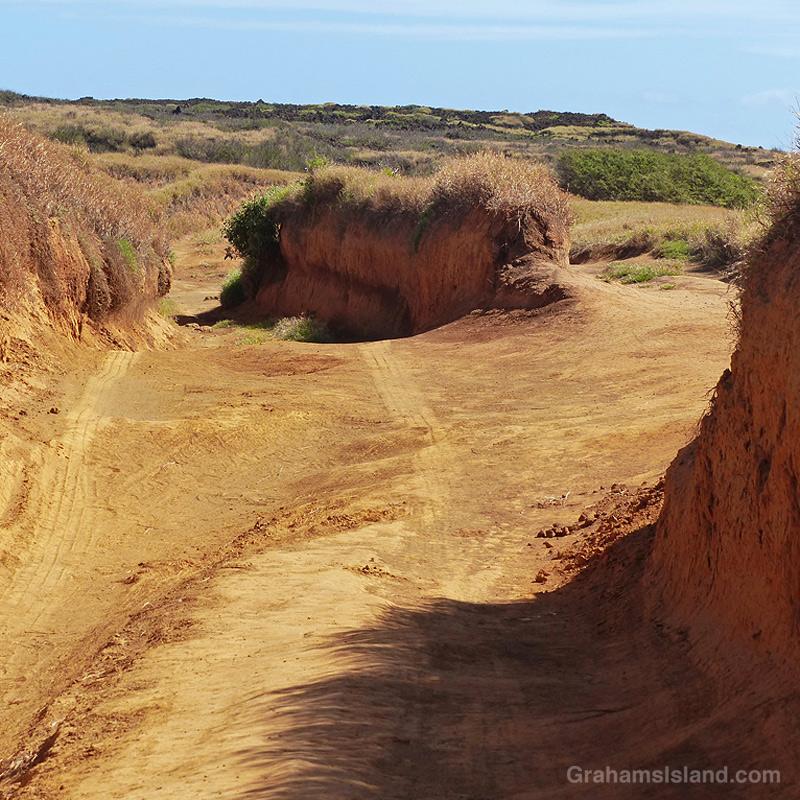
Sometimes, the way to move forward is unclear, as when navigating these roads at South Point.
The idea of The Numbers Game is to enter a number into the search bar of your computer and then post a selection of the photos that turn up. This week’s number is 142. Captions are on the photos. You can see more responses here.
Also posted for Becky’s Squares: Move Forward, Reconstruct, Renew, and/or are Burgeoning. See more responses here.
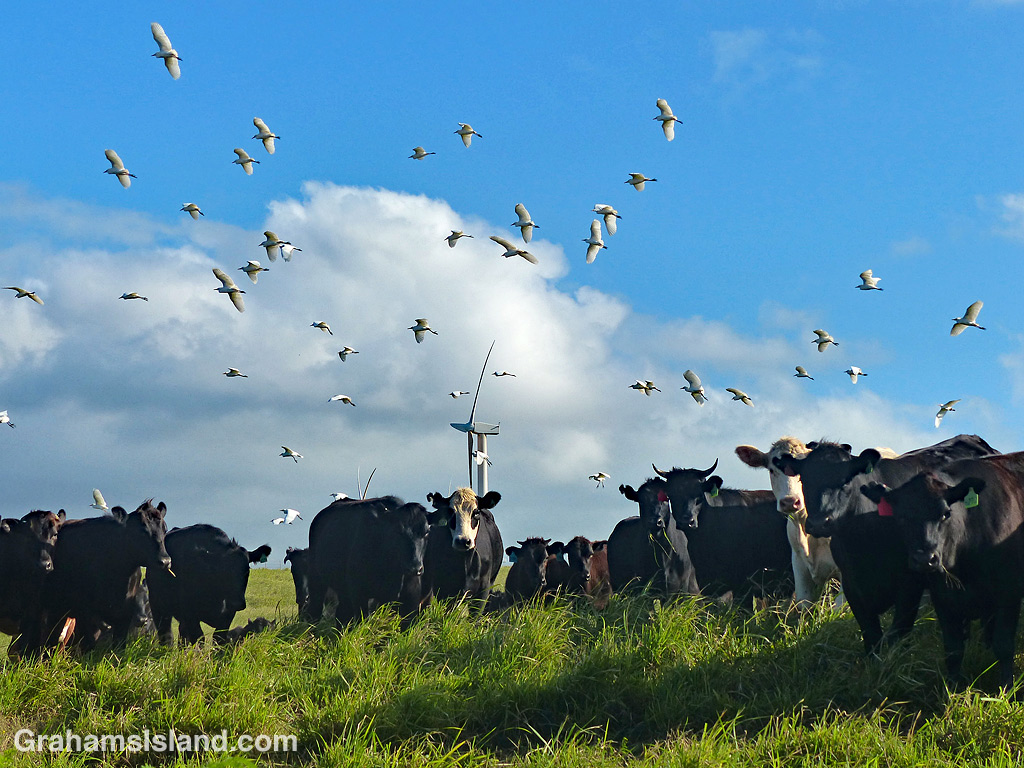
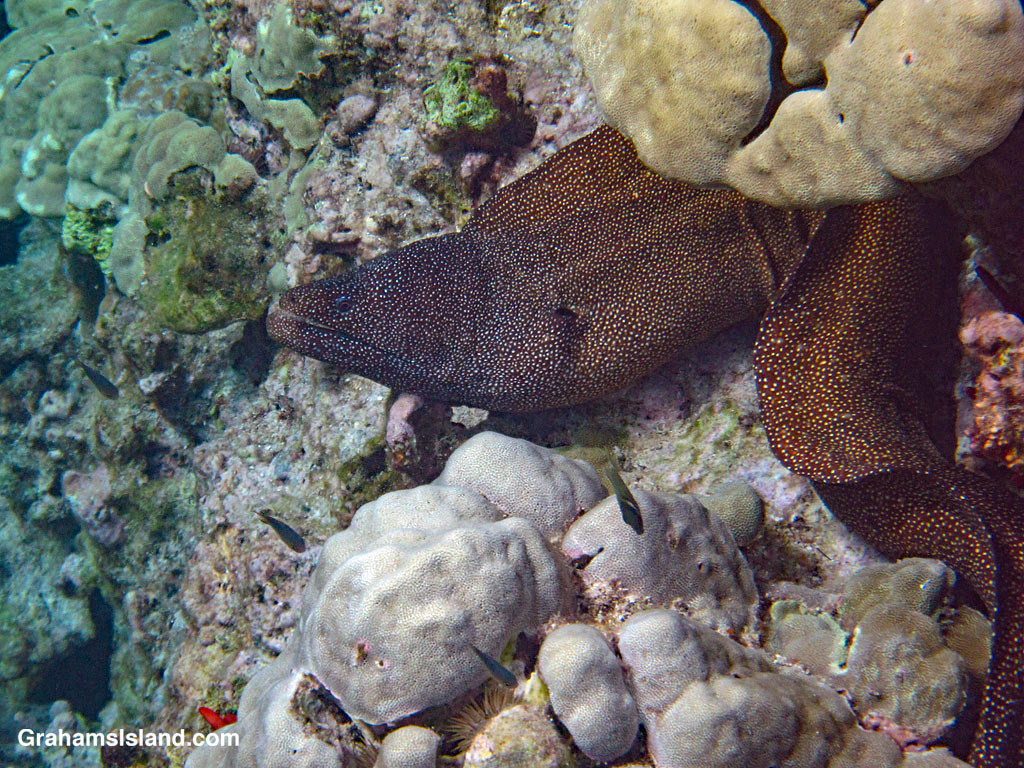
Cattle and their egrets near Hawi Wind Farm.A lunar eclipse a few years ago.Two Asian Swallowtail butterflies frolic on the wing.A Whitemouth Moray Eel.Acute Halfbeaks swim just below the surface in the waters off the Kohala coast.
The idea of The Numbers Game is to enter a number into the search bar of your computer and then post a selection of the photos that turn up. This week’s number is 141. Captions are on the photos.
Also posted for Becky’s Squares: Move Forward, Reconstruct, Renew, and/or are Burgeoning. See more responses here.
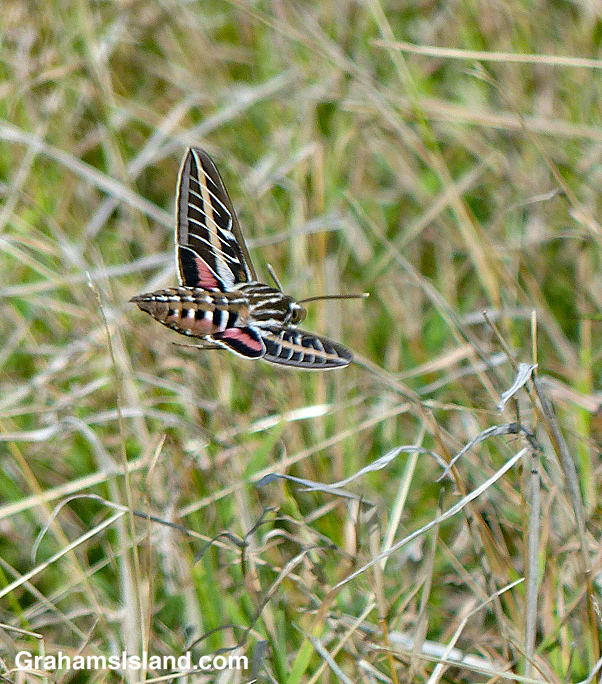
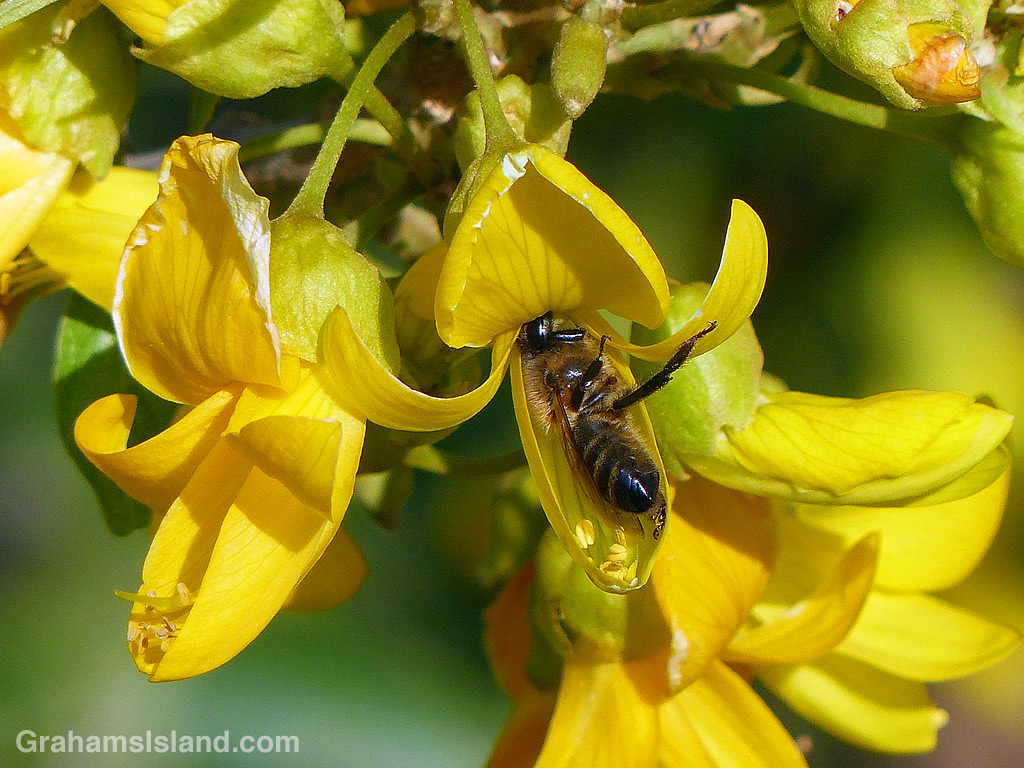
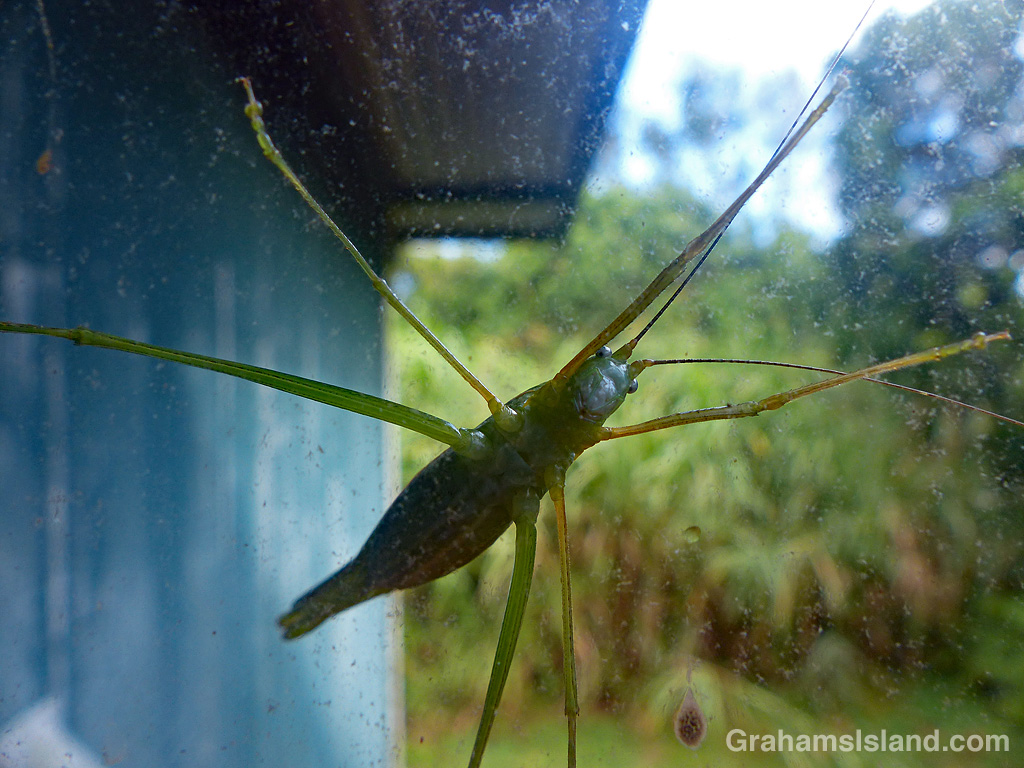
An Hawaii Amakihi in a Mamane tree.A green anole on a Ti leaf.A White-lined Sphinx Moth.A bee working hard in a Mamane flower.A Praying Mantis hoping the photographer gets lost.A Katydid says hi.
I was watching a pair of Gray Francolins and their four chicks when something spooked them. The parents ran away. The chicks, still too small to cover ground quickly, dived for cover. Three disappeared into a clump of grass, but the fourth ended up under the overhang of a large rock. That’s the one in this photo.
Like any young bird, it instinctively knew to find cover, remain still, and make no noise. I watched it for a while and the only movement it made during that time was, if I moved, it briefly opened its eyes. I think of all newborns and youngsters as a species renewing itself and moving forward.
Posted for Becky’s Squares: Move Forward, Reconstruct, Renew, and/or are Burgeoning. See more responses here.
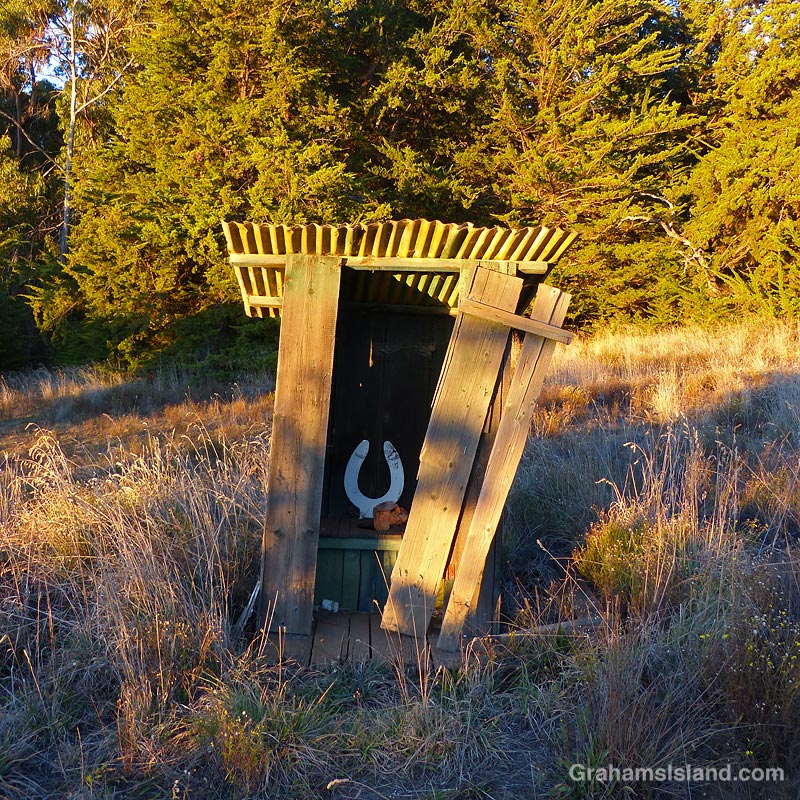
The photo number isn’t 140, but this still works. Watch out for that tub!
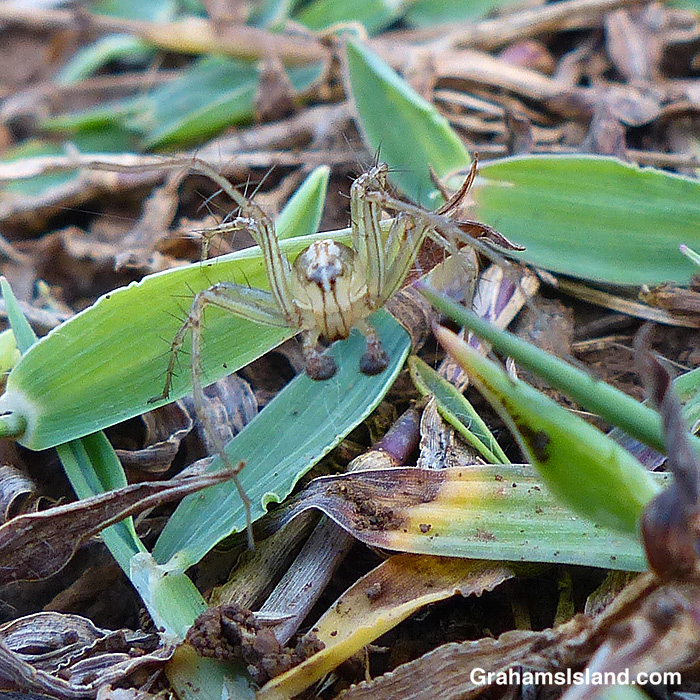
An itsy bitsy, teeny weeny Striped Lynx Spider.
The idea of The Numbers Game is to enter a number into the search bar of your computer and then post a selection of the photos that turn up. This week’s number is 140. Captions are on the photos.
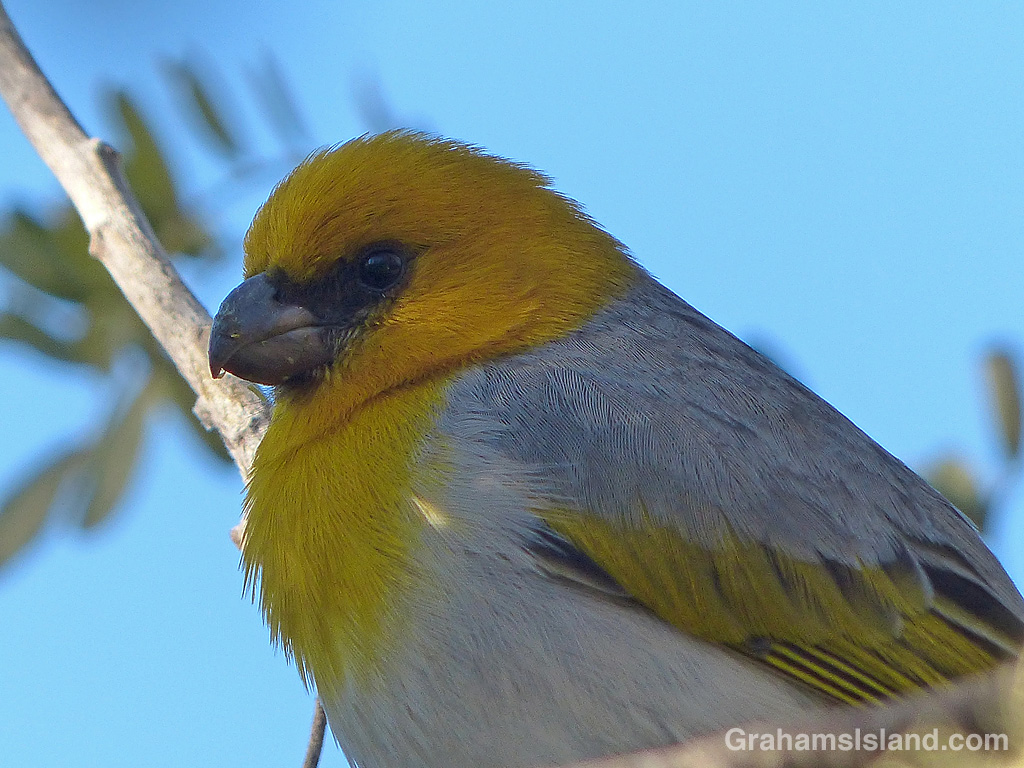
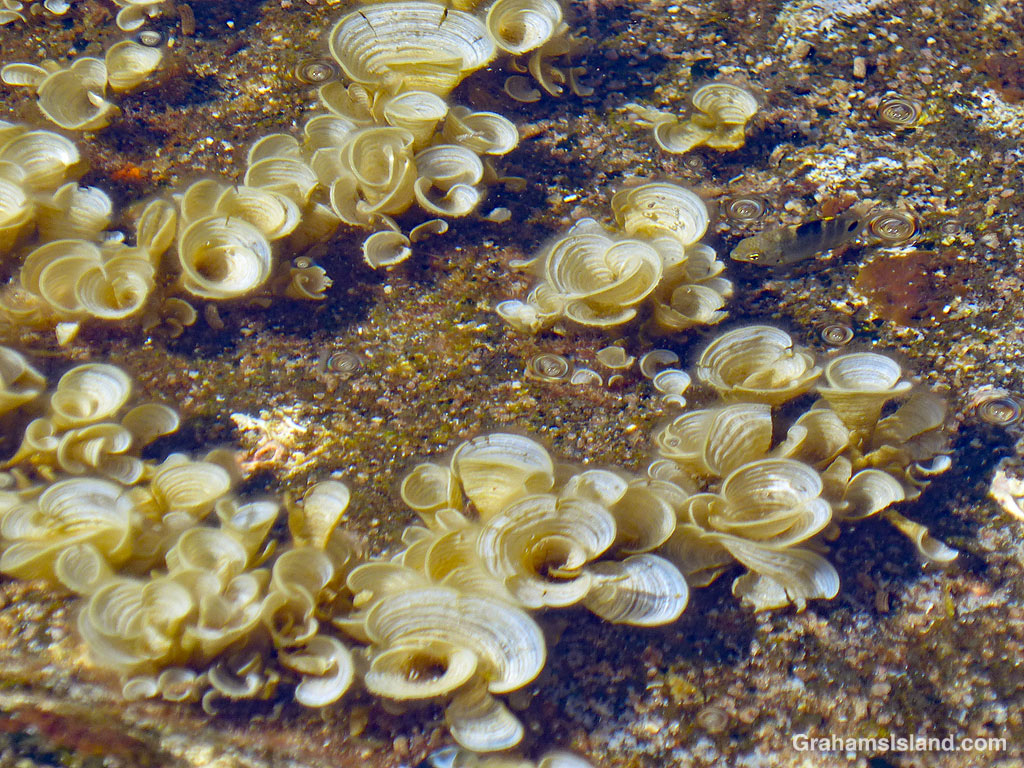
An endangered Palila, a bird found only on the Big Island, Hawaii.Rainbow over North Kohala.Little fish and Padina japonica seaweed in a tide pool.A fireweed control moth (Secusio extensa).Sunrise over North Kohala.
Strong winds whip up whitecaps in Kawaihae harbor.
The idea of The Numbers Game is to enter a number into the search bar of your computer and then post a selection of the photos that turn up. This week’s number is 139. Captions are on the photos.
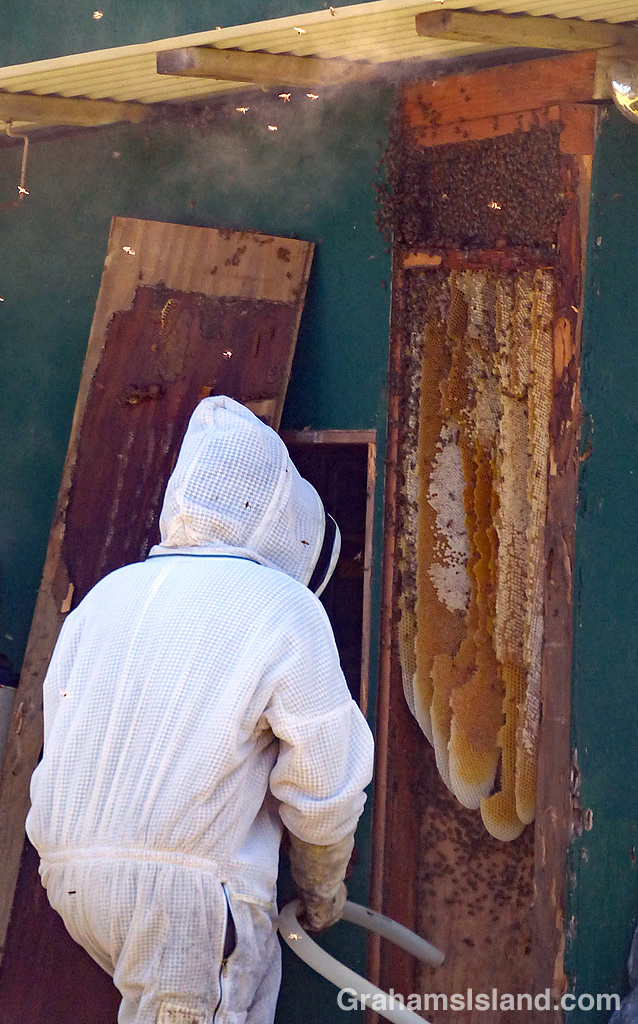
A Black-crowned Night Heron snaffles a Tilapia. Original post here.Bees and their honeycomb inside the wall of a house. Original story here.The firehose of lava at Kilauea Volcano in 2017.Hawaiian Stilts in flight.There’s always one who’s got to get your attention, as evidenced by these Northern Pintails.
Great Frigatebirds look like they’re not even trying when they fly!
I was driving down to Upolu for my usual walk when I saw a few Great Frigatebirds off in the distance. They seemed to be heading my way, so I pulled over and waited. As I did so, more appeared. They glided down towards the coast, then banked left to cross the road, which is when I took these photos.
They fly easily in formation.
I counted 17 in all, though there might have been more. Usually, I see these birds in ones and twos, but larger flocks like these are, apparently, not unusual. Such gatherings can be simply social, but can also improve their chances in the search for food, as well as for spotting predators, not that they have a lot of those while flying.
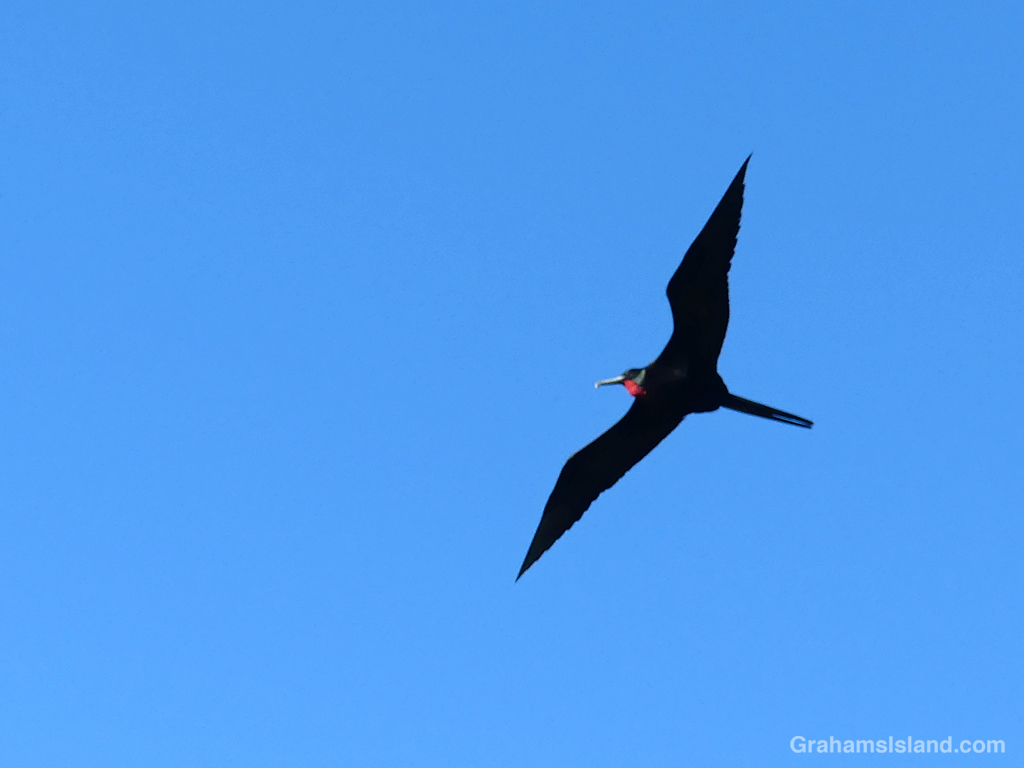
Males have a red gular sac at the throat. It makes them easy to identify, even at a distance.
My bird book notes that most Great Frigatebirds seen in Hawaii are females or juveniles, but I regularly see males, which are easily identified by the red gular sac on their throat. This sac can be impressively inflated during courtship.
Posted for Bird of the Week LVIII. See more responses here.




















 Graham's Island