Category Archives: Photo Challenges

Flowers at Hawaii Tropical Botanical Garden

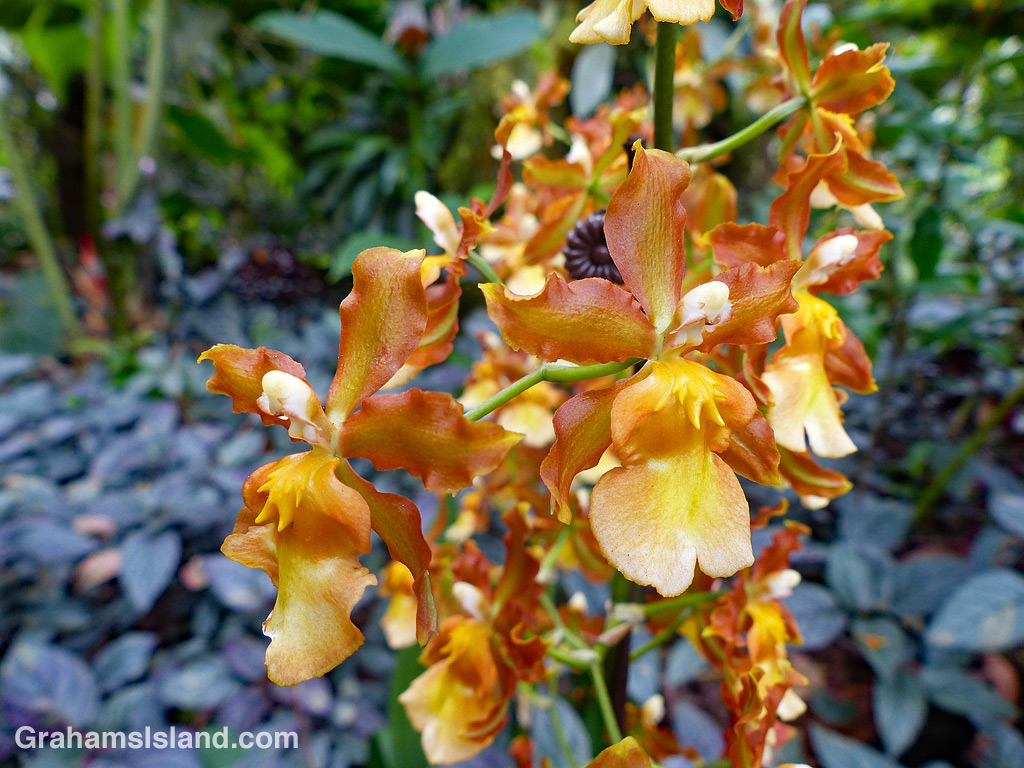
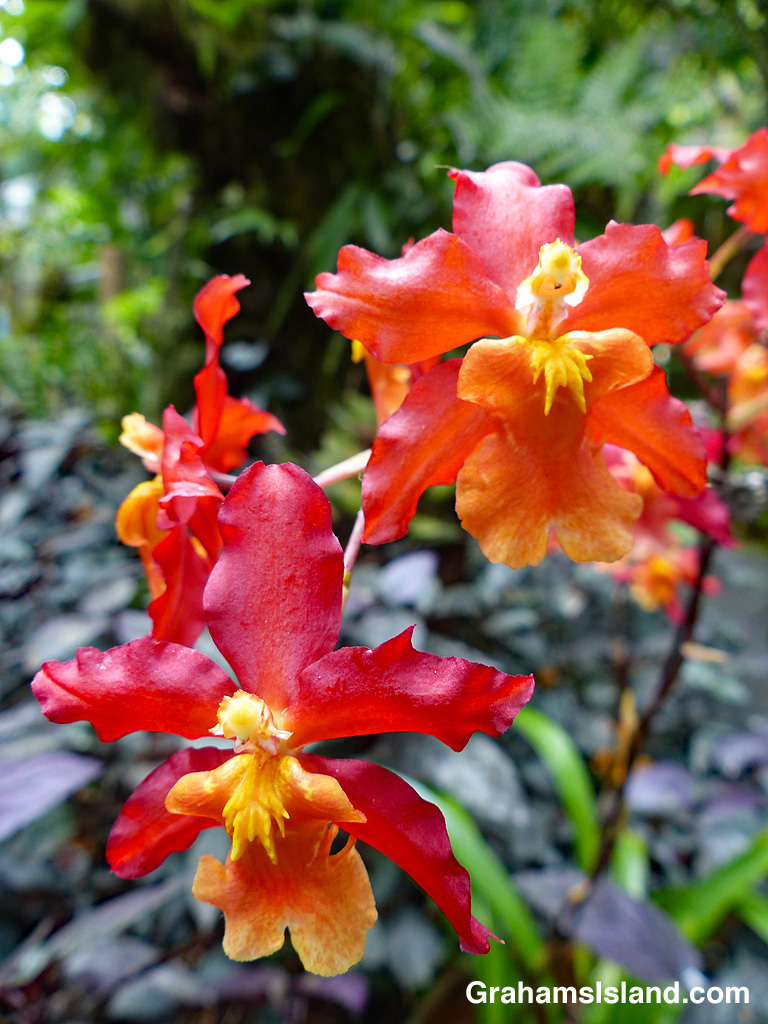
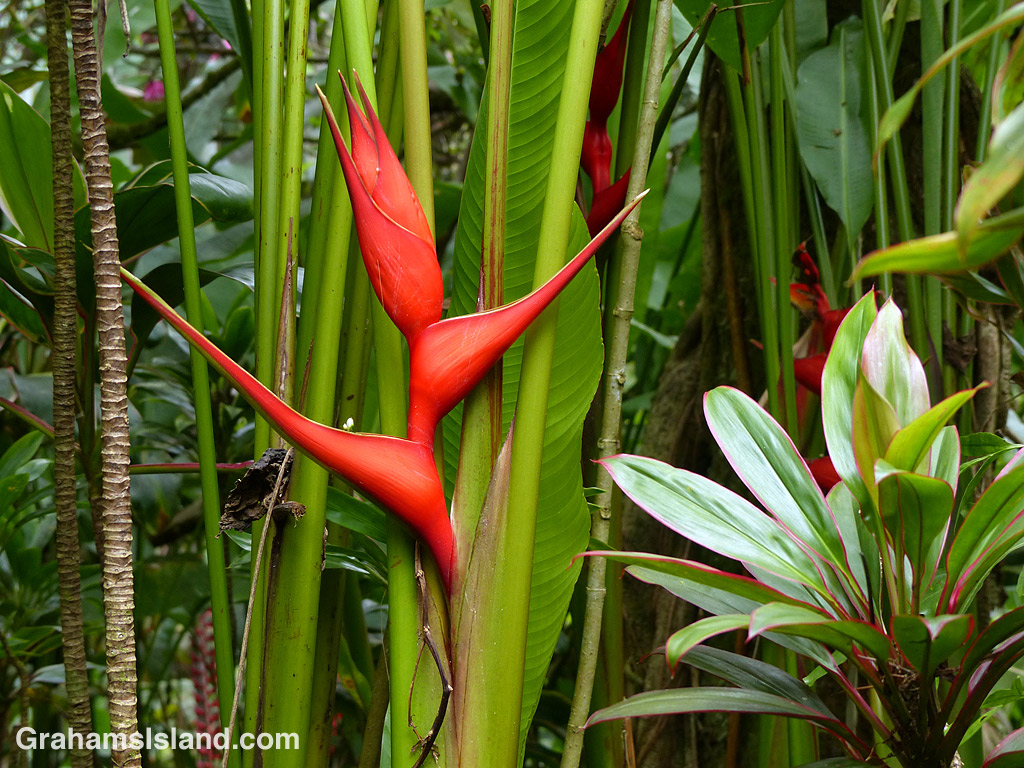
This week’s Friendly Friday challenge theme is ‘Floral.’ (See more responses here.) I thought a few photos from my last visit to Hawaii Tropical Botanical Garden (with Terri from Second Wind Leisure Perspectives) would fit the bill.

The top photo is an orchid, Catatante ‘Pacific Sunspots.’ In the middle is another orchid, Wilsonara Aloha Sparks ‘Halloween.’ Below is a heliconia against a backdrop of tropical foliage.

For more information about Hawaii Tropical Botanical Garden, go to htbg.com.

Black-crowned night heron

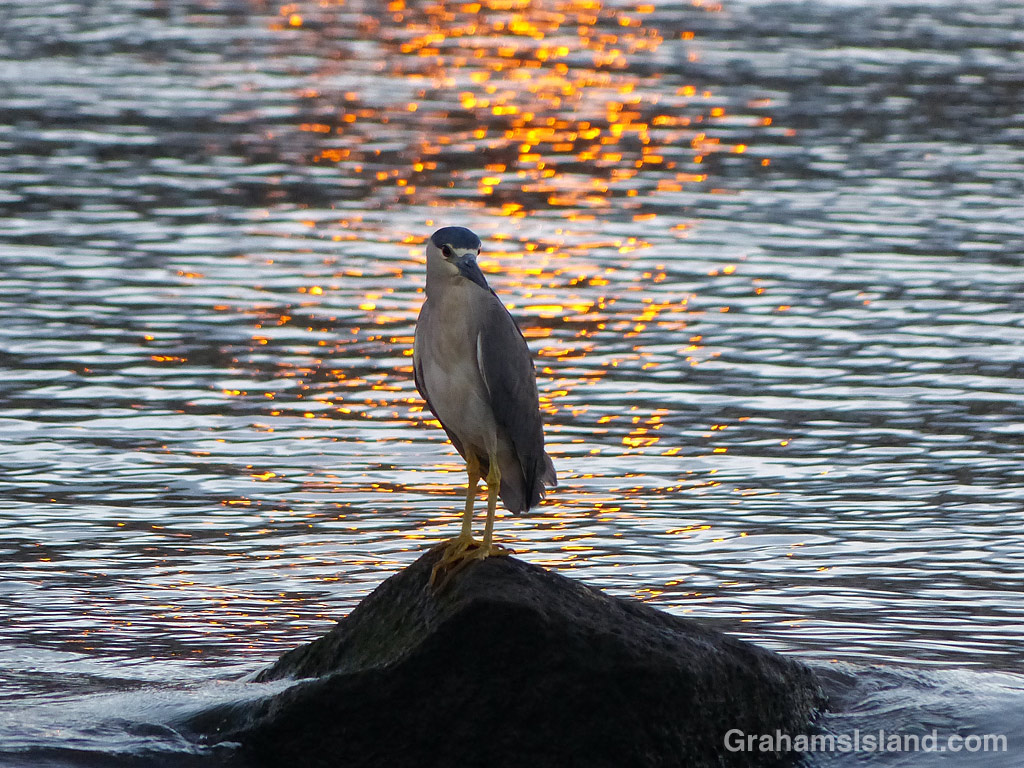
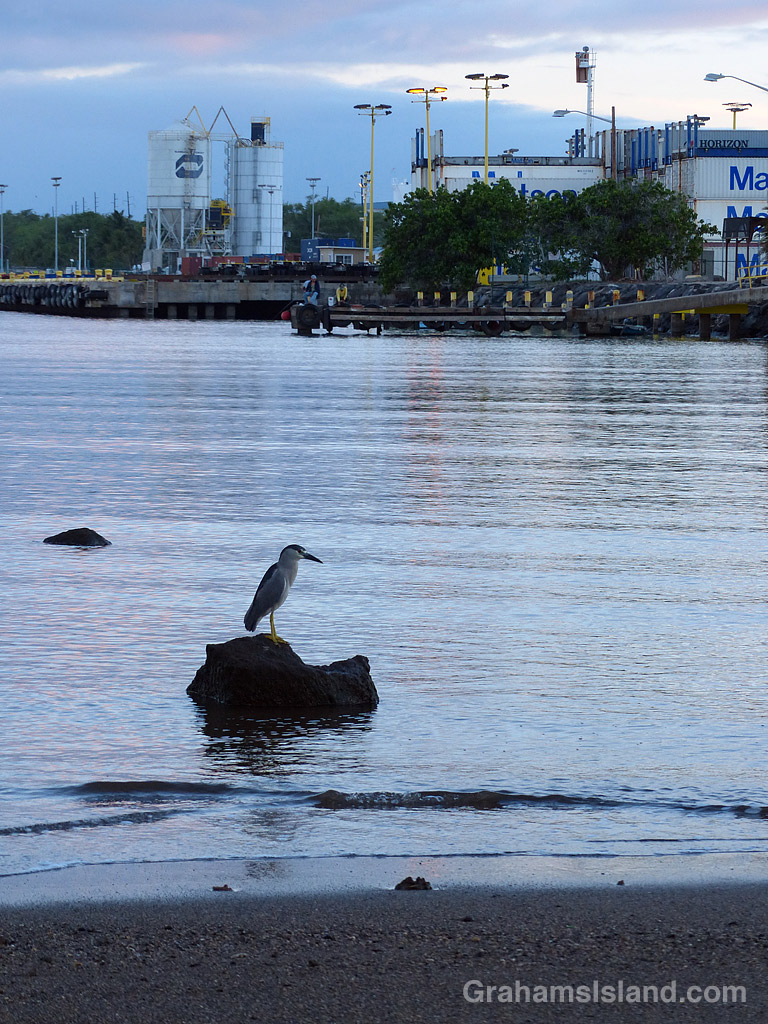
This week’s Sunday Stills challenge theme is ‘Stillness.’ (See more offerings here.) It made me think of this scene.

I was out early one morning and stopped by the port at Kawaihae. There wasn’t much going on, but I was happy to see this adult black-crowned night heron perched on a rock in the shallows. It didn’t seem to be actively fishing.

Indeed, the heron remained mostly still. It was just dark enough for the lights of the port to illuminate the rippled waters inside the harbor. The port itself was also quiet. No boats moving, no trucks lining up, no machinery grinding. Just a couple of men fishing off the small boat dock.

Mooring buoy

At the northern end of Kealakekua Bay, near Captain Cook’s monument, is an area that has good snorkeling. People can hike down to the place or take a boat trip there with one of several companies.

Many of the tour boats are small runabouts. The skipper can just drift with the boat in the bay while the clients snorkel. The largest boat is Fair Wind II, a catamaran that features has two 15-ft waterslides and a high-jump platform! This is not a boat suited to drifting around a bay lined with shallow, coral rich waters and crowded with snorkelers. So they have a mooring buoy in the bay.

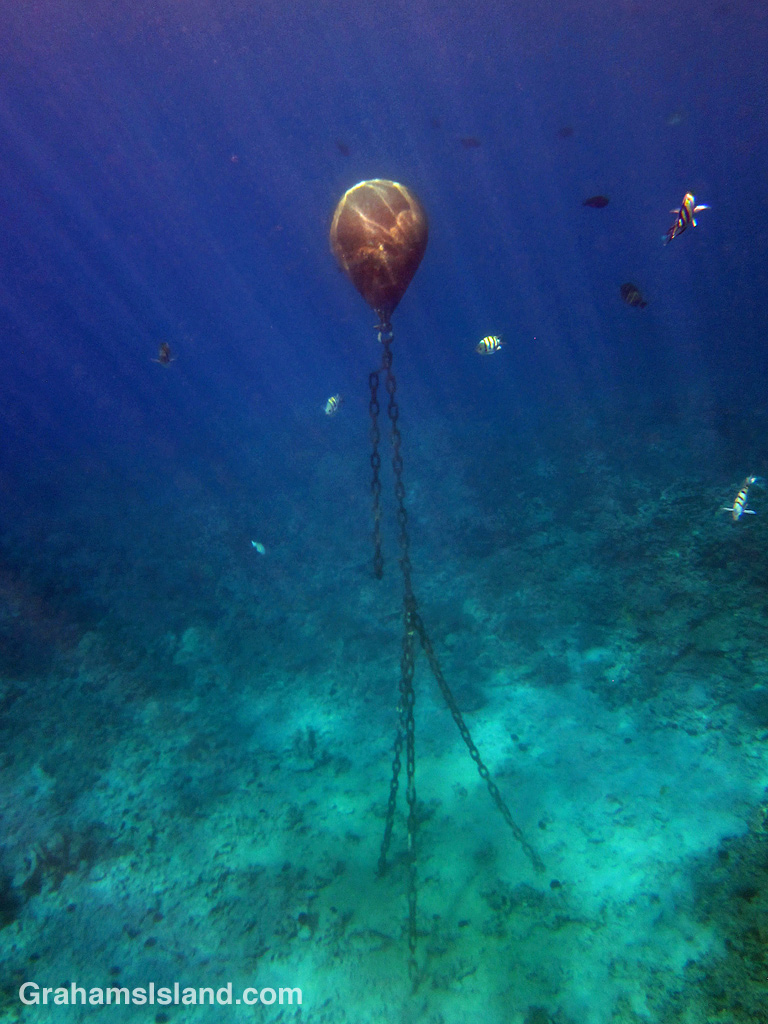
Mooring buoys are basically floating balls with a length of chain tethering them to something heavy, usually a large concrete block. The chain is long enough to allow for the ebb and flow of the tides so that the buoy is always available for use. The idea is that a boat ties a line to the buoy, which holds it in a relatively restricted area so that it doesn’t crash into underwater obstructions, land, or other boats.

The Fair Wind II buoy in Kealakekua Bay is different in that its length of chain keeps it permanently below the water, regardless of the state of the tide, as the photo shows. The idea is that when the boat arrives in the bay, a crew person jumps overboard with a mooring line and attaches it, not to the buoy, but to the length of chain hanging below the buoy. The line is then hauled in and the boat is secure and held in place. I think that the reason for this slightly different arrangement is that there’s no buoy floating on the water day in, day out, regardless of whether it’s being used or not. In this historically important bay, this might be regarded as an unwelcome sight.

The last time I was there, the eerie appearance of the buoy was augmented by movement of the water causing the loose length of chain to clank, loudly, against the fixed length. It was a scene straight out of scary movie where the ominous quiet is shattered by the terrifying … well, you get the idea.

Posted in response to this week’s Friendly Friday challenge on the theme of ‘Ebb and flow.’ See more responses here.

For more information about Fair Wind II, go to fair-wind.com/.

Kilauea Iki Trail

This week’s Sunday Stills challenge theme is ‘Paths.’ (See more offerings here.)

Kilauea Iki Trail is one of the more popular trails in Hawaii Volcanoes National Park. But last year’s volcanic activity, with numerous earthquakes, resulted in the park being closed for several months. Even after it reopened in September 2018, many parts of the park remained closed because the areas were too unstable to be opened to the public.

The Kilauea Iki Trail was one of those areas along with Thurston Lava Tube and Jaggar Museum. The latter two locations are still closed and Jagger Museum may never be reopened, but the Kilauea Iki Trail is currently listed as mostly open. Given that this is a loop trail, it would be wise to check ahead and find out what ‘mostly open’ means.

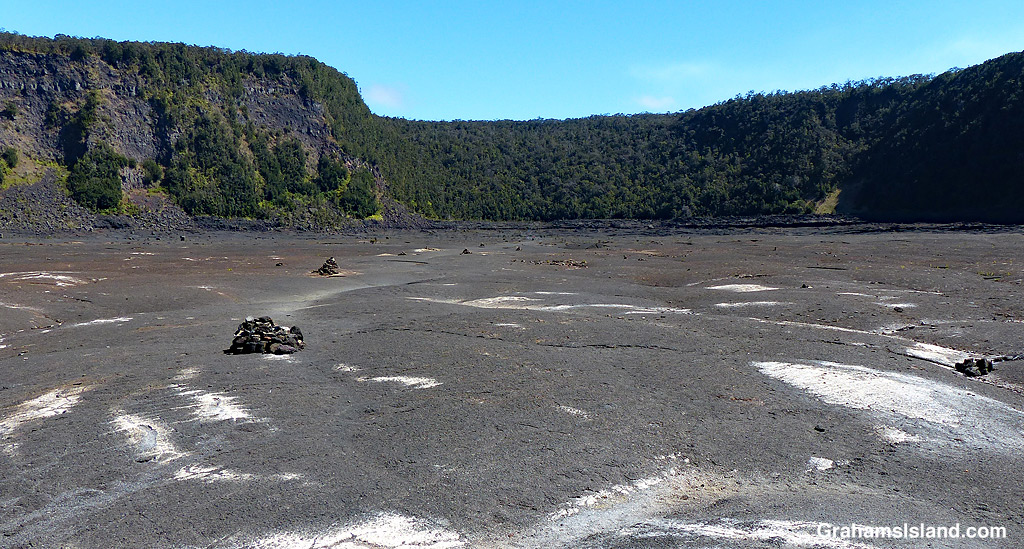
These photos were taken during a hike I took a couple of years back. The top photo shows the view from the part of the trail that follows the rim of the crater before it descends to the crater floor. The second photo shows two hikers heading out across the crater floor. The dark hill in the background is Pu‘u Pua‘i where a 1959 eruption poured lava out into the crater. The third photo shows hikers near the center of the crater where the path winds through broken areas of the crater floor. Below, cairns mark the trail across a flat area of the crater that leads to the switchback trail which takes hikers back up to the crater rim.

For more information about Hawaii Volcanoes National Park, go to nps.gov/havo/.

Keck 1 and 2 telescopes

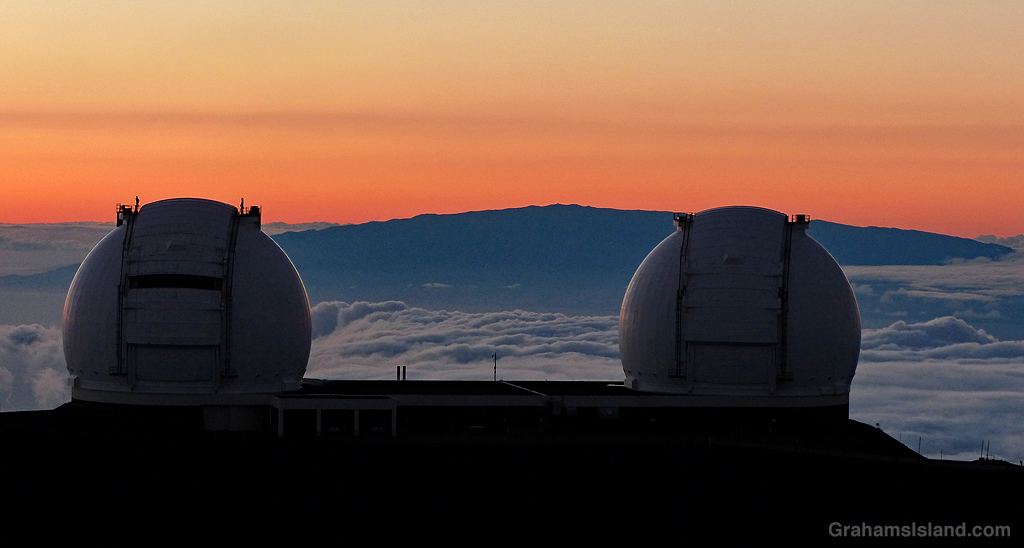
This week’s Friendly Friday challenge theme is ‘Twins.’ (See more responses here.)

These are the two telescopes of the W. M. Keck Observatory on Mauna Kea. Keck 1 began operation in November, 1990, while Keck 2 made its first observations in October 1996. Each telescope’s 10-meter primary mirror is made up of 36 segments, hexagonal in shape. Not that these segments are small themselves. Each one is 1.8 meters wide and weighs half a ton.

The telescopes can accommodate a wide variety of instruments, such as cameras and spectrometers, and are considered to be the most scientifically productive in the world.

For more information about the W. M. Keck Observatory, go to www.keckobservatory.org.

One-eyed pueo

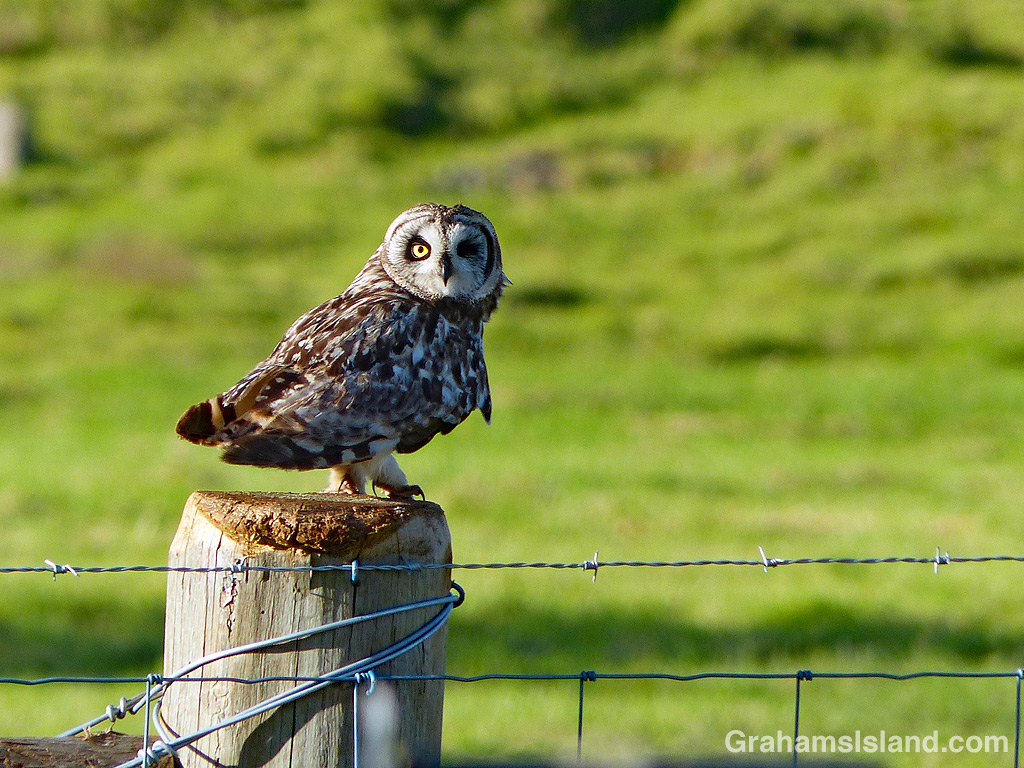
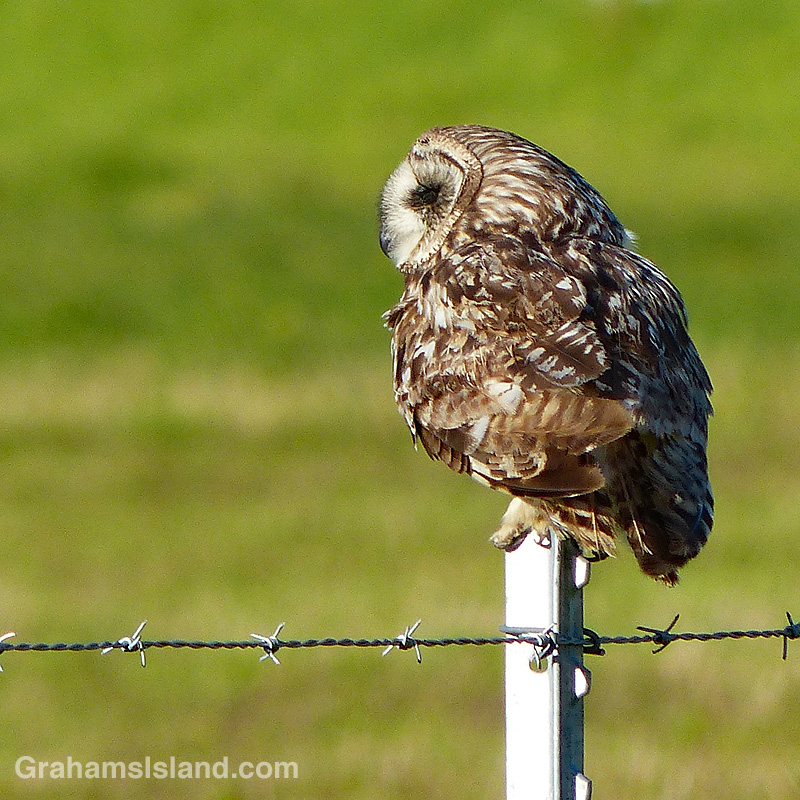
I saw this pueo (Hawaiian short-eared owl) near Waimea and pulled over to take photos. I watched and photographed it for 15 minutes or so and, at the time, I thought there was something unusual about it. Something didn’t seem quite right. But it wasn’t until I got home and looked at the photos that I realized what was up.

The pueo was missing its left eye. The eye socket seemed healed and the pueo didn’t appear to be in pain. Nor did it seem affected in its flying or behavior. In some ways this makes sense. Owls have great eyesight, but it’s their hearing that is truly extraordinary. They can pinpoint prey just by listening. However, in Hawaii, pueos are active during the day so one would think eyesight might be a more important sense than for nocturnal owls.

Either way, I felt a bit sad for the pueo, but I’m also keenly aware that nature isn’t all warm and fuzzy. And I’ve seen several creatures that have been significantly damaged in one way or another that seem to be doing fine despite their handicaps. Perhaps, from a Darwinian point of view, they’re not successful when it comes to finding a mate and breeding, so their genes are not passed on. I don’t know whether this is the case, but it’s certainly possible.

Regardless, I hope for the best for this pueo. Life for them is tough enough as it is without added challenges.

Posted in response to this week’s Sunday Stills challenge on the theme of ‘Unusual.’ (See more offerings here.)

Mauna Kea pu’us and shadows

This week’s Friendly Friday challenge theme is ‘Shadows.’ See more responses here.

This view was taken near the summit of Mauna Kea. Pu’us – little volcanic cinder cones – dot the landscape here, giving the area an otherworldly look. As the sun sets, the pu’us cast shadows on one another accentuating the slopes and craters.

Eyeball on the edge

This week’s Sunday Stills challenge theme is ‘Edge.’ (See more offerings here.) My first thought was this image, but I hadn’t actually ever taken such a photo. So I took my camera outside and wandered around. It wasn’t long before I found an obliging gecko keeping a beady eye on my movements.

The reason I was confident of getting this photo is because this is a typical pose for geckos. They’re constantly peeking over the edge of roofs, around corners, and around the edge of the leaves they occupy. They’re constantly on the lookout for prey – and predators.

In this case, the gecko was on my side of the leaf when I approached, but zipped to the other side, before checking out what I was up to.