
A large orange sulphur butterfly feeds on a bougainvillea. This was one of the few butterflies I’ve seen on a flowering bougainvillea. Not sure whether that’s usual or not.

A large orange sulphur butterfly feeds on a bougainvillea. This was one of the few butterflies I’ve seen on a flowering bougainvillea. Not sure whether that’s usual or not.
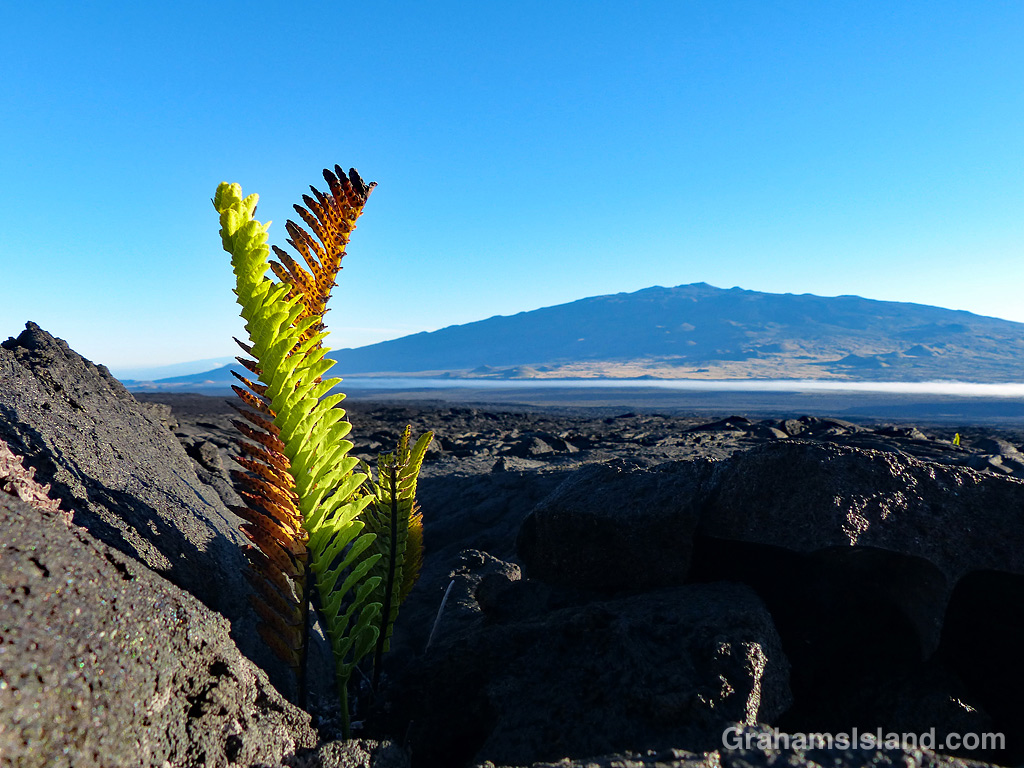
Ferns are one of the first plants to establish a foothold in lava flows. These ferns are on the northeast slope of Mauna Loa with Mauna Kea in the background.

The footstool palm (Livistona rotundifolia) is a native of South-east Asia. This one was heavy with berries.
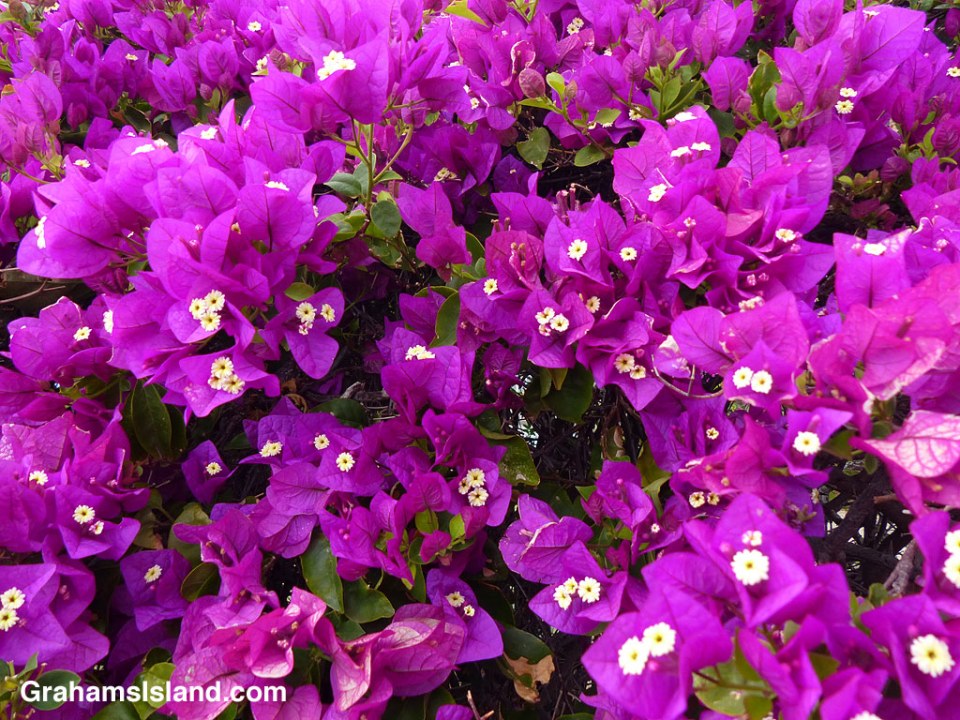
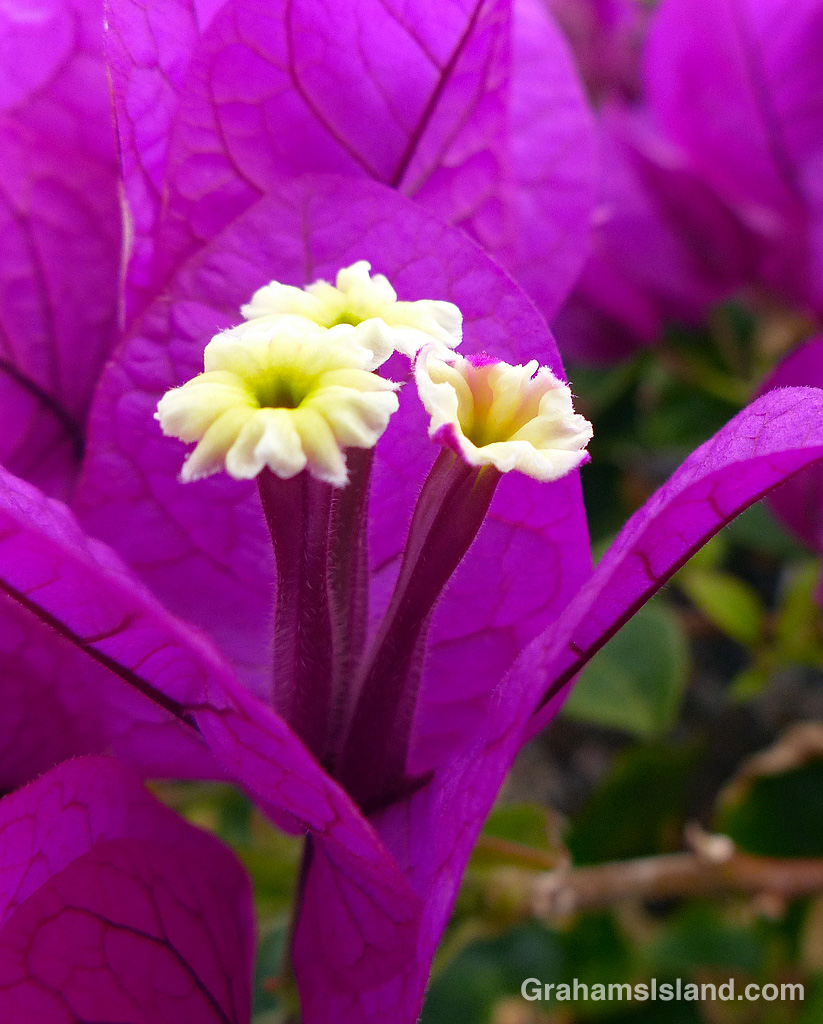 There are a lot of bougainvillea blooming currently, creating swathes of color where they’re planted as hedges or borders. I’ve been surprised by the scarcity of bees and other pollinators around the new flowers. Perhaps this is just a factor of the area where I see most of these flowers.


 This week’s Friendly Friday challenge theme is ‘Turning point.’ (See more responses here.) Since this is a photo blog about the Big Island it seems appropriate to post some photos from my first visit here in 2010, a visit which was the catalyst for the move to the island. There was no ‘ah ha’ moment, but these photos give a general idea of some of the things that appealed.
The top photo is Pololu beach on the North Kohala coast. Second photo is a Hawaiian green turtle resting on the black sand beach at Punalu’u County Beach Park. Third photo is tropical foliage next to a small cascading stream. Fourth photo shows some small lava breakouts in the flow that was active at that time. Conveniently, that activity was about 100 yards from the parking area and only 10 feet or so beyond where I was standing. The bottom photo is a view of Two Step, a popular snorkeling spot, from Pu’uhonua o Hōnaunau National Historical Park.

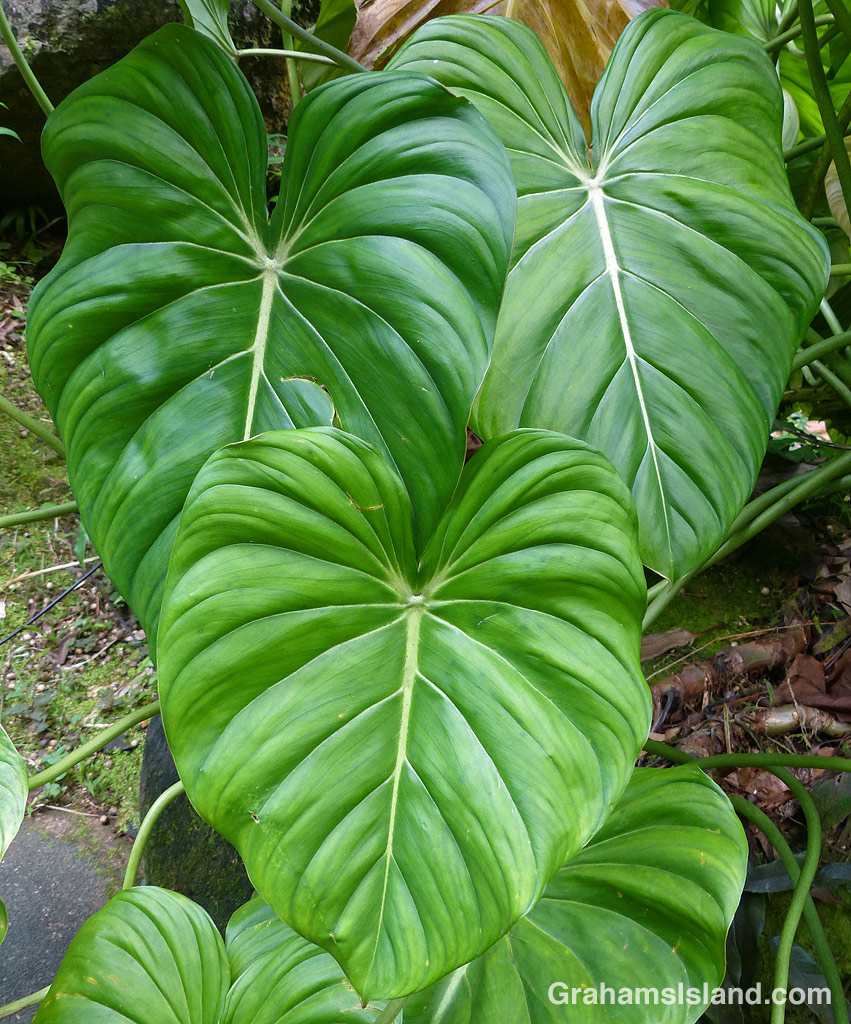
With its big heart-shaped leaves and prominent white veins, Philodendron × ‘McDowellii’ is a quintessentially tropical plant. This one was at Hawaii Tropical Botanical Garden. For more information about Hawaii Tropical Botanical Garden, go to htbg.com.
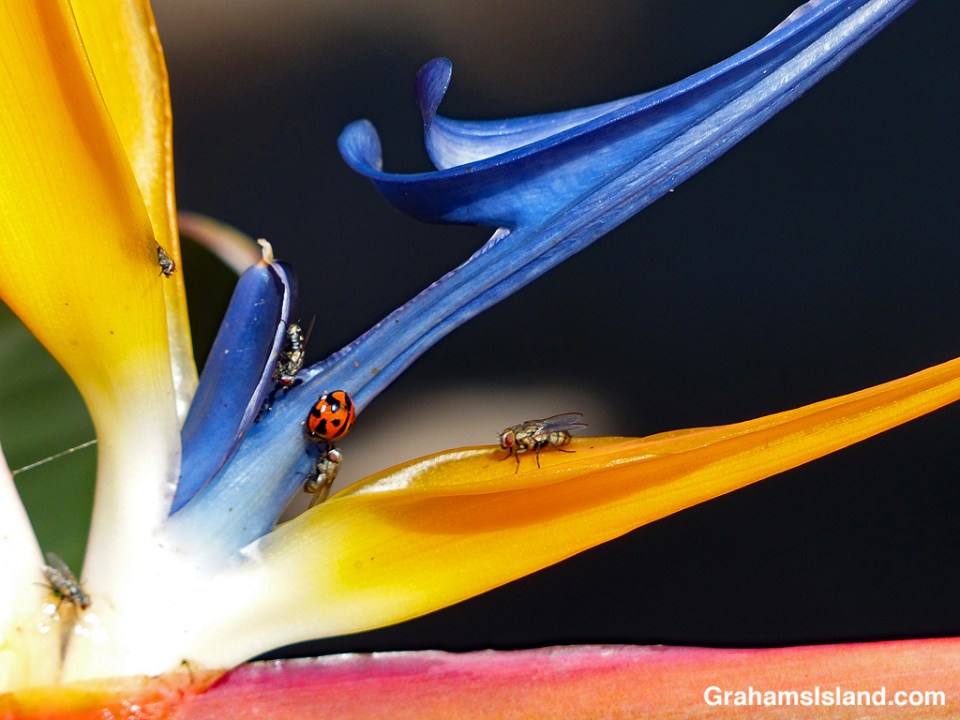
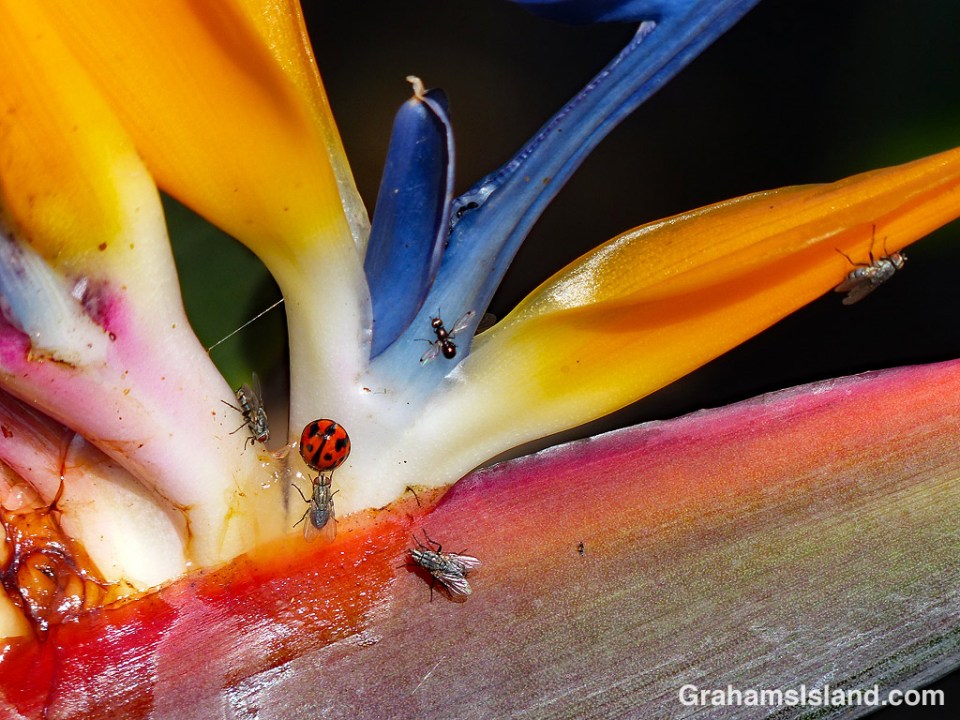
This variable lady beetle was one of two scuttling around on a bird of paradise flower. The flies seemed very interested in it and kept checking it out. There were also flying ants and a wasp on the flower, drawn by the nectar no doubt.
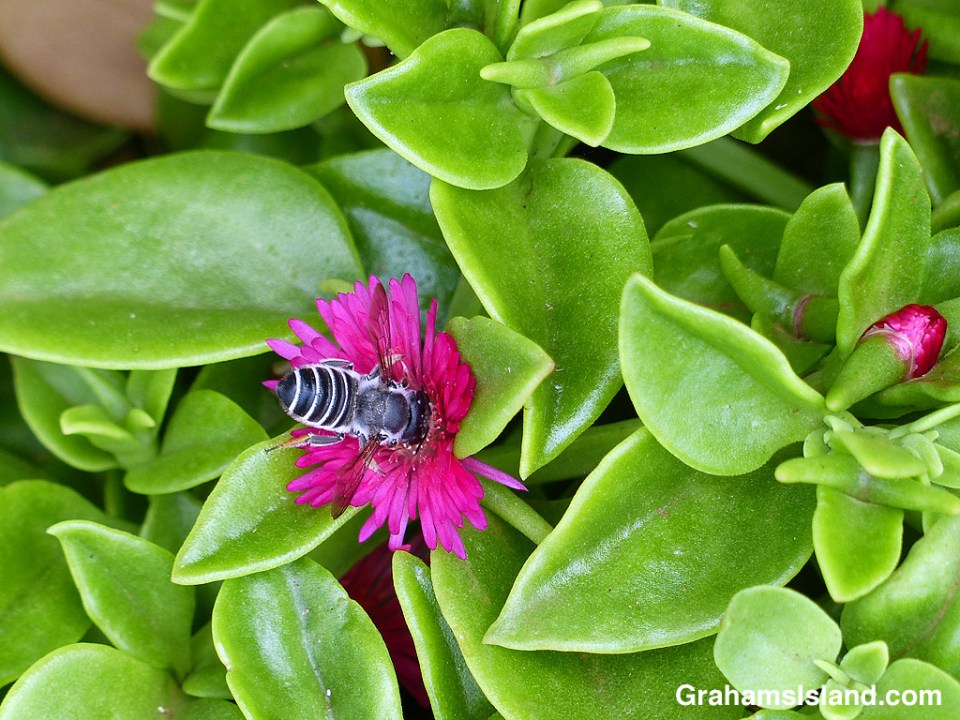
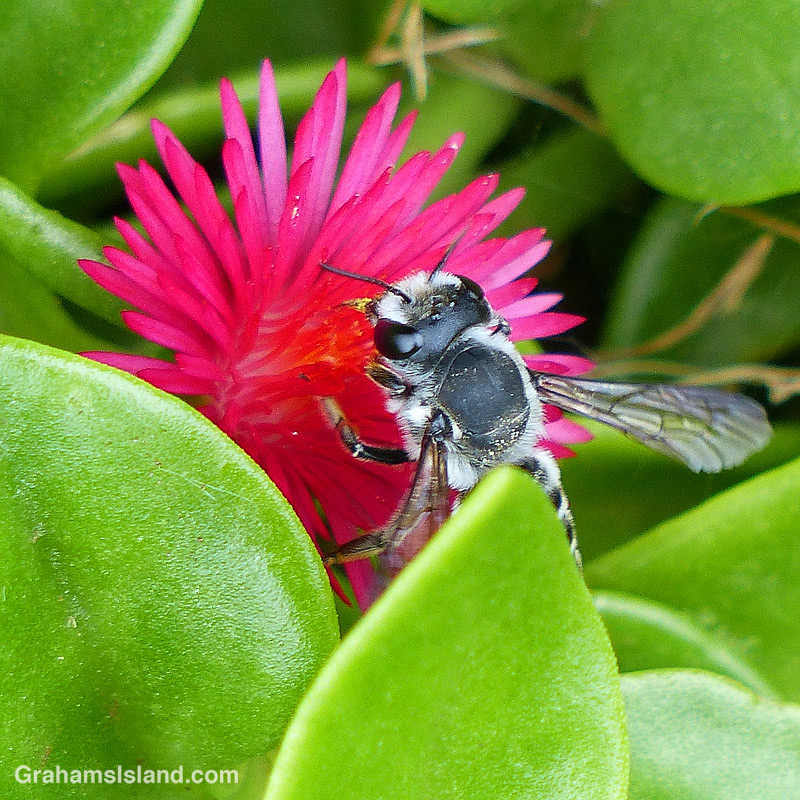 A busy leafcutter bee forages on aptenia cordifolia flowers. Aptenia cordifolia is an iceplant that comes from southern Africa.

