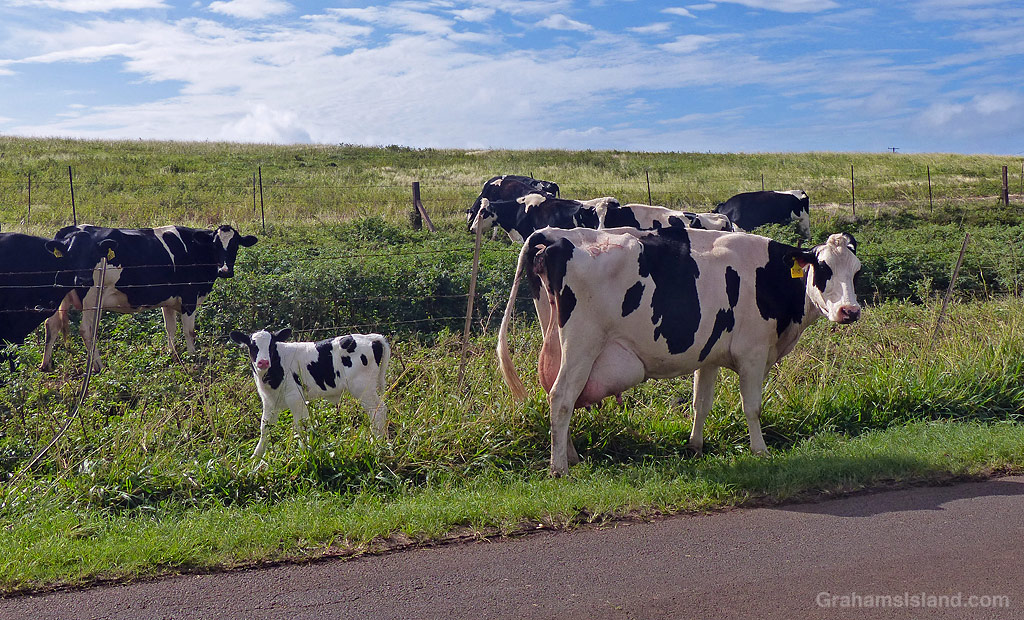
I passed this mother and calf on the road one day. The mother was enjoying the green grass by the roadside while the calf, only a day or two old, looked bemused by everything around it. At least it looked like it wouldn’t go hungry anytime soon.

I passed this mother and calf on the road one day. The mother was enjoying the green grass by the roadside while the calf, only a day or two old, looked bemused by everything around it. At least it looked like it wouldn’t go hungry anytime soon.
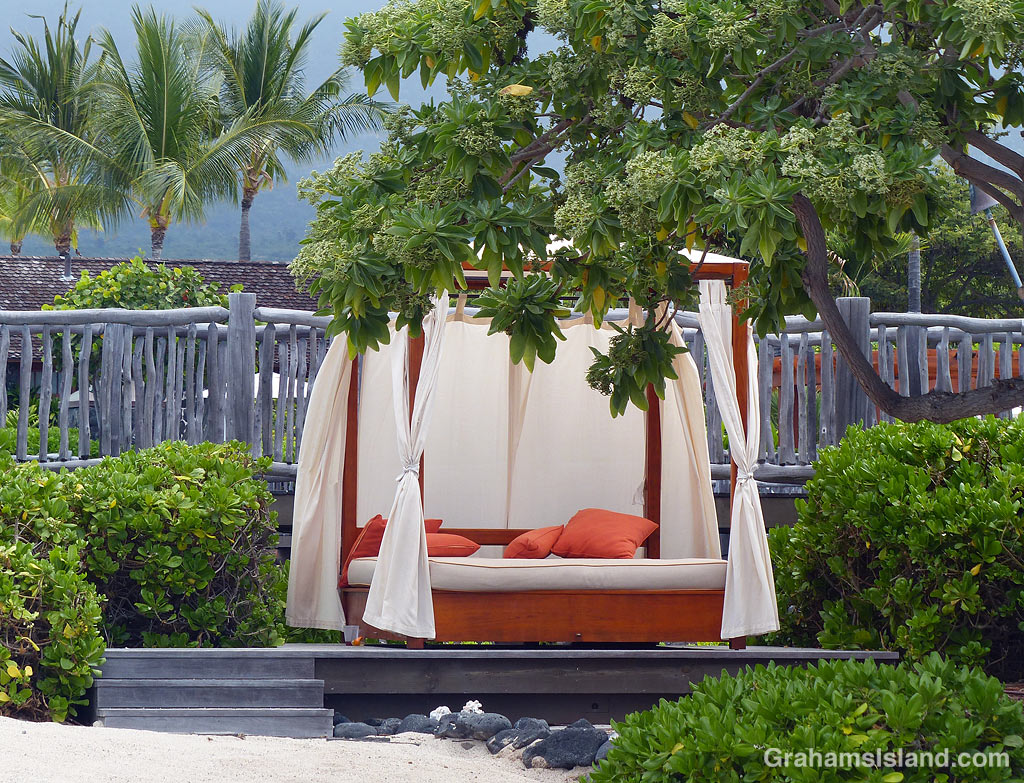
On a coastal walk, I saw this scene at the back of the beach fronting Kohanaiki Beach Club. The urge to rest was strong, but I suspect I wouldn’t have been peaceful for long.
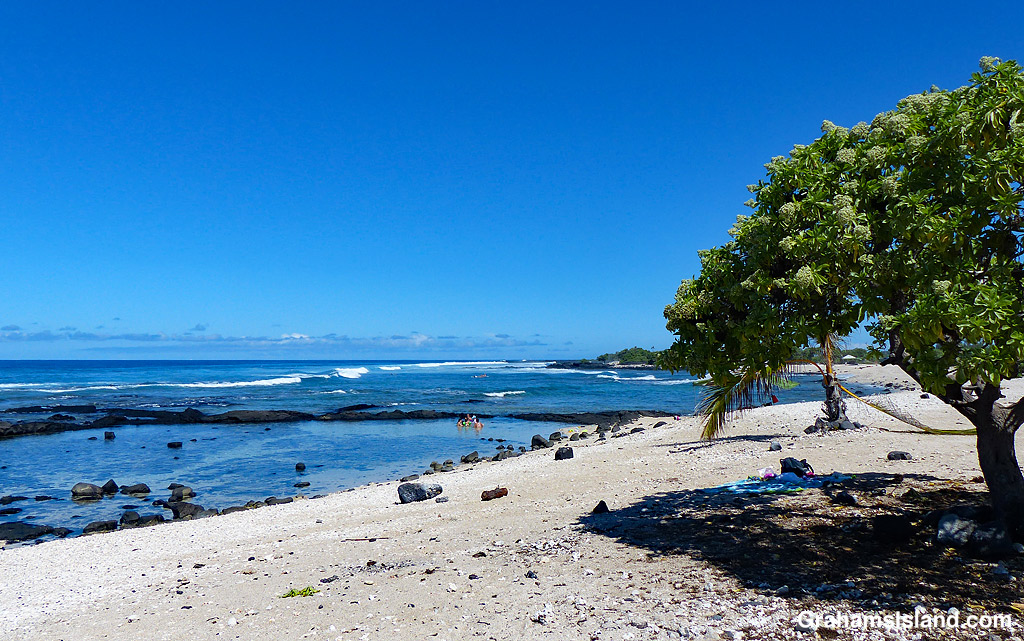
A view of one of the beaches at Kohana Beach Park, north of Kailua Kona.

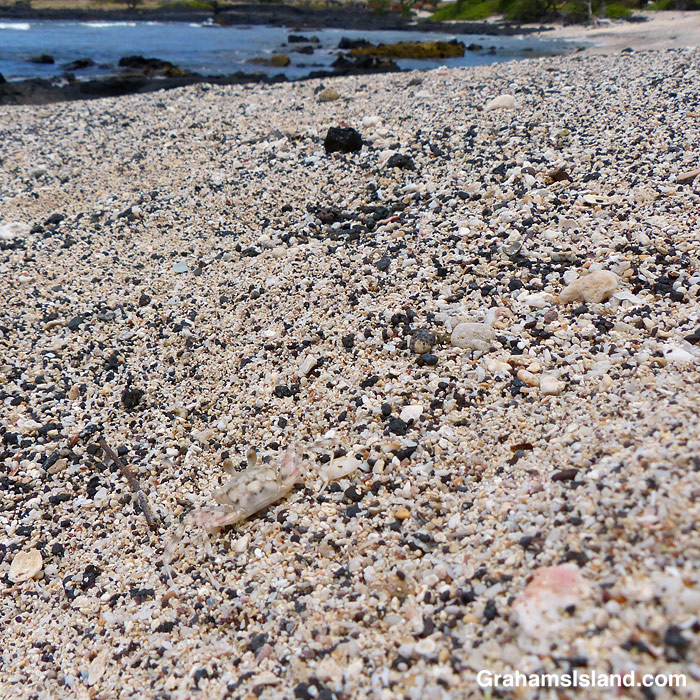
I saw this crab on the beach south of Kohanaiki Park. Pallid ghost crabs are small, with a carapace only an inch or so wide. They’re also speed demons, zipping across the sand, usually to disappear into their holes. That’s how I saw this one, on the move. But instead of diving for cover, it remained above ground.
I took some photos from distance before edging closer to try and capture more detail. The crab didn’t move. My biggest challenge was finding it in the camera’s viewfinder. Even though I knew where it was, half the time I wasn’t sure whether I had it in shot or not, they blend in so well.
The top photo shows the best of the close-ups. The second one gives an idea of the crab’s perfect coloration for its environment.

There are quite a few murals around Hawi and this is one of them. I quite like this one and when I look at it I imagine it painted on the ceiling over my bed. I imagine waking up in the early morning and opening my eyes and …
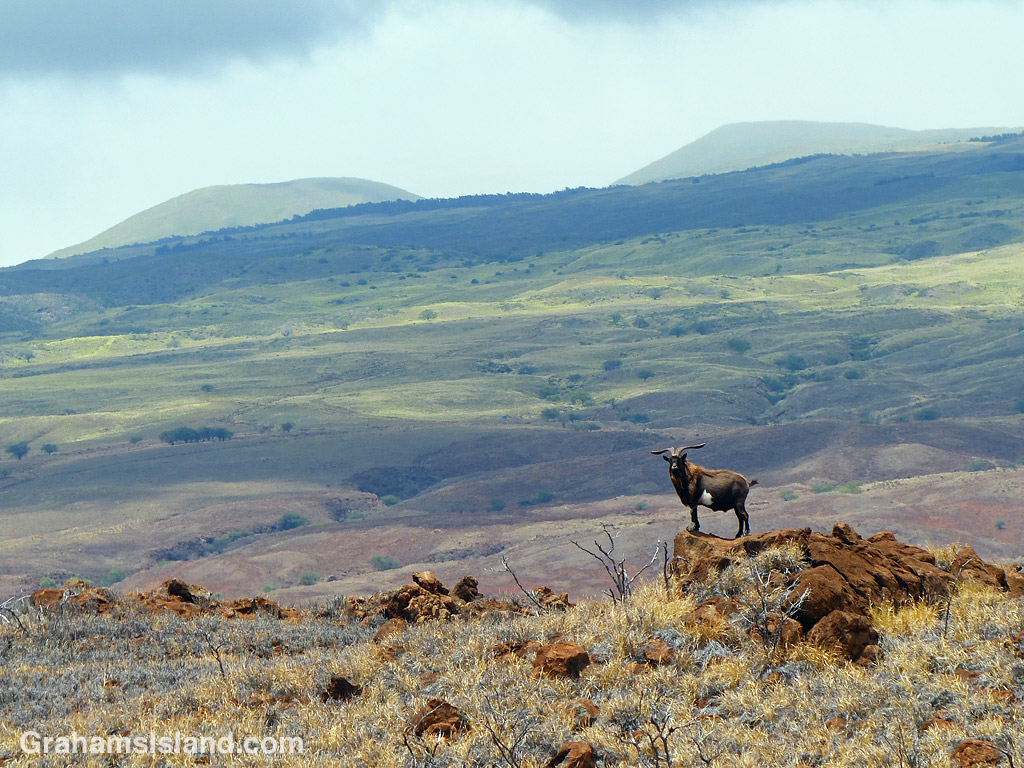
This billy goat looked quite pleased with himself as he struck a pose on this hill, with Kohala Mountain rising up behind him.

This week’s Sunday Stills challenge theme is ‘Favorite Vacation Spot.’ See more responses here.
It’s been a long while since I took a vacation, but a favorite day out is a road trip to the east side of the island and a visit to Hawaii Tropical Bioreserve & Garden.
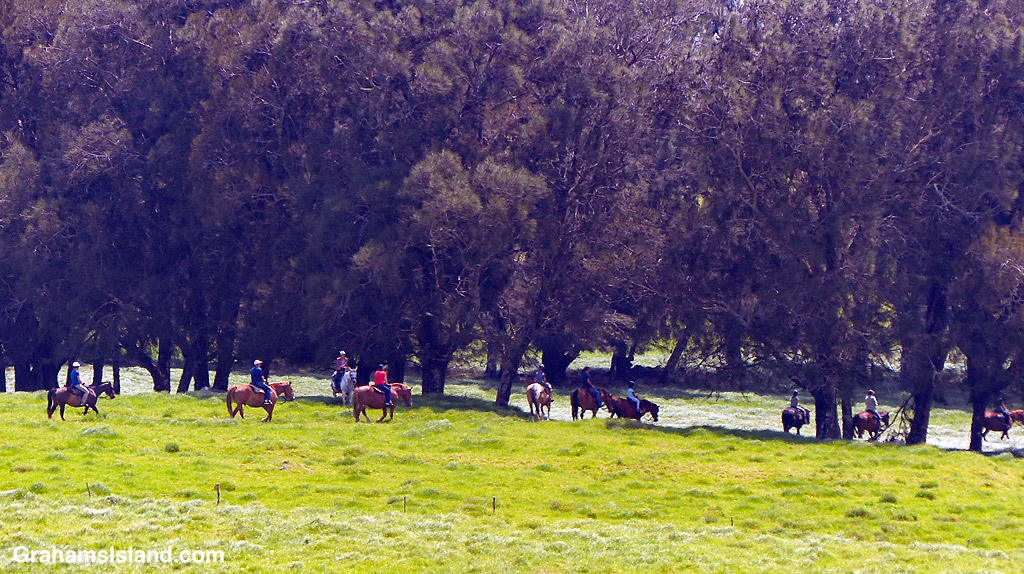
The day starts with a drive out of Hawi, up the hill to Kohala Mountain Road. This winding road climbs to around 3,500 feet before descending into Waimea. One the way, it passes through pastureland that is home to cattle, horses, and sheep.
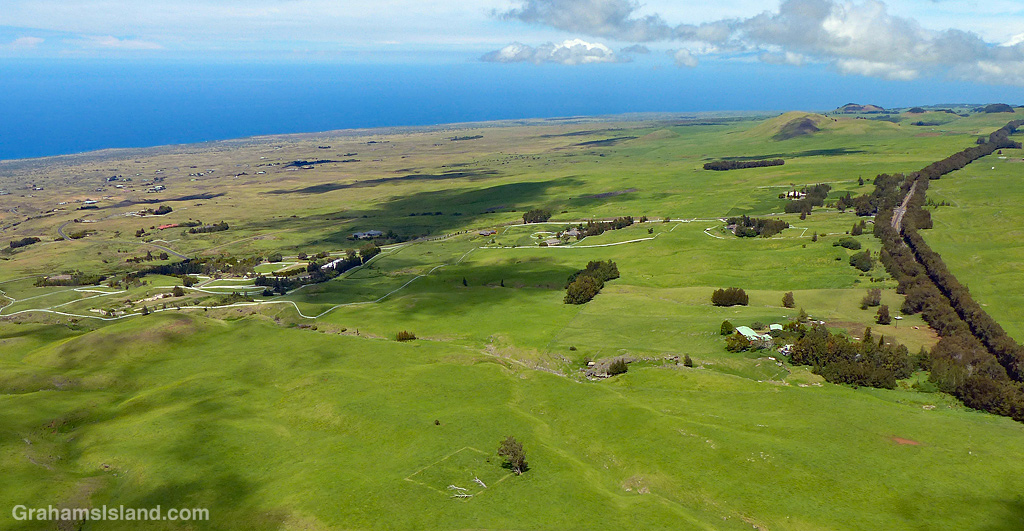
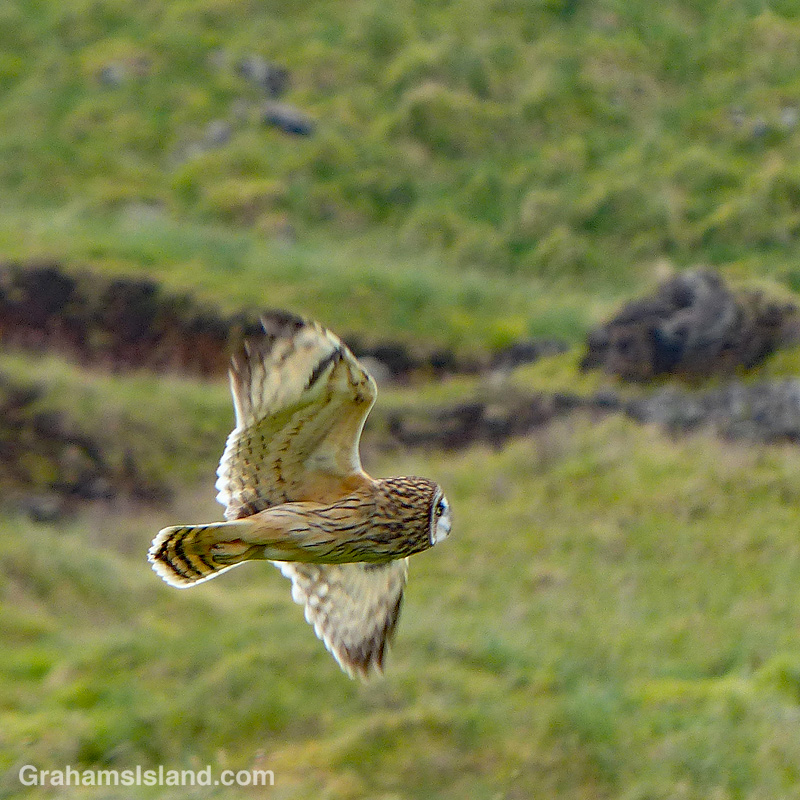
A few miles after driving through Waimea, there’s a left turn onto Old Saddle Road. These days, the main road across the island is a smooth, wide thoroughfare, but it’s not so long ago that the highway was all like Old Saddle Road – narrow and twisting. In those days, rental car companies would not allow their cars to be driven on that road. Old Saddle Road is the last remnant of the original road and it’s one of my favorite roads to drive here, not just because of the road’s qualities, but because it’s one of the most reliable places to see pueos, the Hawaiian short-eared owl. On this road I drive like one of those people you follow and say ‘What the !@^%$@)&^ is that idiot doing?’ I’m prone to zipping off the tarmac and bolting from the car, camera in hand, snapping photos as I go.
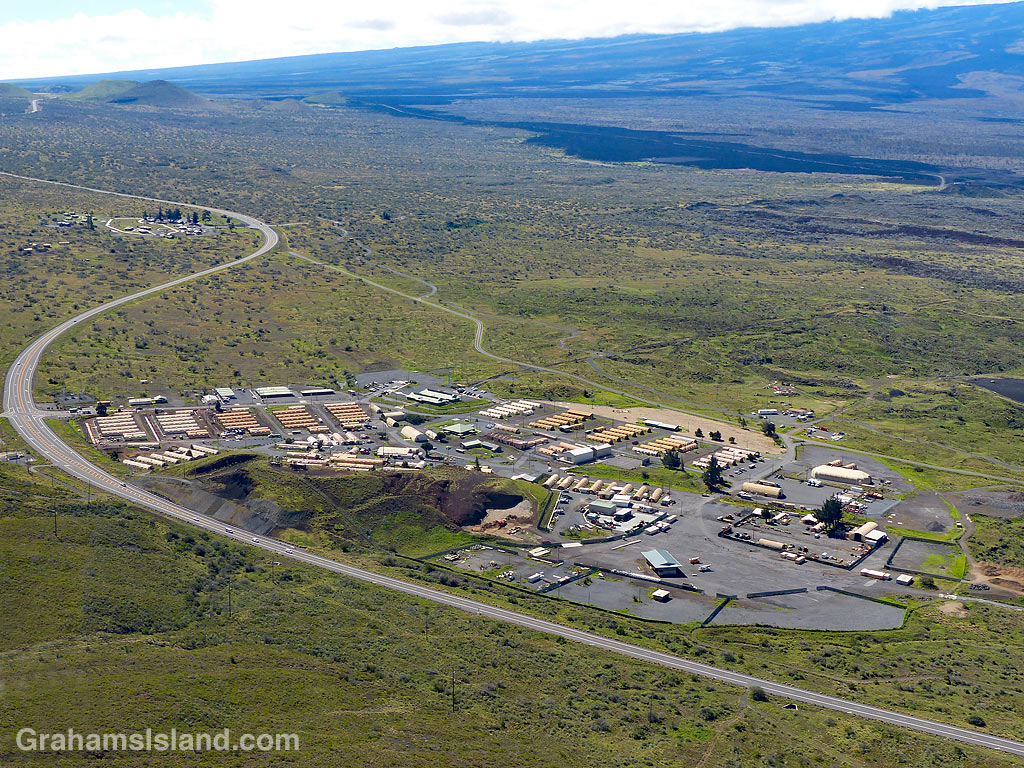
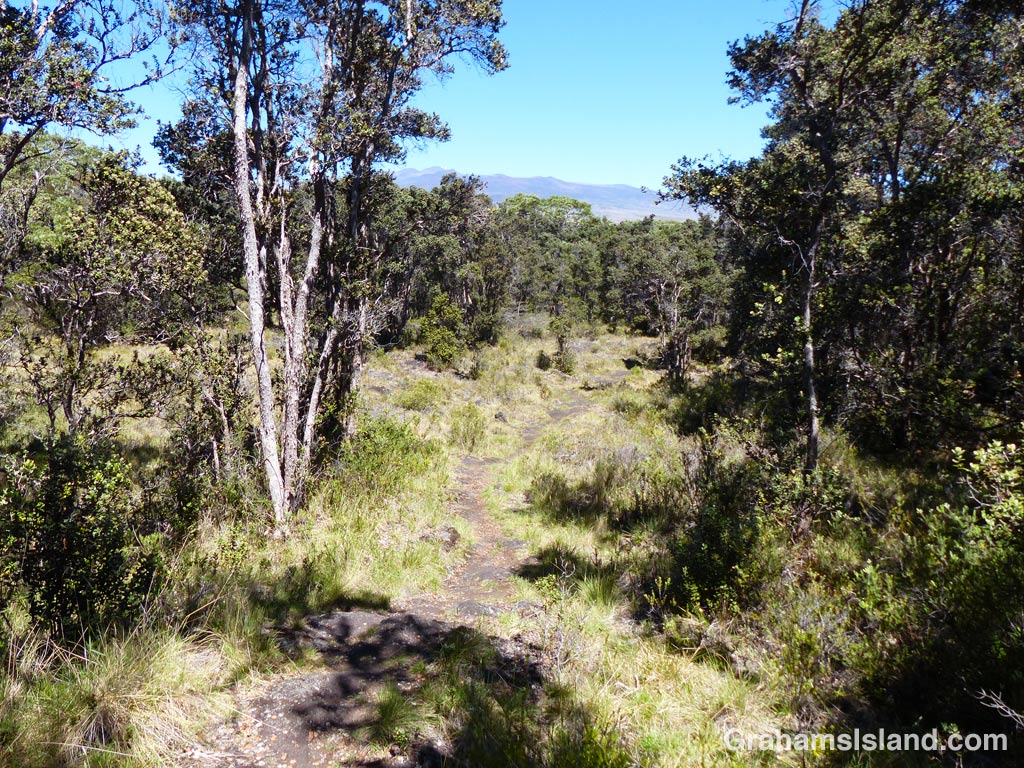
Old Saddle Road joins the new highway a just before it reaches Pohakuloa Training Area, a large military base in the saddle between Mauna Kea and Mauna Loa. It’s not unusual to hear the sound of shells exploding here as they do live ammunition fire. Past this area, there are several good hiking trails that venture into the high elevation landscape. This is one of the best areas for seeing native birds that are still hanging on in much reduced habitat.
After that, there’s the descent into Hilo and then a jog north to the garden where, every time I visit, I see something different, something that wasn’t blooming on previous visits or that I’d just missed in the profusion wonderful plants to see.
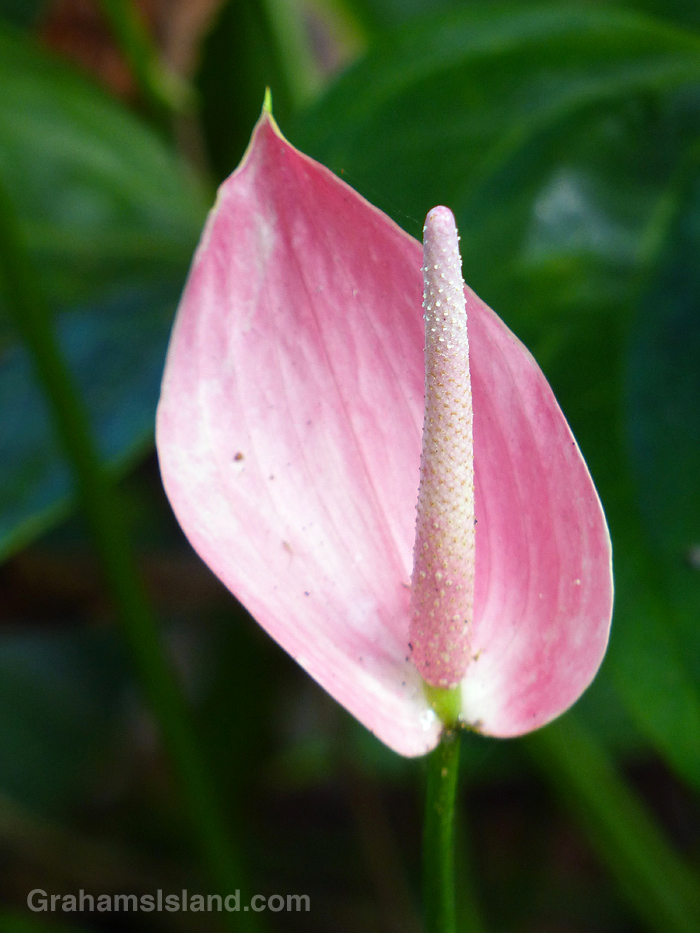
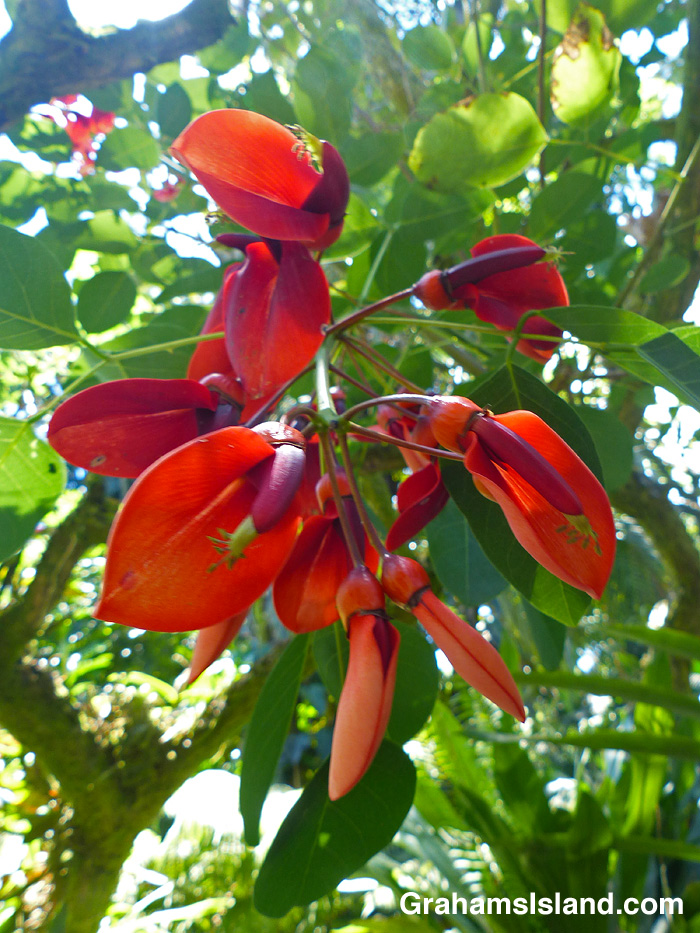
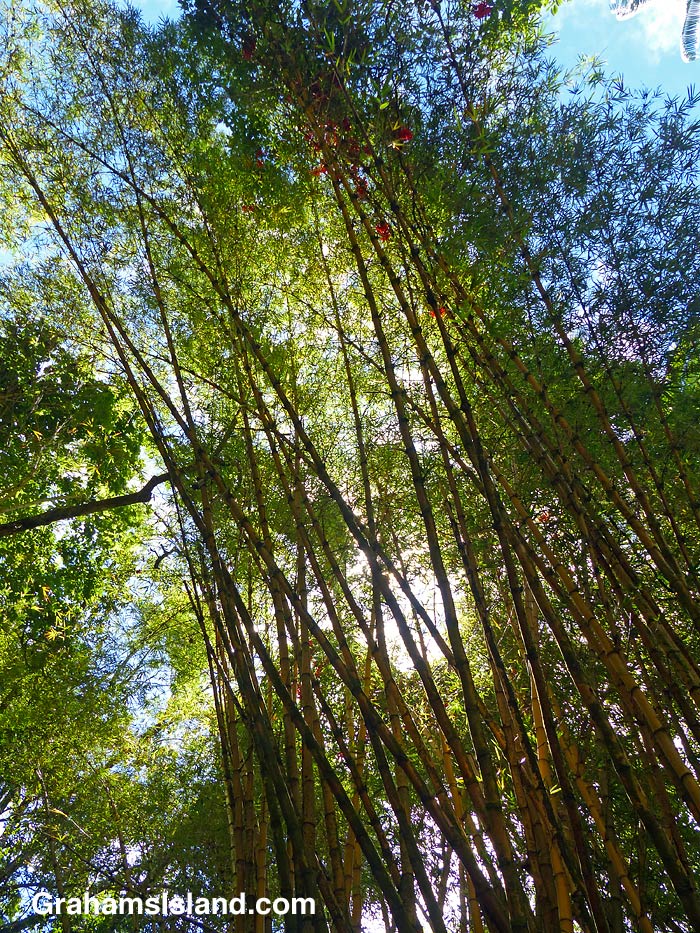
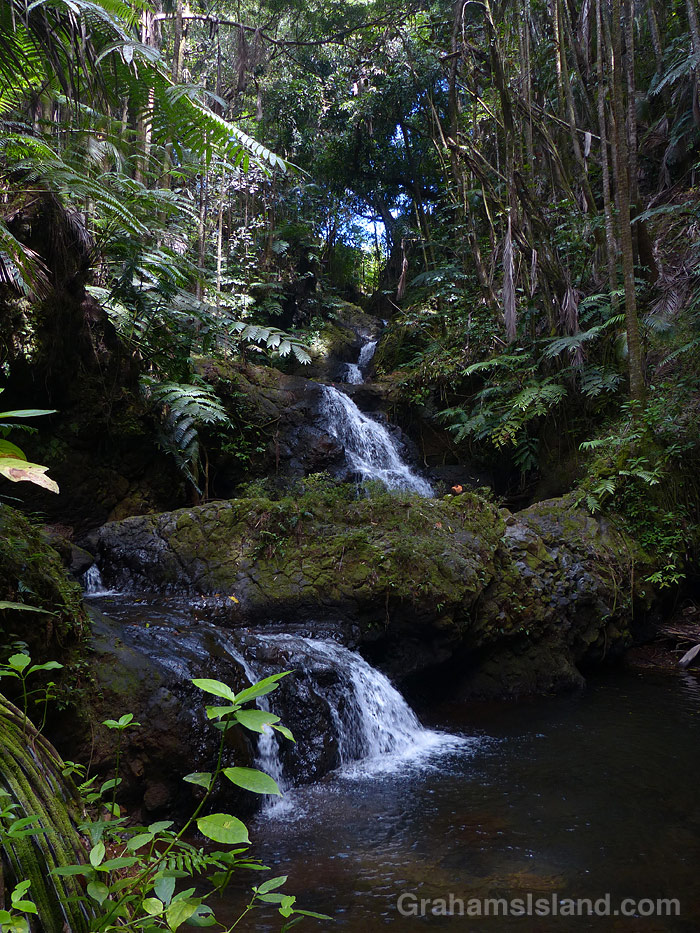
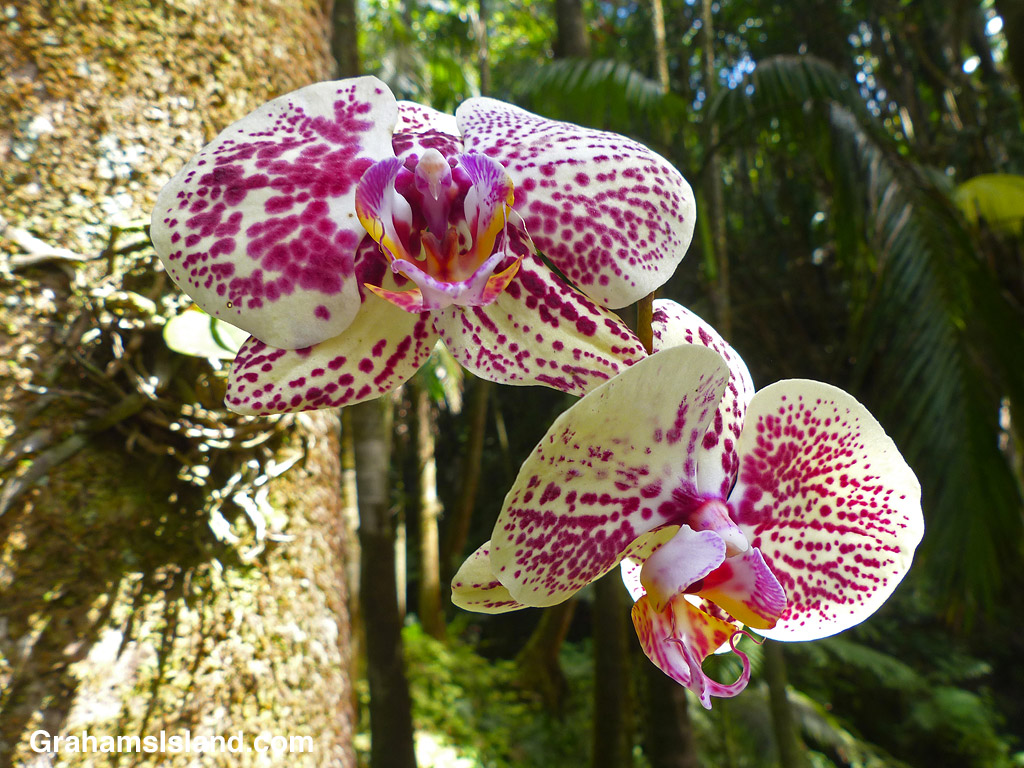
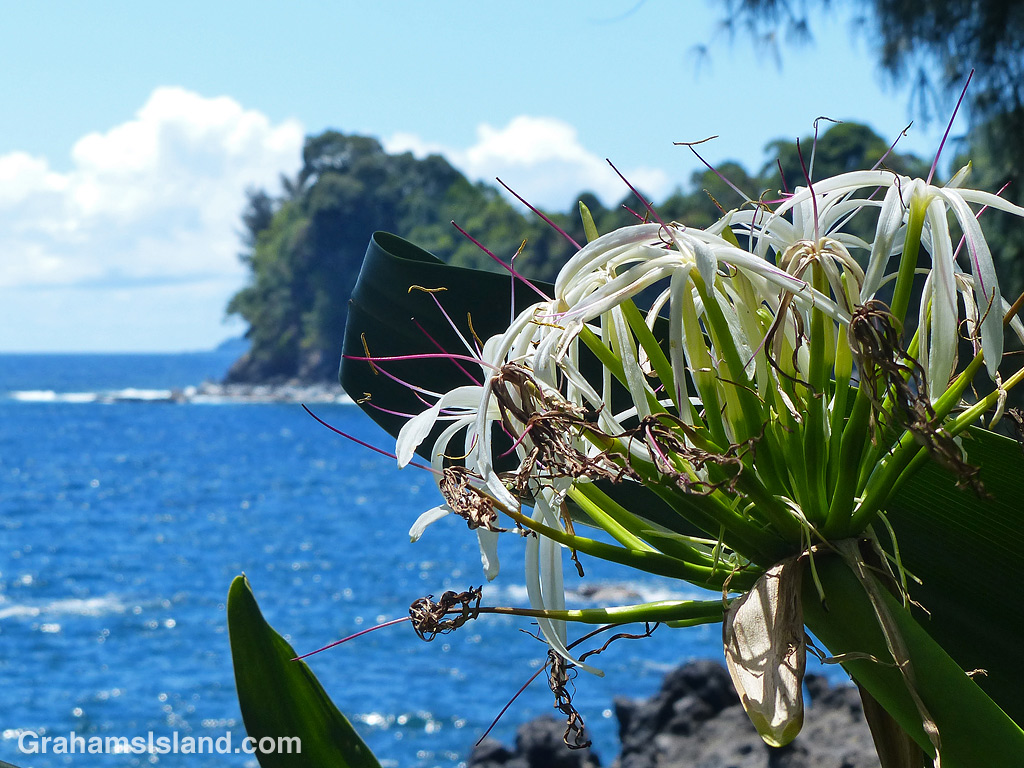
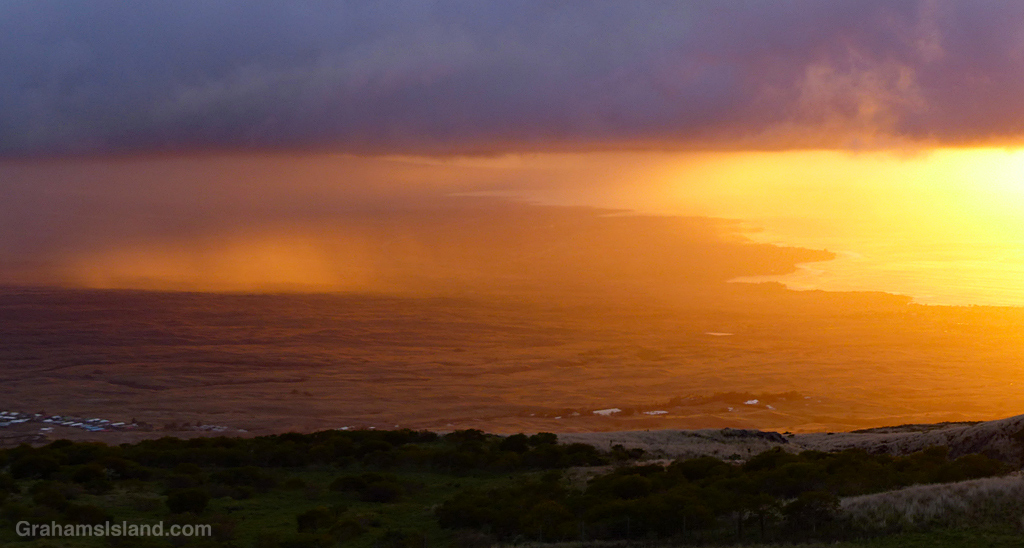
And on the way back there’s a good chance that there’ll be a splendid sunset to be enjoyed.
Also posted for this week’s Friendly Friday challenge theme is ‘Road Trip.’ See more responses here.

On my last hike on the Pu’u O’o Trail, off Saddle Road, I’d been busy taking photos of an i’iwi when I noticed this little bird hopping up a tree trunk, probing for insects. It’s an Hawaii ‘elepaio (Chasiempis sandwichensis sandwichensis), a member of the flycatcher family, and endemic to the island. The Hawaii ‘elepaio is one of three ‘elepaio species in Hawaii, the other two being on Oahu and Kauai.
 Graham's Island