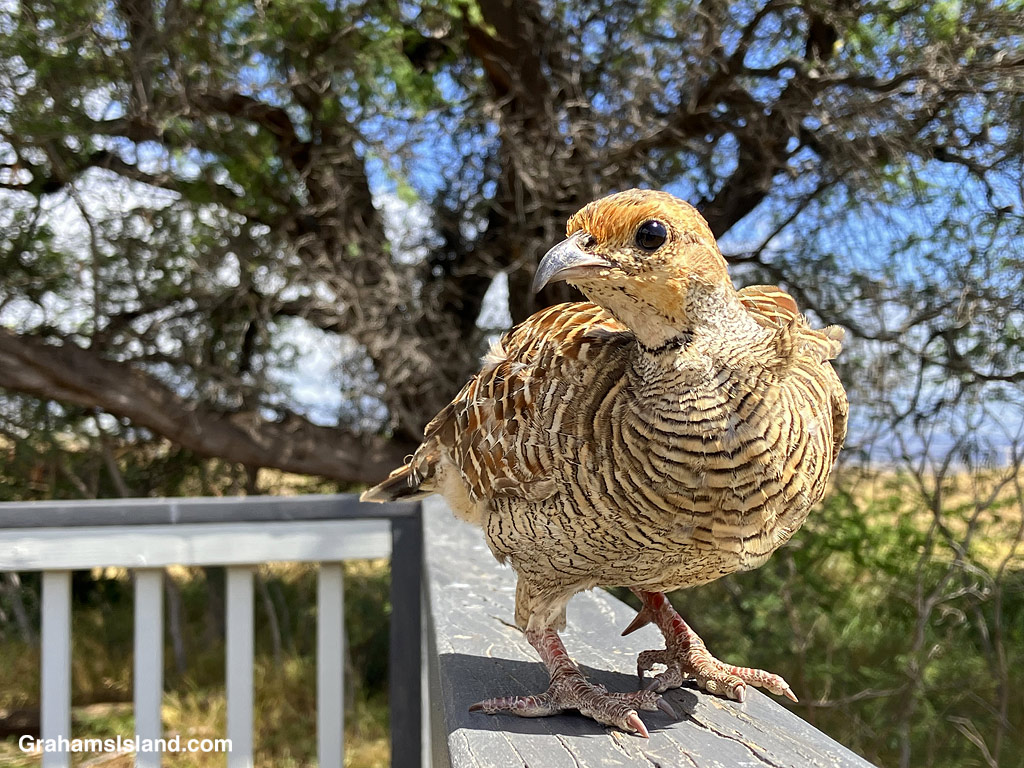
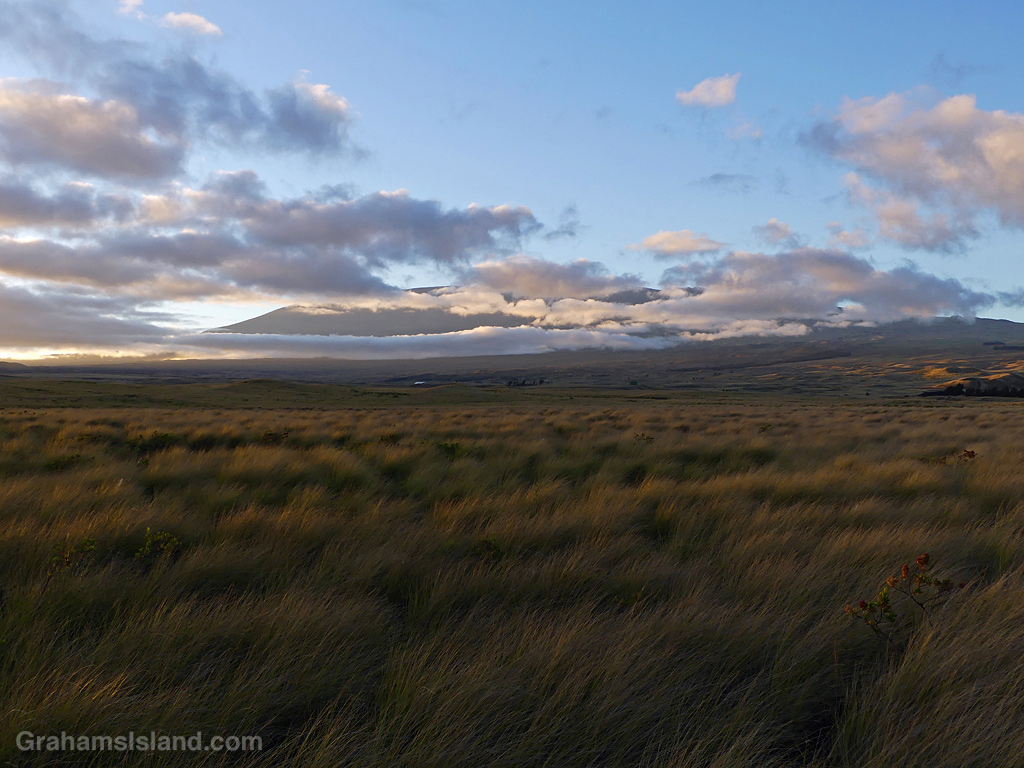
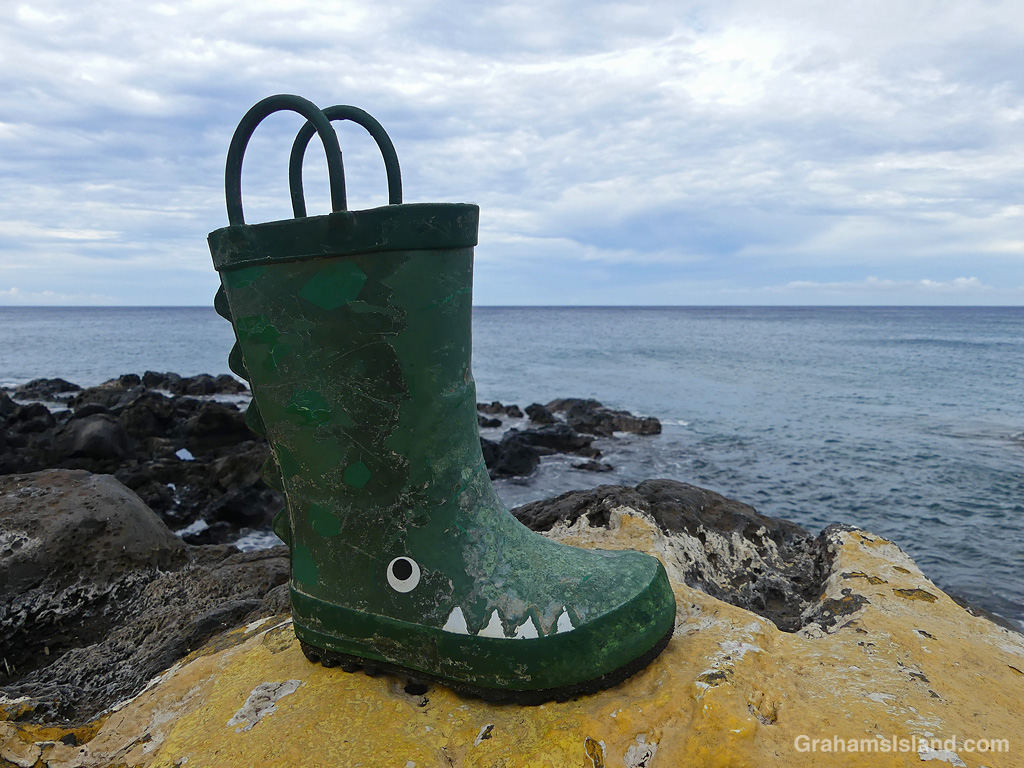
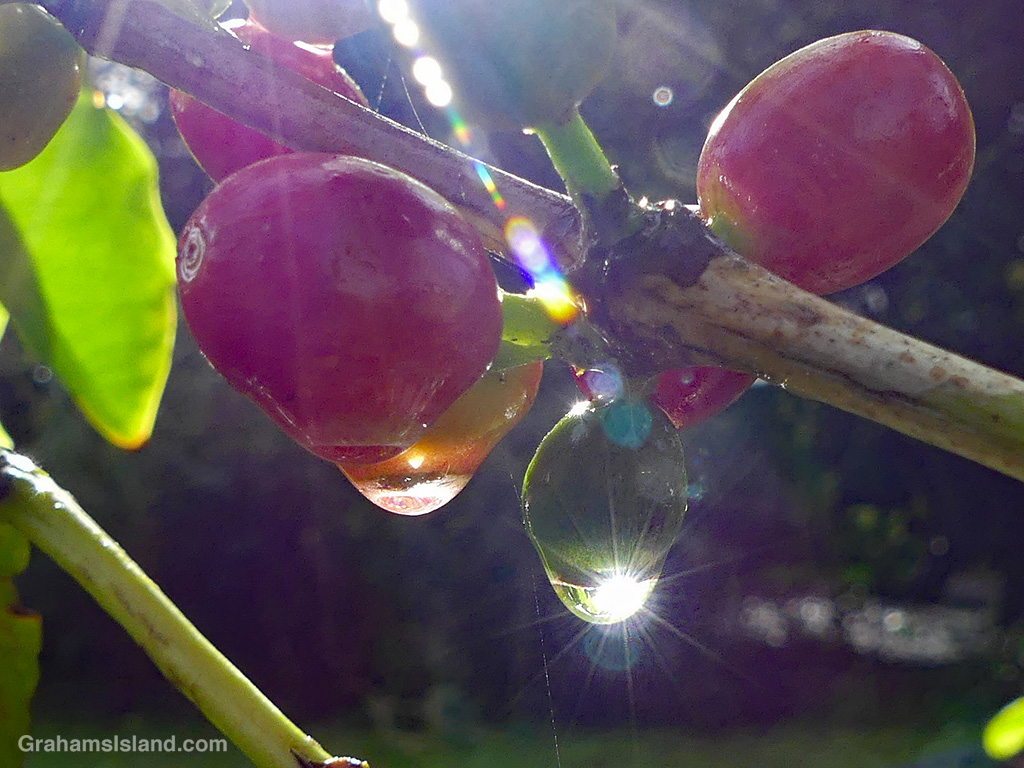
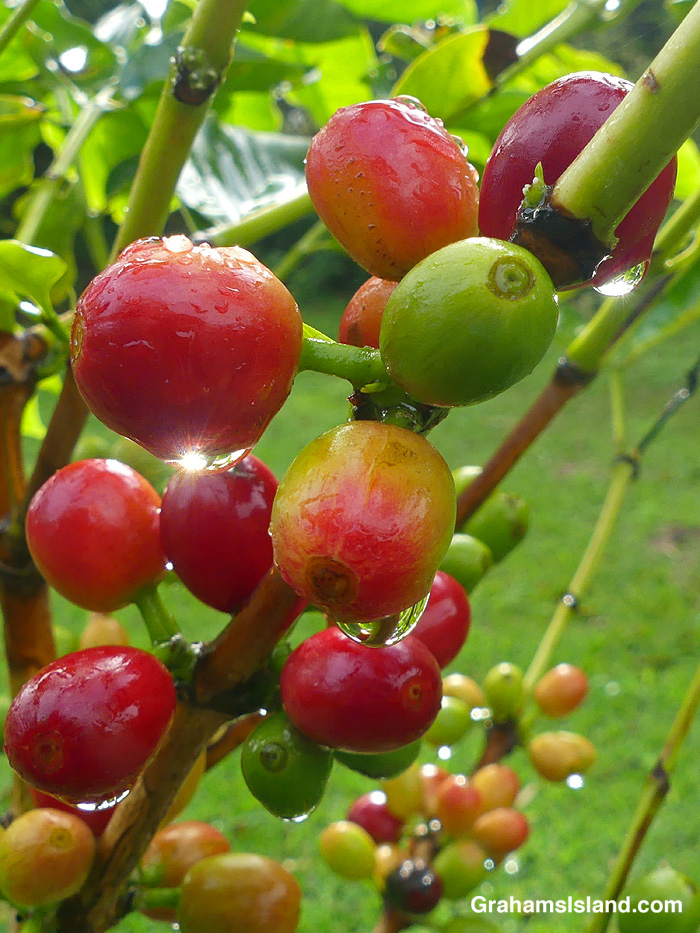
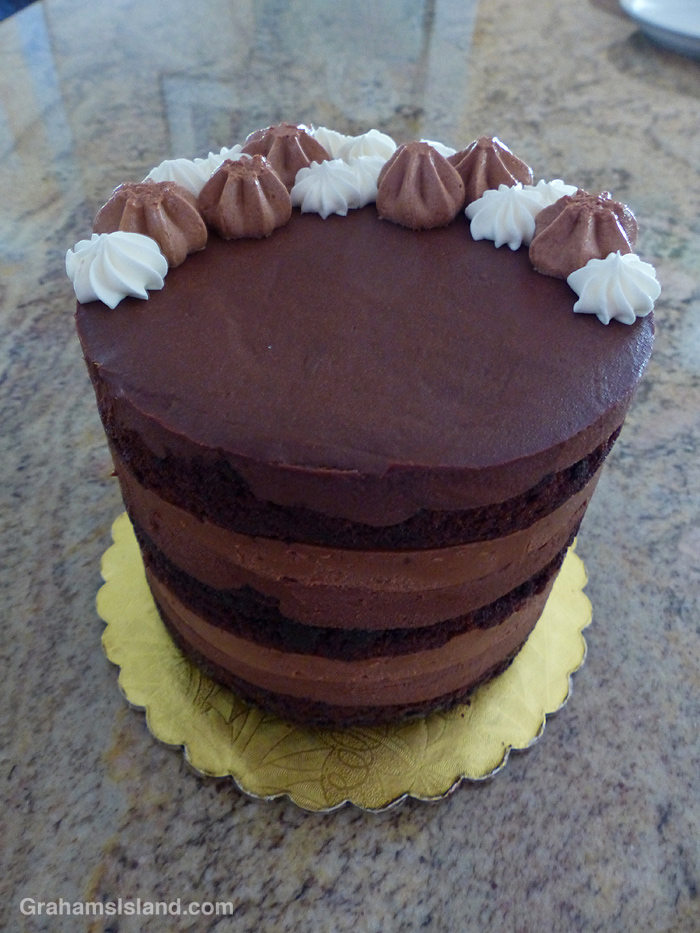
Sunday Stills challenge theme this week and last week is ‘Your 2023 Year-in-Review.’ See more responses here. As before, I’m going with a favorite photo from each month of 2023, with a caption and link to the post the photo first appeared in. Last week, I posted favorites from January through June. This week, it’s July through December.
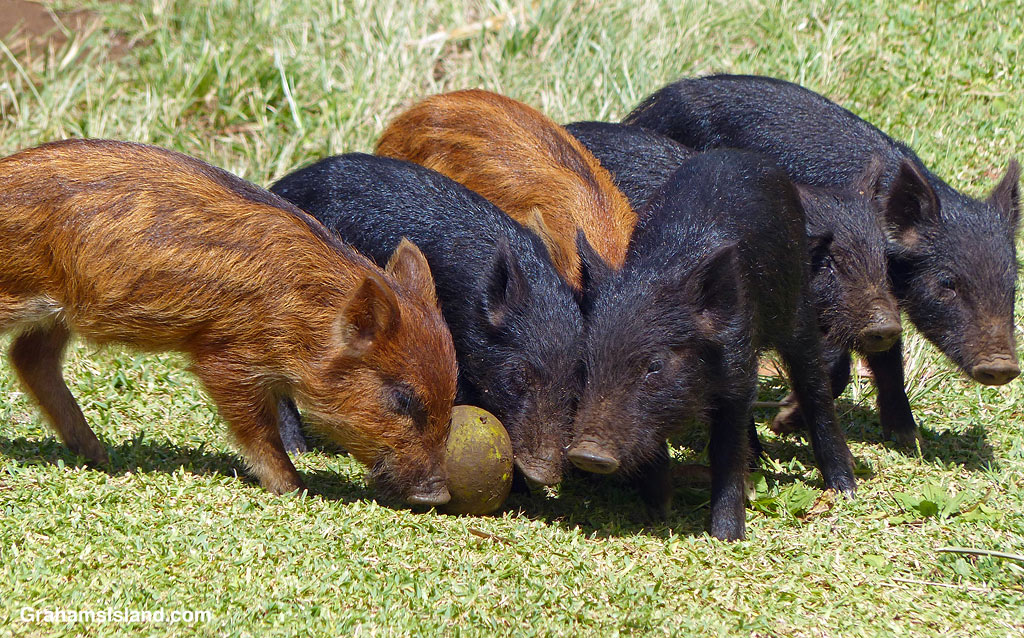
September: Mr. Chompers on the move (link).October: Wood you believe it (link)?November: Mauna Kea around sunrise (link).December: The boot’s not on the other foot (link).
In this view of the coast at Lapakahi State Historical Park, the large rock in the foreground was believed to be the home of Ku’ula, the fishing god. Local fishermen would leave a portion of their catch for him and, in return, would catch many fish next time they went out.
Pacific Trumpetfish can be seen in many guises. They’re usually gray or brown according to my fish book, but can be yellow or black with a variety of stripes and bars added to their look, depending on circumstances. The purpose of all these looks is to blend in with their surroundings so that they can more easily ambush fish that are their prey.
The trumpetfish in these photos were accompanying Convict Tangs. The yellow look in the top photo is more often seen when they’re around Yellow Tangs, but the natty look in the bottom photo works better with the tangs and the area they’re swimming.
Pacific Trumpetfish are easily spotted while snorkeling, because they’re a decent size and have a much different look to the fish they accompany. This seems like a failure on their part, but when these fish are seen from the front, which is the view their prey have, they’re virtually invisible!
I had to go back a few days for my photo for Bushboy’s Last on the Card photo challenge (see more responses here). It proved to be this praying mantis lurking on a plumeria flower stem.
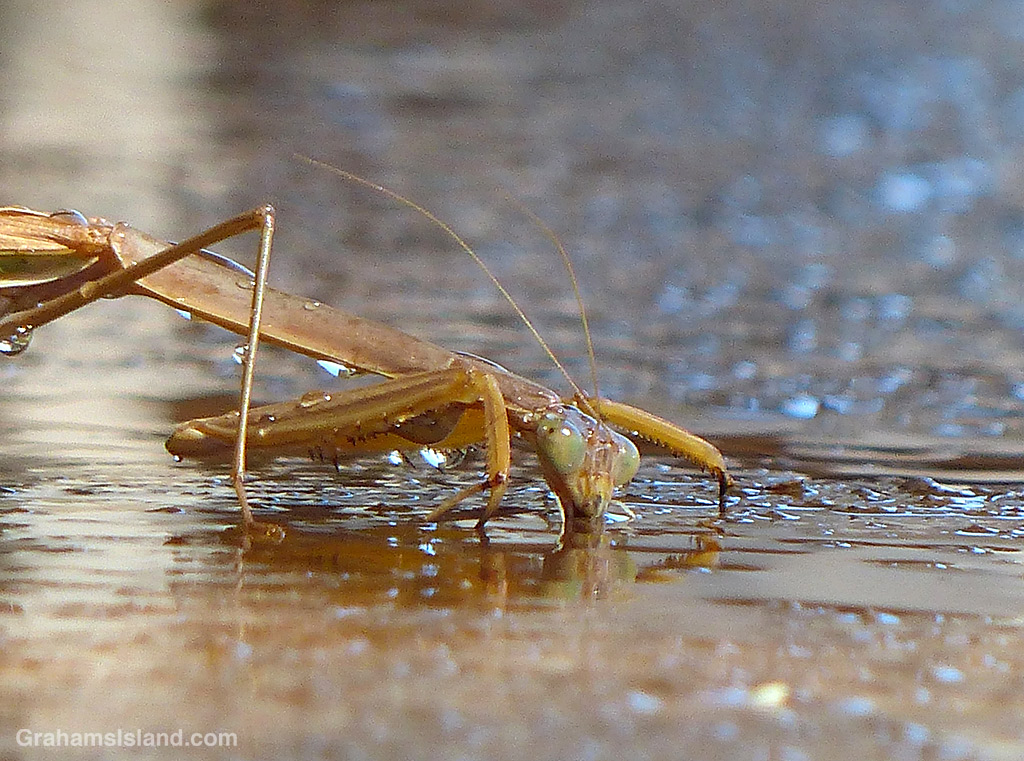
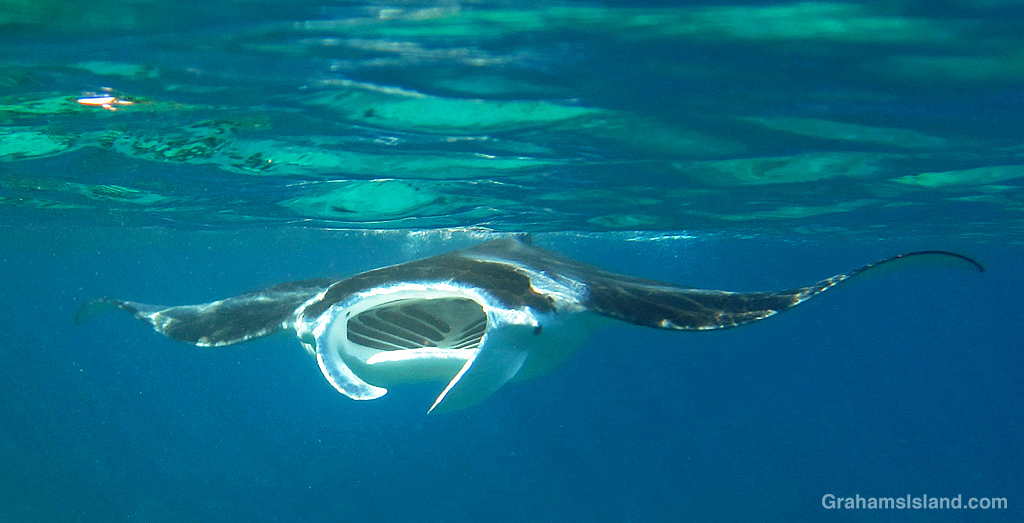
Sunday Stills challenge theme this week and next week is ‘Your 2023 Year-in-Review.’ See more responses here. As before, I’m going with a favorite photo from each month of 2023, with a caption and link to the post the photo first appeared in. This week, I’m posting favorites from January through June. See the rest of the year next week.
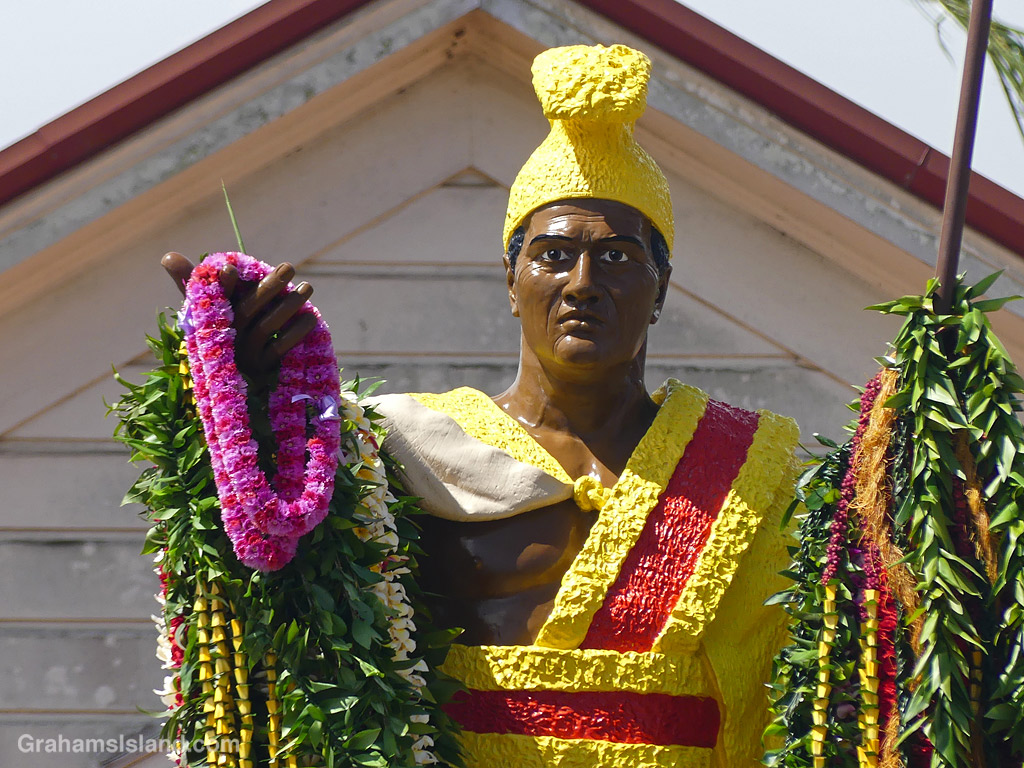
March: Time for a drink (link).April: Meeting a manta (link).May: They’re not cute and funny these days (link)!June: The king’s birthday (link).