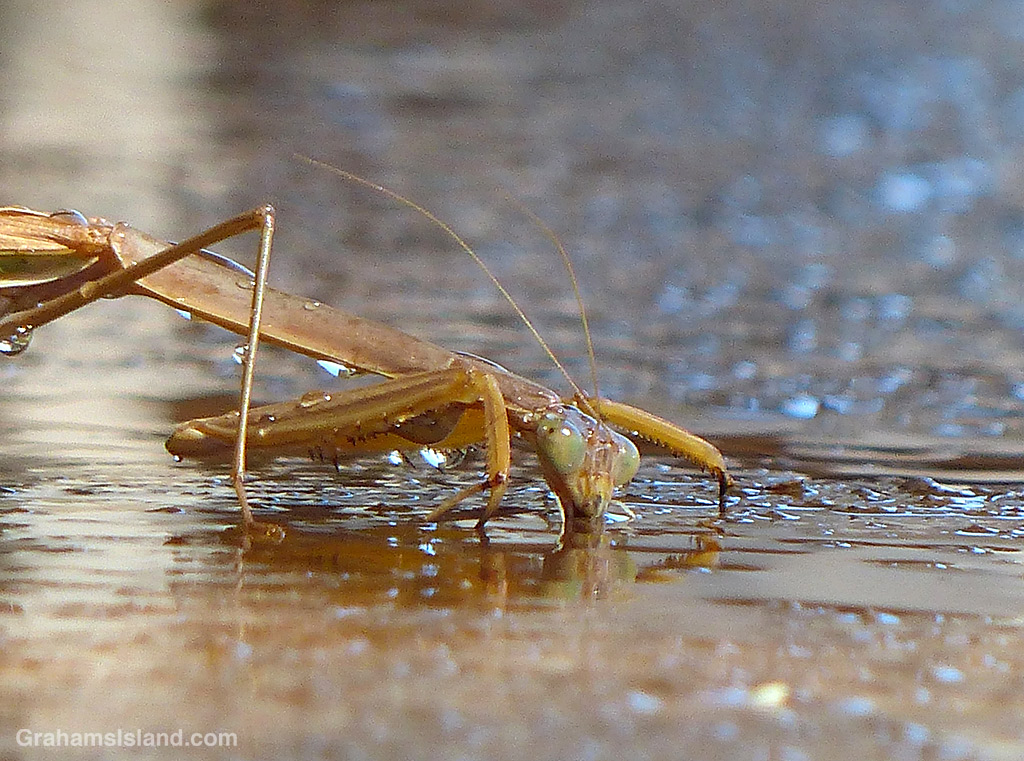
I like scenes like this. We know they happen all the time, but don’t often get to see them, at least in my experience.

I like scenes like this. We know they happen all the time, but don’t often get to see them, at least in my experience.

This week’s Sunday Stills Monthly Color Challenge is ‘Green.’ See more responses here. One of my favorite spots on the island is Hawai’i Tropical Bioreserve & Garden and I stopped by there again just last week. As luck would have it, I took a few photos – OK, more than 200; I can’t help it. Many of them – OK, all of them – featured some shade of green. It is a tropical garden after all. Here’s a selection.


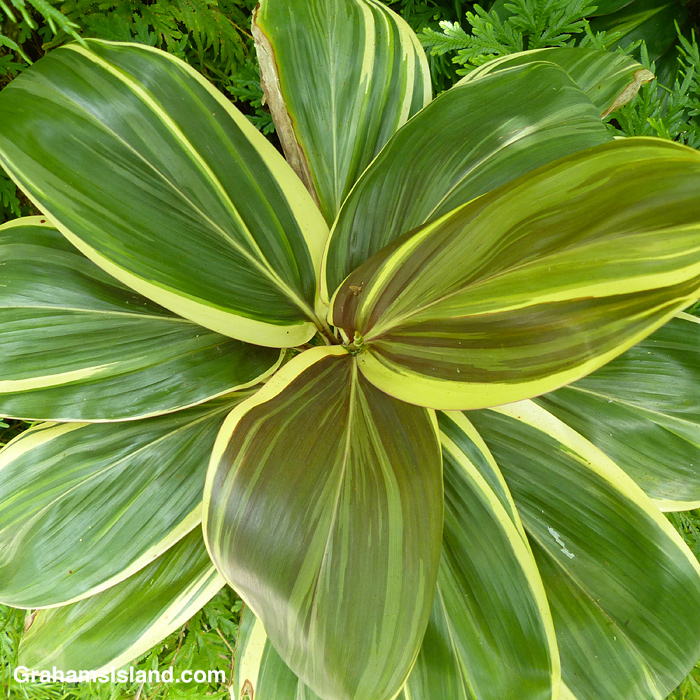

All sorts of greens, all sorts of patterns!

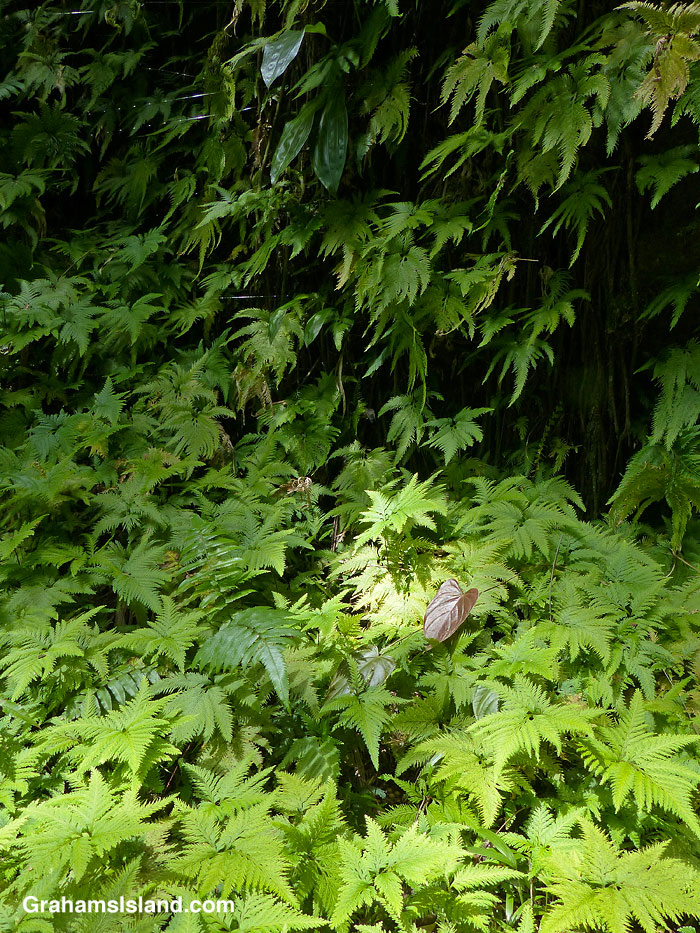

Going green. That’s what fronds are for!

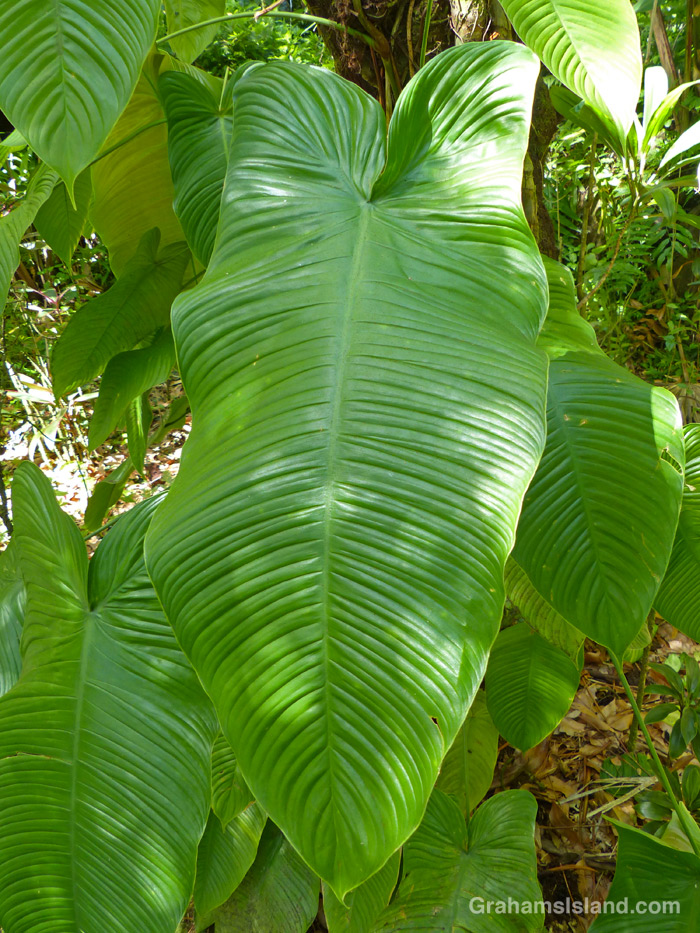
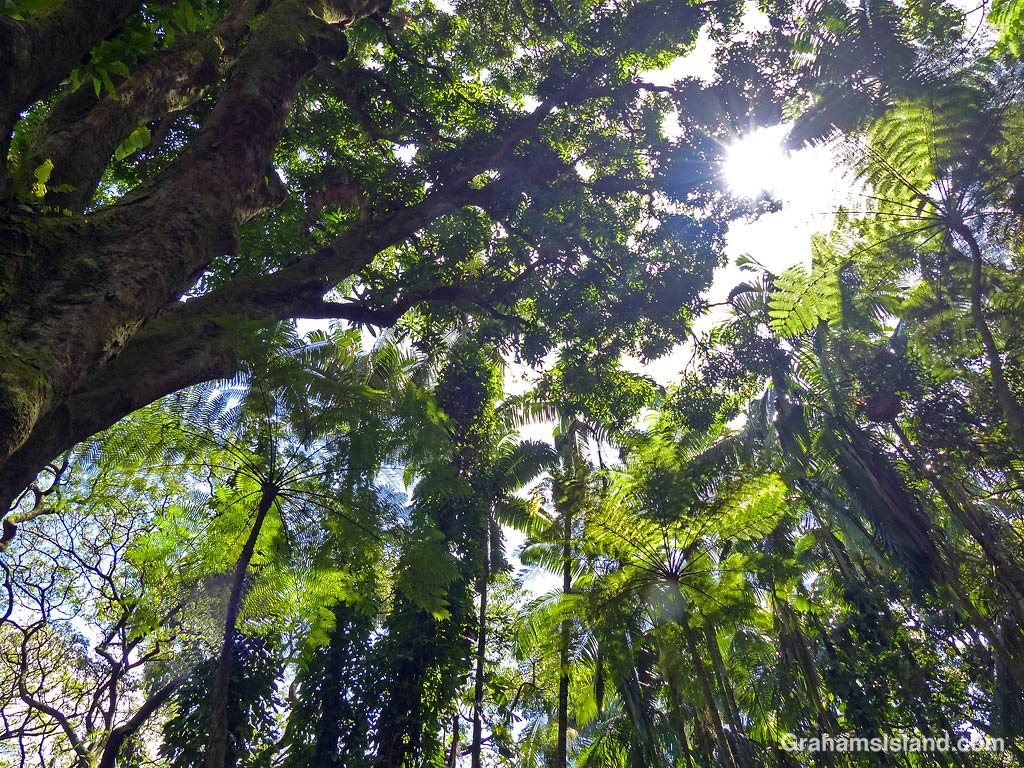
Why the long faces? things are looking up.
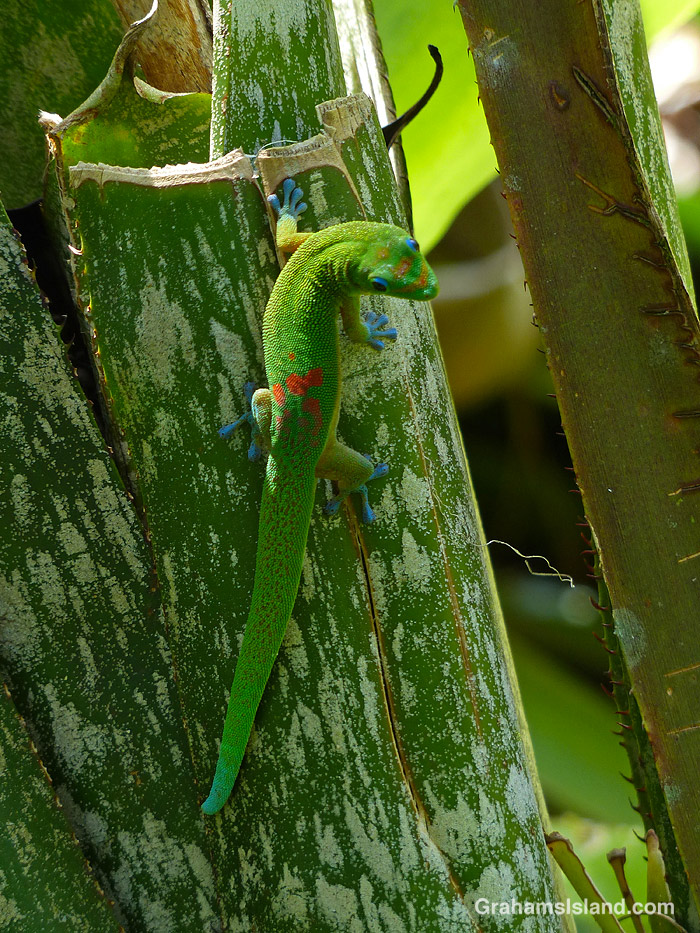
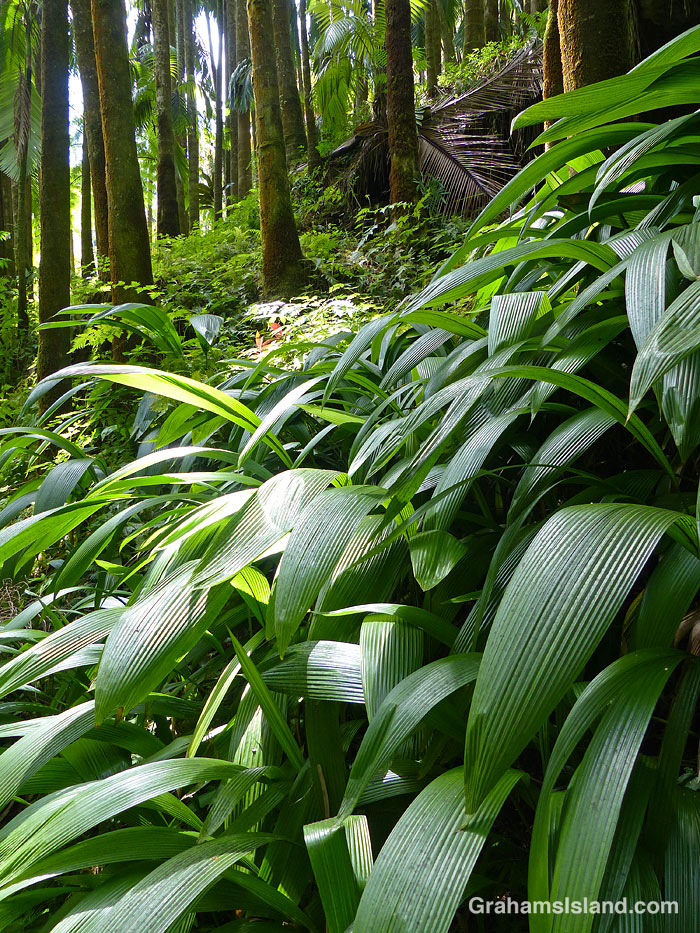
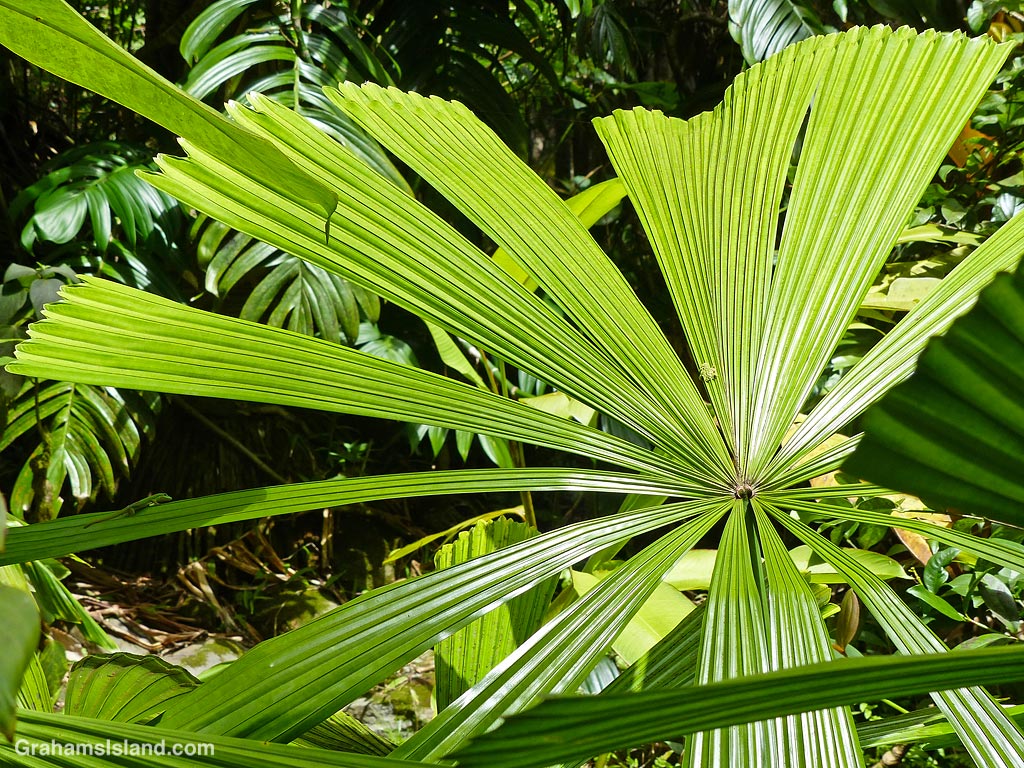
There’s a gecko in two of these photos. There’s probably geckos in all three, but two are visible.
For more information about Hawai’i Tropical Bioreserve & Garden, go to htbg.com.

A couple of days ago, Big Island skies were graced by lenticular clouds. These kinds of clouds are uncommon in Hawaii, but strong winds blowing up against Mauna Kea and Mauna Loa created perfect conditions.
Lenticular clouds appear to hover in one spot, but while they don’t move, they can change shape constantly. These two clouds behaved quite differently. The one on the right retained its basic shape all day. The one on the left was constantly morphing from one shape to another. Alas, I only got these photos because I was working and to photograph the clouds without an array of wires in the foreground meant a walk down the road a ways.
These clouds look like they’re close to the ground, but they form in the troposphere, between 6,500 and 20,000 feet. By the end of the day, the cloud on the left was largely broken up and disappearing, but the one on the right was still going strong, albeit while becoming masked by lower level clouds.


A view from the window during a recent downpour.
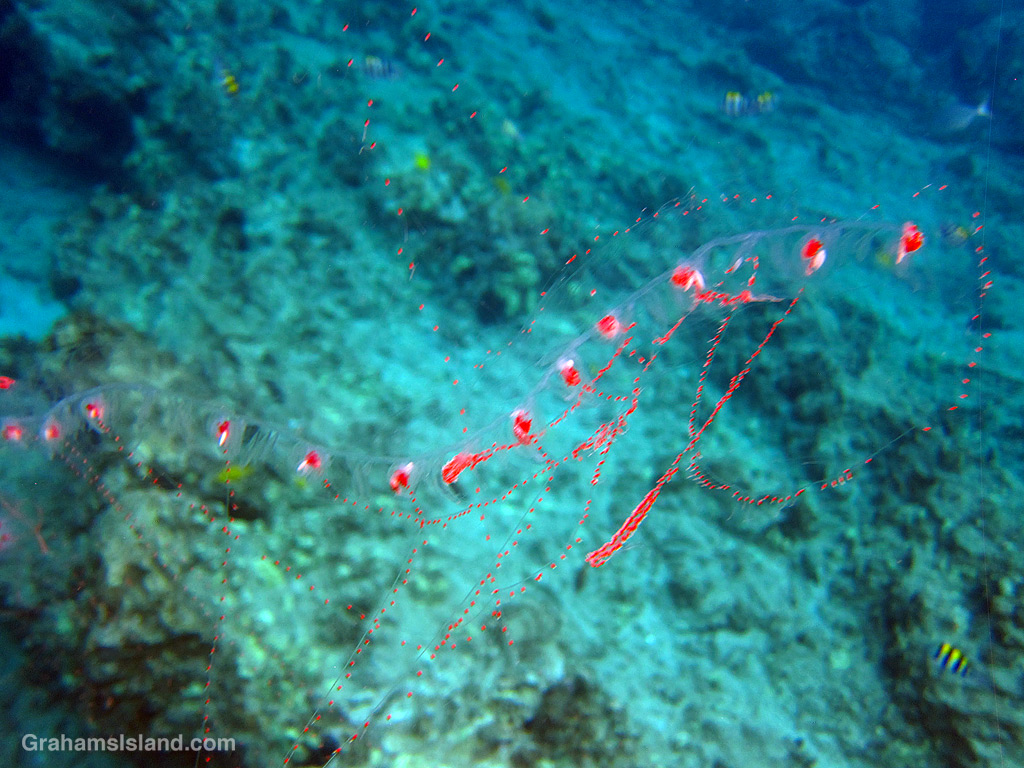
I was snorkeling recently when I saw this strange tubular stringy thing. That’s not a scientific term. My first thought was that it was a Chained Salp, a tunicate that is a colony of individual Salps. But this one seemed a bit different. There was the main tube, but also thinner strings hanging off it.
I started taking photos, which was a bit of a trick in the lumpy swell. I wasn’t worried about getting too close since Chained Salps are harmless. I wasn’t worried until I got too close and realized I’d been stung on the hand by some those tendrils! That was enough for me and I headed to shore.
Back at the house, I couldn’t identify it in my book so I emailed a fellow snorkeler who is well-versed in these sort of things. She had encountered these before and identified it as a Siphonophore (Thanks, Wendy.). Like the Chained Salp, this is a colony of individuals, but unlike the harmless salps, siphonophores have stinging tentacles which they use to catch prey.
Possibly the best known Siphonophore is the Portugese Man-Of-War, one of which had stung a fellow snorkeler just a few days earlier. His wounds were very painful, but I got off easily, with just red welts and a mild burning sensation for a couple of hours.


A paddleboarder heads back to the shore on a gray, but not too windy morning recently. That’s a slice of Maui in the background.
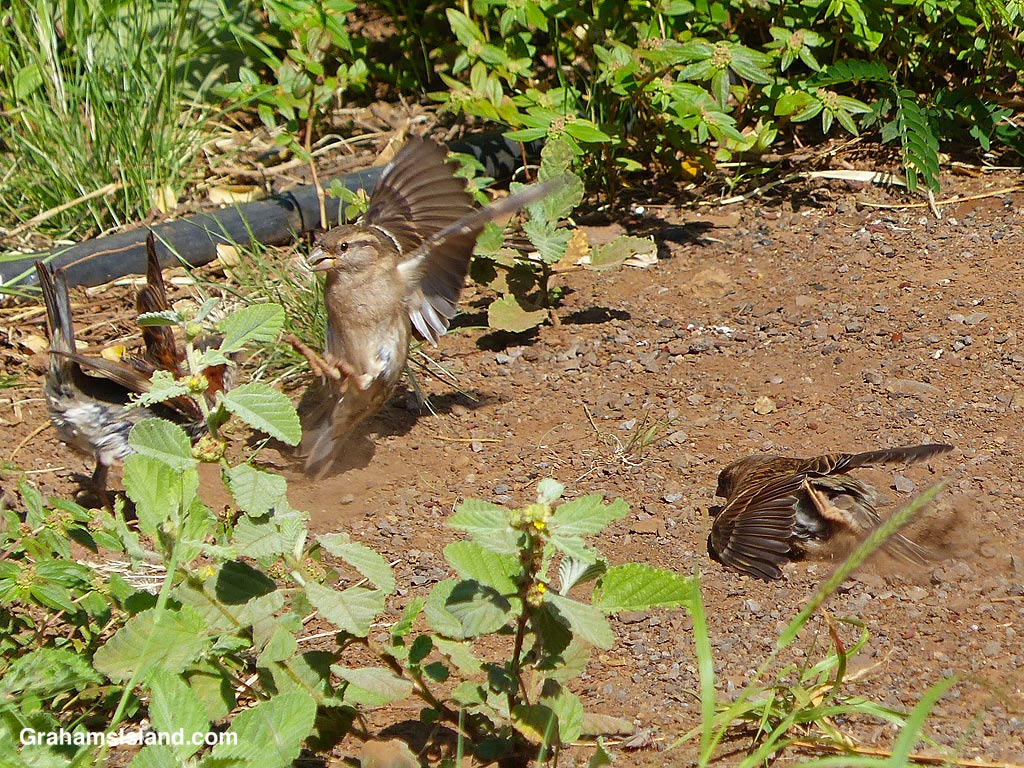


These House Sparrows enthusiastically embraced a dust bath. They’d just hopped over from a wash in a puddle, which they shared with a couple of African Silverbills. Even there, they got engaged in a tussle, all in good fun I expect.


I saw this Southern Green Stink Bug nymph (Nezara viridula) climbing up a door and, since it was something I hadn’t seen before, I was keen to get a photo. With its distinctive markings, it was fairly easy to identify.
The bugs were first seen in Hawaii in 1961 and are considered something of pest.
 Graham's Island