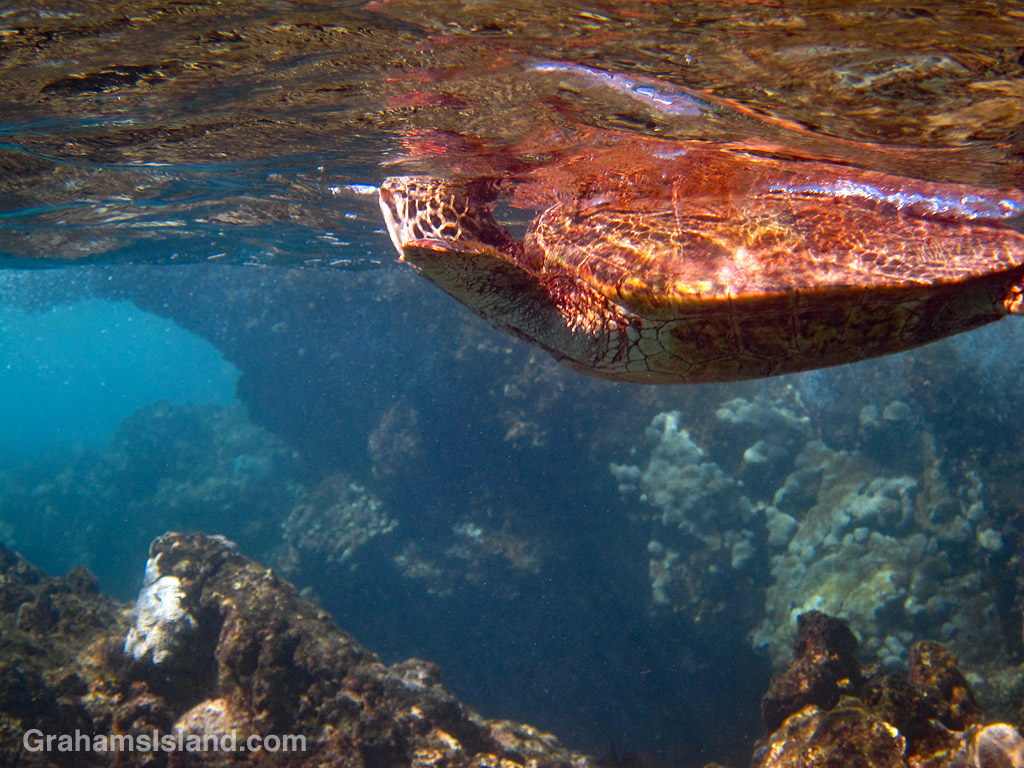
A turtle pops its head above water to take a breath.

A turtle pops its head above water to take a breath.
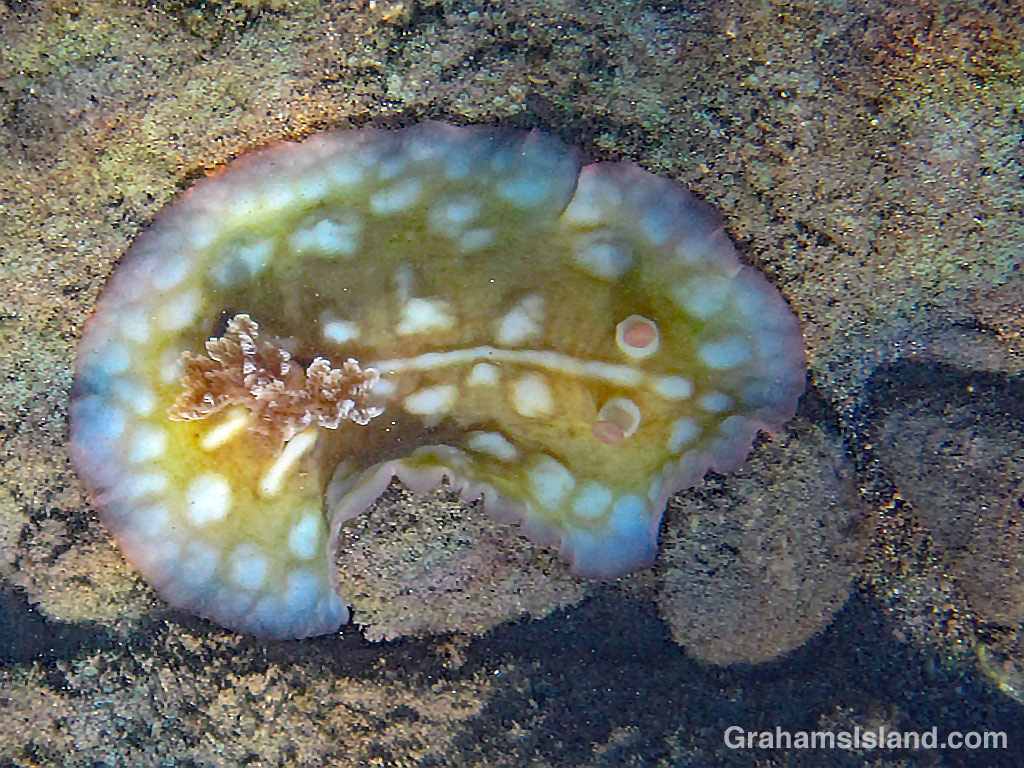


My local snorkeling spot has been roiled with excitement lately over the appearance of a couple of clumpy nudibranchs. Well, it’s exciting for us.
Nudibranchs (pronounced noo-di-branks or noo-da-branks) are members of the sea slug family. Granted this doesn’t sound too exciting, but nudibranchs are strange and exotic and often wildly colorful. The reason I haven’t posted photos of a nudibranch before is that I’ve never seen one before, let alone got a photo of one. That’s the downside of nudibranchs; they tend to be on the small side. One to three inches is typical for most of them. But clumpy nudibranchs are big, up to 10 inches long. In nudibranch world they’re like King Kong, visible from space.
When they were first spotted, I didn’t see them, but I was on high alert. And then, one day, I saw my first nudibranch. I popped up and called to my wife, only to see her waving at me to come see the nudibranch where she was. So this established that nudibranchs are like buses; you wait and wait and wait, then two come along at the same time. Since then, I’ve seen one or both of them most days I get in the water. Each time I’ve seen either of them they’ve been motoring along at speed, at least for a slug.
Clumpy nudibranchs have some color variations which can be seen in these photos. One has more yellow coloring, the other (second photo) being browner. The order’s name, Nudibranchia, means naked gills. These are the feathery clumps to the rear of the nudibranch. The two protuberances at the front are sensory organs. Clumpy nudibranchs feed mainly on sponges (not the cake variety).

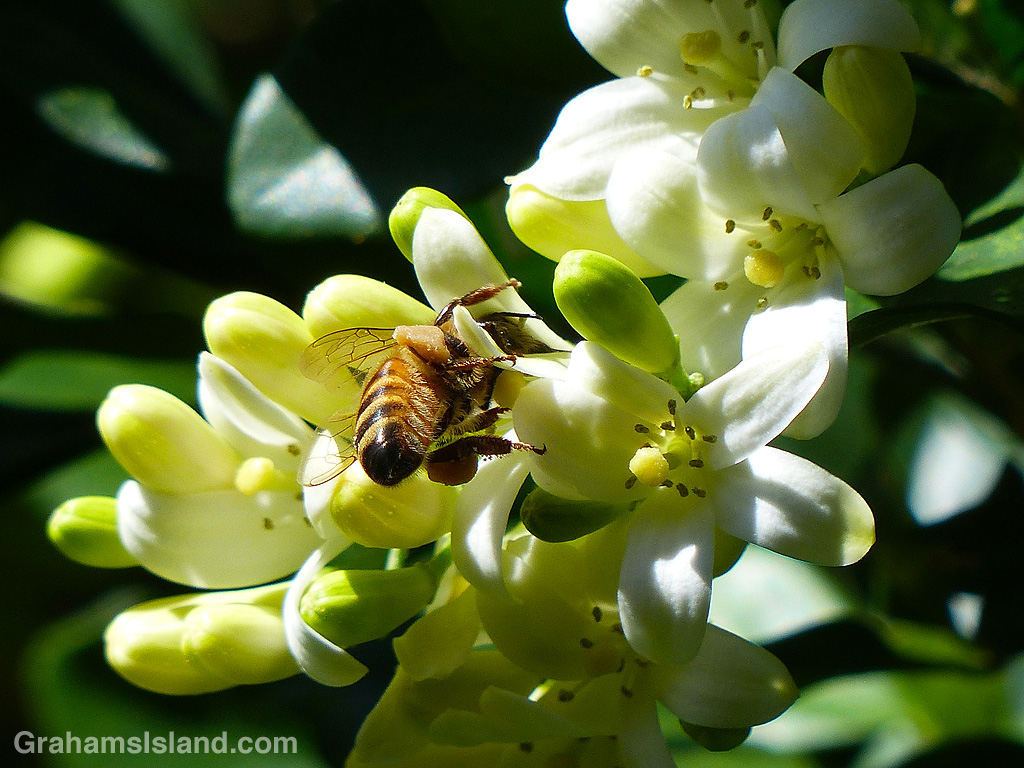
The mock orange next to the house has bloomed again. It does this several times a year, sometimes just parts of it, sometimes all of it. This latest bloom was the whole tree and when that happens the bees come out in force. Step outside, and a low hum fills the air as well as an intense aroma.
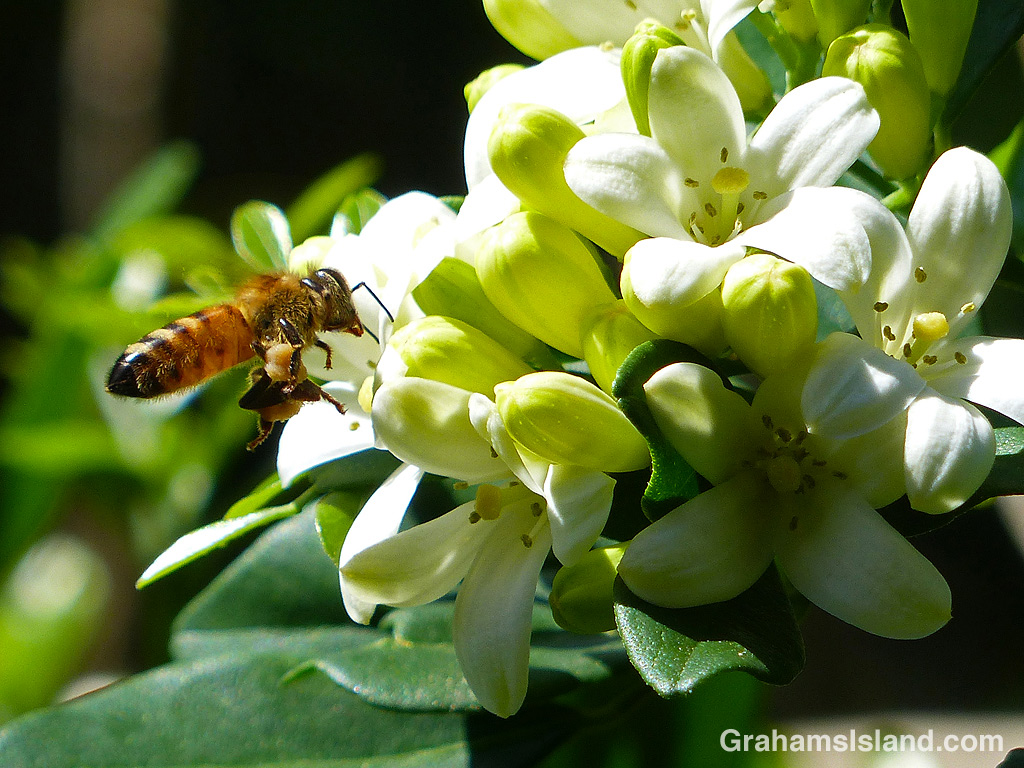
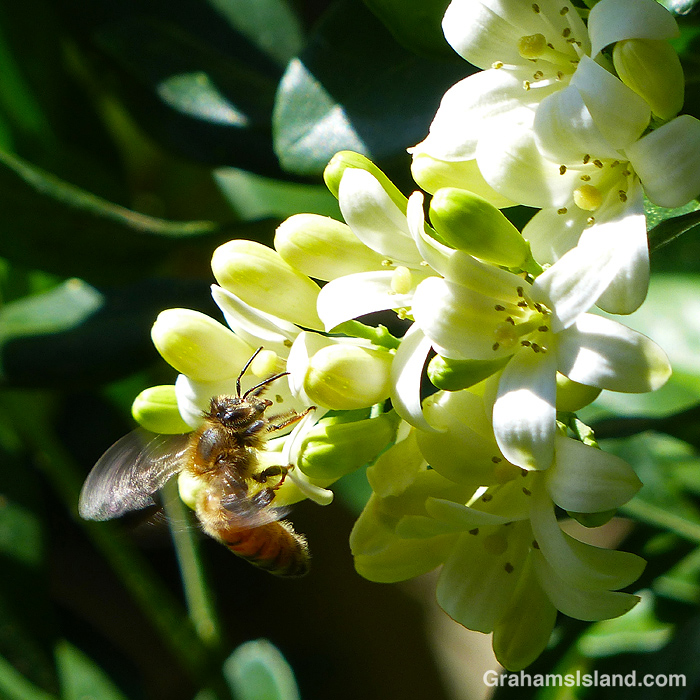
I take lots of photos, trying to capture something of interest to me, such as a bee approaching a flower (top), helicoptering in to land (middle), and getting stuck in (bottom). In the bottom photo, I was struck by the flat underside of the bee, not something I’d noticed before.

It’s not a partridge in a pear tree, but I like the lines and patterns that palm fronds make and this little sparrow gives them a bit of scale.
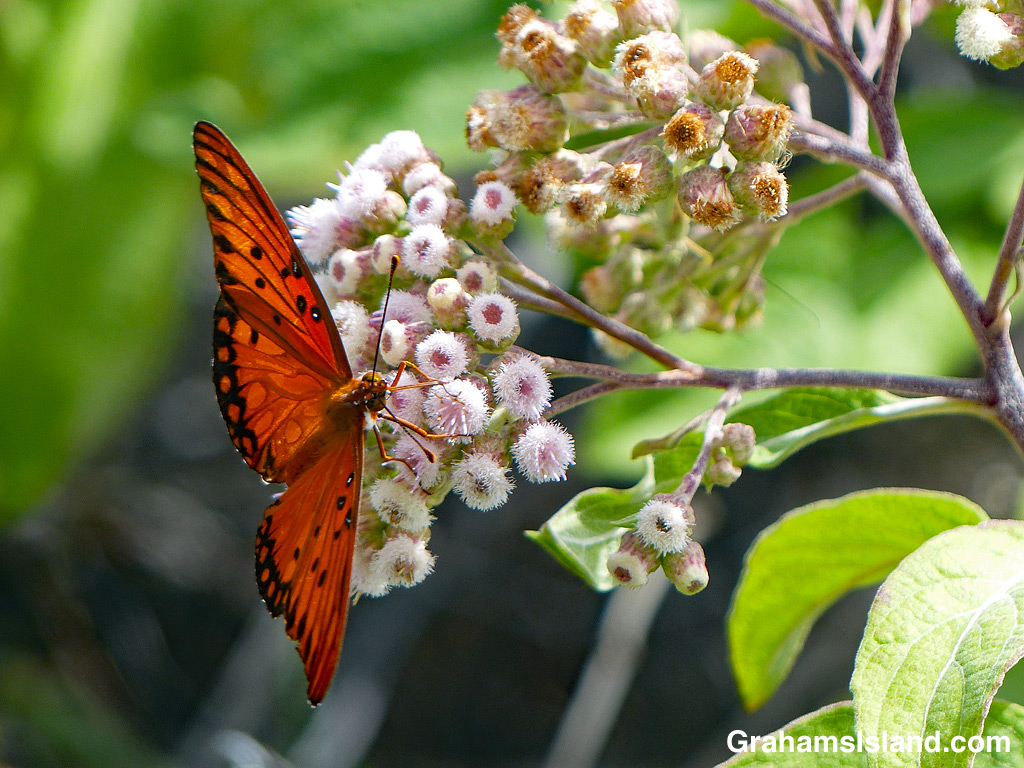
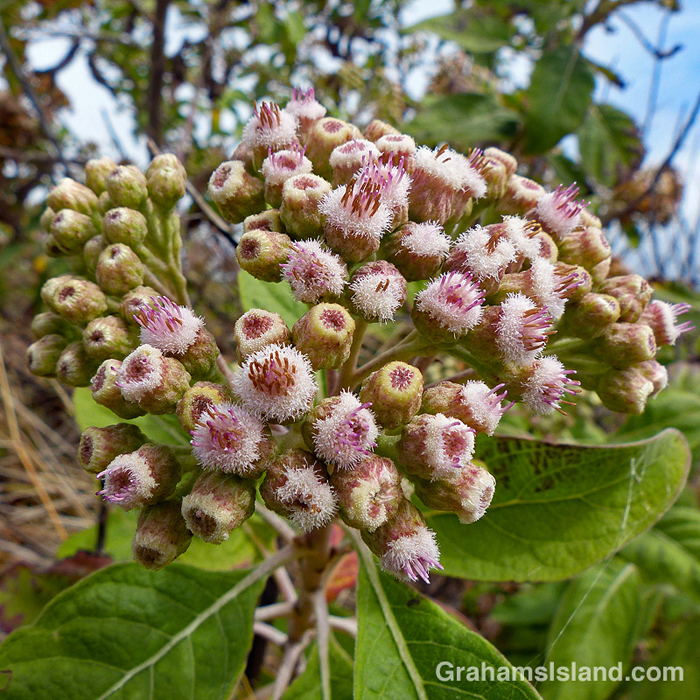
Pluchea carolinensis is also known as sourbush and cure-for-all. This latter name probably comes from its medicinal use in its native range, which is the tropical Americas. It’s a member of the aster family – Asteraceae.
The plant was first reported in Hawaii in 1931 and on the Big Island in 1933. It’s believed to be an accidental introduction, possibly associated with shipping to Hawaii and within the islands. The onset of World War II prompted the plant’s spread through the Pacific, probably in military shipments.
On the Big Island it’s most often seen in drier coastal areas, but it can tolerate a variety of climates and conditions. These photos were taken on the Puna Coast Trail in Hawaii Volcanoes National Park.
For more information about Hawaii Volcanoes National Park, go to nps.gov/havo/.
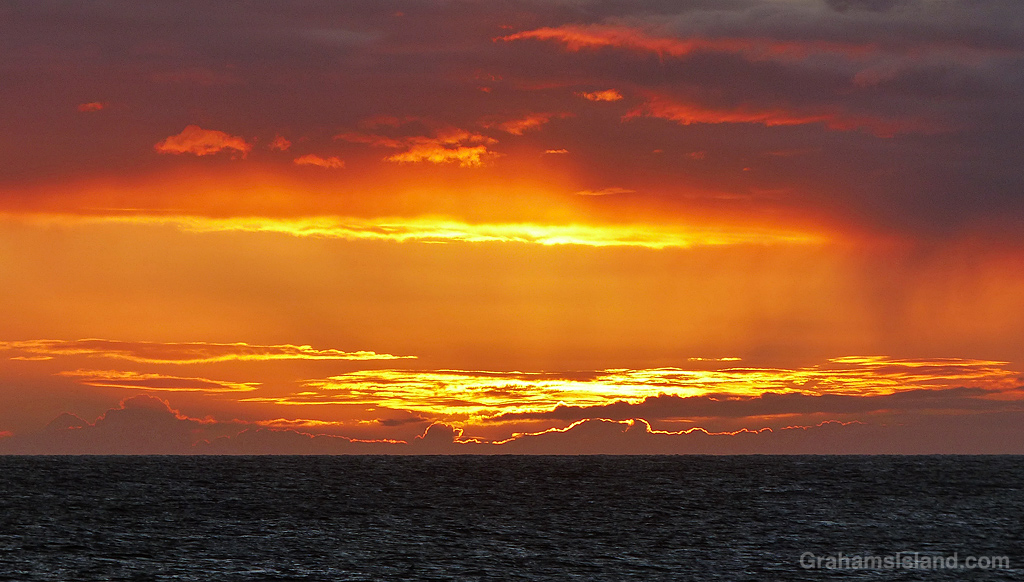
This week’s Sunday Stills challenge theme is ‘Orange.’ See more responses here.
I thought I’d keep it simple with a sunset taken from the old Coastguard Station in North Kohala.

This week’s Friendly Friday challenge theme is ‘Street Art.’ See more responses here.
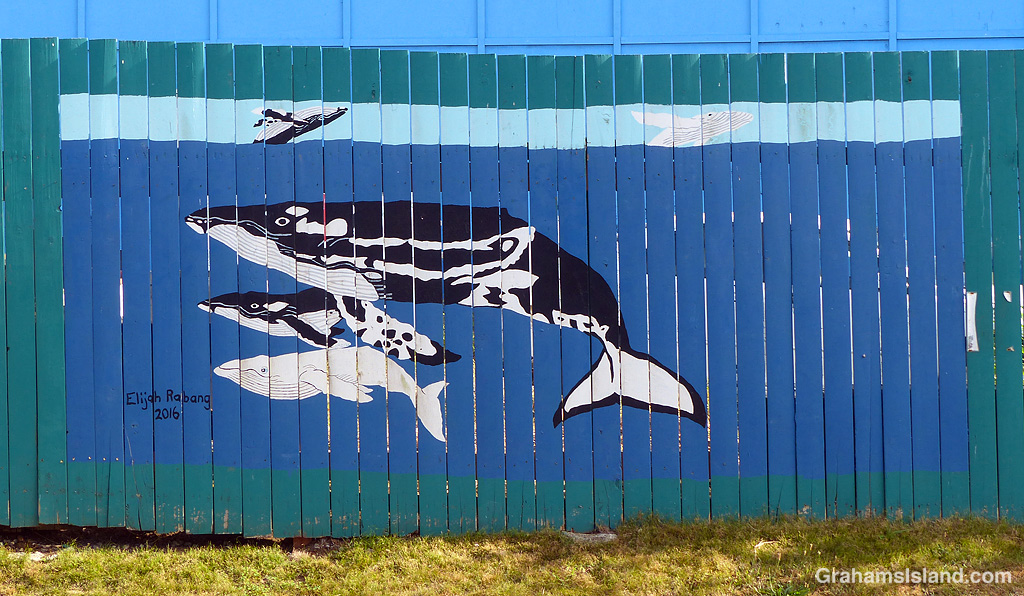
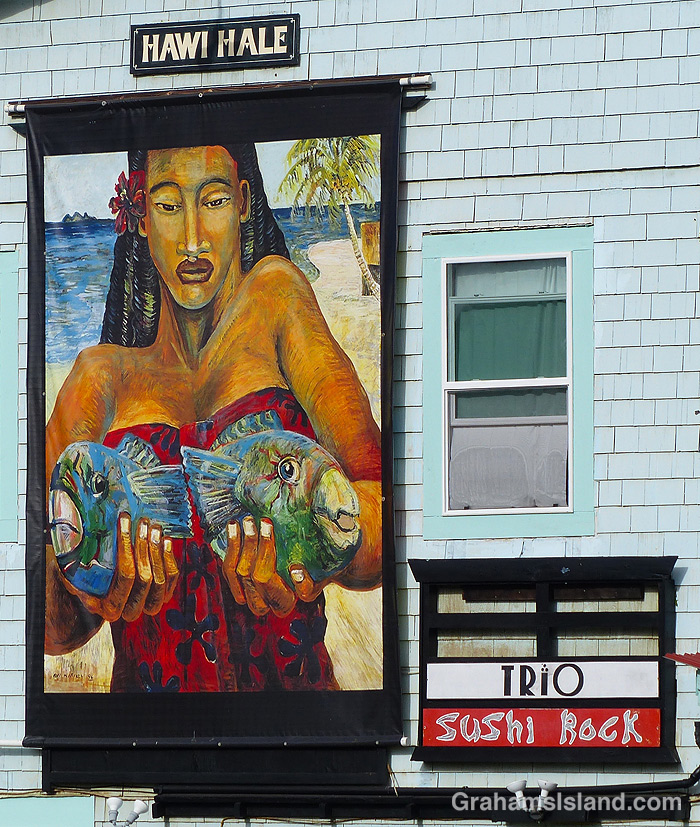
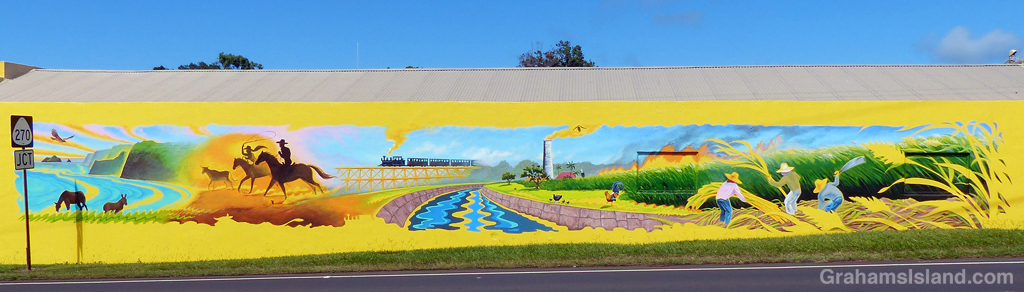
Here’s a tour of some of the street art in beautiful downtown Hawi. The actual walking tour would take you about the same amount of time as it will to read this post, since Hawi is not a big place. But, it being an arty community, there’s a fair bit of street art in a small area. As for graffiti, I posted a bit of that just the other day (here).

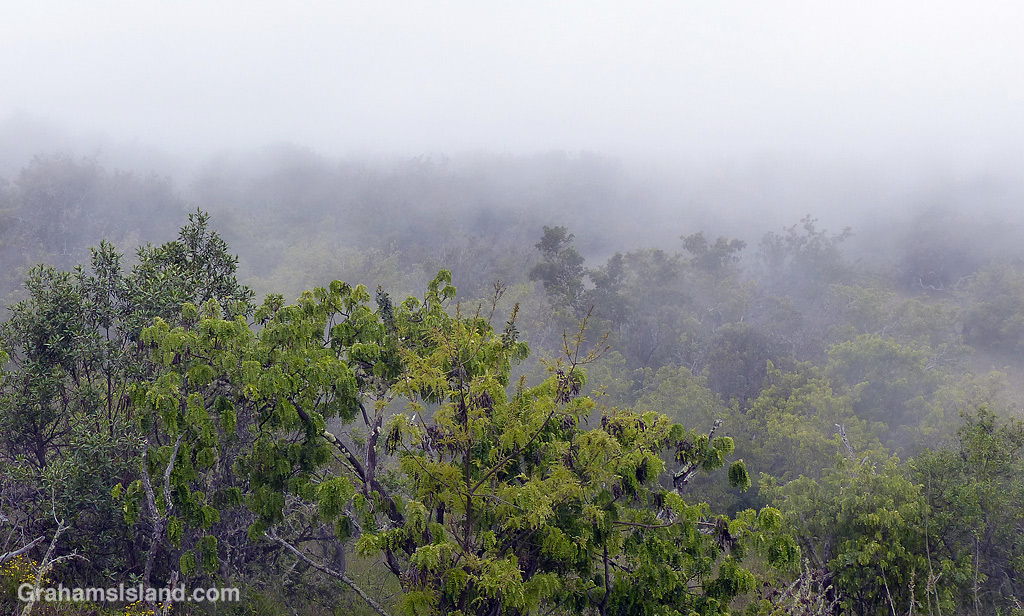
The scrubby woodlands on the side of Mauna Kea take on an eerie air when the clouds roll in.
 Graham's Island